

P0302 on 2009-2013 Subaru Forester: Cylinder 2 Misfire Causes and Fixes
P0302 on a 2009-2013 Forester indicates a misfire in cylinder 2. The most common causes are worn or oil-fouled spark plugs, a faulty ignition wire, or a bad ignition coil pack. Start by inspecting these parts, which are typical maintenance items and known failure points on the EJ25 engine.
- P0302 means cylinder 2 (driver's side, rear) is misfiring.
- Start your diagnosis with the most common and affordable parts: the spark plug and ignition wire for cylinder 2.
- A flashing check engine light indicates a severe misfire that can quickly damage your catalytic converter; avoid driving if possible.
- If basic ignition parts don't solve the problem, consider a faulty fuel injector or a vacuum leak before suspecting more serious mechanical issues.
- Be aware of Subaru TSBs that link this code to camshaft position sensor problems, especially if other related codes are present.
What's Unique About the 2009-2013 Subaru Forester
While P0302 is a generic code, the 2009-2010 Forester with the EJ25 SOHC engine has specific patterns. The boxer engine design places the ignition components in a way that can make access to cylinder 2 (driver's side rear) more challenging than on an inline engine. A very common issue is the valve cover and spark plug tube seals leaking oil, which pools in the spark plug well and fouls the plug, directly causing a misfire. Furthermore, while Subaru TSBs for later engines link misfires to camshaft sensors, on the EJ25 SOHC, an often-overlooked cause for a persistent P0302 is incorrect valve lash, as these engines have adjustable valves that require periodic service.
Symptoms You May Notice
- Rough or shaky idle, sometimes shaking the whole car
- Hesitation or stumbling during acceleration
- Noticeable loss of engine power
- Flashing or solid Check Engine Light
- Increased fuel consumption
- Smell of unburnt fuel from the exhaust
- Replacing the fuel filter when the issue is isolated to a single cylinder.
- Replacing the mass airflow (MAF) sensor, as a single-cylinder misfire is rarely caused by a faulty MAF sensor. A bad MAF typically causes multiple/random misfires (P0300).
- Repeatedly replacing spark plugs without addressing underlying oil leaks from the valve cover gaskets.
Most Likely Causes
- Worn or Oil-Fouled Spark Plug 🔴 High Probability Leaking valve cover gaskets and spark plug tube seals are extremely common on the EJ25 engine, allowing oil to seep into the spark plug wells. This oil fouls the spark plug, causing a misfire. The difficult access on the boxer engine can also lead to delayed replacement.
How to confirm: Remove the ignition wire from cylinder 2. Look for oil in the spark plug tube. Remove the spark plug and inspect it for wear, heavy carbon fouling, or oil saturation. A fouled plug is a very strong indicator.
Typical fix: Replace the spark plug in cylinder 2. It is highly recommended to replace all four spark plugs. If oil was present, you MUST replace the valve cover gasket and spark plug tube seals to prevent the issue from recurring.
Est. part cost: $20-$50 for a set of four plugs. $25-$50 for a valve cover gasket kit. - Faulty Ignition Wire 🔴 High Probability Ignition wires degrade over time from heat and electrical stress. The wire for cylinder 2 is long and can be prone to damage or internal failure, where the conductor burns out inside the boot.
How to confirm: Inspect the wire for visible damage, cracks, or burns, especially at the boots. Check its resistance with a multimeter (should be under 25k ohms). A simple test is to swap the wire with cylinder 4 (driver's side front) and see if the misfire code moves to P0304.
Typical fix: Replace the ignition wire for cylinder 2. It is best practice to replace the entire set of four wires with a quality brand like NGK or Denso.
Est. part cost: $40-$80 for a set - Bad Ignition Coil Pack 🟡 Medium Probability The EJ25 in this generation uses a single coil pack that provides spark for all four cylinders. A failure in the terminal for cylinder 2 (or the shared terminal for 2 and 4) can cause a dedicated misfire. Cracks in the coil housing can also cause spark to arc to ground.
How to confirm: Inspect the coil pack for cracks or signs of arcing (white or black carbon tracks). After confirming plugs and wires are good, swap the spark plug wire outputs for cylinder 2 and 4 at the coil pack. Clear the codes and run the engine. If the misfire moves to P0304, the coil pack is faulty.
Typical fix: Replace the entire ignition coil pack.
Est. part cost: $70-$150 - Clogged or Faulty Fuel Injector ⚪ Low Probability
How to confirm: Listen to the injector with a mechanic's stethoscope to confirm it's clicking. A more definitive test is to swap the cylinder 2 injector with another cylinder's injector (e.g., cylinder 4) and see if the misfire code follows.
Typical fix: Replace the faulty fuel injector. It's often recommended to replace the O-rings and seals on the other injectors at the same time.
Est. part cost: $60-$120 - Vacuum Leak ⚪ Low Probability
How to confirm: Visually inspect all vacuum hoses for cracks or disconnections. A common, but often overlooked, source is a loose or improperly sealed intake manifold gasket. A smoke test is the most effective way to find a hard-to-see leak.
Typical fix: Replace the cracked hose or tighten/replace the leaking gasket.
Est. part cost: $5-$50
Rare But Worth Checking
- Low Cylinder Compression: This indicates a more serious mechanical engine problem. On an EJ25, this could be a burnt exhaust valve, worn piston rings, or a failing head gasket. A compression test followed by a cylinder leak-down test is required to diagnose the specific internal fault.
- Incorrect Valve Lash: The SOHC EJ25 engine has manually adjustable valves. If the valve clearance (lash) is too tight, especially on an exhaust valve, it won't seal properly, leading to a loss of compression and a persistent misfire, particularly at idle. This is often overlooked but is a known cause on higher-mileage engines.
- Faulty Camshaft Position Sensor: While Subaru TSBs #11-130-13R and #11-100-11R apply to newer engines, they establish a pattern of cam sensor issues causing misfire codes. If you also have codes like P0340 or P0341, this becomes a more likely cause, though it's less common than ignition or fuel issues for a single-cylinder misfire.
Diagnosis Steps
- Read the code with an OBD-II scanner to confirm P0302 and check for any other pending or stored codes.
- Identify cylinder 2: On the EJ25 engine, this is the cylinder on the driver's side, toward the back (firewall).
- Perform a visual inspection. Check the spark plug wire for cylinder 2 for damage. Look for oil residue around the valve cover, which suggests leaking gaskets.
- Pull the spark plug wire for cylinder 2 and look down the tube with a flashlight. If there is standing oil, the spark plug tube seal has failed. The plug is oil-fouled and the valve cover gaskets must be replaced.
- If no oil is present, test the ignition system. Swap the spark plug wires for cylinder 2 and cylinder 4 (driver's side front) at the ignition coil pack. Clear the codes and run the engine. If the code changes to P0304, the ignition coil pack is bad. If the code stays P0302, the issue is likely the wire or plug.
- Next, inspect the spark plug from cylinder 2. If it is worn, fouled, or damaged, replace all four spark plugs.
- If plugs and wires are confirmed good, test the fuel injector. Listen to it with a stethoscope for a steady clicking. For a definitive test, swap the injector with another cylinder (e.g., cylinder 4) and see if the misfire follows.
- If the misfire persists, check for a vacuum leak using a smoke machine, paying close attention to the intake manifold gasket on the driver's side.
- If all else fails, perform a cylinder compression test. A low reading on cylinder 2 points to a mechanical issue like a burnt valve or bad rings. Consider checking the valve lash, as tight valves are a known cause of misfires on this engine.
Parts You'll Likely Need
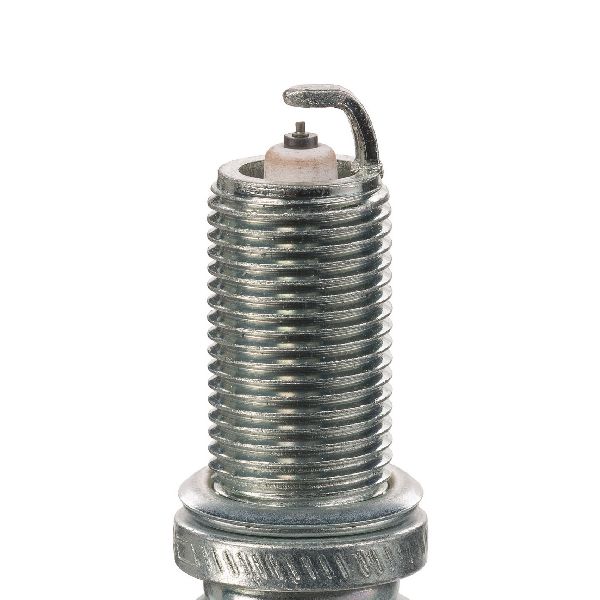
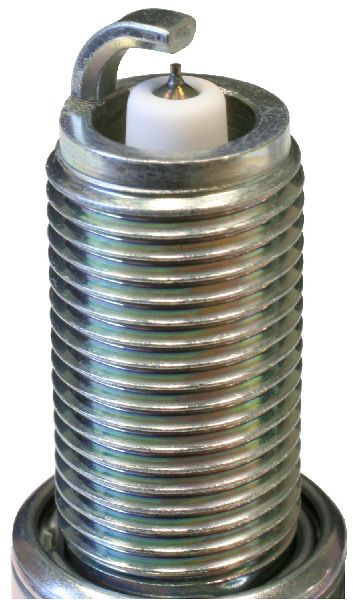
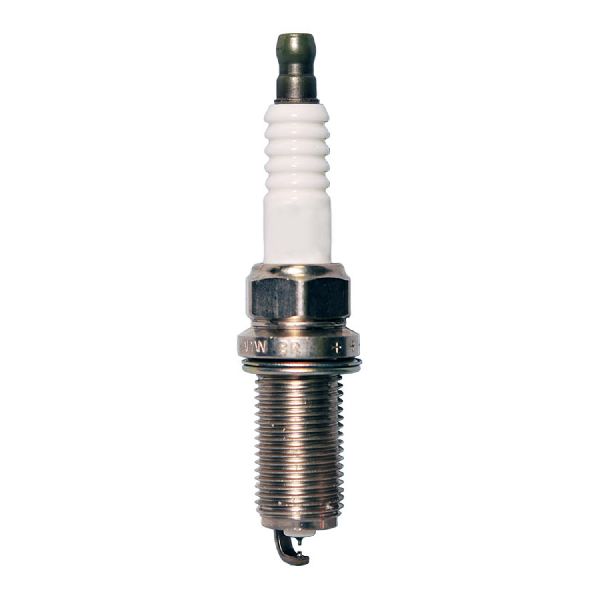
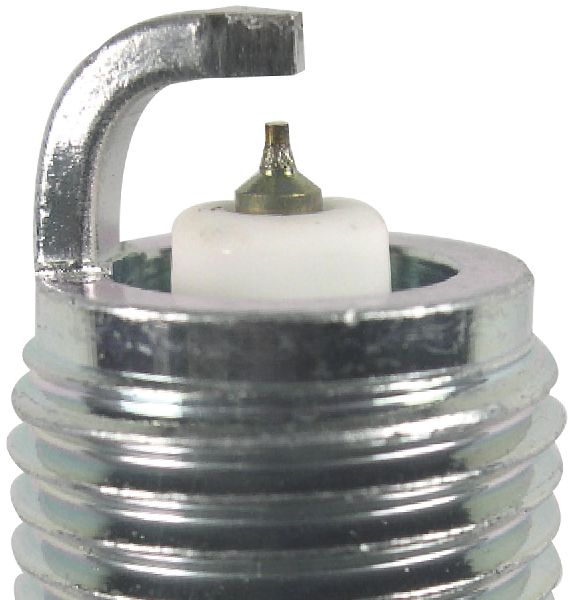
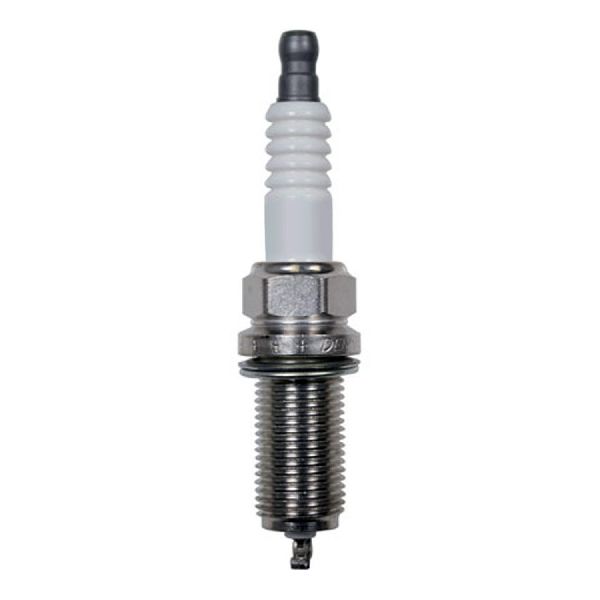
- Spark Plugs
(OEM #22401AA720)— These are a standard wear-and-tear item and the most frequent cause of a single-cylinder misfire, often due to oil fouling.
Trusted brands: NGK (OEM supplier), Denso
OEM price range: $40-$60 (set of 4)
Aftermarket price range: $20-$40 (set of 4) - Ignition Wire Set
(OEM #22451AA880)— The wire for cylinder 2 can fail from heat and age, causing the spark to weaken or arc to ground before reaching the plug.
Trusted brands: NGK (OEM supplier), Denso, Beck/Arnley
OEM price range: $70-$100
Aftermarket price range: $40-$80 - Ignition Coil Pack
(OEM #22433AA541)— The internal winding for the cylinder 2 terminal can fail, or the housing can crack, leading to a weak or non-existent spark.
Trusted brands: Diamond Electric (OEM Supplier), NGK, Denso
OEM price range: $120-$180
Aftermarket price range: $70-$150
Related Codes That Often Appear With This One
- P0300 — If the misfire is intermittent or begins to affect other cylinders, a P0300 (Random/Multiple Cylinder Misfire) may appear.
- P0304 — Cylinders 2 and 4 are on the same side of the engine (driver's side) and their ignition wires run from the same side of the coil pack. A problem with the coil pack, a vacuum leak on that bank, or a shared ground could potentially trigger misfires on both cylinders.
- P0420 — If the misfire is ignored, unburnt fuel will be sent to the exhaust, where it can overheat and destroy the catalytic converter. A P0420 code (Catalyst System Efficiency Below Threshold) often follows a chronic misfire condition.
Technical Service Bulletins (TSBs) & Recalls
- 11-130-13R: Links misfire DTCs (including P0302) to camshaft position sensor issues.
- 11-100-11R: Also connects misfire DTCs P0301-P0304 with rough idle and cam position sensor codes.
Platform-Specific Known Issues
- Persistent Misfire After Ignition Parts Replacement: A user on the r/MechanicAdvice subreddit reported a P0302 on their '09 Forester that persisted after replacing spark plugs, wires, and the ignition coil, highlighting that the cause can sometimes be deeper than the typical ignition components. Further diagnosis pointed towards causes like vacuum leaks or valve adjustment.
- Vacuum Leak from Loose Intake Manifold: On the ScannerDanner forum, a technician described a 2009 Forester with a persistent P0302 after a full engine rebuild. The cause was discovered to be improperly torqued intake manifold bolts on the driver's side, creating a vacuum leak specific to that bank of cylinders.
Mechanic-Grade Diagnostic Values
- Ignition Coil Secondary Resistance — expected: 9.5 kΩ - 12.9 kΩ between corresponding terminals (1&2, 3&4). Failure: A reading outside of this range indicates a faulty coil winding.
- Ignition Wire Resistance (Cylinder 2) — expected: 8 kΩ - 20 kΩ. Failure: Significantly higher resistance or an open circuit (infinite resistance) means the wire is bad.
- Fuel Pressure (Engine Warmed Up) — expected: 339.5 - 360.5 kPa (49 - 52 psi). Failure: Pressure below this range could indicate a weak fuel pump or clogged filter, though this would typically cause multiple misfires (P0300).
- Short-Term Fuel Trim (STFT) at Idle — expected: Typically fluctuates between -10% and +10%.. Failure: A consistently high positive trim (e.g., > +20%) on the bank with cylinder 2 can indicate a vacuum leak affecting that bank, or a misfire causing unburnt oxygen to fool the O2 sensor into thinking the engine is lean.
Hidden / Shadow Codes Worth Checking
- Mode $06 Misfire Counters (TID $A2-$AD): A professional scan tool can access Mode $06 data, which shows raw misfire counts for each cylinder, even if the count is not high enough to trigger a P0302 code. This is extremely useful for diagnosing intermittent misfires. (see via Use a professional-grade OBD-II scanner or software that can display Mode $06 test results. The specific Test ID (TID) for cylinder 2 misfires may vary but is often labeled.)
Scan Tool Commands That Help
- Subaru Select Monitor (SSM) or equivalent professional scanner: Misfire Monitoring Data — To view the live and historical misfire count for each individual cylinder. This helps confirm that the misfire is isolated to cylinder 2 and can help track if attempted repairs are reducing the misfire count before the CEL is triggered again.
- Subaru Select Monitor (SSM) or equivalent professional scanner: Fuel Injector Cut/Off Test — This bidirectional command allows a technician to disable one injector at a time. When cylinder 2's injector is disabled, if there is no change in the engine's idle quality, it confirms that cylinder was not contributing, pointing to a problem with that cylinder's fuel, spark, or compression.
Wiring & Ground Locations
- Engine Ground on Intake Manifold — The main engine wiring harness grounds are typically located on top of the intake manifold.. The ECU and its sensors, including the ignition system, rely on this ground. A loose or corroded ground here can cause erratic electrical behavior, including weak spark or incorrect sensor readings, leading to misfires that are difficult to diagnose. This is especially important to check if any work has been done on the intake manifold.
- Ignition Coil Connector — A 4-pin connector on the face of the ignition coil pack, mounted top-center on the engine.. This is where the primary ignition signals from the ECU enter the coil. Testing for voltage and signal at these pins can determine if the coil is receiving the command to fire. A wiring diagram is needed to identify the specific pins for the cylinder 2 trigger signal.
Real Owner Repair Stories
- Reddit user in r/MechanicAdvice (2009 Subaru Forester) — Persistent P0302 code recurring over a 1300-mile road trip.
❌ Tried (didn't work) Replaced all spark plugs and wires., Replaced the ignition coil.
✅ What actually fixed it The final diagnosis pointed towards a need for a valve adjustment. A compression test was recommended as the definitive next step, with tight valves being the likely culprit for the persistent misfire after the entire ignition system was replaced. - YouTube user comment (Subaru with P0302) — Rough idle, engine shaking, and stalling.
❌ Tried (didn't work) Initial diagnosis focused on common ignition or fuel parts.
✅ What actually fixed it The problem was resolved by using a quality fuel system cleaner (Redline). This suggests the misfire was caused by a partially clogged or dirty fuel injector on cylinder 2 that was cleared by the additive.
"I Checked Everything" — The Actual Cause
- In a documented case on a similar EJ25 engine, a severe rough idle and stalling with misfire-like symptoms passed a smoke test (no vacuum leaks). The actual cause was a stuck-open EGR valve, which created a massive internal vacuum leak that a smoke test cannot detect. Manually freeing the stuck valve plunger resolved the issue.
When the Usual Fixes Don't Work
- While ignition components are the most common cause, a significant number of owners on forums have chased a P0302 by replacing plugs, wires, and the coil pack, only to find the root cause was mechanical. In a recurring pattern for higher-mileage EJ25 engines, the actual fix was adjusting the valve lash on the exhaust valve for cylinder 2, which had tightened over time, causing a loss of compression at idle.
OEM Part Supersession History
22433AA540→22433AA541— Minor revision by the manufacturer, likely for improved durability or internal electronics.
Heads up: Both parts are generally interchangeable for the 2009-2010 Forester, but it is always best to use the latest revision (22433AA541) when replacing.
Model Year Variations Within This Range
- 2009-2010: These model years use the EJ253 SOHC engine with a timing belt and a single ignition coil pack with spark plug wires. This guide is primarily for these years.
- 2011-2013: These non-turbo models use the newer FB25 DOHC engine, which has a timing chain and a coil-on-plug ignition system. The diagnostic process for a P0302 on these engines is different, as there are no plug wires and each cylinder has its own individual ignition coil.
Diagnostic Flowchart
Other Known Issues on This Vehicle
Issues unrelated to this code that are worth knowing about as an owner of this generation:
- External Head Gasket Leakage 🔴 High — Very common on EJ25 SOHC engines, typically appearing between 100,000 and 150,000 miles. The original single-layer gaskets fail, causing external oil and coolant leaks.
- Leaking Valve Cover & Spark Plug Tube Seals 🔴 High — Extremely common. Gaskets harden with age and leak oil directly into the spark plug tubes, causing misfires (like P0302). Often occurs after 80,000 miles.
- Excessive Oil Consumption 🟠 Medium — This is primarily a well-documented issue for the 2011-2013 Forester models equipped with the newer FB25 engine due to piston ring design, not the 2009-2010 EJ25. However, any older engine can consume some oil. (Ref: TSB 02-157-14R (for FB engines))
- Catalytic Converter Failure 🟠 Medium — Reports of premature failure are common for this generation, often triggering a P0420 code. This can be a consequence of unresolved engine misfires.
Used vs. New Parts: Buying Guide for This Vehicle
When a used part is the smart pick: A used OEM ignition coil pack from a low-mileage donor vehicle can be a cost-effective option, as they are generally reliable. Other electronic components like a fuel injector can also be sourced used, provided they are from a reputable seller who guarantees they are in working order.
Donor-vehicle mileage cap: roughly under 80000 miles for the part to have meaningful remaining life.
What to inspect on the donor part:
- For an ignition coil, check for any cracks in the plastic housing or signs of corrosion or arcing on the terminals.
- Ensure the donor vehicle was not in a front-end collision that could have damaged engine components.
- Ask for the VIN of the donor car to verify its year and mileage.
OEM-only on this vehicle (don't cheap out):
- Ignition Coil: While some aftermarket brands are good, many cheap online coils have extremely high failure rates and can even melt, damaging the wiring harness. Sticking with OEM (Diamond Electric) or a trusted brand like NGK/Denso is highly recommended.
- Valve Cover & Spark Plug Tube Gaskets: Use OEM or high-quality aftermarket (like Fel-Pro) gaskets to prevent premature oil leaks from recurring.
Aftermarket brands forum-validated for this vehicle:
- NGK (Spark Plugs, Ignition Wires, Coils)
- Denso (Spark Plugs, Ignition Wires, Coils)
- Fel-Pro (Gaskets)
Brands owners have reported issues with on this vehicle:
- Unbranded, no-name ignition coils sold on marketplaces like eBay or Amazon. These are frequently cited by mechanics as failing out-of-the-box or within a short period.
Real Owner Stories
Aggregated from forums and TSBs cited above. Mileages and costs reflect what owners reported in those sources.
2009 Subaru Forester 2.5L SOHC
Symptoms: Rough idle and a P0302 misfire code that persisted even after the owner replaced the spark plugs, ignition wires, and the ignition coil pack.
What fixed it: Further diagnosis suggested the cause was likely a vacuum leak or required a valve adjustment.
Source hint: Reddit r/MechanicAdvice thread titled '09 Subaru Forester throws P0302 third time I've...'
2009 Subaru Forester 2.5L SOHC
Symptoms: Persistent P0302 misfire and rough idle following a full engine rebuild.
What fixed it: The technician discovered the intake manifold bolts on the driver's side were improperly torqued, creating a vacuum leak for that cylinder bank.
Source hint: ScannerDanner forum post '2009 Subaru Forester 2.5L NA SOHC Rough Idle P0302 Misfire'
Related OBD-II Codes
Frequently Asked Questions
Where is cylinder 2 located on my 2009-2013 Forester EJ25?
Could a camshaft position sensor be causing my P0302 misfire code?
I see oil in the spark plug hole while checking cylinder 2. What does this mean?
Is there a specific brand of ignition wires recommended for the Forester?
Can I test if my ignition coil is bad by swapping wires?
My 2012 Forester is misfiring; could it be the oil consumption issue I've heard about?
Helpful Videos
Used OEM Parts in Stock

New Aftermarket Parts Available

The information in this article is provided for general reference and educational purposes only. Vehicle specifications, procedures, and part compatibility can vary by production date, trim level, and region. Always consult your vehicle's factory service manual and verify part numbers before purchasing or performing repairs. Safety-critical components such as airbags, seat belts, and braking systems should be installed by a qualified professional.
- Subaru Forester:
- 🎬 Helpful Videos
- 🛍️ Shop This Part
- What's Unique About the 2009-2013 Subaru Forester
- Symptoms You May Notice
- Most Likely Causes
- Rare But Worth Checking
- Diagnosis Steps
- Parts You'll Likely Need
- Related Codes That Often Appear With This One
- Technical Service Bulletins (TSBs) & Recalls
- Platform-Specific Known Issues
- Mechanic-Grade Diagnostic Values
- Hidden / Shadow Codes Worth Checking
- Scan Tool Commands That Help
- Wiring & Ground Locations
- Real Owner Repair Stories
- "I Checked Everything" — The Actual Cause
- When the Usual Fixes Don't Work
- OEM Part Supersession History
- Model Year Variations Within This Range
- Diagnostic Flowchart
- Other Known Issues on This Vehicle
- Used vs. New Parts: Buying Guide for This Vehicle
- Real Owner Stories
- 2009 Subaru Forester 2.5L SOHC
- 2009 Subaru Forester 2.5L SOHC
- Related OBD-II Codes
- Frequently Asked Questions
- 🎟️ Get 5% Off