

P0302 on 2016-2018 Lincoln MKX 2.7L: Cylinder 2 Misfire Causes and Fixes
P0302 indicates a misfire in cylinder #2. On the 2.7L EcoBoost, this is most often caused by a faulty ignition coil or a worn spark plug. A DIY diagnosis involves swapping the coil from cylinder 2 with another to see if the code follows. Expect to pay $40-$90 for a new coil. For 2016-2017 models, this code can also be an early warning of a serious cylinder head issue covered by TSB 19-2243, especially if accompanied by oil consumption or exhaust smoke.
- P0302 on a 2016-2018 Lincoln MKX with the 2.7L engine is a cylinder 2 misfire, most commonly caused by a bad ignition coil or spark plug.
- A simple DIY diagnostic is to swap the ignition coil from cylinder 2 (driver's side, front) with another cylinder to see if the misfire code follows.
- If the check engine light is flashing, stop driving immediately to prevent expensive damage to the catalytic converter.
- For 2016-2017 models, be aware of TSB 19-2243. If the misfire is accompanied by heavy oil consumption or exhaust smoke, it could indicate a serious internal engine defect.
- When replacing spark plugs or coils, it is best practice to replace them as a full set of six to ensure reliability and performance.
What's Unique About the 2016-2018 Lincoln MKX
While a P0302 code is common on many vehicles, on the 2.7L EcoBoost V6 in the Lincoln MKX it requires special attention. This twin-turbo, direct-injection engine, codenamed "Nano," places high stress on ignition components, leading to more frequent spark plug and coil failure. More critically, for models built between April 1, 2016, and January 1, 2017, this misfire code can be an early symptom of a serious internal engine problem involving faulty valve guides, as documented in Ford's Technical Service Bulletin (TSB) 19-2243. This TSB also applies to platform mates like the Ford Edge, F-150, and Lincoln Continental with the same engine and build dates.
Symptoms You May Notice
- Rough or shaking idle
- Hesitation or stumbling during acceleration
- Flashing or solid Check Engine Light
- Loss of engine power
- Reduced fuel economy
- Smell of raw gasoline from the exhaust
- Vibration felt in the gas pedal or through the chassis
- Blue or white exhaust smoke, especially on startup (associated with TSB 19-2243)
- Replacing only the spark plug when the underlying cause is a known cylinder head defect (on 2016-2017 models), which will cause the new plug to foul quickly.
- Repeatedly using spray-in chemical cleaners to treat heavy carbon buildup instead of performing a mechanical cleaning like walnut blasting. This only masks the symptom temporarily.
Most Likely Causes
- Failing Ignition Coil 🔴 High Probability Turbocharged engines like the 2.7L EcoBoost operate under higher cylinder pressures, which puts extra stress on ignition coils, leading to a shorter lifespan compared to naturally aspirated engines. Heat-related failure is common.
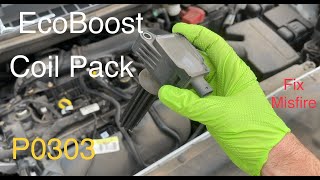
How to confirm: Swap the ignition coil from cylinder 2 with another cylinder (e.g., cylinder 1). Cylinder 2 is the middle cylinder on the rear bank (firewall side). If the code changes to P0301, the coil is bad. This is a very effective and common DIY diagnostic step. 🎬 Watch: How to swap coil packs to diagnose a misfire.
Typical fix: Replace the faulty ignition coil. It is often recommended to replace all six coils at once if they are original and have high mileage to ensure consistent performance and avoid future failures. Some owners report success with updated coil part numbers like DG586, originally for F-150s, which may offer better heat resistance.
Est. part cost: $40-$90 per coil - Worn or Fouled Spark Plug 🔴 High Probability The high stress of turbocharging also causes spark plugs to wear out more quickly. The recommended service interval is shorter than on non-turbo engines, with many experts and owners recommending replacement every 40,000-60,000 miles, rather than the 100,000-mile interval listed in some manuals.
How to confirm: After ruling out the coil, remove the spark plug from cylinder 2. Inspect it for a worn electrode, excessive carbon buildup, oil fouling, or cracks in the porcelain insulator. The spark plug gap should be precisely between 0.028" and 0.031". An incorrect gap is a primary cause of misfires under load.
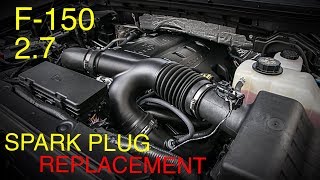
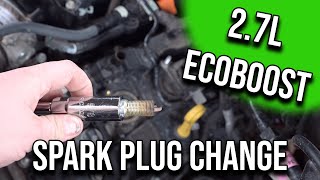
Typical fix: Replace the spark plug. It is best practice to replace all six spark plugs as a set to maintain balanced engine performance. Ensure new plugs are gapped correctly before installation. 🎬 See this step-by-step guide for replacing EcoBoost spark plugs.
Est. part cost: $8-$25 per plug - Carbon Buildup on Intake Valves 🟡 Medium Probability As a first-generation direct-injection (GDI) engine (pre-2018 update), fuel is sprayed directly into the cylinder, so it doesn't wash over and clean the intake valves. Over time, oil vapor from the PCV system can bake onto the valves, restricting airflow and causing misfires, hesitation, and rough idle. This is more prevalent on vehicles with frequent short trips.
How to confirm: This is difficult to confirm without a borescope to visually inspect the intake valves. It's typically diagnosed after ignition and fuel system faults have been ruled out. Symptoms often worsen over time.
Typical fix: The intake valves need to be professionally cleaned, often through a process called walnut blasting, which uses crushed walnut shells to safely scour the valves clean. Chemical cleaners sprayed into the intake may provide temporary relief for light deposits but are not a cure for heavy buildup. 🎬 Watch: See how walnut blasting cleans carbon from intake valves.
Est. part cost: $0 (if cleaning), but labor can be $400-$600 - Defective Cylinder Head Valve Guides (2016-2017 models) ⚪ Low Probability A specific manufacturing defect affects 2.7L EcoBoost engines built between April 1, 2016, and January 1, 2017. The valve guides can wear prematurely, allowing oil to leak into the cylinder, which fouls the spark plug and causes misfires.
How to confirm: Check for symptoms outlined in TSB 19-2243: excessive oil consumption (e.g., 1 quart in less than 3,000 miles), blue or white exhaust smoke, and multiple misfire codes (P0300, P0301-P0306, P0316). A professional diagnosis, often involving an oil consumption test, is required.
Typical fix: The official repair is the replacement of both cylinder heads, a very expensive and labor-intensive job with a book time of approximately 26.0 hours for an AWD MKX. One owner on a forum noted their dealer was going to do this repair, but the engine failed completely while waiting for parts, resulting in a near-total engine rebuild.
Est. part cost: $3000+
Rare But Worth Checking
- Faulty Fuel Injector: While less common than ignition issues, a clogged or failing direct fuel injector can cause a misfire on a single cylinder. Diagnosis is more complex and may require checking fuel trims or swapping injectors.
- Low Compression: Mechanical engine problems like a burnt valve or damaged piston rings can cause a loss of compression, leading to a persistent misfire. A relative compression test can be performed with an advanced scan tool to check for this without tearing down the engine. This is rare but should be investigated if all other causes are ruled out.
- Leaking Valve Cover Gasket / Spark Plug Tube Seal: If the valve cover gasket or the integrated spark plug tube seals fail, oil can leak into the spark plug well, saturating the ignition coil boot and causing a misfire. When removing the coil, check for liquid oil in the tube.
Diagnosis Steps
- Read the code with an OBD-II scanner to confirm P0302 and check for any other codes, especially P0300 or P0316.
- Identify Cylinder 2: On the transversely mounted 2.7L V6, the cylinders are numbered 1-2-3 on the bank closer to the firewall (rear) and 4-5-6 on the bank closer to the radiator (front). Bank 1 (rear, near firewall) contains cylinders 1, 2, 3. Bank 2 (front, near radiator) contains 4, 5, 6. Cylinder 2 is the middle cylinder on the rear bank.
- Swap the Ignition Coil: Swap the ignition coil from cylinder 2 with the coil from cylinder 1 (left-most cylinder on the rear bank). Clear the codes and drive the vehicle. If the code changes to P0301, the ignition coil is faulty and needs replacement.
- Swap the Spark Plug: If the code remains P0302 after the coil swap, move the original coil back and swap the spark plugs between cylinders 1 and 2. Inspect the plug from cylinder 2 for damage or fouling. If the code moves to P0301, the spark plug is the issue.
- Inspect for Deeper Issues: If the misfire remains on cylinder 2, the problem is likely more complex. Check the ignition coil connector and wiring for damage. Consider a faulty fuel injector or a valve cover gasket leak into the spark plug well.
- Check for TSB Symptoms (2016-2017 models): If your vehicle was built between April 2016 and January 2017, check for excessive oil consumption or blue/white exhaust smoke. If these are present, the vehicle should be taken to a professional for diagnosis related to TSB 19-2243.
Parts You'll Likely Need
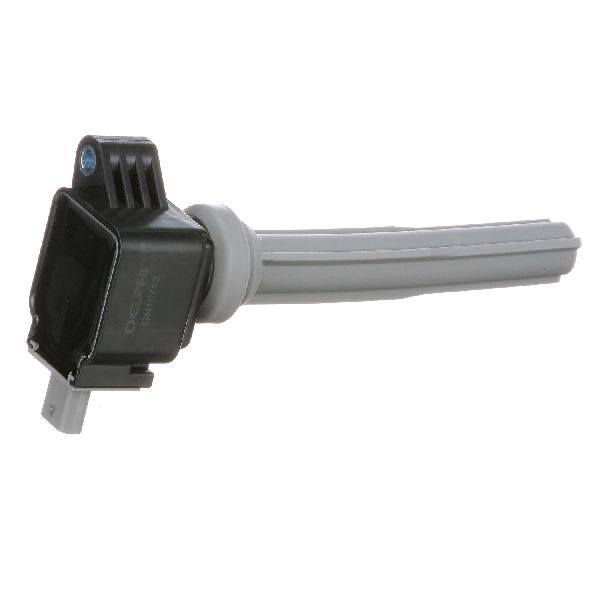
- Ignition Coil
(OEM #DG549)— This is the most common failure part for a single-cylinder misfire on the 2.7L EcoBoost due to high operating stress and heat.
Trusted brands: Motorcraft, NGK, Bosch
OEM price range: $60-$90
Aftermarket price range: $40-$70 - Iridium Spark Plug
(OEM #SP-578)— Spark plugs are a routine maintenance item that wears out faster on turbocharged engines, causing misfires. The original plugs may be SP-542, but SP-578 is a common, compatible replacement.
Trusted brands: Motorcraft, NGK
OEM price range: $15-$25
Aftermarket price range: $8-$18
Related Codes That Often Appear With This One
- P0300 — If the condition causing the P0302 is systemic (like a vacuum leak, severe carbon buildup, or the TSB-related head issue), it may cause misfires on other cylinders, triggering a random misfire code.
- P0301, P0303, P0304, P0305, P0306 — These codes indicate misfires on other specific cylinders. Seeing multiple codes points towards a problem affecting the entire engine, not just one cylinder's components.
- P0316 — This code means a misfire was detected within the first 1,000 engine revolutions at startup. It is often logged alongside other P030x codes and is specifically mentioned in TSB 19-2243 for the cylinder head issue.
Technical Service Bulletins (TSBs) & Recalls
- TSB 19-2243: Details diagnosis and repair for rough idle, exhaust smoke, oil consumption, and misfire codes (P0300-P0306, P0316) due to faulty valve guides on some 2.7L EcoBoost engines. The fix is cylinder head replacement.
- TSB 20-2330 (Supersedes 19-2205): While not directly for misfires, this TSB addresses a common oil pan leak on 2018+ models due to the RTV seal. It's relevant context for the engine family's known issues.
Platform-Specific Known Issues
- TSB 19-2243: Affects some 2016-2017 models with the 2.7L engine built between April 1, 2016, and January 1, 2017. A defect in the cylinder head valve guides can cause oil consumption, exhaust smoke, and persistent misfire codes (P0300-P0306, P0316), requiring cylinder head replacement.
- Carbon Buildup: As a first-generation GDI engine, the 2016-2018 models lack the port injection system added in later years (around 2018) that helps clean intake valves. This makes them more susceptible to performance issues from carbon deposits.
Mechanic-Grade Diagnostic Values
- High-Pressure Fuel System (HPFP) - OEM — expected: Up to 150 bar / 2175 psi. Failure: Significantly lower pressure under load, often logged with code P0087. A live data check might show desired pressure at 2900+ psi while actual is much lower.
- Low-Pressure Fuel System (in-tank pump) — expected: Around 40-75 PSI. Failure: Low pressure reading would indicate an issue with the in-tank pump, not the engine-mounted HPFP.
- Ignition Coil Primary Resistance (Aftermarket Example) — expected: 0.64 Ohms (PerTronix Flame-Thrower). Failure: A reading significantly higher or lower than specification, or an open circuit (infinite resistance).
- Ignition Coil Secondary Resistance (Aftermarket Example) — expected: 4.7 kOhms (PerTronix) to 7.3 kOhms (EVIL ENERGY). Failure: A reading outside the manufacturer's specified range, indicating a fault in the secondary windings.
Scan Tool Commands That Help
- Ford IDS (or equivalent pro-level scanner): Power Balance Test — Use this test to confirm which cylinder is misfiring when the cause is not obvious (e.g., after swapping coils/plugs didn't move the code). The tool disables the fuel injector for each cylinder one by one and graphs the RPM drop. A cylinder with a smaller RPM drop is not contributing as much power, confirming the misfire location electronically.
Wiring & Ground Locations
- G104 — A major chassis ground point located on the left front of the engine compartment.. A poor or corroded connection at a primary ground like G104 can cause erratic behavior and voltage drops in multiple electronic systems, including the PCM and ignition coils, potentially leading to misfire codes.
- Cylinder 2 Ignition Coil Connector — On the 2.7L V6, this is on the rear bank (against the firewall), on the middle cylinder. It is a 3-pin connector.. This connector and its wiring are the final link to the ignition coil. It is susceptible to heat damage, oil contamination, or chafing that can interrupt the signal or power to the coil, causing a specific P0302 code.
Real Owner Repair Stories
- Pertronix Website Review (2019 F-150 2.7L EcoBoost (platform-mate engine)) — Major misfire/shutter in high gears (7-9) at 2000-3000 RPM. Codes P0302 and P0305.
❌ Tried (didn't work) Dealer changed spark plugs, but the misfire persisted.
✅ What actually fixed it The owner was quoted over $1,000 by the dealer for coil pack replacement and opted to purchase aftermarket coils to fix the issue themselves, implying the coils were the ultimate cause.
OEM Part Supersession History
Motorcraft SP-542 (Ford P/N: CYFS-092Y-PT)→Motorcraft SP-578 (Ford P/N: CYFS-12Y-PT), then SP-594— The original SP-542 plugs were a colder heat range. The replacement SP-578 is a hotter plug. The reason for the change is not officially stated by Ford, but forum discussions speculate it may be to combat fouling.
Heads up: Using the hotter SP-578 plug on a tuned engine may not be ideal, as colder plugs are often preferred for performance applications. The original factory plugs in some 2017 models were NGK Laser Iridiums stamped ILTR7, which corresponds to a colder heat range than the current replacement recommendation.Unknown→Ford FT4Z-12029-A (also known as DG555)— This is the current OEM ignition coil part number fitting the 2016-2018 MKX 2.7L.
Heads up: This part fits a wide range of Ford/Lincoln vehicles with the 2.7L and 3.0L engines. There are date cutoffs for its application on some models (e.g., Edge/Nautilus 'To 12/04/18'), but it appears to cover the full 2016-2018 MKX range.
Model Year Variations Within This Range
- 2016-2017 (Build dates April 1, 2016 - Jan 1, 2017): These models are subject to TSB 19-2243 for defective cylinder head valve guides. A P0302 on these vehicles has a higher probability of being linked to this serious mechanical issue, especially if accompanied by oil consumption or smoke.
- 2018: The 2018 model year is outside the date range for TSB 19-2243, making the serious cylinder head defect far less likely. For these vehicles, a P0302 diagnosis should focus almost exclusively on standard causes like ignition components, fuel delivery, or carbon buildup. The vehicle was largely unchanged from 2017 otherwise.
Diagnostic Flowchart
Real Owner Stories
Aggregated from forums and TSBs cited above. Mileages and costs reflect what owners reported in those sources.
2.7L EcoBoost
Symptoms: Experienced symptoms requiring the TSB 19-2243 head replacement, but the engine failed completely while waiting for the parts to arrive at the dealer.
What fixed it: A near-total engine rebuild was required due to the catastrophic failure.
Source hint: f150forum.com: '2.7 ecoboost owners. How many miles and issues you have?'
2.7L EcoBoost (Ford Edge platform mate) — ~100000 miles
Symptoms: Experienced persistent P030x misfire codes.
What fixed it: Replaced ignition coils and spark plugs; performed carbon cleaning on the intake valves due to the vehicle having higher mileage.
Source hint: fordedgeforum.com: Numerous threads discuss P030x misfires on the 2.7L engine
Related OBD-II Codes
Frequently Asked Questions
Does TSB 19-2243 for cylinder head replacement apply to my 2018 Lincoln MKX?
Where exactly is cylinder 2 located on the 2.7L EcoBoost in the MKX?
What is the correct spark plug gap for the 2.7L EcoBoost to prevent misfires?
Can I use a chemical intake spray to fix carbon buildup on my 2016 MKX?
Are there updated ignition coils I should use when replacing the bad one on cylinder 2?
Why is my MKX blowing blue or white smoke on startup along with the P0302 code?
Helpful Videos
Used OEM Parts in Stock
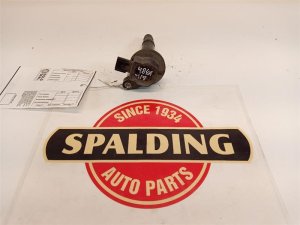
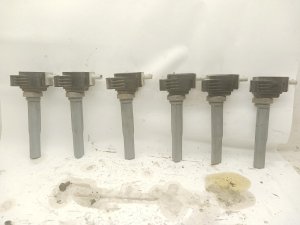

New Aftermarket Parts Available
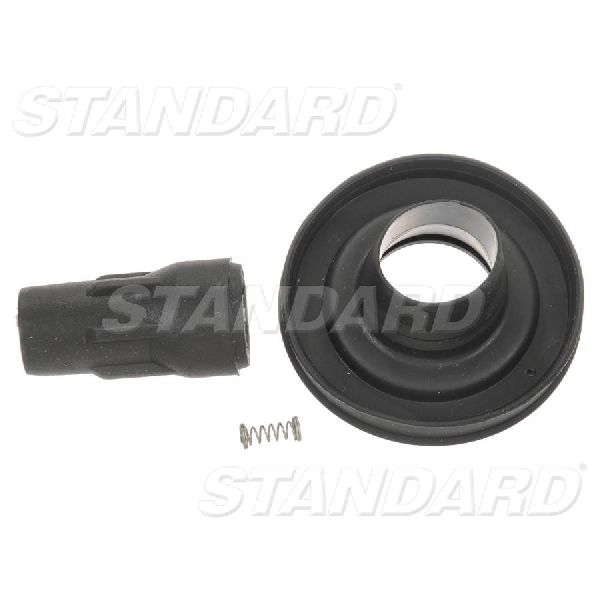
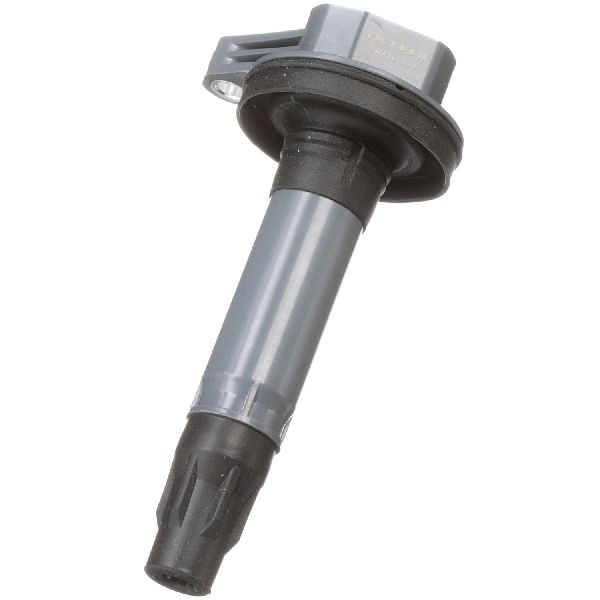


The information in this article is provided for general reference and educational purposes only. Vehicle specifications, procedures, and part compatibility can vary by production date, trim level, and region. Always consult your vehicle's factory service manual and verify part numbers before purchasing or performing repairs. Safety-critical components such as airbags, seat belts, and braking systems should be installed by a qualified professional.
- Lincoln MKX:
- 🎬 Helpful Videos
- 🛍️ Shop This Part
- What's Unique About the 2016-2018 Lincoln MKX
- Symptoms You May Notice
- Most Likely Causes
- Rare But Worth Checking
- Diagnosis Steps
- Parts You'll Likely Need
- Related Codes That Often Appear With This One
- Technical Service Bulletins (TSBs) & Recalls
- Platform-Specific Known Issues
- Mechanic-Grade Diagnostic Values
- Scan Tool Commands That Help
- Wiring & Ground Locations
- Real Owner Repair Stories
- OEM Part Supersession History
- Model Year Variations Within This Range
- Diagnostic Flowchart
- Real Owner Stories
- 2.7L EcoBoost
- 2.7L EcoBoost (Ford Edge platform mate) — ~100000 miles
- Related OBD-II Codes
- Frequently Asked Questions
- 🎟️ Get 5% Off