

P0302 on 2018-2023 Kia Stinger 3.3L: Cylinder 2 Misfire Causes and Fixes
P0302 on a Kia Stinger 3.3L V6 most often means a bad ignition coil or a worn spark plug on cylinder 2. Cylinder 2 is on the driver's side (Bank 2), the front-most cylinder. Replacing a single ignition coil costs about $40-$80 for the part and is a simple DIY fix that often resolves the issue.
- P0302 means cylinder 2 (the front-most cylinder on the driver's side) is misfiring.
- The most likely cause is a bad ignition coil, followed closely by a worn spark plug.
- A simple diagnostic test is to swap the cylinder 2 ignition coil with another cylinder's coil to see if the misfire code follows the coil.
- If you have a flashing check engine light, avoid driving to prevent damage to your catalytic converter.
- When replacing spark plugs, replace all six and ensure they are gapped correctly for your vehicle's state of tune.
What's Unique About the 2018-2023 Kia Stinger
The Kia Stinger's 3.3L twin-turbo V6 (Lambda II T-GDI) is a high-performance engine where ignition components are placed under significant stress. Owners and tuners report that spark plugs are particularly prone to wear and require specific gapping, especially on tuned vehicles. While no Stinger-specific TSBs for P0302 were found, a TSB for other Kia models (TSBENG181_R1) points to ignition coil issues. Furthermore, its direct platform-mate, the Genesis G70 3.3T, has documented misfire issues that are sometimes addressed with an ECU software update to improve misfire logic, suggesting a sensitivity in the engine's monitoring system. This indicates a platform-wide sensitivity to ignition component health and ECU calibration.
Symptoms You May Notice
- Rough or shaking idle.
- Hesitation or stumbling during acceleration, especially under boost.
- Noticeable loss of engine power.
- Flashing or solid Check Engine Light.
- Increased fuel consumption.
- Difficulty starting the engine.
- Unusual odor from the exhaust, like gasoline.
- Replacing oxygen sensors. While a faulty O2 sensor can cause fuel trim issues, it usually affects an entire engine bank (triggering codes like P0171/P0174) and would be unlikely to cause an isolated P0302 misfire.
- Replacing the high-pressure fuel pump (HPFP). A weak fuel pump would typically cause random misfires across multiple cylinders (P0300) or specific fuel pressure codes (like P0087/P0088), not just a misfire on cylinder 2.
Most Likely Causes
- Faulty Ignition Coil 🔴 High Probability Ignition coils are a common failure point for misfires on many modern engines, including the Stinger's 3.3T. A Kia TSB for other models (TSBENG181_R1) identifies coils as a fix for P030x codes, and forum discussions for the Stinger and its platform-mate Genesis G70 frequently cite coil failure as the cause of single-cylinder misfires.
How to confirm: Swap the ignition coil from cylinder 2 with another cylinder (e.g., cylinder 4, which is on the same bank and easy to access). Cylinder 2 is the front-most cylinder on the driver's side. Clear the codes and drive. If the code changes to P0304, the ignition coil is faulty.
Typical fix: Replace the faulty ignition coil. Many owners choose to replace all three coils on that bank (Bank 2), or all six, as a preventative measure, especially on higher-mileage vehicles.
Est. part cost: $40 - $100 per coil - Worn or Fouled Spark Plug 🔴 High Probability The 3.3L twin-turbo engine is known to be hard on spark plugs, which are a regular maintenance item with a recommended change interval around 42,000 miles. Tuned engines, in particular, require colder plugs and a smaller gap (often 0.022") to prevent misfires under high boost. Even on stock vehicles, an incorrect gap or fouled plug is a very common culprit.
How to confirm: After ruling out the ignition coil, remove the spark plug from cylinder 2. Inspect it for wear (worn electrode), carbon fouling, oil, or damage to the ceramic insulator. Compare it to a new plug. The plug's condition can also hint at other problems (e.g., oil on the plug may indicate a valve cover gasket leak).
Typical fix: Replace the spark plug in cylinder 2. It is highly recommended to replace all six spark plugs at the same time with pre-gapped plugs or plugs gapped to the correct specification (e.g., 0.028" stock).
Est. part cost: $60 - $150 for a set of six - Clogged or Faulty Fuel Injector 🟡 Medium Probability As a Gasoline Direct Injection (GDI) engine, the Stinger's fuel injectors operate under very high pressure and can become clogged or fail electronically over time. This can lead to an improper fuel mixture in the cylinder. A Hyundai tech noted that these injectors have a tendency to leak.
How to confirm: This is more difficult to diagnose. A professional can perform a fuel injector balance test. A DIY method involves listening to the injector with a mechanic's stethoscope to ensure it's clicking consistently. Swapping injectors is possible but is much more labor-intensive than swapping coils and requires new seals.
Typical fix: Clean or replace the fuel injector for cylinder 2. Due to the labor involved, some mechanics recommend replacing all injectors on the same fuel rail if one fails.
Est. part cost: $100 - $250 per injector - Intake Valve Carbon Buildup 🟡 Medium Probability Like all GDI engines, the Lambda II 3.3T is susceptible to carbon buildup on the back of the intake valves because fuel is injected directly into the cylinder, bypassing the valves and preventing them from being cleaned by fuel detergents. After 60,000-80,000 miles, this buildup can restrict airflow to a specific cylinder, causing misfires, rough idle, and hesitation.
How to confirm: Diagnosis typically requires a borescope to visually inspect the intake valves. Symptoms like rough idle and hesitation that are not resolved by ignition or fuel system repairs point towards carbon buildup.
Typical fix: The most effective fix is walnut shell blasting, a procedure where crushed walnut shells are used to safely clean the valves without damaging the engine. This service is typically performed by specialized independent shops or some dealerships.
Est. part cost: $400 - $800 for a cleaning service
Rare But Worth Checking
- Low Engine Compression: A complaint on a different Kia model (ODI #11725093) with a P0302 code reported 'no pressure in cylinder 2'. While rare, this indicates a severe mechanical issue like a burnt valve, worn piston rings, or a bad head gasket. A compression test is the definitive diagnostic step to confirm this.
- Vacuum Leak: A vacuum leak from a cracked hose or a bad intake manifold gasket near cylinder 2 can lean out the air/fuel mixture and cause a misfire. This would typically be accompanied by other codes (like P0171/P0174) or a consistently rough idle.
Diagnosis Steps
- Read the codes with an OBD-II scanner to confirm P0302 and check for any other pending or active codes. Note the freeze frame data to see the conditions (RPM, load) when the misfire occurred.
- Locate Cylinder 2: It is the front-most cylinder on the driver's side (Bank 2).
- Test the Ignition Coil: Swap the ignition coil from cylinder 2 with the coil from cylinder 4 (the middle cylinder on the same side). Clear the codes, run the engine, and see if the misfire code moves to P0304. If it does, the coil is bad and needs replacement.
- Inspect the Spark Plug: If the coil is good, remove the spark plug from cylinder 2. Inspect it for wear, heavy carbon fouling, oil deposits, or an incorrect gap. Replace if necessary. It's best practice to replace all six plugs at once if they are near their service interval.
- Check the Fuel Injector: If the coil and plug are good, the issue may be fuel-related. Listen to the cylinder 2 fuel injector with a mechanic's stethoscope; it should have a consistent, rapid clicking sound. The absence of sound or an irregular pattern suggests a problem.
- Inspect for Vacuum Leaks: Visually inspect all vacuum hoses and the intake manifold area around cylinder 2 for cracks, loose connections, or damage.
- Consider Carbon Buildup: If the car has over 60,000 miles and experiences a rough idle or hesitation, the misfire could be due to carbon buildup on the intake valves, requiring professional cleaning.
- Perform a Compression Test: If all else fails, perform an engine compression test on all cylinders. A significant loss of pressure in cylinder 2 points to a serious internal mechanical problem (e.g., piston rings, valves, head gasket).
Parts You'll Likely Need
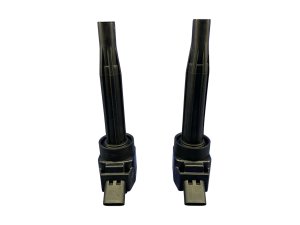
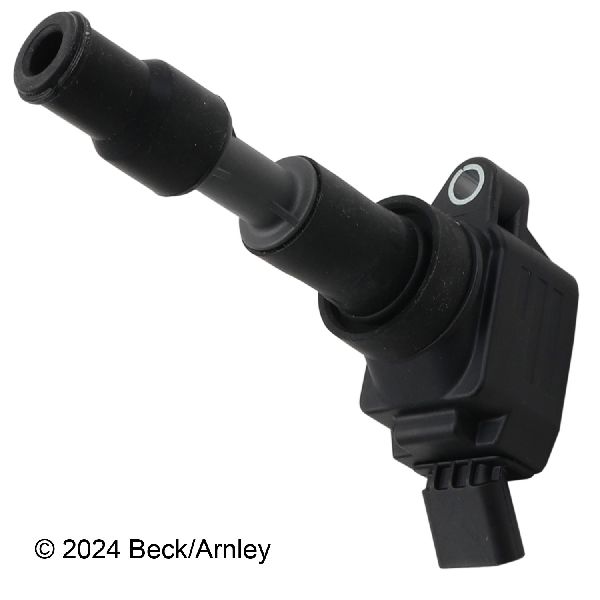
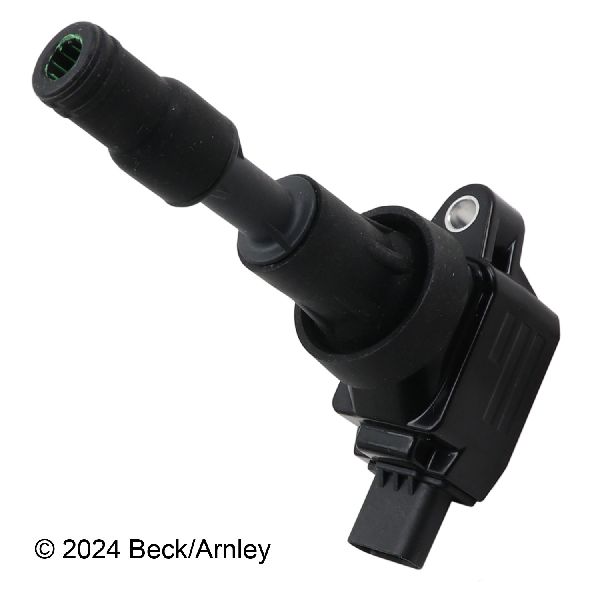
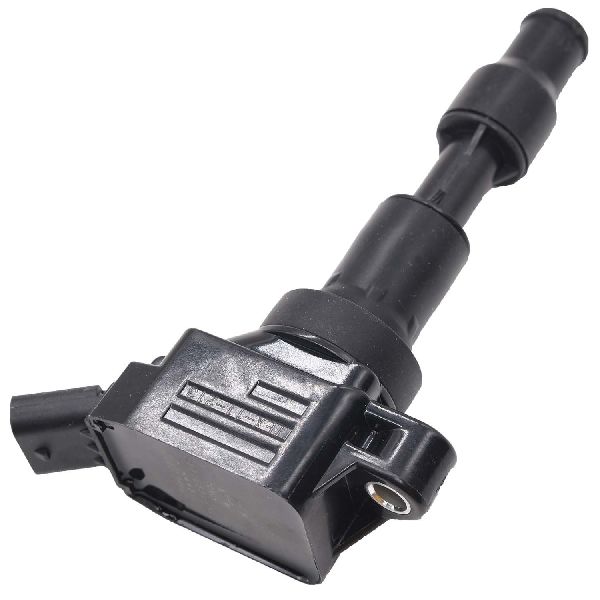
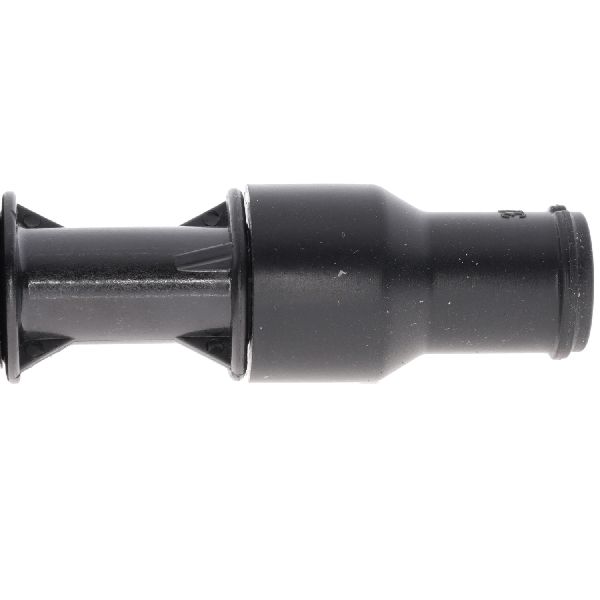
- Ignition Coil (Bank 2 / Driver's Side)
(OEM #27300-3F100)— This is the most common cause of a single-cylinder misfire. The part number 27300-3F100 is widely listed for this application and supersedes older numbers like 27300-2G000.
Trusted brands: Kia/Hyundai (Genuine), Mando, Standard Motor Products, NGK
OEM price range: $70-$100
Aftermarket price range: $40-$80 - Iridium Spark Plugs
(OEM #18845-11160 (Example, verify by VIN))— Spark plugs are a critical maintenance item. Incorrect gap is a major cause of misfires, especially on tuned vehicles. Stock gap is ~1.0-1.1mm, but tuned applications often require a smaller gap like 0.022"-0.028" (0.56mm-0.71mm).
Trusted brands: Kia/Hyundai (Genuine), HKS, Denso, NGK
OEM price range: $100 - $180 for a set of six
Aftermarket price range: $60 - $150 for a set of six
Related Codes That Often Appear With This One
- P0300 — If the misfire is intermittent or begins to affect other cylinders, a P0300 (Random/Multiple Cylinder Misfire) code may appear alongside P0302.
- P0304, P0306 — Codes for other cylinders on the same bank (Bank 2: cylinders 2, 4, 6) might appear if the root cause is something affecting the entire bank, like a clogged catalytic converter, a vacuum leak on that side, or a failing fuel pump.
- P0264, P0265 — These codes indicate a low or high circuit condition for the cylinder 2 fuel injector. If seen with P0302, it strongly points to a problem with the injector itself or its wiring.
Technical Service Bulletins (TSBs) & Recalls
- TSBENG181_R1: While for a Kia Forte, this TSB shows a known procedure for replacing ignition coils to resolve P030x misfire codes, indicating a pattern for the manufacturer.
- Genesis TSB 24-01-032G: Addresses the leaking turbo oil feed pipe on the platform-mate Genesis G70, which corresponds to Kia recall SC300.
Platform-Specific Known Issues
- A recall was issued for the 2018-2023 Stinger 3.3T for a left turbocharger oil feed pipe that could deteriorate and leak oil due to heat, posing a fire risk (NHTSA Campaign Number: 24V169000, Kia Recall SC300). While not directly tied to P0302, a significant oil leak could affect engine health.
- Some owners report that earlier model year ignition coils are prone to failure and recommend upgrading to the coils used in 2022+ models for improved reliability, though part numbers often appear consistent across years.
- A Reddit user with a 2018 Stinger GT2 at 34k miles reported getting a P0302 code specifically when the engine was under boost, which resolved after drying out the coil pack connector following heavy rain.
Mechanic-Grade Diagnostic Values
- Ignition Coil Primary Resistance — expected: 0.3 to 1.5 ohms. Failure: A reading outside this range indicates a faulty coil.
- Ignition Coil Secondary Resistance — expected: 5,000 to 15,000 ohms (5kΩ - 15kΩ). Failure: A reading outside this range suggests the internal windings are damaged.
- Stock Spark Plug Gap — expected: 1.0 - 1.1 mm (0.0394 - 0.0433 in.). Failure: A gap larger than the specification can cause misfires under load. Used plugs should not be re-gapped.
- Tuned Spark Plug Gap (Common) — expected: 0.022" - 0.028" (0.56mm - 0.71mm). Failure: For tuned engines running higher boost, the stock gap may be too wide, leading to spark blowout. Gaps tighter than 0.022" can cause weak ignition.
Scan Tool Commands That Help
- Kia GDS (Global Diagnostic System): Misfire Data Analysis / Live Data Graphing — The GDS can display real-time misfire counters for each individual cylinder. This is crucial for confirming that the misfire is isolated to cylinder 2 and for checking for smaller, intermittent misfires on other cylinders that haven't yet triggered a code.
- Kia GDS (Global Diagnostic System): Actuator Driving / Active Test — This function allows a technician to command specific components to operate, such as firing an individual ignition coil or pulsing a fuel injector. This can be used to test the electrical circuit and component function without the engine running.
- Kia GDS (Global Diagnostic System): Trigger Module (Flight Record) — For intermittent misfires that are hard to reproduce, the flight recorder function can be activated. It records sensor data during a test drive, which can be reviewed later to analyze conditions (like RPM, load, temperature) that lead to the misfire event.
Wiring & Ground Locations
- Engine Ground Strap — Typically located between the engine block and the chassis frame rail on the driver's side. Visually inspect for corrosion, tightness, and integrity.. A poor engine ground can cause a weak or inconsistent spark across all cylinders, but can sometimes manifest as a single cylinder misfire due to voltage drop and slight differences in resistance between coil circuits.
- Ignition Coil Connector (Cylinder 2) — On the front-most ignition coil on the driver's side (Bank 2). It is a push-down release type lock connector.. The connector itself or the wiring leading to it can become damaged or loose, interrupting the signal or power to the coil. Check for backed-out pins, corrosion, or frayed wires at the connector.
OEM Part Supersession History
27300-2G000→27300-3F100— Part has been updated by the manufacturer for improved reliability or to consolidate part numbers across different models.
Heads up: The new part number (27300-3F100) is the correct and direct replacement for the original. No incompatibility issues are noted.
Model Year Variations Within This Range
- 2022-2023: The 2022 model year refresh introduced a new variable exhaust system which resulted in a slight horsepower increase for the 3.3L V6 (from 365 to 368 hp). It also included significant interior tech updates like a larger widescreen infotainment system and improved driver-assistance features. While these changes do not directly alter the common causes of P0302, the ECU software may have different calibration versions.
- 2018-2021 vs 2022-2023: The 2022+ models received slightly different turbos and a stock tune that some owners report is more sensitive and prone to limp mode from overboost in cold weather, even on stock vehicles. This sensitivity could potentially relate to how the ECU monitors and flags misfire events under certain conditions.
Diagnostic Flowchart
Other Known Issues on This Vehicle
Issues unrelated to this code that are worth knowing about as an owner of this generation:
- Premature Brake Vibration and Wear 🟠 Medium — Commonly reported under 25,000 miles. Many owners complain of steering wheel vibration (judder) during braking. (Ref: No TSB, but widely acknowledged in owner communities. The cause is often attributed to OEM brake pad deposits on the rotors rather than warped rotors.)
- Left Turbocharger Oil Feed Pipe Leak 🔴 High — Affects a wide range of 2018-2023 models, leading to a safety recall. The hose deteriorates from exhaust heat. (Ref: NHTSA Recall 24V169000 / Kia Recall SC300)
- Sunset Yellow Paint Defect 🟡 Low — Specific to the 'Sunset Yellow' color on early models (approx. 400 cars in the US). Paint was prone to chipping and flaking. (Ref: Voluntary service campaign (not a safety recall) where Kia offered repaints, buybacks, or replacements.)
- Intake Valve Carbon Buildup 🟠 Medium — Inherent to GDI engines. Becomes noticeable after 60,000-80,000 miles, causing rough idle, hesitation, and misfires.
- Interior Rattles 🟡 Low — Frequently reported by owners, especially on earlier model years. Common sources include the trunk area, sunroof, and dashboard components.
Used vs. New Parts: Buying Guide for This Vehicle
When a used part is the smart pick: For an ignition coil, a used part from a low-mileage donor vehicle can be a cost-effective choice, as it is a simple plug-and-play component. However, given the relatively low cost of new aftermarket coils, many owners opt for new parts.
Donor-vehicle mileage cap: roughly under 50000 miles for the part to have meaningful remaining life.
What to inspect on the donor part:
- Check the plastic housing for cracks or signs of heat damage.
- Ensure the electrical connector pins are clean and not corroded.
- Verify the rubber boot is pliable and free of tears or swelling.
- Ask for the VIN of the donor car to verify its mileage and year.
OEM-only on this vehicle (don't cheap out):
- No parts for this specific repair are strictly OEM-only, as reputable aftermarket brands are widely available.
Aftermarket brands forum-validated for this vehicle:
- Ignition Coils: NGK, Mando, Goss, Worms Racing (performance).
- Spark Plugs: HKS, Denso, NGK.
Brands owners have reported issues with on this vehicle:
- Unnamed, no-brand ignition coils from online marketplaces should be avoided as their quality and longevity can be highly inconsistent.
Real Owner Stories
Aggregated from forums and TSBs cited above. Mileages and costs reflect what owners reported in those sources.
2018 Kia Stinger GT2 3.3T — 34000 miles
Symptoms: The car threw a P0302 code specifically when the engine was under boost following heavy rain.
What fixed it: Drying out the ignition coil pack connector.
Source hint: Reddit r/MechanicAdvice - '2018 Kia Stinger GT misfiring under boost?'
2018-2023 Kia Stinger 3.3T
Symptoms: Misfire code P0302 on the 3.3T engine.
What fixed it: Replacement of the ignition coil.
Source hint: stingerforum.org thread regarding P0302 resolved by a new coil
Related OBD-II Codes
Frequently Asked Questions
Is there a recall for the 3.3L Twin-Turbo Stinger that could be related to my engine issues?
I have a P0302 on my 2018 Stinger GT; where is cylinder 2 located?
What spark plug gap should I use for my tuned 3.3T Stinger to prevent misfires?
Does Kia have a TSB for ignition coil failure that applies to my P0302 code?
My Stinger has 70,000 miles and a rough idle; could it be carbon buildup?
Can I swap coils to test if the ignition coil is the problem?
Helpful Videos
Used OEM Parts in Stock




New Aftermarket Parts Available


The information in this article is provided for general reference and educational purposes only. Vehicle specifications, procedures, and part compatibility can vary by production date, trim level, and region. Always consult your vehicle's factory service manual and verify part numbers before purchasing or performing repairs. Safety-critical components such as airbags, seat belts, and braking systems should be installed by a qualified professional.
- Kia Stinger:
- 🎬 Helpful Videos
- 🛍️ Shop This Part
- What's Unique About the 2018-2023 Kia Stinger
- Symptoms You May Notice
- Most Likely Causes
- Rare But Worth Checking
- Diagnosis Steps
- Parts You'll Likely Need
- Related Codes That Often Appear With This One
- Technical Service Bulletins (TSBs) & Recalls
- Platform-Specific Known Issues
- Mechanic-Grade Diagnostic Values
- Scan Tool Commands That Help
- Wiring & Ground Locations
- OEM Part Supersession History
- Model Year Variations Within This Range
- Diagnostic Flowchart
- Other Known Issues on This Vehicle
- Used vs. New Parts: Buying Guide for This Vehicle
- Real Owner Stories
- 2018 Kia Stinger GT2 3.3T — 34000 miles
- 2018-2023 Kia Stinger 3.3T
- Related OBD-II Codes
- Frequently Asked Questions
- 🎟️ Get 5% Off