

P0302 on 2019-2025 Ford Ranger: Cylinder 2 Misfire Causes and Fixes
P0302 on a Ford Ranger most often means a failed ignition coil or spark plug on cylinder 2, or water has leaked into the spark plug well. This water intrusion is a widely documented issue under Ford TSB 23-2011. Replacing a coil and plug is a common DIY fix costing between $50 and $150.
- P0302 on a 2019-2025 Ranger points to a misfire in cylinder 2, the second cylinder from the front of the engine.
- The most likely causes are water in the spark plug well, a bad ignition coil, or a worn spark plug, as confirmed by multiple Ford TSBs.
- Diagnosis is straightforward: check for water, then swap the cylinder 2 ignition coil with another cylinder's coil to see if the misfire code follows it.
- Do not drive for extended periods if the check engine light is flashing, as this can cause expensive damage to the catalytic converter.
- When replacing parts, use dielectric grease on the ignition coil boot to help seal it against moisture.
What's Unique About the 2019-2025 Ford RANGER
The 2.3L EcoBoost engine in the 2019-2025 Ranger is well-known for a specific issue causing misfires. Ford has issued multiple Technical Service Bulletins (TSBs) acknowledging that water can get past a seam in the cowl panel at the base of the windshield and drip directly onto the engine. This moisture pools in the spark plug wells, especially cylinder #1 and #2, shorting out the ignition coil and spark plug and causing corrosion. This leads to misfire codes like P0302, often after a car wash or heavy rain. While coils and plugs fail on all engines, this water intrusion issue is a documented weak point on this specific platform, leading Ford to issue a fix involving installing an engine cover.
Diagnostic Flowchart
Tap your situation to follow the diagnostic path that matches what you're seeing on this vehicle.
Generation note: The 2019-2023 Ranger (T6 platform) and the 2024-2025 Ranger (redesigned T6.2 platform) are covered. Both generations use the 2.3L EcoBoost engine, and the misfire issues, including those related to water intrusion on the 2019-2022 models, have been noted across these model years.
Symptoms You May Notice
- Engine shaking or vibrating, especially at idle or during acceleration.
- Flashing or solid Check Engine Light.
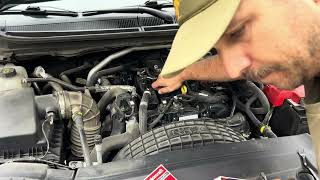
- Noticeable loss of engine power. 🎬 Watch: A quick guide to diagnosing the P0302 misfire code.
- Rough or unstable idle.
- Hesitation or stumbling when accelerating.
- Replacing only the spark plug when the underlying issue was water intrusion that also damaged the new ignition coil.
- Replacing an ignition coil without also replacing the spark plug, as a worn plug can cause the new coil to fail prematurely.
- Assuming the problem is a simple coil or plug when there are other symptoms like coolant loss, which could point to a much more serious head gasket issue.
Most Likely Causes
- Water Intrusion in Spark Plug Well 🔴 High Probability Ford has documented this issue in TSBs 23-2011, SSM 51239, and SSM 51051. Water leaks past a seam in the cowl cover, dripping onto the engine and pooling in the spark plug wells, shorting out ignition components. This is common on 2019-2022 models that were not originally equipped with an engine appearance cover.
How to confirm: After letting the engine cool, remove the ignition coil from cylinder 2. Use a flashlight to visually inspect the bottom of the spark plug well for any signs of moisture, rust, or white/green corrosion. The presence of any of these strongly indicates water intrusion.
Typical fix: Use compressed air to blow out any water and debris. Replace the ignition coil and spark plug for cylinder 2, as they are likely damaged. Apply dielectric grease to the new coil boot to improve the seal. The official Ford fix per TSB 23-2011 is to also install the Engine Appearance Cover Kit (Part No. L1MZ-6A949-C) to shield the engine.
Est. part cost: $50-$150 - Failed Ignition Coil 🔴 High Probability Ignition coils are a common wear item, and failure is often accelerated by the water intrusion issue. Even without water, heat and vibration cause them to fail over time. Ford TSB SSM 53971 directly lists ignition coils as a primary cause for this code.
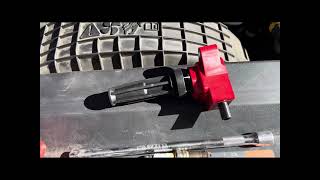
How to confirm: Swap the ignition coil from cylinder 2 with one from another cylinder (e.g., cylinder 1). Clear the codes and drive the truck. If the code changes to P0301, the coil is faulty. Visually inspect the coil for cracks in the plastic housing or corrosion on the electrical connector.
Typical fix: Replace the faulty ignition coil. Many technicians and owners recommend replacing all four coils and spark plugs at the same time if the vehicle has higher mileage to ensure reliability.
Est. part cost: $40-$100 - Worn or Fouled Spark Plug 🟡 Medium Probability Spark plugs are a routine maintenance item with a service life of up to 100,000 miles, but this can be shortened by conditions like a misfire. A worn electrode, cracked porcelain, or fouling from oil or carbon can cause a weak or inconsistent spark. TSB SSM 53971 also identifies spark plugs as a likely cause.
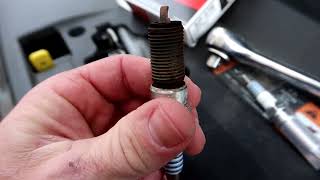
How to confirm: After confirming the coil is good, remove the spark plug from cylinder 2. Inspect it for wear (rounded electrode), heavy carbon buildup, oil fouling, or cracks in the white ceramic insulator. Compare it to a new plug.
Typical fix: Replace the spark plug. It is best practice to replace all four spark plugs at the same time to ensure even performance and avoid future misfires. If the old plug was severely corroded from water, be extremely careful during removal to avoid breaking it off in the cylinder head.
Est. part cost: $10-$25 - Faulty Fuel Injector ⚪ Low Probability Less common than ignition issues, but a clogged or failing fuel injector can prevent the correct amount of fuel from reaching cylinder 2, causing a lean misfire. This is not a widely reported systemic issue on the Ranger but can happen to any modern direct-injection engine.
How to confirm: This is more difficult to diagnose for a DIYer. A professional can perform a fuel injector balance test. A DIY method involves listening to the injector with a mechanic's stethoscope to check for a consistent clicking sound compared to the other injectors.
Typical fix: Replace the faulty fuel injector. This is a more involved and expensive job than replacing coils or plugs.
Est. part cost: $70-$150
Rare But Worth Checking
- Low Cylinder Compression: This indicates a more serious internal engine problem, such as a worn piston ring, a bad valve, or a damaged cylinder wall. A compression test is needed to confirm.
- Vacuum Leak: A vacuum leak near the intake manifold runner for cylinder 2 could lean out the air/fuel mixture and cause a misfire, though this would often be accompanied by other codes like P0172.
- Coolant Intrusion / Head Gasket Failure: Some 2.3L EcoBoost engines have experienced head gasket failures or cracks in the block, allowing coolant to leak into the cylinder. This often causes a misfire on startup (P0316) and may be accompanied by white exhaust smoke and a loss of coolant. This is a major engine repair.
Diagnosis Steps
- Read the code with an OBD-II scanner and confirm P0302 is present. Note any other codes, especially P0300 or P0316.
- Let the engine cool completely. Remove the plastic engine cover if equipped.
- Disconnect and remove the ignition coil from cylinder 2 (second from the front). An 8mm socket is typically required.
- Inspect the spark plug well for any signs of water, oil, or corrosion. If water or heavy corrosion is present, this is the likely cause.
- If the well is dry, swap the ignition coil from cylinder 2 with the coil from cylinder 1.
- Clear the codes, start the engine, and drive until the check engine light comes back on.
- Re-scan for codes. If the code is now P0301, the ignition coil is bad and needs replacement.
- If the code is still P0302, the problem is likely the spark plug. Replace the spark plug in cylinder 2. It is highly recommended to replace all four. 🎬 Watch: This 20-minute walkthrough shows how to change your plugs.
- If the problem persists after replacing the coil and plug, the issue may be the fuel injector or a mechanical engine problem (compression, vacuum leak), which may require professional diagnosis.
Parts You'll Likely Need
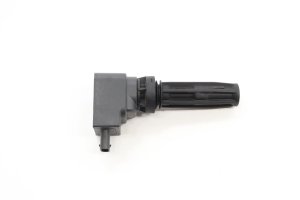
- Ignition Coil
(OEM #DG-576)— This is one of the most common failure points for a P0302 code, especially given the platform's water intrusion issues.
Trusted brands: Motorcraft
OEM price range: $60-$100
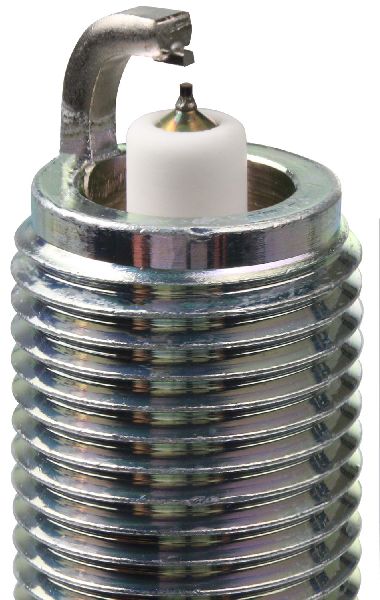
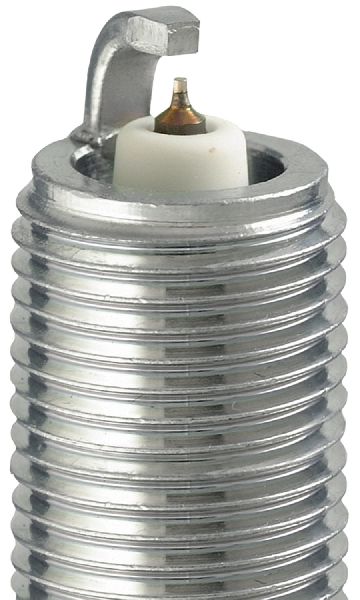
Aftermarket price range: $30-$70 - Spark Plug
(OEM #SP-594 (replaces SP-578))— Spark plugs are a maintenance item and can cause misfires when worn. It's recommended to replace them when replacing a coil.
Trusted brands: Motorcraft, NGK
OEM price range: $10-$20
Aftermarket price range: $8-$15 - Engine Appearance Cover Kit
(OEM #L1MZ-6A949-C)— This is Ford's official fix per TSB 23-2011 to prevent water from dripping into the spark plug wells on 2019-2022 models.
Trusted brands: Motorcraft
OEM price range: $50-$80
Aftermarket price range: N/A
Related Codes That Often Appear With This One
- P0300 — If the misfire is intermittent or affects other cylinders, a P0300 (Random/Multiple Cylinder Misfire) may be stored alongside P0302.
- P0301, P0303, P0304 — If the cause (like water intrusion or bad fuel) affects multiple cylinders, you may see misfire codes for other cylinders as well. Water often affects cylinder 1 as well as 2.
- P0316 — This code indicates a misfire was detected within the first 1,000 engine revolutions on startup. It is often seen with other P030x codes as noted in TSBs 23-2011, SSM 51239, and SSM 51051, especially if coolant has leaked into the cylinder overnight.
Technical Service Bulletins (TSBs) & Recalls
- SSM 53971: Notes that misfire codes P0301-P0304 on the 2.3L EcoBoost may be due to spark plugs and/or ignition coils.
- TSB 23-2011: The most important TSB for this issue. It addresses misfire codes (P0300-P0304, P0316) on 2019-2022 Rangers caused by water buildup in spark plug wells. The service procedure involves diagnosing the misfire, replacing damaged parts, and installing the Engine Appearance Cover Kit (L1MZ-6A949-C).
- SSM 51239: Similar to TSB 23-2011, for vehicles equipped with an engine appearance cover, linking misfires to water in spark plug wells.
- SSM 51051: Also similar to TSB 23-2011, but for vehicles *without* an engine appearance cover, linking misfires to water in spark plug wells.
Platform-Specific Known Issues
- Water Intrusion: Multiple TSBs (23-2011, SSM 51239, SSM 51051) confirm that 2019-2022 Rangers can suffer from water buildup in the spark plug wells, causing misfires. The leak originates from a seam in the plastic cowl panel. The official fix involves replacing damaged components and installing an engine appearance cover (L1MZ-6A949-C) to better shield the engine.
Mechanic-Grade Diagnostic Values
- Ignition Coil Retaining Bolt Torque — expected: 62 lb-in (7 Nm). Failure: N/A - This is an installation specification.
- Low-Side Fuel Pressure (Key On, Engine Off) — expected: 60-70 psi (for earlier Duratec 2.3L, but indicative for modern returnless systems). Failure: Pressure significantly below this range indicates a weak fuel pump or leak. Pressure dropping under load is a key symptom of a failing pump.
Hidden / Shadow Codes Worth Checking
- Mode $06, Test ID $51: This is the onboard diagnostic test monitor for cylinder misfires. Component IDs $01 through $04 correspond to cylinders 1 through 4. A technician can view the raw misfire count for each cylinder since the last drive cycle, even if the count isn't high enough to set a P030x code. (see via A professional scan tool capable of reading Mode $06 data. This allows a technician to see which cylinder is misfiring before it becomes a consistent fault.)
Scan Tool Commands That Help
- Ford IDS (or high-end aftermarket scanners like Snap-on): Power Balance Test — This is a critical bidirectional test for diagnosing misfires. The tool displays the RPM contribution of each cylinder in a graph. A technician can then selectively disable the fuel injector to a specific cylinder and observe the RPM drop. If disabling cylinder 2 causes little or no RPM drop compared to other cylinders, it confirms cylinder 2 is not contributing power, isolating the fault.
Wiring & Ground Locations
- G104 — On the right-hand side of the engine compartment, near the battery.. This is a primary ground point for engine components. While not directly for the coil packs (which ground through the cylinder head), a poor engine ground can cause widespread electrical issues, including weak spark and intermittent misfires. Verifying this ground is clean and tight is a fundamental step in diagnosing any electrical fault.
- Ignition Coil Connector — On top of the valve cover, plugging directly into the ignition coil for cylinder 2.. This 2-wire connector supplies power and the trigger signal to the coil. The wires can become brittle from heat, and the terminals can corrode, especially if water intrusion has occurred. The connector pigtail (Standard Motor Products HP4710 or Dorman 645-247) is available if the original is damaged.
Real Owner Repair Stories
- Ranger5G.com forum user (2019 Ford Ranger 2.3L EcoBoost) — Check engine light with P0302 after a long road trip.
❌ Tried (didn't work) Swapped ignition coil from cylinder 2 to cylinder 1; code remained P0302., Inspected spark plug well for water; it was dry.
✅ What actually fixed it Upon removing the spark plug from cylinder 2, the owner found the porcelain insulator was cracked. Replacing just that one spark plug resolved the P0302 code and the misfire.
OEM Part Supersession History
SP-578→SP-594 (Motorcraft part CYFS12YRT3)— SP-594 is the updated, superseding part number for the original iridium spark plugs.
Heads up: While SP-594 is the correct replacement, some owners have reported issues after installation, suggesting potential sensitivity or counterfeit parts in the market. It is crucial to purchase from a reputable source.L1MZ-6A949-A→L1MZ-6A949-C— This is the Engine Appearance Cover kit recommended by TSB 23-2011. The -C version is the latest revision.
Model Year Variations Within This Range
- 2019-2023 vs 2024-2025: The base 2.3L EcoBoost engine and 10-speed transmission remain largely the same between the third generation (T6) and the redesigned fourth generation (T6.2). However, the 2024+ models introduce optional V6 engines. The core causes of P0302 on the 2.3L engine are expected to be consistent across these years, though the water intrusion issue addressed by TSB 23-2011 specifically covers 2019-2022 models. It is unclear if the cowl design was changed post-2022 to mitigate this.
Helpful Videos
Used OEM Parts in Stock


New Aftermarket Parts Available

The information in this article is provided for general reference and educational purposes only. Vehicle specifications, procedures, and part compatibility can vary by production date, trim level, and region. Always consult your vehicle's factory service manual and verify part numbers before purchasing or performing repairs. Safety-critical components such as airbags, seat belts, and braking systems should be installed by a qualified professional.
- Ford RANGER:
- 🎬 Helpful Videos
- 🛍️ Shop This Part
- What's Unique About the 2019-2025 Ford RANGER
- Diagnostic Flowchart
- Symptoms You May Notice
- Most Likely Causes
- Rare But Worth Checking
- Diagnosis Steps
- Parts You'll Likely Need
- Related Codes That Often Appear With This One
- Technical Service Bulletins (TSBs) & Recalls
- Platform-Specific Known Issues
- Mechanic-Grade Diagnostic Values
- Hidden / Shadow Codes Worth Checking
- Scan Tool Commands That Help
- Wiring & Ground Locations
- Real Owner Repair Stories
- OEM Part Supersession History
- Model Year Variations Within This Range
- 🎟️ Get 5% Off