

P0302 on 2015-2022 Ford Escape: Cylinder 2 Misfire Causes and Fixes
On 2017-2019 Ford Escapes with 1.5L or 2.0L EcoBoost engines, code P0302 is a major warning for coolant leaking into the cylinder due to a known engine block design flaw, often requiring engine replacement. This is confirmed by multiple TSBs (like 22-2322 for the 1.5L and 19-2346 for the 2.0L). For other engines or if coolant intrusion is ruled out, the cause is typically a faulty ignition coil or a worn spark plug.
- On a 2017-2019 Escape with a 1.5L or 2.0L EcoBoost engine, P0302 is a strong indicator of a serious engine design flaw causing coolant to leak into cylinder 2.
- Before replacing any parts, check for signs of coolant loss: a low reservoir level without external leaks, or white exhaust smoke.
- If coolant intrusion is suspected, the vehicle should be taken to a professional for a pressure test and borescope inspection.
- For Escapes outside the problematic 2017-2019 EcoBoost range, the most likely causes are a simple bad ignition coil or worn spark plug.
- Ignoring a flashing check engine light with this code can lead to expensive catalytic converter damage.
What's Unique About the 2015-2022 Ford ESCAPE

For the third-generation Ford Escape (specifically 2017-2019 models) with the 1.5L and 2.0L EcoBoost engines, P0302 is notoriously linked to a catastrophic engine design flaw. The 'open-deck' design of the engine block has a thin wall and a slot for coolant to pass between cylinders. This area is prone to developing micro-cracks, allowing coolant to leak directly into the cylinders. This causes a misfire that won't be fixed by replacing spark plugs or coils. The issue is so prevalent that Ford has issued multiple Technical Service Bulletins (TSBs) and a Customer Satisfaction Program (21N12) 🎬 Watch: Diagnosing 1.5L EcoBoost misfires and coolant loss TSBs to address it. While standard ignition issues can still cause P0302, the possibility of coolant intrusion must be the primary consideration on these specific engines.
Diagnostic Flowchart

Tap your situation to follow the diagnostic path that matches what you're seeing on this vehicle.
Generation note: The 2015-2022 range covers the end of the 3rd generation (2013-2019) and the start of the 4th generation (2020-present). The critical coolant intrusion issue is primarily documented for the 2017-2019 models with the 1.5L and 2.0L EcoBoost 4-cylinder engines. The 4th generation (2020+) uses a different 1.5L 3-cylinder engine (nicknamed 'Dragon'), and while not immune to misfires, it is not known for the same block design flaw. An owner complaint for a 2020 model mentioned P0302 with a different code (P3402), suggesting other causes may be more common on the newer generation.
Symptoms You May Notice

- Rough idling or shaking engine
- Flashing or solid Check Engine Light
- Loss of engine power and poor acceleration
- Hesitation during acceleration
- Reduced fuel economy
- White, sweet-smelling smoke from the exhaust (indicates coolant intrusion)
- Gradual loss of engine coolant with no visible external leaks
- Engine running rougher at highway speeds
- Milky or frothy appearance on the oil cap or dipstick
- Replacing only the spark plug and ignition coil when the true cause is coolant intrusion. This will not solve the problem and the misfire will return. One owner experienced this after replacing plugs and coils, only for the P0302 code to return after 50-100 miles.
- Attributing the misfire to a bad fuel injector without first ruling out the highly common coolant leak or ignition system faults.
Most Likely Causes

- Engine Coolant Intrusion into Cylinder 🔴 High Probability A design flaw in the open-deck block of 1.5L and 2.0L EcoBoost engines (2017-2019) leaves insufficient surface area for the head gasket to seal between cylinders. This can lead to micro-cracks, allowing coolant to leak into the combustion chamber. This is a widely documented issue, leading to class-action lawsuits and multiple Ford service actions.
How to confirm: Check for gradual coolant loss in the reservoir and milky-colored oil. A definitive diagnosis involves a cooling system pressure test and using a borescope to look for coolant inside cylinder #2. A 'steam-cleaned' piston top, appearing much cleaner than others, is a strong sign of coolant burning off.
Typical fix: The only permanent fix is to replace the engine short block (for 1.5L) or long block assembly (for 2.0L) with an updated part that has a revised block design, as outlined in Ford TSBs 22-2322 and 19-2346.
Est. part cost: $2500-$5000+ - Faulty Ignition Coil 🟡 Medium Probability Coil-on-plug ignition systems are common failure points due to constant heat and vibration. This is a standard maintenance issue on most modern engines. On vehicles not prone to the coolant leak, this is a primary suspect.
How to confirm: Swap the ignition coil from cylinder #2 with another cylinder (e.g., cylinder #1). Clear the codes and run the engine. If the code changes to P0301, the coil is faulty. This is a common first diagnostic step mentioned by owners.
Typical fix: Replace the failed ignition coil. It is often recommended to replace the corresponding spark plug at the same time.
Est. part cost: $50-$131 - Worn or Fouled Spark Plug 🟡 Medium Probability
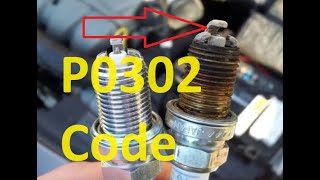
How to confirm: Remove the spark plug from cylinder #2 and inspect it for wear (eroded electrode), carbon fouling, or signs of being wet with oil or coolant. A coolant-fouled plug will appear unusually clean or wet.
Typical fix: Replace the spark plug. It is best practice to replace all spark plugs as a set to ensure even performance. One owner on a forum noted that replacing plugs that looked like they'd never been changed initially smoothed out the engine, but the misfire returned, pointing to a deeper issue.
Est. part cost: $15-$62 - Clogged or Faulty Fuel Injector ⚪ Low Probability
How to confirm: This is more complex to diagnose. A professional can perform a fuel injector balance test. A DIY method is to listen for a consistent 'clicking' sound from the injector with a mechanic's stethoscope. You can also swap injectors between cylinders, similar to the coil swap test, but this is more labor-intensive.
Typical fix: Replace the faulty fuel injector.
Est. part cost: $60-$150
Rare But Worth Checking
- Intake Manifold Bolt Damage to Charge Air Cooler (CAC): TSB 17-0028 specifically mentions that on some 2017 models, an intake manifold bolt can back out and damage the CAC, leading to coolant loss and misfires, including P0302.
- Cracked EGR Cooler: On some 2.0L EcoBoost models, particularly around 2019-2020, a cracked EGR cooler could cause coolant loss and white smoke, which might be misdiagnosed as the more common engine block failure. This is mentioned in SSM 48345.
Diagnosis Steps
- Read the trouble codes with an OBD-II scanner and note any other codes present, especially P0316, P0300, or overheat codes.
- Check the engine coolant level in the reservoir. If it's low and there are no visible external leaks, suspect an internal leak. This is the first sign mentioned in TSBs.
- Check the engine oil cap and dipstick for a milky or frothy appearance, which indicates coolant contamination.
- If coolant intrusion is suspected, a professional should perform a cooling system pressure test. A drop in pressure with no external leaks is a strong indicator. A technician in a video demonstrated this test.
- Use a borescope to visually inspect inside cylinder #2. Look for signs of liquid coolant, excessive moisture, or a 'steam-cleaned' piston that looks unusually clean.
- If coolant intrusion is ruled out, proceed with standard misfire diagnosis. Swap the ignition coil from cylinder #2 with another cylinder (e.g., #3). Clear the codes and see if the misfire moves to P0303. If it does, the coil is bad.
- If the misfire remains on cylinder #2, inspect the spark plug for wear, fouling, or damage. Replace if necessary.
- If ignition components are good, perform an engine compression test. A low reading on cylinder #2 points to a mechanical issue, such as the coolant intrusion damage. One owner reported a dealer found compression in cylinder #2 at just 2%.
Parts You'll Likely Need
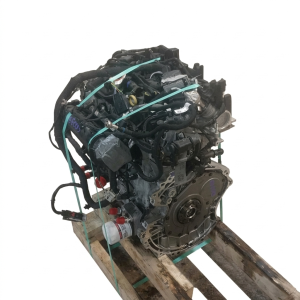
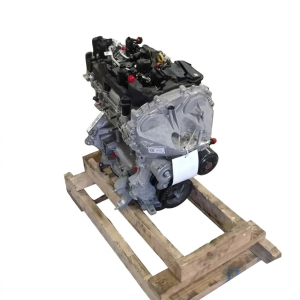
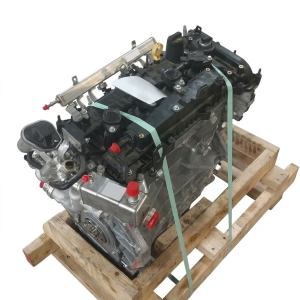
- Engine Short Block
(OEM #DS7Z-6009-G (example, VIN specific))— This is the required fix for the common coolant intrusion issue on 1.5L EcoBoost engines, as specified by Ford's TSB 22-2322. The replacement is a revised design.
Trusted brands: Motorcraft
OEM price range: $2500+
Aftermarket price range: $2000+ - Engine Long Block
(OEM #VIN Specific)— This is the required fix for the coolant intrusion issue on 2.0L EcoBoost engines, as specified by Ford's TSB 19-2346.
Trusted brands: Motorcraft
OEM price range: $4000+
Aftermarket price range: $3000+
Related Codes That Often Appear With This One
- P0316 — Indicates a misfire was detected on startup (within the first 1,000 revolutions). This is very common with coolant intrusion, as coolant that has pooled in the cylinder overnight causes an immediate misfire.
- P0300 — Random/Multiple Cylinder Misfire. As a coolant leak worsens, it can affect adjacent cylinders, leading to a more general misfire code.
- P0304 — Cylinder 4 Misfire. In the open-deck block design, cylinders 2 and 3 are adjacent, and 1 and 4 are on the ends. However, misfires in adjacent cylinders (like P0302 and P0304) have been reported together in owner complaints, possibly as the issue progresses.
- P0217, P1299 — These are engine overheat codes. They appear when coolant intrusion becomes severe enough to cause significant coolant loss and overheating.
Technical Service Bulletins (TSBs) & Recalls

- TSB 22-2322: Addresses coolant intrusion into cylinders on 2017-2019 Escapes with the 1.5L EcoBoost engine, recommending a short block replacement. Supersedes multiple previous TSBs.
- TSB 19-2346 / 19-2208: Addresses coolant intrusion on 2017-2019 Escapes with the 2.0L EcoBoost engine, recommending a long block replacement.
- TSB 17-0028: Notes that a loose intake manifold bolt can damage the charge air cooler, causing coolant loss and misfires on some 2017 models.
- SSM 47204: Special Service Message for 2015-2018 vehicles with the 2.0L EcoBoost, noting that a rough run condition with P030x codes may be due to coolant intrusion from block corrosion.
- Customer Satisfaction Program 21N12: Extends warranty coverage for the 1.5L engine short block replacement due to coolant intrusion to 7 years or 84,000 miles.
Platform-Specific Known Issues
- Coolant Intrusion in 1.5L & 2.0L EcoBoost Engines: As documented in TSB 22-2322 (for 1.5L) and TSB 19-2346 (for 2.0L), a design flaw can cause coolant to leak into the cylinders, leading to misfires (P0301-P0304), rough running, and eventual engine failure. Ford initiated Customer Satisfaction Program 21N12 to address this on some 1.5L models, extending the warranty for this specific failure to 7 years or 84,000 miles. Owner complaints confirm this failure, with some facing repair quotes up to $14,000 for a new engine. One owner of a 2018 model with 97k miles reported getting the P0302 code just 3 weeks after purchase, with Ford covering the engine replacement under warranty.
Mechanic-Grade Diagnostic Values
- High-Pressure Fuel System Pressure — expected: 65 to 2150 PSI, depending on engine load and demand.. Failure: Pressure that is drastically below specification, which can sometimes cause the low-pressure pump to show a reading above specification as the systems try to compensate.
- Relative Compression Test (via Scan Tool) — expected: All cylinders should show a minimal percentage difference from each other (e.g., less than 1-2%).. Failure: A significant drop in percentage for one cylinder compared to the others. A test on a known bad cylinder (spark plug removed) showed a 20% difference, immediately identifying the problem cylinder.
Hidden / Shadow Codes Worth Checking
- Mode $06: Mode $06 data can provide specific misfire counts per cylinder before they are high enough to set a P030x code. This allows a technician to see which cylinder is starting to fail. The Test ID (TID) and Component ID (CID) are specific to the manufacturer, but professional scan tools can interpret this data to show misfire counts for Cylinder 1, 2, 3, etc. (see via A professional OBD-II scan tool with Mode $06 capability.)
Scan Tool Commands That Help
- Ford IDS, Snap-on, Autel, etc.: Relative Compression Test — This is a quick, non-invasive functional test to check for a mechanical compression issue without removing spark plugs. It's an excellent first step after checking codes to determine if the misfire is mechanical (low compression) or likely ignition/fuel related. A significant drop on cylinder 2 points towards the coolant intrusion issue.
- Ford IDS, Snap-on, etc.: Power Balance Test — This test allows a technician to disable individual fuel injectors while monitoring engine RPM drop. If disabling cylinder #2's injector causes little or no change in RPM, it confirms that cylinder was not contributing power. This helps isolate the misfire to a specific cylinder and can be used to see if the issue is fuel or spark related.
Wiring & Ground Locations
- Main Body Grounds — On the driver's side fender well, near the airbox area. There are typically two ground studs (8mm and 10mm).. After a major repair like an engine replacement for coolant intrusion, these grounds are often disturbed. A poor connection here can cause intermittent no-start conditions and a host of confusing electronic issues that can be misdiagnosed. A technician noted that even if they feel tight, they should be removed, cleaned, and re-secured.
- Fuel Injector Harness Ground — On the back of the engine block or cylinder head, often on a stud near the cylinder head temperature sensor.. This ground is critical for the fuel injector harness. If left loose or disconnected during an engine repair, it can cause a crank-no-start condition or misfires on multiple cylinders, complicating diagnosis after the primary repair is complete.
- PCM Connector C175B (Ignition Coils) — This is one of the main connectors at the Powertrain Control Module (PCM).. According to a wiring diagram, the ignition coils receive their signal from the PCM via this connector. For example, Coil-On-Plug 2 (Cylinder 2) is connected to pin 3 of its local connector (C112) and ultimately traces back to the PCM at connector C175B. This is essential for diagnosing a no-spark condition that isn't resolved by a new coil, as it allows for continuity and voltage checks at the PCM itself.
Real Owner Repair Stories
- Ford Fusion Forum user 'PA-Fatboy' (2018 Ford Fusion SE (1.5L EcoBoost), 69,800 miles) — P0302 code, rough running, white smoke from exhaust, low coolant.
❌ Tried (didn't work) Replacing the ignition coil and all spark plugs (misfire returned after 100 miles)., Replacing the battery and clearing codes (misfire returned after 50 miles).
✅ What actually fixed it The owner's local mechanic identified Ford's Customer Satisfaction Program 21N12 for coolant intrusion. The owner took the vehicle to a Ford dealership, which confirmed the diagnosis and replaced the engine short block free of charge under the program. - Reddit user on r/fordescape (2017 Ford Escape SE (engine not specified, but likely 1.5L or 2.0L)) — Coolant intrusion.
❌ Tried (didn't work) Initial dealer visit likely did not result in a free repair.
✅ What actually fixed it The owner called Ford's Customer Satisfaction Program directly and 'pled their case.' Ford approved a partial coverage, reducing the repair cost from a quoted $12,000 to a $4,000 out-of-pocket expense for the owner. This highlights that direct negotiation with Ford corporate can sometimes yield results even if the dealer initially denies coverage.
OEM Part Supersession History
DS7Z-6009-G (and others)→VIN-Specific Short Block Service Kit— The original 1.5L EcoBoost short block design was flawed, leading to coolant intrusion. The replacement part is a revised design with updated cooling passages between the cylinders to prevent cracking.
Heads up: TSB 22-2322 instructs technicians to order a new short block service kit based on the vehicle's specific VIN. The original part number is discontinued. Attempting to use an old-design block will lead to a repeat failure.
Model Year Variations Within This Range
- 2017-2019: These model years with the 1.5L and 2.0L 4-cylinder EcoBoost engines are most susceptible to the block design flaw causing coolant intrusion. Ford's Customer Satisfaction Program 21N12 specifically covers 2017-2019 Escape models with the 1.5L engine built before April 8, 2019.
- 2020-2022: The 2020+ Escape uses a new 1.5L 3-cylinder 'Dragon' EcoBoost engine. This engine has a different architecture and is not known for the same 'open-deck' coolant intrusion issue that plagued the previous 4-cylinder version. While P0302 can still occur, it is more likely due to traditional causes like ignition or fuel system faults.
Helpful Videos

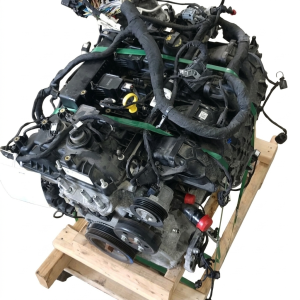
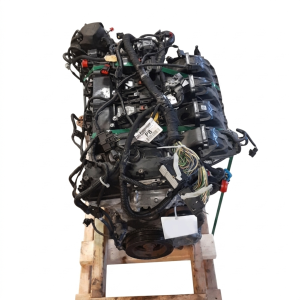
We Have This Part in Stock

The information in this article is provided for general reference and educational purposes only. Vehicle specifications, procedures, and part compatibility can vary by production date, trim level, and region. Always consult your vehicle's factory service manual and verify part numbers before purchasing or performing repairs. Safety-critical components such as airbags, seat belts, and braking systems should be installed by a qualified professional.
- Ford ESCAPE:
- 🎬 Helpful Videos
- 🛍️ Shop This Part
- What's Unique About the 2015-2022 Ford ESCAPE
- Diagnostic Flowchart
- Symptoms You May Notice
- Most Likely Causes
- Rare But Worth Checking
- Diagnosis Steps
- Parts You'll Likely Need
- Related Codes That Often Appear With This One
- Technical Service Bulletins (TSBs) & Recalls
- Platform-Specific Known Issues
- Mechanic-Grade Diagnostic Values
- Hidden / Shadow Codes Worth Checking
- Scan Tool Commands That Help
- Wiring & Ground Locations
- Real Owner Repair Stories
- OEM Part Supersession History
- Model Year Variations Within This Range
- 🎟️ Get 5% Off