

P0302 on 2013-2016 Dodge Dart 1.4L Turbo: Cylinder 2 Misfire Causes and Fixes
P0302 means your Dodge Dart's cylinder 2 is misfiring. The most common causes are an oil-fouled spark plug or a failed ignition coil, often due to a leaking valve cover gasket. Inspect the spark plug well for oil first. A DIY fix can be under $50 for plugs and a coil, but fixing the oil leak is critical.
- P0302 on a 1.4L Dart is a misfire on the second cylinder from the passenger side.
- The most likely cause is a bad ignition coil or an oil-fouled spark plug.
- Before replacing parts, check for oil in the spark plug well. If oil is present, you must fix the leak (usually a valve cover gasket) or the misfire will return.
- A basic diagnostic step is to swap the coil and then the spark plug with a neighboring cylinder to see if the misfire code follows the part.
- If the check engine light is flashing, stop driving immediately to prevent catalytic converter damage.
What's Unique About the 2013-2016 Dodge Dart
The 1.4L MultiAir Turbo engine has a unique electro-hydraulic valvetrain system (the 'MultiAir brick') that controls the intake valves. While standard ignition issues are the most frequent cause of P0302, this engine can also experience misfires due to problems with the MultiAir unit itself, such as a failing solenoid for a specific cylinder, which may trigger a P1067 code alongside the misfire code. Additionally, this engine is highly prone to oil leaks from the valve cover gasket's spark plug tube seals, which allows oil to pool in the spark plug wells, fouling the plug and shorting out the ignition coil. This is the most common starting point for diagnosis on these engines.
Symptoms You May Notice
- Rough running engine or rough idle. [Bulletin #08-027-20]
- Hesitation or lack of power during acceleration.
- Flashing or solid Check Engine Light.
- Engine stalling.
- Reduced fuel economy.
- Popping noise from the engine bay.
- Replacing only the spark plug or coil without addressing the oil leak that fouled it. The new parts will soon fail as well if the underlying valve cover gasket or seal issue is not corrected.
- Assuming a complex MultiAir issue before ruling out the much more common ignition component and oil leak problems.
Most Likely Causes
- Worn or Oil-Fouled Spark Plug 🔴 High Probability The 1.4L Turbo engine has a recommended spark plug change interval of 32,000 miles. A very common issue is oil leaking into the spark plug wells from a failed valve cover gasket or a bad O-ring on the oil separator, which fouls the plugs and causes misfires. Owners on DodgeDartForum.com frequently report this as the primary cause.
How to confirm: Remove the ignition coil from cylinder 2 and inspect the spark plug well for pooled engine oil. If oil is present, the source of the leak must be fixed. If no oil is present, swap the spark plug from cylinder 2 with another cylinder (e.g., cylinder 1). If the code moves to P0301, the spark plug is bad.
Typical fix: Replace the spark plug(s) with the correct OEM-spec NGK Iridium plugs. If oil is present, you must also replace the valve cover gasket and spark plug tube seals to fix the source of the leak.
Est. part cost: $10 - $25 per plug (OEM NGK SIKR9A7). - Failed Ignition Coil 🔴 High Probability Ignition coils are a common failure item. Oil leaks into the spark plug tubes frequently short out and damage the coils, accelerating their failure. The connector locks on the coils are also known to be brittle and can break easily during service.
How to confirm: After checking the spark plug, swap the ignition coil from cylinder 2 with another cylinder (e.g., cylinder 3). Clear the codes and drive. If the code changes to P0303, the coil is faulty.
Typical fix: Replace the faulty ignition coil. It's often recommended to replace all spark plugs at the same time. Ensure the spark plug well is clean and dry before installing the new coil.
Est. part cost: $30 - $70 - Leaking Valve Cover Gasket / Tube Seals 🟡 Medium Probability The rubber seals integrated into the valve cover gasket become hard and brittle over time, allowing engine oil to leak directly into the spark plug tubes. This is a widely documented failure on the 1.4L MultiAir engine.
How to confirm: When you remove the ignition coil for cylinder 2, you will see visible liquid engine oil pooled in the spark plug well. The coil boot will be wet with oil.
Typical fix: Replace the valve cover gasket and the integrated spark plug tube seals. Thoroughly clean all oil from the spark plug wells, ignition coil boots, and connectors before reassembly. The OEM Mopar part number is 68145088AA.
Est. part cost: $25 - $80 for the gasket set. - Faulty Fuel Injector ⚪ Low Probability
How to confirm: After confirming the spark plug and ignition coil are good, you can swap the fuel injector from cylinder 2 with another cylinder. This is a more involved job. If the misfire code follows the injector, the injector is faulty. A professional can also perform a flow test.
Typical fix: Replace the faulty fuel injector. Using a quality fuel system cleaner like Hot Shot's Secret Gasoline Extreme may help in some cases of minor clogging.
Est. part cost: $50 - $120
Rare But Worth Checking
- Failed MultiAir Actuator/Solenoid ('Brick'): The electro-hydraulic MultiAir unit can have internal failures, such as a stuck or failing solenoid for a specific cylinder. This often presents with code P1067 (Cylinder 2 Oil Supply Solenoid Valve Switch On Time Out Of Range) along with P0302. This is an expensive and complex repair, as the entire MultiAir 'brick' must be replaced, not just a single solenoid. Proper oil viscosity (5W-40 Synthetic) and clean oil are critical for the health of this unit.
- Low Engine Compression: Mechanical engine problems like a burnt valve, damaged piston rings, or a failed head gasket can cause a lack of compression, leading to a persistent misfire. A compression test is needed to diagnose this.
- Leaking Oil Separator (PCV) O-Ring: A small, failed O-ring on the oil separator/PCV assembly on the valve cover can mimic a valve cover gasket leak, allowing oil into the spark plug wells. This is a less common but known source of oil fouling.
Diagnosis Steps
- Read the code with an OBD-II scanner to confirm P0302.
- Check for other related codes, especially P1067, which points to the MultiAir system.
- Remove the plastic engine cover.
- Remove the ignition coil from cylinder 2 (second from the passenger side).
- CRITICAL: Inspect the spark plug well for any signs of liquid oil. The presence of oil is extremely common and indicates a leaking valve cover gasket/tube seal is the likely root cause.
- If oil is present, the gasket must be replaced. Clean all oil from the well and coil boot before proceeding.
- If no oil is present, swap the cylinder 2 ignition coil with the coil from cylinder 3. Clear the codes and drive the car to see if the misfire moves to cylinder 3 (code P0303). If it does, the coil is bad.
- If the misfire stays on cylinder 2, swap the spark plug from cylinder 2 with cylinder 1. Clear codes and drive. If the misfire moves to cylinder 1 (code P0301), the spark plug is bad.
- If the misfire remains on cylinder 2 after swapping the coil and plug, the issue is likely more complex. The next steps would be to check the fuel injector, inspect wiring, and perform a compression test.
- If code P1067 is present and ignition/fuel parts are confirmed good, the issue is almost certainly with the MultiAir 'brick' itself, which may require professional diagnosis.
Parts You'll Likely Need
- Spark Plug
(OEM #NGK SIKR9A7 (Mopar #SP079888AB))— Spark plugs are a regular maintenance item and are frequently fouled by common oil leaks, causing misfires. The 1.4L Turbo requires specific Iridium plugs gapped to ~.026 inches.
Trusted brands: NGK, Mopar
OEM price range: $15 - $25
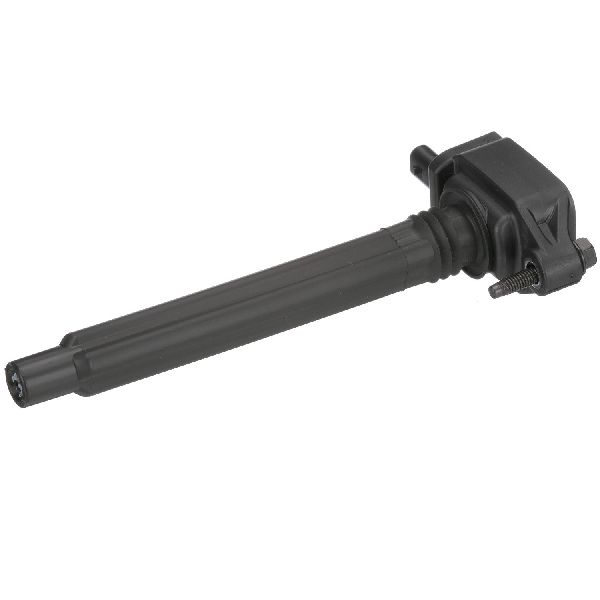
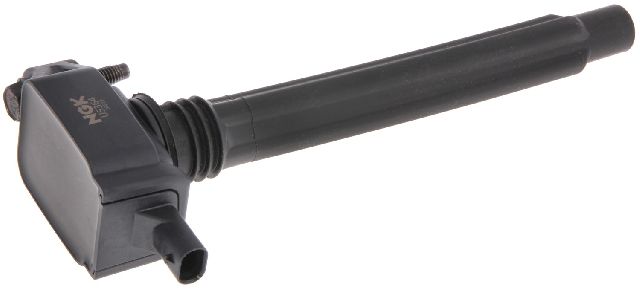
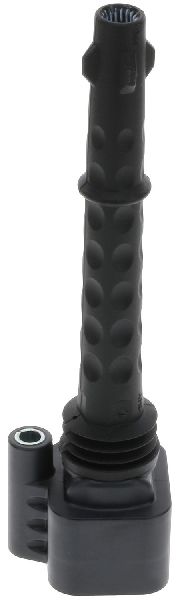
Aftermarket price range: $10 - $20 - Ignition Coil
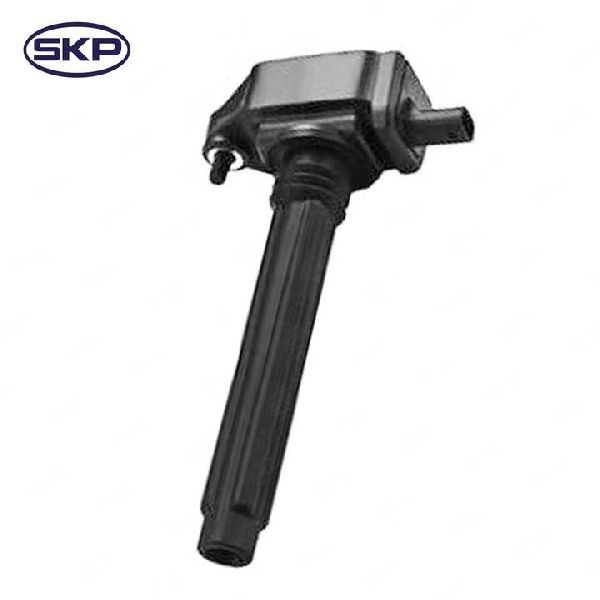
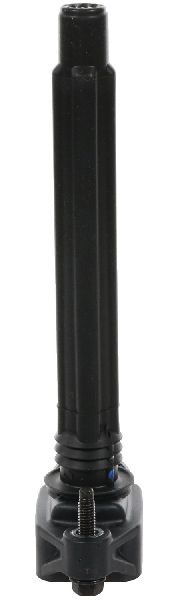
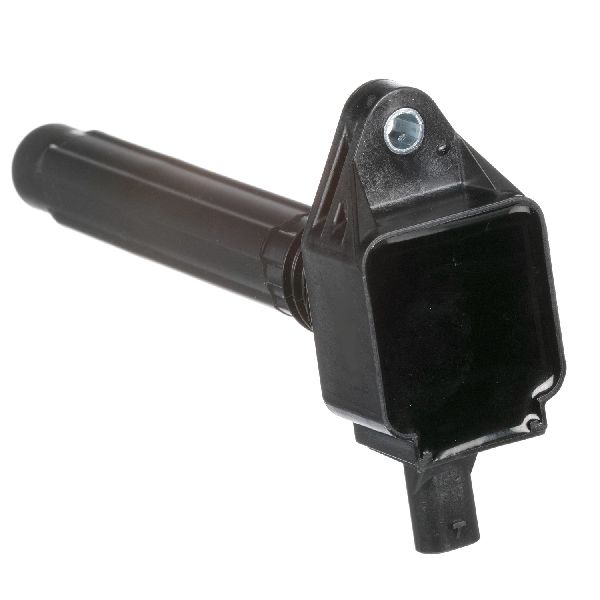
(OEM #68081914AC (supersedes 68081914AA, 68081914AB))— This is one of the most common failure points for a single-cylinder misfire, often damaged by oil intrusion.
Trusted brands: Mopar, NGK, Bosch, Delphi
OEM price range: $50 - $90
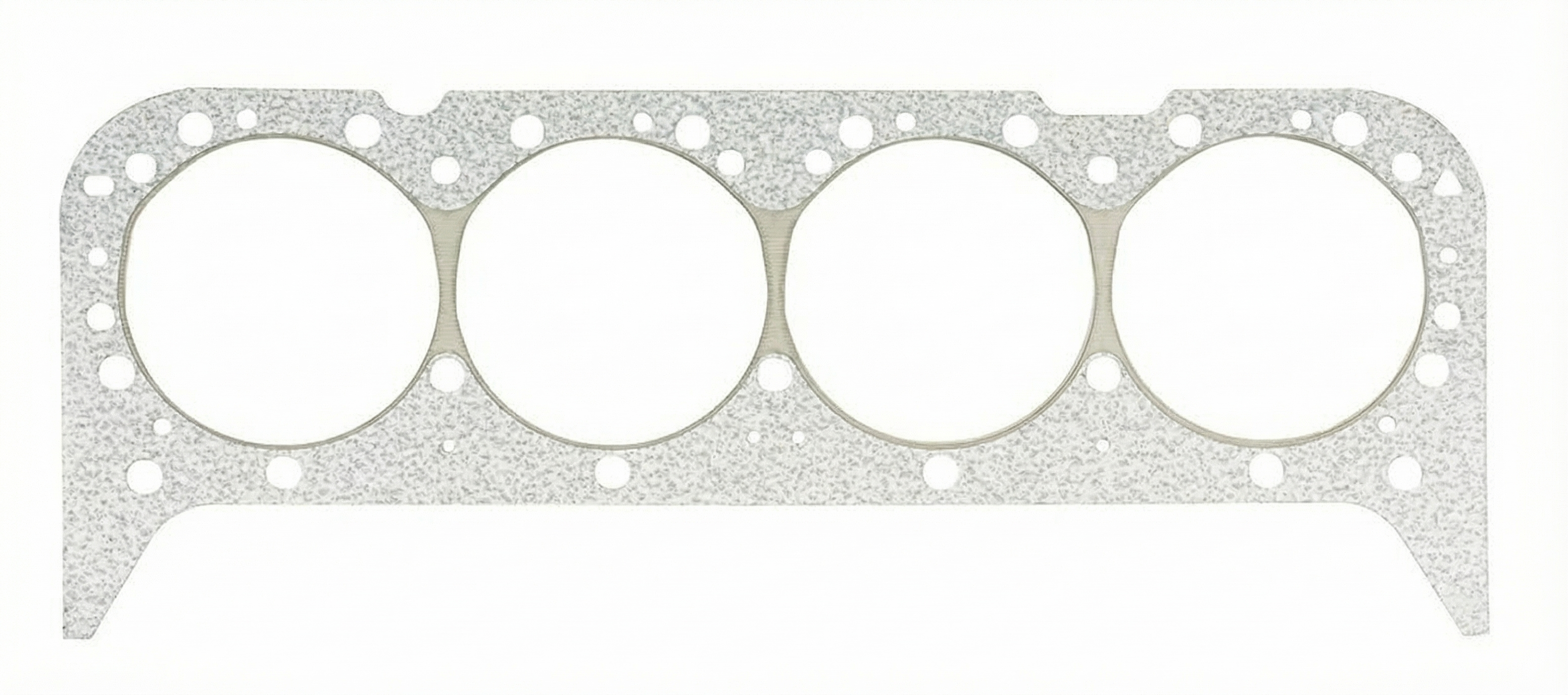
Aftermarket price range: $30 - $70 - Valve Cover Gasket Kit
(OEM #68145088AA)— Required if oil is found in the spark plug wells, which is a very common root cause of misfires on this engine.
Trusted brands: Mopar, Fel-Pro, Mahle
OEM price range: $60 - $100
Aftermarket price range: $25 - $80
Related Codes That Often Appear With This One
- P0300 — If the misfire is intermittent or affects other cylinders, a P0300 (Random/Multiple Cylinder Misfire) may be stored alongside P0302. [Bulletin #08-027-20]
- P1067 — This code specifically indicates a fault with the MultiAir variable valve actuator solenoid for cylinder 2. Its presence strongly suggests the misfire is caused by the MultiAir 'brick' itself, rather than a simple ignition or fuel issue.
- P0301, P0303, P0304 — Misfire codes for other cylinders can appear if the root cause, like a major vacuum leak or a valve cover gasket leaking into multiple wells, affects more than just cylinder 2. [Bulletin #08-027-20]
- P219A — This code for 'Bank 1 Air-Fuel Ratio Imbalance' can be triggered by a persistent misfire on one or more cylinders, as the unburnt oxygen throws off the O2 sensor readings.
Technical Service Bulletins (TSBs) & Recalls
- TSB #08-027-20: Mentions rough running conditions associated with misfire codes P0300, P0301, P0302, P0303, and P0304.
- TSB #18-031-17: Involves a PCM software update for 2014-2016 Darts with the 1.4L engine to improve drivability and address various potential issues.
Platform-Specific Known Issues
- A thread on DodgeDartForum.com titled 'Misfire issue on cylinder 2 - Chasing ghosts' details an owner's multi-year struggle with a recurring P0302, where replacing the spark plug was only a temporary fix, highlighting the importance of finding the root cause (likely an oil leak).
- Another forum user reported P0302 and P0304 along with codes for stuck solenoids, and ultimately c
Mechanic-Grade Diagnostic Values
- Fuel Pressure — expected: 58 psi +/- 5 psi. Failure: Significantly lower pressure indicates a weak fuel pump or clogged filter.
- Stock Fuel Injector Resistance — expected: ~12 ohms. Failure: A reading significantly higher or lower (open or shorted) indicates a failed injector coil.
- MultiAir VVA Solenoid Resistance — expected: 0.5 - 1.0 Ohms. Failure: Resistance outside this range indicates a faulty solenoid, requiring replacement of the entire MultiAir actuator assembly.
- EVAP Purge Solenoid Resistance — expected: 10.0 - 15.0 Ohms. Failure: A reading outside this range can indicate a faulty solenoid, which may contribute to air/fuel mixture issues, though it's a less common cause of a single-cylinder misfire.
- Ignition Coil Signal Circuit to PCM Harness Resistance — expected: Below 3.0 Ohms. Failure: Resistance above 3.0 Ohms indicates a problem in the wiring harness between the coil and the PCM.
Scan Tool Commands That Help
- wiTECH (OEM Chrysler/Dodge/Jeep Tool): Clear Mis-fire TLC (Tooth Learn Compensation) — After a repair that could affect crankshaft position reading (like replacing a sensor or performing major engine work), this function forces the PCM to relearn the crankshaft tooth pattern to accurately detect misfires.
- wiTECH: OBDII Monitors - Mis-fire Mon SWC — This allows a technician to view the live status of the misfire monitor, to confirm it is actively running and to see if it detects a fault after a repair.
- wiTECH: Adaptives After Block Change — This procedure is required after replacing the Variable Valve Actuator (MultiAir brick) to ensure the PCM correctly controls the new unit.
Wiring & Ground Locations
- G108 — Rear center of the top of the 1.4L engine.. This is a primary engine ground. A loose or corroded connection here can cause erratic behavior in sensors and actuators, including the ignition and injection systems, potentially leading to misfires.
- G104 — Lower left front of the engine block.. Another critical engine ground point. Poor contact can lead to intermittent and hard-to-diagnose electrical issues affecting engine performance.
- G109 — Left side of the engine compartment on the wheel well.. This is a chassis ground that serves various components in the engine bay, including the Powertrain Control Module (PCM). A bad ground here can cause a host of PCM-related issues.
- Cylinder 2 Ignition Coil Connector — On top of the valve cover, second from the passenger side.. The signal circuit for the coil, (K17) Ignition Coil 2 Signal, can be tested for continuity back to the PCM C2 harness connector. High resistance (over 3.0 Ohms) points to a wiring fault.
Real Owner Repair Stories
- Dodge Dart Forum User (2013 Dodge Dart 1.4L Turbo with 120,000 miles) — Started with rough running, which was temporarily fixed by replacing spark plugs. The rough running returned, accompanied by misfire codes on cylinders 1 and 2.
❌ Tried (didn't work) Replacing spark plugs (only worked for 2 weeks)., Dealer diagnosis suggested a major internal engine issue requiring teardown., Owner performed a head gasket replacement after finding a small mark on the gasket.
✅ What actually fixed it After a compression test showed zero compression in cylinders 1 and 2, the owner suspected the MultiAir unit. Replacing the entire MultiAir 'brick' actuator ($1250 part) resolved the issue, and the car ran better than ever. - Reddit user ManInKilt on r/dodgedart (Dodge Dart 1.4L) — Chasing a persistent misfire. Started as P0303 (Cylinder 3 Misfire).
❌ Tried (didn't work) Cleaned everything., New coils and plugs with correct gap., New spark plug tube seals., After the code moved to P0304, cleaned everything again and replaced the oil separator O-ring after noticing oil pooling.
✅ What actually fixed it The user's final step was to replace the ignition coil connectors, as the locking clips were broken by a previous owner, suggesting a poor electrical connection was the final piece of the puzzle.
OEM Part Supersession History
68081914AA, 68081914AB→68081914AC— Standard part revision and improvement by the manufacturer.
Heads up: The newer part number (68081914AC) is the correct replacement for the older versions and is fully compatible.
Diagnostic Flowchart
Other Known Issues on This Vehicle
Issues unrelated to this code that are worth knowing about as an owner of this generation:
- Dual Dry Clutch Transmission (DDCT) Failure 🔴 High — Very common on 1.4L Turbo models. Issues include shifting problems, 'Gear Not Available' warnings, and complete failure, often related to the hydraulic actuator or TCM. (Ref: Recall N32 for potential engine stall in cold weather related to PCM programming on DDCT models.)
- Excessive Oil Consumption 🟠 Medium — Frequently reported, particularly on the 2.4L engine but also noted on the 1.4L. Owners report needing to add oil between changes.
- MultiAir Actuator ('Brick') Failure 🔴 High — A known, expensive failure. Can cause persistent misfires on one or more cylinders. Highly sensitive to oil level and quality.
- Electrical and Uconnect System Glitches 🟡 Low — Common complaints include Uconnect screen freezing, battery drain, and other random electrical faults, especially on the 2013 model year. (Ref: Multiple software updates have been released.)
- Coolant Leaks and Thermostat Failure 🟠 Medium — Reports of coolant leaks and thermostat failures (leading to code P0128) are common.
Used vs. New Parts: Buying Guide for This Vehicle
When a used part is the smart pick: For purely mechanical or cosmetic parts like the engine cover, intake piping, or basic brackets, a used part is perfectly acceptable. A used ignition coil can be used for temporary diagnosis (swapping to confirm a fault) but is not recommended for permanent replacement due to unknown remaining life.
Donor-vehicle mileage cap: roughly under 80000 miles for the part to have meaningful remaining life.
What to inspect on the donor part:
- For engine components, look for a donor vehicle with a documented history and no signs of front-end collision, which could damage engine accessories.
- Check for signs of oil leaks around the valve cover or turbo on the donor engine; if it's covered in oil, the gaskets are likely bad.
- When buying a used MultiAir actuator ('brick'), it is extremely high-risk. There is no reliable way to test it off the vehicle. Only consider if from a very low-mileage wreck with a money-back guarantee.
OEM-only on this vehicle (don't cheap out):
- MultiAir Actuator ('Brick'): Aftermarket versions are non-existent or untrustworthy. The complexity and reliance on specific oil pressures make this an OEM-only part. A failed used unit is a common story.
- Spark Plugs: The 1.4L Turbo is sensitive. Use the specified OEM NGK Iridium plugs (SIKR9A7) to avoid performance issues.
- PCV / Oil Separator Assembly: Aftermarket versions can have poor seals, leading to the very oil leaks you are trying to fix.
Aftermarket brands forum-validated for this vehicle:
- Fel-Pro, Mahle: For valve cover gaskets, these are reputable brands that are often considered equivalent to OEM. [parts_most_commonly_needed]
- Bosch, Delphi, NGK: For ignition coils, these are established OEM suppliers and offer quality alternatives to Mopar-branded parts. [parts_most_commonly_needed]
Brands owners have reported issues with on this vehicle:
- Unknown 'no-name' ignition coils and sensors from online marketplaces. These often have a high failure rate and can cause more diagnostic confusion.
- Cheap, non-spec oil filters. The MultiAir system is sensitive to oil flow and pressure, and a poor quality filter can cause catastrophic failure. Stick to Mopar or other high-quality filters.
Real Owner Stories
Aggregated from forums and TSBs cited above. Mileages and costs reflect what owners reported in those sources.
2013-2016 Dodge Dart 1.4L MultiAir Turbo
Symptoms: Recurring P0302 misfire on cylinder 2; owner described it as 'chasing ghosts' because replacing the spark plug only provided a temporary fix.
What fixed it: The context indicates the root cause for such recurring issues is typically an oil leak from the valve cover gasket/tube seals fouling the components.
Source hint: DodgeDartForum.com thread titled 'Misfire issue on cylinder 2 - Chasing ghosts'
2013-2016 Dodge Dart 1.4L MultiAir Turbo
Symptoms: P0302 and P0304 codes appearing simultaneously along with codes for stuck solenoids.
What fixed it: The issue was related to the MultiAir system/actuator failure.
Source hint: DodgeDartForum.com user report cited in vehicle_specific_issues
2013-2016 Dodge Dart 1.4L MultiAir Turbo
Symptoms: Misfire codes P1067 and P1062 appearing together.
What fixed it: Professional diagnosis of the MultiAir 'brick' (actuator) assembly.
Source hint: Reddit r/dodgedart comments regarding P1067 and P1062
Related OBD-II Codes
Frequently Asked Questions
What is the recommended spark plug change interval for my 2013-2016 Dodge Dart 1.4L Turbo to prevent P0302?
I have a P0302 and found oil in the spark plug well. What parts do I need to fix the leak?
Is there a software update for my 2014-2016 Dodge Dart 1.4L that addresses drivability issues?
My Dart is running rough and showing P0302; does Chrysler have a technical bulletin for this?
Could a P0302 code be related to my MultiAir system instead of just a spark plug?
Is there a recall for engine stalling on the 1.4L Turbo models?
Helpful Videos
Used OEM Parts in Stock


New Aftermarket Parts Available

The information in this article is provided for general reference and educational purposes only. Vehicle specifications, procedures, and part compatibility can vary by production date, trim level, and region. Always consult your vehicle's factory service manual and verify part numbers before purchasing or performing repairs. Safety-critical components such as airbags, seat belts, and braking systems should be installed by a qualified professional.
- Dodge Dart:
- 🎬 Helpful Videos
- 🛍️ Shop This Part
- What's Unique About the 2013-2016 Dodge Dart
- Symptoms You May Notice
- Most Likely Causes
- Rare But Worth Checking
- Diagnosis Steps
- Parts You'll Likely Need
- Related Codes That Often Appear With This One
- Technical Service Bulletins (TSBs) & Recalls
- Platform-Specific Known Issues
- Mechanic-Grade Diagnostic Values
- Scan Tool Commands That Help
- Wiring & Ground Locations
- Real Owner Repair Stories
- OEM Part Supersession History
- Diagnostic Flowchart
- Other Known Issues on This Vehicle
- Used vs. New Parts: Buying Guide for This Vehicle
- Real Owner Stories
- 2013-2016 Dodge Dart 1.4L MultiAir Turbo
- 2013-2016 Dodge Dart 1.4L MultiAir Turbo
- 2013-2016 Dodge Dart 1.4L MultiAir Turbo
- Related OBD-II Codes
- Frequently Asked Questions
- 🎟️ Get 5% Off