

P0302 on 2011-2017 Chrysler 200 2.4L: Cylinder 2 Misfire Causes and Fixes
P0302 on a Chrysler 200 indicates a misfire in cylinder #2. The most common fixes are replacing the spark plug or ignition coil for that cylinder. A simple diagnostic is to swap the coil with another cylinder to see if the code follows. However, be aware that these engines, particularly the 2.4L Tigershark (2015-2017), have known issues with excessive oil consumption that fouls plugs, and the earlier 2.4L World Engine (2011-2014) had issues with cylinder heads that can also cause misfires.
- P0302 is a misfire on cylinder #2. Start your diagnosis with the easiest and most common parts: the spark plug and ignition coil.
- A simple way to test the ignition coil is to swap it with one from another cylinder and see if the misfire code follows it.
- Be aware of the specific known issues for your 2.4L engine. If you have a 2015-2017 model, check your oil level immediately, as low oil due to consumption can cause misfires.
- If simple ignition and fuel fixes don't solve the problem, a compression test is necessary to rule out the more serious, documented internal engine problems on this platform.
What's Unique About the 2011-2017 Chrysler 200
The 2011-2017 Chrysler 200 spans two generations with two different 2.4L engines: the 'World Gas Engine' (2011-2014) and the 'Tigershark' (2015-2017). Both engines are known for specific issues that can lead to misfire codes like P0302. The earlier 'World Engine' has documented problems with cylinder head leakage, addressed by TSB #09-002-14, which could lead to a cylinder head replacement under an extended warranty. The later 'Tigershark' engine is notorious for excessive oil consumption due to piston rings that were not compatible with the cylinders, which fouls spark plugs and causes misfires. This issue was the subject of class-action lawsuits. These underlying engine problems make a P0302 code on this platform potentially more serious than a simple ignition component failure.
Generation note: The 2011-2017 range covers two generations of the Chrysler 200. The first generation (JS) from 2011-2014 used the 2.4L 'World Gas Engine'. The second generation (UF) from 2015-2017 used the updated 2.4L 'Tigershark' MultiAir engine. While common misfire causes apply to both, the 'World Engine' had TSBs related to cylinder head issues (TSB #09-002-14), and the 'Tigershark' is widely known for significant oil consumption problems that foul spark plugs and can lead to misfires.
Symptoms You May Notice
- Rough running engine or rough idle.
- Hesitation or stumbling during acceleration.
- Flashing or solid Check Engine Light.
- Noticeable loss of engine power.
- Engine stalling, especially at low speeds.
- Smell of unburnt fuel from the exhaust.
- Replacing only the spark plug without checking for underlying issues like oil consumption or a leaking valve cover gasket, which will cause the new plug to foul again quickly.
- Replacing the catalytic converter when it has been damaged by a persistent misfire, without fixing the root cause of the misfire first.
- Assuming a ticking noise is from lifters when it could be related to worn valve guides causing compression loss and a misfire, as described in TSB #09-002-14.
Most Likely Causes
- Worn or Fouled Spark Plug 🔴 High Probability Excessive oil consumption on 2.4L Tigershark engines (2015-2017) can foul spark plugs prematurely. Oil can also leak from a failed valve cover gasket into the spark plug tubes, saturating the plug and coil.
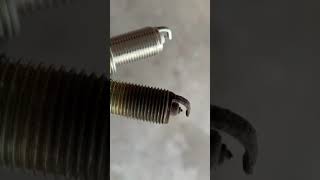
How to confirm: Remove the spark plug from cylinder #2 and inspect it. Look for heavy carbon buildup, oil deposits, a worn electrode, or a cracked insulator. A significantly large gap is also a sign of wear.
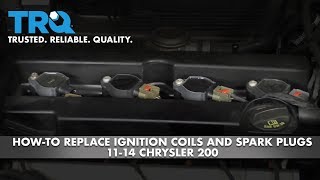
Typical fix: Replace the spark plug. It is recommended to replace all four spark plugs 🎬 Watch: Step-by-step guide to changing spark plugs on 2015+ models. at the same time for even performance. Ensure the new plugs are gapped correctly, typically around 0.047 inches, and torqued to 20 ft-lbs.
Est. part cost: $20-$60 for a set of four - Failed Ignition Coil 🔴 High Probability Coils can be damaged by oil leaking from the valve cover gasket into the spark plug well, a common issue on these engines. Additionally, the plastic locking tabs on the coil's electrical connector can become brittle and break, leading to a poor connection.
How to confirm: Swap the ignition coil from cylinder #2 with another cylinder (e.g., cylinder #3). Clear the codes and run the engine. If the code changes to P0303, the coil is bad.
Typical fix: Replace the faulty ignition coil. If the connector tab is broken, securing the connector or replacing the pigtail may be necessary.
Est. part cost: $40-$100 - Faulty Fuel Injector 🟡 Medium Probability
How to confirm: A professional can perform a fuel injector balance test. A DIY method is to listen to the injector with a mechanic's stethoscope; it should make a consistent clicking sound. You can also test the injector's resistance with a multimeter; it should be between 11-16 Ohms.
Typical fix: Replace the fuel injector for cylinder #2.
Est. part cost: $50-$150 - Internal Engine Issues (Low Compression) 🟡 Medium Probability TSB #09-002-14 (Rev. B) for earlier models points to excessive cylinder leakage due to worn valve guides/seats, requiring cylinder head replacement under warranty extension X56. The 2015-2017 2.4L Tigershark engine has known issues with piston rings causing oil consumption and potential loss of compression.
How to confirm: Perform a compression test and a cylinder leak-down test on cylinder #2. Low readings (leakage of 25% or greater per TSB #09-002-14) indicate an internal engine problem.
Typical fix: This is a major repair. Depending on the findings, it could require replacing the cylinder head, pistons, or the entire engine.
Est. part cost: $1500-$4000+ - Powertrain Control Module (PCM) Software ⚪ Low Probability Chrysler has issued TSBs (e.g., #18-033-16) that address various misfire codes, including P0302, with a PCM software update. This can resolve diagnostic and system issues without mechanical repair.
How to confirm: A dealership or qualified shop with a wiTECH tool can check if your vehicle's PCM has the latest software version and if any updates are available that address misfire conditions.
Typical fix: Reprogramming (flashing) the PCM with the latest software.
Est. part cost: $0-$200 (dealer labor charge)
Rare But Worth Checking
- Vacuum Leak: A vacuum leak near the intake manifold runner for cylinder #2 can lean out the air/fuel mixture and cause a misfire. A bad intake manifold gasket is a possible cause.
- Wiring Harness Issue: A damaged wire or poor connection to the ignition coil or fuel injector for cylinder #2 can cause an intermittent misfire. Rodent damage to wiring in the engine bay has also been reported.
- Clogged or Faulty MultiAir Actuator ('Brick'): On the 2.4L Tigershark engine, the MultiAir system uses oil pressure to actuate intake valves. Low oil levels (from consumption) or sludge from incorrect oil viscosity (requires 0W-20) can affect the actuator for cylinder #2, causing a misfire. This may also set MultiAir-specific codes like P1062.
Diagnosis Steps
- Read the code with an OBD-II scanner to confirm P0302 and check for any other codes and freeze-frame data.
- Visually inspect the engine bay for obvious issues like disconnected hoses, damaged wiring (check for rodent damage), or oil leaks around the valve cover.
- Remove the ignition coil from cylinder #2. Inspect the spark plug well for any pooled oil. Oil in the well indicates a failed valve cover/spark plug tube seal.
- Inspect the spark plug in cylinder #2 for wear, damage, or fouling (oil or carbon). Check the gap.
- Swap the ignition coil from cylinder #2 with another cylinder (e.g., #3). Clear the codes and see if the misfire moves to cylinder #3 (code P0303). If it does, the coil is faulty.
- If the coil is good, swap the spark plug from cylinder #2 with another cylinder. If the misfire moves, the spark plug is the issue.
- If the misfire remains on cylinder #2, inspect the wiring and connector for the ignition coil and fuel injector. Ensure the connector lock tab is not broken and it clicks securely in place.
- Listen to the fuel injector on cylinder #2 with a stethoscope to ensure it is clicking. Compare the sound to an adjacent injector.
- If ignition and fuel components seem okay, check for available PCM software updates by contacting a dealer, as TSBs like #18-033-16 suggest a reflash can fix misfires.
- If all else fails, perform a compression test on cylinder #2 to check for mechanical engine problems.
- If compression is low, perform a cylinder leak-down test to determine if the issue is with the piston rings, valves, or head gasket. A leakage of 25% or more points towards a serious internal issue per TSB #09-002-14.
Parts You'll Likely Need
- Spark Plug
(OEM #SP149125AE (superseded by SP149125AF))— This is the most common failure point for a single-cylinder misfire and is a routine maintenance item. It can also be fouled by oil due to known engine issues.
Trusted brands: Mopar, NGK, Champion
OEM price range: $15-$25 per plug
Aftermarket price range: $5-$15 per plug - Ignition Coil
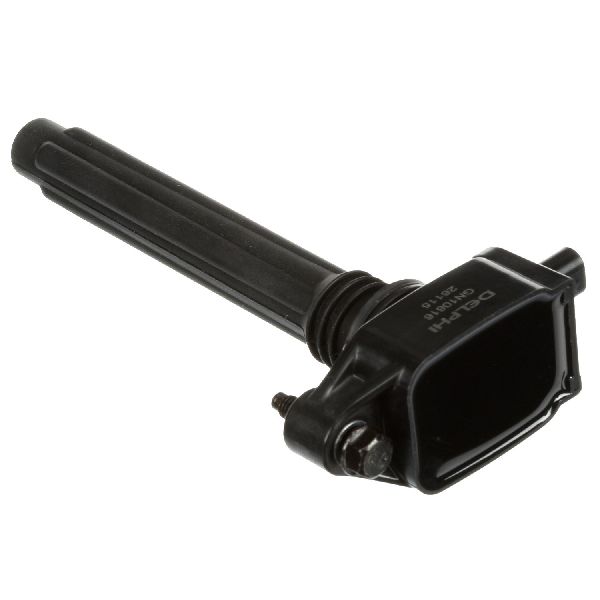
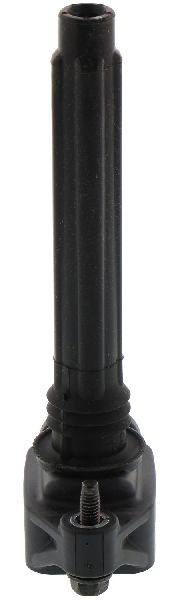
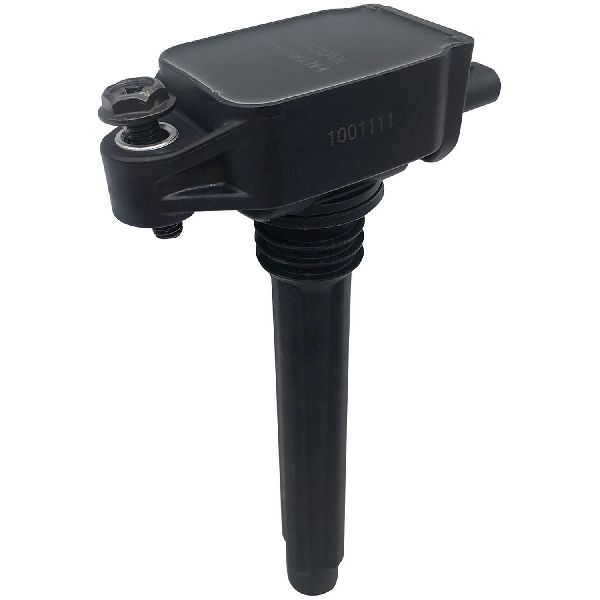
(OEM #68080632AC)— The second most common failure point. Can be damaged by oil leaks or fail due to age/heat cycles. Aftermarket fitment can be poor, with connectors not locking securely.
Trusted brands: Mopar, Bosch, NGK, Duralast
OEM price range: $60-$110
Aftermarket price range: $40-$80 - Valve Cover Gasket Kit — Often required to fix the root cause of oil fouling on spark plugs and ignition coils. The kit should include the main gasket and the spark plug tube seals.
Trusted brands: Mopar, Fel-Pro, Mahle
OEM price range: $50-$90
Aftermarket price range: $30-$60
Related Codes That Often Appear With This One
- P0300 — If the misfire becomes more widespread or is intermittent across multiple cylinders, a P0300 (Random/Multiple Cylinder Misfire) code may appear alongside P0302. This is mentioned in TSBs #08-027-20 and #09-002-14.
- P0301, P0303, P0304 — If there is a systemic problem like low fuel pressure, a major vacuum leak, or a failing MultiAir system, other single-cylinder misfire codes may be triggered.
- P2172 — Throttle Actuator Control System - Sudden High Airflow Detected. An owner reported this code alongside P0302, suggesting a potential link to throttle body or vacuum issues. (NHTSA ODI #11386914)
- P1062 — Cylinder 2 Oil Supply Solenoid Circuit Low. This code points directly to a problem with the MultiAir system for cylinder #2, which is a known cause of misfires on the 2.4L Tigershark engine.
Technical Service Bulletins (TSBs) & Recalls
- 08-027-20: Notes P0302 as a potential DTC for rough running conditions.
- 09-002-14a / 09-002-14: Although for the 3.6L, this TSB is crucial context. It details diagnosing misfire codes (P0302, P0304, etc.) via a cylinder leak-down test (checking for >25% leakage) and replacing the left cylinder head under warranty extension X56.
- 18-102-16: This TSB is superseded, but the relevant active one is 18-033-16. It lists P0302 among other misfire codes that can be addressed by a PCM software update on some models to improve diagnostics and system performance.
- Customer Satisfaction Notification S18: Acknowledges an oil consumption issue on some 2016 models with the 2.4L engine that could lead to low oil pressure.
Platform-Specific Known Issues
- Excessive Oil Consumption (2015-2017 2.4L Tigershark): A widely reported issue, and the subject of class-action lawsuits, involves defective piston rings that allow oil to enter the combustion chamber. This fouls spark plugs and can lead to misfires and eventual engine failure. Owners report consumption as high as 1 quart per 1,000 miles.
- Cylinder Head Problems (2011-2014 2.4L World Engine): While TSB #09-002-14 officially applies to the 3.6L engine, it highlights a known issue with excessive cylinder leakage on some models from this era, which could point to a faulty cylinder head requiring replacement. The warranty was extended to 10 years/150,000 miles for this specific issue under the X56 program.
- Brittle Ignition Coil Connectors (2.4L Tigershark): The plastic locking tabs on the ignition coil electrical connectors are known to become brittle with heat and time, causing them to break. This can result in a loose connection and an intermittent misfire that is hard to diagnose.
Mechanic-Grade Diagnostic Values
- Fuel Injector Coil Resistance — expected: 11 - 16 Ohms. Failure: A reading of infinity (OL) indicates an open circuit, while a reading near zero indicates a short. Any reading outside the expected range suggests a faulty injector.
- Spark Plug Torque — expected: 20 ft-lbs (27 Nm). Failure: Under-torquing can lead to poor sealing and heat transfer. Over-torquing can damage the spark plug or cylinder head threads.
- Engine Oil Pressure (for MultiAir diagnosis) — expected: 0.8 bar (11.6 psi) to 7.5 bar (108.8 psi) during cranking. Failure: Pressure outside this range can prevent the MultiAir actuators from operating correctly, leading to misfires.
Hidden / Shadow Codes Worth Checking
- P1062: Cylinder 2 Oil Supply Solenoid Circuit Low. This is a manufacturer-specific code that points directly to a fault in the MultiAir electro-hydraulic system for cylinder #2. (see via Should be visible on most standard OBD-II scanners, but is often overlooked. It's a critical clue that the problem is with the MultiAir 'brick' and not a simple spark or fuel issue.)
Scan Tool Commands That Help
- Chrysler wiTECH or equivalent professional scanner: Injector Kill Test / Actuator Test — This bidirectional function allows a technician to disable the fuel injector for cylinder #2 while the engine is running. If disabling the injector causes no change in engine idle, it confirms cylinder #2 is not contributing, pointing the diagnosis toward a component specific to that cylinder (plug, coil, injector, or internal issue).
Wiring & Ground Locations
- G102 — On the left side of the engine block (for 2.4L engines).. This is a primary engine ground. A poor connection here can cause erratic behavior in sensors and actuators, including the ignition coils and fuel injectors, potentially leading to misfire codes.
- G104 — On the left rear of the engine block.. Another critical engine ground. Verifying it is clean and tight is a crucial step in diagnosing any electrical fault, including intermittent misfires that don't have an obvious component cause.
- Cylinder 2 Fuel Injector Connector — At the fuel rail, on the second fuel injector from the timing belt side of the engine.. This is the connection point for testing the injector circuit. A 'noid light' can be used here to verify the PCM is sending a pulse signal. The wiring can be checked for continuity and voltage at this connector.
Real Owner Repair Stories
- Reddit user in r/Honda (2014 Honda Accord (similar misfire diagnostic principles)) — P0302, check engine light, traction control light, power steering light.
❌ Tried (didn't work) Replaced all spark plugs, Replaced cylinder #2 ignition coil, Cleaned fuel injectors/pipes, Further part replacements by dealer including fuel injector and other coils
✅ What actually fixed it The final repair that resolved the issue was replacing the rocker arms for the affected cylinder. - Dodge Dart Forum user (2014 Dodge Dart 2.4L MultiAir) — Cold start misfire on cylinder #2 (P0302) and a MultiAir code (P1062). The misfire would go away as the engine warmed up.
❌ Tried (didn't work) Swapping spark plugs, Swapping ignition coils
✅ What actually fixed it The problem was related to the MultiAir system not getting proper oil flow/pressure on cold starts. An oil change was the recommended first step, as degraded or incorrect viscosity oil is a primary cause of MultiAir issues.
Model Year Variations Within This Range
- 2011-2014: These models use the 2.4L 'World Gas Engine'. While still prone to standard misfire causes, they were subject to TSB #0900214 regarding potential cylinder head issues causing misfires, which is less of a concern on the later engine.
- 2015-2017: These models use the 2.4L 'Tigershark' MultiAir engine. Misfires here are frequently linked to the widespread oil consumption issue fouling plugs, or problems with the MultiAir system itself due to low or incorrect oil.
Diagnostic Flowchart
Other Known Issues on This Vehicle
Issues unrelated to this code that are worth knowing about as an owner of this generation:
- Harsh Shifting / Failure of 9-Speed Transmission 🔴 High — Very common on 2015-2017 models. Can manifest as lurching, sudden shifts to neutral, or complete failure. (Ref: Recalls were issued for wiring harness issues causing unexpected shifts to neutral. Multiple TSBs exist for software updates.)
- Sudden Engine Stalling 🔴 High — Reported on both generations. Can be caused by faulty PCM software, electronic throttle body failure, or the TIPM. (Ref: A 2012 NHTSA investigation linked stalling to PCM software.)
- Electronic Throttle Body (ETB) Failure 🟠 Medium — Common across both generations. Causes the vehicle to enter 'limp mode' with a flashing electronic throttle control light (lightning bolt symbol).
- Faulty Totally Integrated Power Module (TIPM) 🔴 High — More prevalent on the first generation (2011-2014). Can cause a wide range of severe electrical problems, including engine stalling, fuel pump issues, and random accessory activation. (Ref: Subject of many owner complaints and some class-action attention across FCA platforms.)
- Random Deployment of Active Head Restraints (AHR) 🟠 Medium — Reported in 2011-2017 models. The headrest can deploy without a collision, potentially causing injury. (Ref: Subject of a class-action lawsuit (Costa, et al., v. FCA US LLC).)
Used vs. New Parts: Buying Guide for This Vehicle
When a used part is the smart pick: For this repair, used parts are generally not recommended for the primary failure components. However, if a larger assembly like an intake manifold (if cracked) or a wiring harness pigtail (if the connector is broken) is needed, a used part from a low-mileage donor vehicle can be a cost-effective option.
Donor-vehicle mileage cap: roughly under 80000 miles for the part to have meaningful remaining life.
What to inspect on the donor part:
- For wiring, check for any signs of brittleness, cracking, or previous repairs.
- Ensure plastic locking tabs on any connectors are intact and not broken.
- Verify the donor vehicle was not in a front-end collision that could have stressed the engine components.
OEM-only on this vehicle (don't cheap out):
- MultiAir Actuator ('Brick'): Due to the complexity and sensitivity of this part, and the lack of reliable aftermarket options, only an OEM Mopar part should be used if replacement is necessary.
- Powertrain Control Module (PCM): PCMs are vehicle-specific and require programming. A used module may not be reprogrammable. It's safest to use a new or professionally remanufactured unit programmed to your VIN.
Aftermarket brands forum-validated for this vehicle:
- Spark Plugs: NGK, Champion
- Ignition Coils: Bosch, NGK, Duralast
- Fuel Injectors: VDO, Bosch
Brands owners have reported issues with on this vehicle:
- Unbranded/white-box ignition coils from online marketplaces have been reported by owners to have poor fitment, particularly with the harness connector not locking securely, leading to intermittent connections.
Real Owner Stories
Aggregated from forums and TSBs cited above. Mileages and costs reflect what owners reported in those sources.
2014 Chrysler 200 2.4L
Symptoms: The car experienced shaking at low RPM and a P0302 code. The owner had already replaced the spark plugs and ignition coils, but the rough running persisted.
What fixed it: The community suggested a compression test as the next step to investigate internal engine issues, following the logic of TSB #09-002-14 regarding cylinder leakage.
Source hint: Reddit r/MechanicAdvice - 2014 Chrysler 200 problems
2015 Chrysler 200 Limited 2.4L
Symptoms: The vehicle had a misfire code (P0301) and other codes even after the owner replaced the spark plugs, coils, and the head gasket.
What fixed it: The community recommended checking the fuel injector or the throttle body position sensor.
Source hint: Reddit r/chrysler200 - 2015 Chrysler 200 Limited Misfire
2015-2016 2.4L Tigershark (Platform Mate)
Symptoms: Misfire codes caused by oil leaking from the valve cover into the spark plug tubes, which fouled the plugs and coils.
What fixed it: Replacing the valve cover gasket/spark plug tube seals and replacing the brittle ignition coil connector clips.
Source hint: Go-Parts.com Dart Forum Summary
Related OBD-II Codes
Frequently Asked Questions
Does the cylinder head warranty extension X56 apply to my 2011-2014 Chrysler 200 2.4L?
Why does my 2015-2017 Chrysler 200 2.4L keep fouling the spark plug in cylinder #2?
Can a software update fix a P0302 code on my Chrysler 200?
My ignition coil connector won't stay clicked in; could this cause the P0302 code?
What is the correct spark plug gap and torque for the 2.4L Tigershark engine?
Is there a recall for the oil consumption causing my misfire?
Helpful Videos
Used OEM Parts in Stock


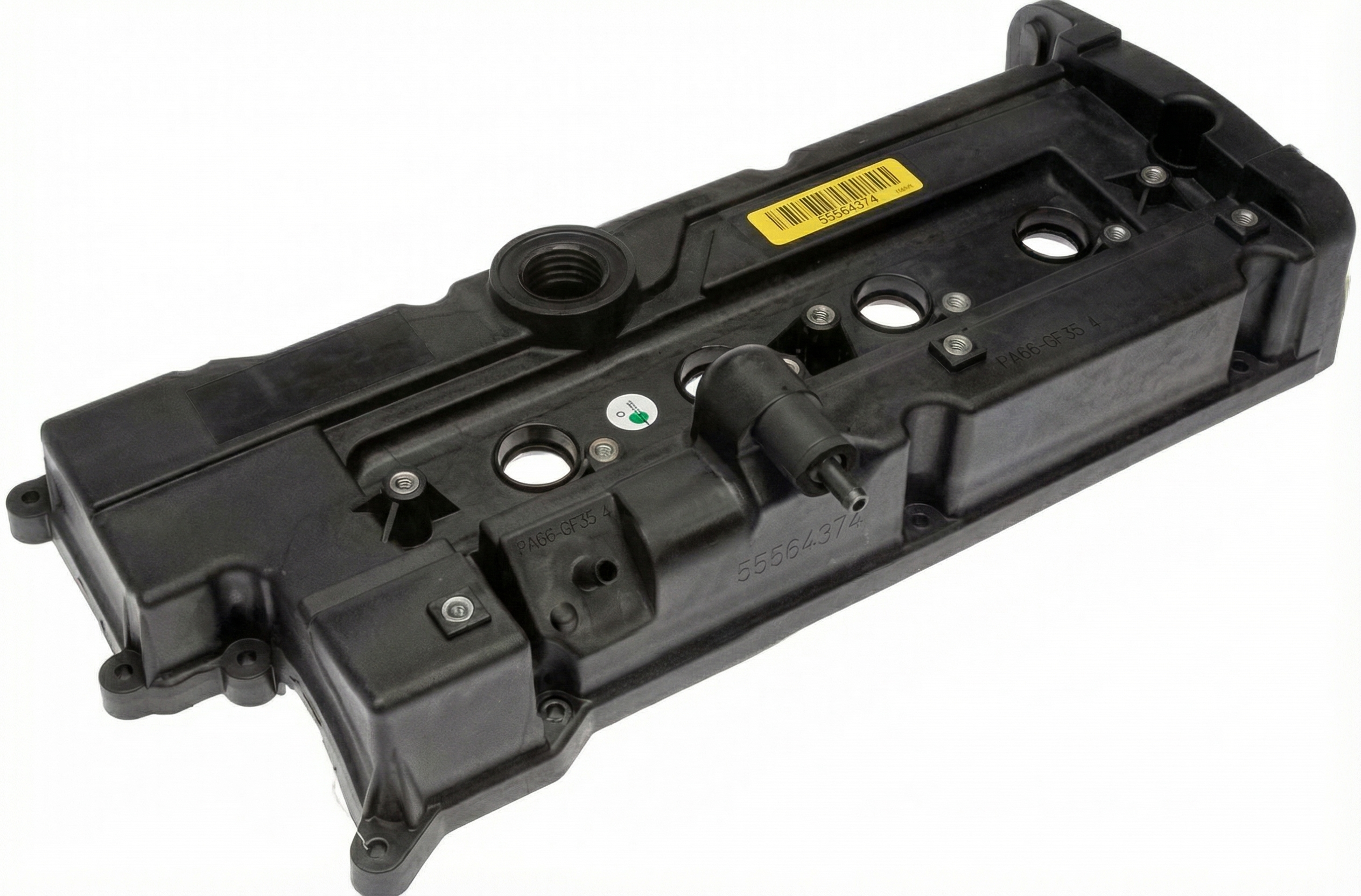
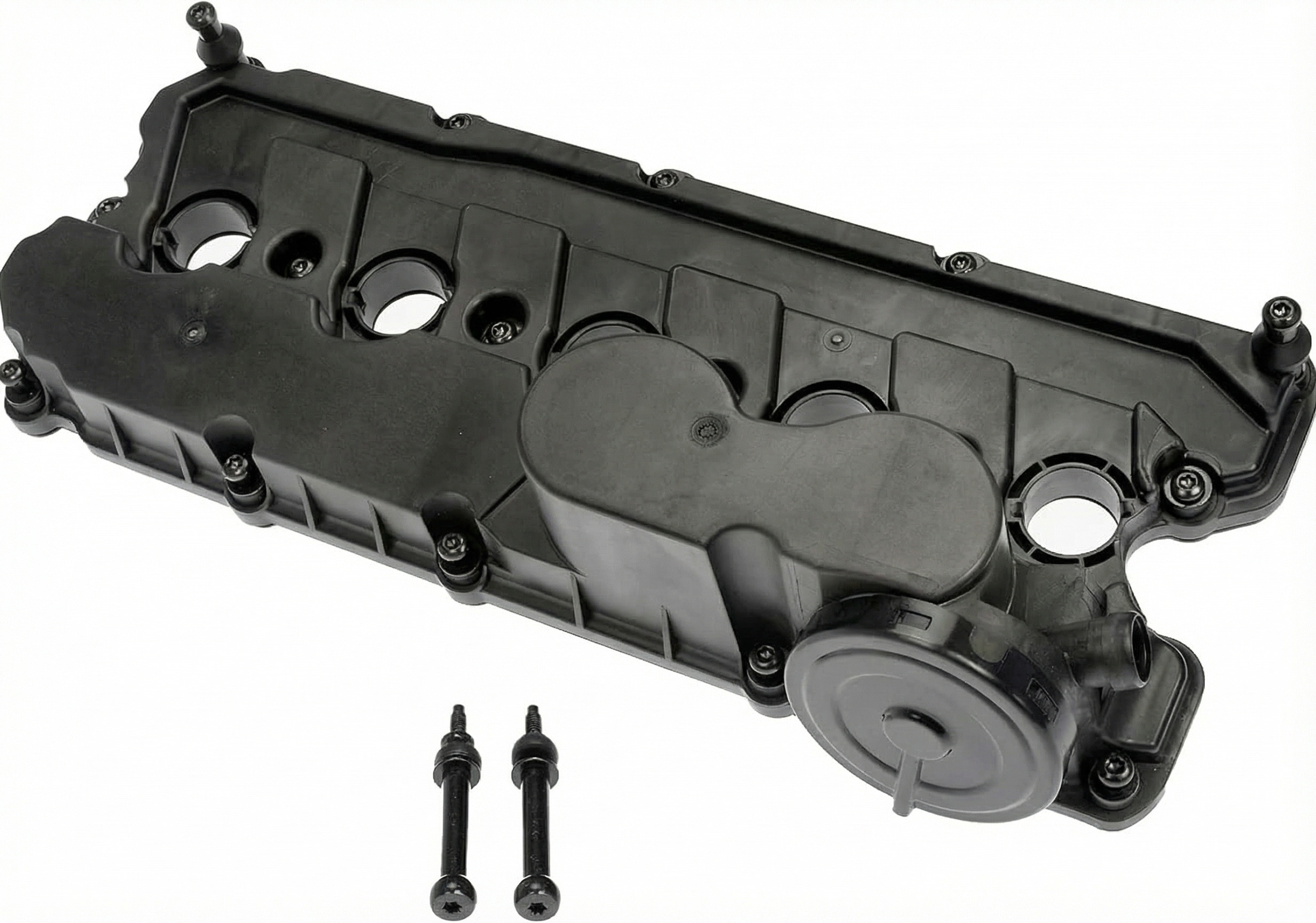
New Aftermarket Parts Available

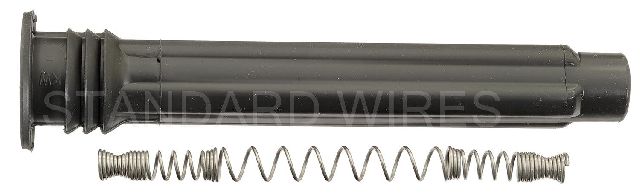

The information in this article is provided for general reference and educational purposes only. Vehicle specifications, procedures, and part compatibility can vary by production date, trim level, and region. Always consult your vehicle's factory service manual and verify part numbers before purchasing or performing repairs. Safety-critical components such as airbags, seat belts, and braking systems should be installed by a qualified professional.
- Chrysler 200:
- 🎬 Helpful Videos
- 🛍️ Shop This Part
- What's Unique About the 2011-2017 Chrysler 200
- Symptoms You May Notice
- Most Likely Causes
- Rare But Worth Checking
- Diagnosis Steps
- Parts You'll Likely Need
- Related Codes That Often Appear With This One
- Technical Service Bulletins (TSBs) & Recalls
- Platform-Specific Known Issues
- Mechanic-Grade Diagnostic Values
- Hidden / Shadow Codes Worth Checking
- Scan Tool Commands That Help
- Wiring & Ground Locations
- Real Owner Repair Stories
- Model Year Variations Within This Range
- Diagnostic Flowchart
- Other Known Issues on This Vehicle
- Used vs. New Parts: Buying Guide for This Vehicle
- Real Owner Stories
- 2014 Chrysler 200 2.4L
- 2015 Chrysler 200 Limited 2.4L
- 2015-2016 2.4L Tigershark (Platform Mate)
- Related OBD-II Codes
- Frequently Asked Questions
- 🎟️ Get 5% Off