

P0302 on 2009-2016 Audi A4: Cylinder 2 Misfire Causes and Fixes
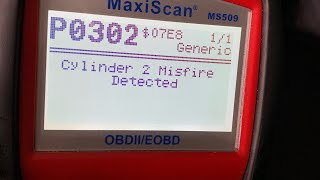
P0302 on an Audi A4 most often points to a failed ignition coil or a worn spark plug in cylinder 2. Swapping the coil from cylinder 2 to another cylinder is a quick, no-cost diagnostic step. If the misfire code follows the coil, you've found the problem. Other common culprits on this specific engine include a failed PCV valve and carbon buildup on the intake valves.
- P0302 specifically points to a misfire in cylinder 2, the second cylinder from the front of the engine.
- The most likely cause is a bad ignition coil or spark plug. Always diagnose by swapping the coil first before buying parts.
- Do not ignore a flashing Check Engine Light, as continued driving can destroy your catalytic converter.
- If new coils and plugs don't fix the issue, the PCV valve is the next most probable cause on this engine.
- Carbon buildup is a known issue on the 2.0T engine and will eventually need to be addressed to prevent misfires and maintain performance.
What's Unique About the 2009-2016 Audi A4
The EA888 2.0T engine in the B8/B8.5 Audi A4 is a direct-injection engine. This design, while efficient, is known for a few specific issues that directly cause misfires like P0302. Ignition coils are a very common failure item. Furthermore, because fuel is injected directly into the cylinder and not over the intake valves, fuel does not clean the valves. Oil vapor from the PCV system bakes onto the hot valves, causing significant carbon buildup that can restrict airflow and lead to misfires, especially on cold starts. A failed PCV valve is another common issue on this engine that can create a significant vacuum leak, disrupt the air-fuel mixture, and cause various misfire codes.
Generation note: This range covers the Audi A4 B8 (2009-2012) and the facelifted B8.5 (2013-2016) generations. Both use versions of the EA888 2.0T engine (Gen 2). While the causes for P0302 are largely the same, earlier B8 models (approx. 2009-2011) were particularly susceptible to excessive oil consumption issues due to piston ring design, which can foul spark plugs and contribute to misfires. This issue led to a class-action lawsuit. The B8.5 facelift in 2013 brought cosmetic changes like new headlights and grille, and interior updates, but the core EA888 Gen 2 engine remained.
Symptoms You May Notice
- Flashing or solid Check Engine Light
- Rough or vibrating idle
- Engine hesitation or stumbling during acceleration
- Noticeable loss of power
- Poor fuel economy
- A smell of raw fuel from the exhaust
- Difficulty starting the engine
- Engine sputtering, especially on cold starts
- Replacing only the spark plug when the ignition coil was the actual problem.
- Assuming a vacuum leak is from a random hose when the PCV valve is a much more common and well-documented failure point on this specific engine.
- Replacing ignition components repeatedly when the root cause is heavy carbon buildup on the intake valves, which is especially common if misfires are worse on cold starts.
Most Likely Causes
- Failed Ignition Coil 🔴 High Probability Ignition coils are a well-documented, frequent failure point on VW/Audi engines of this era. They are subjected to high heat and can fail electronically, causing a loss of spark.
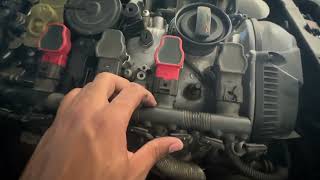
How to confirm: Swap the ignition coil from cylinder 2 with another cylinder (e.g., cylinder 1). Clear the codes and drive the car. If the code changes to P0301, the ignition coil is faulty. This is the standard DIY diagnostic procedure recommended across owner forums.
Typical fix: Replace the faulty ignition coil. It is often recommended to replace all four coils at the same time, especially if they are original or if another has failed recently, to ensure reliability.
Est. part cost: $25-$60 per coil - Worn or Fouled Spark Plug 🔴 High Probability Oil consumption issues on some EA888 engines can foul plugs with oil. Additionally, they are a standard wear item that can cause a weak spark if the electrode is worn or the insulator is cracked. Audi revised the replacement interval to be shorter, recommending a change as early as 35,000 miles, then every 40,000 miles.
How to confirm: After ruling out the coil, remove the spark plug from cylinder 2. Inspect it for wear (eroded electrode), carbon fouling, or oil deposits. Compare it to a plug from another cylinder. Oil on the threads can also indicate a leaking valve cover gasket or spark plug tube seal.
Typical fix: Replace the spark plug. It is best practice to replace all four spark plugs as a set to ensure even performance and avoid future misfires. Use the correct OEM-spec plugs (e.g., NGK PFR7S8EG).
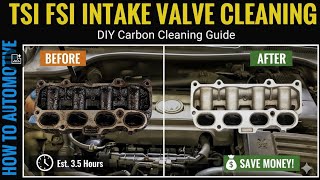
Est. part cost: $15-$25 per plug - Carbon Buildup on Intake Valves 🟡 Medium Probability The EA888 is a direct-injection engine, so fuel doesn't wash over the intake valves. Oil vapor from the PCV system bakes onto the hot valves, restricting airflow and causing misfires, especially on cold starts or at idle. This is a universal issue for this engine design, with symptoms often appearing between 40,000 and 80,000 miles.
How to confirm: This requires visual inspection by removing the intake manifold and looking into the intake ports with a borescope or flashlight. It's an involved process, so it's usually suspected after ignition and fuel delivery issues are ruled out. Symptoms include rough cold starts that smooth out as the engine warms up.
Typical fix: The intake valves must be manually cleaned or media-blasted (typically with walnut shells) to remove the carbon deposits. This is a labor-intensive job often costing $600-$1200 at a shop.
Est. part cost: $20-$50 for gaskets and seals - Failed PCV Valve (Oil Separator) 🟡 Medium Probability The diaphragm inside the PCV valve is known to tear, creating a significant unmetered vacuum leak. This disrupts the air-fuel ratio and can cause lean codes (P0171), a high-pitched whistling noise, rough idling, and misfires. It is considered a consumable item that may need replacement every 50,000-70,000 miles or approximately every 100,000 km.
How to confirm: A loud hissing or whistling noise from the engine bay at idle is a common sign. Another test is to try to remove the oil filler cap while the engine is running; if there is very strong suction holding it down, the PCV has likely failed due to the torn diaphragm creating excessive crankcase vacuum.
Typical fix: Replace the entire PCV valve assembly. It is critical to use the latest OEM revision, as Audi has updated this part multiple times to improve reliability.
Est. part cost: $40-$160 - Clogged or Faulty Fuel Injector ⚪ Low Probability
How to confirm: After ruling out spark, you can test the injector. Listen for a consistent clicking sound with a mechanic's stethoscope. For a more definitive test, you can swap the injector with another cylinder, similar to the a coil pack test, but this is much more labor-intensive and requires new seals upon reinstallation. A VCDS scan tool can also be used to perform an output test on each injector.
Typical fix: Replace the faulty fuel injector. It's also recommended to replace the injector seals at the same time. Cleaning the tips of all injectors during a carbon cleaning service is also good practice.
Est. part cost: $50-$200 per injector
Rare But Worth Checking
- Low Engine Compression: This is a more serious mechanical issue. On early EA888s, this can be caused by failing piston rings related to the oil consumption problem. Other causes include a burnt valve or a damaged cylinder head. A compression test is the definitive diagnostic step after all other causes are eliminated.
- Stretched Timing Chain or Failed Tensioner: A known issue on the EA888 engine is the failure of the timing chain tensioner, which can allow the chain to jump time. While this often leads to more severe, multiple-cylinder misfires (P0300) or catastrophic engine damage, it can initially present as a single cylinder misfire if the timing is only slightly off. A rattling noise on startup is a key symptom.
Diagnosis Steps
- Read the code with an OBD-II scanner to confirm P0302 and check for any other codes like P0300 or P0171.
- Check freeze-frame data to see the engine conditions (RPM, load, temperature) when the misfire occurred. Misfires at cold start often point towards carbon buildup.
- Swap the ignition coil from cylinder 2 to cylinder 1. Clear the codes and test drive. If the code changes to P0301, the coil is bad.
- If the code remains P0302, inspect the spark plug from cylinder 2. Look for wear, damage, or fouling from oil or fuel. If in doubt, replace all four plugs, as they are a maintenance item.
- Inspect the spark plug well for any oil, which could indicate a leaking valve cover gasket or spark plug tube seal.
- If spark components are good, check for a failed PCV valve. Listen for a distinct whistle at idle or check for strong suction at the oil cap with the engine running.
- If no issues are found, the next steps involve more complex diagnostics: checking the fuel injector on cylinder 2 (swapping is possible but difficult) and performing a compression test to rule out mechanical engine problems.
- If misfires persist, especially on cold starts, and the car has over 50,000 miles, strongly consider inspecting for carbon buildup on the intake valves. This requires removing the intake manifold for visual confirmation.
Parts You'll Likely Need
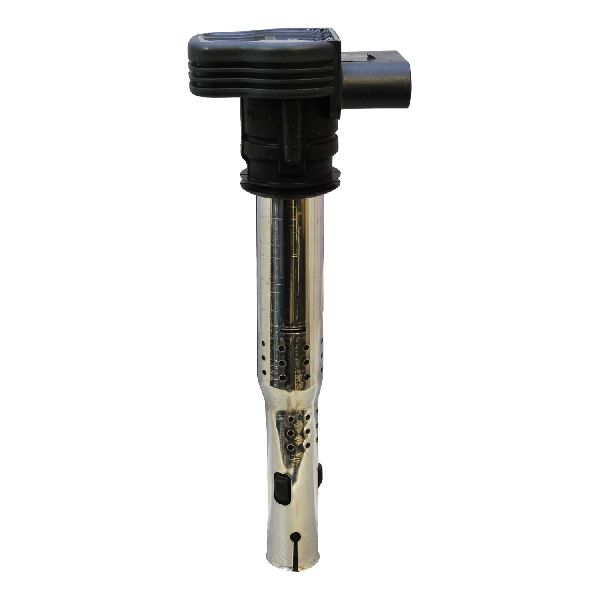
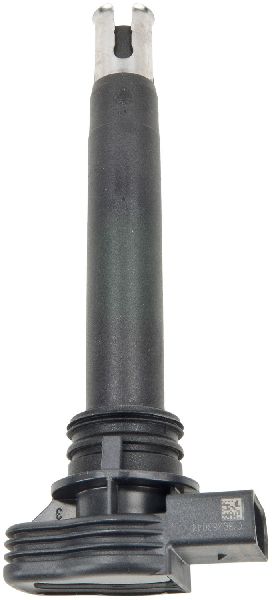
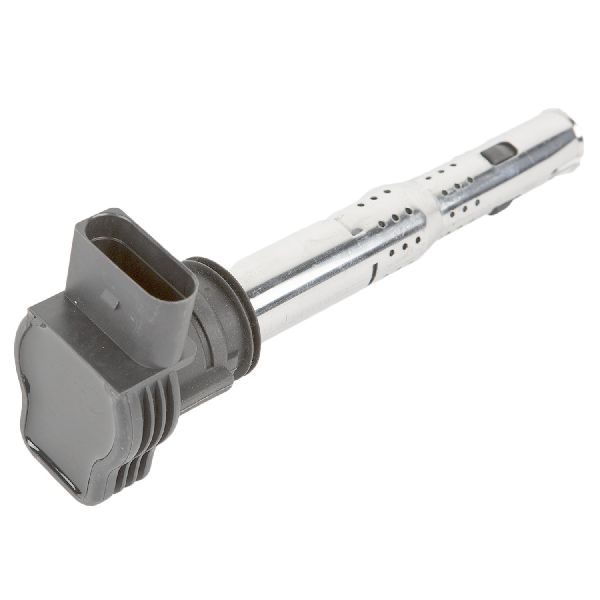
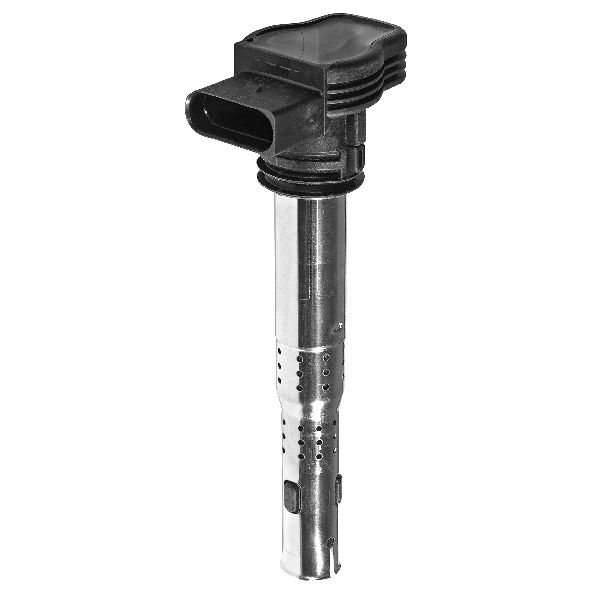
- Ignition Coil
(OEM #06H905115B / 07K905715F (Red Top Upgrade))— This is the most common failure part for a single-cylinder misfire on the 2.0
Related Codes That Often Appear With This One
- P0300 — If the misfire is intermittent or affects other cylinders, a P0300 (Random/Multiple Cylinder Misfire) may be stored alongside P0302. This often points to a systemic issue like a vacuum leak (PCV), widespread carbon buildup, or timing issues.
- P0301, P0303, P0304 — If multiple components are failing (e.g., all spark plugs are worn) or a systemic issue exists (e.g., major vacuum leak, carbon buildup), you may see misfire codes for other cylinders.
- P0171 — System Too Lean (Bank 1). A failing PCV valve can cause a large, unmetered vacuum leak, leading to a lean condition and this code appearing with misfire codes.
Technical Service Bulletins (TSBs) & Recalls
- TSB 17 13 43 2027731/5: 'Engine oil consumption too high' - This TSB for 2009-2011 models acknowledges the oil consumption issue and initially recommended replacing the PCV and a crankshaft seal, though the root cause was later identified as piston rings.
Platform-Specific Known Issues
- Carbon Buildup: As a direct-injection engine, the EA888 is prone to heavy carbon deposits on the intake valves, which is a known cause of misfires. Service is typically recommended every 60,000-80,000 miles. This is not a 'maybe', but a 'when' for most owners.
- Oil Consumption: Early B8 models (2009-2011) are notorious for high oil consumption due to faulty piston rings. This can lead to fouled spark plugs causing P0302. A class-action lawsuit addressed this issue, but many cars on the road may still be affected.
- Timing Chain Tensioner: The original timing chain tensioner was prone to failure, which could lead to jumped timing and catastrophic engine damage. An updated tensioner was released. A rattling noise on startup is a major warning sign.
Mechanic-Grade Diagnostic Values
- Low-Pressure Fuel System (In-tank pump) — expected: Stable between 4.0 and 6.0 bar (58-87 PSI).. Failure: Pressure drops below 4.0 bar, especially under load.
- High-Pressure Fuel Rail (Actual vs. Specified) at hot idle — expected: Stable around 40 bar (580 PSI).. Failure: Actual pressure deviates more than 5.0 bar from specified, or is erratic.
- High-Pressure Fuel Rail (Actual vs. Specified) at wide-open throttle — expected: Should reach up to 150 bar (2175 PSI).. Failure: Actual pressure fails to meet specified pressure under load.
Hidden / Shadow Codes Worth Checking
- Mode 6, Test ID $53: Provides raw misfire counts per cylinder before they are high enough to trigger a P030x trouble code. This is invaluable for diagnosing intermittent or developing misfires. (see via A generic OBD-II scanner with Mode 6 capability. The scanner will show a test ID (like $53) and a component ID (e.g., $01 for cylinder 1, $02 for cylinder 2) with a corresponding value.)
Scan Tool Commands That Help
- VCDS (VAG-COM): Measuring Blocks, Groups 015 & 016 — To view live misfire counters for each individual cylinder. Group 015 shows counters for cylinders 1, 2, and 3, while Group 016 shows cylinder 4. This allows you to see if misfires are occurring on cylinder 2 in real-time, even if the Check Engine Light is not on.
- VCDS (VAG-COM): Output Tests (Function 03) for Fuel Injectors — To individually cycle each fuel injector (N30, N31, N32, N33) with the engine off. You can listen for a consistent clicking sound from each injector to confirm it is actuating. This helps rule out a completely dead injector without removing it. Note that the engine must not be running and you may need to press the gas pedal to activate the test.
Wiring & Ground Locations
- Ignition Coil Ground — On the B6/B7 chassis, a key ground point (G18/G19) is located on the cylinder head cover, near the ignition coils. While for the B8, a primary engine-to-chassis ground is located near the battery under the plenum cover.. A loose or corroded ground for the ignition coils can cause a weak or intermittent spark, leading to misfires that are difficult to diagnose. Ensuring this connection is clean and tight is a crucial step if ignition problems are suspected but new coils/plugs don't solve the issue.
- Injector Wiring (N32) — The wiring for the cylinder 2 injector (N32) runs from the Engine Control Unit (ECU), typically located in the plenum chamber, to the injector itself.. Damage to the injector wiring harness can cause an intermittent or total loss of signal to the injector, mimicking a failed injector. This can happen due to heat, vibration, or rodent damage. A visual inspection of the harness and checking for continuity from the ECU connector to the injector connector can diagnose this.
Real Owner Repair Stories
- Reddit user on /r/MechanicAdvice (2012 VW CC (EA888 CBFA engine - similar architecture)) — Persistent P0303 (Cylinder 3 misfire) and P0300, but only at idle or low/no load. Misfire stopped under boost.
❌ Tried (didn't work) New spark plugs, New coil packs, Smoke test (no leaks found), Compression test (initially low on another cylinder, fixed with valve job), New fuel injector on misfiring cylinder, New timing chain, tensioner, and rails, Carbon cleaning and head rebuild
✅ What actually fixed it The user had performed extensive mechanical and ignition work to no avail. The misfire remained on cylinder 3 after swapping components. The final resolution was not posted, but the detailed list of failed fixes points towards a more obscure cause like a faulty ECU injector driver or a wiring harness issue that only manifests under certain conditions (e.g., engine movement at idle vs. under load).
OEM Part Supersession History
06H103495J, 06H103495AE→06H103495AK— To improve reliability and address the common issue of the internal diaphragm tearing, which causes a major vacuum leak.
Heads up: The PCV for the B8 (2009-2012) does not fit the B8.5 models. It is critical to use the correct part for your specific model year and engine code.
Model Year Variations Within This Range
- 2009-2012 (B8) vs 2013-2016 (B8.5): The B8 and B8.5 generations both use the EA888 Gen 2 engine in the US market. However, the B8.5 facelift introduced different exterior styling (headlights, grille, bumpers) and interior components. While the primary causes of P0302 are the same, some parts like the PCV valve have different part numbers between the generations and are not interchangeable.
- 2009-2011: Early B8 models with the CAEB engine code were more prone to the piston ring/oil consumption issue. While this doesn't change the P0302 diagnosis directly, it significantly increases the probability of spark plug fouling due to oil contamination being the root cause.
Diagnostic Flowchart
Other Known Issues on This Vehicle
Issues unrelated to this code that are worth knowing about as an owner of this generation:
- Excessive Oil Consumption 🔴 High — Very common on 2009-2011 models with the CAEB engine code. Less common but still possible on later models. Can start as early as 40,000-60,000 miles. (Ref: TSB 17 13 43 2027731/5 and a subsequent class-action lawsuit settlement.)
- Timing Chain Tensioner Failure 🔴 High — A critical issue for EA888 Gen 2 engines built before an updated tensioner was introduced (around 2012-2013). Failure can occur without warning, typically from 60,000-100,000 miles, leading to catastrophic engine damage. (Ref: Multiple class-action lawsuits were filed, leading to warranty extensions in some cases.)
- Water Pump / Thermostat Housing Failure 🟠 Medium — The water pump housing is made of plastic and is prone to cracking and leaking coolant. It's a common failure item, often needing replacement between 60,000 and 90,000 miles. (Ref: Audi issued a recall for some models due to potential coolant pump blockage and overheating.)
- Intake Manifold Runner Flap Failure 🟠 Medium — The intake manifold has internal flaps to control airflow that can get stuck or have their position sensor fail, leading to fault codes (e.g., P2015) and performance issues. This often occurs at higher mileage (80,000+ miles).
Used vs. New Parts: Buying Guide for This Vehicle
When a used part is the smart pick: For this specific repair, using used parts is generally not recommended for the common failure items. However, if a larger component like an intake manifold or cylinder head cover is found to be cracked, a used part from a reputable dismantler can be a cost-effective option.
Donor-vehicle mileage cap: roughly under 80000 miles for the part to have meaningful remaining life.
What to inspect on the donor part:
- Check for evidence of low-mileage (e.g., minimal corrosion, clean surfaces).
- For plastic parts like manifolds, inspect carefully for hairline cracks, especially around bolt holes and seams.
- Ensure all threaded inserts and mounting points are intact and not stripped.
OEM-only on this vehicle (don't cheap out):
- PCV Valve (Oil Separator) - Aftermarket versions are known to fail quickly. Given the critical function and history of revisions, only a genuine OEM part of the latest revision should be used.
Aftermarket brands forum-validated for this vehicle:
- Ignition Coils: Bosch, Eldor (often the OEM supplier), APR, 034Motorsport are popular and reliable choices.
- Spark Plugs: NGK or Bosch are the OEM suppliers and the recommended choice. Use the specific part number for your engine.
- Gaskets: Elring, Victor Reinz.
Brands owners have reported issues with on this vehicle:
- Unbranded, low-cost ignition coils and PCV valves from online marketplaces. These frequently have high failure rates and can cause persistent issues.
Real Owner Stories
Aggregated from forums and TSBs cited above. Mileages and costs reflect what owners reported in those sources.
2010 Audi A4 2.0T
Symptoms: Engine oil consumption too high, leading to fouled plugs and misfires.
What fixed it: Initially the PCV and a crankshaft seal were replaced per TSB 17 13 43 2027731/5, though the root cause was later identified as faulty piston rings.
Source hint: TSB 17 13 43 2027731/5: 'Engine oil consumption too high'
2012 Audi A4 2.0T TFSI — ~65000 miles
Symptoms: Rough cold starts that smooth out as the engine warms up; engine sputtering especially on cold starts.
What fixed it: The intake valves were manually cleaned/media-blasted with walnut shells to remove carbon deposits.
Cost: $600-$1200
Source hint: YouTube: Fixing a VW 2.0T Misfire Caused by Carbon Buildup
2011 Audi A4 2.0T — ~60000 miles
Symptoms: High-pitched whistling noise, rough idling, and a significant unmetered vacuum leak.
What fixed it: Replacement of the entire PCV valve assembly with the latest OEM revision.
Cost: $40-$160
Source hint: Failed PCV Valve (Oil Separator) section citing Audi reliability updates
Related OBD-II Codes
Frequently Asked Questions
My 2010 Audi A4 is burning a lot of oil; could this be causing my P0302 code?
How often should I change the spark plugs on my EA888 2.0T to prevent misfires?
I hear a high-pitched whistling noise and have a rough idle. Is this related to the P0302 code?
My A4 misfires only during cold starts but runs fine once warm. What is the likely cause?
Can I test if my ignition coil is the problem without buying new parts?
What specific spark plugs should I use for my 2.0T TFSI engine?
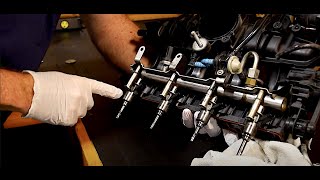
Helpful Videos
Used OEM Parts in Stock


New Aftermarket Parts Available


The information in this article is provided for general reference and educational purposes only. Vehicle specifications, procedures, and part compatibility can vary by production date, trim level, and region. Always consult your vehicle's factory service manual and verify part numbers before purchasing or performing repairs. Safety-critical components such as airbags, seat belts, and braking systems should be installed by a qualified professional.
- Audi A4:
- 🎬 Helpful Videos
- 🛍️ Shop This Part
- What's Unique About the 2009-2016 Audi A4
- Symptoms You May Notice
- Most Likely Causes
- Rare But Worth Checking
- Diagnosis Steps
- Parts You'll Likely Need
- Related Codes That Often Appear With This One
- Technical Service Bulletins (TSBs) & Recalls
- Platform-Specific Known Issues
- Mechanic-Grade Diagnostic Values
- Hidden / Shadow Codes Worth Checking
- Scan Tool Commands That Help
- Wiring & Ground Locations
- Real Owner Repair Stories
- OEM Part Supersession History
- Model Year Variations Within This Range
- Diagnostic Flowchart
- Other Known Issues on This Vehicle
- Used vs. New Parts: Buying Guide for This Vehicle
- Real Owner Stories
- 2010 Audi A4 2.0T
- 2012 Audi A4 2.0T TFSI — ~65000 miles
- 2011 Audi A4 2.0T — ~60000 miles
- Related OBD-II Codes
- Frequently Asked Questions
- 🎟️ Get 5% Off