

P0301 on 2012-2015 Mercedes-Benz C-Class 3.5L: Cylinder 1 Misfire Causes and Fixes
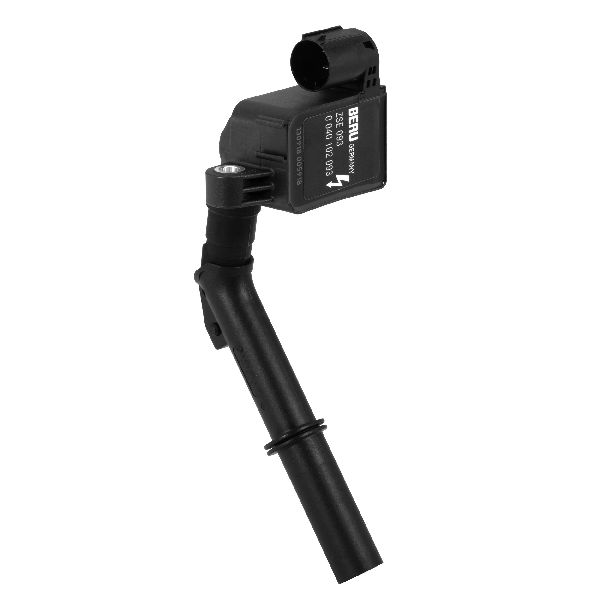
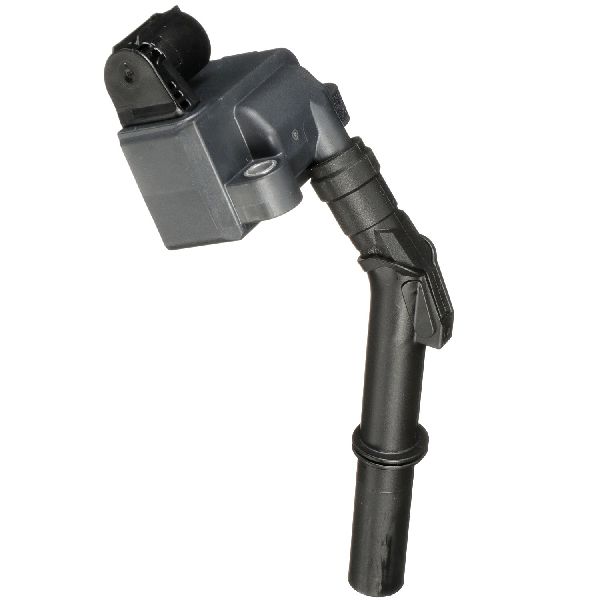
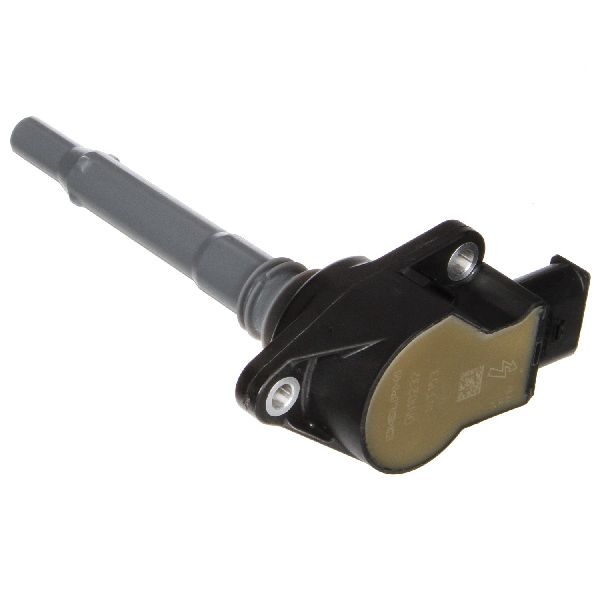
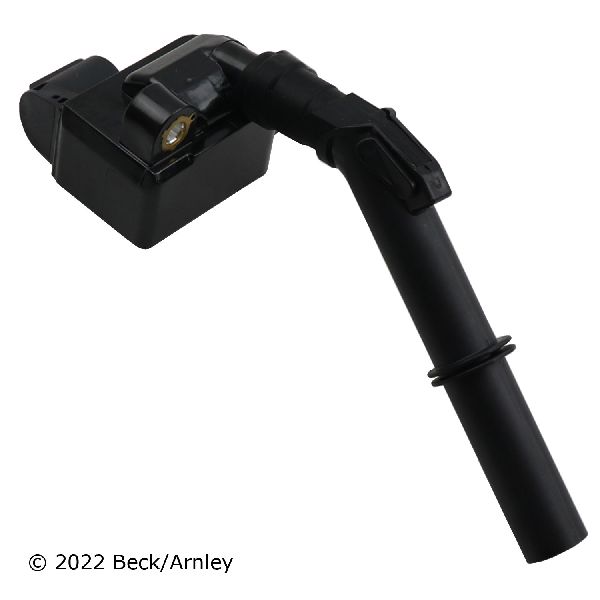
On a 2012-2015 C-Class with the 3.5L M276 engine, code P0301 is almost always a bad ignition coil or a worn spark plug in cylinder 1. A single Bosch ignition coil costs about $50-$70, and a spark plug is $15-$25. This is a very common and straightforward DIY fix.
- P0301 on this car is a misfire in the front-most cylinder on the passenger side.
- The most likely cause is a bad ignition coil, followed closely by a bad spark plug.
- Diagnose by swapping the ignition coil from cylinder 1 to cylinder 2. If the code changes to P0302, you have found the faulty part.
- If swapping the coil and plug doesn't move the misfire, the fuel injector is the next likely culprit, though carbon buildup is a possibility on higher-mileage cars.
What's Unique About the 2012-2015 Mercedes-Benz C-Class
The M276 V6 engine, found in this generation of C-Class, is known for ignition coil failures being a common source of misfires. While the cause is typical, the repair for cylinder 1 is more accessible than for other cylinders on this engine. Accessing the driver's side cylinders (4, 5, 6) requires removing the intake manifold, but cylinder 1 (passenger side, front) is relatively easy to get to, 🎬 See how to replace spark plugs without removing the intake manifold. making it a good candidate for a DIY diagnosis and repair.
Symptoms You May Notice
- Rough or shaking idle
- Engine hesitation or stumbling during acceleration
- Noticeable loss of power
- Solid or flashing Check Engine Light
- Reduced fuel economy
- A smell of unburnt gasoline from the exhaust
- Difficulty starting the engine in some cases
- Replacing all six fuel injectors when only one is bad.
- Replacing the catalytic converter for a misfire code without first fixing the root cause of the misfire.
- Assuming a bad MAF sensor for a single-cylinder misfire code.
Most Likely Causes
- Faulty Ignition Coil 🔴 High Probability Ignition coils are a known common failure item on the M276 engine family, becoming less reliable with age and heat cycles. Many owners and mechanics report replacing them well before 100,000 miles.
How to confirm: Swap the ignition coil from cylinder 1 with the coil from cylinder 2 (the middle cylinder on the same passenger side bank). Clear the codes and run the engine. If the code changes to P0302, the ignition coil is confirmed as the faulty part.
Typical fix: Replace the failed ignition coil. It is good practice to replace all six coils if they are original and high-mileage, as others may fail soon.
Est. part cost: $50-$70 for one OEM-quality coil (Bosch or Beru). - Worn or Fouled Spark Plug 🔴 High Probability Spark plugs are a regular maintenance item. Mercedes recommends replacement at intervals, often cited as every 60,000 miles for this engine. An old or fouled plug can't create a strong enough spark to ignite the fuel mixture properly.
How to confirm: After ruling out the ignition coil, remove the spark plug from cylinder 1. Inspect it for wear (worn electrode), carbon buildup, or oil fouling. You can swap it with another cylinder's plug to see if the misfire follows.
Typical fix: Replace the spark plug. It is highly recommended to replace all six spark plugs at the same time to ensure even performance and avoid future misfires.
Est. part cost: $90-$150 for a set of six OEM-quality plugs (Bosch or NGK). - Clogged or Faulty Fuel Injector 🟡 Medium Probability A Mercedes TSB noted that on M276 engines, misfires occurring shortly after a cold start could be caused by the fuel injector. As a direct injection engine, the fuel system operates under very high pressure, and injectors can become clogged or fail electronically over time.
How to confirm: This is more difficult for a DIYer. If the misfire does not move after swapping the coil and plug, the injector is the next likely suspect. A professional can perform a flow test. 🎬 Watch this step-by-step guide for diagnosing and replacing fuel injectors. Sometimes a code for the high-pressure fuel system (e.g., P0087) may accompany the misfire.
Typical fix: Replace the fuel injector for cylinder 1. This is a more involved job than a coil or plug.
Est. part cost: $100-$200 for one injector.
Rare But Worth Checking
- Intake Valve Carbon Buildup: Being a direct injection engine, the M276 can suffer from carbon deposits on the intake valves over time (80k+ miles). This can restrict airflow or prevent the valve from seating properly, causing a misfire that is often more noticeable at idle. This requires professional cleaning, such as walnut blasting.
- Low Engine Compression: If ignition and fuel systems are confirmed good, a mechanical issue like a burnt valve or worn piston rings could be the cause. This would require a compression and/or leak-down test to diagnose and is a major engine repair. In a severe case documented in NHTSA ODI #11444200, a P0301 code was found to be caused by a cracked #1 piston, which necessitated a full engine replacement.
- Vacuum Leak: A leak in a vacuum hose or intake gasket near cylinder 1 could lean out the air/fuel mixture and cause a misfire. This would typically be accompanied by other lean codes and affect idle quality.
Diagnosis Steps
- Confirm the code P0301 with an OBD-II scanner.
- Identify cylinder 1: It is the cylinder on the passenger side, closest to the front of the car.
- Swap the ignition coil from cylinder 1 with the coil from cylinder 2 (the next one back on the passenger side). An E12 Torx socket is typically needed to remove the coil bolt.
- Clear the codes, start the car, and let it run for a few minutes. Re-scan for codes.
- If the code is now P0302, you have a bad ignition coil. Replace it.
- If the code is still P0301, the coil is likely good. Move on to the spark plug.
- Swap the spark plugs between cylinders 1 and 2. Clear codes and re-scan.
- If the code is now P0302, you have a bad spark plug. It is highly recommended to replace all six plugs.
- If the code remains P0301, the issue is likely not the coil or plug. The next most probable cause is the fuel injector. This may require professional diagnosis, but advanced DIYers can check for a clicking sound from the injector with a mechanic's stethoscope.
- If all else fails, consider rarer causes like a vacuum leak or the need for a compression test to check for mechanical engine health.
Parts You'll Likely Need
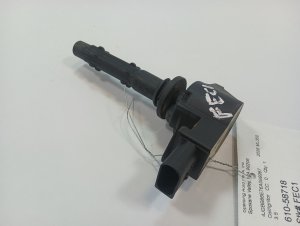
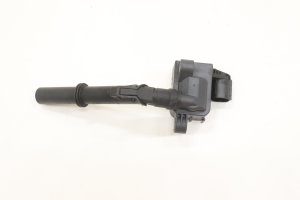
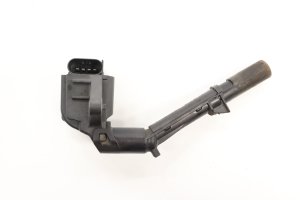
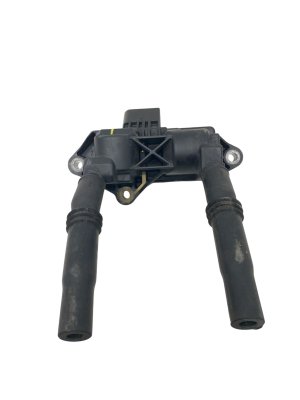
- Ignition Coil
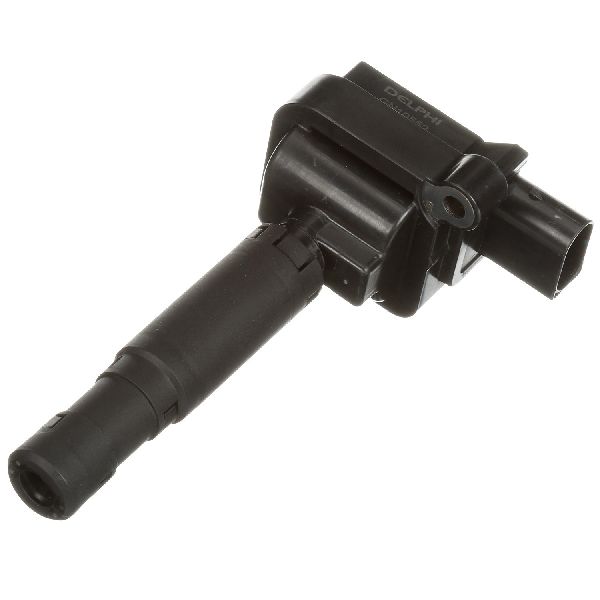
(OEM #A2769060501 (latest revision may be manufactured by Bosch, older by Beru))— This is the most common failure part causing a P0301 code on the M276 engine.
Trusted brands: Bosch, Beru (Original Equipment), Delphi
OEM price range: $60-$80
Aftermarket price range: $40-$60 - Spark Plug
(OEM #A0041598103)— This is the second most common cause and a routine maintenance item that is often neglected.
Trusted brands: Bosch, NGK
OEM price range: $20-$25 (each)
Aftermarket price range: $12-$18 (each)
Related Codes That Often Appear With This One
- P0300 — If the misfire is intermittent or affects multiple cylinders, a P0300 (Random/Multiple Cylinder Misfire) may be stored alongside P0301. NHTSA ODI #11701543 notes an instance where P0300, P0301, and P0304 were all detected simultaneously via onboard diagnostics.
- P0302, P0303 — If the cause is old spark plugs or a systemic issue, you may see misfire codes for other cylinders on the same bank (Bank 1 is cylinders 1, 2, 3).
- P0087 — A 'Fuel Rail/System Pressure - Too Low' code could indicate a failing High-Pressure Fuel Pump (HPFP) which can cause misfires under load.
- P0351 — A code like P035113 ('Ignition coil 1 has an open circuit') is a Mercedes-specific code that points directly to an electrical fault in the ignition coil circuit for cylinder 1, rather than just a combustion misfire.
Technical Service Bulletins (TSBs) & Recalls
- LI07.08-P-057433 (March 2014): Addresses fault codes for combustion misfiring shortly after a cold start on M276 engines, pointing to fuel injectors as a potential cause.
Platform-Specific Known Issues
- A Technical Service Bulletin from Mercedes-Benz (LI07.08-P-057433) indicated that misfires on M276 engines occurring within the first 120 seconds of a cold start (coolant temp below 45°C) could be due to a fuel injector issue. The fix could be an ECU software update or injector replacement.
- Accessing the driver's side spark plugs and coils (Cylinders 4, 5, 6) requires the complete removal of the intake manifold. While not needed for a P0301 on Cylinder 1, it's a critical factor when deciding to replace all plugs and coils at once.
Mechanic-Grade Diagnostic Values
- High-Pressure Fuel System (Direct Injection) — expected: 120-200 bar (1740-2900 PSI) depending on engine load.. Failure: Pressure significantly below 120 bar, or erratic readings, can cause misfires, often accompanied by code P0087. If a pressure sensor fails, the ECU may substitute a default value like 6.02 bar.
- Low-Pressure Fuel System (In-Tank Pump) — expected: 4-5 bar (58-73 PSI).. Failure: This pump feeds the high-pressure pump. If its pressure is low, the high-pressure pump will be starved, leading to misfires under load.
- Ignition Coil Primary Resistance — expected: Approximately 0.3 to 1.0 ohms.. Failure: A reading of infinity (open circuit) or zero (short circuit) indicates a failed coil. Note: Resistance tests are not always conclusively for modern coils; functional tests are better.
Hidden / Shadow Codes Worth Checking
- P035113: Ignition coil 1 has an open circuit. This is a manufacturer-specific code that is more precise than P0301, pointing directly to an electrical fault within the coil or its connector/wiring, not just a general misfire. (see via Mercedes-Benz specific diagnostic tools like XENTRY/DAS or high-end professional scanners.)
Scan Tool Commands That Help
- XENTRY/DAS (Mercedes Dealer Tool) or equivalent professional scanner: Engine Smooth Running Test — This live data function is invaluable for diagnosing intermittent misfires. It displays correction values for each cylinder's rotational speed. A cylinder that is misfiring will show a significant spike or deviation from the others, confirming the location of the fault even if the misfire isn't constant.
Real Owner Repair Stories
- YouTube channel 'YOUCANIC' (2013+ Mercedes with M276 Engine) — Persistent Check Engine Light for a cylinder 5 misfire (P0305).
❌ Tried (didn't work) Standard diagnosis assuming ignition or fuel parts.
✅ What actually fixed it The misfire was ultimately caused by heavy carbon buildup on the intake valves, a known issue for direct injection engines. A chemical intake cleaning procedure (spraying carbon cleaner through the intake manifold while the engine is running) was performed. This significantly reduced the misfire frequency, and the check engine light went away. The long-term fix is a professional walnut blasting service. - NHTSA ODI #11621516 — An owner reported that an OBD-based emissions test flagged multiple cylinder misfires, including P0301, P0303, P0304, and P0305, which triggered the check engine light and affected other vehicle functions.
OEM Part Supersession History
A2761500080, A2769060160, A2769060260→A2769060501, which itself may be superseded by numbers like A2769063700 or A2769060401.— Revisions by the manufacturer (often Bosch or Beru) to improve reliability and performance.
Heads up: Always verify the latest part number with a dealer or reputable supplier using your VIN. While physically similar, using an incorrect revision could lead to performance issues.
Model Year Variations Within This Range
- Early 2013 and prior: Early M276 engines used cast iron cylinder liners. In early 2013, Mercedes switched to a 'Nanoslide' cylinder wall coating, which reduced friction. This doesn't directly affect the P0301 cause but is a notable internal engine change during the production run.
Diagnostic Flowchart
Other Known Issues on This Vehicle
Issues unrelated to this code that are worth knowing about as an owner of this generation:
- Timing Chain Tensioner Rattle on Startup 🟠 Medium — Common on earlier M276 engines (pre-2014). Caused by oil pressure bleed-down in the secondary chain tensioners. A brief rattle on cold start is the primary symptom. (Ref: Mercedes addressed this with updated tensioners and the addition of check valves in the oil passages.)
- Camshaft Position Sensor Oil Leaks (Oil in Harness) 🔴 High — A well-known issue where oil seeps through the camshaft position sensor's electrical connector and wicks through the wiring harness, potentially damaging the ECU and other electronics. (Ref: No official recall, but a common preventative fix is to install inexpensive 'pigtail' wire extensions that act as a sacrificial barrier.)
- Upper Timing Cover Oil Leaks 🟡 Low — The sealant on the upper front timing covers can degrade over time, causing oil to leak down the front of the engine, often onto the alternator.
- High-Pressure Fuel Pump (HPFP) Failure 🟠 Medium — As these vehicles age, the HPFP can wear out, leading to long crank times, stalling, and loss of power, sometimes with fuel pressure-related codes like P0087.
- Intake Valve Carbon Buildup 🟠 Medium — As a direct-injection engine, the M276 is susceptible to carbon deposits forming on the intake valves over high mileage (typically 80k-120k miles), as fuel is not sprayed over them to provide a cleaning effect. This can lead to rough idle and misfires.
Used vs. New Parts: Buying Guide for This Vehicle
When a used part is the smart pick: For this repair, buying used parts is generally not recommended. The primary causes are wear-and-tear electronic components (ignition coils) and maintenance items (spark plugs). The cost savings of a used part are minimal compared to the risk of premature failure.
Donor-vehicle mileage cap: roughly under 30000 miles for the part to have meaningful remaining life.
What to inspect on the donor part:
- For an ignition coil, check for cracks in the plastic housing or corrosion on the electrical connector.
- Ask for the donor vehicle's mileage; a low-mileage part is a slightly better gamble.
- Avoid parts from vehicles with signs of oil leaks or overheating.
OEM-only on this vehicle (don't cheap out):
- Fuel Injector: Due to the high pressures and precise nature of the direct injection system, only use OEM (Bosch) or a reputable equivalent. Cheap aftermarket injectors are a significant risk.
- Camshaft Position Sensors: If required, use OEM or OE-supplier parts to avoid compatibility issues with the ECU.
Aftermarket brands forum-validated for this vehicle:
- Ignition Coils: Bosch, Beru, Delphi, Eldor.
- Spark Plugs: NGK, Bosch.
Brands owners have reported issues with on this vehicle:
- Unbranded, no-name ignition coils and fuel injectors from online marketplaces. These often have a high failure rate and may not meet the voltage or flow specifications required by the M276 engine, potentially causing further issues.
Real Owner Stories
Aggregated from forums and TSBs cited above. Mileages and costs reflect what owners reported in those sources.
2011 Mercedes-Benz C300 W204
Symptoms: Persistent P0301 misfire that continued even after checking the usual suspects. The owner went through an extensive troubleshooting 'rabbit hole' including checking the intake gaskets, valve cover, and engine compression.
What fixed it: The owner had to go beyond coils and plugs to perform a compression test and inspect intake gaskets to identify the root cause.
Source hint: MBWorld.org: W204 C300 2011 misfire cylinder 1 P0301
2012-2015 Mercedes-Benz C-Class M276
Symptoms: Misfire on Cylinder 1 (P0301) that remained even after installing brand new ignition coils and spark plugs.
What fixed it: The community recommended re-verifying the new parts by swapping them to other cylinders and then moving on to check the fuel injectors and engine compression. In a similar case documented in NHTSA ODI #11701543, a professional inspection was required after an OBD scanner revealed P0300, P0301, and P0304 codes.
Source hint: MBWorld.org: Misfire Cylinder #1, brand new coils and spark plugs. Please help!
2012-2015 Mercedes-Benz C-Class M276
Symptoms: P0301 code accompanied by a low fuel pressure code (P008A23). Simple fixes like swapping coils and plugs did not resolve the issue.
What fixed it: Dealer involvement revealed the complexity of the fuel system; the issue was linked to low fuel pressure rather than a simple ignition failure.
Source hint: MBWorld.org: Not Your Typical P0301 Code - Misfire Cyl 1
2009 Mercedes-Benz C300 W204
Symptoms: P0300 and P0301 codes; owner was uncertain about the physical 'feel' and seating of the spark plug and coil boot during the DIY repair.
What fixed it: Properly removing and reinstalling the spark plug and coil boot.
Source hint: Reddit (r/MechanicAdvice): P0300 /P0301 on Mercedes 2009 w 204 C 300
Related OBD-II Codes
Frequently Asked Questions
Does Mercedes-Benz TSB LI07.08-P-057433 apply to my M276 engine if I have a misfire only when the car is cold?
I have a P0301 on my C350; do I need to remove the intake manifold to check the cylinder 1 coil?
What specific tools do I need to swap the ignition coils on my 2012-2015 C-Class?
How often should I be replacing the spark plugs on this 3.5L V6 to prevent P0301 codes?
If I replace one faulty ignition coil, should I replace the others as well?
Could a low fuel pressure issue cause my P0301 misfire?
Helpful Videos
Used OEM Parts in Stock

New Aftermarket Parts Available

The information in this article is provided for general reference and educational purposes only. Vehicle specifications, procedures, and part compatibility can vary by production date, trim level, and region. Always consult your vehicle's factory service manual and verify part numbers before purchasing or performing repairs. Safety-critical components such as airbags, seat belts, and braking systems should be installed by a qualified professional.
- Mercedes-Benz C-Class:
- 🎬 Helpful Videos
- 🛍️ Shop This Part
- What's Unique About the 2012-2015 Mercedes-Benz C-Class
- Symptoms You May Notice
- Most Likely Causes
- Rare But Worth Checking
- Diagnosis Steps
- Parts You'll Likely Need
- Related Codes That Often Appear With This One
- Technical Service Bulletins (TSBs) & Recalls
- Platform-Specific Known Issues
- Mechanic-Grade Diagnostic Values
- Hidden / Shadow Codes Worth Checking
- Scan Tool Commands That Help
- Real Owner Repair Stories
- OEM Part Supersession History
- Model Year Variations Within This Range
- Diagnostic Flowchart
- Other Known Issues on This Vehicle
- Used vs. New Parts: Buying Guide for This Vehicle
- Real Owner Stories
- 2011 Mercedes-Benz C300 W204
- 2012-2015 Mercedes-Benz C-Class M276
- 2012-2015 Mercedes-Benz C-Class M276
- 2009 Mercedes-Benz C300 W204
- Related OBD-II Codes
- Frequently Asked Questions
- 🎟️ Get 5% Off