

P0301 on 2010-2019 Jaguar XJ: Cylinder 1 Misfire Causes and Fixes
P0301 indicates a misfire on cylinder 1. On the Jaguar XJ with the 3.0L V6 or 5.0L V8, this is most often caused by a faulty ignition coil or a worn spark plug. A failing fuel injector is also a common culprit on these direct-injection engines. A DIY diagnosis involves swapping the coil and then the spark plug to another cylinder to see if the fault follows. If the issue persists, the fuel injector is the next likely cause.
- P0301 is a misfire on cylinder 1 (front-most on the passenger side).
- Start diagnosis by swapping the ignition coil, then the spark plug, to another cylinder to see if the fault code moves. This is a free and effective test.
- If coils and plugs are good, the fuel injector is a very likely culprit on these specific Jaguar engines.
- Do not drive with a flashing check engine light, as this indicates a severe misfire that can quickly destroy the catalytic converter, leading to a much more expensive repair.
What's Unique About the 2010-2019 Jaguar XJ
The 2010-2019 Jaguar XJ (X351 generation) uses the AJ133 5.0L V8 and the related AJ126 3.0L V6. Both are direct-injection (DI) engines, which makes them susceptible to carbon buildup on intake valves, a known cause of misfires. Additionally, while coils and plugs are common failure points on any car, these specific Jaguar engines are frequently cited in owner forums and even TSBs for having issues with faulty fuel injectors, making it a more probable cause than on many other vehicles. TSBs like JTB-00241-NAS1 and SSM-63697 specifically mention that clogged injectors can cause misfires. Manufacturer Bulletin #SSM-63697 further notes that an illuminated check engine lamp may be accompanied by engine vibration at idle, with misfire codes like P0301 stored in the PCM depending on the affected cylinder.
Symptoms You May Notice
- Rough or shaky idle
- Hesitation or stumbling during acceleration
- Noticeable loss of engine power
- Flashing or solid Check Engine Light
- Strong smell of gasoline from the exhaust
- Puffs of white, sweet-smelling smoke from the exhaust (if caused by a coolant leak).
- Replacing oxygen sensors. While a faulty O2 sensor can cause fuel trim issues, it will not typically cause a single-cylinder misfire like P0301.
- Assuming the issue is always a simple spark plug or coil without considering the high probability of a fuel injector failure on these specific engines.
- Mistaking an internal supercharger coolant leak for a blown head gasket on supercharged models due to similar symptoms like coolant loss and white smoke.
Most Likely Causes
- Faulty Ignition Coil 🔴 High Probability Ignition coils are a common failure item on most modern engines as they age and are subjected to high heat cycles under the engine cover.
How to confirm: Swap the ignition coil from cylinder 1 with a coil from another cylinder (e.g., cylinder 3 on the same bank). Clear the codes and drive. If the code changes to P0303, the coil is faulty.
Typical fix: Replace the failed ignition coil. It is often recommended to replace the corresponding spark plug at the same time.
Est. part cost: $50-$120 - Worn or Fouled Spark Plug 🔴 High Probability Spark plugs are a regular maintenance item with a service life of around 60,000-100,000 miles. If they are past their service life or fouled by oil or carbon, they can fail to produce an adequate spark.
How to confirm: After ruling out the coil, swap the spark plug from cylinder 1 with another cylinder. If the misfire code follows the plug, the plug is bad. Visually inspect the plug for wear, heavy carbon deposits, or oil fouling.
Typical fix: Replace the spark plug. It is best practice to replace all spark plugs as a set to ensure even performance and avoid future misfires.
Est. part cost: $15-$30 per plug - Clogged or Faulty Fuel Injector 🟡 Medium Probability The AJ126/AJ133 direct-injection engines are known for fuel injector issues. TSBs like SSM-63697 and JTB-00241-NAS1 mention that poor fuel quality can restrict injector flow, leading to misfires. Bulletin #SSM-63697 specifically notes that poor fuel quality can cause the engine check lamp to illuminate, potentially accompanied by engine vibration at idle. Forum users frequently report that replacing a fuel injector resolved a P0301 code after coils and plugs failed to do so.
How to confirm: If the misfire remains on cylinder 1 after swapping the coil and plug, the injector is a strong suspect. A professional can perform a flow test, or a skilled DIYer can swap the injector with another cylinder, though this is more labor-intensive. An injector resistance test can also be performed; a healthy injector should read around 12-15 Ohms.
Typical fix: Replace the faulty fuel injector. Due to the complexity of the direct-injection fuel system, this is often best left to a professional. It's sometimes recommended to replace all injectors on the same bank simultaneously.
Est. part cost: $100-$250 per injector - Intake Valve Carbon Buildup ⚪ Low Probability As direct-injection engines, fuel is not sprayed over the intake valves. This allows oil vapor from the PCV system to bake onto the valves, restricting airflow and causing misfires, especially on higher-mileage vehicles (typically over 70,000 miles).
How to confirm: This requires a borescope inspection of the intake ports and valves to visually confirm the presence of significant carbon deposits.
Typical fix: The intake manifold must be removed and the valves cleaned, typically through a process called walnut blasting.
Est. part cost: $0 (service cost is labor)
Rare But Worth Checking
- Internal Supercharger Coolant Leak: On supercharged 5.0L V8 and 3.0L V6 models, the charge air cooler (intercooler) located within the supercharger can develop an internal leak. This allows small amounts of coolant to be ingested into the cylinders, causing a persistent, hard-to-diagnose misfire and mysterious coolant loss with no external drips. This can be misdiagnosed as a head gasket failure.
- Low Engine Compression: Mechanical engine problems like a worn piston ring, a burnt valve, or issues related to the timing chain can cause a loss of compression in cylinder 1, leading to a misfire. A compression test is required to diagnose this. Early AJ133 engines (approx. 2010-2012) were known for premature timing chain guide and tensioner wear.
- Vacuum Leak: A leak in the intake manifold gasket or a vacuum hose can introduce unmetered air, leaning out the air/fuel mixture and causing misfires. On these engines, a failed PCV valve, which is integrated into the valve cover, is a common source of vacuum leaks.
Diagnosis Steps
- Read the fault codes using an OBD-II scanner and note any other codes present, like P0300 or P0316.
- Identify cylinder 1, which is the front-most cylinder on the passenger-side (right) engine bank.
- Swap the ignition coil from cylinder 1 with the coil from cylinder 3 (the next one back on the same bank).
- Clear the codes, start the engine, and drive until the Check Engine Light returns.
- Scan for codes again. If the code has moved to P0303, the ignition coil is the faulty part and must be replaced.
- If the code remains P0301, swap the spark plug from cylinder 1 with cylinder 3 and repeat the test.
- If the code now reads P0303, the spark plug was the issue. Replace all plugs as a set.
- If the code still remains P0301, the problem is not a simple ignition component. The next most likely cause is the fuel injector for cylinder 1. Further diagnosis of the fuel system (resistance test, flow test) or inspection for carbon buildup is required.
- For supercharged models with unexplained coolant loss, investigate the possibility of an internal leak in the charge air cooler located under the supercharger.
Parts You'll Likely Need
- Ignition Coil
(OEM #AJ811378 (to VIN V39426), C2Z18619 (from VIN V39427), LR010687)— This is one of the most common causes for a single-cylinder misfire. They are subject to high heat and electrical stress, leading to eventual failure.
Trusted brands: Bosch, Denso, NGK
OEM price range: $80-$155
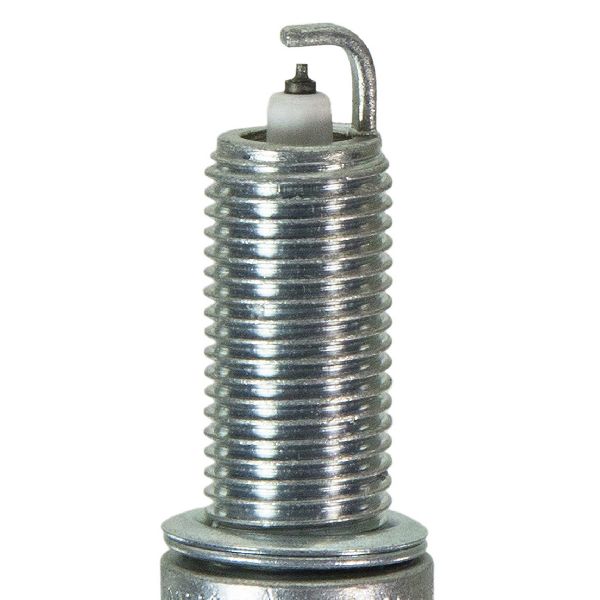
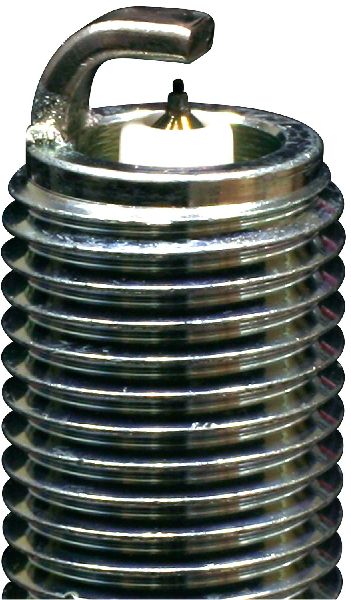
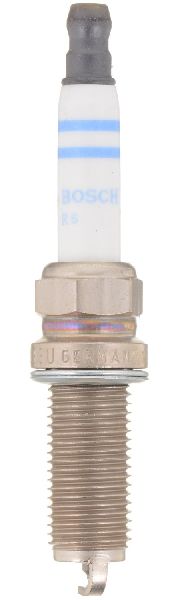
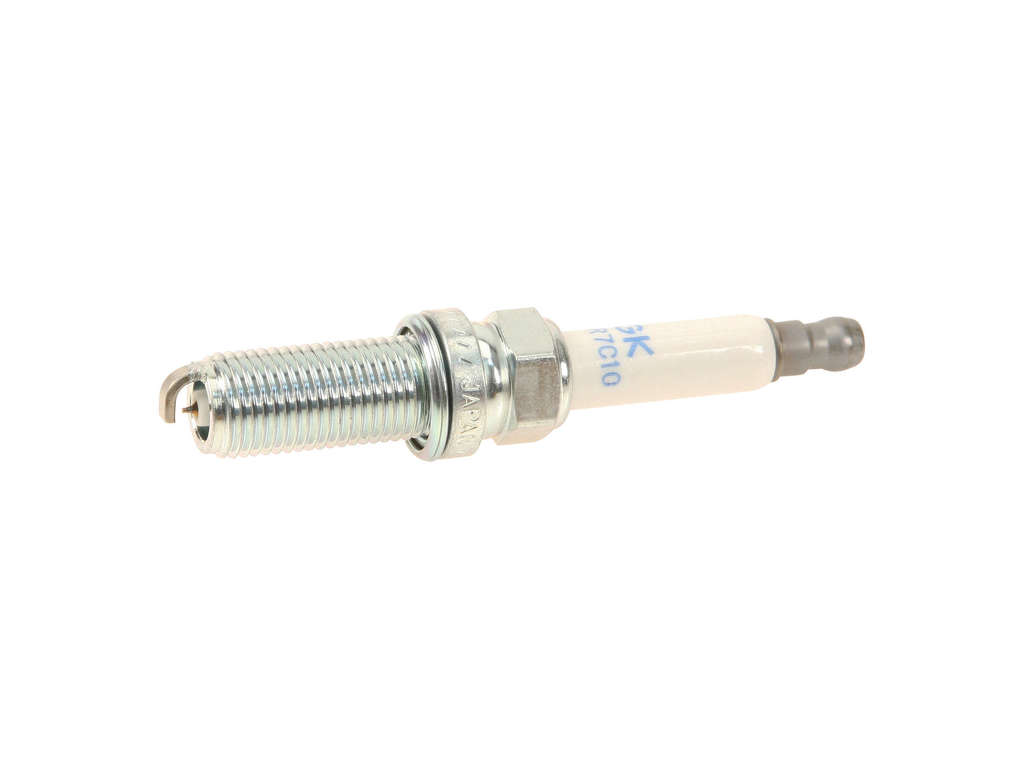
Aftermarket price range: $50-$90 - Iridium Spark Plug
(OEM #NGK ILKAR7C10)— Spark plugs are a routine wear item. A worn or fouled plug is a primary cause of misfires. It's best practice to replace all of them at once.
Trusted brands: NGK, Bosch
OEM price range: $20-$30
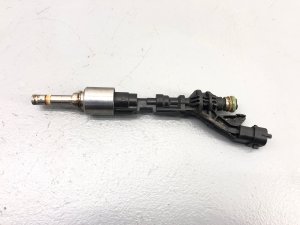
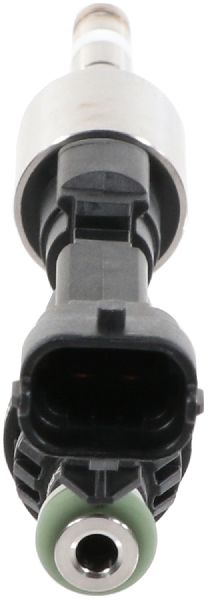
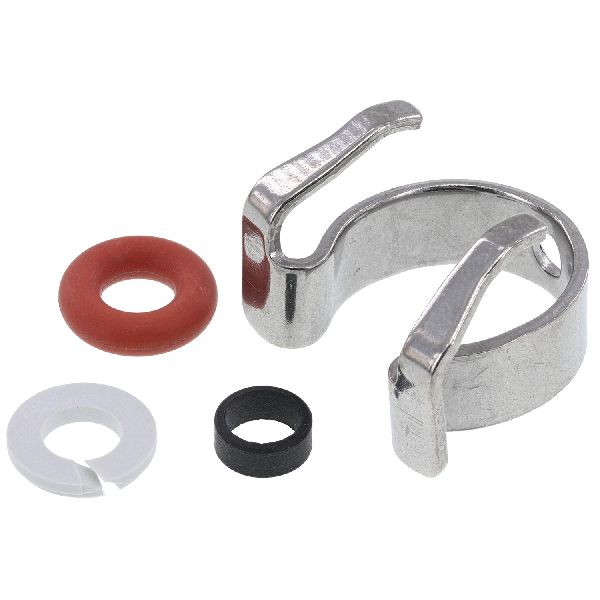
Aftermarket price range: $15-$25 - Fuel Injector
(OEM #C2D24386, LR079542 (Bosch 0261500298))— On the Jaguar AJ126/AJ133 engines, failing fuel injectors are a well-documented cause of misfires that persist after replacing coils and plugs.
Trusted brands: Bosch
OEM price range: $150-$250
Aftermarket price range: $100-$180
Related Codes That Often Appear With This One
- P0300 — If the underlying cause (like a vacuum leak or fuel pressure issue) begins to affect multiple cylinders, a 'Random/Multiple Cylinder Misfire' code may appear alongside P0301.
- P0316 — This code for 'Misfire Detected on Startup' is often seen with P030x codes. Jaguar TSB JTB00533NAS1 links these codes, pointing to a fuel injection calibration issue on cold starts that may require a PCM software update.
- P0302, P0303, P0304, etc. — If the cause is systemic, such as poor fuel quality clogging multiple injectors, misfires may eventually develop in other cylinders on the same engine bank.
- P0171 / P0174 — These 'System Too Lean' codes can appear with P0301 if the cause is a vacuum leak or a severely clogged fuel injector that is starving the cylinder of fuel.
Technical Service Bulletins (TSBs) & Recalls
- JTB00533NAS1: Addresses cold start misfires (P0300-P0308) and P0316 on 2013-2014 XJ, XF, and F-Type models with 3.0L/5.0L engines. The cause is identified as a 'fuel injection calibration issue' and the fix is to update the Powertrain Control Module (PCM) software. This bulletin notes that the MIL may be illuminated with P0316 and one or more misfire codes from P0300 to P0308.
- SSM-63697 / JTB-00241-NAS1: These related bulletins note that rough idle and misfires on the 5.0L engine can be caused by clogged fuel injectors, often due to poor fuel quality. Recommends fuel system cleaning before injector replacement. Bulletin #SSM-63697 specifically states that misfire codes P0301 through P0316 are stored in the PCM dependent on the affected cylinder.
Platform-Specific Known Issues
- Recall H181: For some 2019 models, a crankshaft pulley bolt may fracture, potentially leading to engine failure. While not a direct cause of a single-cylinder misfire, it's a critical engine issue for this platform.
Mechanic-Grade Diagnostic Values
- High-Pressure Fuel System Pressure (at idle) — expected: 3.0-8.0 MPa (435-1160 PSI).. Failure: Pressure does not increase with engine speed or remains at low-pressure system levels (under 100 PSI). Often triggers P0087.
- Low-Pressure Fuel System Pressure (engine running) — expected: 40-80 PSI.. Failure: Pressure significantly below 40 PSI indicates a weak in-tank fuel pump or clogged filter.
- Fuel Injector Resistance — expected: 12-18 Ohms.. Failure: An open circuit (infinite resistance), a short (near zero resistance), or a reading that deviates more than 0.5-1.0 Ohm from other injectors.
- Short/Long Term Fuel Trims (at idle) — expected: Within +/- 10%.. Failure: Consistently positive readings (e.g., +15% or higher) on one bank can indicate a vacuum leak affecting that side.
- Engine Ground Voltage Drop Test — expected: Well under 0.5V (500mV).. Failure: A reading above 0.5V when measured between the engine block and the negative battery terminal while cranking the engine indicates a poor ground connection.
- Ignition Coil Primary Winding Resistance — expected: ~0.4-2.0 Ohms.. Failure: A reading of 'open' (infinite resistance) indicates failure, but technicians report this test is often inconclusive as a coil can test good when cold but fail under load.
Hidden / Shadow Codes Worth Checking
- Mode $06 Misfire Counters: This is not a DTC, but a data function that shows raw misfire counts for each cylinder during the current and last ten drive cycles. It can reveal an intermittent misfire on cylinder 1 before it's frequent enough to set a P0301 code. (see via A professional-grade OBD-II scanner with Mode $06 capability.)
- P1315: A Jaguar-specific code for 'Persistent Misfire', indicating a misfire severe enough to potentially damage the catalytic converter. It often appears alongside a specific cylinder code like P0301. (see via Standard OBD-II scanner.)
Scan Tool Commands That Help
- Jaguar SDD (Symptom Driven Diagnostics): Fuel Injector Balance Test — To electronically measure the performance of each injector to identify one that is underperforming, which is a common cause of P0301 on these engines.
- Jaguar SDD (Symptom Driven Diagnostics): High Pressure Fuel Pump (HPFP) Test — To verify the functionality of the high-pressure fuel pumps when low fuel pressure is suspected as the root cause of the misfire.
- Jaguar SDD (Symptom Driven Diagnostics): Fuel Injector Coding/Adaptation — This function is required after replacing a fuel injector to ensure the PCM correctly controls the new component.
Wiring & Ground Locations
- Main Engine Ground Strap — Typically a braided strap connecting the engine block or transmission bell housing to the vehicle's chassis/bulkhead, often near the left or right side motor mount area.. A corroded or loose main engine ground can cause a voltage drop to the ignition coils and injectors, leading to weak spark or erratic injector performance and causing intermittent, hard-to-diagnose misfires. A voltage drop test is the best way to confirm its integrity.
- Cylinder 1 Injector/Coil Connector — On the front-most cylinder on the passenger side (right-hand bank) of the engine.. The plastic connectors and wiring can become brittle from heat and vibration, leading to poor connections. Wiggling the harness while the engine is idling may reveal a change in idle quality, pointing to a wiring fault specific to that cylinder.
Real Owner Repair Stories
- YouTube channel 'BoostedRicky' (Jaguar with 5.0L AJ133 Supercharged V8) — Persistent misfire that would occur after the engine warmed up. Water was found on the spark plug.
❌ Tried (didn't work) Replacing the spark plug, Replacing the ignition coil (four times), Replacing the fuel injector (three times), Initially suspecting a blown head gasket
✅ What actually fixed it The internal charge air cooler (intercooler) inside the supercharger was leaking coolant directly into the cylinders. The fix required removing the supercharger to repair or replace the leaking cooler cores. - JaguarForums user 'X351_Guy' (2014 Jaguar XJL Supercharged (VIN after updated tensioners were introduced)) — Terrible engine noise on startup, multiple misfire codes including P0301, P0305, P0306, P0308, and multiple cam/crank correlation codes (P0016, P0019).
❌ Tried (didn't work) Clearing codes (they returned immediately)
✅ What actually fixed it The diagnosis pointed to a catastrophic timing chain failure (excessive slack and likely skipped teeth), even on a later model with supposedly improved parts. The fix is a complete timing chain and tensioner replacement, assuming no piston-to-valve contact occurred.
"I Checked Everything" — The Actual Cause
- A persistent misfire on a supercharged model, especially if accompanied by mysterious coolant loss, can be caused by an internal leak in the charge air cooler (intercooler) located inside the supercharger assembly. A smoke test for vacuum leaks will come back clean because the issue is coolant, not unmetered air, entering the combustion chamber. This is often misdiagnosed as a head gasket failure.
When the Usual Fixes Don't Work
- In one documented case involving a persistent misfire on a 5.0L supercharged engine, the owner replaced the coil, spark plug, and fuel injector multiple times to no avail. The ultimate cause was not any of the common ignition or fuel parts, but an internal coolant leak from the supercharger's intercooler, which was dripping coolant into the cylinders and fouling combustion. This highlights a critical failure mode on supercharged models that standard diagnostic steps for P0301 will miss.
OEM Part Supersession History
C2P16489, C2D24386→C2D45732, C2D55183, LR079542 (Bosch 0261500298)— Part revisions to improve reliability and address known failure modes.
Heads up: While multiple part numbers exist, they are generally interchangeable for this platform. The latest revision is always recommended.AJ811378→C2Z18619— Updated ignition coil design for models from VIN V39427 onwards.
Model Year Variations Within This Range
- 2010-2012: These early AJ133 V8 engines were fitted with timing chain tensioner guides that had an aluminum contact point for the steel tensioner piston. This design was flawed and led to premature wear of the guide, causing timing chain slack and potential failure.
- 2013-2019: From 2013, the 3.0L Supercharged V6 (AJ126) became available. This engine is based on the 5.0L V8 block and shares many components, including the timing system and potential for injector issues. Also from 2013, the timing chain guides were updated with a steel insert to prevent premature wear, though failures can still occur due to oil sludge.
- 2013+: The 6-speed automatic transmission was replaced by a more efficient 8-speed ZF automatic across the model range.
Diagnostic Flowchart
Real Owner Stories
Aggregated from forums and TSBs cited above. Mileages and costs reflect what owners reported in those sources.
Jaguar XJ (X351)
Symptoms: Experienced a persistent P0301 code that did not resolve after swapping the ignition coil and spark plug to another cylinder.
What fixed it: Replacing the failing fuel injector for cylinder 1.
Source hint: JaguarForums.com thread titled 'p0301-p1319-cause-resolved-241519'
2015 Jaguar XJR
Symptoms: Chasing multiple misfires on the passenger bank, triggering codes P0301 and P0302.
What fixed it: Replaced the fuel injectors, spark plugs, and ignition coils on the affected bank.
Source hint: JaguarForums.com thread titled 'need-help-misfire-2015-xjr-277749'
Related OBD-II Codes
Frequently Asked Questions
Does TSB JTB00533NAS1 apply to my Jaguar XJ for a P0301 code?
Why is my supercharged Jaguar XJ blowing white, sweet-smelling smoke with a P0301 code?
Where is cylinder 1 located on the 3.0L V6 or 5.0L V8 engine?
I swapped the ignition coil and spark plug, but cylinder 1 still misfires. What is the next most likely cause on the AJ133/AJ126 engine?
Does Recall H181 cause a P0301 misfire on 2019 models?
Do I need to clean the intake valves on my XJ to fix a P0301 code?
Helpful Videos
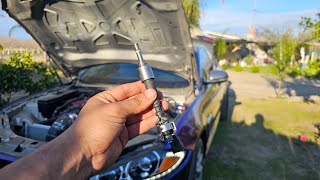
Used OEM Parts in Stock

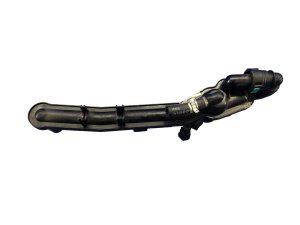

New Aftermarket Parts Available

The information in this article is provided for general reference and educational purposes only. Vehicle specifications, procedures, and part compatibility can vary by production date, trim level, and region. Always consult your vehicle's factory service manual and verify part numbers before purchasing or performing repairs. Safety-critical components such as airbags, seat belts, and braking systems should be installed by a qualified professional.
- Jaguar XJ:
- 🎬 Helpful Videos
- 🛍️ Shop This Part
- What's Unique About the 2010-2019 Jaguar XJ
- Symptoms You May Notice
- Most Likely Causes
- Rare But Worth Checking
- Diagnosis Steps
- Parts You'll Likely Need
- Related Codes That Often Appear With This One
- Technical Service Bulletins (TSBs) & Recalls
- Platform-Specific Known Issues
- Mechanic-Grade Diagnostic Values
- Hidden / Shadow Codes Worth Checking
- Scan Tool Commands That Help
- Wiring & Ground Locations
- Real Owner Repair Stories
- "I Checked Everything" — The Actual Cause
- When the Usual Fixes Don't Work
- OEM Part Supersession History
- Model Year Variations Within This Range
- Diagnostic Flowchart
- Real Owner Stories
- Jaguar XJ (X351)
- 2015 Jaguar XJR
- Related OBD-II Codes
- Frequently Asked Questions
- 🎟️ Get 5% Off