

P0301 on 2005-2010 Chevrolet Cobalt 2.2L: Cylinder 1 Misfire Causes and Fixes
On a 2005-2006 Cobalt with the 2.2L L61 engine, P0301 is almost always caused by a failed ignition coil/module assembly. For 2007-2010 models with individual coils, a single bad coil or spark plug is the most likely cause. Replacing the plugs and the faulty ignition component is a common, DIY-friendly fix.
- P0301 indicates a misfire in cylinder 1, the leftmost cylinder of the engine.
- For 2005-2006 models, the most likely cause is the entire ignition coil/module assembly; for 2007-2010 models, it's a single bad coil or spark plug.
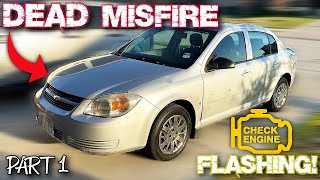
- A flashing Check Engine Light is a critical warning to stop driving to prevent damage to the catalytic converter.
- Always inspect for oil in the spark plug wells, as a leaking valve cover gasket is a common root cause of ignition failures on this engine.
- When replacing ignition components, it is highly recommended to replace all four spark plugs at the same time with quality Iridium plugs.
What's Unique About the 2005-2010 Chevrolet Cobalt
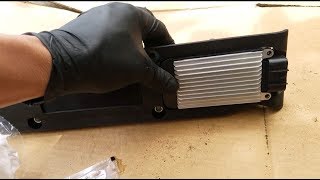
The key difference for this code depends on the model year. The 2005-2006 Cobalt with the 2.2L L61 engine uses a single, integrated ignition module and coil pack assembly (often called a cassette). This entire unit is a well-documented weak point prone to failure from engine heat soak, often causing this code. From 2007 onwards, the Cobalt switched to a more reliable individual coil-on-plug (COP) design. This changes the diagnostic approach, as individual coils can be swapped between cylinders to isolate the fault, which is impossible with the earlier cassette design.
Generation note: The 2005-2010 Cobalt is one vehicle generation, but a key engine system changed. The 2005-2006 2.2L L61 engine uses a single ignition coil/module cassette. The 2007-2010 2.2L engine uses individual coil-on-plug ignition. This guide covers both, but the primary cause and diagnostic steps differ.
Symptoms You May Notice
- Rough or vibrating idle
- Hesitation or stumbling during acceleration
- Flashing Check Engine Light (indicates a severe misfire that can damage the catalytic converter)
- Solid Check Engine Light illuminated
- Reduced engine power and poor fuel economy
- Smell of gasoline from the exhaust
- Engine may sound shaky or like a 'helicopter' at idle
- Replacing only the spark plugs when the underlying cause is a faulty ignition coil/module, especially on 2005-2006 models.
- Replacing the ignition coil/module when the true cause is a clogged fuel injector.
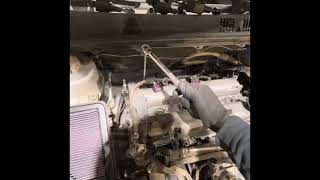
- On 2005-2006 models, replacing only the coil pack when the Ignition Control Module (ICM) is the actual point of failure. Many owners report 🎬 Watch: How to replace the Ignition Control Module on 2005-2006 models. the ICM is the most common part to fail.
Most Likely Causes
- Failed Ignition Coil / Module Assembly (2005-2006 Models) 🔴 High Probability The integrated design of the Ignition Control Module (ICM) and coil pack on the 2.2L L61 Ecotec is a well-documented weak point, prone to failure from engine heat soak and vibration. A leaking valve cover gasket can also allow oil into the spark plug wells, damaging the unit's boots and causing a misfire.
How to confirm: Because the coils are integrated, you cannot swap them individually. After confirming the spark plugs are good, the next logical step is to replace the entire ignition module/coil assembly. Testing the unit itself is difficult without specialized tools, and replacement is the common diagnostic step.
Typical fix: Replace the entire ignition coil and module assembly. It is highly recommended to replace all four spark plugs at the same time.
Est. part cost: $70-$150 - Failed Ignition Coil (2007-2010 Models) 🔴 High Probability
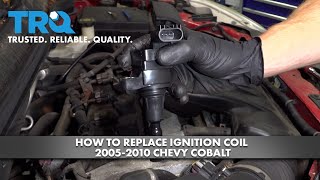
How to confirm: Swap the ignition coil from cylinder 1 with another cylinder (e.g., cylinder 2). Clear the codes and drive the vehicle. If the code changes to P0302, the ignition coil is faulty.
Typical fix: Replace the faulty ignition coil. It's wise to apply dielectric grease to the new coil boot before installation.
Est. part cost: $40-$80 - Worn or Fouled Spark Plug 🔴 High Probability Spark plugs are a standard maintenance item. A very common related issue on the Ecotec engine is a leaking valve cover gasket, which allows oil to fill the spark plug tubes, fouling the plugs and damaging the coil boots.
How to confirm: Remove the spark plug from cylinder 1. Inspect it for wear, heavy carbon deposits, oil fouling, or a cracked porcelain insulator. If oil is present in the tube, the valve cover gasket needs to be replaced as well. 🎬 Watch: Step-by-step guide to replacing a leaking valve cover gasket.
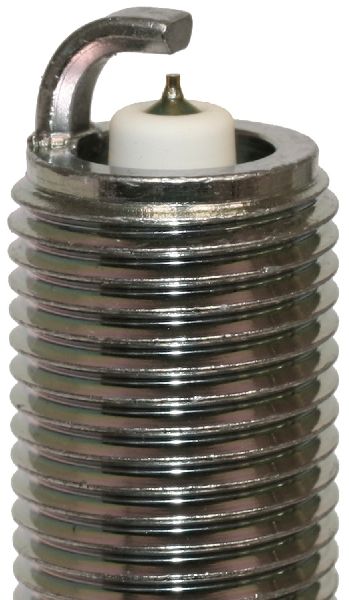
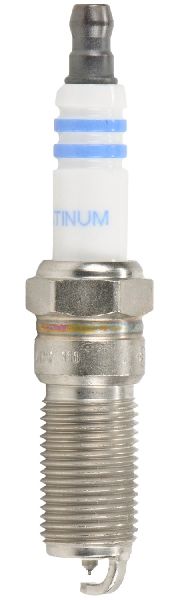
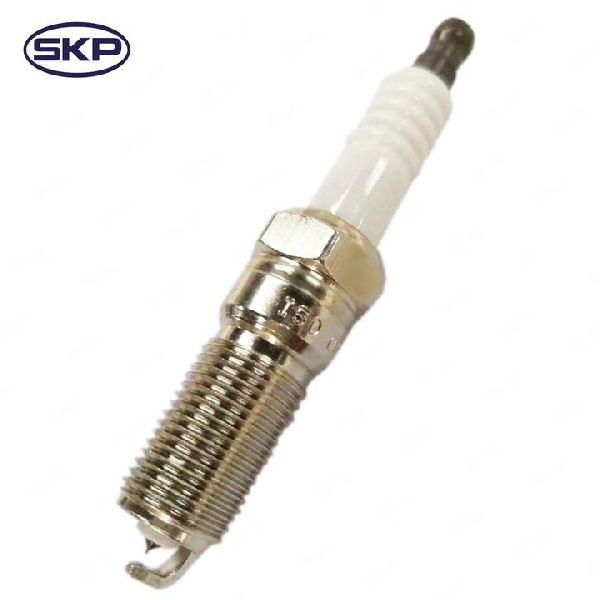
Typical fix: Replace all four spark plugs as a set with OEM-spec Iridium plugs (ACDelco 41-103 is the factory plug). Ensure they are gapped correctly (typically 0.040-0.042 inches) if they are not pre-gapped.
Est. part cost: $20-$50 - Clogged or Faulty Fuel Injector 🟡 Medium Probability
How to confirm: After ruling out the ignition system, swap the fuel injector from cylinder 1 with another cylinder (e.g., cylinder 2). Clear the codes and drive. If the code moves to P0302, the injector is the problem.
Typical fix: Replace the faulty fuel injector. While some recommend replacing all four, it is common to replace only the failed one. Ensure the new injector's O-rings are properly lubricated before installation.
Est. part cost: $30-$70 - Intake Manifold Gasket / Vacuum Leak ⚪ Low Probability
How to confirm: With the engine running, spray carburetor cleaner or starter fluid around the intake manifold gasket near cylinder 1. If the engine RPM changes, you have found a leak. A smoke test is a more precise method.
Typical fix: Replace the intake manifold gasket. The 2.2L L61 uses individual gaskets for each runner, which are known to degrade over time.
Est. part cost: $20-$60
Rare But Worth Checking
- Low Engine Compression: If ignition and fuel system checks do not reveal the cause, a mechanical engine problem could be the culprit. This can include a burnt valve, worn piston rings, or a bad head gasket. A compression test is required for diagnosis. A healthy cold compression reading should be around 190-210 PSI per cylinder.
- Fuel Contamination in Fuel Rail: GM Technical Service Bulletin #PIP3333C notes that intermittent misfires on cylinder 1 (P0301) can occur during or after a left turn. This is attributed to fuel contamination or debris getting trapped at the end of the returnless fuel rail. The fix involves inspecting and cleaning the fuel rail and potentially the fuel tank.
Diagnosis Steps
- Read the code with an OBD-II scanner. Note if any other codes are present and check for a flashing vs. solid Check Engine Light.
- Determine your ignition system type. If you have a 2005-2006 model, you have an ignition cassette. If it's a 2007-2010, you have individual coils.
- Inspect the spark plug for cylinder 1. Look for wear, damage, or oil fouling. If oil is in the spark plug tube, the valve cover gasket is leaking and must be replaced. If the plug is worn or fouled, replace all four plugs.
- For 2007-2010 models: Swap the ignition coil from cylinder 1 to cylinder 2. Clear the codes and see if the misfire code changes to P0302. If it does, the coil is bad.
- For 2005-2006 models: If the spark plugs are good, the ignition coil/module cassette is the most likely suspect. Given the high failure rate, replacement is the standard next step.
- If the misfire persists, swap the fuel injector from cylinder 1 to cylinder 2. If the code changes to P0302, the injector is faulty.
- If ignition and fuel components are good, check for vacuum leaks around the intake manifold using a smoke machine or carb cleaner, paying attention to the gasket for cylinder 1.
- If all else fails, perform an engine compression test to check for mechanical issues like a bad valve or piston ring. Compare cylinder 1 to the others.
Parts You'll Likely Need
- Ignition Coil & Module Assembly (2005-2006)
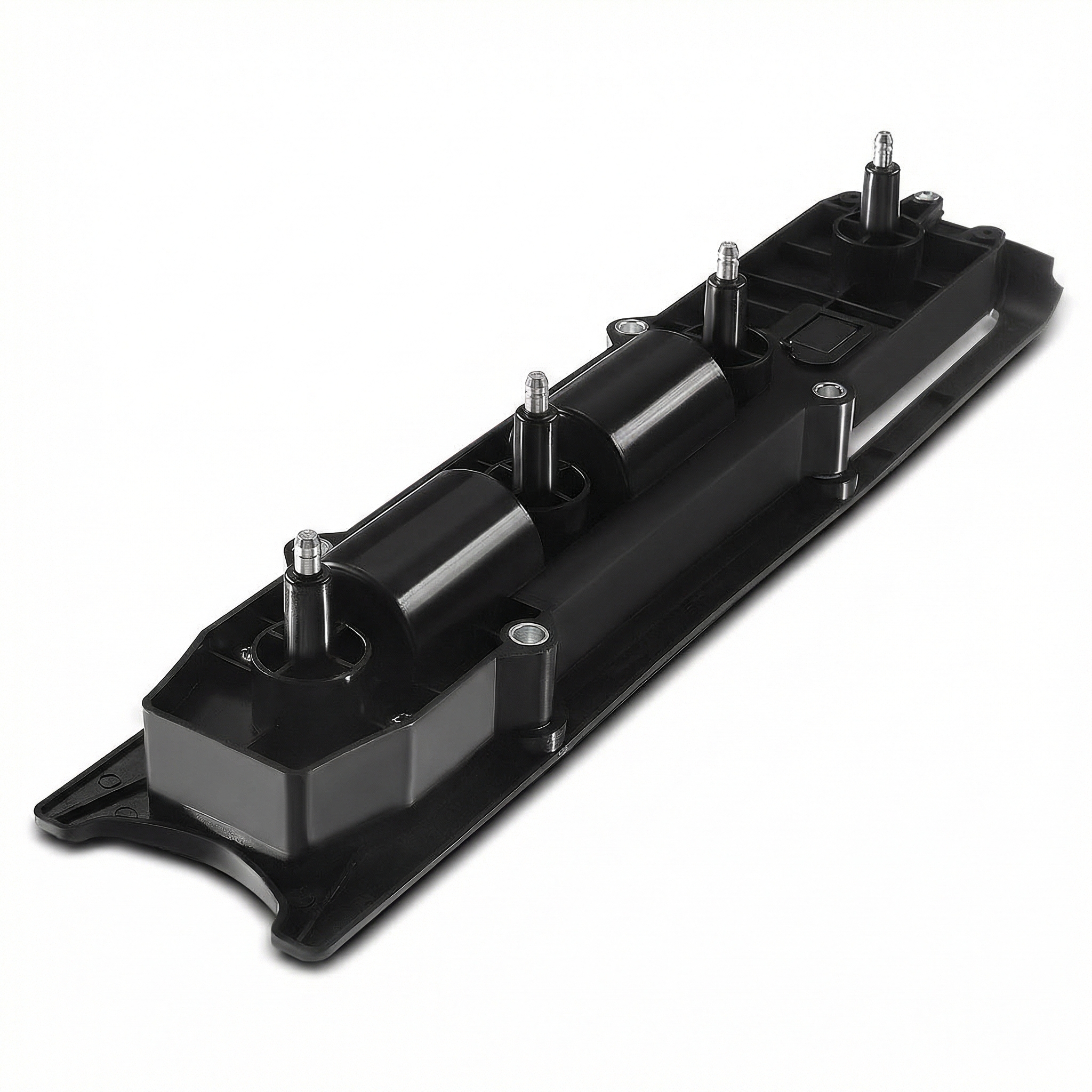
(OEM #19300922 (Module), D593A (Coil Pack))— This integrated cassette is the most common failure point for misfires on the 2005-2006 2.2L L61 engine. The Ignition Control Module (ICM) under the coils is often the specific point of failure.
Trusted brands: ACDelco, Delphi, NGK
OEM price range: $110-$140
Aftermarket price range: $70-$120 - Ignition Coil (2007-2010)
(OEM #12638824 (Supersedes 12629437), D521C)— On later models with individual coils, a single coil failure is a primary cause of a cylinder-specific misfire.
Trusted brands: ACDelco, Denso, NGK
OEM price range: $60-$90
Aftermarket price range: $40-$70 - Iridium Spark Plugs
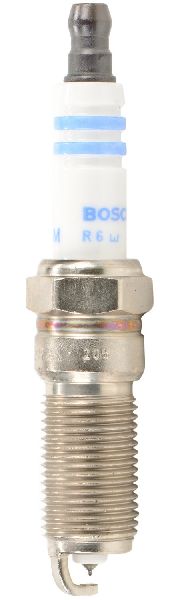
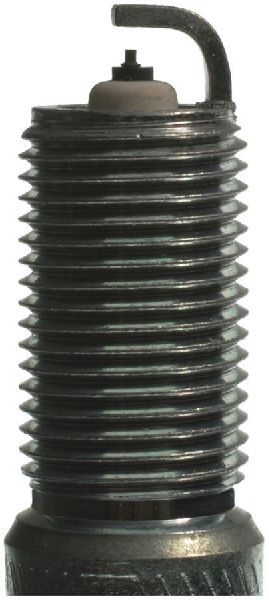
(OEM #41-103)— Worn or fouled spark plugs are a fundamental cause of misfires. It is best practice to replace them when replacing ignition components. This is the specific OEM plug for the application.
Trusted brands: ACDelco, NGK
OEM price range: $8-$15 per plug
Aftermarket price range: $6-$12 per plug
Related Codes That Often Appear With This One
- P0300 — If the misfire is intermittent or affects multiple cylinders, a P0300 (Random/Multiple Cylinder Misfire) may appear with P0301. This often points to a failing ignition module on 2005-2006 models or a larger issue like a vacuum leak or fuel delivery problem.
- P0302, P0303, P0304 — These codes indicate misfires in other specific cylinders. They often appear during diagnosis when a technician swaps a component (like a coil or injector) from cylinder 1 to another cylinder to see if the fault code 'follows' the part.
- P1174 — This code for 'Fuel Trim Cylinder Balance' can appear with a P0301 on Ecotec engines. It strongly suggests that a specific fuel injector is clogged or failing, causing a lean condition in that one cylinder that the PCM cannot correct.
Technical Service Bulletins (TSBs) & Recalls
- TSB #PIP3333C: Notes that an intermittent P0301 can occur during a left turn due to fuel contamination getting trapped in the returnless fuel rail. Manufacturer TSB #PIP3333C also states that for vehicles with an intermittent engine misfire and a Service Engine Soon Malfunction Indicator Lamp, a technician may find Diagnostic Trouble Code P0300, P0301, and/or P0304.
Platform-Specific Known Issues
- The 2005-2006 models with the 2.2L L61 engine are known for premature failure of the integrated ignition coil/module cassette due to heat soak.
- A leaking valve cover gasket is a very common problem that allows oil to fill the spark plug tubes, fouling the spark plugs and damaging the coil boots.
Mechanic-Grade Diagnostic Values
- Fuel Pressure (Key On, Engine Off) — expected: 58-62 PSI (for 2005 models) / up to 57 PSI (for 2009-2010 models). Failure: Pressure below the specified range indicates a weak fuel pump, clogged filter, or faulty regulator.
- Fuel Injector Resistance — expected: 11-14 Ohms. Failure: A reading significantly outside this range, an open circuit (infinite resistance), or a short (near-zero resistance) points to a failed injector coil.
- Ignition Coil Secondary Resistance (2005-2006 Cassette) — expected: 6,000 - 10,000 Ohms (6k-10k Ω). Failure: A reading outside this range suggests a failed secondary winding within the coil pack.
- Engine Compression (Cranking, Cold) — expected: 190-225 PSI. Failure: A reading significantly below 190 PSI, or more than a 15% variation between any two cylinders, indicates a mechanical engine problem (e.g., burnt valve, worn rings).
- Total Fuel Trim (STFT + LTFT) at idle — expected: -10% to +10%. Failure: Sustained positive values (e.g., > +15%) suggest the PCM is adding fuel to compensate for a vacuum leak or a clogged injector on one cylinder.
Hidden / Shadow Codes Worth Checking
- Mode 6, Test ID $A3: This is not a trouble code but a diagnostic monitor ID. Test ID $A3 tracks the raw misfire count for Cylinder 1 during the current and previous 10 driving cycles. (see via A professional-grade OBD-II scanner with Mode $06 capability. This data can confirm an intermittent misfire on cylinder 1 even if it's not severe enough to keep the check engine light on.)
Scan Tool Commands That Help
- Tech2 / GDS2 or equivalent professional scanner: Cylinder Power Balance Test — This function allows the technician to sequentially disable the fuel injector for each cylinder and observe the drop in RPM. If disabling cylinder 1 causes little or no change in RPM compared to other cylinders, it confirms cylinder 1 is not contributing power.
- Tech2 / GDS2 or equivalent professional scanner: Crankshaft Position (CKP) System Variation Learn — This relearn procedure must be performed after replacing the crankshaft position sensor, the engine control module (ECM), or the flexplate. Failure to do so can cause the PCM to inaccurately detect misfires and set false P030x codes.
Wiring & Ground Locations
- G103 (example) — On the transmission housing, near the starter. This is a main engine-to-chassis ground.. A corroded or loose main engine ground can cause a weak spark from the ignition system or erratic sensor readings, leading to misfires. This is a commonly overlooked ground point that can cause various electrical issues.
- G105 (example) — On the driver's side strut tower in the engine bay, behind the underhood fuse block.. This ground is a common point for several engine sensors and the ECM. Corrosion here can lead to incorrect signals being sent to the ECM, potentially causing it to misinterpret data and flag a misfire.
- ECM/PCM Connector — Left side of the engine compartment, in front of the underhood fuse block.. The wiring for the ignition coils and fuel injectors runs to this connector. A visual inspection of the harness for chafing or damage near the connector, and checking for corrosion on the pins for cylinder 1's coil and injector circuits, can identify a wiring-related cause.
Real Owner Repair Stories
- CobaltSS.net forum user '07cobalt07' (2007 Chevrolet Cobalt, 88,000+ miles) — Persistent P0301 code.
❌ Tried (didn't work) Replaced all spark plugs (NGK), Swapped ignition coil from cylinder #1 to #4, Swapped fuel injector from cylinder #1 to #2, Replaced fuel filter
✅ What actually fixed it The user was advised to perform a compression/leak-down test after all common parts-swapping diagnostics failed to move the misfire code. The implication from experienced members was a likely mechanical valve issue, which the test would confirm. - Reddit user 'Big_Cumma01' (2006 Chevrolet Cobalt LS) — Sudden P0301 code.
❌ Tried (didn't work) Replaced spark plugs
✅ What actually fixed it The user had the 2006 model with the one-piece ignition cassette and could not swap individual coils. The community correctly identified this and advised that the next step was to replace the entire ignition coil pack and control module assembly, which is the most common failure point for that model year.
OEM Part Supersession History
12578224, 12629437→12638824 (ACDelco D521C)— Internal design and material improvements for reliability and longevity.
Model Year Variations Within This Range
- 2007-2008: For the 2007 model year, the 2.2L L61 engine was updated to the 'Gen II' Ecotec block. This included a stronger block, a new cylinder head with larger exhaust ports, a revised camshaft profile, and a switch to a 58X crankshaft reluctor ring (from 7X). It also moved from the single ignition cassette to an individual coil-on-plug system and uses a more advanced E37 ECM.
- 2009-2010: The base engine was changed from the L61 to the 2.2L LAP. While mechanically similar to the Gen II L61, the LAP engine added dual variable valve timing (VVT), which the L61 did not have. This can affect diagnostics, as a malfunctioning VVT solenoid could potentially cause misfire-like symptoms.
Diagnostic Flowchart
Other Known Issues on This Vehicle
Issues unrelated to this code that are worth knowing about as an owner of this generation:
- Defective Ignition Switch 🔴 High — Extremely widespread, affecting all 2005-2010 models. Led to a massive recall and federal investigation. (Ref: NHTSA Campaign: 14V047000. GM Recall: 14299.)
- Sudden Loss of Electric Power Steering 🔴 High — Very common across all model years, resulting in a sudden increase in steering effort. (Ref: NHTSA Campaign: 10V073000. GM Recall: N100023.)
- Timing Chain Stretch and Guide Failure 🔴 High — A well-documented weakness of the early 2.2L L61 engine. Often presents as a rattling noise on startup and can lead to codes like P0016 or catastrophic engine failure if the chain breaks. (Ref: TSB #PIP4716F (for related code P0016))
- Cracked Fuel Pump Module 🟠 Medium — Common enough for GM to issue a Special Coverage Adjustment. Can cause fuel leaks and evaporative emissions codes. (Ref: GM Special Coverage #12191A / 12191B)
- Leaking Transmission Cooler Lines 🟡 Low — The O-rings at the radiator fittings are known to fail, causing transmission fluid leaks, typically on the driver's side.
- Throttle Body Failure / Reduced Engine Power 🟠 Medium — The internal throttle position sensor (TPS) is known to fail, which is non-serviceable. This forces replacement of the entire throttle body and puts the car into 'limp mode'. Often throws codes P0122 and P2135.
Used vs. New Parts: Buying Guide for This Vehicle
When a used part is the smart pick: For this repair, buying used parts is generally not recommended. The primary failure components—ignition coils, modules, and spark plugs—are wear items. A used ignition cassette (2005-2006) is a particularly bad idea, as it's a known high-failure part and a used one likely has limited life remaining.
Donor-vehicle mileage cap: roughly under 50000 miles for the part to have meaningful remaining life.
What to inspect on the donor part:
- For a used coil-on-plug (2007-2010), inspect the boot for any tearing, swelling, or white/powdery corrosion on the spring contact.
- Check the plastic housing for any cracks or signs of melting.
- Avoid any parts from an engine that shows signs of a severe oil leak, especially around the valve cover.
OEM-only on this vehicle (don't cheap out):
- Ignition Control Module (ICM) for 2005-2006 models. Aftermarket modules have a notoriously high failure rate. Sticking with ACDelco or Delphi is strongly advised.
Aftermarket brands forum-validated for this vehicle:
- Ignition Coils/Cassette: Delphi, NGK, Denso.
- Spark Plugs: ACDelco (OEM), NGK.
Brands owners have reported issues with on this vehicle:
- Unbranded, 'white-box' ignition cassettes and individual coils sold on marketplaces. Forum discussions frequently mention these failing within months.
Real Owner Stories
Aggregated from forums and TSBs cited above. Mileages and costs reflect what owners reported in those sources.
2005 Chevrolet Cobalt 2.2L L61
Symptoms: Engine sounding shaky like a 'helicopter' at idle with a P0301 code.
What fixed it: Replacement of the entire ignition coil and module assembly (cassette) and all four spark plugs.
Source hint: vehicle_specific_issues and common_causes for 2005-2006 models
2007-2010 Chevrolet Cobalt 2.2L
Symptoms: P0301 code present; owner swapped the coil from cylinder 1 to cylinder 2 and the code followed the coil.
What fixed it: Replaced the faulty ignition coil and applied dielectric grease to the new coil boot.
Source hint: common_causes for 2007-2010 Models
2006 Chevrolet HHR 2.2L L61
Symptoms: Cylinder 1 misfire (P0301) on the GM Delta platform with the ignition cassette system.
What fixed it: Replacement of the ignition cassette/module design.
Source hint: platform_mates: 2006-2008 Chevrolet HHR
Related OBD-II Codes
Frequently Asked Questions
My 2005 Cobalt has a single ignition unit instead of individual coils; how do I test for a P0301 misfire?
Is there a TSB for an intermittent P0301 code when I'm turning the car?
What specific spark plugs should I use for my 2.2L Ecotec to avoid misfire codes?
I found oil in my spark plug tubes while checking cylinder 1. Is this causing my P0301?
My Check Engine Light is flashing while I drive my Cobalt. What does that mean?
Can I just swap coils to see if the misfire moves on my 2008 Cobalt?
Helpful Videos
Used OEM Parts in Stock

New Aftermarket Parts Available


The information in this article is provided for general reference and educational purposes only. Vehicle specifications, procedures, and part compatibility can vary by production date, trim level, and region. Always consult your vehicle's factory service manual and verify part numbers before purchasing or performing repairs. Safety-critical components such as airbags, seat belts, and braking systems should be installed by a qualified professional.
- Chevrolet Cobalt:
- 🎬 Helpful Videos
- 🛍️ Shop This Part
- What's Unique About the 2005-2010 Chevrolet Cobalt
- Symptoms You May Notice
- Most Likely Causes
- Rare But Worth Checking
- Diagnosis Steps
- Parts You'll Likely Need
- Related Codes That Often Appear With This One
- Technical Service Bulletins (TSBs) & Recalls
- Platform-Specific Known Issues
- Mechanic-Grade Diagnostic Values
- Hidden / Shadow Codes Worth Checking
- Scan Tool Commands That Help
- Wiring & Ground Locations
- Real Owner Repair Stories
- OEM Part Supersession History
- Model Year Variations Within This Range
- Diagnostic Flowchart
- Other Known Issues on This Vehicle
- Used vs. New Parts: Buying Guide for This Vehicle
- Real Owner Stories
- 2005 Chevrolet Cobalt 2.2L L61
- 2007-2010 Chevrolet Cobalt 2.2L
- 2006 Chevrolet HHR 2.2L L61
- Related OBD-II Codes
- Frequently Asked Questions
- 🎟️ Get 5% Off