

P0300 on 2015-2022 Ford Escape: Random Misfire Causes & Fixes
P0300 on a Ford Escape, especially 2017-2019 models with 1.5L or 2.0L EcoBoost engines, is frequently caused by a severe engine design flaw where coolant leaks into the cylinders. This requires engine replacement. On other engines, or if coolant intrusion is ruled out, the cause is likely worn spark plugs or faulty ignition coils.
- On 2017-2019 Ford Escapes with 1.5L or 2.0L EcoBoost engines, a P0300 code is a strong indicator of the infamous 'coolant intrusion' problem, which is a critical engine issue.
- Symptoms like losing coolant without a visible leak, or white, sweet-smelling exhaust smoke, are red flags for engine failure and should be addressed immediately.
- The official Ford fix for coolant intrusion is a costly engine replacement with a redesigned block. Do not attempt to use 'stop-leak' additives, as they can cause further damage.
- If coolant intrusion is definitively ruled out by a professional, the most likely causes are standard ignition system faults like worn spark plugs or bad ignition coils.
- Do not ignore a P0300 code. Continued driving can destroy the catalytic converter and, in the case of coolant intrusion, will result in complete engine failure.
What's Unique About the 2015-2022 Ford ESCAPE

For the 2015-2022 Ford Escape, particularly models with 1.5L and 2.0L EcoBoost engines, P0300 is not just another trouble code—it's a serious warning. Ford has issued multiple Technical Service Bulletins (TSBs) acknowledging a design defect in the 'open-deck' engine block that allows engine coolant to leak directly into the cylinders. The issue stems from a lack of support in the casting between cylinders, creating a weak point where cracks can form. This problem, known as coolant intrusion, can cause the exact symptoms of a P0300 code and often leads to catastrophic engine failure requiring a complete engine replacement. This makes diagnosing a P0300 on an EcoBoost Escape much more urgent and potentially more severe than on many other vehicles where the cause is typically a simple ignition or fuel system fault.
Diagnostic Flowchart

Tap your situation to follow the diagnostic path that matches what you're seeing on this vehicle.
Generation note: The 2015-2022 range covers two Escape generations. The third generation runs from 2013-2019, and the fourth generation begins in 2020. The critical coolant intrusion issue is most heavily documented for the third-generation models (specifically 2017-2019 Escapes with 1.5L and 2.0L EcoBoost engines). Ford issued Customer Satisfaction Program 21N12 extending warranty coverage for this issue on some 1.5L models to 7 years/84,000 miles. While standard misfire causes apply to all years and engines, the EcoBoost-specific engine problems are the most notable issue within this year range.
Symptoms You May Notice

- Flashing or solid Check Engine Light
- Rough, shaking, or vibrating idle, sometimes only on a cold start
- Hesitation or stumbling during acceleration
- Reduced engine power
- White smoke from the exhaust with a sweet smell (indicates burning coolant)
- Noticeable loss of engine coolant without visible external leaks
- Engine overheating or temperature gauge running high
- Intermittent misfires that come and go
- Replacing only spark plugs or a single ignition coil when the root cause is coolant intrusion. This fails to fix the problem and allows for further engine damage. Many owners report this experience in forums and NHTSA complaints.
- Replacing oxygen sensors. While a bad O2 sensor can theoretically cause a P0300, it is not a primary cause on this vehicle and should only be replaced after other diagnostics fail.
- Attributing the issue to a bad head gasket. While the symptoms are similar, the failure on these EcoBoost engines is typically a crack in the block itself, not a failed gasket between the head and block.
Most Likely Causes

- Engine Coolant Intrusion (1.5L & 2.0L EcoBoost) 🔴 High Probability A known design flaw in the open-deck engine block allows coolant to seep into the cylinders through micro-cracks in the cylinder walls. This is documented in Ford TSBs like 19-2346 (for 2.0L) and Customer Program 21N12 (for 1.5L). Numerous owner forums and NHTSA complaints detail this exact failure pattern.
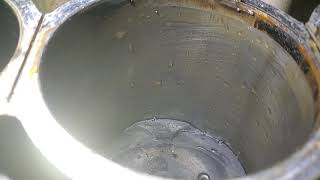
How to confirm: A mechanic will perform a cooling system pressure test, often for several hours, to see if it holds pressure. They will then use a borescope to visually inspect the inside of the cylinders for coolant, which appears as a clean, steam-cleaned piston top or visible liquid. Persistently dropping coolant levels and white, sweet-smelling exhaust are key indicators.
Typical fix: Replacement of the engine long block (for 2.0L) or short block assembly (for 1.5L) with a redesigned part is the only permanent fix specified by Ford. The replacement blocks have a revised casting to prevent the cracking from reoccurring.
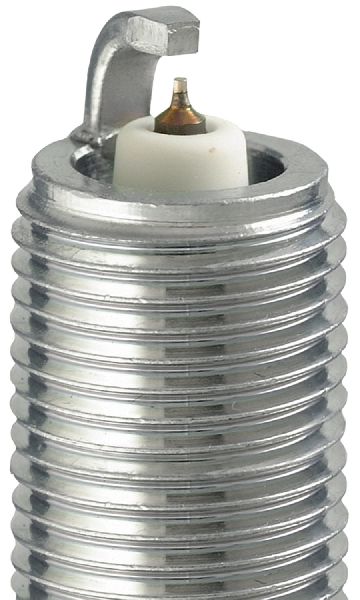
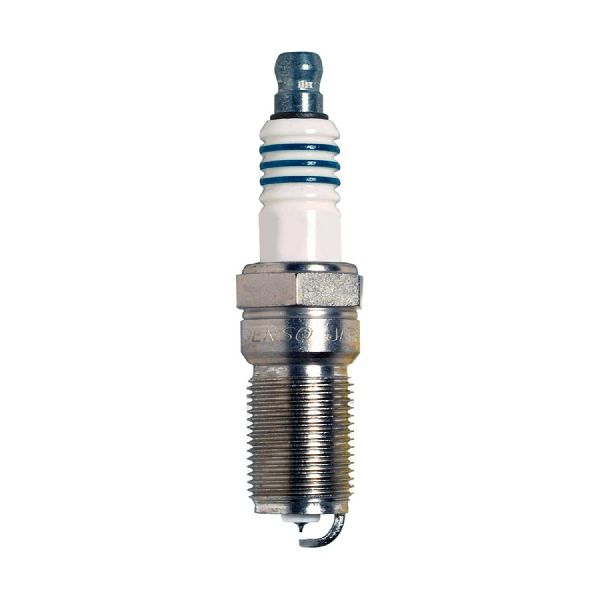
Est. part cost: $3000-$7000+ - Worn or Incorrect Spark Plugs 🟡 Medium Probability Spark plugs are a standard wear item, and turbocharged EcoBoost engines are sensitive to plug condition and gap. Incorrectly gapped or non-OEM plugs can cause misfires under load.
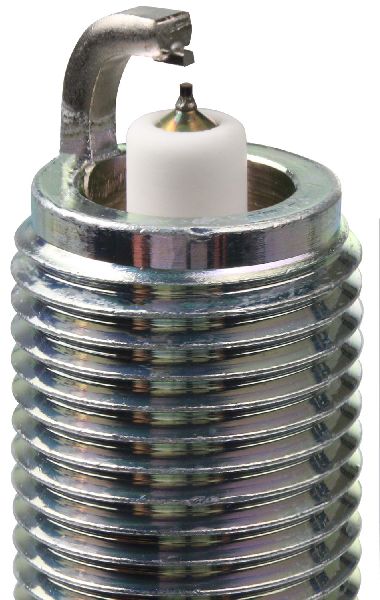
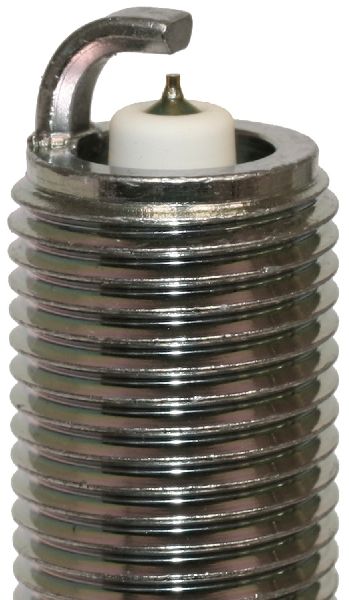
How to confirm: Remove and inspect the spark plugs. Look for wear on the electrode, fouling (black, oily, or white deposits), or cracks in the porcelain. A coolant-fouled plug will often look steam-cleaned or have white/greenish crystal deposits.
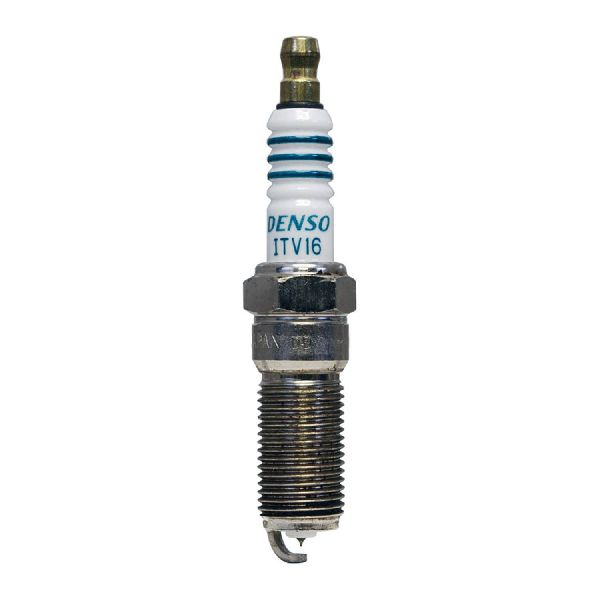
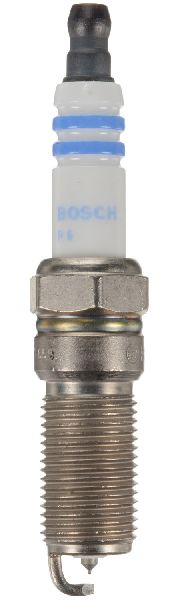
Typical fix: Replace all spark plugs with new, correctly gapped OEM-spec plugs. For the 1.5L EcoBoost, Motorcraft SP-539 (HYFS-094-YEC) is often specified. For the 2.0L, Motorcraft SP-550 is a common part. Always verify the correct part for your specific vehicle. 🎬 See this step-by-step spark plug replacement walkthrough
Est. part cost: $40-$100 - Faulty Ignition Coils 🟡 Medium Probability
How to confirm: A mechanic can use a scan tool with Mode 6 data to identify which cylinders have the highest misfire counts, even with a random P0300 code. Swap the ignition coil from a frequently misfiring cylinder to a known good cylinder. If the misfire follows the coil (e.g., the misfire count moves to the new cylinder), the coil is bad.
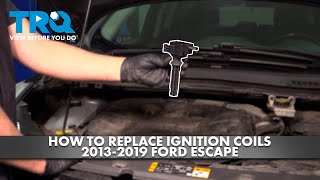
Typical fix: Replace the faulty ignition coil. It is often recommended to replace all coils at the same time, especially on higher mileage vehicles. Motorcraft DG-562 is a common part number for the 2.0L engine.
Est. part cost: $50-$150 per coil - Fuel System Issues (Clogged Injectors, Weak Fuel Pump) ⚪ Low Probability
How to confirm: Test fuel pressure to check the pump. A mechanic can perform a fuel injector balance test to check for clogged or failing injectors. EcoBoost engines have both high and low-pressure fuel systems, requiring specialized testing.
Typical fix: Clean or replace faulty fuel injectors; replace the fuel pump if pressure is low.
Est. part cost: $100-$400 per injector, $300-$700 for a fuel pump
Rare But Worth Checking
- Vacuum Leak: A leak in a vacuum hose or intake manifold gasket can introduce unmetered air, leaning out the air/fuel mixture and causing random misfires. A smoke test is the most effective way to find a leak.
- Faulty Mass Airflow (MAF) Sensor: A dirty or failing MAF sensor can provide incorrect data to the ECU, leading to an improper air/fuel mixture and misfires.
- Faulty PCV System: The Positive Crankcase Ventilation (PCV) system can fail on turbocharged engines, leading to improper crankcase pressure, oil consumption, and fouling of spark plugs, which can cause misfires. A stuck-open PCV or purge valve can create a vacuum leak.
Diagnosis Steps
- Scan the vehicle for all DTCs. Note any codes that appear alongside P0300, such as P0316 or specific cylinder misfire codes (P030x).
- Check the coolant level in the reservoir. If it is low, and there are no visible external leaks, suspect coolant intrusion. Note any white, sweet-smelling smoke from the exhaust, especially on a cold start.
- If coolant intrusion is suspected (especially on a 1.5L or 2.0L EcoBoost), take the vehicle to a qualified mechanic. The definitive diagnosis requires a cooling system pressure test (holding pressure for at least 2-3 hours) and a borescope inspection of the cylinders for any signs of coolant.
- If coolant intrusion is ruled out, use a scan tool with Mode 6 capabilities to check the misfire counters for each cylinder. This can help pinpoint a specific cylinder even with a P0300 code. 🎬 Learn how to use Mode 6 data to track misfire rates
- Begin standard ignition system diagnostics. Inspect all spark plugs for wear, fouling, and correct part number/gap. A steam-cleaned or white-crusted plug is a sign of coolant.
- Test the ignition coils. Swap the coil from the cylinder with the highest misfire count (from Mode 6 data) with a known good cylinder. If the misfire count moves, the coil is faulty.
- Check for vacuum leaks by inspecting all hoses connected to the intake manifold. A smoke test is the most reliable method to find small leaks.
- Test the fuel system. Check both low and high fuel pressure to ensure the pumps are working correctly. Test fuel injectors for proper function.
- If all else fails, investigate less common causes like a clogged catalytic converter or a mechanical engine issue like low compression.
Parts You'll Likely Need
- Engine Long Block or Short Block Assembly
(OEM #Varies by VIN, requires redesigned block)— This is the official Ford-recommended repair for the coolant intrusion issue on 1.5L and 2.0L EcoBoost engines, which is a primary cause of P0300 on these vehicles.
Trusted brands: Motorcraft (OEM)
OEM price range: $4000-$7000
Aftermarket price range: $3000-$5000 - Spark Plugs
(OEM #Motorcraft SP-539 (1.5L) or SP-550 (2.0L))— Worn or fouled spark plugs are a common cause of misfires and are a basic maintenance item to check first (after ruling out coolant intrusion).
Related Codes That Often Appear With This One
- P0301, P0302, P0303, P0304 — These codes indicate a misfire on a specific cylinder (1, 2, 3, or 4). They often accompany P0300 as the system detects both random and specific cylinder misfires, especially in coolant intrusion cases.
- P0316 — This code means 'Misfire Detected on Startup (First 1000 Revolutions).' It is commonly seen with P0300, especially in cases of coolant intrusion, as coolant that has leaked into a cylinder overnight will cause an immediate misfire on a cold start.
Technical Service Bulletins (TSBs) & Recalls
- TSB 19-2346 (Supersedes 19-2208, 19-2172): For 2.0L EcoBoost engines, confirms coolant intrusion issue and specifies long block replacement.
- TSB 19-2139 / TSB 20-2100: For 1.5L EcoBoost engines, addresses coolant intrusion and specifies short block replacement.
- Customer Satisfaction Program 21N12: Extends the warranty for the 1.5L coolant intrusion issue to 7 years or 84,000 miles for certain vehicles.
- SSM 47204: An early communication acknowledging a rough run condition on 2.0L EcoBoost engines may be due to coolant intrusion.
Platform-Specific Known Issues
- Coolant Intrusion on 1.5L EcoBoost: TSB 20-2100 addresses an issue on 2017-2019 Escapes where coolant can leak into the cylinders, causing misfires and requiring a short block replacement.
- Coolant Intrusion on 2.0L EcoBoost: TSB 19-2346 (which supersedes SSM 47204) addresses a similar coolant intrusion issue on 2017-2019 Escapes, requiring a long block replacement. Multiple owner complaints to the NHTSA confirm this issue, citing coolant found in cylinders.
Mechanic-Grade Diagnostic Values
- Ignition Coil Primary Resistance — expected: 0.4 to 0.7 ohms. Failure: A reading of zero indicates a short, while a significantly higher reading indicates an open circuit.
- Ignition Coil Secondary Resistance — expected: 5,000 to 8,000 ohms (5k-8k Ω). Failure: Readings significantly outside this range suggest a faulty coil.
- High-Pressure Fuel Rail Pressure (2.0L EcoBoost, at idle) — expected: ~700-1500 PSI (can fluctuate). Failure: A desired pressure of several thousand PSI with an actual pressure reading below 100 PSI indicates a failing high-pressure fuel pump.
- VCT Solenoid Resistance — expected: ~9 ohms. Failure: Readings significantly different from the expected value may indicate a faulty solenoid.
Hidden / Shadow Codes Worth Checking
- Mode 6, Test ID $53 (pre-CAN) or $A2-$AF (CAN): This is not a DTC but a specific monitor within the OBD-II system that tracks misfire counts per cylinder, even if the count isn't high enough to set a P030x code. It's invaluable for identifying a problem cylinder when only a P0300 is present. (see via Requires a scan tool capable of reading Mode $06 data. The tool will display misfire counts for each cylinder over the current and last 10 driving cycles.)
Scan Tool Commands That Help
- Ford IDS / FORScan: Misfire Monitor / Cylinder Misfire Counts — Use this function (often found under Mode 6 data) when you have a P0300 but no specific cylinder code (P0301-P0304). It allows you to see the raw misfire count for each cylinder, helping to pinpoint which one is causing the random misfire code.
- Professional Scan Tool: Fuel Injector Balance Test / Cutout — After ruling out ignition issues, this bidirectional command allows a technician to disable one injector at a time. If disabling an injector causes no change in engine RPM, that cylinder was already dead (not contributing), pointing to a bad injector or other cylinder-specific issue.
Wiring & Ground Locations
- PCM (Powertrain Control Module) — Located on the left side of the engine compartment for the 2017 model year.. The PCM controls both ignition timing and fuel injector pulse. A poor connection or corrosion at the PCM connectors or its ground points can cause erratic signals, leading to random misfires.
- Engine Compartment Fuse Box / Power Distribution Box — Located on the left side of the engine compartment.. This box contains critical relays and fuses for the PCM and ignition system, such as the Engine Control Relay (R14) and PCM fuse. A loose or corroded connection here can interrupt power and cause misfires.
Real Owner Repair Stories
- Reddit user in r/fordescape (2017 Ford Escape 1.5L) — Problems starting, 'Engine Fault - Service Now' message, vibrations, white smoke from exhaust, 'High Engine Temp' warning, and inability to accelerate over 12 mph.
❌ Tried (didn't work) A first dealership could not replicate the initial symptoms., A local mechanic suspected a PCM issue and recommended returning to a dealer.
✅ What actually fixed it A second Ford dealer diagnosed coolant intrusion and stated the long block engine needed replacement. The owner noted that a prior Customer Satisfaction Program (19B37) had been performed, but 21N12 had not, and Ford was denying coverage as the vehicle was 6 months out of warranty despite being under the mileage cap. - SVTPerformance.com forum user (Ford vehicle with intermittent P0300) — Intermittent misfire that would come and go.
❌ Tried (didn't work) Tightening a loose harmonic balancer provided a temporary fix., Replacing spark plugs and ignition coils (COPs) worked for about a week before the misfire returned.
✅ What actually fixed it The user found a broken clip on a fuel injector connector, allowing it to vibrate and lose connection. Securing the connector with a zip tie resolved the misfire. The user also disconnected the battery to reset the PCM's learned fuel trims.
"I Checked Everything" — The Actual Cause
- In some cases, a P0300 that appears after refueling can be caused by a faulty or stuck-open EVAP purge valve. While this is a type of vacuum leak, it is not always identified by a standard smoke test if the test is not performed correctly to include the EVAP system. The valve fails open, allowing unmetered fuel vapor into the intake, which creates a rich mixture and causes random misfires, especially after the high vapor pressure event of a fuel fill-up.
OEM Part Supersession History
Unknown, original block design→Varies by VIN, but the new long block is a redesigned part. (Example: F2GZ-6009-E was a revised block from 2019).— The original 2.0L EcoBoost engine block had an 'open-deck' design with a thin wall between cylinders that was prone to cracking, allowing coolant intrusion. The redesigned block has small cross-drilled holes instead of a large channel, strengthening the area between cylinders.
Heads up: Using an old-design block as a replacement will lead to a repeat failure. The only permanent fix is the updated long block assembly specified in TSBs like 19-2346 and its successors.
Model Year Variations Within This Range
- 2015-2019 (Third Generation): This generation featured the 1.5L and 2.0L four-cylinder EcoBoost engines, as well as a 2.5L naturally aspirated four-cylinder. The 1.5L and 2.0L engines are the primary units affected by the coolant intrusion design flaw.
- 2020-2022 (Fourth Generation): The 2020 model year marked a complete redesign. The base engine became a 1.5L three-cylinder EcoBoost (a different engine from the previous 1.5L four-cylinder), and the optional engine remained a 2.0L EcoBoost. While the 2.0L engine was updated, the fundamental design change away from the problematic four-cylinder 1.5L means the causes for P0300 may differ significantly for the base model in these years.
Helpful Videos
Used OEM Parts in Stock
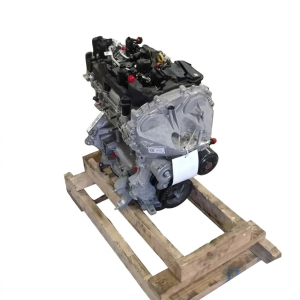
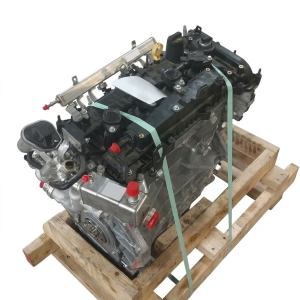
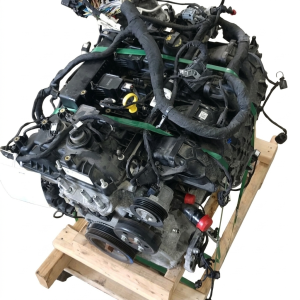
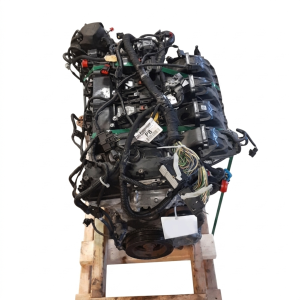
New Aftermarket Parts Available

The information in this article is provided for general reference and educational purposes only. Vehicle specifications, procedures, and part compatibility can vary by production date, trim level, and region. Always consult your vehicle's factory service manual and verify part numbers before purchasing or performing repairs. Safety-critical components such as airbags, seat belts, and braking systems should be installed by a qualified professional.
- Ford ESCAPE:
- 🎬 Helpful Videos
- 🛍️ Shop This Part
- What's Unique About the 2015-2022 Ford ESCAPE
- Diagnostic Flowchart
- Symptoms You May Notice
- Most Likely Causes
- Rare But Worth Checking
- Diagnosis Steps
- Parts You'll Likely Need
- Related Codes That Often Appear With This One
- Technical Service Bulletins (TSBs) & Recalls
- Platform-Specific Known Issues
- Mechanic-Grade Diagnostic Values
- Hidden / Shadow Codes Worth Checking
- Scan Tool Commands That Help
- Wiring & Ground Locations
- Real Owner Repair Stories
- "I Checked Everything" — The Actual Cause
- OEM Part Supersession History
- Model Year Variations Within This Range
- 🎟️ Get 5% Off