

P0299 on 2007-2010 Saturn Sky 2.0L Turbo: Underboost Causes and Fixes
Code P0299 on a Saturn Sky 2.0L Turbo most often means you have a boost leak from a cracked pipe or a failed turbo component. The most common culprits are a cracked vacuum nipple on the wastegate solenoid (per GM TSB #PIP4520), a bad turbo bypass (diverter) valve, or a simple boost leak in the charge piping. Expect to spend $20-$150 on parts for these common fixes.
- Before assuming the turbo has failed, thoroughly check for boost leaks.
- The most likely and cheapest fixes are a cracked wastegate solenoid nipple (TSB #PIP4520) or a torn bypass valve diaphragm.
- A smoke test is the most reliable way to find hard-to-see cracks in the charge piping.
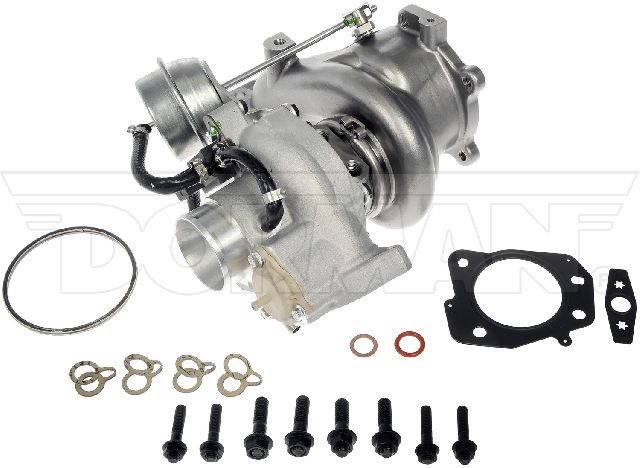
- Do not replace the entire turbocharger until all other less expensive, common failure points have been ruled out.
What's Unique About the 2007-2010 Saturn Sky
The LNF engine used in the Saturn Sky Red Line is a potent and popular GM performance engine, also shared with the Pontiac Solstice GXP, Cobalt SS, and HHR SS. While P0299 is a generic code, this platform has specific, well-documented failure points. A GM Technical Service Bulletin (TSB #PIP4520) points directly to a fragile plastic nipple on the turbo's wastegate control solenoid that is known to crack, causing a loss of boost control. Additionally, failures of the electronic turbo bypass valve are a frequent topic in owner forums, leading to inconsistent boost and power delivery. Finally, misadjustment of the wastegate actuator arm is common enough that GM issued a separate TSB (#09-06-93-004) on how to properly adjust it. The LNF's engine management is a torque-based system, meaning the ECU targets a specific torque output and adjusts boost to meet it, which can sometimes mask the effects of minor issues until they become severe.
Symptoms You May Notice
- Significant loss of engine power and sluggish acceleration.
- Check Engine Light (MIL) is illuminated.
- Vehicle may enter 'limp mode,' limiting RPM, speed, and boost to ~5psi.
- Audible hissing or whistling sound from the engine bay during acceleration, indicating a boost leak.
- Inconsistent power delivery; sometimes boosts normally, other times has no power, may require an ignition cycle to restore boost temporarily.
- Replacing the entire turbocharger assembly when only the inexpensive wastegate actuator solenoid has failed. TSB #PIP4520 specifically warns against replacing the whole turbo for the broken nipple issue.
Most Likely Causes
- Cracked Wastegate Actuator Solenoid Nipple 🔴 High Probability A widely known issue documented in GM TSB #PIP4520. The small plastic vacuum nipple on the solenoid valve, located on the turbo's compressor housing, is extremely fragile and often breaks, causing a complete loss of signal to the wastegate actuator.
How to confirm: Visually inspect the vacuum nipple on the wastegate actuator solenoid, which is on the underside of the turbo's compressor housing. It may be necessary to remove the charge air duct for a clear view. The broken nipple and disconnected hose will be obvious.
Typical fix: Replace the turbocharger wastegate actuator solenoid valve. The TSB confirms this part is available separately from the turbocharger assembly and warns against replacing the entire turbo for this fault.
Est. part cost: $20-$50 - Boost/Vacuum Leak 🔴 High Probability The system uses a combination of plastic and rubber components that can crack, split, or become loose over time due to heat and pressure cycles. The factory charge pipes are known to be restrictive due to their 'crush-bent' design and are a common source of leaks at the couplers.
How to confirm: Perform a visual inspection of all charge pipes from the turbo to the intercooler and to the throttle body. Check for loose clamps or obvious cracks. For smaller leaks, a smoke test or pressure test of the intake system is the most effective method. Listen for an audible 'whoosh' or whistling sound when trying to build boost.
Typical fix: Tighten loose clamps or replace the cracked/split hose or intercooler. Many owners choose to upgrade to more durable, better-flowing aftermarket charge pipes.
Est. part cost: $20-$300 - Failed Turbocharger Bypass Valve (Diverter Valve) 🟡 Medium Probability The factory valve uses a rubber diaphragm that is notorious for tearing, causing boost pressure to leak back into the intake instead of being sent to the engine. The electronic solenoid that controls it can also fail or stick.
How to confirm: Remove the valve from the turbocharger (held by three bolts) and inspect the diaphragm for tears or damage. Also inspect the electrical connector for the presence of engine oil, which indicates a failed internal seal.
Typical fix: Replace the bypass valve assembly. Many owners upgrade to more durable aftermarket piston-style valves (like the GFB DV+) that eliminate the failure-prone diaphragm.
Est. part cost: $60-$150 - Sticking or Misadjusted Wastegate Actuator Arm 🟡 Medium Probability The adjustment nuts on the actuator rod can loosen over time, or the pivot point can wear, causing the wastegate flapper to not close completely, allowing exhaust to bypass the turbine. This is common enough that GM issued TSB #09-06-93-004 for it. In some cases, the pivot arm hole can wear out and become enlarged ('wallered out').
How to confirm: With the engine off and cool, attempt to move the wastegate actuator arm by hand to check for smooth travel and ensure it isn't binding. Check the adjustment nuts on the actuator rod. A common procedure is to set the preload by tightening the nut 2.5-3 full turns after taking up the slack.
Typical fix: Adjust the actuator rod length per TSB #09-06-93-004, making small, one-turn adjustments at a time. If the linkage is excessively worn, the turbocharger may need repair or replacement.
Est. part cost: $0-$1000 - Faulty MAP (Boost Pressure) Sensors ⚪ Low Probability The LNF engine uses two TMAP sensors (Temperature and Manifold Absolute Pressure). Failure or dirt/oil contamination of either can send incorrect data to the PCM, causing it to miscalculate boost levels and trigger the code. These are 3-bar sensors.
How to confirm: Use a diagnostic scan tool to monitor the readings from both MAP sensors. Compare the readings to each other and to atmospheric pressure with the engine off. Check sensor wiring for damage. With the key on, engine off, the sensor should receive a 5V reference from the ECM.
Typical fix: Clean or replace the faulty MAP sensor.
Est. part cost: $30-$70
Rare But Worth Checking
- Charge Air Cooler (CAC) Icing: In cold weather, moisture can freeze inside the intercooler, restricting airflow and causing an underboost condition. This is a known issue on some GM turbo platforms.
- Clogged Catalytic Converter: A clogged catalytic converter creates excessive exhaust backpressure, which prevents the turbo from spooling up effectively. This is more likely on higher-mileage vehicles.
- Worn/Failed Turbocharger: While often blamed first, a complete mechanical failure is less common than the supporting components. Check for excessive shaft play (in-and-out or side-to-side movement of the turbine wheels) or signs of oil leaking from the seals. A binding internal wastegate flapper can also be the cause.
Diagnosis Steps
- Read all stored fault codes with an OBD-II scanner. Note any other codes that are present, like P0101 or P0234.
- Perform a thorough visual inspection of the engine bay. Look for disconnected vacuum lines, loose electrical connectors, and obvious cracks in the plastic intake piping.
- Specifically inspect the vacuum nipple on the wastegate actuator solenoid on the turbo compressor housing for cracks or breaks, as per TSB #PIP4520.
- Perform a boost leak test using a smoke machine or a DIY pressure tester to check the integrity of all charge pipes, couplers, and the intercooler.
- Inspect the turbocharger bypass (diverter) valve. Remove it (3 bolts) and check its diaphragm for tears. Check the electrical connector for oil.
- Check the wastegate actuator arm for free movement. Ensure it is not binding or stuck. Check the adjustment nuts on the rod for tightness.
- Using a scan tool, monitor 'Desired Boost' vs. 'Actual Boost' pressure while driving to confirm the underboost condition in real-time.
- If all else fails, inspect the turbocharger for mechanical failure like excessive shaft play or a seized internal wastegate flapper.
Parts You'll Likely Need
- Turbocharger Wastegate Actuator Solenoid
(OEM #55557806 (Cross-references Pierburg 7.01024.02.0))— The vacuum nipple on this solenoid is a known weak point on the LNF engine and is cited in TSB #PIP4520 as a primary cause for P0299. The original part number from pass 1 was incorrect.
Trusted brands: Pierburg (OEM supplier), ACDelco, Dorman
OEM price range: $30-$50
Aftermarket price range: $20-$40 - Turbocharger Bypass Valve (Diverter Valve)
(OEM #Part of Turbo Assembly 12618667)— The diaphragm in the factory valve is prone to tearing, causing a significant boost leak. It's a very common failure item discussed by owners. The part number from pass 1 was incorrect; the valve is serviced with the turbo but can be replaced with aftermarket units.
Trusted brands: ACDelco (as part of turbo), Bosch, GFB (Go Fast Bits) DV+
Related Codes That Often Appear With This One
- P0101 — Mass Air Flow (MAF) Sensor Performance. This code can appear with P0299 because a large boost leak allows unmetered air to enter the system, causing a discrepancy between what the MAF sensor reads and what the engine expects. TSB #PIP4520 also lists this as a possible companion code.
- P0234 — Turbocharger Overboost Condition. This can sometimes appear intermittently with P0299 if the wastegate or bypass valve is sticking, or if the wastegate actuator is misadjusted, causing erratic boost control. TSB #09-06-93-004 covers both codes.
Technical Service Bulletins (TSBs) & Recalls
- TSB #PIP4520: Low Boost/Power and/or DTC P0299 or P0101: This is the key TSB for this issue. It identifies a cracked or broken plastic nipple on the turbocharger wastegate actuator solenoid valve as a primary cause. It explicitly states this solenoid is available as a separate sub-assembly and warns technicians *not* to replace the entire turbocharger for this specific failure.
- TSB #09-06-93-004: Intermittent MIL/Check Engine Light On, DTC P0299 or P0234 Set: This bulletin addresses underboost (P0299) or overboost (P0234) caused by a misadjusted wastegate actuator. It advises that adjustment is a very fine process, requiring small, one-turn-at-a-time adjustments to lengthen (reduce boost) or shorten (increase boost) the actuator rod to achieve the correct setting.
- TSB #23-NA-002 / PIP5495L: Charge Air Cooler (CAC) Icing: While for a different GM engine, this TSB series establishes a known precedent for P0299 being caused by ambient and PCV moisture freezing inside the Charge Air Cooler (CAC) during cold weather. This restricts airflow and causes an underboost condition. The fix involves draining the CAC and sometimes a PCM calibration update.
Platform-Specific Known Issues
- Restrictive Factory Charge Pipes: The stock charge pipes on the LNF engine are known for their 'crush-bent' manufacturing, which creates restrictions at high RPM. While not a direct cause of P0299 unless they crack, they are a known performance bottleneck. Many owners upgrade to smoother, mandrel-bent pipes, which can also eliminate potential leak points from the factory connections.
- Charge Air Cooler (CAC) Icing: In cold climates, moisture from the PCV system and the atmosphere can accumulate and freeze within the intercooler, creating a blockage. This physical restriction to airflow can trigger a P0299 code. The fix involves draining the moisture from the intercooler.
Mechanic-Grade Diagnostic Values
- MAP Sensor Voltage (Key On, Engine Off) — expected: ~5V at the reference wire, ~12.6V between battery positive and sensor ground pin.. Failure: No voltage or significantly lower voltage indicates a wiring or ECM issue, not necessarily a bad sensor.
- Wastegate Solenoid Control Wire — expected: This is a pulse-width modulated (PWM) ground signal from the ECM. Testing requires an oscilloscope or a scan tool that can command duty cycle.. Failure: No signal or a constant ground/open circuit when commanded indicates a wiring or ECM driver fault.
Scan Tool Commands That Help
- Tech2 / GDS2: Turbocharger Wastegate Solenoid Control — This bidirectional command allows a technician to manually cycle the wastegate solenoid to verify its mechanical and electrical operation without running the engine. It can help isolate a sticking solenoid from a wiring problem.
- Tech2 / GDS2: Turbocharger Bypass Valve Control — Allows for commanding the electronic diverter valve open and closed to check for response. This can help diagnose a sticking valve or a faulty solenoid controlling it.
Wiring & Ground Locations
- ECM Connector X1, Pin 18 — On the Engine Control Module (ECM), located at the left rear corner of the engine compartment.. This is the specific pin for the 'Wastegate Solenoid Control' signal. A voltage or continuity test at this pin can confirm if the ECM is sending the signal and if the wire to the solenoid is intact.
- ECM Connector X1, Pin 16 — On the Engine Control Module (ECM), located at the left rear corner of the engine compartment.. This is the pin for the 'Turbocharger Bypass Valve Control'. Testing here can verify the signal being sent to the diverter valve.
- ECM Connector X1, Pin 37 — On the Engine Control Module (ECM), located at the left rear corner of the engine compartment.. This is the 'MAP Sensor Signal' pin. Incorrect voltage here points to a sensor, wiring, or ground issue.
- G103 / G104 — G103 is on the cowl above the brake booster. G104 is on the right rear corner of the engine.. These are primary engine harness grounds. A poor connection at these points can cause erratic behavior from sensors and solenoids, including the MAP sensors and wastegate solenoid, leading to incorrect readings and P0299.
Real Owner Repair Stories
- YouTube - 'GM P0299 Underboost Turbo Wastegate arm' (GM 1.5L Turbo (similar wastegate design principle)) — P0299 Underboost code.
❌ Tried (didn't work) Initial inspection showed all components were intact and connected.
✅ What actually fixed it The hole on the turbo housing where the wastegate actuator arm pivots had become worn out and enlarged ('wallered out'). This created excessive play, preventing the wastegate flapper from closing properly and sealing, causing a constant exhaust leak that prevented boost from building. The fix was to replace the turbocharger assembly.
OEM Part Supersession History
55352099→55557806— Likely an updated design for durability or material change, though not explicitly stated. This is a common supersession for the Pierburg wastegate solenoid valve used across many GM/Opel platforms.
Model Year Variations Within This Range
- 2007-2010: The LNF engine was introduced to the Saturn Sky and Pontiac Solstice for the 2007 model year. While the core engine remained the same through 2010, later models (2009-2010) in the sister-platform Cobalt SS received minor updates like improved fuel injector seals, which are not directly related to the P0299 code but indicate ongoing revisions to the platform.
Diagnostic Flowchart
Real Owner Stories
Aggregated from forums and TSBs cited above. Mileages and costs reflect what owners reported in those sources.
2007-2010 Saturn Sky LNF 2.0L Turbo
Symptoms: Low boost, significant loss of engine power, and an illuminated Check Engine Light with codes P0299 and/or P0101.
What fixed it: Replaced the turbocharger wastegate actuator solenoid valve due to a cracked plastic vacuum nipple. The TSB explicitly warns against replacing the entire turbocharger for this specific failure.
Cost: $20-$50
Source hint: TSB #PIP4520
2007-2010 Saturn Sky LNF 2.0L Turbo
Symptoms: Intermittent Check Engine Light coming on with an underboost condition.
What fixed it: Adjusted the wastegate actuator rod length one turn at a time to correct the misadjustment and ensure the wastegate flapper closes completely.
Source hint: TSB #09-06-93-004
2007-2010 Saturn Sky LNF 2.0L Turbo
Symptoms: Underboost condition and power loss during cold weather driving.
What fixed it: Drained accumulated moisture and ice from the Charge Air Cooler (intercooler) that was physically restricting airflow.
Source hint: TSB #23-NA-002 / PIP5495L
Related OBD-II Codes
Frequently Asked Questions
Does TSB #PIP4520 apply to my 2007-2010 Saturn Sky LNF?
Why does my Sky's boost drop to 5psi and stay there when the Check Engine Light comes on?
Can the factory charge pipes cause a P0299 code on the 2.0L Turbo?
What is the GFB DV+ and why is it recommended for this engine?
How do I fix a misadjusted wastegate actuator arm according to GM's TSB?
Can driving my Saturn Sky in cold weather cause a P0299 code?
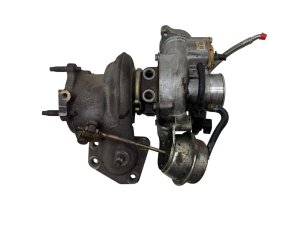
Used OEM Parts in Stock

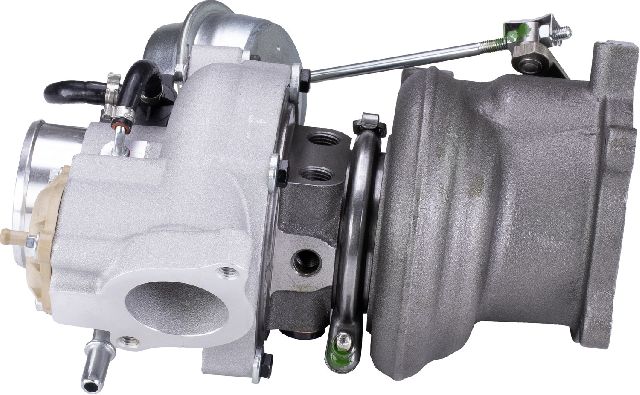
New Aftermarket Parts Available

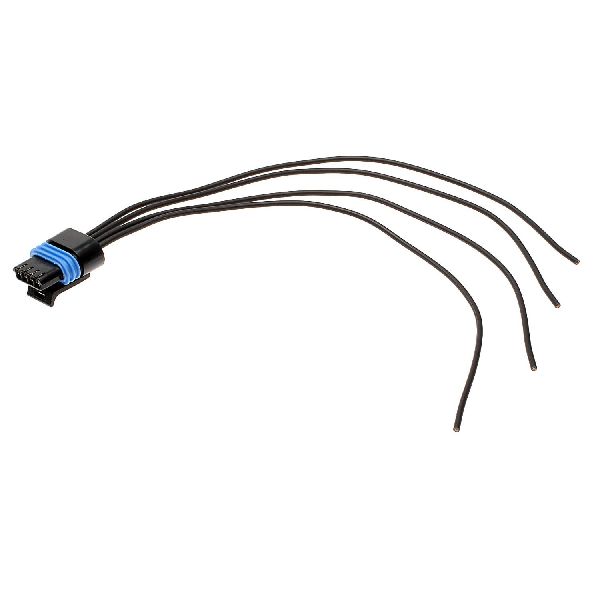

The information in this article is provided for general reference and educational purposes only. Vehicle specifications, procedures, and part compatibility can vary by production date, trim level, and region. Always consult your vehicle's factory service manual and verify part numbers before purchasing or performing repairs. Safety-critical components such as airbags, seat belts, and braking systems should be installed by a qualified professional.
- Saturn Sky:
- 🛍️ Shop This Part
- What's Unique About the 2007-2010 Saturn Sky
- Symptoms You May Notice
- Most Likely Causes
- Rare But Worth Checking
- Diagnosis Steps
- Parts You'll Likely Need
- Related Codes That Often Appear With This One
- Technical Service Bulletins (TSBs) & Recalls
- Platform-Specific Known Issues
- Mechanic-Grade Diagnostic Values
- Scan Tool Commands That Help
- Wiring & Ground Locations
- Real Owner Repair Stories
- OEM Part Supersession History
- Model Year Variations Within This Range
- Diagnostic Flowchart
- Real Owner Stories
- 2007-2010 Saturn Sky LNF 2.0L Turbo
- 2007-2010 Saturn Sky LNF 2.0L Turbo
- 2007-2010 Saturn Sky LNF 2.0L Turbo
- Related OBD-II Codes
- Frequently Asked Questions
- 🎟️ Get 5% Off