

P0299 on 2013-2022 Chevrolet Trax 1.4L: Turbo Underboost Causes and Fixes
On a 2013-2022 Trax, P0299 is most often caused by a failed PCV check valve inside the intake manifold, not a bad turbo. This creates an internal boost leak and requires replacing the entire intake manifold. Other common causes include a faulty turbo bypass valve or boost leaks in charge hoses. Expect to pay $200-$400 for the part and 2-3 hours of labor for an intake replacement.
- P0299 on the 1.4L Trax is most likely a PCV system failure, not a bad turbo.
- The most common failure is a check valve inside the intake manifold, which requires replacing the entire manifold.
- Always diagnose for boost leaks and test PCV components before considering a costly turbocharger replacement.
- In cold climates, a sticking wastegate solenoid can be the cause, as noted in a GM service bulletin.
- This code is often seen with P0171 (System Lean) and P1101, which strongly indicates a vacuum or boost leak.
What's Unique About the 2013-2022 Chevrolet Trax

The 1.4L Turbo (LUV) engine used in the Trax, as well as the Chevy Sonic, Cruze, and Buick Encore, is notorious for setting the P0299 code due to specific weaknesses in its Positive Crankcase Ventilation (PCV) system. A key failure point is a small, non-serviceable orange check valve inside the plastic intake manifold that degrades, breaks, or gets sucked into the engine, creating a major internal boost leak. This often leads to a misdiagnosis of a failed turbocharger, a fact GM has acknowledged in a Technical Service Bulletin (TSB #PIP5495N) that warns technicians to check these more common, cheaper-to-fix issues first. When this internal check valve fails, boost pressure from the manifold is rerouted back to the turbo inlet instead of going into the cylinders, creating a loop of lost pressure that a standard smoke test might not detect.
🎬 Watch: Diagnosing the P0299 underboost code on the 1.4L engine.Symptoms You May Notice
- Significant loss of engine power and sluggish acceleration, especially uphill.
- Check Engine Light is on.
- Whining, hissing, or whistling noises from the engine bay.
- Reduced fuel economy.
- In some cases, the vehicle may enter 'limp mode', limiting RPM and speed.
- Rough or unstable idle.
- Chirping sound from the serpentine belt area at idle (indicates a failed rear main seal due to crankcase pressure).
- Replacing the turbocharger assembly without first diagnosing the PCV system, checking for boost leaks, or testing the wastegate control components. GM TSB PIP5495N was issued specifically to address this common and costly mistake, noting many returned turbos have no trouble found.
Most Likely Causes


- Failed PCV Check Valve in Intake Manifold 🔴 High Probability The 1.4L LUV engine has a non-serviceable check valve integrated into the plastic intake manifold. This valve is known to become brittle, break, or get sucked into the engine, creating a large internal boost leak where pressurized air is sent back to the turbo inlet.
How to confirm: Remove the PCV hose from the port on the driver's side of the intake manifold. Using a light and a pick, carefully check if the orange check valve is present and intact. If it's missing, damaged, or you can see straight through, the manifold has failed. Another symptom is a strong vacuum at the oil fill cap when the engine is running.
Typical fix: Replace the entire intake manifold assembly. There is no separate part for the internal check valve from GM. Aftermarket company Dorman makes an 'OE FIX' manifold (part #615-380) with a redesigned, pinned check valve to prevent future failure.
Est. part cost: $150-$400 - Faulty Turbocharger Bypass (Diverter) Valve 🟡 Medium Probability This solenoid valve, located on the turbo, can get gummed up with oil and carbon from the PCV system, causing it to stick open or leak pressure, preventing the turbo from building boost properly.
How to confirm: The valve can be tested with a vacuum pump to see if it holds vacuum. It is located on the turbocharger assembly. Oil leaking from the electrical connector is a definitive sign of internal failure.
Typical fix: Replace the turbocharger bypass valve solenoid. It is held on by three bolts.
Est. part cost: $40-$80 - Boost/Charge Air Leak 🟡 Medium Probability Plastic and rubber components in the charge air system (hoses, intercooler, etc.) can become brittle, oil-saturated, or crack over time, allowing pressurized air to escape. Clamps can also loosen.
How to confirm: Perform a smoke test on the intake and charge air system. This involves filling the system with low-pressure smoke (around 15-20 PSI) and looking for leaks at all connection points, hoses, and the intercooler itself.
Typical fix: Replace the cracked hose, leaking gasket, or damaged component. Upgrading to stronger aftermarket hose clamps is recommended.
Est. part cost: $30-$200 - Faulty or Sticking Wastegate Actuator ⚪ Low Probability The diaphragm in the vacuum-operated actuator can rupture, or the rod can bind, preventing the wastegate from closing completely to build boost. The small retaining clip on the actuator rod is also known to fall off.
How to confirm: Disconnect the vacuum line and apply vacuum with a hand pump. The actuator rod should move smoothly and hold vacuum. Also, check that the wastegate arm on the turbo itself is not seized and that the retaining clip is present.
Typical fix: Replace the wastegate actuator. In some cases, the retaining clip for the actuator rod simply falls off and needs to be replaced.
Est. part cost: $60-$120
Rare But Worth Checking
- Frozen/Sticking Wastegate Regulator Solenoid Valve: GM TSB #PIP5812C notes that in cold weather, oil and moisture can freeze inside this solenoid, causing it to stick and trigger P0299 or P0234. The fix involves removing, cleaning, and drying the valve by blowing low-pressure air (15-20 PSI) through its ports, or replacing it if it's internally damaged by hardened deposits.
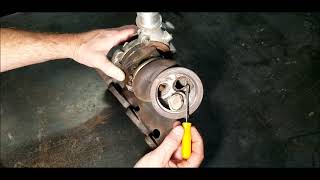
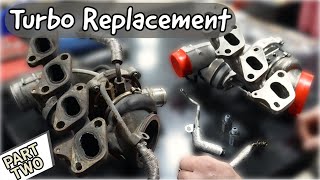
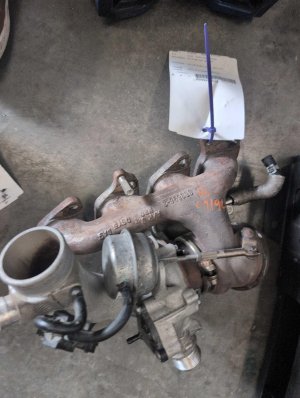
- Failed Turbocharger: While often the first part blamed, actual mechanical turbo failure is less common than other causes. It should only be considered after all PCV, boost leak, and control system issues have been ruled out. TSB PIP5495N specifically warns against this misdiagnosis. 🎬 Watch: Complete walkthrough for installing a new turbocharger assembly. However, for some 2017-2018 models, GM issued a special coverage program (N232395330) to replace failed turbos for free within 10 years/120,000 miles.
- Iced Charge Air Cooler (Intercooler): In very cold climates (below 0°F / -18°C), condensation can freeze inside the intercooler, restricting airflow and causing P0299. The fix is to thaw the vehicle in a warm garage. GM also released a TSB (18-NA-069) with an ECM update to alter transmission shift patterns to reduce the likelihood of ice buildup.
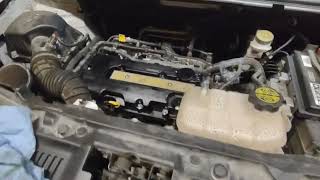
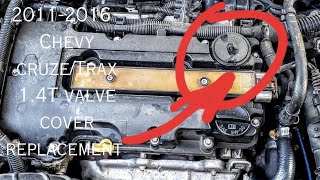
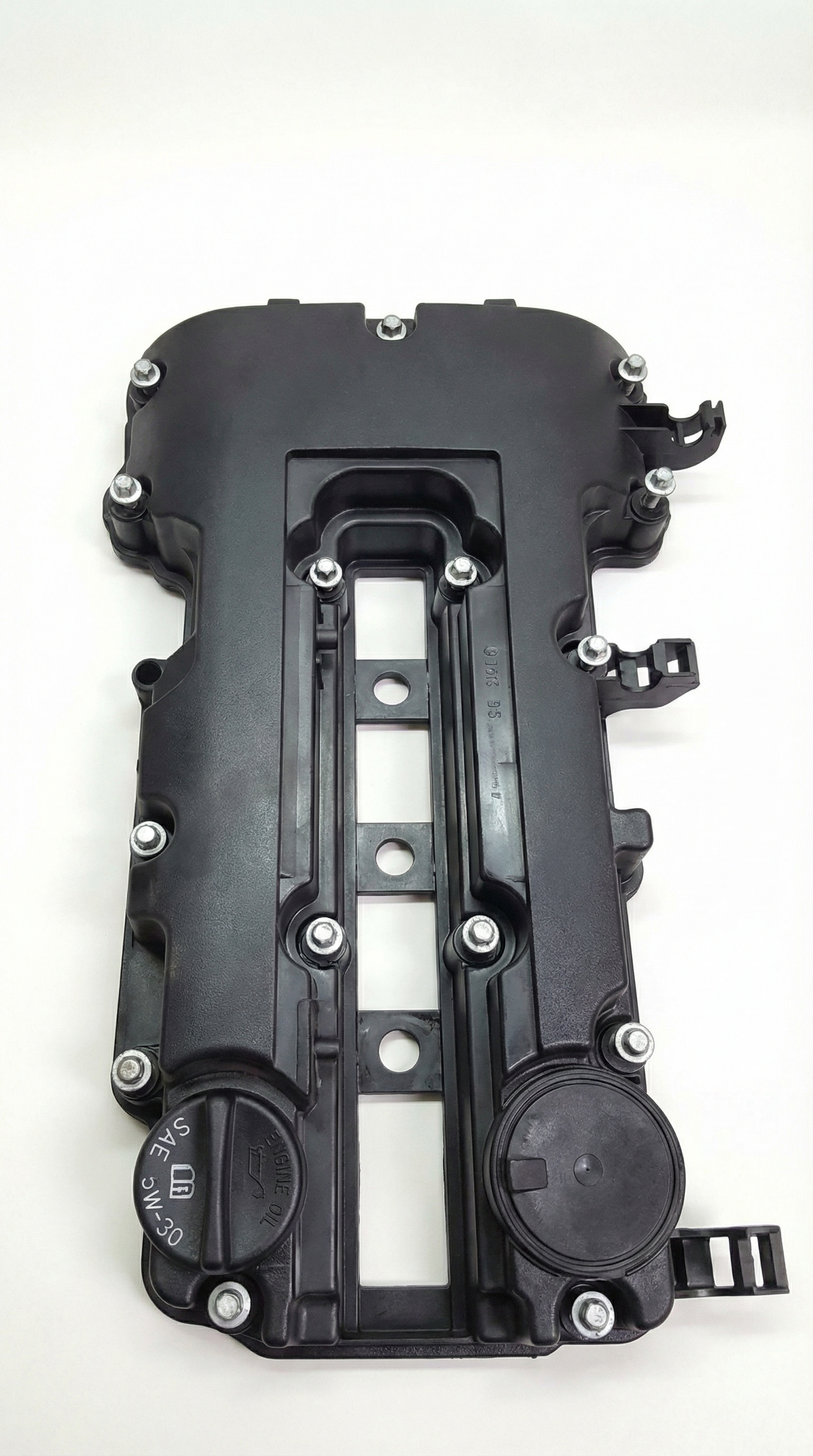
- Ruptured PCV Valve Cover Diaphragm: When the intake manifold check valve fails, the crankcase becomes pressurized under boost. This pressure often ruptures a rubber diaphragm located inside the valve cover, creating a large vacuum leak. This is often found concurrently with the failed intake manifold. 🎬 See this step-by-step guide for replacing the Trax valve cover.
Diagnosis Steps

- Scan the ECM for all stored trouble codes. Note any other codes that appear with P0299, such as P0171, P1101, or P0234, as they strongly suggest a PCV-related leak.
- Perform a critical PCV system check. With the engine running, listen for hissing sounds and try to remove the oil fill cap. If there is strong suction holding it down, the PCV system (likely the valve cover diaphragm or intake manifold check valve) has failed.
- Visually inspect the PCV system. Remove the PCV hose from the intake manifold and look inside the port for the orange check valve. If it is missing or damaged, the intake manifold must be replaced.
- If the PCV check valve is intact, perform a smoke test on the entire intake and charge air system to find any hard-to-see leaks in hoses, clamps, or the intercooler.
- Test the turbocharger bypass (diverter) valve. Check for oil in the electrical connector, which indicates failure. Ensure it is not stuck and holds vacuum.
- Test the wastegate actuator using a hand-held vacuum pump. Verify the rod moves smoothly and holds vacuum. Manually check that the wastegate arm on the turbo itself is not seized and that the retaining clip is present.
- If in a cold climate, consider TSB PIP5812C and inspect the wastegate regulator solenoid for sticking due to frozen moisture.
- Check for Special Coverage Program N232395330 if you have a 2017-2018 model, as a failed turbo may be replaced for free by a dealer.
- Only after confirming all other systems are functioning correctly should the turbocharger itself be considered the failure point.
Parts You'll Likely Need
- Intake Manifold
(OEM #25200449)— This is the most common fix because the integrated PCV check valve fails, and it is not a separately serviceable part from GM.
Trusted brands: ACDelco, Dorman (OE FIX Part #615-380)
OEM price range: $250-$400
Aftermarket price range: $150-$250 - Turbocharger Bypass Valve (Diverter Valve)
(OEM #55589969)— This valve is a common failure point that leaks boost pressure. It's a relatively inexpensive and easy part to replace as a primary diagnostic step.
Trusted brands: ACDelco, Bosch
OEM price range: $60-$90
Aftermarket price range: $30-$60 - Turbocharger Wastegate Actuator — The diaphragm can fail or the rod can bind, causing the wastegate to remain partially open and leak boost.
Trusted brands: Dorman
OEM price range: N/A
Aftermarket price range: $60-$120 - Valve Cover / Cam Cover
(OEM #25198874)— Often fails secondary to the intake manifold. High crankcase pressure ruptures the internal PCV diaphragm, causing a large vacuum leak. Often replaced at the same time as the intake manifold.
Trusted brands: ACDelco, Dorman
OEM price range: $100-$180
Aftermarket price range: $50-$100
Related Codes That Often Appear With This One
- P0171 — System Too Lean. A significant boost or vacuum leak from a failed PCV system (intake manifold or valve cover) allows unmetered air into the engine, causing a lean condition.
- P1101 — Intake Air Flow System Performance. This code often accompanies P0299 and P0171, strongly pointing towards a large vacuum/boost leak that the system cannot compensate for, which is a classic symptom of the PCV system failure on this engine.
- P0234 — Turbocharger Overboost. This can appear with P0299 if the wastegate or its control solenoid is sticking or operating erratically, causing both overboost and underboost at different times, especially in cold weather.
- P0420 — Catalyst System Efficiency Below Threshold. A failing turbo can leak oil into the exhaust, contaminating and damaging the catalytic converter.
Technical Service Bulletins (TSBs) & Recalls

- TSB #PIP5495N: Warns technicians not to replace the turbocharger for P0299 without first ruling out simpler causes like PCV faults, boost leaks, or charge air cooler icing. It notes many turbos are returned with 'no trouble found'.
- TSB #PIP5812C: Notes that in cold weather, oil and moisture can freeze inside the Turbocharger Wastegate Regulator Solenoid Valve, causing it to stick and trigger P0299 or P0234. Details a procedure for cleaning and testing the valve.
- TSB #22-NA-002: Recommends an ECM calibration update for some models to change transmission shift patterns in cold weather to reduce the chance of ice accumulating in the charge air cooler (intercooler).
- Special Coverage N232395330: For 2017-2018 Trax, Sonic, and Encore models, this program extends the warranty for turbocharger failure to 10 years or 120,000 miles.
Platform-Specific Known Issues
- The PCV system design on the 1.4L LUV engine has a cascading failure mode. The intake manifold check valve fails first, causing crankcase over-pressurization, which then ruptures the diaphragm in the valve cover, creating a massive vacuum leak and multiple codes (P0299, P0171, P1101).
- A Special Coverage program (N232395330) was issued for 2017-2018 Trax models for turbocharger failure. Owners may be eligible for a free replacement at a dealership if diagnosed with a bad turbo within 10 years or 120,000 miles.
- The Dorman OE FIX intake manifold (615-380) is a popular aftermarket solution because it includes a redesigned check valve with a metal pin to prevent it from dislodging, addressing the root cause of the OEM part's failure.
Mechanic-Grade Diagnostic Values
- Turbocharger Wastegate Regulator Solenoid Valve Coil Resistance — expected: 8-12 Ohms. Failure: A reading of infinity (OL) indicates an open circuit, while a reading near zero indicates a short. Readings significantly outside the expected range indicate a failed coil.
- MAP Sensor Voltage (Key On, Engine Off) — expected: ~4.5 V at sea level (value decreases with higher altitude). Failure: Voltage significantly different from the expected reading for your altitude points to a sensor or wiring issue.
- MAP Sensor Voltage (Engine at Idle) — expected: ~1.0 - 1.5 V. Failure: Voltage that does not drop from the KOEO reading, or is significantly higher than 1.5V, suggests a major vacuum leak.
- Wastegate Actuator Vacuum Test — expected: Actuator arm should begin to move at 5-10 inHg and reach full travel by 15-20 inHg. Must hold vacuum without leaking down.. Failure: Actuator does not move or does not hold vacuum, indicating a ruptured diaphragm.
- Wastegate Regulator Solenoid Valve (TCV) Air Test (per TSB PIP5812C) — expected: When applying 15-20 PSI of air to port #2, the spring should lift off its seat, and a small amount of air should be observed at port #3.. Failure: If compressed air dead-heads at port #2, the plunger has hardened deposits, and the valve should be replaced.
Scan Tool Commands That Help
- GDS2 (GM Global Diagnostic System 2): Turbocharger Boost Control Test — This functional test should be performed before condemning the turbocharger for a P0299 code. It allows the technician to command the boost control system and observe its response, helping to isolate a faulty component from a healthy one, as recommended by GM.
- GDS2 (GM Global Diagnostic System 2): Clear All DTCs — This function is required after performing repairs, such as the cleaning procedure for a frozen wastegate regulator solenoid outlined in TSB PIP5812C, to reset the system and evaluate if the fix was successful.
Wiring & Ground Locations
- G103 / G105 — G103 is often on the cowl/firewall above the brake booster. G105 is typically at the left front of the engine compartment.. These are primary grounds for the Engine Control Module (ECM). A poor or corroded connection can cause erratic signals from the MAP sensor or faulty operation of the wastegate control solenoid, leading to false P0299 codes.
- MAP Sensor Connector — On the intake manifold, near the throttle body.. This 3-pin connector provides the MAP sensor with its 5V reference, ground, and returns the signal to the ECM. Damage or corrosion here can cause incorrect boost pressure readings.
Real Owner Repair Stories
- Reddit user, r/ChevyTrax (2017 Chevrolet Trax) — Coolant leak, known history of P0299 code.
❌ Tried (didn't work) Taking the vehicle to the dealership for repair under Special Coverage N232395330.
✅ What actually fixed it This is a procedural failure story. The dealer refused to replace a physically cracked and removed turbocharger under the special coverage because the P0299 code was not *actively* present at the time of service, despite the owner having a history of the code. This highlights a critical trap in the warranty process. - YouTube, 'chevy cruze P0299 repair' (Chevrolet Cruze 1.4L Turbo) — No power, P0299, MAF performance codes, lean codes.
❌ Tried (didn't work) The owner was about to replace the MAF sensor and O2 sensors based on the codes.
✅ What actually fixed it A correct diagnosis determined the turbocharger itself had failed. Replacing the entire turbo assembly resolved all the codes and the lack of power. This prevented the owner from wasting money on unrelated parts. - YouTube, 'GM P0299 Underboost Turbo Wastegate arm' (GM 1.5L Turbo (similar wastegate design)) — P0299 Underboost code.
❌ Tried (didn't work) A visual inspection might just confirm the actuator clip is present.
✅ What actually fixed it The hole on the wastegate lever arm itself, where the actuator rod connects, was worn out ('wallered out'). This created excessive play, preventing the wastegate from closing properly to build boost. The fix required addressing this specific mechanical wear, not just replacing the actuator. - NHTSA ODI #11507706 — An owner reported that while driving at 65 mph, the engine light came on and the car began to lose speed and would not accelerate, with a scan revealing the P0299 Turbo Supercharger Underboost Condition at only 51,000 miles.
- NHTSA ODI #11719108 — A report describes how the turbocharger would not provide boost when trying to increase speed, limiting the vehicle to 40-45 mph after triggering the P0299 code.
- NHTSA ODI #11434618 — One owner documented a P0299 code indicating a compromised boost power problem alongside other component failures like the purge valve and coolant flange.
"I Checked Everything" — The Actual Cause
- The most common 'smoke test clean' scenario for P0299 on this engine is a failed internal PCV check valve in the intake manifold. A smoke test pressurizes the intake system from the outside and will not reveal this internal leak, where boost pressure is incorrectly routed from the manifold back to the turbocharger inlet.
OEM Part Supersession History
55581014 (and others)→25200449, which was later superseded by 28289977— GM regularly updates service parts to integrate new materials or design changes. For the intake manifold, this was likely related to addressing the failing PCV check valve.
Heads up: While the Dorman 615-380 aftermarket manifold is a popular fix with a redesigned check valve, at least one user reported it caused a PCV line solenoid to stick over time and recommended the genuine GM part instead.
Model Year Variations Within This Range
- 2021-2022: These later models use the updated 1.4L LE2 engine (155 hp) instead of the 1.4L LUV engine (138 hp) found in 2013-2020 models. While many P0299 causes are similar, they are mechanically distinct engines.
- 2017-2018: These specific model years are covered by GM Special Coverage N232395330, which extends the warranty for a failed turbocharger to 10 years or 120,000 miles.
Diagnostic Flowchart
Real Owner Stories
Aggregated from forums and TSBs cited above. Mileages and costs reflect what owners reported in those sources.
Chevrolet Sonic 1.4L Turbo
Symptoms: Experienced a P0299 underboost issue.
What fixed it: Troubleshot the issue by checking hoses, then ordered an aftermarket wastegate solenoid and a PCV upgrade kit from Cruzekits.com to resolve the code.
Source hint: Reddit r/ChevySonic thread 'P0299 issue'
Chevrolet Cruze 1.4L Turbo
Symptoms: Underboost issue and P0299 code accompanied by a cascading PCV failure, starting at the intake check valve and blowing out the valve cover diaphragm and rear main seal.
What fixed it: Diagnosed and addressed the entire PCV failure chain on the 1.4L engine, which stems from the intake check valve failing and rupturing the valve cover diaphragm.
Source hint: Reddit r/cruze thread 'Can a bad PCV cause an under boost issue/P0299?'
Related OBD-II Codes
Frequently Asked Questions
Is the turbocharger covered under an extended warranty for my Chevy Trax?
Why does my Trax have a chirping sound from the engine along with the P0299 code?
Should I replace the turbocharger right away if my Trax throws a P0299 code?
What is the Dorman OE FIX intake manifold and why is it recommended for this code?
Can cold weather cause a P0299 code on the 1.4L LUV engine?
How can I quickly check if my intake manifold PCV check valve has failed?
Helpful Videos
Used OEM Parts in Stock
New Aftermarket Parts Available

The information in this article is provided for general reference and educational purposes only. Vehicle specifications, procedures, and part compatibility can vary by production date, trim level, and region. Always consult your vehicle's factory service manual and verify part numbers before purchasing or performing repairs. Safety-critical components such as airbags, seat belts, and braking systems should be installed by a qualified professional.
- Chevrolet Trax:
- 🎬 Helpful Videos
- 🛍️ Shop This Part
- What's Unique About the 2013-2022 Chevrolet Trax
- Symptoms You May Notice
- Most Likely Causes
- Rare But Worth Checking
- Diagnosis Steps
- Parts You'll Likely Need
- Related Codes That Often Appear With This One
- Technical Service Bulletins (TSBs) & Recalls
- Platform-Specific Known Issues
- Mechanic-Grade Diagnostic Values
- Scan Tool Commands That Help
- Wiring & Ground Locations
- Real Owner Repair Stories
- "I Checked Everything" — The Actual Cause
- OEM Part Supersession History
- Model Year Variations Within This Range
- Diagnostic Flowchart
- Real Owner Stories
- Chevrolet Sonic 1.4L Turbo
- Chevrolet Cruze 1.4L Turbo
- Related OBD-II Codes
- Frequently Asked Questions
- 🎟️ Get 5% Off