

P0244 on 2013-2022 Chevrolet Trax 1.4L: Turbo Wastegate Performance Causes and Fixes
P0244 on a Chevy Trax 1.4L usually means the turbo's wastegate actuator or control solenoid has failed. These parts control boost pressure and are known weak points. Expect to pay $40-$125 for an actuator or $30-$65 for a solenoid for a DIY fix, which is common for this code.
- P0244 on your Trax points to a problem with the turbo's wastegate, which controls boost.
- Do not assume you need a new turbo. The most likely cause is a much cheaper, separate part: the wastegate actuator or the control solenoid.
- The most common fix is replacing the wastegate actuator, a small canister on the turbo that costs around $40-$125.
- Always inspect the small vacuum hoses connected to the turbo system for cracks or leaks before buying any parts.
- This is a common DIY repair with a difficulty of 2 out of 5.
What's Unique About the 2013-2022 Chevrolet Trax
The 1.4L LUV turbo engine, shared with the Chevy Sonic, Cruze, and Buick Encore, is well-known for issues with its boost control components. The factory wastegate actuator is a particularly common failure point, often having a weak internal diaphragm that fails over time, unable to hold vacuum. Unlike many other vehicles where a wastegate issue might require replacing the entire turbo, on the Trax, both the wastegate actuator and the control solenoid are readily available and can be replaced individually, saving significant cost and labor. A GM TechLink bulletin for a related code (P0299) specifically advises against replacing the entire turbocharger for failures of these individual components.
Symptoms You May Notice
- Check Engine Light is on
- Noticeable loss of engine power, especially during acceleration
- Sluggish or hesitant acceleration
- Reduced fuel economy
- Engine may run rough or stall in some cases
- Unusual whistling or siren-like noises from the turbo area under boost.
- Vehicle may enter 'limp mode', severely limiting power and speed.
- Replacing the entire turbocharger. Many shops will quote a full turbo replacement, but the issue is almost always one of the smaller, serviceable components like the actuator or solenoid. GM specifically advises against this for related codes.
- Replacing the MAP sensor. While the MAP sensor is what detects the incorrect boost, it is rarely the cause of a P0244 code unless other MAP-specific codes are present (e.g., P0106, P0236).
Most Likely Causes
- Faulty Turbocharger Wastegate Actuator 🔴 High Probability The original equipment actuator is known to have a weak internal diaphragm that can tear or fail, preventing it from holding vacuum and properly controlling the wastegate arm. This is a very common failure on the 1.4L LUV engine across all platforms (Trax, Sonic, Cruze, Encore).
How to confirm: Disconnect the vacuum line from the actuator and connect a handheld vacuum pump. Apply 15-20 inHg of vacuum. The actuator arm should move smoothly and hold the vacuum steady. If the arm does not move, or if the vacuum level drops, the diaphragm is torn and the actuator must be replaced.
Typical fix: Replace the wastegate actuator. This involves removing a C-clip from the wastegate arm, removing two nuts holding the actuator to its bracket, and unthreading the old actuator from the linkage. The preload on the new actuator rod must be set correctly upon installation, typically requiring adjustment until the hole aligns with the wastegate arm pin with slight tension.
Est. part cost: $40-$125 - Faulty Turbocharger Wastegate Solenoid (Boost Control Solenoid) 🟡 Medium Probability This electronic solenoid, which modulates the vacuum signal to the actuator, can fail electrically or become clogged with debris. It's a common failure point, though slightly less so than the actuator itself.
How to confirm: With the engine off, check the solenoid's resistance with a multimeter (should be within manufacturer specs, typically 20-40 ohms). You can also use a scan tool to command the solenoid on and off while checking for an audible click. With the engine running, verify it is receiving vacuum from the source and passing it to the actuator when commanded.
Typical fix: Replace the boost control solenoid. It is mounted on the turbocharger compressor housing, held by two bolts, and connected by vacuum lines and an electrical connector.
Est. part cost: $30-$65 - Cracked or Leaking Vacuum Lines 🟡 Medium Probability The rubber vacuum hoses connecting the intake manifold, boost control solenoid, and wastegate actuator are exposed to extreme heat and can become brittle, split, or collapse over time. This is a frequent cause for boost control codes.
How to confirm: Visually inspect all vacuum lines in the turbo control circuit for any signs of cracking, splitting, or loose connections. Pay close attention to the elbows and connectors. A smoke test is the most effective way to find small, hard-to-see leaks.
Typical fix: Replace the damaged section of vacuum hose. It is often recommended to replace all the lines in the circuit at once using high-temperature silicone vacuum hose for better durability.
Est. part cost: $5-$20 - Sticking Wastegate Valve/Linkage ⚪ Low Probability Carbon buildup in the exhaust housing of the turbocharger can cause the internal wastegate valve to bind or stick, preventing it from moving freely. While less common than component failure, it can happen on higher mileage engines.
How to confirm: Disconnect the actuator rod from the wastegate arm (remove the C-clip). Attempt to move the arm by hand through its full range of motion. It should move smoothly with minimal resistance. If it is stuck, gritty, or has excessive play, the turbo itself has an internal issue.
Typical fix: In some cases, the valve can be freed up with penetrating oil and manual manipulation. However, if the valve is severely seized or the bushing is worn, the turbocharger must be removed and either cleaned or replaced.
Est. part cost: $0-$800
Rare But Worth Checking
- Wiring Harness Damage: The wiring to the wastegate solenoid can become damaged from heat or chafing against other engine components. It's worth inspecting the harness for any visible damage, especially near the turbo, before replacing parts.
- PCV System Failure: A failed PCV system, common on the 1.4L LUV, can cause incorrect crankcase pressure, leading to oil being forced past turbo seals and potentially affecting sensor readings and turbo operation, sometimes triggering boost-related codes. This is often accompanied by code P0171.
Diagnosis Steps
- Scan for any other DTCs. Address any codes for MAP sensors (P0106), BARO sensors (P2227), or other turbo codes first.
- Visually inspect the engine bay. Look for disconnected, collapsed, or cracked vacuum hoses between the intake, the boost control solenoid, and the wastegate actuator. Check for oil leaks around the valve cover, which can indicate PCV issues.
- Inspect the wiring and connector at the boost control solenoid for any signs of damage, corrosion, or loose pins.
- Test the Wastegate Actuator. Use a handheld vacuum pump on the actuator's nipple. It should begin to move around 3-5 inHg and be fully extended by 15-20 inHg, holding vacuum steady. If it doesn't move or leaks down, it's faulty.
- Test the Wastegate Linkage. Disconnect the actuator rod from the wastegate arm and manually check if the arm moves freely without binding or sticking.
- Test the Boost Control Solenoid. Use a multimeter to check the resistance across its two pins (should be 20-40 ohms). Use a scan tool to command the solenoid to check for function and listen for a click.
- If all components test good, perform a smoke test to check for hidden vacuum or boost leaks in the intake system, intercooler, and all related piping.
Parts You'll Likely Need
- Turbocharger Wastegate Actuator
(OEM #55589100)— This is the most common failure point for boost control issues on the 1.4L LUV engine due to a weak internal diaphragm.
Trusted brands: ACDelco (GM Genuine), Dorman, Vemo
OEM price range: $100-$130
Aftermarket price range: $40-$100 - Turbocharger Wastegate Solenoid (Boost Control Solenoid)
(OEM #55587751)— This solenoid is the electronic control for the actuator and is the second most likely part to fail, either electrically or by becoming clogged.
Trusted brands: ACDelco (GM Genuine), Dorman, Standard Motor Products (SMP)
OEM price range: $50-$70
Aftermarket price range: $30-$55
Related Codes That Often Appear With This One
- P0299 — Stands for 'Turbocharger Underboost'. This code is very common on the Trax and is caused by the same set of failing components (actuator, solenoid, leaks) that trigger P0244. P0299 indicates not enough boost, while P0244 indicates the system isn't performing as commanded. They frequently appear together.
- P0171 — Stands for 'System Too Lean'. A significant vacuum leak in the turbo control system can also be large enough to allow unmetered air into the intake, causing a lean condition. This is also a primary symptom of a failed PCV system on this engine.
Technical Service Bulletins (TSBs) & Recalls
- GM TechLink (April 2017): While written for DTC P0299, this document is highly relevant as it instructs technicians NOT to replace the entire turbocharger for issues with serviceable components like a broken wastegate solenoid port or a faulty actuator, which are the primary causes of P0244.
- GM TSB 19-NA-114: Replaces PIP5197M. Details diagnosis for a torn PCV diaphragm causing DTC P0171 and other air/fuel mixture issues. This is a common related problem on the 1.4L LUV engine and can contribute to overall performance problems.
- GM TSB 16-NA-405: Addresses poor engine performance and various DTCs (including P0299) in extremely cold weather due to icing in the PCV system and charge air cooler. Provides a fix by installing a heated PCV kit.
Platform-Specific Known Issues
- Aftermarket Turbo Fitment Issues: Some owners have reported issues with aftermarket turbochargers, specifically the Dorman 667-203 model, where the PCV hose fitting port was not machined correctly, prev
Mechanic-Grade Diagnostic Values
- Wastegate Actuator Preload Adjustment — expected: Adjust the actuator rod so it slips onto the wastegate arm pin with no tension. Then, shorten the rod by 1.5 full turns (three half-turns) to apply the correct preload. The arm will need to be pulled slightly to get it back on the pin.. Failure: Incorrect preload can act like a boost leak if too loose, or cause an overboost condition if too tight. Not setting preload on a new actuator is a common cause of repeat failure.
- Boost Control Solenoid Resistance — expected: 20-40 ohms is the general specification. Some similar solenoids have a tighter spec of 28-30 ohms at 20°C.. Failure: A reading outside of the specified range indicates a faulty solenoid coil.
Scan Tool Commands That Help
- GDS2 (GM Dealer Scan Tool): Turbocharger Boost Control Test — This function, mentioned in GM service bulletins, allows a technician to command the boost control system to verify the mechanical and electrical integrity of the solenoid and actuator. It is a required step before condemning the turbocharger itself.
- GDS2 (GM Dealer Scan Tool): Live Data Monitoring (Desired vs. Actual Boost) — While driving, a technician can monitor the 'Desired Boost Pressure' PID and compare it to the 'Actual Boost Pressure' (from the MAP sensor). A significant deviation between these values under load confirms the performance issue indicated by P0244 and can help differentiate between a slow-to-respond system versus a major leak.
Real Owner Repair Stories
- Reddit user in r/cruze (2014 Chevrolet Cruze 1.4L Turbo) — P0299 (Turbo Underboost) code present.
❌ Tried (didn't work) Received a quote for a full turbo replacement.
✅ What actually fixed it Replaced only the wastegate actuator with an ACDelco part ($170). The code went away and had not returned after 20,000 miles. Also replaced the turbo oil feed line as a preventative measure.
"I Checked Everything" — The Actual Cause
- In cold climates, moisture can accumulate and freeze inside the charge air cooler (intercooler) or related piping. This creates a physical blockage that restricts airflow, causing underboost codes like P0299 and P0244. A smoke test on a warm engine would not reveal this issue. GM issued a service bulletin (16-NA-405) for the Trax and Encore regarding this specific issue. The fix involves inspecting for and clearing any ice/water from the induction system.
Diagnostic Flowchart
Other Known Issues on This Vehicle
Issues unrelated to this code that are worth knowing about as an owner of this generation:
- PCV System / Valve Cover Failure 🔴 High — Very common, often occurs between 60,000-100,000 miles. A torn diaphragm in the valve cover or a failed check valve in the intake manifold causes vacuum leaks, high oil consumption, and lean codes (P0171). (Ref: TSB 19-NA-114)
- Water Pump and Cooling System Leaks 🔴 High — Water pumps frequently fail between 60,000 and 100,000 miles. Plastic thermostat housings and coolant reservoirs are also prone to cracking and leaking, which can lead to overheating. (Ref: TSB PIP5499A (for reservoir leaks))
- Oil Leaks from Gaskets and Seals 🟠 Medium — Common leaks include the valve cover gasket, oil cooler seals, and front crankshaft seal. These are often exacerbated by PCV system failures that create excess crankcase pressure.
- High Oil Consumption 🟠 Medium — Often related to PCV issues or worn piston rings on higher-mileage or poorly maintained engines. Can also be caused by oil leaking past failing turbocharger seals. (Ref: TSB PIP5197M (superseded))
- Lower Control Arm Weld Failures 🔴 High — Affects specific model years and can result in partial separation of the control arm. (Ref: Recalls N182181210 (2015-2018 models) and N192225700 (2017-2019 models).)
Used vs. New Parts: Buying Guide for This Vehicle
When a used part is the smart pick: For this specific repair, using used parts is generally not recommended. The primary failure items, the wastegate actuator and boost control solenoid, are wear components with high failure rates. A used turbocharger assembly is also risky as its remaining lifespan is unknown and it likely has the same failure-prone actuator.
Donor-vehicle mileage cap: roughly under 40000 miles for the part to have meaningful remaining life.
What to inspect on the donor part:
- If considering a used turbo assembly, look for one from a rear-ended vehicle with documented low mileage.
- Inspect the turbine wheel for any blade damage or scoring.
- Check for excessive shaft play (side-to-side and in-and-out).
- Ensure the wastegate arm moves freely without binding.
OEM-only on this vehicle (don't cheap out):
- Wastegate Actuator: While aftermarket options exist, the ACDelco (GM Genuine) part is often recommended to ensure correct calibration and diaphragm durability.
- Intake Manifold: If replacing due to PCV failure, use an OEM manifold. Some aftermarket versions have been reported to fail quickly.
Aftermarket brands forum-validated for this vehicle:
- CruzeKits.com: Offers a well-regarded PCV fix kit that provides a more robust, serviceable check valve system, preventing the need to replace the entire intake manifold for a common failure point.
Brands owners have reported issues with on this vehicle:
- Dorman Valve Covers: Some owners have reported a significantly shorter service life for Dorman-branded valve covers (which contain the PCV regulator diaphragm) compared to the OEM part.
Real Owner Stories
Aggregated from forums and TSBs cited above. Mileages and costs reflect what owners reported in those sources.
2011-2016 Chevrolet Cruze 1.4L LUV Turbo
Symptoms: Owner experienced boost-related issues and sought a DIY repair for the wastegate actuator.
What fixed it: Replacement of the wastegate actuator, following a step-by-step process to set the correct preload on the new actuator rod.
Source hint: https://www.cruzetalk.com/threads/p0299-and-wastegate-actuator-adventures.193338/
2013-2022 Chevrolet Trax 1.4L LUV Turbo — ~80000 miles
Symptoms: Vacuum leaks and high oil consumption, often occurring between 60,000-100,000 miles.
What fixed it: Replacement of the valve cover due to a torn PCV diaphragm or failed check valve in the intake manifold.
Source hint: Known Issues: PCV System / Valve Cover Failure
Related OBD-II Codes
Frequently Asked Questions
Does GM TechLink (April 2017) recommend replacing the entire turbocharger on my Trax for P0244?
Can a problem with my PCV system cause performance issues alongside P0244 on the 1.4L LUV engine?
Is there a specific fix for poor performance in extremely cold weather for the 2013-2022 Trax?
I'm looking at an aftermarket Dorman 667-203 turbo; are there known issues with this part?
How can I tell if my wastegate actuator is the cause of the P0244 code?
Are the boost control components on my Trax the same as those on the Buick Encore or Chevy Cruze?
We Have This Part in Stock
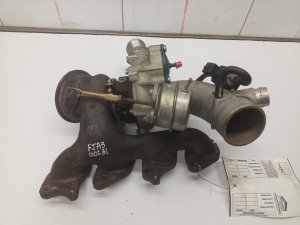
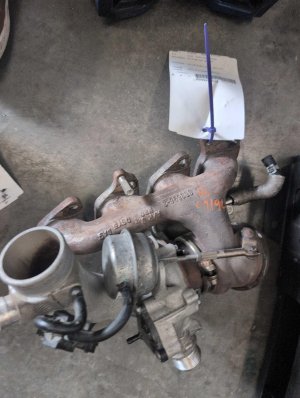

The information in this article is provided for general reference and educational purposes only. Vehicle specifications, procedures, and part compatibility can vary by production date, trim level, and region. Always consult your vehicle's factory service manual and verify part numbers before purchasing or performing repairs. Safety-critical components such as airbags, seat belts, and braking systems should be installed by a qualified professional.
- Chevrolet Trax:
- 🛍️ Shop This Part
- What's Unique About the 2013-2022 Chevrolet Trax
- Symptoms You May Notice
- Most Likely Causes
- Rare But Worth Checking
- Diagnosis Steps
- Parts You'll Likely Need
- Related Codes That Often Appear With This One
- Technical Service Bulletins (TSBs) & Recalls
- Platform-Specific Known Issues
- Mechanic-Grade Diagnostic Values
- Scan Tool Commands That Help
- Real Owner Repair Stories
- "I Checked Everything" — The Actual Cause
- Diagnostic Flowchart
- Other Known Issues on This Vehicle
- Used vs. New Parts: Buying Guide for This Vehicle
- Real Owner Stories
- 2011-2016 Chevrolet Cruze 1.4L LUV Turbo
- 2013-2022 Chevrolet Trax 1.4L LUV Turbo — ~80000 miles
- Related OBD-II Codes
- Frequently Asked Questions
- 🎟️ Get 5% Off