

P0236 on 2013-2016 Ford Escape 1.6L EcoBoost: Wiring, Sensor, and Boost Fault Guide
On a 2013-2016 Escape 1.6L, code P0236 is most often caused by a faulty wiring splice in the engine harness, a known issue addressed by Ford Technical Service Bulletins (TSBs 13-7-5 and 16-0161). Before replacing the boost sensor, inspect the wiring harness for issues, specifically splices S129 (VREF) or S178 (Signal Return). A wiring repair is often the fix, not a new sensor.
- For a 2013-2016 Escape 1.6L, P0236 is very likely a wiring issue, not a bad sensor.
- Always check for Ford TSBs 16-0161 and 13-7-5 before buying any parts.
- The fix often involves a detailed wiring repair (soldering a splice) which can be a difficult DIY job.
- Symptoms include a major loss of power, hesitation, and a rough running engine.
- Do not immediately replace the turbocharger or wastegate solenoid, as these are unlikely to be the root cause for this specific code.
What's Unique About the 2013-2016 Ford Escape

For this specific generation of Ford Escape with the 1.6L EcoBoost engine, the P0236 code is strongly linked to documented wiring harness problems. Ford issued two separate Technical Service Bulletins (TSBs) detailing how faulty factory splices in the VREF (5-volt reference) and signal return circuits can degrade and cause this exact code, leading to poor engine performance. Manufacturer Bulletin #TSB 16-0161 specifically notes that these wiring concerns in the reference voltage circuit can cause the vehicle to run rough, surge, or buck. While a bad sensor is always possible, these known wiring issues are a much more common root cause on this platform than on a typical turbocharged vehicle.
Symptoms You May Notice
- Check Engine Light is on
- Significant loss of engine power and acceleration.
- Engine runs rough, stumbles, or hesitates.
- Engine may surge or buck during acceleration.
- Vehicle may enter a reduced-power "limp mode".
- "Engine Fault Service Now" message may appear on the instrument cluster.
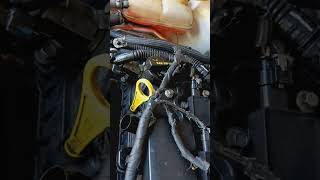
- Replacing the turbocharger wastegate solenoid. While this part can fail, 🎬 See: How to replace the turbo regulating wastegate solenoid it typically triggers other codes like P0245, P0246, or P0299.
- Replacing the turbocharger assembly. This is an expensive repair that is unlikely to fix the P0236 code unless there is a clear mechanical failure of the turbo itself.
- Replacing the wrong sensor. Technicians sometimes mistakenly replace the MAP sensor on the intake manifold instead of the TCBP/CACT sensor ('A' sensor) on the charge piping, which is the sensor that triggers P0236.
Most Likely Causes

- Faulty Wiring Harness Splice 🔴 High Probability This is a well-documented failure specified in Ford TSBs 13-7-5 and 16-0161. The factory splices for the sensor's 5-volt reference (VREF, splice S129) or signal return ground (splice S178) can degrade and fail, causing an erratic signal. Bulletin #TSB 16-0161 confirms these conditions may be caused by a wiring concern in the VREF splice.
How to confirm: Perform a 'wiggle test' on the engine wiring harness near the transmission while monitoring the boost pressure sensor PID on a scan tool. If the voltage fluctuates wildly, the splice is bad. The TSBs direct technicians to remove the air cleaner assembly to gain access to the harness section containing these splices.
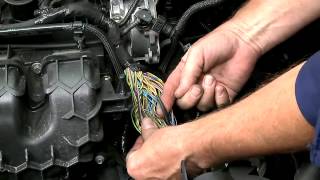
Typical fix: Repairing the specific splice (S129 or S178) by cutting out the old crimp, soldering the wires together, and protecting the repair with dual-wall heat shrink tubing, as detailed in the TSBs. 🎬 Watch: Official Ford wiring harness splice repair procedure
Est. part cost: $5-$15 for solder and heat shrink - Failed Turbocharger Boost Pressure Sensor (TCBP/CACT Sensor) 🟡 Medium Probability The sensor, called the TCBP/CACT (Turbocharger Boost Pressure / Charge Air Cooler Temperature) sensor by Ford, is the 'A' sensor for P0236. It is located on the charge pipe or intercooler outlet, where it is exposed to heat and vibration, and can fail over time.
How to confirm: With the key on and engine off, use a scan tool to compare the boost sensor reading (PID: TIP_PRS_BOOST) to the BARO and MAP sensor readings. They should be nearly identical (within 0.5 PSI). If the boost sensor reading is skewed or doesn't change with engine vacuum, it is likely faulty. Aftermarket sensors are a known cause of repeat failures; using an OEM Motorcraft sensor is recommended.
Typical fix: Replace the boost pressure sensor. On the 1.6L, this sensor is typically on the driver's side on or near the intercooler. Do not confuse it with the MAP sensor on the intake manifold.
Est. part cost: $40-$90 - Corroded Sensor Connector 🟡 Medium Probability Moisture intrusion can cause corrosion on the connector pins for the boost pressure sensor, leading to high resistance and a faulty signal. This is specifically mentioned as a potential cause in TSB 13-7-5.
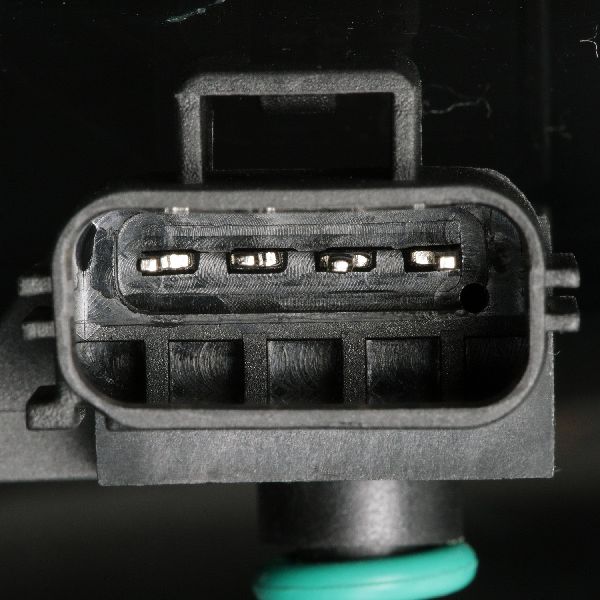
How to confirm: Unplug the boost pressure sensor and visually inspect the connector and sensor pins for any green or white corrosion, moisture, or bent pins.
Typical fix: Clean the connector terminals with an electrical contact cleaner. If corrosion is severe, the connector pigtail may need to be replaced. TSB 13-7-5 advises replacing the pigtail if DTC P06A7 is also present.
Est. part cost: $5-$30 - Vacuum or Boost Leak ⚪ Low Probability
How to confirm: Visually inspect all air intake hoses, charge pipes from the turbo to the throttle body, and the intercooler for cracks, loose clamps, or damage. A smoke test is the most effective way to pressurize the intake system and reveal hard-to-see leaks.
Typical fix: Tighten loose clamps or replace the cracked hose or damaged component.
Est. part cost: $10-$200
Rare But Worth Checking
- Faulty Turbocharger: A mechanically failing turbo (e.g., seized turbine or sticking wastegate) can cause a variety of pressure-related codes. This is usually accompanied by other symptoms like noise, excessive smoke, or other turbo-specific codes like P0299 (underboost).
- Failed Powertrain Control Module (PCM): This is extremely rare. The PCM should only be considered after all other possibilities, including all wiring and sensor issues, have been exhaustively ruled out.
Diagnosis Steps
- Scan for Codes: Check for any other stored DTCs. Codes like P0106 or P06A7 strongly point towards the wiring issues described in Ford's TSBs. NHTSA ODI #11181564 describes a case where P06A7, P0106, and P0236 were all present simultaneously as permanent codes.
- Check for TSBs: Specifically look for TSB 13-7-5 (for 2013 models) and TSB 16-0161 (for 2015-2016 models). These provide the most direct path to a common fix.
- Key-On, Engine-Off (KOEO) Sensor Check: Using a scan tool, view live data. Compare the readings of the Turbo Boost Pressure sensor (TCBP), Manifold Absolute Pressure (MAP) sensor, and the Barometric Pressure (BARO) sensor. At sea level, all should read around 14.7 PSI (101 kPa) and be within 0.5 PSI of each other. If the TCBP reading is the outlier, the sensor or its circuit is the focus of the investigation. 🎬 Watch: Diagnostic walkthrough for P0236 and P1299 codes
- Inspect the Wiring Harness: Following the guidance in the TSBs, remove the air cleaner assembly to access the engine wiring harness. Perform a 'wiggle test' on the harness section near the transmission while monitoring the sensor's voltage on your scan tool. If the reading is unstable, the faulty splice (S129 for VREF or S178 for signal return) is the likely culprit.
- Inspect the Sensor Connector: Disconnect the boost pressure sensor and check for any signs of corrosion, moisture, or damaged pins. Clean as necessary with electrical contact cleaner.
- Check for Boost Leaks: If wiring and connectors appear fine, visually inspect the intake tract from the air filter to the throttle body for any cracked hoses, loose clamps, or damage to the intercooler. A smoke test is the most effective way to find small leaks.
- Test the Sensor: If all else fails, you can test the sensor itself. However, given the high probability of a wiring fault on this vehicle, it is more likely that the issue lies in the circuit rather than the component.
- Repair as Needed: If a faulty splice is found, perform the soldering repair as described in the TSB. If the sensor is confirmed bad, replace it with a genuine OEM part to avoid compatibility issues.
Parts You'll Likely Need

- Turbocharger Boost Pressure Sensor / MAP Sensor
(OEM #CJ5Z-9F479-A (Motorcraft CX-2493))— This is the TCBP/CACT sensor ('Sensor A') that measures boost pressure. It is replaced if confirmed faulty after ruling out wiring issues. Note that Ford uses the base number 9F479 for multiple pressure sensors; the prefix (like CJ5Z) is critical for ordering the correct part.
Trusted brands: Motorcraft, Bosch
OEM price range: $60-$100
Aftermarket price range: $30-$70 - Connector Pigtail — If the sensor connector is damaged by corrosion or heat, it will need to be cut out and replaced with a new pigtail to ensure a solid electrical connection. This is specifically recommended in TSB 13-7-5 if DTC P06A7 is present.
Trusted brands: Motorcraft, Dorman
OEM price range: $25-$40
Aftermarket price range: $15-$25
Related Codes That Often Appear With This One
- P0106 — This code for the MAP sensor is often seen with P0236 because both sensors can be affected by the same faulty wiring harness splices (VREF or signal return), as noted in TSB 13-7-5.
- P06A7 — This code for Sensor Reference Voltage 'B' Circuit Range/Performance is also mentioned in TSB 13-7-5 as being related to the same wiring harness corrosion or splice issues.
Technical Service Bulletins (TSBs) & Recalls
- Bulletin #TSB 16-0161: For 2015-2016 models, this TSB points to a faulty VREF splice (S129) in the engine wiring harness as the primary cause of P0236 with drivability symptoms. It notes that vehicles may exhibit a lack of power, hesitation, or a loss of RPM.
- TSB 13-7-5: For 2013 models, this TSB identifies corrosion in the sensor connector or a bad signal return splice (S178) as the cause for P0236, often accompanied by P0106 or P06A7.
Platform-Specific Known Issues
- TSB 16-0161: For 2015-2016 models, this TSB points to a faulty VREF splice (S129) in the engine wiring harness as the primary cause of P0236 with drivability symptoms. The splice connects the gray/brown and blue wires in the harness near the transmission.
- TSB 13-7-5 & Recall 14S17: For 2013 models, this TSB identifies corrosion in the sensor connector or a bad signal return splice (S178) as a common cause for P0236, often accompanied by other codes like P0106 or P06A7.
Mechanic-Grade Diagnostic Values
- Key-On Engine-Off (KOEO) Pressure Comparison — expected: TCBP/CACT, MAP, and BARO sensor PIDs should all read within 0.5 PSI of each other (approx. 14.7 PSI at sea level).. Failure: If the TCBP/CACT sensor reads a wildly different value (e.g., 36 PSI when others read 14.7 PSI), the sensor or its circuit is faulty.
- TCBP/CACT Sensor Voltage Range — expected: Approximately 0.5V at low boost/vacuum to 4.5V at maximum boost.. Failure: Voltage that is stuck high, stuck low, or does not change with engine load/RPM indicates a sensor or circuit failure.
Scan Tool Commands That Help
- FORScan / Ford IDS: Wastegate Solenoid Output State Control / Duty Cycle Command — While typically used for wastegate codes like P0245, this command is useful for a comprehensive P0236 diagnosis to rule out a stuck wastegate causing irrational pressure readings before condemning the turbocharger itself.
Wiring & Ground Locations

- Splice S129 (VREF) — In the engine wiring harness, near the transmission side pan stud bolts. Accessible after removing the air cleaner assembly.. This 5-volt reference splice is the specific point of failure identified in TSB 16-0161 for 2015-2016 models, causing erratic signals from the boost sensor.
- Splice S178 (Signal Return) — In the engine wiring harness, in the same general area as S129 near the transmission.. This signal return (ground) splice is a known failure point identified in TSB 13-7-5 for 2013 models, affecting the boost sensor and MAP sensor.
- Ground G100 — Located at the left rear of the engine compartment.. As a primary engine ground, poor connection at G100 can cause a variety of sensor and module issues, including erratic sensor readings that could potentially trigger a P0236.
- TCBP/CACT Sensor Connector — On the sensor itself, which is mounted into the intercooler/charge pipe on the driver's side of the engine bay.. TSB 13-7-5 specifically calls out corrosion in this connector as a potential cause of the code, sometimes requiring pigtail replacement.
Real Owner Repair Stories
- YouTube channel 'Republica De Autos' (2014 Ford Escape 1.6L) — Engine starts and then immediately dies, P0236 code present. Scan tool showed boost pressure at 36 PSI with key on, engine off.
❌ Tried (didn't work) Replacing the TCBP/CACT sensor with an aftermarket part (readings were still incorrect)., Replacing the aftermarket sensor with an OEM Motorcraft sensor (readings became correct, but the stalling issue persisted)., Checking compression and performing a leak-down test (both were good)., Removing the upstream O2 sensor to check for a clogged catalytic converter (no change).
✅ What actually fixed it The turbocharger was removed and inspected. A turbine blade on the exhaust side had broken off and was jamming the turbine, preventing it from spinning. This blockage caused exhaust pressure to back up into the intake manifold during valve overlap, creating a false high-pressure reading at the boost sensor and choking the engine. Replacing the entire turbocharger assembly resolved all issues. - NHTSA ODI #11338375 — An owner reported that after a technician retrieved DTC P0236, the turbo sensor wiring harness was replaced along with the MAP sensor to resolve the issue.
- NHTSA ODI #11667579 — One owner noted that a persistent P0236 error message would not go away even after turning off the car, requiring a dealership appointment for a final repair.
"I Checked Everything" — The Actual Cause
- In one documented case, the vehicle passed all pressure and vacuum leak checks. The root cause was not a leak, but a mechanical failure inside the turbocharger. A broken exhaust turbine blade was blocking flow, causing pressure to back up into the intake during valve overlap, which created an irrational pressure reading at the sensor and triggered code P0236. The fix was a complete turbocharger replacement.
Model Year Variations Within This Range
- 2013: TSB 13-7-5 applies, pointing to either corrosion in the TCBP/CACT sensor connector or a faulty signal return splice (S178) as the likely wiring-related cause.
- 2015-2016: TSB 16-0161 applies, identifying a faulty 5-volt reference (VREF) splice (S129) as the specific wiring failure point.
- 2017+: The 1.6L EcoBoost engine was replaced with a 1.5L EcoBoost engine, so the causes and TSBs listed here do not apply to 2017 and newer models.
Diagnostic Flowchart
Other Known Issues on This Vehicle
Issues unrelated to this code that are worth knowing about as an owner of this generation:
- Engine Coolant Intrusion 🔴 High — Common, typically between 60,000 and 100,000 miles. Affects 1.6L (and 1.5L) engines due to a design flaw where the engine block can crack between cylinders, allowing coolant to leak into the combustion chamber. (Ref: Ford Customer Satisfaction Program 21N12 (for 1.5L) and related investigations. Recall 13S12 addressed overheating but not the root cause of block design.)
- Engine Overheating & Fire Risk 🔴 High — Primarily affected 2013 models, leading to multiple recalls. Can occur at various mileages. (Ref: NHTSA Recalls 12V491, 12V551, 13V082, and 13V583 addressed issues like cracked cylinder heads, coolant leaks, and fuel line problems that posed a fire risk.)
- 6F35 Transmission Shudder/Failure 🟠 Medium — Complaints of harsh shifting, shuddering, or complete failure are documented, sometimes occurring before 100,000 miles. (Ref: Multiple TSBs were issued for software updates and component replacements, but no single recall covered all transmission complaints.)
- Door Latch Failure 🟠 Medium — Widespread issue across many Ford models of this era, where a pawl spring tab in the latch can break. (Ref: NHTSA Recall 16V549 (and others) was issued to replace the door latches, as a failure could result in the door not closing properly or opening while driving.)
Used vs. New Parts: Buying Guide for This Vehicle
When a used part is the smart pick: A used connector pigtail from a junkyard is a smart choice if the original is corroded or damaged. The wiring itself has no wear components, and an OEM pigtail is functionally identical regardless of its source, provided the wires and plastic are in good condition.
Donor-vehicle mileage cap: roughly under 150000 miles for the part to have meaningful remaining life.
What to inspect on the donor part:
- For a connector pigtail, inspect for brittle plastic, cracked locking tabs, or any signs of corrosion on the pins.
- Ensure at least 4-6 inches of wire is attached to make splicing easy.
- Avoid harnesses from vehicles with signs of engine fire or flood damage.
OEM-only on this vehicle (don't cheap out):
- Turbocharger Boost Pressure Sensor (TCBP/CACT Sensor)
Brands owners have reported issues with on this vehicle:
- Generic/unbranded sensors. A documented diagnostic case showed a brand-new aftermarket boost sensor provided the same incorrect readings as the failed original part, wasting time and money. The OEM Motorcraft sensor is strongly recommended to ensure accurate readings.
Real Owner Stories
Aggregated from forums and TSBs cited above. Mileages and costs reflect what owners reported in those sources.
2015 Ford Escape 1.6L EcoBoost
Symptoms: The owner experienced stumbling during acceleration and the 'dreaded' P0236 code. They attempted to fix it by replacing the turbo boost solenoid and wastegate solenoid without success.
What fixed it: The owner planned to replace the boost sensor itself after the solenoids failed to resolve the issue.
Source hint: Ford Forums thread titled '2015 Escape dreaded DTC P0236'
2013 Ford Escape 2.0L EcoBoost
Symptoms: The vehicle triggered a P0236 code and required a dealer visit for repair.
What fixed it: The dealer performed a repair consistent with TSB 13-7-5, which involves addressing the sensor connector or signal return splice (S178).
Source hint: Blue Oval Forums thread titled '2013 Escape 2.0 trouble code P0236'
Related OBD-II Codes
Frequently Asked Questions
Which Ford TSBs apply to the P0236 code on my 2013-2016 Escape 1.6L?
Where is the sensor located that typically causes P0236 on the 1.6L EcoBoost?
Is there a specific wiring issue I should check for on my 2015 Escape?
What should the boost sensor read on a scan tool when the engine is off?
Can I use any brand of replacement sensor to fix this code?
What is the 'wiggle test' mentioned for diagnosing this Ford Escape issue?
Other Known Issues on This Vehicle
Issues unrelated to this code that are worth knowing about as an owner of this generation:
- Engine Coolant Intrusion 🔴 High — Common, typically between 60,000 and 100,000 miles. Affects 1.6L (and 1.5L) engines due to a design flaw where the engine block can crack between cylinders, allowing coolant to leak into the combustion chamber. (Ref: Ford Customer Satisfaction Program 21N12 (for 1.5L) and related investigations. Recall 13S12 addressed overheating but not the root cause of block design.)
- Engine Overheating & Fire Risk 🔴 High — Primarily affected 2013 models, leading to multiple recalls. Can occur at various mileages. (Ref: NHTSA Recalls 12V491, 12V551, 13V082, and 13V583 addressed issues like cracked cylinder heads, coolant leaks, and fuel line problems that posed a fire risk.)
- 6F35 Transmission Shudder/Failure 🟠 Medium — Complaints of harsh shifting, shuddering, or complete failure are documented, sometimes occurring before 100,000 miles. (Ref: Multiple TSBs were issued for software updates and component replacements, but no single recall covered all transmission complaints.)
- Door Latch Failure 🟠 Medium — Widespread issue across many Ford models of this era, where a pawl spring tab in the latch can break. (Ref: NHTSA Recall 16V549 (and others) was issued to replace the door latches, as a failure could result in the door not closing properly or opening while driving.)
Used vs. New Parts: Buying Guide for This Vehicle
When a used part is the smart pick: A used connector pigtail from a junkyard is a smart choice if the original is corroded or damaged. The wiring itself has no wear components, and an OEM pigtail is functionally identical regardless of its source, provided the wires and plastic are in good condition.
Donor-vehicle mileage cap: roughly under 150000 miles for the part to have meaningful remaining life.
What to inspect on the donor part:
- For a connector pigtail, inspect for brittle plastic, cracked locking tabs, or any signs of corrosion on the pins.
- Ensure at least 4-6 inches of wire is attached to make splicing easy.
- Avoid harnesses from vehicles with signs of engine fire or flood damage.
OEM-only on this vehicle (don't cheap out):
- Turbocharger Boost Pressure Sensor (TCBP/CACT Sensor)
Brands owners have reported issues with on this vehicle:
- Generic/unbranded sensors. A documented diagnostic case showed a brand-new aftermarket boost sensor provided the same incorrect readings as the failed original part, wasting time and money. The OEM Motorcraft sensor is strongly recommended to ensure accurate readings.
Real Owner Stories
Aggregated from forums and TSBs cited above. Mileages and costs reflect what owners reported in those sources.
2015 Ford Escape 1.6L EcoBoost
Symptoms: The owner experienced stumbling during acceleration and the 'dreaded' P0236 code. They attempted to fix it by replacing the turbo boost solenoid and wastegate solenoid without success.
What fixed it: The owner planned to replace the boost sensor itself after the solenoids failed to resolve the issue.
Source hint: Ford Forums thread titled '2015 Escape dreaded DTC P0236'
2013 Ford Escape 2.0L EcoBoost
Symptoms: The vehicle triggered a P0236 code and required a dealer visit for repair.
What fixed it: The dealer performed a repair consistent with TSB 13-7-5, which involves addressing the sensor connector or signal return splice (S178).
Source hint: Blue Oval Forums thread titled '2013 Escape 2.0 trouble code P0236'
Related OBD-II Codes
Frequently Asked Questions
Which Ford TSBs apply to the P0236 code on my 2013-2016 Escape 1.6L?
Where is the sensor located that typically causes P0236 on the 1.6L EcoBoost?
Is there a specific wiring issue I should check for on my 2015 Escape?
What should the boost sensor read on a scan tool when the engine is off?
Can I use any brand of replacement sensor to fix this code?
What is the 'wiggle test' mentioned for diagnosing this Ford Escape issue?
Helpful Videos
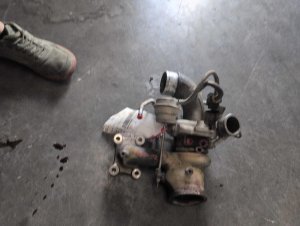
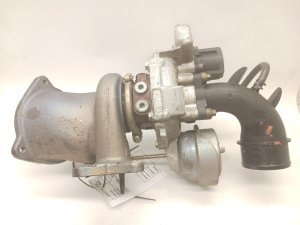
Used OEM Parts in Stock
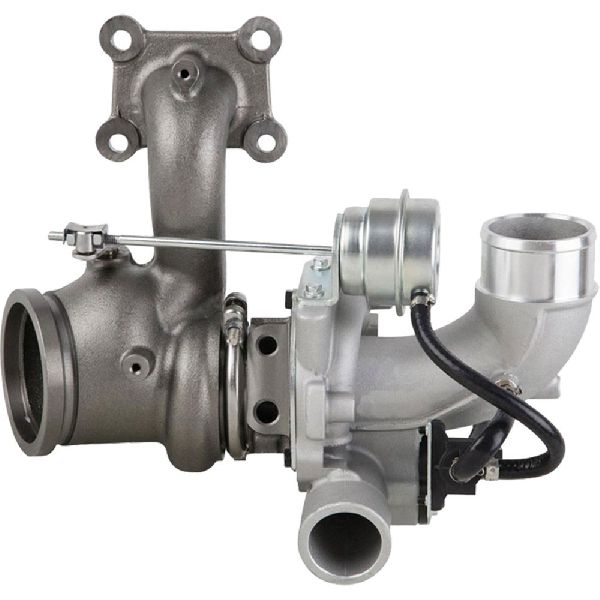
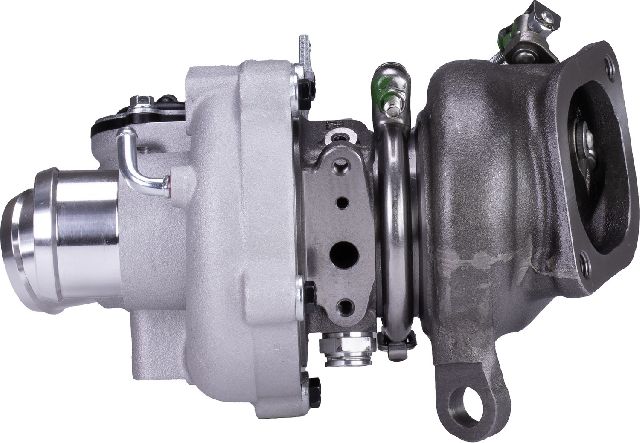
New Aftermarket Parts Available


The information in this article is provided for general reference and educational purposes only. Vehicle specifications, procedures, and part compatibility can vary by production date, trim level, and region. Always consult your vehicle's factory service manual and verify part numbers before purchasing or performing repairs. Safety-critical components such as airbags, seat belts, and braking systems should be installed by a qualified professional.
- Ford Escape:
- 🎬 Helpful Videos
- 🛍️ Shop This Part
- What's Unique About the 2013-2016 Ford Escape
- Symptoms You May Notice
- Most Likely Causes
- Rare But Worth Checking
- Diagnosis Steps
- Parts You'll Likely Need
- Related Codes That Often Appear With This One
- Technical Service Bulletins (TSBs) & Recalls
- Platform-Specific Known Issues
- Mechanic-Grade Diagnostic Values
- Scan Tool Commands That Help
- Wiring & Ground Locations
- Real Owner Repair Stories
- "I Checked Everything" — The Actual Cause
- Model Year Variations Within This Range
- Diagnostic Flowchart
- Other Known Issues on This Vehicle
- Used vs. New Parts: Buying Guide for This Vehicle
- Real Owner Stories
- 2015 Ford Escape 1.6L EcoBoost
- 2013 Ford Escape 2.0L EcoBoost
- Related OBD-II Codes
- Frequently Asked Questions
- Other Known Issues on This Vehicle
- Used vs. New Parts: Buying Guide for This Vehicle
- Real Owner Stories
- 2015 Ford Escape 1.6L EcoBoost
- 2013 Ford Escape 2.0L EcoBoost
- Related OBD-II Codes
- Frequently Asked Questions
- 🎟️ Get 5% Off