

P0217 on 2015-2020 Ford F-150 3.5L EcoBoost: Engine Overheat Causes and Fixes
P0217 means your F-150's engine is overheating. This is a critical warning. Common causes include low coolant due to leaks (especially at the turbo coolant lines), a stuck thermostat, or a failing water pump. Do not drive the vehicle until the issue is diagnosed and repaired to avoid catastrophic engine damage.
- P0217 is a critical code indicating your engine is overheating. Stop driving immediately to prevent severe damage.
- For the 3.5L EcoBoost F-150, this code usually points to a real mechanical problem, not a sensor error.
- Start your diagnosis by checking the coolant level and looking for leaks, especially around the turbocharger coolant lines, hoses, and reservoir.
- A stuck thermostat is a common culprit and should be checked if the coolant level is correct.
- If you recently had major engine work done (like cam phasers), a failing thermostat is a high-probability cause of subsequent overheating.
What's Unique About the 2015-2020 Ford F-150

While P0217 is a generic overheat code, the 3.5L EcoBoost engine has specific weak points. The twin-turbo setup adds complexity and heat, with coolant lines feeding the turbos being a common source of leaks. The original slip-fit, o-ring style connectors (often called 'jiffy-tite' fittings) on 2015-2016 models are known to degrade and leak over time. Forum discussions among owners frequently point to issues with thermostats failing after other major services, like cam phaser replacements, which can disturb the cooling system. Unlike the 2.7L EcoBoost which has well-documented TSBs for false overheat signals from a faulty sensor, the 3.5L's P0217 code is more often indicative of a genuine cooling system failure. Ford uses a Cylinder Head Temperature (CHT) sensor that measures metal temperature directly, allowing it to detect an overheat even if all coolant is lost.
Symptoms You May Notice

- Check Engine Light is on
- Engine temperature gauge reading high or pegged in the red zone
- Digital temperature value appears above the gauge
- Warning message on the dash like 'Engine Coolant Over Temperature' or 'Power Reduced to Lower Engine Temp'
- Noticeable loss of engine power as the truck enters 'limp mode'
- Steam or smoke coming from the engine bay
- The smell of sweet-smelling coolant
- Visible coolant leaks under the truck
- Cooling fans running on high speed constantly
- Loud boiling sounds from the engine bay
- Replacing the Cylinder Head Temperature (CHT) sensor first. While a faulty sensor can cause this code, on the 3.5L EcoBoost it's more common to have a genuine mechanical issue with the cooling system. Always verify if the engine is actually overheating (using an infrared thermometer on hoses/engine block) before replacing sensors.
Most Likely Causes

- Low Engine Coolant Level due to Leaks 🔴 High Probability The 3.5L EcoBoost has numerous coolant lines, including those for the turbos which use quick-connect fittings that are a notorious failure point on 2015-2016 models. Aftermarket solutions with more robust AN fittings are available. The plastic components of the cooling system, like the reservoir (degas bottle) and Y-fittings in heater hoses, can also become brittle and crack.
How to confirm: Visually inspect the coolant reservoir to see if it's below the 'MIN' line. With the engine cool, carefully check for puddles under the truck. Look for white or colored crusty residue around hose connections, the water pump, and especially where the coolant lines connect to the turbos. 🎬 Watch: How to replace turbo coolant lines without removing the turbo. Use a cooling system pressure tester to pressurize the system and watch for a drop in pressure and listen for hissing or look for drips.
Typical fix: Locate and repair the leak. This often involves replacing a leaking hose, a cracked reservoir, or the turbo coolant line fittings. Some owners opt for upgraded stainless steel braided lines with AN fittings for a permanent fix.
Est. part cost: $20-$350 - Stuck Thermostat 🟡 Medium Probability Thermostats can fail on any vehicle, typically by sticking closed and preventing coolant from reaching the radiator. On the F-150, owners have reported thermostats failing to open, especially after recent engine work like a cam phaser replacement, which can disturb the cooling system. Ford has also released updated thermostat designs to address sticking issues.
How to confirm: After starting a cold engine, feel the upper radiator hose. It should get hot as the engine warms up and the thermostat opens (around 190-195°F). If the engine is hot but the hose remains cool, the thermostat is likely stuck closed. An infrared thermometer can also show a large temperature difference between the engine side and radiator side of the thermostat housing.
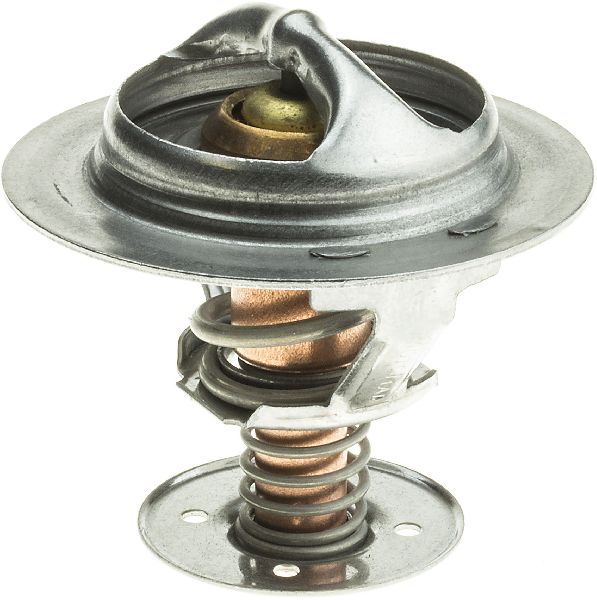
Typical fix: Replace the thermostat and gasket. It is highly recommended to use an OEM Motorcraft part (such as RT-1255) to ensure proper function and temperature rating.
Est. part cost: $30-$70 - Failing Water Pump 🟡 Medium Probability The water pump is a known wear item on the 3.5L EcoBoost. It is driven by the primary timing chain, making replacement a significant labor-intensive job. Failure can be due to a worn impeller, a leaking seal, or bearing failure. A weep hole may leak coolant externally when the seal begins to fail, but an internal failure can leak coolant directly into the engine oil, causing catastrophic damage.
How to confirm: Look for coolant leaks from the front of the engine, near the timing cover, sometimes dripping from a weep hole. A grinding or whining noise from the front of the engine can also indicate a failing bearing. If the thermostat is confirmed to be working and the system is full, but coolant is not circulating (e.g., heater blows cold), the water pump is the likely culprit.
Typical fix: Replace the water pump. Due to its location behind the timing cover, this is a labor-intensive job often performed at the same time as a timing chain or cam phaser service to save on labor costs.
Est. part cost: $100-$300 - Cooling Fan Malfunction ⚪ Low Probability
How to confirm: With the engine at operating temperature and the A/C turned on, verify that the electric cooling fans are running. If they are not, check the fan relays and fuses in the under-hood fuse box. If fuses and relays are good, the fan motor assembly may have failed or there could be a wiring issue.
Typical fix: Replace the faulty fuse, relay, or the entire cooling fan assembly.
Est. part cost: $200-$600
Rare But Worth Checking
- Clogged Radiator: External fins can get clogged with debris, reducing airflow. Internal passages can get clogged from using incorrect coolant or from system neglect, restricting flow.
- Blown Head Gasket: This is a worst-case scenario. A failed head gasket can allow hot combustion gases to enter the cooling system, causing rapid overheating and pressurization. Look for milky oil on the dipstick or oil cap, excessive white smoke from the exhaust, and bubbles in the coolant reservoir. A hydrocarbon test of the coolant can confirm this.
- Faulty Cylinder Head Temperature (CHT) Sensor: While less common than on the 2.7L, a failing CHT sensor on the 3.5L can send false high-temperature signals to the PCM, triggering limp mode and codes P0217/P1299 even if the engine isn't actually overheating. Owners have reported this failure.
Diagnosis Steps

- DO NOT open the radiator or coolant reservoir cap when the engine is hot.
- Check the coolant level in the overflow reservoir. If it is low, top it off with the correct Ford-specified coolant (Motorcraft Orange VC-3-D or Yellow VC-13-G, depending on the vehicle's build date and service history) and check for obvious leaks.
- Visually inspect all radiator and heater hoses for cracks, swelling, or leaks, paying close attention to plastic Y-connectors.
- Inspect the area around the water pump, thermostat housing, and turbocharger coolant lines for signs of leaks (white or colored crusty residue).
- If the engine is cool, start it and monitor the temperature gauge. Turn the heat on high; if it blows cold, this can indicate low coolant or no coolant circulation.
- Check if the cooling fans turn on as the engine reaches operating temperature or when the A/C is activated.
- If no external leaks are found, perform a cooling system pressure test to find hidden leaks.
- If the system holds pressure, test the thermostat for proper operation by checking if the upper radiator hose gets hot.
- If the thermostat is working, the next step is to suspect a failing water pump or a blockage in the radiator.
Parts You'll Likely Need

- Thermostat
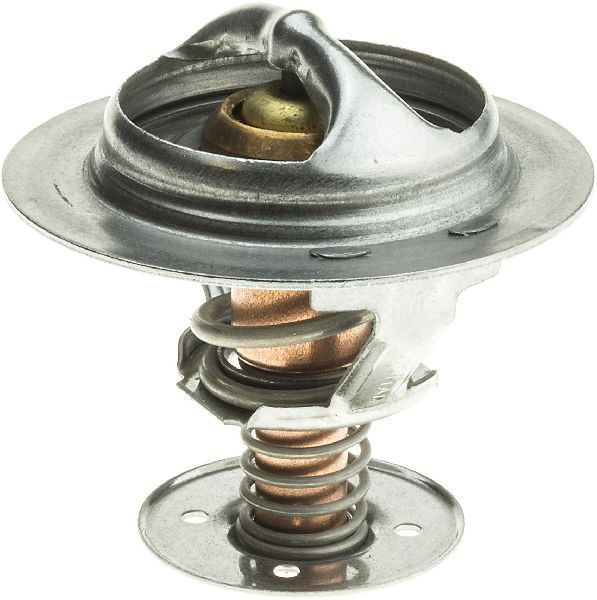
(OEM #RT-1255 (Motorcraft), supersedes BL3Z8575A)— A thermostat stuck closed is a very common cause of overheating. It's a relatively inexpensive part that is a primary suspect after confirming the coolant level is correct.
Trusted brands: Motorcraft
OEM price range: $30-$50
Aftermarket price range: $20-$40 - Turbocharger Coolant Line Kit — The quick-connect fittings on the factory turbo coolant lines are a common failure point on 2015-2016 models, leading to persistent leaks. Aftermarket kits often provide a more durable, permanent solution.
Trusted brands: Full-Race, Dorman (926-186)
Aftermarket price range: $150-$350
Related Codes That Often Appear With This One
- P1299 — This code means 'Cylinder Head Overtemperature Protection Active'. It is a Ford-specific code that is often set alongside P0217 when the engine computer actively intervenes to protect the engine from overheating damage, often by cutting fuel to some cylinders.
- P0128 — This code means 'Coolant Temperature Below Thermostat Regulating Temperature'. While it seems contradictory, it can sometimes appear if the cooling system has a major fault (like a massive leak) or if a sensor is failing erratically, causing the computer to receive conflicting temperature data.
Platform-Specific Known Issues
- Turbo Coolant Line Leaks: The quick-connect fittings (jiffy-tite) for the turbocharger coolant supply and return lines are a well-documented weak point. The O-rings inside the fittings degrade from heat and time, causing slow coolant leaks that can eventually lead to a low-coolant overheat condition. The leaks are often hard to spot as the coolant burns off on the hot turbo housing. Many owners opt for aftermarket braided stainless steel lines with more secure AN fittings as a permanent repair.
- Post-Cam Phaser Repair Overheating: A notable number of owners report the first instance of overheating occurring shortly after a major service like the common cam phaser replacement. This could be due to air not being properly bled from the cooling system during reassembly, or a thermostat that fails after being disturbed. Technicians may not have refilled the system correctly, leading to air pockets that cause overheating spikes.
- Internally-Driven Water Pump: The water pump is located inside the engine and is driven by the timing chain. While this is a compact design, it means a simple water pump replacement is a very labor-intensive job requiring removal of the timing cover. More critically, if the pump's internal seal fails, it can leak coolant directly into the engine oil, leading to rapid and catastrophic engine damage.
Mechanic-Grade Diagnostic Values
- Cylinder Head Temperature (CHT) Sensor Resistance — expected: The CHT is a thermistor where resistance decreases as temperature increases. A common reference value is approximately 2,000-3,000 ohms at 68°F (20°C).. Failure: An open circuit (infinite resistance) or short circuit (near-zero resistance) indicates a failed sensor. A reading that doesn't change as the engine warms up also indicates failure.
- Cylinder Head Temperature (CHT) Sensor Voltage (Live Data) — expected: Voltage varies inversely with temperature. A cold engine might show a high voltage (e.g., 3.0-4.0V), which drops as the engine warms up to operating temperature (e.g., 0.5-1.5V).. Failure: A voltage reading that is stuck high (e.g., ~5.0V) or low (e.g., ~0V) regardless of engine temperature points to a wiring issue or a failed sensor. A scan tool reading an impossibly high temperature (e.g., 260°F+) on a cold engine confirms a fault.
Scan Tool Commands That Help
- Ford IDS / FORScan: Cooling Fan Control — To manually command the cooling fans on at various speeds (e.g., 25%, 50%, 100%) to verify the functionality of the fan motors, relays, and control module, bypassing the temperature sensors. This helps isolate a fan control circuit failure from a sensor issue.
- Ford IDS / FORScan: Active Grille Shutter (AGS) Self-Test/Calibration — To command the active grille shutters to cycle through their full range of motion. This is used to diagnose a stuck shutter or a faulty actuator motor, which could restrict airflow to the radiator and contribute to overheating.
Wiring & Ground Locations
- Cylinder Head Temperature (CHT) Sensor — On the 3.5L EcoBoost, the CHT sensor is located on the rear of the passenger side cylinder head. Access can be difficult and may require removing other components.. This sensor provides the primary temperature reading used by the PCM to detect an overheat condition. A faulty sensor, corroded connector, or damaged wiring can send a false signal, triggering P0217 and P1299.
- Main Engine/Body Ground — A primary ground point is located on the body just in front of the washer fluid reservoir. Other grounds exist from the body to the frame, which are prone to corrosion, especially on trucks in salt-belt regions.. A poor ground connection for the PCM or its sensors can cause erratic voltage readings. An intermittent ground can cause the CHT sensor to send faulty data, leading to a false overheat code.
- Active Grille Shutter Fuse — In the under-hood fuse box (Battery Junction Box), fuse F97 (10A) is commonly used for the active grille shutters on 2015-2017 models.. If this fuse is blown, the grille shutters may fail in the closed position, restricting airflow to the radiator and causing a genuine overheat condition, especially at low speeds or when stationary.
Real Owner Repair Stories
- Ford F150 Forum (2016 F-150 3.5L EcoBoost, 120,000 miles) — While towing a 4,000 lb trailer, received 'Service AdvancTrac', 'Hill Descent Control Fault', and P0217 'Engine Coolant Over Temperature' warnings.
❌ Tried (didn't work) The user was initially diagnosing the issue.
✅ What actually fixed it The final confirmed fix was replacing a faulty thermostat that was sticking and not opening correctly. - Ford F150 Forum (2016 F-150 3.5L EcoBoost) — Truck went into limp mode with 'Engine Coolant Over Temperature' message on the dash. Coolant level was normal. Codes P0217 and P04DB (Crankcase Ventilation System Disconnected) were present.
❌ Tried (didn't work) Initial assumption was a genuine overheat, but coolant level was fine.
✅ What actually fixed it The dealer diagnosed and replaced a faulty Cylinder Head Temperature (CHT) sensor. The issue was an incorrect reading, not a true overheat.
OEM Part Supersession History
BL3Z-8575-A, BL3Z-8575-B→RT-1255 (Motorcraft)— Updated design to improve reliability and prevent sticking.Motorcraft Orange Coolant (VC-3-D)→Motorcraft Yellow Coolant (VC-13-G)— The new yellow P-OAT coolant offers improved corrosion protection and addresses some issues seen with the older orange OAT formula.
Heads up: Motorcraft Yellow is officially backward-compatible and can be used to top-off or replace Orange coolant. A full flush is recommended for best performance, but not strictly required if the system is clean.
Model Year Variations Within This Range
- 2017-2020: The 2017 model year introduced the second-generation 3.5L EcoBoost. This engine features a completely redesigned cooling system, including different turbo coolant lines that are not prone to the same 'jiffy-tite' fitting leaks as the 2015-2016 Gen 1 engine. It also features dual (port and direct) injection and a different timing chain setup.
- 2015-2016: These first-generation 3.5L EcoBoost engines are the primary models affected by leaking turbo coolant line quick-connect fittings, a very common source of coolant loss leading to P0217.
Diagnostic Flowchart
Used vs. New Parts: Buying Guide for This Vehicle
When a used part is the smart pick: For this repair, used parts are generally not recommended as the primary causes are wear-and-tear items. However, a used cooling fan assembly or a radiator from a low-mileage, non-collision donor vehicle could be a cost-effective option. A used degas (coolant overflow) bottle is also a reasonable choice if it is free of cracks.
Donor-vehicle mileage cap: roughly under 60000 miles for the part to have meaningful remaining life.
What to inspect on the donor part:
- For a radiator, inspect fins for excessive damage or corrosion and look inside the inlet/outlet for signs of heavy deposits or stop-leak residue.
- For a fan assembly, spin the blades by hand to ensure they move freely with no bearing noise or wobble.
- Check plastic components like reservoirs and fan shrouds for brittleness, hairline cracks, or discoloration from excessive heat.
OEM-only on this vehicle (don't cheap out):
- Thermostat: Aftermarket thermostats for this engine are known to have incorrect temperature ratings or premature failure rates. Always use a genuine Motorcraft thermostat (RT-1255) to ensure correct engine operation.
- Water Pump: Given that the water pump is internal and timing chain-driven, the labor for replacement is immense. Using a cheap aftermarket pump is a huge risk. Stick with OEM Motorcraft for reliability.
- Cylinder Head Temperature (CHT) Sensor: This is a critical sensor for engine protection. Given its low cost, using a genuine Motorcraft part is the only sensible choice to avoid false readings and limp mode.
Aftermarket brands forum-validated for this vehicle:
- Gates (Water Pumps, Hoses): Gates is a reputable OE supplier and their aftermarket water pumps and hoses are considered a reliable alternative to Motorcraft.
- Full-Race (Turbo Coolant Lines): For the 2015-2016 models, Full-Race offers a high-quality stainless steel braided line kit with AN fittings that provides a permanent fix for the leaking OEM quick-connects.
Brands owners have reported issues with on this vehicle:
- Generic/Unbranded Thermostats: Many forum users report issues with off-brand thermostats from online marketplaces failing to open or opening at the wrong temperature, causing persistent overheating or P0128 codes.
- Cheapo Water Pumps: Avoid no-name water pumps, as premature failure of the bearing or seal can lead to catastrophic engine damage due to coolant mixing with oil.
Real Owner Stories
Aggregated from forums and TSBs cited above. Mileages and costs reflect what owners reported in those sources.
2016 Ford F-150 3.5L EcoBoost V6
Symptoms: The truck set a P0217 code and displayed 'Service AdvancTrac' and 'Hill Descent' warnings on the dash after towing.
What fixed it: The issue was attributed to a faulty Cylinder Head Temperature (CHT) sensor that was sending a false overheat signal to the computer.
Source hint: f150forum.com/f118/service-advanctrac-hill-descent-code-p0217-531390/
2017-2020 Ford F-150 3.5L EcoBoost V6
Symptoms: The owner was experiencing persistent overheating and temperature surge issues.
What fixed it: The problem was solved by replacing the original thermostat with a redesigned Motorcraft thermostat, part number RT-1252.
Source hint: ford-trucks.com/forums/1695240-overheat-surge-temperature-issue-completed-solved.html
2017 Ford F-150 3.5L EcoBoost V6
Symptoms: Immediately after a cam phaser replacement, the truck experienced high coolant temperatures reaching 238°F and developed a misfire.
What fixed it: The context notes this is a common issue after this service, often caused by air in the cooling system or a disturbed thermostat, but does not state the specific final repair for this case.
Source hint: reddit.com/r/f150/comments/18t9t6z/2017_f150_35_misfire_after_cam_phaser_replacement/
2015-2020 Ford F-150 3.5L EcoBoost V6
Symptoms: The first instance of overheating occurred shortly after a major service like the common cam phaser replacement.
What fixed it: The underlying cause was identified as either air not being properly bled from the cooling system during reassembly or a thermostat that failed after being disturbed.
Source hint: vehicle_specific_issues: Post-Cam Phaser Repair Overheating
Related OBD-II Codes
Frequently Asked Questions
My F-150 started overheating right after a cam phaser replacement. What could be the cause?
I think I have a coolant leak but can't see a puddle. Where are the common hidden leak spots on the 3.5L EcoBoost?
Is there a recommended thermostat to use when replacing the original on my F-150?
What's the best way to permanently fix the leaking turbo coolant lines?
My mechanic says the water pump needs to be replaced. Why is the labor cost so high?
What kind of coolant should I use to top off my 2015-2020 F-150?
What is the danger of a water pump failing internally on this engine?
Helpful Videos

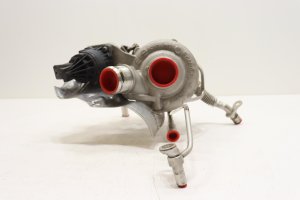
Used OEM Parts in Stock

New Aftermarket Parts Available



The information in this article is provided for general reference and educational purposes only. Vehicle specifications, procedures, and part compatibility can vary by production date, trim level, and region. Always consult your vehicle's factory service manual and verify part numbers before purchasing or performing repairs. Safety-critical components such as airbags, seat belts, and braking systems should be installed by a qualified professional.
- Ford F-150:
- 🎬 Helpful Videos
- 🛍️ Shop This Part
- What's Unique About the 2015-2020 Ford F-150
- Symptoms You May Notice
- Most Likely Causes
- Rare But Worth Checking
- Diagnosis Steps
- Parts You'll Likely Need
- Related Codes That Often Appear With This One
- Platform-Specific Known Issues
- Mechanic-Grade Diagnostic Values
- Scan Tool Commands That Help
- Wiring & Ground Locations
- Real Owner Repair Stories
- OEM Part Supersession History
- Model Year Variations Within This Range
- Diagnostic Flowchart
- Used vs. New Parts: Buying Guide for This Vehicle
- Real Owner Stories
- 2016 Ford F-150 3.5L EcoBoost V6
- 2017-2020 Ford F-150 3.5L EcoBoost V6
- 2017 Ford F-150 3.5L EcoBoost V6
- 2015-2020 Ford F-150 3.5L EcoBoost V6
- Related OBD-II Codes
- Frequently Asked Questions
- 🎟️ Get 5% Off