

P0206 on 1997-2006 BMW 3 Series: Injector Circuit Cylinder 6 Causes and Fixes
P0206 on a BMW 3 Series with an M52 or M54 engine indicates an electrical fault in the fuel injector circuit for cylinder 6. The most common cause is a failed fuel injector, followed by wiring issues or a loose connector. A replacement OEM-quality injector costs between $130 and $250, and it's a DIY-friendly job for many owners.
- P0206 specifically points to an electrical problem in the cylinder 6 fuel injector circuit, not a mechanical issue or an ignition problem.
- The most effective first step in diagnosis is to swap the cylinder 6 injector with another cylinder's injector to see if the fault code follows the part.
- The most likely cause is a bad fuel injector, which is a straightforward part to replace for a DIYer with basic tools.
- Do not ignore this code. Driving with a misfire can cause expensive damage to your catalytic converter.
- Always verify the correct injector part number for your specific model (e.g., 325i vs. 330i), as they can differ.
What's Unique About the 1997-2006 BMW 3 Series
On the E46 and late E36 3 Series, the inline-6 engines (M52, M52TU, M54) are generally very reliable, but the wiring harnesses and connectors in the engine bay become brittle over time due to heat and age. This makes issues like a broken wire or a corroded connector at the fuel injector a relatively common cause for a P0206 code. Cylinder 6 is at the rear of the engine bay, which can experience significant heat soak, accelerating the degradation of plastic and rubber components. In some documented cases, the simple metal retention clip on the injector connector can weaken, causing an intermittent connection that triggers the fault.
Generation note: This range covers the end of the E36 generation (1997-1999) and the entire E46 generation (1998-2006). Both generations used versions of the M52 inline-6 engine. The E46 later introduced the M54 engine. The diagnostic process and common causes are nearly identical for both generations and all specified engines (M52, M52TU, M54) as the fuel injection system design is very similar. The primary OEM injector part number covers models from both generations.
Symptoms You May Notice
- Check Engine Light is on
- Rough idle and engine shaking
- Noticeable loss of engine power and poor acceleration
- Engine misfires or hesitation
- Reduced fuel economy
- Engine may stall
- Smell of unburnt fuel from the exhaust
- Replacing the spark plug or ignition coil for cylinder 6. While these parts can cause a misfire code (P0306), they will not cause an injector circuit code like P0206.
Most Likely Causes
- Failed Fuel Injector (Cylinder 6) 🔴 High Probability After many years and heat cycles, the internal coil windings of the injector can fail, creating an open or short circuit. These injectors are high-impedance, and a healthy one should have a resistance between approximately 10-16 ohms.
How to confirm: Swap the cylinder 6 fuel injector with an adjacent one (e.g., cylinder 5). Clear the codes and run the engine. If the code changes to P0205, the injector is faulty. Alternatively, before swapping, you can test the resistance of the injector directly at its terminals using a multimeter. 🎬 See how to test your fuel injectors with a multimeter A reading of infinite resistance (OL) indicates an open circuit and a bad injector.
Typical fix: Replace the faulty fuel injector. It is often recommended to replace all six injectors at the same time 🎬 Watch: Step-by-step guide to replacing E46 fuel injectors for balanced performance, especially on high-mileage vehicles.
Est. part cost: $50-$250 per injector - Wiring Harness or Connector Issue 🟡 Medium Probability Engine bay heat makes the wiring harness insulation and plastic connectors brittle over time. Wires can break or chafe, and the connector locking tabs often break. A real-world example from a forum user showed the metal retention clip on the injector connector had weakened, causing intermittent misfires until it was secured.
How to confirm: Visually inspect the wiring going to the cylinder 6 injector for any signs of cracking, chafing, or breaks. Check the connector for corrosion, damage, or a loose fit. Use a noid light to verify if the connector is receiving a pulse signal from the DME while the engine is cranking. If the noid light flashes, the wiring and DME driver are likely good.
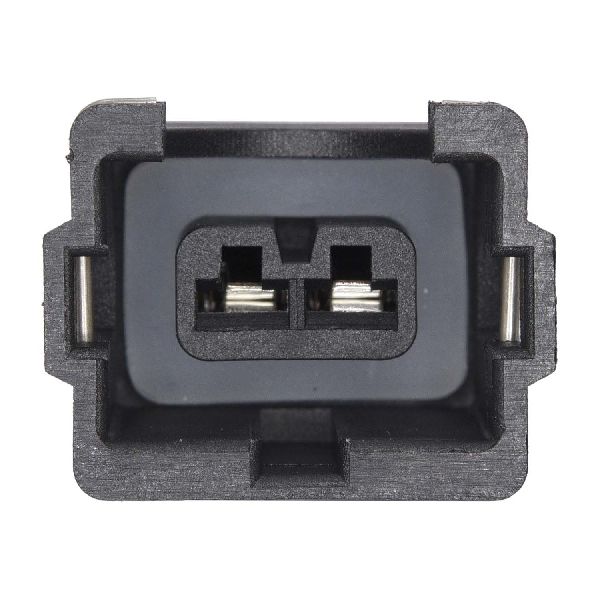
Typical fix: Repair the broken wire or replace the injector connector pigtail. The connector is a common Bosch EV1 / Jetronic style.
Est. part cost: $10-$30 for a pigtail
Rare But Worth Checking
- Faulty Engine Control Module (DME): This is the least likely cause. The injector driver circuit within the DME (e.g., Siemens MS43) can fail for a single cylinder. This should only be considered after thoroughly ruling out the injector and wiring. A forum user with an E46 M3 considered this possibility after replacing all injectors and coils, though their issue was ultimately traced to a loose connector clip. Diagnosis involves checking for a pulse signal directly at the DME pin for the cylinder 6 injector. A failed injector can sometimes short circuit and damage the driver MOSFET in the DME, requiring DME repair or replacement.
Diagnosis Steps
- Read the code with an OBD-II scanner to confirm P0206 is present. Note any other codes like P0306.
- Locate cylinder 6. On a BMW inline-6, it is the cylinder closest to the firewall (the back of the engine).
- Check the injector connector on cylinder 6. Ensure it is fully seated and the metal retaining clip is secure. Wiggle the connector with the engine running to see if it induces a misfire, which would indicate a poor connection.
- Test the injector resistance. Disconnect the connector and use a multimeter set to Ohms (Ω). A healthy high-impedance injector should read between 10-16 Ohms. An 'OL' or infinite reading means the injector coil is open and bad.
- If resistance is good, perform an injector swap. Swap the fuel injector from cylinder 6 with the one from cylinder 5. This is a definitive diagnostic step.
- Clear the fault codes with the scanner, start the engine, and let it run for a minute.
- Re-scan for codes. If the code is now P0205 ("Injector Circuit/Open - Cylinder 5"), the fuel injector you moved is faulty and needs to be replaced.
- If the code P0206 returns, the injector is good, and the problem lies in the wiring or the DME.
- Inspect the wiring harness and connector for cylinder 6. Look for any visible damage, corrosion, or loose pins.
- Use a 'noid light' on the cylinder 6 connector. Crank the engine. The light should flash, indicating the DME is sending a signal. If it does not flash, the problem is in the wiring or the DME itself.
- If the noid light doesn't flash, use a multimeter to check for 12V power at one pin of the connector with the key on. Then check for continuity on the signal wire between the injector connector and the DME connector.
- If wiring is confirmed to be good but there is no signal, the DME is the likely culprit, which is rare.
Parts You'll Likely Need
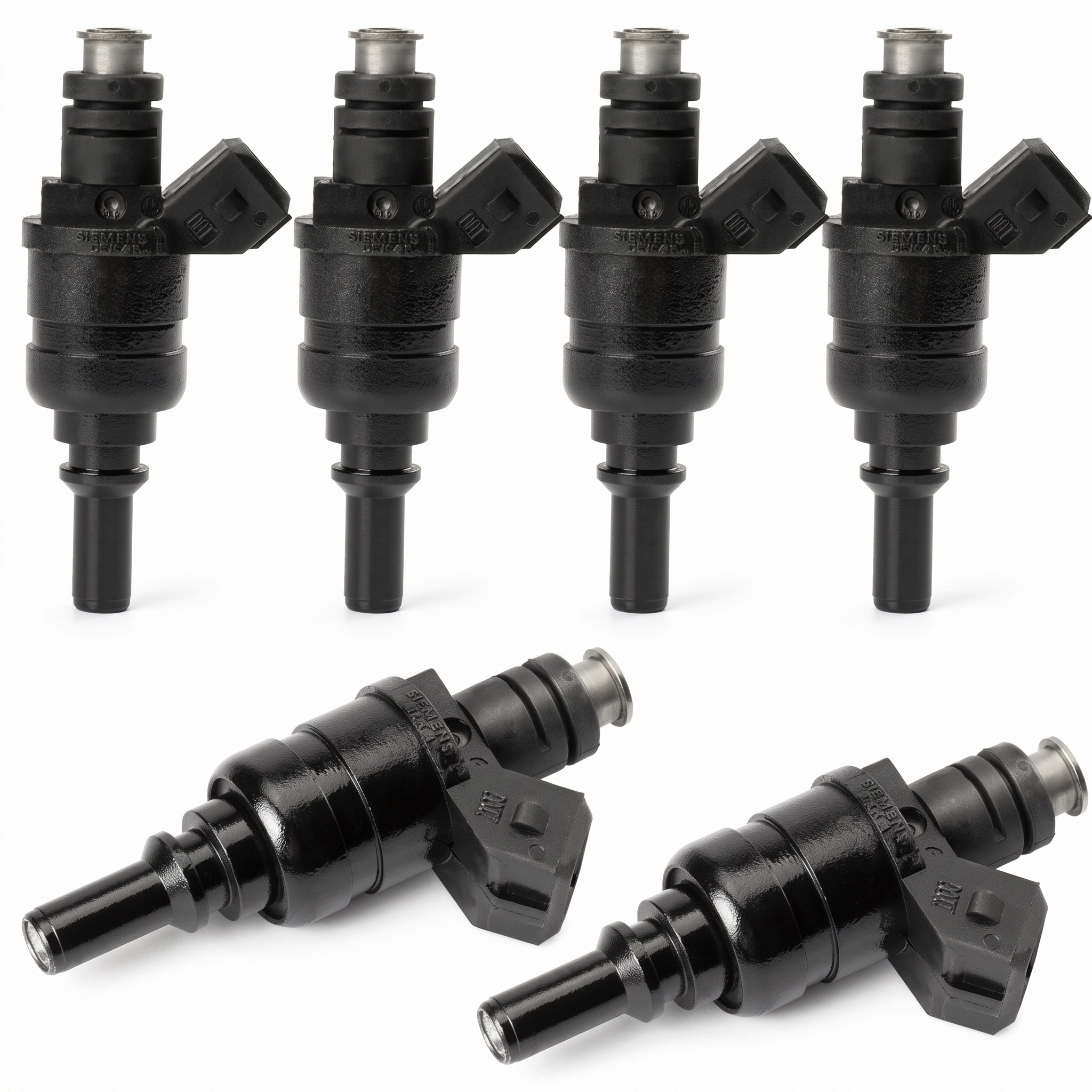
- Fuel Injector
(OEM #13537546244)— This is the most common failure point for a P0206 code. The internal coil fails, causing an open circuit. This part number supersedes 13641427240.
Trusted brands: Continental/VDO (OEM), Bosch, Genuine BMW
OEM price range: $130-$250
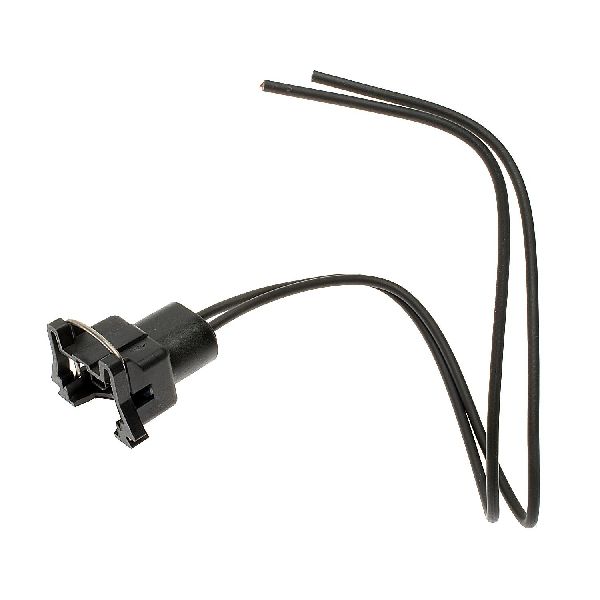
Aftermarket price range: $40-$150 - Fuel Injector Connector Pigtail
(OEM #N/A (Universal Part))— If the wiring or connector is found to be damaged, replacing the pigtail is the standard repair. These engines use a common Bosch EV1 / Jetronic style connector.
Trusted brands: Bosch, Standard Motor Products, Michigan Motorsports
OEM price range: $20-$40
Aftermarket price range: $10-$25
Related Codes That Often Appear With This One
- P0306 — P0306 means "Cylinder 6 Misfire Detected." Since the P0206 code indicates the injector isn't firing, that cylinder will not have combustion, which the DME will detect as a misfire.
- P0300 — This code for "Random/Multiple Cylinder Misfire" can appear alongside P0206 if the single-cylinder misfire is severe enough to affect overall engine balance and rotation.
- P0171 / P0174 — These codes for "System Too Lean (Bank 1 / Bank 2)" can sometimes be associated with injector issues, but are more commonly caused by vacuum leaks from other sources on the M54, such as a failed CCV system.
Platform-Specific Known Issues
- Weak Injector Connector Clip: A user on the r/BmwTech subreddit spent a long time diagnosing a P0206 on an E46 M3. After replacing injectors, plugs, and coils, the issue was found to be a weak metal retention clip on the cylinder 6 injector connector. Vibrations would cause it to lose contact. Tapping the harness with a screwdriver could replicate the fault.
Mechanic-Grade Diagnostic Values
- Fuel Injector Coil Resistance — expected: 10-16 Ohms. Failure: Infinite resistance (OL) indicates an open circuit. A value significantly outside the range indicates a faulty injector.
- Voltage at Injector Connector (Power side) — expected: ~12V (Battery Voltage) with key on, engine off.. Failure: No voltage indicates a problem with the power supply from the DME or fuel pump relay.
- Injector Pulse Signal (Signal side) — expected: A flashing signal on a noid light or a pulsing waveform on an oscilloscope while cranking.. Failure: No flash or a constantly lit noid light indicates a wiring issue or a failed DME driver.
Scan Tool Commands That Help
- ISTA/D, INPA, or high-end Autel/Launch scanners: Active Test / Component Activation — This function allows the technician to individually deactivate (or sometimes activate) each fuel injector while the engine is running. If deactivating cylinder 6 causes no change in engine idle, it confirms that cylinder was not contributing. If deactivating another cylinder (e.g., cylinder 5) makes the idle worse, it confirms that cylinder was working properly. This helps verify the fault location without swapping parts.
- ISTA/D: Fuel injector test plan / Smooth running values — For more subtle issues, ISTA can display 'smooth running values' which show how the DME is adjusting fuel for each cylinder to maintain a smooth idle. A cylinder with a large correction value can indicate a partially clogged or underperforming injector, even if it hasn't failed electrically to trigger a P0206.
Wiring & Ground Locations
- DME Connector X60005 (MS43) — In the electronics box (E-box) on the passenger side of the engine bay, under the cabin air filter housing.. The signal wire for the cylinder 6 injector originates here. For an MS43 DME, the ground signal for the cylinder 6 injector is on Pin 5 of connector X60005. Checking for continuity from this pin to the injector connector pin is the final step to rule out a wiring break.
- DME Connector X60001 (MS43) — In the electronics box (E-box) on the passenger side of the engine bay.. Pin 1 of connector X60001 provides the switched 12V power supply to the fuel injectors via a relay. A problem here would likely affect all injectors, but it's a key part of the circuit.
- Engine Ground Strap — Connects the engine block to the chassis, typically located on the passenger side engine mount on an E46.. A corroded or loose main engine ground strap can cause a host of bizarre electrical issues, including intermittent injector and sensor faults. The DME and its sensors rely on a clean ground path. While it wouldn't typically isolate to a single injector, it's a known failure point on aging E46s and should be inspected.
- Chassis Ground Points (X173, X490) — Located under the front carpets on the driver (X173) and passenger (X490) door sills.. These are main grounding points for various interior and body electronics. While not directly tied to the injector circuit, water ingress in these areas can cause corrosion and widespread electrical gremlins that can be difficult to diagnose.
Real Owner Repair Stories
- Reddit user on r/BmwTech (2004 BMW M3 (E46), 141k miles) — Persistent P0206 code that would appear after the engine was warm. The car drove fine in the morning but the fault would progressively show up during the day.
❌ Tried (didn't work) Replaced all fuel injectors, Replaced all ignition coils, Replaced all spark plugs, Swapped plugs and coils between cylinders (fault always stayed on cylinder 6), Verified good compression and no vacuum leaks
✅ What actually fixed it The metal retention clip on the cylinder 6 injector electrical connector had weakened. Engine vibrations, especially after heat soak, would cause the connector to lose contact intermittently. Securing the connector resolved the issue.
OEM Part Supersession History
13641427240→13537546244— Standard part evolution, likely for improved materials, manufacturing process, or to consolidate parts across models.
Heads up: The new part number (13537546244) is a direct replacement and is compatible with all M52TU and M54 engines that used the original part.
Model Year Variations Within This Range
- 1998-2002 vs 2001-2006: The primary difference is the DME used. Earlier M52TU engines (approx. 1998-2000) used the Siemens MS42 DME. The M54 engine (approx. 2001-2006) used the Siemens MS43, and later MS45. While the P0206 code and general diagnosis are identical, the specific DME pinouts for testing continuity will differ. The MS43 is the most common for this engine range.
Diagnostic Flowchart
Other Known Issues on This Vehicle
Issues unrelated to this code that are worth knowing about as an owner of this generation:
- VANOS Seal Failure 🔴 High — Extremely common. Original Buna seals harden and fail, often by 50,000 miles, causing loss of low-end torque, rough idle, and stalling.
- Cooling System Failure 🔴 High — Very common. Plastic components like the expansion tank, water pump (with plastic impeller), thermostat housing, and various hoses become brittle and fail, typically between 60,000-100,000 miles. A full overhaul is considered preventative maintenance.
- Rear Subframe Mount Cracking 🔴 High — Common, especially on pre-facelift, high-torque (330i/M3), or hard-driven cars. The sheet metal of the rear axle carrier panel fatigues and cracks where the subframe mounts, requiring reinforcement plates to be welded in. BMW issued a TSB (B41 04 08) and settled a class-action lawsuit regarding this issue. (Ref: SI B41 04 08)
- Crankcase Ventilation (CCV) System Failure 🟠 Medium — Common, especially in colder climates. The oil separator and its plastic hoses clog or crack, causing high oil consumption, blue/white smoke, rough idle, and lean codes.
- DISA Valve Failure 🟠 Medium — Common on M54 engines, typically around 70,000-100,000 miles. The plastic components of the valve wear out, causing a rattling sound, loss of power, and lean codes. In a worst-case scenario, the pin can break off and enter the engine.
- Oil Leaks (Valve Cover & Oil Filter Housing Gaskets) 🟡 Low — Extremely common. These gaskets harden with age and heat cycles, leading to oil leaking onto the exhaust (smell) or front of the engine. A very frequent maintenance item for any owner.
Used vs. New Parts: Buying Guide for This Vehicle
When a used part is the smart pick: A used OEM fuel injector from a reputable salvage yard with a known low-mileage donor vehicle can be a cost-effective solution. Used wiring harness connectors (pigtails) are also excellent options if the plastic is in good condition, as they are OEM quality.
Donor-vehicle mileage cap: roughly under 80000 miles for the part to have meaningful remaining life.
What to inspect on the donor part:
- For injectors, look for a clean donor car without signs of major engine trauma or fire.
- Check the injector pintle (nozzle) for obvious clogs or damage.
- For connectors, inspect for brittle plastic, cracks, or corroded pins. Ensure the locking clip mechanism is intact and functional.
OEM-only on this vehicle (don't cheap out):
- Engine Control Module (DME): Due to programming and security (EWS) requirements, a used DME is not a simple plug-and-play swap and requires specialized tools to clone or align. It's best to have the original repaired or buy a new/remanufactured unit from a specialist.
Aftermarket brands forum-validated for this vehicle:
- Continental/VDO (often the original OEM supplier)
- Bosch
- GB Remanufacturing (for professionally rebuilt injectors)
Brands owners have reported issues with on this vehicle:
- Unnamed, no-brand injectors from online marketplaces often have inconsistent flow rates and high failure rates, leading to poor performance and recurring issues.
Real Owner Stories
Aggregated from forums and TSBs cited above. Mileages and costs reflect what owners reported in those sources.
2004 E46 M3
Symptoms: A persistent P0206 code that could not be solved by replacing common parts like injectors, plugs, and coils, leading to intermittent misfires.
What fixed it: The root cause was a weak metal retention clip on the cylinder 6 injector connector. Vibrations were causing it to lose contact. Securing the connector resolved the issue.
Source hint: r/BmwTech on Reddit: 'E46 M3 2004 P0206 has me stumped'
Related OBD-II Codes
Frequently Asked Questions
Where is cylinder 6 located on my BMW's M52/M54 inline-6 engine?
What is the correct resistance for a fuel injector on my E46 3 Series?
I've confirmed the injector for cylinder 6 is bad. Should I replace just that one or all six?
I swapped the injectors between cylinders 5 and 6, and now my scanner shows code P0205. What does this mean?
My injector's resistance is good and the P0206 code returned after swapping it. What should I check next?
What type of electrical connector do the fuel injectors on the M54 engine use?
Helpful Videos
Used OEM Parts in Stock


New Aftermarket Parts Available



The information in this article is provided for general reference and educational purposes only. Vehicle specifications, procedures, and part compatibility can vary by production date, trim level, and region. Always consult your vehicle's factory service manual and verify part numbers before purchasing or performing repairs. Safety-critical components such as airbags, seat belts, and braking systems should be installed by a qualified professional.
- BMW 3 Series:
- 🎬 Helpful Videos
- 🛍️ Shop This Part
- What's Unique About the 1997-2006 BMW 3 Series
- Symptoms You May Notice
- Most Likely Causes
- Rare But Worth Checking
- Diagnosis Steps
- Parts You'll Likely Need
- Related Codes That Often Appear With This One
- Platform-Specific Known Issues
- Mechanic-Grade Diagnostic Values
- Scan Tool Commands That Help
- Wiring & Ground Locations
- Real Owner Repair Stories
- OEM Part Supersession History
- Model Year Variations Within This Range
- Diagnostic Flowchart
- Other Known Issues on This Vehicle
- Used vs. New Parts: Buying Guide for This Vehicle
- Real Owner Stories
- 2004 E46 M3
- Related OBD-II Codes
- Frequently Asked Questions
- 🎟️ Get 5% Off