

P0202 on 2011-2015 Kia Optima 2.4L: Injector Circuit Malfunction Causes and Fixes
P0202 on a 2011-2015 Kia Optima most often means the fuel injector for cylinder 2 has an electrical fault or has failed completely. A faulty injector, a bad wiring connector, or a broken wire are the most common causes. A replacement OEM injector is around $120-$180, while aftermarket options can be found for $50-$100.
- P0202 indicates an electrical fault with the cylinder 2 fuel injector circuit.
- The most common cause on a 2.4L GDI Optima is a failed fuel injector itself, followed by wiring/connector issues.
- A simple and effective diagnostic step is to swap the cylinder 2 injector with another cylinder's injector to see if the fault code follows it.
- Do not drive for extended periods with this code, as the resulting misfire can cause expensive damage to your catalytic converter.
- Always check the wiring and connector before buying a new injector.
What's Unique About the 2011-2015 Kia Optima
The 2.4L GDI (Gasoline Direct Injection) engine in this generation of Kia Optima places the fuel injectors directly in the cylinder, exposing them to intense heat and pressure. This design, unlike older port-injection systems where fuel washes over intake valves, leads to a higher rate of carbon buildup on the injector tip and intake valves. This buildup, combined with heat exposure, can cause the injector's internal coil to fail or the injector to become physically clogged, leading to circuit codes like P0202.
🎬 Watch: Troubleshooting and fixing P0202 injector circuit issues.Symptoms You May Notice
- Check Engine Light is on (may be solid or flashing)
- Rough idle or stalling
- Engine misfire, which may feel like a shudder or vibration
- Hesitation or lack of power during acceleration
- Poor fuel economy
- Hard starting
- Replacing the spark plug or ignition coil for cylinder 2. While these can cause a misfire (P0302), they will not set a P0202 injector circuit code. However, a persistent ignition issue can sometimes cause the PCM to shut down the injector, logging P0202 as a secondary code.
Most Likely Causes
- Faulty Cylinder 2 Fuel Injector 🔴 High Probability The GDI injectors are exposed to high heat and are susceptible to internal coil failure or clogging from carbon buildup. Low-quality fuel can also contribute to premature failure.
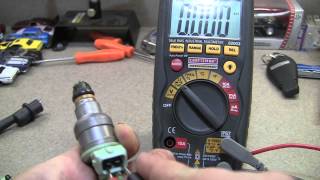
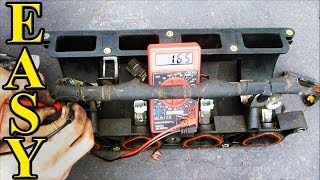
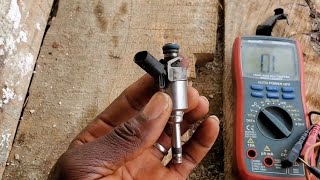
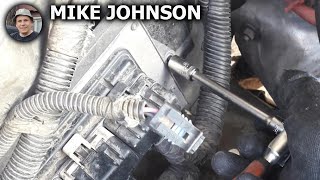
How to confirm: Swap the cylinder 2 injector with another cylinder (e.g., cylinder 3). Clear the codes and run the engine. If the code changes to P0203, the injector is confirmed to be faulty. You can also test the injector's internal resistance with a multimeter. GDI injectors typically have a very low resistance, often in the range of 1-5 Ohms. A reading of infinite resistance (OL) or a value significantly different from the other injectors indicates failure. 🎬 See how to check fuel injector resistance with a multimeter.
Typical fix: Replace the faulty fuel injector and its seals. It is often recommended to replace all four injectors at once, especially on higher mileage vehicles, to ensure balanced fuel delivery.
Est. part cost: $50-$180 - Damaged Wiring or Connector 🟡 Medium Probability Engine vibrations and heat can cause wires to become brittle and break, or the plastic connector can become loose, corroded, or damaged. The locking tab on the connector can also fail, leading to a poor connection.
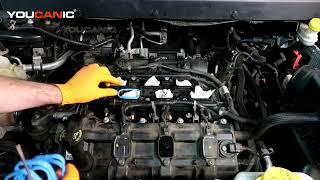
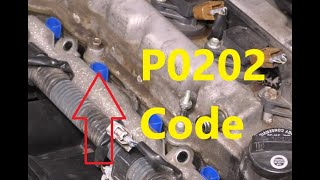
How to confirm: Visually inspect the wiring harness and connector going to the cylinder 2 injector for any signs of melting, corrosion, or loose pins. Wiggle the connector while the engine is idling to see if it causes a change in the misfire. Perform a 'noid light' test on the connector to verify the PCM is sending a pulse signal. 🎬 Watch this guide on P0202 causes and common fixes. If the light doesn't flash, the problem is in the wiring or PCM.
Typical fix: Repair the broken wire or replace the injector pigtail connector.
Est. part cost: $15-$40
Rare But Worth Checking
- Faulty Powertrain Control Module (PCM): This is rare. The PCM's internal driver for the injector circuit can fail. This should only be considered after all other possibilities (injector, wiring) have been exhaustively ruled out.
- Loose Injector Connector Clip: Sometimes the issue is not damage, but simply that the metal retaining clip on the injector connector has come loose or was not properly seated after a previous repair. This allows the connector to back out from engine vibrations, causing an open circuit.
Diagnosis Steps
- Confirm the code with an OBD-II scanner. Note any other codes present, especially P0302.
- Locate cylinder 2 on the 2.4L engine. It is the second cylinder from the serpentine belt side of the engine.
- Visually inspect the electrical connector and wiring going to the fuel injector on cylinder 2. Look for loose connections, corrosion, broken locking clips, or any signs of damage.
- If the wiring looks good, test the injector's internal resistance. Disconnect the connector and use a multimeter set to Ohms. A good GDI injector should read a low value, typically between 1-5 Ohms. Compare the reading to cylinder 3 or 4 to verify. An open circuit (OL) or a reading far off from the others confirms a bad injector.
- If a multimeter isn't available, swap the cylinder 2 fuel injector with one from another cylinder (e.g., cylinder 1 or 3). This requires removing the fuel rail.
- After swapping, clear the codes with the scanner and run the engine. Wait for the Check Engine Light to return.
- If the code changes to P0201 or P0203 (matching the cylinder you moved the injector to), the fuel injector is faulty and needs to be replaced.
- If the P0202 code returns, the problem is in the wiring harness or the PCM. Perform a 'noid light' test. A flashing light indicates the wiring and PCM are likely good. No flashing light suggests a wiring or PCM issue.
- If the noid light test fails, check the wiring more thoroughly. Disconnect the battery and the PCM connector. Check for continuity on both wires from the injector connector back to the corresponding pins at the PCM connector. Also check for any short to ground on either wire.
- Unlike port injectors, GDI injectors do not receive a constant 12V supply. Both wires run directly to the PCM, which sends a higher voltage pulse, so checking for 12V with the key on is not a valid test for this engine.
- Only consider replacing the PCM if the injector and wiring have been proven to be good through comprehensive testing.
Parts You'll Likely Need
- Fuel Injector
(OEM #35310-2G710)— This is the most common point of failure for a P0202 code on this engine, due to internal electrical failure or clogging. This part number is confirmed for the 2011-2015 Optima 2.4L and other Kia/Hyundai models.
Trusted brands: Hyundai/Kia OE, Bosch, Standard Motor Products, AUS Remanufactured
OEM price range: $120-$180
Aftermarket price range: $50-$100 - Fuel Injector Connector Pigtail — If the diagnostic process reveals a broken, melted, or corroded connector, replacing the pigtail is necessary to ensure a solid electrical connection.
Trusted brands: Dorman, Standard Motor Products
OEM price range: $25-$40
Aftermarket price range: $15-$30 - Fuel Injector Seal Kit — When replacing a GDI injector, it is critical to replace the Teflon seal at the tip and any O-rings. These are single-use and ensure a proper seal against high combustion pressures.
Trusted brands: Hyundai/Kia OE, Fel-Pro
OEM price range: $10-$20
Aftermarket price range: $5-$15
Related Codes That Often Appear With This One
- P0302 — P0302 is 'Cylinder 2 Misfire Detected'. Since P0202 causes cylinder 2 to not get fuel, a misfire is an immediate and direct result.
- P0201, P0203, P0204 — If multiple injector circuit codes appear at once, it often points to a systemic issue like a blown fuse for the injectors or a damaged section of the main wiring harness that powers all of them.
Technical Service Bulletins (TSBs) & Recalls
- While no specific TSB was found directly addressing P0202 on this model, TSB SC172 was issued for inspecting the high-pressure fuel pipe for leaks and proper torque on certain GDI models, which is a related system. Owners should check with a Kia dealer for any open campaigns or relevant TSBs for their specific VIN.
Platform-Specific Known Issues
- The Theta II 2.4L GDI engine has been subject to recalls and extended warranties for engine-related issues, including connecting rod bearing failure. While P0202 is not a direct symptom of this major failure, maintaining a healthy fuel system is critical. Some owners have reported unannounced changes to recommended service intervals by Kia to address engine longevity.
- Carbon buildup on intake valves is a well-documented issue for GDI engines, including this one, as fuel is no longer sprayed over the valves to clean them. While this typically causes misfire codes (P030X) rather than circuit codes, severe buildup can affect overall engine performance and health.
Mechanic-Grade Diagnostic Values
- Fuel Injector Internal Resistance — expected: 1.5 - 2.0 Ohms (example given was 1.7 Ohms). Generally 1-5 Ohms is considered acceptable.. Failure: An open circuit (OL) or a reading significantly different from the other injectors.
- Low-Pressure Fuel Pump Pressure — expected: 65-75 PSI (approx. 450-517 kPa) at the feed line to the High-Pressure Fuel Pump (HPFP).. Failure: Pressure significantly below 65 PSI indicates a failing in-tank pump.
- High-Pressure Fuel Rail Pressure (Scan Tool Live Data) — expected: Can reach up to 1958 PSI (13.5 MPa) under load.. Failure: Actual pressure reading is significantly lower than the desired pressure reading commanded by the PCM.
- High-Pressure Fuel Pipe Flare Nut Torque — expected: 19.5 – 23.9 lb.ft (26.5 – 32.4 N.m). Failure: Loose flare nuts can cause dangerous high-pressure fuel leaks.
- Injector Pulse Width (via oscilloscope) — expected: Consistent opening times between all injectors (e.g., ~1.2ms).. Failure: Inconsistent opening times (e.g., one injector taking 1.8ms while others take 1.2ms) indicates a failing or clogged injector.
Scan Tool Commands That Help
- Kia GDS (or advanced aftermarket scanner): Injector Actuation Test / Bidirectional Control — This function allows a technician to command the cylinder 2 injector to fire on demand. If the injector clicks and a corresponding drop in fuel pressure or change in engine sound is noted, it suggests the injector is mechanically capable and the wiring/PCM driver is working. This helps isolate a wiring problem from a completely dead injector.
Wiring & Ground Locations
- ECM Pin 8 — At the main Engine Control Module (ECM/PCM) harness connector.. This is the specific control output pin for the cylinder 2 fuel injector. A continuity test from this pin to the injector connector is the definitive way to confirm the wiring integrity for that part of the circuit.
- Cylinder #2 Location — The second cylinder from the front of the engine (the side with the serpentine belt).. Correctly identifying cylinder 2 is the first step in any physical diagnosis.
- Engine/Chassis Grounds — Key grounding points are on the cylinder head, engine block, and chassis. A common ground point is a bolt on the chassis near the battery.. While P0202 is a specific circuit code, a poor main engine or PCM ground can cause a variety of electrical issues, including erratic behavior of injector drivers. Verifying the main grounds are clean and tight is a crucial step if direct circuit testing is inconclusive.
Real Owner Repair Stories
- AliExpress technical blog post/case study (2013 Kia Sorento 2.4L GDI (similar Theta II engine)) — Noticeable hesitation during highway merging, intermittent flashing check engine light with misfire codes (P0301, P0304).
❌ Tried (didn't work) Compression test (passed), Smoke test for vacuum leaks (passed), Ultrasonic cleaning of the injectors (twice, with no improvement)
✅ What actually fixed it Using an oscilloscope to analyze injector waveforms revealed inconsistent opening times. Two injectors took 1.8ms to open while others opened in 1.2ms. This delay pointed to internal injector failure despite them not being completely dead. Replacing the set of injectors (with P/N 35310-2G710) resolved the issue.
OEM Part Supersession History
35310-2G710→35310-2G710 (current)— This part number appears to be stable and has not been superseded for the 2011-2015 model year range.
Heads up: Newer Kia/Hyundai models (2016+) with 2.4L engines may use a different injector, such as 35310-2GGA1. It is critical to use 35310-2G710 for the specified 2011-2015 Optima to ensure correct flow rate and electrical compatibility.
Model Year Variations Within This Range
- 2014-2015: A facelift was introduced for the 2014 model year. While mechanically very similar, the 2.4L GDI engine's power was standardized to 192 hp. Earlier 2011-2013 models had both 192 hp and 200 hp variants depending on trim. This does not affect the diagnosis of P0202.
Diagnostic Flowchart
Used vs. New Parts: Buying Guide for This Vehicle
When a used part is the smart pick: For this repair, a used fuel injector is generally NOT recommended. GDI injectors are high-wear items exposed to extreme heat and pressure, and are prone to clogging and internal mechanical failure that isn't visible. A used wiring harness or connector pigtail from a low-mileage donor car can be a cost-effective option if the failure is confirmed to be in the wiring.
Donor-vehicle mileage cap: roughly under 50000 miles for the part to have meaningful remaining life.
What to inspect on the donor part:
- For a wiring pigtail, inspect for any signs of brittleness, melting, or corrosion on the pins.
- Ensure the locking tab on the connector is intact and functional.
- Avoid parts from vehicles with signs of engine fire, flood damage, or high mileage.
OEM-only on this vehicle (don't cheap out):
- Fuel Injector: While some aftermarket brands are reliable, OEM or OEM-remanufactured is the safest choice to guarantee correct flow rate and spray pattern. Cheap, unbranded injectors are a significant risk.
Aftermarket brands forum-validated for this vehicle:
- Bosch (often the original OE manufacturer)
- Standard Motor Products (SMP)
- GB Remanufacturing (for professionally cleaned and tested OEM injectors)
- Denso
Brands owners have reported issues with on this vehicle:
- Unbranded, no-name injectors sold on marketplaces like eBay or Amazon without a clear brand identity or warranty. These often have inconsistent flow rates and high failure rates.
Related OBD-II Codes
Frequently Asked Questions
Where is cylinder 2 located on my 2011-2015 Optima's 2.4L engine?
What is the correct resistance for a fuel injector on this GDI engine?
Is it a good idea to buy a used fuel injector to fix P0202?
If I need to replace the cylinder 2 injector, should I replace all four at the same time?
Are there any major engine recalls for the 2.4L GDI engine in my Kia Optima?
Could carbon buildup on my intake valves cause the P0202 code?
What other vehicles use the same fuel injector as my Optima?
Helpful Videos
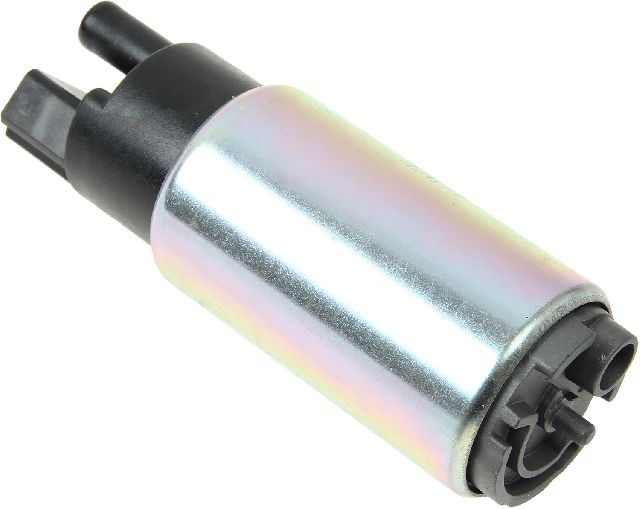
Used OEM Parts in Stock


New Aftermarket Parts Available
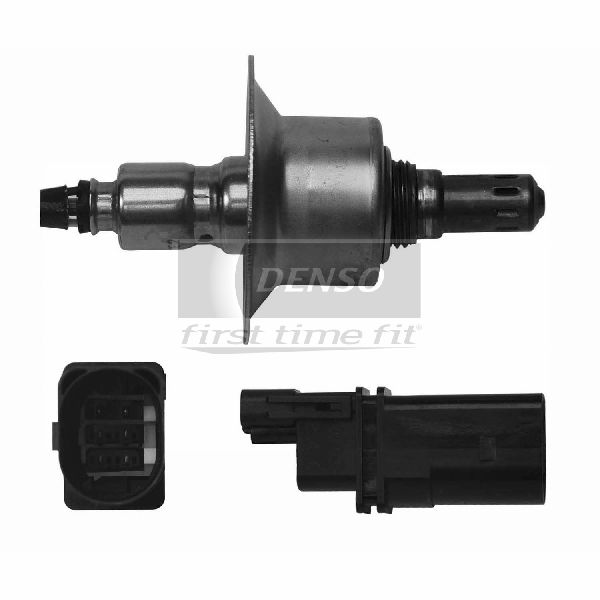


The information in this article is provided for general reference and educational purposes only. Vehicle specifications, procedures, and part compatibility can vary by production date, trim level, and region. Always consult your vehicle's factory service manual and verify part numbers before purchasing or performing repairs. Safety-critical components such as airbags, seat belts, and braking systems should be installed by a qualified professional.
- Kia Optima:
- 🎬 Helpful Videos
- 🛍️ Shop This Part
- What's Unique About the 2011-2015 Kia Optima
- Symptoms You May Notice
- Most Likely Causes
- Rare But Worth Checking
- Diagnosis Steps
- Parts You'll Likely Need
- Related Codes That Often Appear With This One
- Technical Service Bulletins (TSBs) & Recalls
- Platform-Specific Known Issues
- Mechanic-Grade Diagnostic Values
- Scan Tool Commands That Help
- Wiring & Ground Locations
- Real Owner Repair Stories
- OEM Part Supersession History
- Model Year Variations Within This Range
- Diagnostic Flowchart
- Used vs. New Parts: Buying Guide for This Vehicle
- Related OBD-II Codes
- Frequently Asked Questions
- 🎟️ Get 5% Off