

P0202 on 2010-2015 Hyundai Tucson 2.0L CRDi: Injector Circuit Malfunction Fixes
Code P0202 on a 2.0L CRDi Tucson indicates an electrical fault in the cylinder 2 fuel injector circuit. The most common cause is a failed fuel injector, followed by wiring or connector damage. The ECM detects this when it doesn't see the expected voltage or current change during the injector's firing sequence. Replacing the injector is the typical fix, but thorough diagnosis of the wiring is crucial to avoid misdiagnosis.
- P0202 points to an electrical problem with the cylinder 2 injector, not a fuel pressure issue.
- The most likely culprit is a failed fuel injector, but always test the wiring and connector before buying parts.
- A simple way to confirm a bad injector is to swap it with another cylinder and see if the trouble code follows the injector.
- If you replace the injector, the new one MUST be coded to the ECM using a professional scan tool for the engine to run correctly.
- Do not ignore this code, as it can lead to poor performance, reduced fuel economy, and potential damage to expensive emissions components like the DPF.
What's Unique About the 2010-2015 Hyundai Tucson
The 2.0L CRDi (engine code D4HA) in this generation of Tucson (also known as the ix35) uses a Bosch high-pressure Common Rail system with Piezo-electric injectors, which are more complex and faster-acting than standard solenoid injectors. These injectors operate at very high pressures (up to 1800 bar) and require a unique Injector Quantity Adjustment (IQA) code to be programmed into the ECM when replaced. This multi-digit calibration code, found on the injector body, allows the ECM to compensate for manufacturing variances between injectors, ensuring precise fuel delivery, smooth engine operation, and emissions compliance. Skipping this step will lead to rough running, smoking, and potential long-term engine issues.
Symptoms You May Notice
- Check Engine Light is on
- Flashing Check Engine Light (indicating a severe misfire)
- Rough, shaking, or vibrating idle
- Noticeable loss of engine power and poor acceleration
- Engine hesitation or stumbling, especially under load.
- Increased fuel consumption
- Difficulty starting the engine
- Smell of unburnt diesel from the exhaust
- Replacing spark plugs (diesel engines do not have them).
- Replacing the fuel filter without diagnosing the circuit fault first. While a clogged filter can cause performance issues, it will not cause a P0202 electrical circuit code.
- Assuming the injector is bad without testing the wiring. A simple wiring fault can mimic a failed injector, leading to unnecessary replacement of an expensive part.
Most Likely Causes
- Faulty Cylinder 2 Fuel Injector 🔴 High Probability Diesel injectors operate under extreme pressure and heat. The internal Piezo stack or coil can fail over time, creating an open or high-resistance circuit. Contamination in the fuel system is a major cause of failure for these precise components.
How to confirm: Measure the resistance across the two terminals of the injector using a multimeter. Compare the reading to the manufacturer's specification. A 2012 service document suggests a resistance of 150 ~ 250 kΩ for the Piezo stack, while another for a similar system suggests 0.215~0.255Ω for the coil, highlighting the need for the correct spec. A reading of infinity (OL) indicates an open circuit. The most definitive test is to swap the cylinder 2 injector with another cylinder (e.g., cylinder 1). If the code changes to P0201, the injector is confirmed bad.
Typical fix: Replace the faulty fuel injector, the high-pressure fuel line, and all associated seals/washers. The new injector's IQA code must be programmed into the ECM using a capable scan tool.
Est. part cost: $250-$450 - Wiring Harness or Connector Issue 🟡 Medium Probability Engine vibrations and heat can cause wires to break or chafe over time, especially in the plastic conduit leading to the injectors. The connector pins can also become corroded, bent, or backed-out, leading to an intermittent or permanent open circuit. Rodent damage to wiring is also a known possibility.
How to confirm: Visually inspect the wiring harness leading to the #2 injector for any signs of damage, melting, or chafing. Unplug the connector and check for corrosion or bent/backed-out pins. Use a noid light to confirm that the ECM is sending a pulse signal to the connector. For a more thorough test, perform a continuity check with a multimeter from the injector connector back to the ECM connector (with the battery disconnected).
Typical fix: Repair the damaged section of wiring or replace the injector connector pigtail. Ensure the repair is sealed against moisture.
Est. part cost: $15-$50 - Faulty Powertrain Control Module (PCM) ⚪ Low Probability While less common, the internal injector driver circuit within the PCM can fail. This can be caused by a short circuit in the wiring or injector, or simply by component failure over time.
How to confirm: This should only be considered after the injector and wiring have been definitively ruled out. A professional shop would need to test the injector driver circuit within the PCM itself, often by checking the signal directly at the PCM pinout with an oscilloscope.
Typical fix: Replace and reprogram the Powertrain Control Module. This is a specialized task requiring a dealer or qualified independent shop.
Est. part cost: $500-$1000
Diagnosis Steps
- Read the code with an OBD-II scanner to confirm P0202 is the primary fault. Note any other codes, especially P0302.
- Perform a thorough visual inspection of the wiring harness and connector for fuel injector #2. Look for any obvious signs of damage, corrosion, loose connections, or rodent activity. Ensure the connector is fully seated and the locking tab is engaged.
- Disconnect the injector and test its internal resistance with a multimeter set to Ohms. Compare the reading to the vehicle's service manual specifications or to the other injectors on the engine. A reading of infinity ('OL') or far outside the specified range indicates a failed injector.
- While the injector is disconnected, use a 'noid light' to test the connector. Crank the engine; a flashing light confirms the ECM is sending the command to fire the injector, pointing towards a bad injector. No flash suggests a wiring or ECM problem.
- If you do not have a noid light, you can check for voltage at the connector with a multimeter. One pin should have battery voltage with the key on, and the other is the ground-side switched by the ECM.
- If the wiring and signal appear good, the most reliable test is to swap the #2 fuel injector with one from another cylinder (e.g., cylinder #1). This is labor-intensive on a CRDi engine due to the high-pressure lines.
- Clear the codes and run the engine. If the fault code changes to P0201 (Injector Circuit Malfunction - Cylinder 1), the fuel injector is faulty and needs to be replaced.
- If the fault code remains P0202 after the swap, the problem lies within the wiring harness or the ECM itself. Perform a continuity and short-to-ground test on the wires between the injector connector and the ECM connector.
Parts You'll Likely Need
- Diesel Fuel Injector
(OEM #33800-2F000)— This is the most common cause for a P0202 code, where the injector's internal electrical components have failed. The Bosch equivalent part number is often 0445116019 or 0445116020, but always verify with VIN.
Trusted brands: Bosch (OEM supplier), Hyundai (Genuine OE)
OEM price range: $350-$500
Aftermarket price range: $250-$400 - Injector Seal Kit — When replacing an injector, the copper washer (crush washer) at the tip and any O-rings must be replaced to ensure a proper seal and prevent combustion gases from leaking.
Trusted brands: Bosch, Hyundai
OEM price range: $10-$20
Aftermarket price range: $5-$15 - High-Pressure Fuel Line — The high-pressure fuel lines connecting the common rail to the injector are single-use 'crush-to-fit' components. They must be replaced anytime they are loosened to prevent high-pressure fuel leaks.
Trusted brands: Hyundai
OEM price range: $30-$60
Related Codes That Often Appear With This One
- P0302 — P0302 means 'Cylinder 2 Misfire Detected'. Since P0202 causes the cylinder 2 injector to stop working, that cylinder will not have combustion, which the ECM will detect as a misfire.
Platform-Specific Known Issues
- The Bosch CP4 high-pressure fuel pump used in some CRDi systems can be sensitive to fuel quality. While not a direct cause of an electrical P0202 code, poor fuel can lead to premature injector failure.
Mechanic-Grade Diagnostic Values
- Piezo Injector Insulation Resistance — expected: 150 ~ 250 kΩ at 20°C. Failure: A reading significantly lower than 150 kΩ or showing continuity to ground indicates internal shorting of the piezo stack. This test requires a megohmmeter (insulation tester).
- Injector Actuator Coil Resistance — expected: 0.215 ~ 0.255 Ω. Failure: A reading of infinity (OL) indicates an open coil. A reading outside this narrow range suggests an internal fault. This test is performed with a standard multimeter.
- Injector Operating Voltage — expected: Up to 80V - 110V (peak). Failure: This is not a simple multimeter measurement. It is checked with an oscilloscope at the injector connector. The absence of a sharp voltage spike during the firing event points to a wiring or ECM driver issue.
- Injector Peak Current — expected: 18 ± 0.5A (Peak), 12 ± 0.5A (Hold). Failure: Measured with a current clamp and oscilloscope. The ECM sets P0202 if it does not detect this current flow. A reading of zero amps confirms an open circuit.
Scan Tool Commands That Help
- Hyundai GDS (Global Diagnostic System): Software Management -> Injector ID Written — This function is mandatory after replacing a fuel injector. It is used to write the new injector's unique multi-digit IQA code into the Engine Control Module (ECM) to ensure correct fuel trimming and engine operation.
- Hyundai GDS (Global Diagnostic System): Actuation Test -> Fuel System -> Injector Cut-off — This bidirectional command allows the technician to disable injectors one by one while the engine is running. Disabling cylinder 2 should produce no change in engine RPM if the P0202 fault is active, confirming that cylinder is not contributing.
Wiring & Ground Locations
- Injector #2 ECM Control Pin — On the ECM harness connector [CRD-A], pin 2 is the 'Injector (Cylinder #2) [Low] control output'. On other schematics, it may be listed as pin 8 on connector [EEG-K] or pin 2 on connector [C344-A] for the 'HIGH' control output. Verification with the specific vehicle's schematic is critical.. This is the specific pin on the ECM that controls the cylinder 2 injector. A continuity test from this pin to the injector connector pin will confirm if the control wire is intact or broken.
- Engine Ground Strap — Typically a braided cable from the negative battery terminal to the vehicle chassis, and another from the chassis to the engine block or cylinder head.. While not a direct cause of a single injector code, a poor or corroded main engine ground can cause a variety of strange electrical issues, including erratic sensor and actuator behavior. Ensuring the main grounds are clean and tight is a foundational step in any electrical diagnosis.
OEM Part Supersession History
33800-2F000→33800-2F600— Likely an internal revision or change in manufacturing by Bosch/Hyundai. The 2F600 is listed for later model years (approx. 2015-2018) but is often cited as a compatible replacement for the 2F000.
Heads up: While physically interchangeable, it is critical to ensure the replacement injector (whether 2F000 or 2F600) is for the correct 2.0L/2.2L R-series engine. Always verify compatibility with the vehicle's VIN. Using an injector with a different flow rate, even if it fits, will cause performance and emissions issues.
Diagnostic Flowchart
Related OBD-II Codes
Frequently Asked Questions
Is the Bosch CP4 fuel pump on my 2010-2015 Tucson 2.0L CRDi related to the P0202 code?
What is the correct resistance specification for the cylinder 2 fuel injector on the D4HA diesel engine?
If I replace the faulty cylinder 2 fuel injector on my Tucson, do I need to program the ECM?
Can rodent damage cause a P0202 code on this vehicle?
How can I confirm if my P0202 code is caused by a bad injector or a bad wiring harness?
Are other Hyundai or Kia models prone to this exact same P0202 issue?
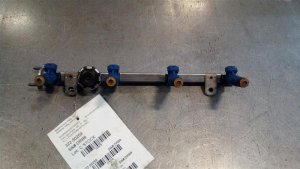
Used OEM Parts in Stock


New Aftermarket Parts Available
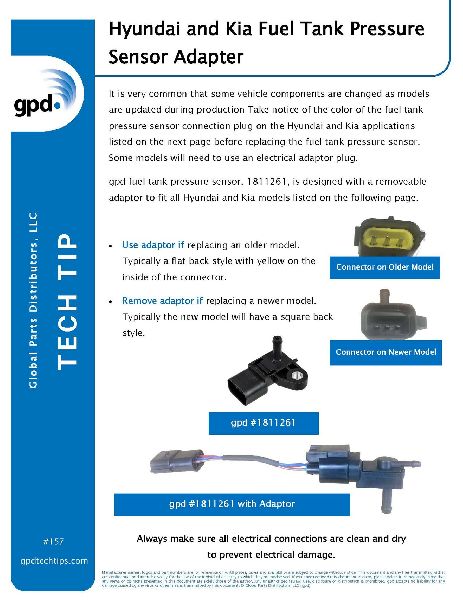
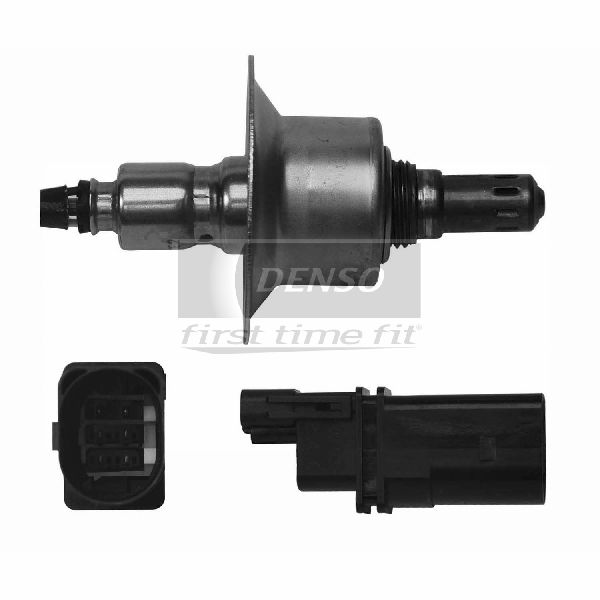


The information in this article is provided for general reference and educational purposes only. Vehicle specifications, procedures, and part compatibility can vary by production date, trim level, and region. Always consult your vehicle's factory service manual and verify part numbers before purchasing or performing repairs. Safety-critical components such as airbags, seat belts, and braking systems should be installed by a qualified professional.
- Hyundai Tucson:
- 🛍️ Shop This Part
- What's Unique About the 2010-2015 Hyundai Tucson
- Symptoms You May Notice
- Most Likely Causes
- Diagnosis Steps
- Parts You'll Likely Need
- Related Codes That Often Appear With This One
- Platform-Specific Known Issues
- Mechanic-Grade Diagnostic Values
- Scan Tool Commands That Help
- Wiring & Ground Locations
- OEM Part Supersession History
- Diagnostic Flowchart
- Related OBD-II Codes
- Frequently Asked Questions
- 🎟️ Get 5% Off