

P0202 on 2009-2020 Dodge Journey 3.6L: Injector Circuit Malfunction Causes & Fixes
P0202 on a Dodge Journey 3.6L indicates an electrical fault with the cylinder 2 fuel injector circuit. The most common causes are a failed fuel injector or a wiring issue at the connector. A less common but documented cause on similar Dodge/Chrysler engines is a wiring problem within the main harness near the valve cover. Diagnosis typically involves checking the injector's resistance and using a noid light to verify the circuit is receiving a pulse from the PCM.
- P0202 specifically points to an electrical problem in the cylinder 2 injector circuit, not a clogged injector or a spark/ignition issue.
- The most likely cause is a failed fuel injector on cylinder 2.
- Always test before replacing parts. A simple multimeter test of the injector's resistance or using a noid light can pinpoint the problem between the injector and the wiring.
- Cylinder 2 is on the front bank of the engine, making it one of the easier injectors to access and replace for a DIY repair.
- Don't forget to inspect the wiring harness carefully, as damage to the harness can mimic a failed injector.
What's Unique About the 2009-2020 Dodge Journey
While P0202 is a generic code, Chrysler/Dodge vehicles, including those with the 3.6L Pentastar, can be prone to wiring harness issues. A Technical Service Bulletin (TSB) for a similar engine family points to wiring looms near the valve cover as a potential hidden cause for injector circuit codes. [⭐ MANUFACTURER TSB — highest authority] This suggests that diagnosis should include a thorough wiring inspection, not just assuming the injector itself has failed. On the Pentastar V6, the fuel injectors themselves are also a known common failure point.
Generation note: The Dodge Journey's single generation ran from 2009 to 2020. However, the 3.6L Pentastar V6 engine was introduced in the 2011 model year. This guide is specifically for 2011-2020 Dodge Journey models equipped with the 3.6L V6. The Pentastar engine was significantly updated for the 2016 model year, but the fundamental diagnosis for P0202 remains the same.
Symptoms You May Notice
- Check Engine Light is on (may be flashing if the misfire is severe)
- Rough or shaking idle
- Engine misfire, which may feel like a stumble, pop, or severe vibration
- Poor acceleration and loss of power
- Reduced fuel economy
- Engine may stall intermittently
- Replacing the spark plug or ignition coil for cylinder 2. While these can cause a misfire (P0302), they will not cause an injector circuit code like P0202, which is specifically an electrical fault. Owners may replace these parts first, only to find the P0202 code remains.
Most Likely Causes
- Failed Fuel Injector (Cylinder 2) 🔴 High Probability Fuel injectors are a common failure item on the 3.6L Pentastar engine. The internal coil winding can fail, creating an open circuit (infinite resistance) or high resistance, which the PCM detects as a fault.
How to confirm: Measure the resistance of the injector with a multimeter. A healthy injector should read around 12-14 ohms when cool. An infinite (OL) or significantly different reading (e.g., double the normal resistance) indicates a bad injector. A popular and effective diagnostic step is to swap the cylinder 2 injector with an adjacent one (e.g., cylinder 4). Clear the codes and drive the vehicle. If the code changes to P0204, the injector is confirmed to be the faulty component.
Typical fix: Replace the failed fuel injector. Since cylinder 2 is on the front bank, the upper and lower intake manifolds do not need to be removed for access, making it a relatively simple repair.
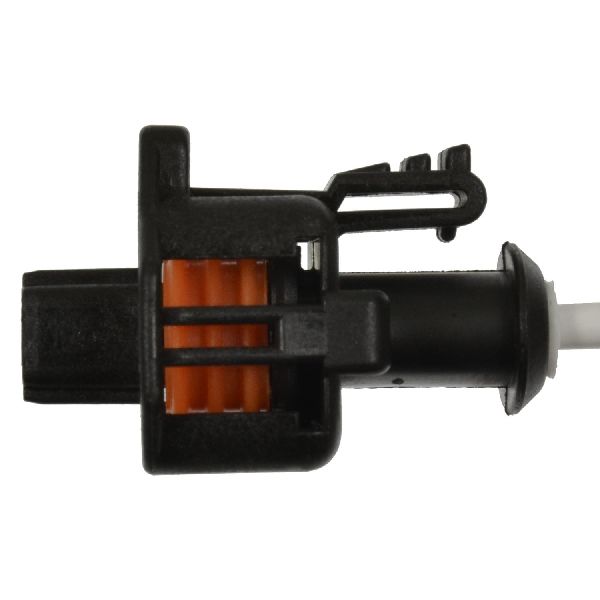
Est. part cost: $40-$120 - Faulty Wiring or Connector at Injector 🟡 Medium Probability Engine vibration and heat cycles can cause the wiring or the plastic connector at the injector to become brittle, loose, or corroded over time. The locking tab on the connector can also break, leading to a poor connection.
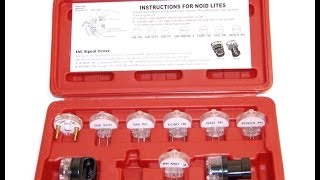
How to confirm: Visually inspect the connector and wiring for any signs of damage, looseness, or corrosion. Wiggle the connector with the engine running to see if it affects the misfire. Use a noid light in the injector connector; it should flash when the engine is cranked, indicating the PCM is sending a signal. If the noid light doesn't flash, the problem is in the wiring or PCM.
Typical fix: Repair the damaged section of wire or replace the injector connector pigtail. Ensure the new connector is securely seated.
Est. part cost: $10-$30 - Wiring Loom / Harness Issue ⚪ Low Probability A TSB for other Dodge/Ram vehicles suggests that the wiring loom passing through or near the valve cover gasket can be a source of injector circuit faults. [⭐ MANUFACTURER TSB — highest authority] This is a known pattern on some Chrysler products where wires can chafe and short to ground or break, causing an open circuit. Forum posts confirm that the main harness connector at the passenger side valve cover can have pins push back, causing open circuits for cylinders 2, 4, and 6.
How to confirm: This is more difficult to diagnose. It requires checking for continuity on the injector circuit wires between the PCM connector and the fuel injector connector. A wiring diagram is essential for this step. Check for 12V+ power at the injector connector with the key on, and then check the continuity of the driver wire (ground) back to the PCM.
Typical fix: Locate and repair the open or short in the wiring harness. This may involve unwrapping sections of the harness to find the damaged wire or re-seating pushed-out pins in a connector.
Est. part cost: $5-$50 for repair materials
Rare But Worth Checking
- Faulty Powertrain Control Module (PCM): This is the least likely cause. The internal driver circuit for the injector can fail, but all other possibilities (injector, wiring, connectors) should be exhaustively ruled out before considering PCM replacement. A noid light test that shows no pulse, combined with a wiring check that confirms good continuity from the PCM to the injector, would point towards a faulty PCM.
Diagnosis Steps
- Scan for codes and confirm P0202 is present. Note any other codes, especially P0302, which is expected.
- Locate cylinder 2. On the 3.6L Pentastar in a transverse (FWD/AWD) layout like the Journey, the front bank (near the radiator) has cylinders 2, 4, and 6, from passenger side to driver side. Cylinder 2 is the front-most, passenger-side cylinder.
- Visually inspect the wiring and connector for fuel injector #2. Look for any obvious damage, corrosion, or loose connections. Wiggle the connector while the engine is idling to see if the idle quality changes.
- Injector Resistance Test: Disconnect the injector and check its resistance using a multimeter set to Ohms. A reading between 12-14 Ohms is expected when cool. Compare it to an adjacent injector (like #4) to be sure. If the resistance is infinite (OL - Open Load) or significantly higher (e.g., >20 ohms), the injector has failed.
- Injector Swap Test (Recommended): If you have basic mechanical skills, swap the #2 injector with the #4 injector. Clear the codes and run the engine. If the code returns as P0204, you have definitively proven the injector is the fault.
- Circuit Test (Noid Light): If the resistance is good, test the circuit. Plug a 'noid light' into the injector's electrical connector. Crank or start the engine. The light should flash steadily.
- Interpreting Noid Light Results: If the noid light flashes, the wiring and PCM are likely good, and the injector is the most likely cause (possibly an intermittent internal failure). Replace the injector.
- If the noid light does NOT flash, there is a problem in the wiring harness or the PCM. Check for battery voltage on one pin of the connector with the key on. Then, check the continuity of the other wire (the ground/driver wire) back to the PCM connector using a wiring diagram.
- If wiring continuity is confirmed to be good and there is no pulse signal, the PCM is the most likely culprit, though this is rare.
Parts You'll Likely Need
- Fuel Injector (Cylinder 2)
(OEM #5184085AD)— This is the most common part to fail for a P0202 code, due to an internal electrical failure of the injector's coil. This part number supersedes 5184085AC.
Trusted brands: Mopar, Bosch, Standard Motor Products (SMP), NAPA Echlin
OEM price range: $90-$150
Aftermarket price range: $40-$90 - Fuel Injector Connector Pigtail
(OEM #68064996AA)— If the diagnostic steps point to a bad connection right at the injector (broken clip, corrosion, damaged wires), replacing the connector is the proper fix. Aftermarket equivalents like Dorman 645-571 are also available.
Trusted brands: Mopar, Dorman, NAPA
OEM price range: $25-$40
Aftermarket price range: $10-$25
Related Codes That Often Appear With This One
- P0302 — This code means 'Cylinder 2 Misfire Detected'. Since the P0202 code indicates the injector isn't firing correctly, the cylinder won't have proper combustion, which the PCM detects as a misfire. This is the most common code to appear alongside P0202.
- P0300 — This code means 'Random/Multiple Cylinder Misfire'. Sometimes a severe misfire in one cylinder can disrupt crankshaft timing enough for the PCM to incorrectly flag other cylinders, leading to a P0300 code alongside the primary P0202/P0302.
Technical Service Bulletins (TSBs) & Recalls
- Bulletin #9002688: While for a different model, it highlights a known issue on Chrysler products where injector circuit codes can be caused by wiring faults near the valve cover, advising against immediate injector replacement.
Platform-Specific Known Issues
- A Technical Service Bulletin for a related engine (Bulletin #9002688) advises checking the wiring loom and connector in the valve cover gasket area before replacing injectors for P020x codes. This indicates a known pattern of wiring issues on Chrysler-family engines that can mimic a failed injector. [⭐ MANUFACTURER TSB — highest authority]
- Owners have reported that insufficient factory engine-to-chassis ground straps can be the source of various difficult-to-diagnose electrical problems on the Dodge Journey. Upgrading or adding grounds between the engine block and chassis is a potential preventative measure.
- On the related 3.6L in the Jeep Wrangler, a common failure point causing codes for cylinders 2, 4, and 6 is the main harness connector on the passenger side valve cover, where pins can become dislodged.
Mechanic-Grade Diagnostic Values
- Fuel Injector Coil Resistance — expected: 12-14 Ohms (when engine is cool). Failure: Infinite resistance (OL), zero resistance (short), or a reading significantly higher than other injectors (e.g., double the resistance).
- Fuel Injector Power Supply Voltage — expected: 12V+ (battery voltage) with key on, engine off.. Failure: Low or no voltage indicates a problem in the power supply wire, fuse, or relay, not the PCM driver.
- Injector Pulse Width (Live Scan Tool Data) — expected: Relatively consistent across all cylinders at idle.. Failure: On some Pentastar engines, the cylinder with a mechanical misfire or injector issue may show a noticeably *lower* pulse width as the PCM tries to compensate.
Scan Tool Commands That Help
- Advanced Scan Tool (e.g., Autel, Xtool, WiTech): Fuel Injector Balance/Actuator Test — To command each injector to fire individually while monitoring fuel pressure drop or listening for an audible click (a 'buzz test'). This can help isolate a non-responsive injector without removal.
- Advanced Scan Tool (e.g., Xtool D8, WiTech): Cam/Crank Relearn — After major engine work or if persistent, unresolved misfires accompany the P0202 code. In some cases, this has resolved lingering misfire detection issues after the primary fault was fixed.
Wiring & Ground Locations
- Injector Harness Connector (Cyls 2, 4, 6) — On the passenger side valve cover.. This is a known weak point where pins can get pushed back or corrode, causing an open circuit for the entire bank of injectors, including cylinder 2. It directly aligns with the advice in TSB #9002688.
- Engine to Chassis Grounds — Primary grounds are located on the driver's side strut tower (from battery) and from the passenger side engine mount to the passenger strut tower.. The factory ground straps are considered undersized (4 gauge) by some technicians. A poor ground can cause a host of intermittent and difficult-to-diagnose electrical faults, including injector circuit issues. Adding or upgrading these grounds can improve overall electrical system stability.
- G305 — Under the front passenger's seat.. This is a major interior ground point. While less likely to cause a single injector code, water intrusion in this area (a known Journey issue) could cause widespread electrical problems.
Real Owner Repair Stories
- Jeep Wrangler Forum user (Jeep with 3.6L Pentastar (same engine family)) — P0202, P0204, P0206, and P0300 appeared at the same time after an engine rebuild.
❌ Tried (didn't work) Initial diagnosis was confusing due to all three injectors on one bank showing a fault.
✅ What actually fixed it The harness connector on the passenger side valve cover was inspected. The wire pins inside the connector had been pushed back, creating an open circuit. Pushing the pins back into place and securing the connector resolved the codes. - Jeep Wrangler JK Forum user (Jeep Wrangler JK with 3.6L Pentastar) — Persistent, intermittent misfires on multiple cylinders, including cylinder 2, after replacing spark plugs, coils, and sensors.
❌ Tried (didn't work) Crankshaft sensor replacement, Camshaft sensor replacement, Ignition coil replacement, Spark plug replacement
✅ What actually fixed it After purchasing a high-end bidirectional scan tool (Xtool D8), the owner performed a 'Cam/Crank relearn' function. This procedure resolved the majority of the misfire counts and stopped the check engine light from appearing.
OEM Part Supersession History
5184085AC (Mopar) / 0280158233 (Bosch)→5184085AD (Mopar)— Standard part revision/update.5184085AD (4-hole injector)→5281427AA (8-hole injector from 2016+ 'PUG' engine)— This is a popular, owner-discovered upgrade, not an official supersession. The 8-hole injector provides better fuel atomization, potentially improving throttle response and fuel economy.
Heads up: This is a direct-fit, plug-and-play upgrade for 2011-2015 models. No modifications are required. It is also significantly cheaper than the original part number.
Model Year Variations Within This Range
- 2011-2015: These models came from the factory with a 4-hole fuel injector (Mopar P/N 5184085AD).
- 2016-2020: These models with the updated 'PUG' Pentastar engine may have come with an 8-hole injector (Mopar P/N 5281427AA) which offers better fuel atomization. The diagnosis for P0202 remains identical, but the replacement part may differ depending on what was originally installed.
Diagnostic Flowchart
Other Known Issues on This Vehicle
Issues unrelated to this code that are worth knowing about as an owner of this generation:
- Cracked Oil Filter Housing / Cooler Assembly 🔴 High — Very common, often occurs after 60,000 miles. Can cause major oil or coolant leaks. (Ref: Chrysler Service Bulletin #09-008-15 addresses this for 2014 models, but the issue is widespread across many years.)
- Rocker Arm / Lifter Failure ('Pentastar Tick') 🔴 High — Common issue, can manifest as a ticking noise that progresses to misfires. Often requires replacement of rocker arms, lifters, and sometimes camshafts. (Ref: Subject of a class-action lawsuit, but no official recall.)
- Uconnect Infotainment System Failures 🟡 Low — Widespread complaints of the screen freezing, rebooting, or Bluetooth connectivity issues across multiple model years. (Ref: Various software update TSBs exist but may not solve all problems.)
- Premature Brake Wear 🟠 Medium — Many owners report faster-than-average wear on brake pads and rotors, particularly the rear brakes.
- 62TE Transmission Shifting Problems 🟠 Medium — Some owners experience harsh shifting, hesitation, or premature failure of the 6-speed automatic transmission. (Ref: Various software updates and TSBs have been released to address shift quality.)
Used vs. New Parts: Buying Guide for This Vehicle
When a used part is the smart pick: Wiring pigtails, connectors, and entire engine harnesses are excellent candidates for used parts. A full set of six fuel injectors can be a cost-effective used purchase if sourced from a documented low-mileage (under 60k miles) donor vehicle, especially if upgrading to the 8-hole PUG injectors.
Donor-vehicle mileage cap: roughly under 60000 miles for the part to have meaningful remaining life.
What to inspect on the donor part:
- For injectors, ask for the donor vehicle's mileage. Inspect tips for excessive carbon.
- For wiring, check that connector locking tabs are intact and not brittle.
- Visually inspect for any signs of rodent damage, chafing, or previous repairs on harnesses.
- If possible, test the resistance of used injectors before purchase to ensure they are within the 12-14 ohm spec.
OEM-only on this vehicle (don't cheap out):
- Powertrain Control Module (PCM) — Aftermarket or reprogrammed PCMs are a frequent source of issues.
Aftermarket brands forum-validated for this vehicle:
- Bosch (OEM supplier)
- Standard Motor Products (SMP)
- NAPA Echlin
- Carquest (remanufactured OEM)
Brands owners have reported issues with on this vehicle:
- Unnamed, ultra-low-cost injectors from online marketplaces (e.g., Amazon, eBay) are a gamble and often fail prematurely or are out of spec upon arrival.
Real Owner Stories
Aggregated from forums and TSBs cited above. Mileages and costs reflect what owners reported in those sources.
2017 Dodge Journey 3.6L
Symptoms: Intermittent misfire with codes P0303 and P0202. The owner went through a diagnostic process of eliminating spark plugs and coils first.
What fixed it: The diagnostic process pointed toward the fuel injector after eliminating ignition components.
Source hint: Dodge Journey Forum - '2017 3.6L Cylinder 3 Misfires'
3.6L Pentastar (Jeep Wrangler)
Symptoms: P0202 error code; confirmed as an electrical circuit code rather than a fuel flow issue.
What fixed it: Diagnostic confirmation that the PCM supplies 12V+ via the ASD relay and provides the ground pulse to the injector.
Source hint: Jeep Wrangler Forum - 'P0202 Error'
3.6L Pentastar (Jeep Grand Cherokee)
Symptoms: P0202 code present; owner was concerned about potential camshaft or lifter failure.
What fixed it: Advised to perform basic electrical checks on the injector and wiring harness first.
Source hint: Reddit r/GrandCherokee - 'Well well well'
Related OBD-II Codes
Frequently Asked Questions
Where is cylinder 2 located on my Dodge Journey 3.6L Pentastar?
Do I need to remove the intake manifold to replace the #2 fuel injector?
What should the resistance reading be for a healthy fuel injector on this engine?
Is there a TSB for injector circuit issues on Chrysler/Dodge vehicles?
Could a bad ground cause my P0202 code?
How can I tell if the problem is the injector or the PCM?
Helpful Videos
Used OEM Parts in Stock
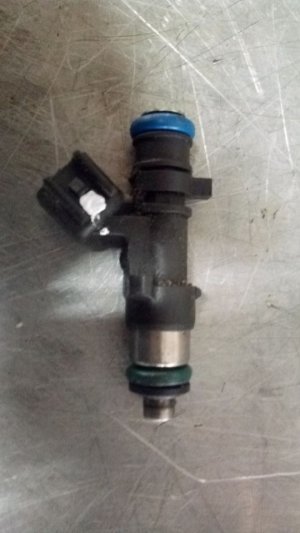

New Aftermarket Parts Available
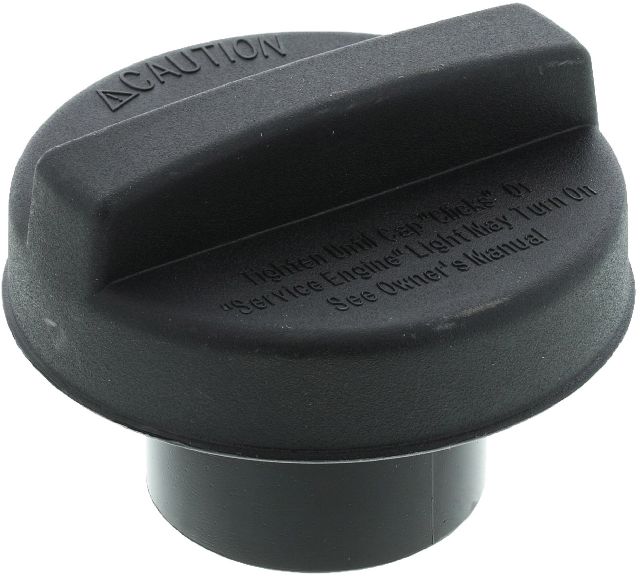
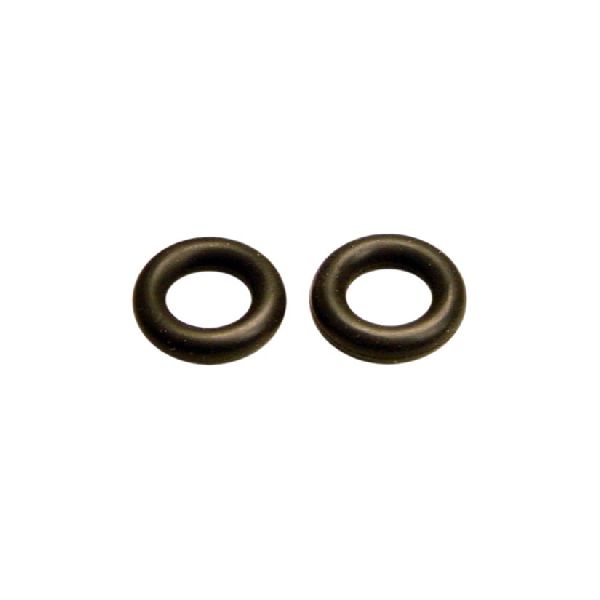


The information in this article is provided for general reference and educational purposes only. Vehicle specifications, procedures, and part compatibility can vary by production date, trim level, and region. Always consult your vehicle's factory service manual and verify part numbers before purchasing or performing repairs. Safety-critical components such as airbags, seat belts, and braking systems should be installed by a qualified professional.
- Dodge Journey:
- 🎬 Helpful Videos
- 🛍️ Shop This Part
- What's Unique About the 2009-2020 Dodge Journey
- Symptoms You May Notice
- Most Likely Causes
- Rare But Worth Checking
- Diagnosis Steps
- Parts You'll Likely Need
- Related Codes That Often Appear With This One
- Technical Service Bulletins (TSBs) & Recalls
- Platform-Specific Known Issues
- Mechanic-Grade Diagnostic Values
- Scan Tool Commands That Help
- Wiring & Ground Locations
- Real Owner Repair Stories
- OEM Part Supersession History
- Model Year Variations Within This Range
- Diagnostic Flowchart
- Other Known Issues on This Vehicle
- Used vs. New Parts: Buying Guide for This Vehicle
- Real Owner Stories
- 2017 Dodge Journey 3.6L
- 3.6L Pentastar (Jeep Wrangler)
- 3.6L Pentastar (Jeep Grand Cherokee)
- Related OBD-II Codes
- Frequently Asked Questions
- 🎟️ Get 5% Off