

P0202 on 2010-2017 Chevrolet Equinox 2.4L: Injector Circuit Malfunction Causes and Fixes
On a 2010-2017 Equinox 2.4L, code P0202 is almost always caused by a failed cylinder 2 fuel injector or a chafed wire in the engine harness. A new OEM injector costs about $120-$180, and a wiring inspection is crucial before replacing parts. This is an electrical fault, not a clogged injector.
- P0202 on your Equinox is an electrical fault for the cylinder 2 fuel injector, not a spark plug or coil issue.
- The two most likely causes are a failed fuel injector or a chafed engine wiring harness. Always inspect the wiring harness for damage before buying a new injector.
- A definitive DIY test is to swap the cylinder 2 injector with an adjacent one (like cylinder 3) and see if the trouble code follows the injector (changes to P0203).
- Do not drive for an extended period with this code active, as the resulting misfire can destroy your expensive catalytic converter.
What's Unique About the 2010-2017 Chevrolet Equinox
For the 2.4L Ecotec engine in the second-generation Equinox, P0202 points to two very common issues. First, this engine uses a Spark Ignition Direct Injection (SIDI) system, where injectors are in a high-heat, high-pressure environment, leading to a higher rate of internal electronic failure. Second, and equally probable, is a well-documented wiring harness problem. GM issued Technical Service Bulletin #PIP4924D because the engine harness is prone to rubbing against engine components, causing wires to break and triggering injector circuit codes. The PCM on this platform actively monitors the injector circuit's health by looking for a specific voltage spike upon deactivation, making it sensitive to these electrical faults.
Symptoms You May Notice
- Check Engine Light is on
- Rough or shaking idle
- Engine hesitation or stumbling on acceleration
- Noticeable loss of power
- Poor fuel economy
- Flashing Check Engine Light in severe cases
- Hard starting or stalling
- Replacing the spark plug or ignition coil for cylinder 2. While these parts can cause a misfire code (P0302), they do not cause an injector circuit code like P0202, which specifically points to an electrical fault 🎬 Watch: A quick guide to P0202 causes and fixes. in the fuel system.
Most Likely Causes
- Failed Cylinder 2 Fuel Injector 🔴 High Probability The 2.4L is a direct injection (GDI) engine. These injectors operate under high pressure and heat directly in the cylinder, leading to a higher rate of internal electronic coil failure compared to older port injection systems.
How to confirm: Swap the cylinder 2 injector with another cylinder (e.g., cylinder 3). If the code changes to P0203, the injector is faulty. Alternatively, test the injector's resistance with a multimeter. A good GDI injector for this engine should read between 1.1 and 2.0 Ohms. A reading of OL (open loop) or zero confirms a failed coil.
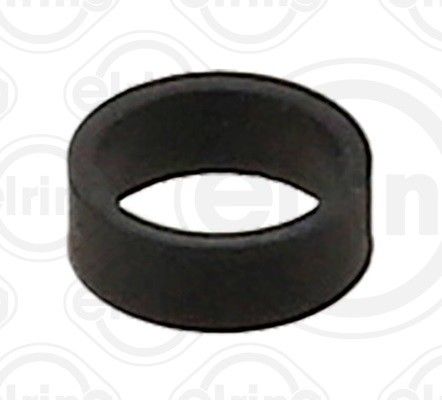
Typical fix: Replace the failed fuel injector. It is critical to also replace the Teflon seal and O-ring. Special tools are often required to install the new Teflon seal correctly 🎬 See this walkthrough for replacing the fuel injectors. on GDI injectors.
Est. part cost: $50-$180 - Chafed or Damaged Engine Wiring Harness 🔴 High Probability GM issued TSB #PIP4924D for this exact issue. The harness is known to rub against the intake plenum, valve cover bolts, fuel lines, or a metal bracket at the rear of the cylinder head, causing wires to chafe and create an open or short circuit. A corroded ground stud under the alternator is another known failure point for injector circuits.
How to confirm: Carefully perform a visual inspection of the entire fuel injector wiring harness, paying close attention to the contact points mentioned in TSB #PIP4924D. Look for worn insulation or broken wires. A continuity test from the injector connector to the ECM connector can also confirm an open or shorted wire.
Typical fix: Repair the damaged section of wire using a weatherproof butt connector and heat shrink tubing. Secure the harness away from the sharp edge that caused the damage. If the damage is at the connector, replace the connector pigtail.
Est. part cost: $15-$45
Rare But Worth Checking
- Faulty Powertrain Control Module (PCM/ECM): This is rare and should only be considered after the injector and wiring have been definitively proven to be good. The injector driver circuit within the PCM can fail, but it's the least likely cause.
Diagnosis Steps
- Read the trouble codes with an OBD-II scanner and confirm P0202 is present. Note any other codes, especially P0302.
- Perform a visual inspection of the cylinder 2 fuel injector connector for damage or corrosion. Ensure it is seated properly.
- Inspect the engine wiring harness for signs of chafing or damage, especially at the rear of the engine near the intake manifold and valve cover, as noted in TSB #PIP4924D. Also check the harness routing near the alternator and the condition of the ground stud on the block next to the A/C compressor bracket.
- Use a 'noid light' to test for a signal at the injector connector. Disconnect the harness from the injector and plug in the noid light. Crank the engine; a flashing light indicates the PCM and wiring are sending the signal to fire.
- If the noid light does not flash, check for power (~12V) on one pin of the connector with the key on. If power is present, the issue is on the control (ground) side of the circuit back to the PCM.
- If the noid light flashes, the problem is likely the injector itself. Turn the ignition off and disconnect the battery.
- Test the injector's internal resistance using a multimeter. Set the meter to Ohms and measure across the two pins of the injector. The reading should be between 1.1 and 2.0 Ohms. An infinite (OL) or zero reading confirms a failed injector.
- For a definitive test, swap the cylinder 2 fuel injector with the injector from cylinder 3. Clear the codes, start the engine, and re-scan. If the code changes to P0203, the injector is bad. If P0202 returns, the problem is in the wiring.
- If all tests point to a wiring issue that isn't visible, perform a continuity test on both wires from the injector connector back to the PCM connector to find the open or short.
- Only consider replacing the PCM if the injector and all wiring have been tested and confirmed to be good.
Parts You'll Likely Need
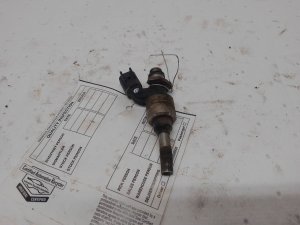
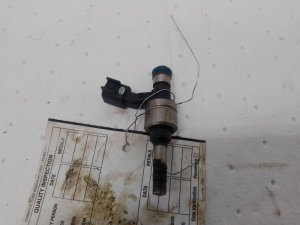
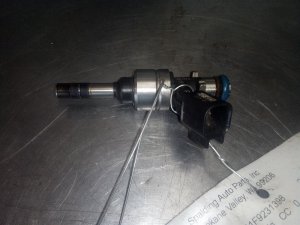
- Fuel Injector
(OEM #12633784 (Superseded by 12669384))— This is the most common part to fail. The internal electronic coil fails due to the high-heat, high-pressure direct injection environment, causing an open or short circuit.
Trusted brands: ACDelco, Delphi, Bosch, Hitachi, Standard Motor Products
OEM price range: $120-$180
Aftermarket price range: $50-$100 - Fuel Injector Connector Pigtail
(OEM #ACDelco PT2183 (example))— If the wiring harness has chafed near the connector, or if the connector itself is brittle and damaged from heat, a new pigtail is needed to repair the circuit. A common aftermarket alternative is Dorman 645-930.
Trusted brands: ACDelco, Dorman
OEM price range: $25-$45
Aftermarket price range: $15-$30
Related Codes That Often Appear With This One
- P0302 — This code means 'Cylinder 2 Misfire Detected.' Since P0202 indicates the injector circuit for cylinder 2 is failing, the cylinder isn't getting fuel, which directly causes a misfire. This code is almost always present with P0202.
- P0201, P0203, P0204 — If multiple injector circuit codes appear at the same time, it strongly suggests a wiring harness issue at a point common to all affected injectors, rather than multiple injectors failing simultaneously.
- P0264, P0265 — These are manufacturer-specific codes for 'Cylinder 2 Injector Control Circuit Low Voltage' and 'Cylinder 2 Injector Control Circuit High Voltage' respectively. They provide a more detailed electrical diagnosis than the generic P0202 and point more specifically toward a short to ground (Low) or an open circuit/short to power (High).
Technical Service Bulletins (TSBs) & Recalls
- PIP4924D: Addresses engine misfires and various injector circuit codes (P0201-P0206) caused by the engine wiring harness chafing against engine components. It lists specific inspection points like the intake plenum and valve cover bolts. Manufacturer TSB Bulletin #PIP4924D notes that technicians may find DTCs P0201-P0206 alongside circuit-specific codes like P0261, P0264, and P0267 when the Service Engine Soon lamp is on.
Platform-Specific Known Issues
- Engine Harness Chafing: The engine wiring harness is susceptible to chafing against the intake manifold, valve cover bolts, and various brackets, as documented in GM TSB #PIP4924D. This is a very common cause for injector circuit codes on this platform.
- Real-World Repair Story: A user on equinoxforum.net with a 2011 Equinox 🎬 Watch: Diagnosing a rough idle and bad injector on this engine. reported a P0202 code and rough running. After swapping the #2 and #4 injectors, the code changed to P0204, confirming the injector was the culprit. The owner replaced the single bad injector (ACDelco #12633784) and the issue was resolved.
Mechanic-Grade Diagnostic Values
- Fuel Injector Internal Resistance — expected: 1.1 - 2.0 Ohms. Failure: A reading of OL (Open Loop/infinity) or near-zero Ohms indicates a failed internal coil. Readings of 11-14 Ohms are for older port-injection engines and are incorrect for this GDI engine.
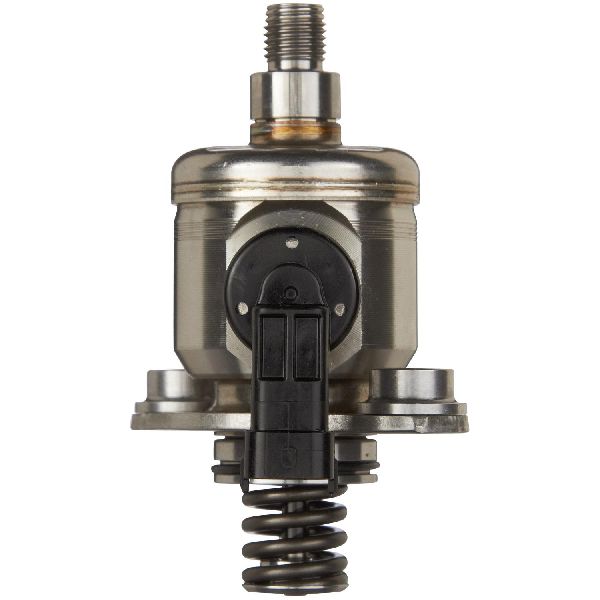
- High-Pressure Fuel Rail Pressure (Scan Tool, at Idle) — expected: 1.9-5.0 MPa (276-725 PSI). Failure: While not a direct cause of P0202, pressure significantly below this range points to a problem with the high-pressure fuel pump (HPFP), not the injector circuit itself.
- Injector Pulse Width (Scan Tool, at Idle) — expected: 1 - 5 milliseconds (ms). Failure: A pulse width of 0 ms for cylinder 2 while other cylinders are pulsing indicates the PCM is not commanding the injector, pointing to a wiring or PCM driver issue.
- Injector Inductive Kick Voltage Spike (Oscilloscope) — expected: 60 - 80 Volts. Failure: A missing or significantly lower voltage spike when the injector is de-energized indicates a problem in the circuit (open, short) or a faulty injector coil, which prevents the magnetic field from collapsing correctly. This is what the PCM monitors to set the code.
- ECM Ground Voltage Drop — expected: < 0.1 Volts (or < 100 millivolts). Failure: A reading higher than 0.1V when testing between the ECM ground pin (e.g., at G112) and the battery negative terminal indicates high resistance in the ground circuit, which can cause the injector driver to malfunction.
Scan Tool Commands That Help
- GDS2 (GM Factory Scan Tool) or equivalent high-end scanner: Automated Fuel Injector Balance Test / Cylinder Power Balance — This is a definitive bidirectional test to confirm injector operation. The tool commands the PCM to disable each injector one by one while monitoring the drop in fuel rail pressure or engine RPM. If disabling cylinder 2 causes no change in RPM or pressure drop, it confirms that cylinder was not contributing, validating the fault location.
Wiring & Ground Locations
- G112 — On the lower left front of the 2.4L engine block.. This is a primary ground for the Engine Control Module (ECM). A loose or corroded connection here can cause the injector driver circuits within the ECM to malfunction, creating erratic behavior and setting false injector codes.
- Injector #2 Control Wire — Typically a Light Green/Black wire running from the injector connector back to the main ECM connector (X1 or X2).. This is the specific wire the ECM pulses with a ground signal to fire the injector. A continuity test on this wire is essential to find an open (break) or a short to ground if a wiring fault is suspected.
- TSB #PIP4924D Chafe Points — Visually inspect where the main engine harness rubs against the aluminum intake manifold, the corners of the valve cover, and any metal brackets at the rear of the cylinder head.. These are the most common, documented locations for the wiring harness to wear through its insulation, causing a short or open circuit for one or more injectors.
- G105 / G106 — G105 is at the left front of the engine compartment, often behind cooling fan relays. G106 is on the front center of the frame cross rail, under the crank pulley.. These are critical engine and chassis grounds. While G112 is more direct, high resistance at these points can introduce electrical noise and voltage issues across the entire engine management system.
Real Owner Repair Stories
- equinoxforum.net user (2011 Chevrolet Equinox 2.4L) — P0202 code, rough running engine.
❌ Tried (didn't work) Initial code scan and visual inspection.
✅ What actually fixed it Swapped the #2 and #4 fuel injectors. The code changed to P0204, confirming the injector was the faulty component. A single new ACDelco injector (PN 12633784) was installed, which resolved the issue.
"I Checked Everything" — The Actual Cause
- While a smoke test is not applicable for an electrical code, an analogous situation occurs when initial tests (noid light, resistance check) pass. An intermittent P0202 can be caused by a wiring issue that only manifests with engine vibration. A 'wiggle test' is the solution: with the engine running, carefully move and shake sections of the fuel injector harness. If the misfire changes or the code appears/disappears, it confirms an intermittent open or short in the harness that needs to be located and repaired.
OEM Part Supersession History
12633784→12669384— Standard part number update by GM/ACDelco. The new part is a direct replacement.
Heads up: There are no known incompatibility issues. Both part numbers are for the 2.4L SIDI engine and are interchangeable.
Model Year Variations Within This Range
- 2010-2011 vs 2012-2017: The 2010-2011 models use the LAF 2.4L engine, while 2012-2017 models use the LEA 2.4L engine. The primary difference is that the LEA is FlexFuel (E85) capable and has dual variable valve timing (intake and exhaust), whereas the LAF has single VVT (intake only). While the LEA injectors are designed to withstand ethanol, the core design and electrical resistance specifications for testing P0202 remain the same across both engine versions.
Diagnostic Flowchart
Other Known Issues on This Vehicle
Issues unrelated to this code that are worth knowing about as an owner of this generation:
- Excessive Oil Consumption 🔴 High — Extremely common across all model years, often starting around 60,000-80,000 miles. Caused by defective low-tension piston rings. (Ref: Multiple Special Coverage Adjustments (e.g., #15285C for 2011, #N192291100 for 2013) and class-action lawsuits.)
- Premature Timing Chain & Balance Shaft Chain Failure 🔴 High — Commonly occurs between 80,000-120,000 miles, often as a direct result of oil starvation from the excessive oil consumption issue. (Ref: TSB 12313C addresses the balance shaft chain for 2010-2011 models. Timing chain failure is often covered under the oil consumption special coverages if diagnosed as the root cause.)
- Cracked Exhaust Manifold 🟠 Medium — A very common failure, often signaled by a ticking noise on cold starts and codes like P0131 or P0420. The factory manifold is prone to cracking.
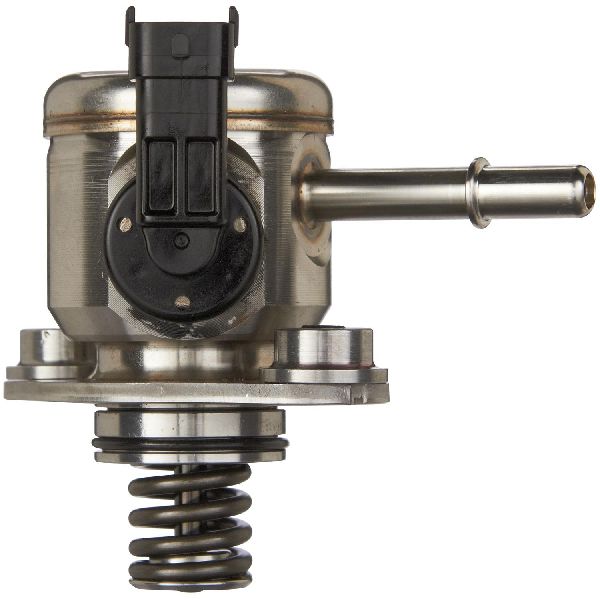
- High-Pressure Fuel Pump (HPFP) Failure 🟠 Medium — The HPFP can fail, sometimes leaking fuel into the crankcase, which dilutes the engine oil and causes running issues. (Ref: Emission Recall 43180 for 2010-2011 models to replace the HPFP.)
- Faulty Camshaft Position Actuator Solenoids 🟠 Medium — These VVT solenoids frequently fail or become clogged with sludge (often from oil breakdown), causing codes like P0012 or P0341. (Ref: TSB #17-NA-098 recommends replacing them in pairs.)
Used vs. New Parts: Buying Guide for This Vehicle
When a used part is the smart pick: For a wiring repair, sourcing a connector pigtail with a few inches of wire from a junkyard vehicle is a cost-effective and reliable option, provided the donor connector is not brittle or corroded.
Donor-vehicle mileage cap: roughly under 80000 miles for the part to have meaningful remaining life.
What to inspect on the donor part:
- For a connector pigtail, check for flexibility (not brittle), absence of green or white corrosion on pins, and intact locking tabs.
- For a used injector, look for a clean nozzle tip with minimal carbon buildup and an intact, pliable O-ring. Avoid injectors that are rusty or show signs of being stored improperly.
OEM-only on this vehicle (don't cheap out):
- Fuel Injector: Due to the high-pressure SIDI system and sensitivity to flow rates and carbon buildup, a new OEM (ACDelco) or top-tier OE-supplier (Bosch, Delphi, Hitachi) injector is strongly recommended over a used or cheap aftermarket part.
Aftermarket brands forum-validated for this vehicle:
- Bosch
- Delphi
- Hitachi
- Standard Motor Products (SMP)
Brands owners have reported issues with on this vehicle:
- Unbranded, no-name injector sets sold on marketplaces. These often have inconsistent flow rates, leading to poor performance and other trouble codes even if they resolve the P0202.
Real Owner Stories
Aggregated from forums and TSBs cited above. Mileages and costs reflect what owners reported in those sources.
2011 Chevrolet Equinox 2.4L
Symptoms: The vehicle was running rough and triggered a P0202 code.
What fixed it: The owner swapped the #2 and #4 injectors and saw the code move to P0204. They replaced the single faulty injector with an ACDelco #12633784.
Source hint: equinoxforum.net thread titled 'p0202-code.37585'
2010-2017 GMC Terrain 2.4L
Symptoms: Owner experienced P0202 and an accompanying P0302 misfire code.
What fixed it: Diagnosis of common causes including injector failure or harness chafing as outlined in TSB PIP4924D.
Source hint: terrainforum.net thread titled 'p0202-and-p0302-codes.10313'
Related OBD-II Codes
Frequently Asked Questions
Does TSB #PIP4924D apply to my 2010-2017 Chevrolet Equinox 2.4L?
What is the correct resistance for a replacement fuel injector on the 2.4L Ecotec engine?
Is there a specific part number recommended for the fuel injector replacement?
Are there any recalls for the fuel system on 2010-2011 models that might be related?
Can I just replace the injector, or do I need special tools for the 2.4L GDI system?
Where should I check for wiring damage if I suspect the harness is causing P0202?
Helpful Videos
![Chevrolet Equinox Engine Rough Idle BAD INJECTOR [ P0201 P0202 P0203 P0300 ]](https://img.youtube.com/vi/ZmLJt6_r6Tc/mqdefault.jpg)
Used OEM Parts in Stock
New Aftermarket Parts Available



The information in this article is provided for general reference and educational purposes only. Vehicle specifications, procedures, and part compatibility can vary by production date, trim level, and region. Always consult your vehicle's factory service manual and verify part numbers before purchasing or performing repairs. Safety-critical components such as airbags, seat belts, and braking systems should be installed by a qualified professional.
- Chevrolet Equinox:
- 🎬 Helpful Videos
- 🛍️ Shop This Part
- What's Unique About the 2010-2017 Chevrolet Equinox
- Symptoms You May Notice
- Most Likely Causes
- Rare But Worth Checking
- Diagnosis Steps
- Parts You'll Likely Need
- Related Codes That Often Appear With This One
- Technical Service Bulletins (TSBs) & Recalls
- Platform-Specific Known Issues
- Mechanic-Grade Diagnostic Values
- Scan Tool Commands That Help
- Wiring & Ground Locations
- Real Owner Repair Stories
- "I Checked Everything" — The Actual Cause
- OEM Part Supersession History
- Model Year Variations Within This Range
- Diagnostic Flowchart
- Other Known Issues on This Vehicle
- Used vs. New Parts: Buying Guide for This Vehicle
- Real Owner Stories
- 2011 Chevrolet Equinox 2.4L
- 2010-2017 GMC Terrain 2.4L
- Related OBD-II Codes
- Frequently Asked Questions
- 🎟️ Get 5% Off