

P0202 on 2006-2013 BMW 3-Series N54: Injector Circuit Malfunction Causes and Fixes
P0202 on a BMW N54 engine is most often a failed cylinder 2 fuel injector or a bad injector driver (MOSFET) in the engine computer (DME), particularly the Siemens MSD80 model. Swapping the injector to another cylinder is the first diagnostic step; if the code doesn't move, the DME is the likely culprit, often confirmed by codes 30BA or 30BB.
- P0202 on an N54 engine points to an electrical issue with the cylinder 2 injector circuit.
- There are two highly common causes: a failed fuel injector or a failed injector driver (MOSFET) in the engine computer (DME).
- The definitive first step is to swap the cylinder 2 injector with another cylinder's injector. If the code moves, the injector is bad. If it stays, the DME is the likely problem.
- When replacing an injector, use only the latest version (Index 12, P/N 13538616079) and code it to the vehicle.
- If the DME is the cause, it can often be repaired by a specialist who can replace the internal MOSFETs, which is much cheaper than a new DME.
What's Unique About the 2006-2013 BMW 3-Series
The N54 engine is unique because it has two very common but distinct causes for a P0202 code. While the piezoelectric fuel injectors are a well-documented failure point, the engine control module (DME), specifically the Siemens MSD80 version used from roughly 2007-2010, is also notorious for internal failure of the injector drivers (MOSFETs). This issue was so prevalent that BMW later introduced the more robust MSD81 DME, which featured redesigned MOSFETs. This means that unlike many other cars where P0202 is almost always a bad injector or wiring, on an N54, there's a significant chance the DME itself is the root cause, requiring a more complex repair or upgrade.
Generation note: This guide covers the E90, E91, E92, and E93 generation of the 3-Series. The N54 engine was primarily used in 335i models from 2006-2010 and in the 335is model from 2011-2013. The notorious DME MOSFET failure is most common on the MSD80 DME used in approximately 2007-2010 models, before BMW transitioned to the more reliable MSD81.
Symptoms You May Notice
- Check Engine Light (and often a 'half-engine' light indicating reduced power)
- Rough idle and engine shaking
- Engine misfire, especially during acceleration
- Hesitation or stuttering when accelerating
- Noticeable loss of power (limp mode)
- Strong smell of fuel from the exhaust
- White or grey smoke from the exhaust, especially on a cold start that may or may not clear when warm.
- Long crank times to start the engine.
- Replacing spark plugs or ignition coils. While these can cause misfires (P0302), they will not cause an injector circuit code like P0202. The P0202 code is specifically for an electrical fault in the injector circuit, not a combustion issue, although the electrical fault will lead to a combustion issue.
Most Likely Causes
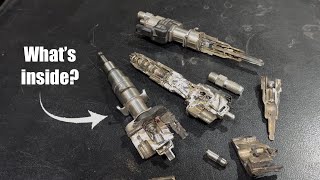
- Failed Cylinder 2 Fuel Injector 🔴 High Probability The N54's high-pressure piezoelectric injectors are a well-documented failure point. They can fail electrically (causing a circuit code) or mechanically (leaking or clogged). BMW has released multiple updated versions (indexes) to improve reliability, with the latest being Index 12.
How to confirm: Swap the cylinder 2 fuel injector with an injector from another cylinder (e.g., cylinder 1). Clear the codes and run the engine. If the code changes to P0201 ('Injector Circuit Malfunction - Cylinder 1'), the injector is confirmed to be faulty. Another check for a mechanically leaking injector is to pull the spark plugs after the car has sat overnight; the plug from the leaking cylinder will be wet with fuel and smell strongly of gasoline.
Typical fix: Replace the failed fuel injector. It is critical to use the latest index number available (currently Index 12). Per BMW TSB SIB 13 03 09, injectors with Index 10 or lower should not be mixed with Index 11 or higher on the same bank (cylinders 1-3 or 4-6). If replacing an injector with an index of 10 or lower, all three on that bank must be replaced with Index 11 or higher. The new injector(s) must be coded to the DME using software like INPA or ProTool by inputting the calibration values printed on the injector body.
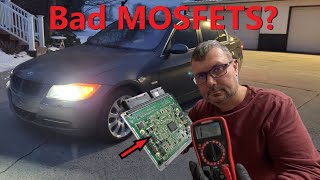
Est. part cost: $150-$300 for one OEM or OEM-equivalent injector - Failed DME Injector Driver (MOSFET) 🔴 High Probability The Siemens MSD80 DME, used in most N54s from 2007-2010, has a known design flaw where the transistors (MOSFETs) that fire the fuel injectors overheat and fail. This creates an open circuit, which the DME interprets as an injector fault. This issue is often accompanied by DME-specific codes like 30BA or 30BB, which are strong indicators of this failure.
How to confirm: If swapping the injector does NOT cause the fault code to move to the new cylinder (i.e., P0202 returns), the DME is the primary suspect. A definitive test involves removing the DME, opening the case, and testing the continuity of the six MOSFETs with a multimeter. The MOSFET for the faulty cylinder will show a different reading (often a short).
Typical fix: The DME must be removed. A skilled technician can de-solder and replace the failed MOSFETs on the circuit board (it's recommended to replace all six with upgraded versions). Alternatively, the DME can be sent to a specialist like Boost Monkey for repair, or the entire unit can be upgraded to the more reliable MSD81 DME, which requires cloning the original's data.
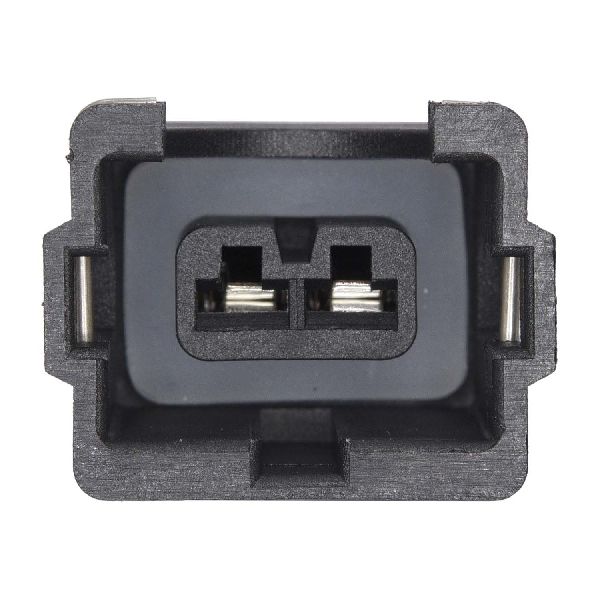
Est. part cost: $10-$30 for a set of MOSFETs; $140-$500 for a mail-in repair service; $1000+ for a new DME - Wiring Harness or Connector Issue ⚪ Low Probability Engine bay heat and vibration can make wiring brittle and connector pins loose or corroded over time, leading to an open or short in the injector circuit. The plastic connector itself can become brittle and break when being disconnected.
How to confirm: Visually inspect the wiring harness leading to the cylinder 2 injector for any signs of cracking, melting, or damage. Unplug the connector and check for corrosion or bent/broken pins. Use a noid light on the connector; it should flash when the engine is cranking. If it doesn't, and the DME is known to be good, there's a break in the signal wire.
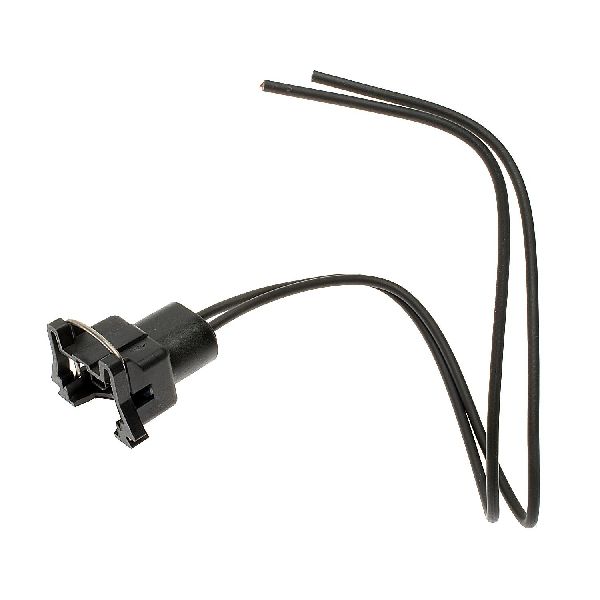
Typical fix: Repair the damaged section of wire or replace the injector pigtail connector. A replacement connector kit is available.
Est. part cost: $15-$40 for a new connector pigtail (e.g., Genuine BMW P/N 12527507529).
Diagnosis Steps
- Read all fault codes using a BMW-capable scanner (like INPA, ISTA, or a high-end Foxwell/Autel). Note if P0302, 29CE, 30BA, or 30BB are present.
- Clear the codes and restart the engine to see which codes immediately return. P0202 is the primary fault to diagnose.
- Perform a physical inspection. Remove the engine cover and visually inspect the wiring and connector for injector #2 for any obvious damage.
- Swap the cylinder 2 fuel injector with the cylinder 1 fuel injector. This requires removing the engine cover, cowl, and high-pressure fuel lines. Be sure to depressurize the fuel system first.
- While the injectors are out, inspect their index numbers. Note if they are Index 10 or lower, as this affects replacement rules.
- Clear codes again, start the engine, and let it run for a minute. Re-scan for codes.
- If the code has moved to P0201 ('Injector Circuit Malfunction - Cylinder 1'), the fuel injector is faulty and must be replaced.
- If the code remains P0202, the injector is good. The problem is upstream in the wiring or the DME.
- If wiring looks good, and especially if codes 30BA or 30BB are present, the most likely cause is a failed MOSFET in the DME. This requires removing the DME from the vehicle for testing or sending it to a repair service.
Parts You'll Likely Need
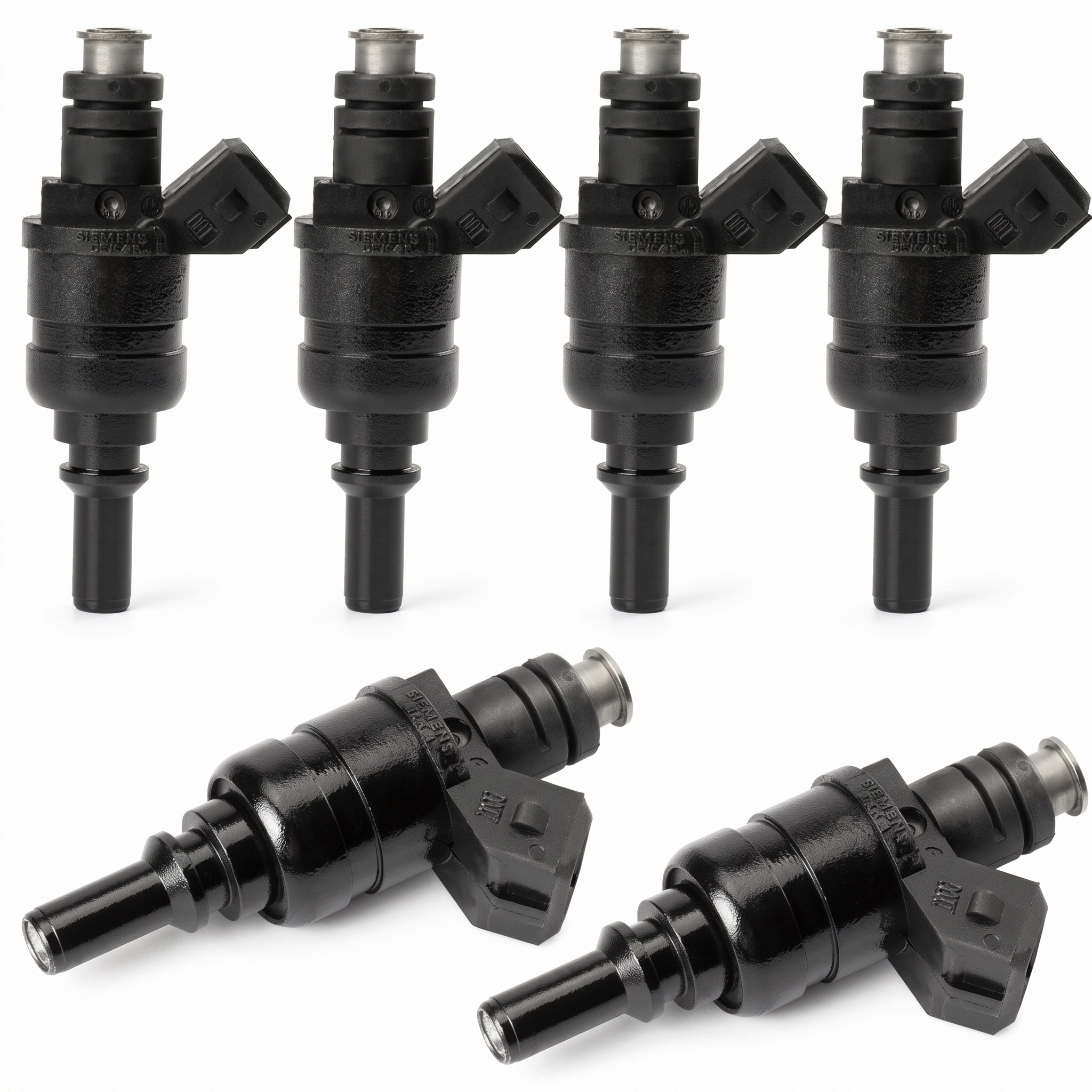
- Fuel Injector (Index 12)
(OEM #13538616079)— This is the most common cause of P0202 and the latest revision (Index 12) is designed for better reliability. An alternative Index 12 part number, 13538648937, may also be used.
Trusted brands: Genuine BMW, Vitesco (OEM)
OEM price range: $250-$350
Aftermarket price range: $150-$250 - Injector Driver MOSFET Set
(OEM #FDB14N30TM)— If the DME is at fault, these transistors are the specific components that fail. Replacing all six is a common, cost-effective repair for the MSD80 DME.
Trusted brands: Fairchild Semiconductor / ON Semiconductor
OEM price range: N/A
Aftermarket price range: $10-$30 - Fuel Injector Decoupling Element
(OEM #13537564751)— This is a small seal that MUST be replaced every time a fuel injector is removed and reinstalled to prevent combustion leaks. Failure to replace it can lead to damage to the injector bore in the cylinder head.
Trusted brands: Genuine BMW, Bosch
OEM price range: $15-$25
Aftermarket price range: $10-$20 - Fuel Injector Teflon Seal
(OEM #13537584315)— This seal at the tip of the injector should also be replaced whenever an injector is serviced. Special tools are required to compress the new seal after installation on the injector.
Trusted brands: Genuine BMW
OEM price range: $5-$10
Aftermarket price range: $3-$8
Related Codes That Often Appear With This One
- P0302 — P0302 means 'Cylinder 2 Misfire Detected'. Since a P0202 fault prevents fuel from being delivered to cylinder 2, a misfire is an immediate and direct symptom.
- 30BA / 30BB — These are BMW-specific codes for 'DME Digital Motor Electronics, Internal Failure'. Their presence alongside P0202 strongly indicates the root cause is a failed injector driver (MOSFET) inside the DME, not the injector itself.
- 29CE — This is another BMW-specific fault code for 'Cylinder 2 Misfire'. It serves the same purpose as P0302 and will almost always accompany P0202.
- 2E31 — This is the BMW-specific hex code for 'Injector, cylinder 2, short circuit or line brake'. It is the direct equivalent of P0202 and will be seen when using BMW-specific diagnostic tools.
Technical Service Bulletins (TSBs) & Recalls
- SI B13 03 09: Addresses rough cold starts and misfires from leaking or faulty injectors, advising replacement with Index 11 or higher injectors (P/N 13538616079).
Platform-Specific Known Issues
- Injector Recalls and Service Bulletins: BMW issued several service bulletins (like SIB 13 03 09) and extended warranties (10 years/120,000 miles) related to failing high-pressure fuel injectors on the N54 engine. These actions recommended replacing older index injectors (10 or lower) with newer versions, often requiring replacement of the entire bank (cylinders 1-3 or 4-6) to ensure compatibility.
- MSD80 DME MOSFET Failures: A widely known issue where the transistors controlling the injectors on the main computer board burn out, causing injector circuit codes. This is often confirmed by codes 30BA or 30BB. Repair involves either replacing the individual MOSFETs or upgrading the entire DME to the more reliable MSD81 version.
- Injector Index Incompatibility: Injectors with an index of 10 or lower cannot be mixed with injectors of index 11 or higher on the same cylinder bank (1-3 or 4-6). While some owners on forums report mixing them without immediate issues, it is not recommended by BMW and can cause running problems.
Mechanic-Grade Diagnostic Values
- Fuel Injector Internal Resistance — expected: Approximately 200k Ohms (± 40k Ohms). Some sources report good injectors reading around 193-196k Ohms.. Failure: A reading of open circuit (OL) or a significantly lower resistance indicates a failed injector. However, some forum users report injectors functioning correctly outside this range, so this test is not always 100% conclusive on its own.
- Injector Circuit Voltage (at DME connector) — expected: The piezoelectric injectors are activated with a peak voltage of up to 160V DC.. Failure: Testing this requires an oscilloscope due to the rapid pulse. A noid light is a safer and more practical way to confirm a pulse is being sent from the DME to the injector connector.
- High-Pressure Fuel Rail (during cranking/idle) — expected: Should build to over 2000 PSI (approx. 140 bar) during cranking and hold pressure.. Failure: While not a direct test for P0202, a failure to build or hold pressure could indicate a severely leaking injector, which is a mechanical failure mode, not an electrical one.
Hidden / Shadow Codes Worth Checking
- 2E31: Injector, cylinder 2, short circuit or line brake. This is the direct BMW FC (Fault Code) equivalent to the generic P0202 code. (see via BMW-specific diagnostic software such as INPA, ISTA/D, or high-end professional scan tools.)
Scan Tool Commands That Help
- ISTA/D: Component triggering -> Switch off individual cylinders — To isolate the misfiring cylinder and confirm the fault is on cylinder 2. In the 'Component triggering' menu, you can deactivate one cylinder at a time to see if the engine note changes. If deactivating cylinder 2 causes no change in engine roughness, it confirms that cylinder was not firing.
- ISTA/D or INPA: Service Functions -> Engine Electronics -> Adjustment -> Injector adjustment — This is a mandatory step after replacing a fuel injector. The six-digit calibration value printed on the new injector must be entered for the correct cylinder to ensure proper fuel metering. Failure to code the new injector can lead to rough running, poor fuel economy, and even damage to the DME.
- ISTA/D: Smooth running test — To get a graphical representation of how evenly each cylinder is contributing. A cylinder with a faulty injector circuit will show a significant deviation from the others.
Wiring & Ground Locations
- Main Engine Ground Strap — On the driver's side of the engine bay (for LHD cars), low down, connecting the engine block/mount arm to the chassis rail, near the header-to-x-pipe connection.. A corroded or loose main engine ground can cause a host of bizarre, intermittent electrical faults across the engine systems, including injector circuit codes. The DME and its components require a stable ground reference, and a poor connection here can create voltage drops that mimic component failure.
- DME Injector Driver Pins (MSD80/81) — Within the main DME connectors in the electronics box (E-box) located in the engine bay, under the passenger side cabin air filter housing.. When diagnosing a suspected wiring issue, you can perform a continuity test from the injector connector pins back to the corresponding pins at the DME. A wiring diagram is essential for identifying the correct pins for cylinder 2.
Real Owner Repair Stories
- Reddit user on r/E90 (2007 335xi (E90)) — Idle misfires, P0202, and likely 30BA/30BB (implied by fix).
❌ Tried (didn't work) The user's original MSD80 DME had failed due to the common MOSFET issue.
✅ What actually fixed it The user replaced the failed MSD80 DME with a used MSD81 from a 2009 535ix. The VIN and ISN (Individual Serial Number) were cloned from the old DME to the new one to allow the car to start, which resolved the injector fault.
OEM Part Supersession History
13537537317, 13537565138, 13537585261→13538616079 (also sold as 13538648937)— Multiple revisions (called 'Indexes') were released to improve reliability and address high failure rates of early injectors. The latest is Index 12.
Heads up: Injectors with an index of 10 or lower cannot be mixed with injectors of index 11 or higher on the same cylinder bank (Bank 1: Cyl 1-3; Bank 2: Cyl 4-6). If you have an index 9 injector fail, you cannot replace just that one with a new index 12; you must replace all three on that bank.
Model Year Variations Within This Range
- 2006-mid 2008: These models were typically fitted with the Siemens MSD80 DME, which is highly prone to injector driver (MOSFET) failure, causing P0202 and related codes.
- Mid 2008-2013: These later models were fitted with the more reliable Siemens MSD81 DME, which featured redesigned MOSFETs and is not prone to the same widespread failure. While an injector can still fail on an MSD81 car, the DME itself is a much less likely cause for P0202. The exact changeover month can vary by model and production plant.
Diagnostic Flowchart
Other Known Issues on This Vehicle
Issues unrelated to this code that are worth knowing about as an owner of this generation:
- High-Pressure Fuel Pump (HPFP) Failure 🔴 High — Extremely common, especially on early models. Many have been replaced at least once. Failure can occur at any mileage. (Ref: BMW issued multiple recalls and an extended warranty (up to 10 years/120,000 miles) for the HPFP.)
- Turbocharger Wastegate Rattle 🟠 Medium — Very common as mileage increases, typically over 60,000 miles. Caused by wear in the wastegate actuator rod/bushing. (Ref: BMW extended the warranty on turbochargers for this issue to 8 years/82,000 miles.)
- Intake Valve Carbon Buildup 🟠 Medium — Inevitable on all direct-injection engines. Performance degradation is noticeable every 40,000-50,000 miles, requiring walnut blast cleaning.
- Leaking/Failing Fuel Injectors 🔴 High — Common failure item. BMW released 12 revisions ('indexes') to improve reliability. Leaks can cause misfires, rough starts, and excess smoke. (Ref: BMW extended the warranty for injectors on the N54 to 10 years/120,000 miles and issued TSBs like SIB 13 03 09.)
- Electric Water Pump Failure 🔴 High — Common failure point, typically between 60,000 and 80,000 miles. Failure is sudden and will cause immediate engine overheating.
- Cracking Plastic Charge Pipe 🟠 Medium — The factory plastic charge pipe often fails, especially on tuned vehicles. It becomes brittle with heat and age and cracks under boost pressure.
Used vs. New Parts: Buying Guide for This Vehicle
When a used part is the smart pick: A used DME, specifically upgrading from a failed MSD80 to a known-good used MSD81, is a very common and sensible repair strategy. This provides a more reliable hardware platform, but it absolutely requires specialized tools to clone the VIN and ISN (security key) from your old DME to the used one. Buying used injectors is generally not recommended due to their high failure rate and the difficulty in knowing their true history and index number without physical inspection.
Donor-vehicle mileage cap: roughly under 80000 miles for the part to have meaningful remaining life.
What to inspect on the donor part:
- For a used DME, ensure the seller guarantees it is a functional MSD81 unit.
- Verify the part number on the case.
- Inspect the connectors for any bent or corroded pins.
- For used injectors, always ask for clear photos showing the index number (e.g., '-11' or '-12') and the six-digit calibration codes. Avoid any that are physically damaged, heavily corroded, or have broken plastic tops.
OEM-only on this vehicle (don't cheap out):
- Fuel Injectors: Due to the precise calibration and high failure rate of aftermarket/counterfeit units, it is strongly recommended to use only Genuine BMW or the OEM manufacturer (Vitesco/Continental) for injectors.
Aftermarket brands forum-validated for this vehicle:
- Vitesco (Continental): This is the Original Equipment Manufacturer (OEM) for the Genuine BMW injectors. They are identical to the dealer part but without the BMW logo and are often less expensive.
Brands owners have reported issues with on this vehicle:
- Unbranded or 'no-name' injectors from online marketplaces. Many of these are documented to be old, cleaned-up injectors with fake index numbers printed on them, and they often fail quickly or are dead on arrival.
Real Owner Stories
Aggregated from forums and TSBs cited above. Mileages and costs reflect what owners reported in those sources.
2008 BMW 335i N54
Symptoms: The car experienced P0201, P0202, and P0203 simultaneously for the entire bank 1.
What fixed it: The issue was caused by fried MOSFETs in the Siemens MSD80 DME, which required repairing the circuit board.
Source hint: E90Post thread titled 'Need help with injector circuit codes - E90Post'
2009 BMW 335i N54
Symptoms: Discovered that a previous owner or shop had replaced injectors without installing the crucial decoupling elements.
What fixed it: Proper installation of injectors including the missing decoupling elements to prevent cylinder head damage.
Source hint: Reddit r/BMW thread titled 'N54 fuel injector horror story - Reddit r/BMW'
2007-2010 BMW 335i N54
Symptoms: Rough cold starts and misfires, eventually leading to injector circuit codes.
What fixed it: Replacement of all injectors on the affected bank with Index 11 or higher versions (P/N 13538616079) as per SIB 13 03 09.
Source hint: SI B13 03 09
Related OBD-II Codes
Frequently Asked Questions
Does BMW TSB SI B13 03 09 apply to my N54 engine if I have misfires and P0202?
Can I mix different injector index numbers on my 3-Series bank 1 (cylinders 1-3)?
My scanner shows code 30BA along with P0202; does this mean I need a new injector?
Do I need special software to replace the cylinder 2 injector myself?
Is there an extended warranty for the fuel injectors on my 2007-2010 335i?
Should I upgrade my MSD80 DME if the injector driver fails?
Helpful Videos
Used OEM Parts in Stock



New Aftermarket Parts Available


The information in this article is provided for general reference and educational purposes only. Vehicle specifications, procedures, and part compatibility can vary by production date, trim level, and region. Always consult your vehicle's factory service manual and verify part numbers before purchasing or performing repairs. Safety-critical components such as airbags, seat belts, and braking systems should be installed by a qualified professional.
- BMW 3-Series:
- 🎬 Helpful Videos
- 🛍️ Shop This Part
- What's Unique About the 2006-2013 BMW 3-Series
- Symptoms You May Notice
- Most Likely Causes
- Diagnosis Steps
- Parts You'll Likely Need
- Related Codes That Often Appear With This One
- Technical Service Bulletins (TSBs) & Recalls
- Platform-Specific Known Issues
- Mechanic-Grade Diagnostic Values
- Hidden / Shadow Codes Worth Checking
- Scan Tool Commands That Help
- Wiring & Ground Locations
- Real Owner Repair Stories
- OEM Part Supersession History
- Model Year Variations Within This Range
- Diagnostic Flowchart
- Other Known Issues on This Vehicle
- Used vs. New Parts: Buying Guide for This Vehicle
- Real Owner Stories
- 2008 BMW 335i N54
- 2009 BMW 335i N54
- 2007-2010 BMW 335i N54
- Related OBD-II Codes
- Frequently Asked Questions
- 🎟️ Get 5% Off