

P0192 on 2020-2021 Ford Escape: Fuel Pressure Low Input Causes and Fixes
On a 2020-2021 Ford Escape, code P0192 is most often caused by a damaged wiring harness chafing against the steering shaft, as detailed in Ford TSBs SSM 50245 and 50116. Before replacing any parts, inspect the '14290' harness above the steering U-joint. This issue is also common in platform-mates like the Ford Bronco Sport and Lincoln Corsair.
- For a 2020-2021 Ford Escape, P0192 is most likely a wiring problem, not a sensor problem.
- Before buying any parts, you MUST inspect the engine wiring harness where it passes over the steering shaft u-joint for damage.
- Check fuse #44. If it's blown, it strongly points to the wiring short described in Ford's service bulletins.
- Driving with this code is unsafe due to the high risk of the engine stalling without warning.
- If the wiring is intact, the next most likely cause is a failed fuel rail pressure sensor.
What's Unique About the 2020-2021 Ford ESCAPE
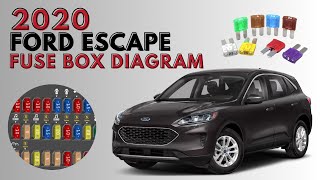
For this specific generation of the Ford Escape and its platform-mates (Ford Bronco Sport, Lincoln Corsair), the P0192 code is strongly linked to a known manufacturing and design flaw. Ford issued Technical Service Bulletins (SSM 50245, SSM 50116) describing how a specific engine wiring harness, part of the '14290' assembly, can rub against the rotating steering shaft. This chafing eventually wears through the wire insulation, causing a short circuit. This short often blows the 20A fuse in location F44 of the engine bay fuse box and triggers P0192 🎬 Watch: Locate your engine bay fuse box and F44 fuse. along with a host of other seemingly unrelated codes due to a loss of the 5-volt reference (VREF) circuit. This makes a thorough wiring inspection the absolute first step, ahead of assuming the sensor itself has failed.
🎬 See this guide for troubleshooting fuel rail sensor circuit lows.Diagnostic Flowchart
Tap your situation to follow the diagnostic path that matches what you're seeing on this vehicle.
Symptoms You May Notice
- Check Engine Light is on
- Engine runs rough or idles erratically
- Hesitation or severe loss of power during acceleration
- Engine is hard to start or requires long cranking time
- Engine may stall unexpectedly, especially when coming to a stop
- Poor fuel economy
- Vehicle enters 'limp mode' with reduced engine performance
- Multiple other warning lights and error messages may appear simultaneously due to VREF circuit short
- Replacing the Fuel Rail Pressure sensor without first meticulously inspecting the 14290 wiring harness near the steering shaft. Given the known TSBs for this vehicle, the wiring is the most probable cause, and skipping this check leads to unnecessary expense and repeat failures.
- Replacing the fuel pump or other fuel system components before confirming the P0192 code is not being caused by an electrical circuit fault (wiring or sensor).
Most Likely Causes
- Damaged Engine Wiring Harness 🔴 High Probability Ford TSBs SSM 50245 and SSM 50116 specifically identify that the '14290' engine harness can rub against the steering shaft u-joint, causing wires to chafe and short to ground. This is a well-documented failure point on the Ford C2 platform.
How to confirm: Visually inspect the wiring harness located directly above the steering shaft u-joint, near the upper brake pedal mount inside the cabin. Look for signs of rubbing, exposed copper wires, or melted plastic sheathing. Check if fuse F44 (typically a 20A fuse) in the engine compartment fuse box is blown, as this is a key indicator of this specific short circuit mentioned in the TSBs.
Typical fix: Repair the damaged wires by soldering or using high-quality butt connectors, then insulate them thoroughly with heat shrink tubing. Wrap the repaired section of the harness in anti-abrasion tape (such as Tesa tape). Crucially, secure the harness away from the steering shaft using zip ties to prevent any future contact. Replace the blown fuse F44.
Est. part cost: $10-$30 for repair supplies - Failed Fuel Rail Pressure (FRP) Sensor 🟡 Medium Probability While less common than the wiring issue on this platform, the sensor can fail internally, causing it to send a persistently low voltage signal.
How to confirm: If the wiring harness is confirmed to be undamaged, test the sensor. Using a multimeter with the key on, engine off, check for a 5-volt reference and a good ground at the sensor connector. Then, back-probe the signal wire; if the voltage is stuck below 0.5V, the sensor has likely failed internally. A raw fuel smell from the sensor's vacuum port is also a sign of internal failure.
Typical fix: Replace the fuel rail pressure sensor. Ensure the engine is cool and fuel pressure is relieved before replacement.
Est. part cost: $50-$150 - Low Actual Fuel Pressure ⚪ Low Probability
How to confirm: If both the wiring and sensor circuit test good, the code may be accurately reporting a mechanical issue. Connect a mechanical fuel pressure gauge to the fuel system to verify the actual pressure against the manufacturer's specifications. If the pressure is indeed low, the issue is with the fuel delivery system.
Typical fix: Diagnose and replace the failing component, which could be the in-tank fuel pump, a clogged fuel filter, or a faulty fuel pump driver module.
Est. part cost: $200-$800+
Rare But Worth Checking
- Powertrain Control Module (PCM) Fault: This is very rare and should only be considered after all wiring, sensor, and fuel delivery system diagnostics have been exhaustively performed and ruled out. A PCM failure is often misdiagnosed when the true cause is a wiring short affecting the PCM's reference voltage circuit.
Diagnosis Steps
- Scan the PCM for all stored trouble codes. Note any other codes that appear with P0192, as they provide critical clues (especially codes listed in TSBs SSM 50245 and 50116).
- Check fuse #44 (20A) in the engine compartment fuse box to see if it is blown. A blown F44 fuse is a very strong indicator of the wiring short described in the TSBs.
- Perform a detailed visual and physical inspection of the 14290 wiring harness where it passes over the steering shaft u-joint. This is the most critical step. The area is tight, so a mirror and flashlight are necessary. Feel the harness for any rough spots, indentations, or melted sheathing.
- If damage is found, repair the wiring. Disconnect the battery. Carefully strip back the damaged sections, solder or use high-quality butt connectors, and protect the repair with heat shrink tubing. Wrap the entire harness section in anti-abrasion tape (e.g., Tesa cloth tape) and securely fasten it away from the steering shaft with zip ties to create clearance.
- If no wiring damage is visible, proceed with testing the FRP sensor circuit. Disconnect the sensor and, with the key on, use a multimeter to verify a 5-volt reference on one pin and a solid ground on another.
- If power and ground are good, reconnect the sensor and use a multimeter to back-probe the signal wire. The voltage should be above 0.5V with the key on. If it's below this, the sensor is likely faulty.
- If the sensor and wiring test good, the problem may be low actual fuel pressure. A mechanical fuel pressure test is the next step to rule out a bad fuel pump or clogged filter.
- If all else fails, the issue could be an internal fault in the PCM, but this is extremely unlikely and should be the last resort.
Parts You'll Likely Need
- Wiring Repair Supplies — Needed to fix the most common cause: a chafed wiring harness. This includes high-temp automotive wire, solder, heat shrink, and anti-abrasion cloth tape (like Tesa tape).
Trusted brands: Tesa, 3M
OEM price range: $10-$30
Aftermarket price range: $10-$30 - Fuel Rail Pressure Sensor
(OEM #DS7Z-9F972-CA)— This sensor can fail internally, causing it to send a low voltage signal. It's the second most likely cause after a wiring issue. This part number also supersedes CM-5228, CM-5245, DS7Z-9F972-A, B, and C.
Trusted brands: Motorcraft, Bosch, Standard Motor Products
OEM price range: $120-$180
Aftermarket price range: $50-$100 - Engine Wiring Harness
(OEM #Varies (e.g., M1MZ-14290-AU, LX6Z-14290-N))— In severe cases where the harness is too damaged to repair, a full replacement is necessary. The base part number is 14290, but the prefix and suffix vary by engine and options.
Trusted brands: Ford (FoMoCo)
OEM price range: $700-$1200
Aftermarket price range: N/A
Related Codes That Often Appear With This One
- P06A7 — This code, for 'Sensor Reference Voltage 'B' Circuit Range/Performance', and many others are listed in TSBs SSM 50245 and SSM 50116 as being potentially set by the same wiring harness short that causes P0192, due to the loss of the 5-volt reference (VREF) circuit.
- P008A — Low Pressure Fuel System Pressure - Too Low. This code is also listed in the TSBs and can appear alongside P0192 if the wiring short affects multiple fuel system components or if there is a genuine fuel delivery problem.
- P0191 — Fuel Rail Pressure Sensor Circuit Range/Performance. This code indicates the sensor's reading is erratic or illogical, which can be caused by the same intermittent short circuit that triggers P0192.
- Multiple U-codes — Communication codes (U-codes) may also be present if the VREF short impacts multiple modules on the CAN bus network.
Technical Service Bulletins (TSBs) & Recalls
- SSM 50245: Mentions P0192 as a possible DTC resulting from the 14290 harness chafing above the steering shaft, potentially causing a rough run condition and an open fuse 44. Lists numerous other potential codes.
- SSM 50116: Describes a loss of voltage reference (VREF), rough running, and a blown fuse 44 due to the 14290 harness contacting the steering shaft, which can set code P0192. This TSB corroborates the symptoms and cause.
- NHTSA Bulletin #11010950 / #11010913: These are the NHTSA ID numbers corresponding to the Ford TSBs, confirming their official status.
Platform-Specific Known Issues
- A widely known issue, documented in Ford Technical Service Bulletins SSM 50245 and SSM 50116, involves the 14290 engine harness making contact with the steering shaft. The rotation of the steering wheel causes the harness to chafe, leading to a short circuit, a blown fuse 44, and a cluster of DTCs including P0192. The repair involves not just fixing the wire but re-routing and securing it to prevent a recurrence.
Mechanic-Grade Diagnostic Values
- FRP Sensor Signal Voltage (Key On, Engine Off) — expected: Approx. 0.5V - 1.0V. Should jump to ~5V when the sensor is unplugged.. Failure: A reading below 0.2V, or a reading that is stuck at 0V even when unplugged, indicates a short to ground in the signal wire.
- FRP Sensor Reference Voltage (VREF) — expected: 4.0V to 6.0V, typically 5V, measured between the VREF and Signal Return (ground) pins at the sensor connector with key on.. Failure: No voltage or low voltage indicates a problem with the PCM or the wiring between the PCM and sensor. This is a key symptom of the TSB wiring chafe issue.
- FRP Sensor Circuit Resistance (PCM to Sensor) — expected: Less than 5.0 ohms on the signal, VREF, and ground wires.. Failure: Resistance higher than 5.0 ohms indicates excessive resistance or an open in the harness.
Scan Tool Commands That Help
- Ford IDS or equivalent professional scan tool: FRP PID (Parameter ID) Live Data — Use this to monitor the FRP sensor voltage in real-time. With the key on and engine off, the voltage should be stable. If it reads below 0.2V, it confirms the low input condition. This is the first step before physical inspection.
- Ford IDS or equivalent professional scan tool: Generate Opposite Signal Test — After disconnecting the FRP sensor, a technician can use a jumper wire to connect the VREF pin to the Signal pin on the harness connector. The scan tool's FRP PID should then read over 4.6V. If it does, it proves the wiring from the connector to the PCM is intact, pointing to a failed sensor. If it does not, the fault is in the wiring harness.
Wiring & Ground Locations
- FRP Sensor Connector Pins — On the fuel rail, connected to the Fuel Rail Pressure sensor.. Knowing the pinout is essential for testing. While colors can vary, the function is consistent: one pin is 5V Reference (VREF), one is Signal Return (Ground), and one is the Signal wire that sends voltage to the PCM.
- G102 — Located on the RH (passenger) side of the engine compartment.. This is a primary engine bay ground point. While not directly linked to the FRP sensor in all diagrams, a poor ground here can cause widespread electrical issues and erratic sensor behavior. The TSB-related harness (14290) may use this or a nearby ground point.
- Fuse F44 - Engine Compartment Fuse Box — In the fuse box located in the engine bay.. The TSBs for the chafing harness issue specifically mention that the resulting short circuit often blows fuse F44 (20A). Finding this fuse blown is a very strong indicator that the P0192 code is caused by the TSB wiring problem and not the sensor itself.
Real Owner Repair Stories
- BroncoSportForum.com user (2021 Ford Bronco Sport (platform mate to Escape)) — Vehicle died while driving, multiple error messages including 'Powertrain Malfunction / Reduced Power', 'See Manual', and a wrench light. Numerous DTCs stored, including P0192.
❌ Tried (didn't work) Initial dealership diagnosis was inconclusive.
✅ What actually fixed it The user found Ford TSB SSM 50116 and inspected the wiring harness near the steering column themselves. They discovered a wire had chafed completely through its insulation. The final fix was repairing the damaged wire and protecting the harness to prevent future rubbing, which resolved all symptoms and codes.
OEM Part Supersession History
DS7Z-9F972-A, DS7Z-9F972-B, DS7Z-9F972-C, CM-5228, CM-5245→DS7Z-9F972-CA— Part revisions and consolidation of previous numbers into a single current part.
Heads up: Using older, superseded part numbers may result in premature failure or incorrect readings. Always use the latest revision (DS7Z-9F972-CA) for replacement.
Model Year Variations Within This Range
- 2020-2021: While the 1.5L EcoBoost I-3 engine was standard on many trims for both years, there were no significant documented changes to the fuel system, wiring harness routing, or FRP sensor part numbers within this range that would alter the diagnosis of P0192. The TSBs apply to both model years.
Helpful Videos
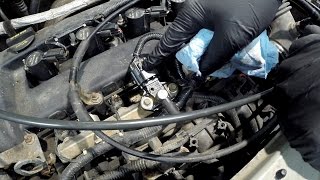
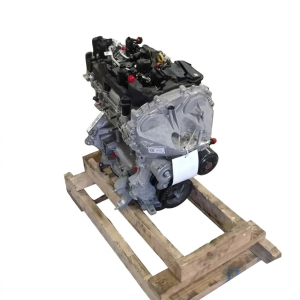
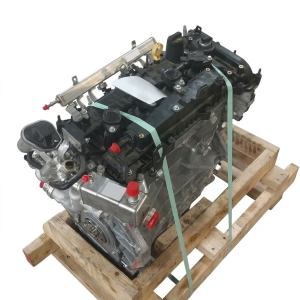
Used OEM Parts in Stock

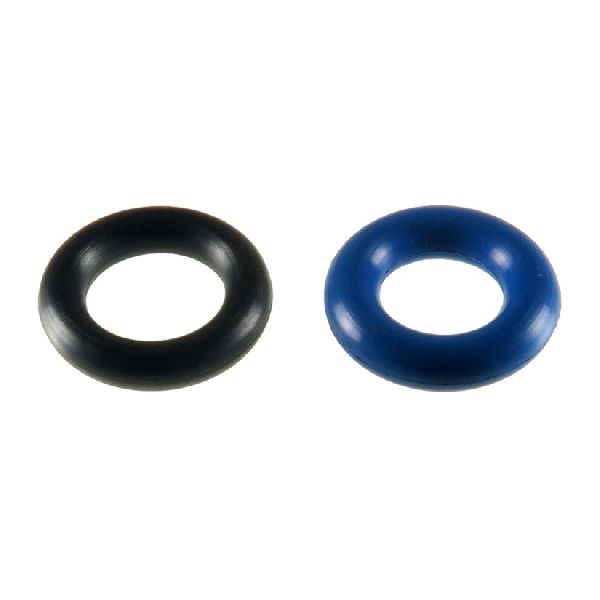
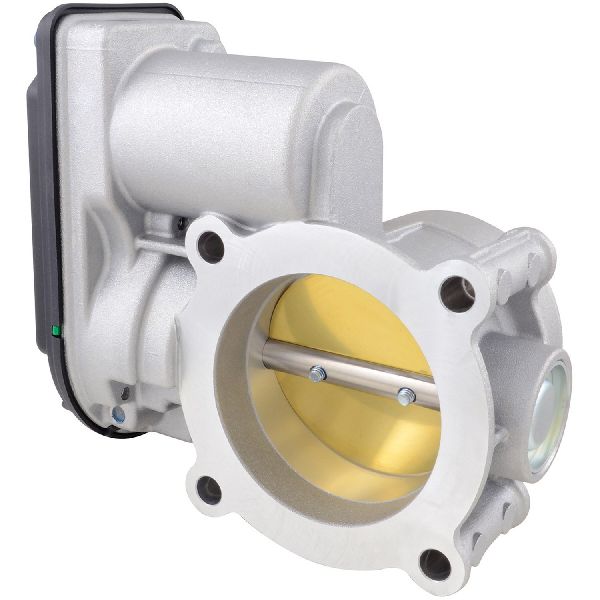
New Aftermarket Parts Available


The information in this article is provided for general reference and educational purposes only. Vehicle specifications, procedures, and part compatibility can vary by production date, trim level, and region. Always consult your vehicle's factory service manual and verify part numbers before purchasing or performing repairs. Safety-critical components such as airbags, seat belts, and braking systems should be installed by a qualified professional.
- Ford ESCAPE:
- 🎬 Helpful Videos
- 🛍️ Shop This Part
- What's Unique About the 2020-2021 Ford ESCAPE
- Diagnostic Flowchart
- Symptoms You May Notice
- Most Likely Causes
- Rare But Worth Checking
- Diagnosis Steps
- Parts You'll Likely Need
- Related Codes That Often Appear With This One
- Technical Service Bulletins (TSBs) & Recalls
- Platform-Specific Known Issues
- Mechanic-Grade Diagnostic Values
- Scan Tool Commands That Help
- Wiring & Ground Locations
- Real Owner Repair Stories
- OEM Part Supersession History
- Model Year Variations Within This Range
- 🎟️ Get 5% Off