

P0175 on 2010-2012 Audi S5 3.0T: Causes for System Too Rich (Bank 2) and Fixes
P0175 on an Audi S5 3.0T means the driver's side of the engine is running too rich. The most common causes are a failing upstream oxygen (O2) sensor or a leaking fuel injector. Start by checking fuel trims with a scan tool and consider swapping O2 sensors between banks to see if the code follows to P0172.
- P0175 means the driver's side of your engine (Bank 2) is getting too much fuel.
- Don't immediately assume the most expensive part is the problem. A faulty O2 sensor is a very common and relatively simple fix.
- A simple diagnostic step is to swap the upstream O2 sensors from Bank 1 and Bank 2 to see if the problem moves to the other side (triggering a P0172 code).
- If you smell fuel in your engine oil, stop driving immediately. This points to a more serious fuel system leak that can cause severe engine damage.
- If you get codes for both banks (P0172 and P0175), the problem is likely a component that affects the whole engine, like the MAF sensor.
What's Unique About the 2010-2012 Audi S5

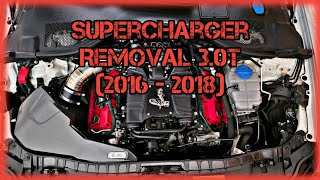
The 3.0L TFSI V6 is a direct-injection, supercharged engine, which makes its fuel system more complex than a traditional port-injected engine. While issues like a bad oxygen sensor are common across many cars, this Audi engine is also susceptible to problems with its high-pressure fuel system and PCV (oil separator) system, which is located under the supercharger. A failing PCV valve or a leaking high-pressure fuel component can introduce unmetered fuel or oil vapor, leading to rich conditions that can be tricky to diagnose. Furthermore, the supercharger must be removed to access many of these components, significantly increasing labor time for repairs like a PCV valve or fuel injector replacement.
Symptoms You May Notice
- Check Engine Light is on
- Strong smell of gasoline from the exhaust
- Reduced fuel economy
- Rough or unstable idle
- Hesitation or lack of power during acceleration
- Black smoke from the exhaust in severe cases
- Engine misfires, potentially with codes P0304, P0305, P0306
- Replacing the downstream (post-catalyst) O2 sensor. The upstream sensor (Sensor 1) is what primarily measures the air-fuel ratio for fuel trim adjustments. The downstream sensor's main job is to monitor catalytic converter efficiency.
- Replacing spark plugs and ignition coils. While a rich condition can foul spark plugs and cause misfires, the plugs are the victim, not the cause of the P0175 code. They should be inspected and cleaned or replaced, but the root cause of the rich mixture must be found.
- Replacing the Mass Air Flow (MAF) sensor. The 3.0T engine in this platform does not have a MAF sensor; it uses MAP sensors.
Most Likely Causes


- Failing Upstream Oxygen (O2) Sensor 🔴 High Probability O2 sensors are wear items that degrade over time from heat and contaminants. They can become lazy or biased, sending incorrect signals to the ECM that indicate a rich condition when one doesn't exist. Oil leaks from the valve cover gasket above can also drip onto the sensor's wiring, causing it to short out.
How to confirm: Use an OBD-II scanner to monitor live data for the Bank 2, Sensor 1 O2 sensor. A healthy sensor will show rapidly fluctuating voltage. A failing sensor may be stuck at a high voltage (>0.8V), falsely indicating a rich condition. The easiest test is to swap the Bank 1 and Bank 2 upstream O2 sensors and see if the code changes to P0172 (System Too Rich, Bank 1). If the code moves, the sensor is bad.
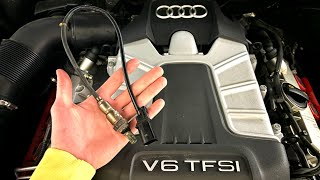
Typical fix: Replace the Bank 2, Sensor 1 (upstream) oxygen sensor. 🎬 Watch: Step-by-step guide to replacing the upstream O2 sensor. This is the sensor before the catalytic converter.
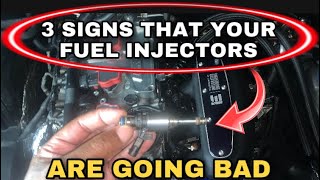
Est. part cost: $70-$150 - Leaking Fuel Injector(s) 🟡 Medium Probability As direct injection engines, the injectors are under high pressure and located inside the combustion chamber. They are prone to carbon buildup on the nozzle and internal wear, which can cause them to leak or drip excess fuel into a cylinder, especially after the engine is shut off.
How to confirm: Perform a fuel pressure leak-down test. After the engine has sat, remove the spark plugs from Bank 2 (cylinders 4, 5, 6) and inspect them. A plug from a cylinder with a leaking injector will be black, sooty, and smell strongly of fuel compared to the others. A borescope can also be used to look for pooled fuel on top of the piston. 🎬 See this video on identifying symptoms of a leaking fuel injector.
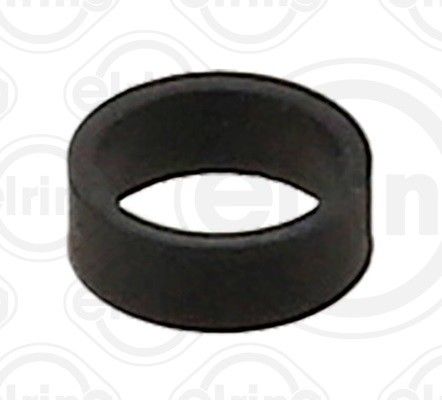
Typical fix: Replace the faulty fuel injector(s) on Bank 2. It is highly recommended to replace all three on that bank at the same time, along with their Teflon seals. This job requires removing the supercharger.
Est. part cost: $50-$150 per injector - Faulty Mass Air Flow (MAF) Sensor ⚪ Low Probability The MAF sensor can become contaminated with dirt or oil, especially if an aftermarket oiled air filter is used. This causes it to inaccurately measure the amount of air entering the engine. If it under-reports airflow, the ECM will inject too much fuel based on its other calculations. Note: The 3.0T engine uses MAP sensors for primary load calculation, not a MAF sensor, making this an incorrect but common suggestion for other platforms.
How to confirm: This platform does not use a MAF sensor. Diagnosis should focus on the MAP (Manifold Absolute Pressure) sensors. If codes for both banks being rich (P0172 & P0175) are present, the MAP sensors should be inspected and tested.
Typical fix: Do not replace a MAF sensor. Inspect, clean, or replace the MAP sensors if data suggests they are faulty.
Est. part cost: $100-$250 - Failing PCV Valve (Oil Separator) 🟡 Medium Probability The PCV valve on the 3.0T engine is a well-known failure point, typically between 60,000-80,000 miles. It is located under the supercharger. A failed diaphragm can cause a massive vacuum leak (leading to lean codes), but other failure modes can allow excess oil vapor to be sucked into the intake, which can be interpreted by the O2 sensor as a rich mixture, triggering P0172/P0175 codes.
How to confirm: A completely failed diaphragm often creates a loud whistling or sucking noise from the engine and extreme vacuum in the crankcase (making the oil cap difficult to remove while running). If codes for both banks being rich (P0172 & P0175) are present along with high oil consumption, the PCV is a strong suspect. Diagnosis is difficult due to its location.
Typical fix: Replace the PCV valve assembly. 🎬 Watch: Expert tips and tricks for a successful PCV replacement. This is a labor-intensive job as the supercharger must be removed. It is often done proactively when the supercharger is off for other service like carbon cleaning or a thermostat replacement.
Est. part cost: $150-$250
Rare But Worth Checking
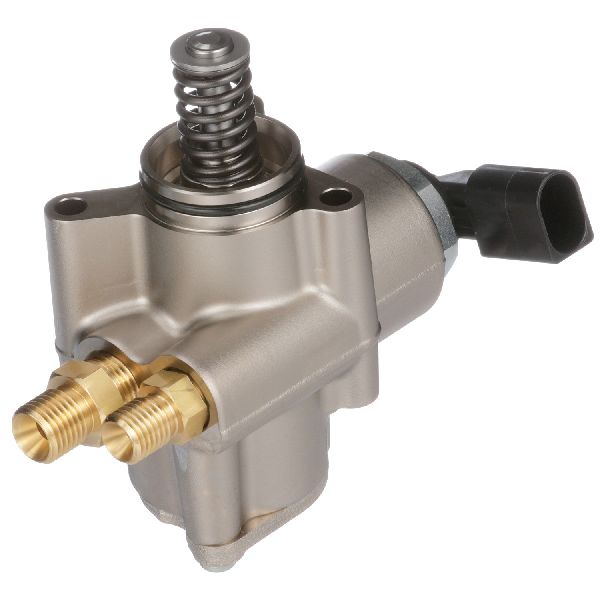
- High Fuel Pressure: A failing fuel pressure regulator or a problem with the high-pressure fuel pump (HPFP) can cause system-wide high fuel pressure, leading to rich codes on both banks (P0172 and P0175). A failing HPFP can also leak fuel into the crankcase, contaminating the engine oil. If the oil on the dipstick smells strongly of gasoline, this is a critical issue that must be addressed immediately to prevent engine damage.
- Faulty Engine Coolant Temperature (ECT) Sensor: If the ECT sensor incorrectly tells the ECM that the engine is cold, the computer will command a richer fuel mixture, similar to a cold start. This can sometimes trigger a rich code, though it usually affects both banks.
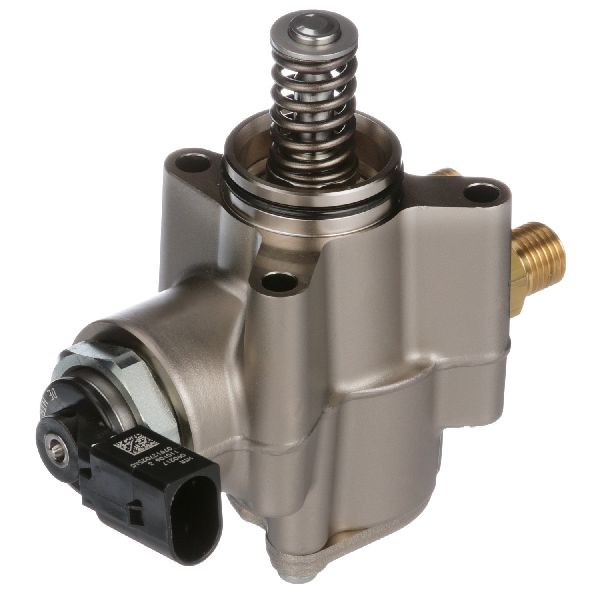
- Leaking High-Pressure Fuel Pump (HPFP): The HPFP is a mechanical pump driven by the camshaft. While failure often results in low pressure codes (P0087), a seal failure can also cause fuel to leak externally or, more dangerously, internally into the engine oil. This contamination thins the oil and can lead to catastrophic engine failure. A strong fuel smell in the oil is the primary symptom.
Diagnosis Steps

- Read Codes & Freeze Frame: Use an OBD-II scanner to confirm P0175 and check for any other stored codes. Analyze the freeze frame data to see the engine conditions (RPM, load, temp) when the code was set.
- Analyze Fuel Trims: Observe the Short-Term (STFT) and Long-Term Fuel Trim (LTFT) values for Bank 2. For a P0175 code, you will see highly negative numbers (e.g., -15% to -25%), indicating the ECM is pulling fuel to compensate for a rich condition.
- Check for Fuel in Oil: Check the engine oil dipstick for a strong gasoline smell. If present, this could indicate a leaking high-pressure fuel pump or severely leaking injectors contaminating the oil. Do not drive the vehicle if this is the case as it can lead to catastrophic engine failure.
- Test the O2 Sensor: The most effective method is to swap the upstream O2 sensors between Bank 1 (passenger side) and Bank 2 (driver's side). Clear the codes and drive the vehicle. If the code returns as P0172 (Bank 1 Rich), the O2 sensor is faulty and needs replacement.
- Inspect Spark Plugs: If the O2 sensor is good, remove and inspect the spark plugs from Bank 2 (driver's side, cylinders 4-5-6). Black, sooty, and fuel-smelling plugs are a clear sign of a rich condition in those cylinders.
- Isolate Leaking Injector: If one spark plug is significantly worse than the others on that bank, you've likely found the cylinder with the leaking injector. If all are equally bad, it could be multiple injectors or another issue.
- Investigate Shared Components: If both banks are running rich (P0172 & P0175 are present), investigate components that affect the whole engine. Check the PCV system for whistling noises or excessive crankcase vacuum. Have a professional check fuel pressure.
Parts You'll Likely Need
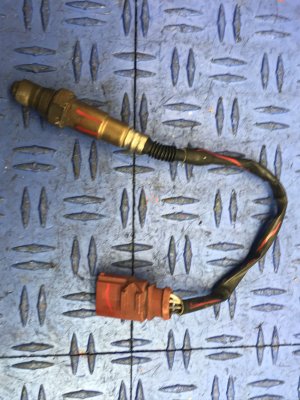
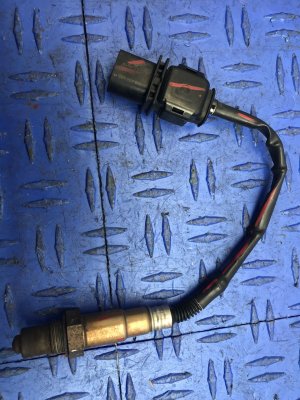
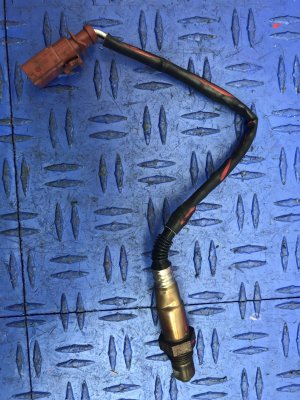
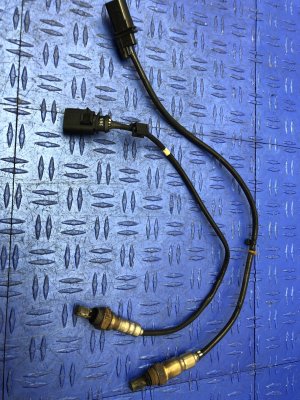
- Upstream Oxygen Sensor (Bank 2, Sensor 1)
(OEM #1K0-998-262-T (replaces 06E906265Q))— This is the primary sensor that measures the air-fuel ratio. It's a common wear item and a frequent cause of single-bank rich or lean codes.
Trusted brands: Bosch, NTK, Genuine Audi
OEM price range: $150-$220
Aftermarket price range: $70-$150 - Fuel Injector
(OEM #06E906036AL (latest revision))— A leaking direct fuel injector will dump excess fuel into a cylinder, causing a rich condition isolated to one bank. Part number has been revised multiple times; ensure you get the latest version.
Trusted brands: Bosch, Hitachi, Genuine Audi
OEM price range: $120-$200
Aftermarket price range: $50-$150 - PCV Valve / Oil Separator
(OEM #06E103547AC (for B8 models 2010-2012))— A known failure point on the 3.0T engine. A failed PCV can disrupt the air-fuel mixture. Replacement is labor-intensive as the supercharger must be removed. There are different part numbers for B8 and B8.5 models.
Trusted brands: Genuine Audi, Vaico
OEM price range: $200-$280
Aftermarket price range: $100-$180
Related Codes That Often Appear With This One
- P0172 — System Too Rich (Bank 1). If both P0172 and P0175 are present, it points to a problem affecting the entire engine, such as a faulty PCV system, high fuel pressure, or a failing high-pressure fuel pump (HPFP).
- P0304, P0305, P0306 — Cylinder Misfire Detected (on Bank 2). An excessively rich mixture can foul the spark plugs on Bank 2, leading to incomplete combustion and misfires on those cylinders.
- P2190 — System Too Rich at Idle (Bank 2). This is a more specific version of P0175. If you see this code, it strongly suggests a leaking fuel injector, as the leak has a more pronounced effect at idle RPM.
- P2237 / P2240 — O2 Sensor Positive Current Control Circuit codes for Bank 1 and Bank 2. These may appear alongside rich codes, indicating an electrical issue with the upstream O2 sensors themselves, which could be the root cause of the incorrect fuel trim readings.
Technical Service Bulletins (TSBs) & Recalls
- TSB 2039995/2 - Rattling noises from upper timing chain tensioners on cold start.
Platform-Specific Known Issues
- Early versions of the 3.0T engine had a PCV valve that was prone to failure, leading to oil consumption and air-fuel mixture problems. Audi later released updated versions of this part.
- Carbon buildup on intake valves is a common issue for all direct-injection engines, including this one. While it more commonly causes lean misfires, severe cases can disrupt airflow and contribute to mixture problems.
Mechanic-Grade Diagnostic Values
- Long Term Fuel Trim (Multiplicative) — expected: Close to 0%, within +/- 10%. Failure: A value more negative than -25% will trigger the P0175 fault code.
- High-Pressure Fuel System (GDI) at Idle — expected: Around 38 bar (approx. 550 PSI). Failure: Pressure that bleeds down quickly after engine shutdown suggests a leaking injector or HPFP. Pressure significantly above spec can cause a rich condition.
- High-Pressure Fuel System (GDI) Under Load — expected: Exceeding 100 bar (approx. 1500-2000 PSI). Failure: Inability to reach target pressure under load points to a weak HPFP, though this usually causes lean codes (P0087).
- Upstream Wideband O2 Sensor Voltage at Idle — expected: Relatively steady, around 1.45V - 1.55V. Unlike older narrowband sensors, it should not fluctuate rapidly between 0.1V and 0.9V.. Failure: Voltage stuck high or low, or not responding to changes in engine conditions.
- Crankcase Vacuum at Oil Filler Cap (Engine Idling) — expected: Noticeable light suction should be present.. Failure: Extreme vacuum that makes the oil cap very difficult to remove indicates a torn PCV diaphragm.
Scan Tool Commands That Help
- VCDS (VAG-COM): Engine -> Measuring Blocks -> Group 032 — Use this to view the long-term additive and multiplicative fuel trims. A large negative value in the second field (multiplicative) is the key data point that confirms the ECU is compensating for a rich condition leading to P0175.
- VCDS (VAG-COM): Engine -> Measuring Blocks -> Group 141 — This allows monitoring of the low-pressure fuel system. It can help rule out issues with the in-tank fuel pump before focusing on the high-pressure system.
- VCDS (VAG-COM): Clear All DTCs — After replacing a component like an O2 sensor or fuel injector, clearing the codes will also reset the long-term fuel trims in Measuring Block 032 back to 0%. This is critical to allow the ECU to relearn fuel strategy with the new part.
Wiring & Ground Locations
- ECU/ECM Connectors — Located in the plenum chamber, under the plastic cowl cover at the base of the windshield.. Water ingress into this area is common and can corrode ECU connectors and nearby ground points. This can cause a wide range of intermittent electrical faults, including incorrect sensor readings from O2 sensors or pressure sensors that could lead to a P0175 code.
- Bank 2 Upstream O2 Sensor Connector — The sensor is in the driver's side exhaust manifold. The wiring harness runs up toward the back of the engine bay, near the firewall.. The wiring is susceptible to heat damage from the exhaust. More commonly, oil leaking from the driver's side valve cover gasket can drip directly onto the harness and connector, saturating it and causing the sensor's internal heater circuit to fail, which can affect sensor accuracy.
- Main Engine Ground Strap — Typically runs from the engine block to the chassis frame rail on one side of the engine bay.. A corroded or loose main ground can create a floating ground for all engine sensors, including O2 sensors and MAP sensors, leading to erratic readings and incorrect fuel calculations by the ECU.
Real Owner Repair Stories
- AudiWorld Forums user 'arU4ic' (2012 Audi Q7 3.0T (Same engine family)) — Engine starts and then dies/stalls. Throws P0172 and P0175 codes together.
❌ Tried (didn't work) Replacing an unspecified temperature and pressure sensor.
✅ What actually fixed it The user diagnosed the issue using VCDS measuring blocks and found the G247 fuel rail pressure sensor was intermittently reporting 0 bar to the ECU, causing the engine to shut down. Replacing the G247 sensor resolved the stalling and the rich codes.
OEM Part Supersession History
06E103547Q (and earlier revisions)→06E103547AC— The PCV (oil separator) valve was updated multiple times to improve reliability. Earlier plastic versions were prone to cracking and diaphragm failure. Later revisions use improved materials.Multiple revisions (e.g., 07L127026J, 07L127026Q)→07L127026AL— The High-Pressure Fuel Pump (HPFP) has undergone several revisions to improve internal seal reliability and prevent fuel from leaking into the crankcase.
Heads up: It is critical to verify the correct part number with the vehicle's VIN, as different pumps were used. However, Hitachi is the OEM supplier.
Model Year Variations Within This Range
- 2010-2012: Models in this earlier range are more susceptible to failures of the original-design water pump and PCV valve compared to 2013+ (B8.5) models which received updated parts from the factory. When repairing, it is crucial to use the latest revised part numbers.
Diagnostic Flowchart
Other Known Issues on This Vehicle
Issues unrelated to this code that are worth knowing about as an owner of this generation:
- Premature Water Pump & Thermostat Failure 🔴 High — Common on 2010-2012 models, often before 80k miles. The plastic components become brittle and leak coolant. Failure can cause overheating. (Ref: Audi updated the parts for 2013+ models, but no recall was issued for earlier vehicles.)
- DSG Mechatronics Unit Failure 🔴 High — Affects S-tronic (DL501) dual-clutch transmissions, particularly in 2010-2013 models. Can cause jerky shifting, loss of gears, and transmission warnings. Very expensive to repair. (Ref: Multiple TSBs exist for various symptoms. A common failure point within the transmission.)
- Upper Timing Chain Tensioner Rattle 🟠 Medium — A brief (~1-3 second) rattling or chain-slap noise on cold starts. More common on higher-mileage cars (>100k miles) or those with infrequent oil changes. (Ref: Audi TSB 2039995/2 addresses this with updated tensioner parts. Audi claims the noise does not cause damage, but many owners replace them for peace of mind.)
- Intake Valve Carbon Buildup 🟠 Medium — A universal issue for all direct-injection engines. Causes gradual power loss, rough idle, and misfires. Typically requires cleaning (walnut blasting) every 60k-80k miles.
- Failing Flex Pipes on Exhaust 🟡 Low — The flexible mesh sections of the downpipes can crack or tear over time, causing a loud exhaust leak noise from under the car.
Used vs. New Parts: Buying Guide for This Vehicle
When a used part is the smart pick: For major cosmetic components or modules that are cost-prohibitive, used can be an option. However, for the parts causing P0175, used is generally not recommended due to their high failure rates and wear characteristics. A barely-used O2 sensor from a known low-mileage wreck could be considered if on a tight budget.
Donor-vehicle mileage cap: roughly under 40000 miles for the part to have meaningful remaining life.
What to inspect on the donor part:
- For any electronic sensor, check for corrosion on pins.
- For a PCV valve, inspect for any cracks in the plastic housing or brittleness.
- Verify the part number on the used component is the latest revision if possible.
OEM-only on this vehicle (don't cheap out):
- PCV Valve / Oil Separator: Aftermarket versions have a poor reputation for premature failure. Given the labor to access it under the supercharger, using an OEM part is critical.
- High-Pressure Fuel Pump (HPFP): This is a precision, high-stress component critical to engine safety. Only use the OEM supplier (Hitachi) or a genuine Audi part.
- Fuel Injectors: While Bosch is the OEM, ensure they are from a reputable source. Counterfeit injectors are common and can cause major engine issues.
Aftermarket brands forum-validated for this vehicle:
- O2 Sensors: Bosch, NTK, and Denso are all OEM suppliers to various manufacturers and are considered reliable choices.
- Valve Cover Gaskets: Elring or Victor Reinz are reputable OEM-quality brands.
Brands owners have reported issues with on this vehicle:
- Avoid unbranded or 'white-box' electronic sensors like O2 sensors, MAP sensors, and especially the PCV valve and HPFP. The initial savings are not worth the risk of premature failure and repeated labor costs.
Real Owner Stories
Aggregated from forums and TSBs cited above. Mileages and costs reflect what owners reported in those sources.
2010-2012 Audi S5 3.0T — ~70000 miles
Symptoms: The PCV valve failed, causing air-fuel mixture problems and oil consumption. The failure occurred between the typical 60,000-80,000 mile window for this platform.
What fixed it: Replacement of the PCV valve assembly (oil separator) located under the supercharger.
Source hint: vehicle_specific_issues section citing failure points
2011 Audi S5 3.0T — ~80000 miles
Symptoms: Check engine light with P0175; the O2 sensor was sending incorrect signals to the ECM indicating a rich condition due to oil dripping from a leaky valve cover gasket onto the sensor wiring.
What fixed it: Replacement of the Bank 2, Sensor 1 (upstream) oxygen sensor.
Source hint: common_causes for Failing Upstream Oxygen (O2) Sensor
Related OBD-II Codes
Frequently Asked Questions
I'm seeing P0175 and P0172 together on my 2011 S5. Is it likely the MAF sensor?
My S5 has a loud whistling noise and a P0175 code; could this be the PCV valve?
Is there a TSB for the rattling I hear on cold starts along with my check engine light?
Can I just clean the MAF sensor on my 2012 S5 to fix the P0175 code?
Should I be worried if my oil smells like gasoline while troubleshooting P0175?
How can I tell if it's a bad O2 sensor or a bad injector on Bank 2?
Helpful Videos

Used OEM Parts in Stock


New Aftermarket Parts Available

The information in this article is provided for general reference and educational purposes only. Vehicle specifications, procedures, and part compatibility can vary by production date, trim level, and region. Always consult your vehicle's factory service manual and verify part numbers before purchasing or performing repairs. Safety-critical components such as airbags, seat belts, and braking systems should be installed by a qualified professional.
- Audi S5:
- 🎬 Helpful Videos
- 🛍️ Shop This Part
- What's Unique About the 2010-2012 Audi S5
- Symptoms You May Notice
- Most Likely Causes
- Rare But Worth Checking
- Diagnosis Steps
- Parts You'll Likely Need
- Related Codes That Often Appear With This One
- Technical Service Bulletins (TSBs) & Recalls
- Platform-Specific Known Issues
- Mechanic-Grade Diagnostic Values
- Scan Tool Commands That Help
- Wiring & Ground Locations
- Real Owner Repair Stories
- OEM Part Supersession History
- Model Year Variations Within This Range
- Diagnostic Flowchart
- Other Known Issues on This Vehicle
- Used vs. New Parts: Buying Guide for This Vehicle
- Real Owner Stories
- 2010-2012 Audi S5 3.0T — ~70000 miles
- 2011 Audi S5 3.0T — ~80000 miles
- Related OBD-II Codes
- Frequently Asked Questions
- 🎟️ Get 5% Off