

P0174 on 2010-2013 BMW X5 N63: System Too Lean Bank 2 Causes and Fixes
On the 2010-2013 X5 with the N63 V8, P0174 is most often caused by cracked crankcase ventilation (CCV) hoses located in the hot engine valley, creating a vacuum leak. A failing mass airflow (MAF) sensor for Bank 2 is the next likely culprit. Expect to pay $100-$300 for CCV hoses or around $200-$400 for a new MAF sensor. A smoke test is the most effective first diagnostic step.
- For a P0174 code on a 2010-2013 BMW X5, immediately suspect a vacuum leak from the crankcase ventilation (CCV) hoses.
- A smoke test is the most effective first diagnostic step to find the source of unmetered air.
- If a vacuum leak is not present, the next most likely cause is a faulty Mass Airflow (MAF) sensor on the driver's side.
- Before purchasing parts, check the vehicle's service history to see if the 'N63 Customer Care Package' was performed, as many of these items may have been replaced under the campaign.
- Do not replace the oxygen sensor unless all other potential causes, especially vacuum leaks and MAF sensor issues, have been definitively ruled out.
What's Unique About the 2010-2013 BMW X5
The N63 engine features a unique "hot-vee" design where the twin turbochargers are placed in the valley between the cylinder banks. This creates extreme ambient heat that causes plastic and rubber components to become brittle and fail prematurely. This design is the primary reason for the most common cause of P0174 on this vehicle: cracked crankcase ventilation (CCV) hoses that lead to major vacuum leaks. Many of these failure-prone parts were addressed by BMW's "N63 Customer Care Package" (SIB B001314), a massive service campaign launched in late 2014 to improve reliability by inspecting and replacing items like vent hoses, injectors, and MAF sensors.
Symptoms You May Notice
- Check Engine Light illuminated
- Rough or unstable idle, sometimes with surging
- Hesitation or stumbling during acceleration
- Reduced engine power or "Limp Mode" message
- Poor fuel economy
- A distinct whistling or hissing sound from the engine bay, indicating a vacuum leak.
- Replacing the oxygen sensor first. The O2 sensor is usually the messenger, not the cause. A lean code means the sensor is correctly detecting a problem with the air/fuel mixture.
- Replacing fuel pumps without checking for vacuum leaks. Vacuum leaks from brittle CCV hoses are the most common cause of lean codes on the N63 and should always be the first diagnostic check via a smoke test.
Most Likely Causes
- Cracked Crankcase Ventilation (CCV) Hoses 🔴 High Probability The N63's 'hot-vee' engine design exposes these plastic hoses to extreme heat, causing them to become brittle and crack over time, creating a significant unmetered air (vacuum) leak. This is the most common failure leading to lean codes on this platform.
How to confirm: Perform a smoke test on the intake system. 🎬 Watch: How to perform a smoke test on the N63 engine. Smoke will visibly escape from the cracked hoses in the engine valley or near the valve covers. Visual inspection may also reveal obvious cracks, but leaks can be hidden.
Typical fix: Replace both the left (Bank 2) and right (Bank 1) side CCV hoses. It is highly recommended to replace both sets at the same time, as the other is likely to fail soon. Use updated OEM or quality aftermarket parts. 🎬 See this step-by-step guide for replacing your CCV breather hoses.
Est. part cost: $80-$250 - Dirty or Failing Mass Airflow (MAF) Sensor 🔴 High Probability The N63 uses two MAF sensors, one for each bank. The sensor for Bank 2 can become contaminated or fail electronically, causing it to under-report the amount of air entering the engine. The DME then injects too little fuel, creating a lean condition. This was a known issue addressed in the N63 Customer Care Package.
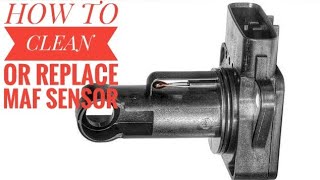
How to confirm: Swap the MAF sensors between Bank 1 and Bank 2. They are identical parts. Clear the codes and drive the vehicle. If the code changes to P0171 (System Too Lean Bank 1), the MAF sensor is faulty. Cleaning the sensor with a dedicated MAF cleaner can be attempted first, but replacement is often necessary. 🎬 Watch: Quick and easy way to clean or replace your MAF sensor.
Typical fix: Replace the faulty MAF sensor. It is recommended to use an OEM supplier brand like Bosch for reliable performance. If one has failed, consider replacing both as a pair.
Est. part cost: $150-$400 - Leaking or Clogged Fuel Injectors 🟡 Medium Probability The early direct injectors used on the N63 are a notorious failure point, sometimes failing in as little as 20,000-30,000 miles. They can become clogged or leak, leading to improper fueling on one or more cylinders in Bank 2. BMW has released multiple updated versions; 'Index 12' injectors (Part No. 13538616079) are considered the most reliable fix.
How to confirm: This is more difficult to diagnose. A technician can monitor fuel rail pressure for a leak-down after shutdown. Misfire codes for specific cylinders on Bank 2 (e.g., P0305, P0306) often accompany a failing injector.
Typical fix: Replace the faulty fuel injector(s). It is best practice to replace all four injectors on the affected bank with the latest index available to ensure balanced performance and prevent future failures.
Est. part cost: $200-$500 per injector - Cracked Intake Manifold or Gaskets ⚪ Low Probability Similar to the CCV hoses, the plastic intake manifolds and their gaskets are subject to intense heat cycles and can develop cracks or leaks, allowing unmetered air to enter.
How to confirm: A smoke test is the most effective method. Smoke will be seen leaking from the manifold itself or the gasket area where it meets the cylinder head.
Typical fix: Replace the cracked intake manifold or the leaking gaskets for Bank 2.
Est. part cost: $50-$150 for gaskets, $300+ for a manifold
Rare But Worth Checking
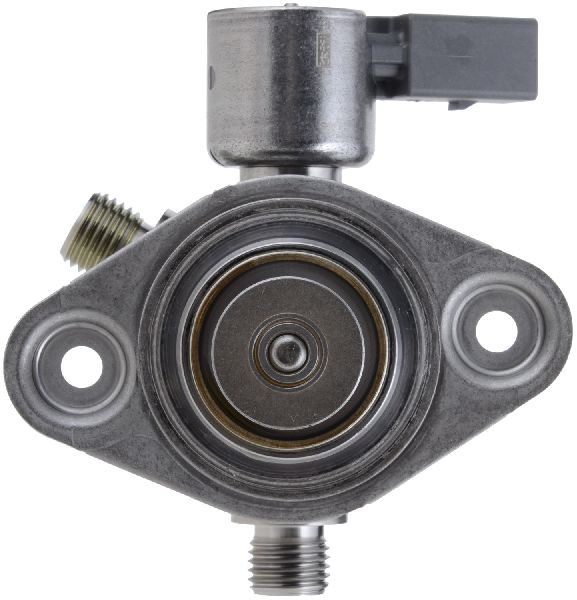
- Failing High-Pressure Fuel Pump (HPFP): The N63 has two HPFPs, one for each bank. If the pump for Bank 2 is failing, it may not supply enough pressure, causing a lean condition under load. This is a known issue on many BMW direct-injection engines but is less common than vacuum leaks or MAF issues for this specific code.
- Faulty Upstream Oxygen Sensor: While an O2 sensor can fail and send incorrect lean readings, it is far more likely to be correctly reporting a lean condition caused by another component. Rule out all other possibilities, especially vacuum leaks, before replacing the O2 sensor.
Diagnosis Steps
- Read the fault codes with a BMW-specific scanner to check for more detailed manufacturer codes beyond the generic P0174. Check freeze frame data to see the engine conditions when the code was set.
- Monitor long-term (LTFT) and short-term (STFT) fuel trims. High positive values (e.g., >15-25%) on Bank 2 confirm the DME is adding significant fuel to correct a lean condition.
- Perform a smoke test. This is the most critical step for the N63. Feed smoke into the intake system post-MAF sensors and carefully inspect the CCV hoses in the engine valley, the intake manifolds, and all vacuum lines for leaks. This is the definitive test for vacuum leaks.
- If no vacuum leaks are found, inspect and clean the Bank 2 MAF sensor with dedicated MAF cleaner. Swap the MAF sensors between Bank 1 and Bank 2, clear codes, and see if the fault moves to Bank 1 (P0171). If it does, the MAF sensor is bad.
- If the issue persists, test the fuel system. Check both low and high fuel pressure with a gauge to ensure they meet specifications, both at idle and under load.
- If fuel pressure is good, investigate the fuel injectors. This may require professional diagnosis to test for leaks or clogging. Look for accompanying misfire codes on specific cylinders.
- As a final step, test the Bank 2 upstream oxygen sensor to ensure it is functioning correctly, but do not replace it until all other causes have been eliminated.
Parts You'll Likely Need
- Crankcase Vent Hoses (PCV)
(OEM #11157646087 (Bank 2/Left), 11157646086 (Bank 1/Right). Note: 11157646087 supersedes 11157575643.)— These brittle plastic hoses are the most common failure point on the N63 engine leading to vacuum leaks and lean codes. Due to the heat, they are considered a maintenance item.
Trusted brands: BMW (OEM), Rein
OEM price range: $120-$180
Aftermarket price range: $55-$150 - Mass Airflow Sensor (MAF)
(OEM #13627593624)— A dirty or failed MAF sensor is a frequent cause of incorrect fuel mixture calculations on this engine. Addressed as part of the N63 Customer Care Package.
Trusted brands: Bosch, Continental/VDO
OEM price range: $300-$400
Aftermarket price range: $150-$250 - Fuel Injector (Index 12)
(OEM #13538616079)— Failing injectors are a known, widespread issue. Replacing with the latest 'Index 12' version is crucial for reliability and to prevent repeat failures.
Trusted brands: Bosch (OEM)
OEM price range: $350-$500
Aftermarket price range: $200-$300
Related Codes That Often Appear With This One
- P0171 — System Too Lean (Bank 1). If both P0171 and P0174 are present, it strongly suggests a large vacuum leak affecting the entire engine, such as from the CCV system, or an issue with a component that measures air for both banks.
- P0300, P0305, P0306, P0307, P0308 — Random or specific cylinder misfire codes for Bank 2. A severe lean condition can prevent proper combustion, leading to misfires on the affected cylinders. This can also point towards a failing fuel injector on a specific cylinder.
Technical Service Bulletins (TSBs) & Recalls
- SI B001314 / B110614: N63 Customer Care Package. This service bulletin outlines a comprehensive service action to inspect and replace multiple components known to fail on the N63 engine, including CCV hoses, fuel injectors, and MAF sensors, all of which can cause a P0174 code.
Platform-Specific Known Issues
- BMW issued a 'N63 Customer Care Package' (SIB B001314 / SIB 11 06 14) which addressed many common failures. This included inspection and potential replacement of the timing chain, fuel injectors, MAF sensors, crankcase vent lines, battery, and vacuum pump, even for out-of-warranty vehicles.
Mechanic-Grade Diagnostic Values
- Short-Term Fuel Trim (STFT) & Long-Term Fuel Trim (LTFT) — expected: Typically fluctuates close to 0%. A value consistently above +10% indicates the DME is adding fuel to compensate for a lean condition.. Failure: Sustained fuel trim values on Bank 2 exceeding +25% will typically trigger the P0174 code.
- Crankcase Pressure (with manometer) — expected: Around 8 to 15 mbar at idle.. Failure: Significantly higher pressure, such as 20 mbar or more, can indicate a clogged CCV system, while strong negative pressure (vacuum) points to a large leak in the CCV hoses.
- Mass Air Flow (MAF) Reading at Idle — expected: Approximately 4-5 g/s per sensor at idle for a healthy engine.. Failure: A significantly lower reading on the Bank 2 MAF sensor compared to Bank 1 can indicate a faulty sensor or a leak post-sensor.
Hidden / Shadow Codes Worth Checking
- 29E1: DME: Mixture control 2. This is the BMW-specific equivalent of P0174, indicating a lean mixture on Bank 2. (see via BMW-specific diagnostic software like ISTA or a capable aftermarket scanner.)
- 2A2D: DME: Fuel low-pressure, plausibility. This code can appear with lean codes if a failing low-pressure fuel pump (LPFP) is the root cause. (see via BMW-specific diagnostic software like ISTA.)
Scan Tool Commands That Help
- ISTA (BMW Dealer Software): Air mass system test — To have the DME run a guided diagnostic comparing the calculated air mass versus the measured air mass from the MAF sensors. This can help identify a faulty MAF sensor or unmetered air leaks.
- ISTA (BMW Dealer Software): Fuel supply test plan — To check the function and pressure delivery of both the low-pressure fuel pump and the high-pressure fuel pumps. This is used when a fuel delivery issue is suspected after vacuum leaks have been ruled out.
- ISTA (BMW Dealer Software): Delete adaptations — After replacing a component like a MAF sensor, fuel injectors, or fixing a large vacuum leak. This resets the long-term fuel trim values to zero, forcing the DME to relearn the fuel mixture strategy immediately.
Real Owner Repair Stories
- XBimmers.com forum user (2006 BMW X5 3.0 (E53, different engine but same codes)) — P0171 and P0174 codes, rough idle in Drive, hesitation and multiple misfires under hard acceleration.
❌ Tried (didn't work) Smoke test (showed no leaks), Replaced entire CCV system, Replaced intake manifold gasket, Replaced spark plugs, Replaced intake boot, New gas cap and oil cap, Replaced fuel filter and fuel pump assembly, Replaced DISA valve O-ring, Replaced pre-cat O2 sensors
✅ What actually fixed it The user did not post a final resolution, but the next logical steps after replacing nearly the entire fuel and air intake system would be to replace the MAF sensor and the DISA valve itself, which were the only remaining suspected parts.
"I Checked Everything" — The Actual Cause
- A cracked plastic turbo inlet pipe. These are located after the MAF sensors and before the turbochargers. A smoke test may not always reveal a hairline crack in this location, but under boost/vacuum, the crack can open up, allowing unmetered air to enter Bank 2, causing a P0174 code. Visual inspection and physically manipulating the pipes is often required.
- An internal failure of the PCV system diaphragm built into the valve cover itself. While the external hoses are the most common failure, the valve cover can develop internal leaks or cracks. This may not show up on a standard intake smoke test but can be diagnosed by checking crankcase pressure with a manometer.
OEM Part Supersession History
EU5 Fuel Injectors→EU6 Fuel Injectors (and vice-versa for performance)— Emissions and performance tuning. While not a direct supersession, owners seeking more power may downgrade from the stock EU6 injectors to the higher-flowing EU5 injectors from other models.
Heads up: Injectors with different flow rates (like EU5 vs EU6) cannot be mixed on the same engine bank and require specific DME tuning to function correctly. Installing the wrong type without a corresponding tune will cause severe running issues.
Model Year Variations Within This Range
- 2013: In 2012 for the 2013 model year, BMW introduced the N63TU (Technical Update) engine, designated N63B44O1. While the 2010-2012 X5 used the original N63 (N63B44O0), the 2013 model received the updated N63TU. This update included the addition of Valvetronic, different turbochargers, and forged internals. While many causes for P0174 are the same, some parts like the CCV system and intake components may differ between the N63 and N63TU.
Diagnostic Flowchart
Other Known Issues on This Vehicle
Issues unrelated to this code that are worth knowing about as an owner of this generation:
- Excessive Oil Consumption 🔴 High — Extremely common, often requiring 1 quart of oil every 750-1,500 miles. This issue was the subject of multiple class-action lawsuits (Bang v. BMW and Isley v. BMW). (Ref: Subject of class-action settlements which provided for oil consumption tests and potential engine repairs or replacement.)
- Timing Chain Stretch and Guide Failure 🔴 High — Commonly occurs after 80,000-100,000 miles. Symptoms start with a rattling noise on cold starts. Failure can be catastrophic to the engine. (Ref: Inspection and potential replacement of the timing chain was a key part of the 'N63 Customer Care Package' (SIB B001314).)
- Leaking Valve Stem Seals 🔴 High — A very common and expensive repair. The primary symptom is puffs of blue/white smoke from the exhaust after idling, especially at startup. This also contributes to oil consumption.
- Premature Battery Failure and Drain 🟠 Medium — The N63 engine's high heat and electrical demands can lead to premature battery failure. This was often linked to the engine's cooling strategy and was addressed in service campaigns. (Ref: Battery replacement was included as a potential item in the 'N63 Customer Care Package' (SIB B001314).)
- Turbocharger Coolant/Oil Line Leaks 🟠 Medium — The rubber hoses and seals for the turbocharger coolant and oil lines are exposed to extreme heat in the 'hot-vee' and can become brittle, leading to leaks. This is a labor-intensive repair.
Used vs. New Parts: Buying Guide for This Vehicle
When a used part is the smart pick: For this repair, used parts are generally not recommended due to the nature of the failures. The primary causes are plastic and rubber components that degrade from heat and age. A used part from a donor vehicle will have experienced similar heat cycles and is likely to fail soon after installation. The only exception might be a major structural component like an intake manifold if it came from a very low-mileage, rear-ended vehicle and was thoroughly inspected for cracks.
Donor-vehicle mileage cap: roughly under 30000 miles for the part to have meaningful remaining life.
What to inspect on the donor part:
- For CCV hoses, do not buy used. The plastic becomes brittle and is the primary failure point.
- For a MAF sensor, check for a clean-looking sensor element and ensure the housing is not cracked. However, electronic failure is common and cannot be seen.
- For fuel injectors, only consider used if they are a known, recent 'Index 12' version and you can verify the low mileage of the donor car. Even then, it's a risk.
OEM-only on this vehicle (don't cheap out):
- Mass Airflow (MAF) Sensors: Aftermarket MAF sensors are notoriously unreliable for BMWs and can cause persistent running issues. Stick to OEM-supplier brands like Bosch or VDO.
- Fuel Injectors: Given the history of injector failures on the N63, only the latest index OEM (Bosch) injectors should be used to ensure reliability and proper flow rates.
- Crankcase Ventilation (CCV) Hoses: While some high-quality aftermarket brands like Rein exist, cheap, unbranded hoses will become brittle and fail very quickly in the N63's hot-vee. OEM is the safest choice.
Aftermarket brands forum-validated for this vehicle:
- Bosch (for MAF sensors, O2 Sensors, Fuel Injectors - often the OEM supplier)
- Rein (for CCV hoses and gaskets)
Brands owners have reported issues with on this vehicle:
- Unbranded or 'white-box' electronic sensors (MAF, O2) from online marketplaces.
- Cheap CCV hose kits, as the plastic and rubber quality is not rated for the extreme heat of the N63 engine valley.
Real Owner Stories
Aggregated from forums and TSBs cited above. Mileages and costs reflect what owners reported in those sources.
2012 BMW X5M
Symptoms: P0174 code appeared after installing catless downpipes; owner needed to check for exhaust leaks and ensure the airbox was secure.
What fixed it: Checking for exhaust leaks and O2 sensor issues, and ensuring the airbox is secure.
Source hint: Bimmerpost: P0174 code - XBimmers.com
2011 BMW X5 N63 4.4L V8 — ~25000 miles
Symptoms: Improper fueling on Bank 2 cylinders; early direct injector failure.
What fixed it: Replacement of faulty fuel injectors with updated 'Index 12' versions.
Source hint: common_causes: Leaking or Clogged Fuel Injectors
2010-2013 BMW X5 N63 4.4L V8
Symptoms: Rough idle and multiple misfire codes; difficulty accessing the driver's side vent pipe.
What fixed it: Replacement of the driver's side (Bank 2) vent pipe.
Source hint: Bimmerpost: Driver side vent pipe replacement - difficult diy?
Related OBD-II Codes
Frequently Asked Questions
Does the N63 Customer Care Package (SIB B001314) apply to my 2010-2013 BMW X5?
Which fuel injectors should I use to fix a P0174 lean condition on my N63 engine?
Can I just clean the MAF sensors on my X5 to clear the P0174 code?
Why are the CCV hoses failing so frequently on the 2010-2013 X5 50i?
Is the driver's side vent pipe replacement a difficult DIY for a P0174 fix?
Helpful Videos
Used OEM Parts in Stock

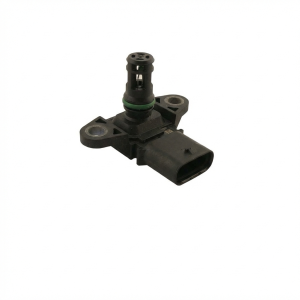


New Aftermarket Parts Available




The information in this article is provided for general reference and educational purposes only. Vehicle specifications, procedures, and part compatibility can vary by production date, trim level, and region. Always consult your vehicle's factory service manual and verify part numbers before purchasing or performing repairs. Safety-critical components such as airbags, seat belts, and braking systems should be installed by a qualified professional.
- BMW X5:
- 🎬 Helpful Videos
- 🛍️ Shop This Part
- What's Unique About the 2010-2013 BMW X5
- Symptoms You May Notice
- Most Likely Causes
- Rare But Worth Checking
- Diagnosis Steps
- Parts You'll Likely Need
- Related Codes That Often Appear With This One
- Technical Service Bulletins (TSBs) & Recalls
- Platform-Specific Known Issues
- Mechanic-Grade Diagnostic Values
- Hidden / Shadow Codes Worth Checking
- Scan Tool Commands That Help
- Real Owner Repair Stories
- "I Checked Everything" — The Actual Cause
- OEM Part Supersession History
- Model Year Variations Within This Range
- Diagnostic Flowchart
- Other Known Issues on This Vehicle
- Used vs. New Parts: Buying Guide for This Vehicle
- Real Owner Stories
- 2012 BMW X5M
- 2011 BMW X5 N63 4.4L V8 — ~25000 miles
- 2010-2013 BMW X5 N63 4.4L V8
- Related OBD-II Codes
- Frequently Asked Questions
- 🎟️ Get 5% Off