

P0172 on 2011-2015 Kia Optima: System Too Rich Causes and Fixes
For a 2011-2015 Kia Optima, code P0172 (System Too Rich) is most often caused by a leaking high-pressure fuel pump (HPFP) or a faulty upstream oxygen sensor. Other common causes include leaking fuel injectors or a stuck-open EVAP purge valve. A diagnosis is necessary to pinpoint the exact faulty component. Checking for fuel in the engine oil is a critical first step for these GDI engines.
- The P0172 code on a 2011-2015 Kia Optima means the engine is running too rich (too much fuel, not enough air).
- Due to the GDI engine, a leaking high-pressure fuel pump (HPFP) is a primary suspect. Check your oil for a strong smell of gas.
- Other likely causes include a faulty upstream O2 sensor, leaking fuel injectors, or a stuck-open EVAP purge valve.
- Do not immediately replace the catalytic converter; it is a symptom of the problem, not the cause.
- Driving with this code can reduce fuel economy and eventually damage expensive components like the catalytic converter.
What's Unique About the 2011-2015 Kia Optima

The 2011-2015 Kia Optima uses Gasoline Direct Injection (GDI) engines (both the 2.4L and 2.0L Turbo). This technology, while efficient, introduces a high-pressure fuel system as a common point of failure for a P0172 code. A leaking high-pressure fuel pump (HPFP) or failing fuel rail pressure sensor can directly cause a rich condition, a scenario less common on older port-injected engines. Owner forums frequently point to these GDI-specific components after more common parts like O2 sensors have been replaced without success. The Theta II GDI engines in these vehicles were also part of a major class-action lawsuit regarding engine failures, which can be related to fuel system issues.
Symptoms You May Notice
- Check Engine Light is on
- Poor fuel economy
- Rough idle
- Hesitation or lack of power during acceleration
- Strong smell of gasoline from the exhaust
- Black smoke from the exhaust pipe
- Engine stalling, especially when cold or at idle
- Long crank times to start the engine
- Fuel smell in the engine oil on the dipstick
- Vehicle entering "limp home mode" (as noted in NHTSA ODI #11390539)
- Replacing the catalytic converter. A rich condition can damage a converter, but it is not the cause of the P0172 code. One owner reported a dealer replaced the converter, but the code returned because the root cause (leaking injectors or HPFP) was not fixed.
- Replacing oxygen sensors without proper diagnosis. While a faulty O2 sensor is a possible cause, it's often replaced when the actual problem is a leaking injector or a faulty high-pressure fuel pump. Many forum users report replacing O2 sensors multiple times with no fix.
Most Likely Causes

- Leaking High-Pressure Fuel Pump (HPFP) 🔴 High Probability The GDI engines in this Optima generation rely on a mechanical high-pressure pump driven by the camshaft. The internal seals are a known failure point, causing raw fuel to leak directly into the crankcase. This contaminates the engine oil and the fuel vapors are ingested by the PCV system, creating a rich condition. NHTSA ODI #11541867 confirms this is a common issue where gas gets into the oil, requiring a pump replacement. Similarly, NHTSA ODI #11578804 notes that a misfire and shutdown resulted in a P0172 code specifically requiring a high-pressure fuel pump replacement.
How to confirm: Check the engine oil on the dipstick for a strong gasoline smell and a higher-than-normal oil level. This is the most definitive sign. A professional diagnosis involves monitoring fuel rail pressure, but fuel in the oil is a very strong indicator of HPFP failure.
Typical fix: Replace the high-pressure fuel pump and perform 🎬 See this step-by-step high pressure fuel pump replacement walkthrough an oil change.
Est. part cost: $540-$750 - Faulty Upstream Oxygen (O2) Sensor 🟡 Medium Probability The O2 sensor is a standard wear-and-tear item. It can become contaminated by fuel or carbon, causing it to become slow or biased. A sensor that incorrectly reads a lean condition will cause the ECU to add excess fuel, resulting in a P0172 code.
How to confirm: Monitor the O2 sensor voltage on a scan tool. A healthy upstream sensor should fluctuate rapidly between approximately 0.1V and 0.9V. A sensor that is stuck high (e.g., above 0.8V) or is slow to respond is likely faulty.
Typical fix: Replace the Bank 1, Sensor 1 (upstream) oxygen sensor.
Est. part cost: $50-$150 - Leaking Fuel Injector(s) 🟡 Medium Probability GDI injectors operate under very high pressure and are susceptible to carbon buildup or internal failure, causing them to leak fuel into a cylinder after the engine is shut off or over-fuel during operation. This is a frequently cited cause in owner forums.
How to confirm: After the engine has been off for a while, pull the spark plugs. A wet, fuel-smelling spark plug indicates a leaking injector in that cylinder. A professional injector balance test is a more precise method. Long crank times can also be a symptom of leaking injectors.
Typical fix: Replace the leaking fuel injector(s) and their seals. It's often recommended to replace them as a set.
Est. part cost: $70-$120 per injector - Stuck-Open EVAP Purge Control Valve ⚪ Low Probability The purge valve can get stuck open, allowing un-metered fuel vapors from the charcoal canister to be drawn into the intake manifold at idle, when it should be closed. This introduces extra fuel that the ECU doesn't account for, creating a rich mixture.
How to confirm: With the engine off, disconnect the valve and try to blow through it; if air passes, it's stuck open. You can also apply vacuum to the intake port of the valve to see if it holds. With the engine idling, disconnect the electrical connector and the hose from the intake manifold side; if you feel vacuum, the valve is stuck open.
Typical fix: Replace the purge control valve.
Est. part cost: $65-$240
Rare But Worth Checking
- Faulty Fuel Rail Pressure Sensor: This sensor tells the computer the pressure in the high-pressure fuel rail. If it inaccurately reports low pressure, the computer will command the HPFP to work harder, leading to excessively high pressure and a rich condition.
- Dirty or Faulty Mass Airflow (MAF) Sensor: If the MAF sensor is dirty, it may under-report the amount of air entering the engine, causing the computer to inject too much fuel for the actual airflow. Cleaning it with a dedicated MAF sensor cleaner is a simple first step.
- Internal Engine Damage: In severe cases, P0172 can be part of a larger mechanical failure. NHTSA ODI #11689362 describes a case where P0172 appeared alongside misfire codes due to holes in the intake valves, requiring major engine repairs.
- Low Engine Oil Level: On engines with Variable Valve Timing (VVT), extremely low oil level can affect oil pressure, causing incorrect camshaft timing. If the timing is retarded, it can lead to incomplete combustion and a rich condition. This is less direct but has been noted in diagnostic videos for related codes.
Diagnosis Steps

- Scan for Codes: Use an OBD-II scanner 🎬 Watch: How to diagnose and fix P0172 on GDI engines to confirm P0172 and check for any other related codes. Note that NHTSA ODI #11390539 reports P0172 appearing with P061B and P2180, sometimes caused by electrical issues like a loose wire.
- Check Engine Oil: Smell the oil on the dipstick for a strong gasoline odor. Check if the oil level is above the full mark. This is a key indicator of a leaking high-pressure fuel pump on these GDI engines.
- Analyze Fuel Trims: Use a scan tool to view Short-Term Fuel Trim (STFT) and Long-Term Fuel Trim (LTFT). For P0172, you will see significant negative numbers (e.g., -10% or more, often approaching -25%) as the ECU tries to subtract fuel.
- Inspect Air Intake System: Check the engine air filter and intake tube for any blockages or restrictions that would limit airflow. A severely clogged filter can cause a rich condition.
- Test the EVAP Purge Valve: Disconnect the valve and test if it's stuck open, allowing fuel vapors into the intake at idle.
- Test the Upstream O2 Sensor: Graph the Bank 1 Sensor 1 voltage. It should switch rapidly between approximately 0.1V and 0.9V. A lazy or stuck sensor needs replacement.
- Test Fuel Pressure: Monitor the fuel rail pressure sensor data with a capable scan tool. Compare the desired pressure with the actual pressure to check for regulation issues. An actual pressure that is significantly higher than desired points to a sensor or HPFP issue.
- Inspect Fuel Injectors: If other tests are inconclusive, suspect leaking injectors. Check for long crank times or pull spark plugs after the car has sat to check for wetness.
Parts You'll Likely Need

- High-Pressure Fuel Pump
(OEM #35320-2G730 (for 2.4L/2.0L, verify by VIN))— This is a very common failure point on the 2011-2015 Optima's GDI engines that directly leads to a P0172 code by leaking fuel into the crankcase. NHTSA ODI #11324002 notes that dealers often replace both the fuel pump and fuel lines when fuel is found leaking into the system.
Trusted brands: Delphi, Bosch, Genuine OE (Hyundai/Kia)
OEM price range: $600-$750
Aftermarket price range: $540-$650 - Upstream Oxygen Sensor (Bank 1 Sensor 1)
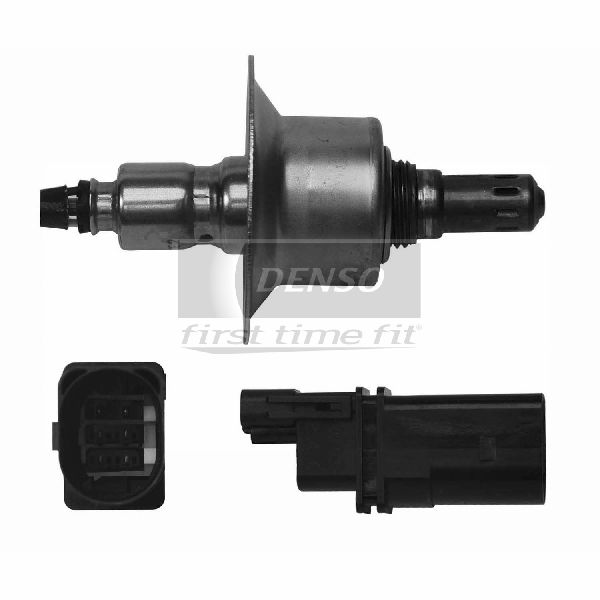
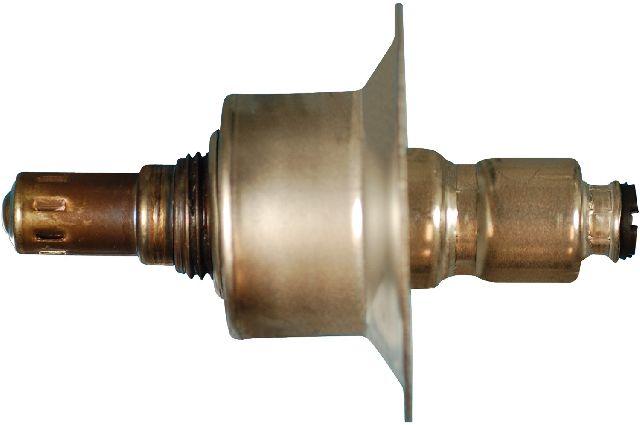
(OEM #39210-2G720 (for 2.0L Turbo, verify by VIN); 39210-2G200 (for 2.4L, verify by VIN))— A faulty O2 sensor can send incorrect signals, causing the engine computer to enrich the fuel mixture unnecessarily. It's a common diagnostic step and a frequent point of failure.
Trusted brands: Denso, NGK/NTK, Bosch
OEM price range: $100-$180
Aftermarket price range: $50-$120 - Vapor Canister Purge Valve
(OEM #28910-26900 (Verify by VIN))— Can become stuck open, allowing a constant flow of fuel vapors into the intake manifold, which creates a rich condition.
Trusted brands: Dorman, Standard Motor Products, Genuine OE (Hyundai/Kia)
OEM price range: $100-$150
Aftermarket price range: $65-$90
Related Codes That Often Appear With This One
- P0300-P0304 — Misfire codes (P0300 for random, P0301-P0304 for specific cylinders) can occur because an overly rich mixture can foul spark plugs and fail to ignite properly. NHTSA ODI #11689362 documents P0172 appearing alongside P0301, P0303, and P0304.
- P0138 — O2 Sensor Signal Too High (Bank 1, Sensor 2). If the engine is running rich, the excess fuel passes the upstream sensor and can be detected by the downstream sensor as well, causing it to also report a high voltage (rich) signal.
- P2191 — System Too Lean at Higher Load. Interestingly, this can sometimes appear with P0172 if the fuel system is failing to regulate pressure correctly under different driving conditions.
Technical Service Bulletins (TSBs) & Recalls
- SC172 / NHTSA 18V-907: Safety Recall for High-Pressure Fuel Pipe Inspection. This recall addresses the potential for a fuel leak from the high-pressure fuel pipe connection at the HPFP, especially on vehicles that have had an engine replacement. A leak here could cause a fire and may affect fuel pressure.
Platform-Specific Known Issues
- These vehicles were subject to a massive engine failure settlement related to the Theta II GDI engines, which could receive a lifetime warranty if certain conditions are met, such as having the Knock Sensor Detection System (KSDS) software update installed. While not directly for P0172, related fuel system failures causing engine damage could be relevant.
- Recall SC172 was issued for some vehicles that had prior engine replacements, addressing a high-pressure fuel pipe that may have been damaged or improperly installed, leading to a fuel leak. A fuel leak, even external, can affect pressure regulation and potentially contribute to rich conditions or other codes.
Mechanic-Grade Diagnostic Values
- Low-Pressure Fuel Pump Feed to HPFP — expected: 65-75 PSI. Failure: Pressure below 65 PSI indicates a failing in-tank pump.
- High-Pressure Fuel Rail at Idle — expected: ~450 PSI (actual should match setpoint value on scan tool). Failure: Actual pressure significantly higher or lower than the setpoint value.
- Fuel Rail Pressure Sensor Voltage (KOEO) — expected: ~0.5V. Failure: Significantly higher voltage, such as 1.7V, indicates a faulty sensor (often seen with aftermarket parts).
- Long-Term Fuel Trim (LTFT) at time of code — expected: Close to 0%, within +/- 5%. Failure: Strongly negative values, such as -10% to -29%, show the ECU is aggressively removing fuel to combat a rich condition.
Scan Tool Commands That Help
- Kia GDS or equivalent advanced scanner: Special Functions -> Reset Fuel Trims / Adaptations — This must be performed after replacing a component that affects the air/fuel ratio (e.g., HPFP, injectors, O2 sensor) to clear the old learned values and allow the ECU to adapt to the new part correctly.
Wiring & Ground Locations
- Fuel Rail Pressure Sensor — On the end of the high-pressure fuel rail, located underneath the intake manifold on the 2.4L GDI engine.. This sensor's reading is critical for fuel pressure regulation. A faulty sensor or damaged wiring/connector in this hard-to-access location can send incorrect data, causing a rich condition.
- ECM/PCM Fuses — In the interior fuse box (driver's side dash) and the under-hood fuse box. Specific fuses include 'IG1' (20A) inside and 'EMOT' in the engine bay.. While not a direct cause of a rich code, a problem with the ECM power supply can cause erratic behavior. Knowing fuse locations is a fundamental electrical diagnostic step.
Real Owner Repair Stories
- Reddit user 'Diligent-Payment-390' (2016 Kia Optima SXL (2.0T GDI)) — P0172, significant amount of gas in oil, long starts, smell of gas during acceleration, burnt spark plugs, stalling after starting.
❌ Tried (didn't work) Replaced O2 sensors, Replaced MAF sensor, Replaced spark plugs, Replaced EVAP purge valve
✅ What actually fixed it The user concluded the final two possibilities were a leaking fuel injector or a leaking/failing high-pressure fuel pump (HPFP), stating that leaking injectors are the '#1 culprit for this car' when gas is present in the oil. - NHTSA ODI #11324002 — An owner reported a check engine light with code P0172. After evaluation by a dealer, it was determined that the fuel pump and fuel lines needed to be replaced because the system was leaking fuel internally.
When the Usual Fixes Don't Work
- In multiple owner accounts, the P0172 code persisted after dealers or independent shops replaced common items like oxygen sensors and performed fuel system cleanings. The code was only resolved after addressing the core GDI-specific issues: the high-pressure fuel pump leaking into the oil or one or more leaking fuel injectors. One owner reported a dealer replaced the catalytic converter under warranty for this code, which did not fix the issue as the converter is a symptom of the rich condition, not the cause.
OEM Part Supersession History
35320-2G730→35320-2G720, which was later superseded by or is interchangeable with 35320-2G740.— Likely design improvements to address the high failure rate of the internal seals that cause fuel to leak into the crankcase.
Heads up: While the parts are physically interchangeable, it is critical to use the latest available revision (e.g., 35320-2G740) to benefit from the improved design and durability.
Diagnostic Flowchart
Real Owner Stories
Aggregated from forums and TSBs cited above. Mileages and costs reflect what owners reported in those sources.
2016 Kia Optima
Symptoms: Recurring P0172 code for 18 months, accompanied by the smell of gas in the engine oil.
What fixed it: The owner initially replaced the O2 sensors and catalytic converter with no success. Forum members identified the actual likely culprits as leaking injectors or a failing high-pressure fuel pump (HPFP), highlighting a common misdiagnosis pattern.
Source hint: reddit.com/r/kia/comments/z56t2d/p0172_code_fuel_too_rich_recurring_for_18_months/
2018 Kia Optima GT
Symptoms: Intermittent P0172 code accompanied by stalling at low RPMs and an erratic idle.
What fixed it: The dealership replaced a fuel injector and the injection pump. The issue persisted, leading to a planned catalytic converter replacement, demonstrating the diagnostic difficulty of this code.
Source hint: kia-forums.com/threads/check-engine-error-p0172.464988/
2018 Kia Optima 2.0 Turbo
Symptoms: Long crank times in the morning before the engine would finally start.
What fixed it: Forum members immediately identified the high-pressure fuel pump (ТНВД) as the most likely cause of the rich condition and starting issues on the turbo engine.
Source hint: optimaclub.ru/showthread.php?t=13083 (KIA K5 Optima клуб)
Documented NHTSA Reports
NHTSA ODI #11541867
Symptoms: Engine code P0172 at approximately 65,000 miles.
Findings: The owner was informed by the dealership that gas was getting into the oil, necessitating a new high-pressure fuel pump, which was described as a common issue.
NHTSA ODI #11390539
Symptoms: Vehicle went into "limp home mode" at an intersection with multiple codes including P0172, P061B, and P2180.
Findings: The technician identified a loose wire as the cause of the electrical and rich condition errors.
NHTSA ODI #11578804
Symptoms: Engine misfire and total shutdown followed by a P0172 error code.
Findings: The diagnostic recommendation was to replace the High Pressure Fuel Pump.
Related OBD-II Codes
Frequently Asked Questions
Why does the engine oil in my 2011-2015 Kia Optima smell strongly of gasoline?
Does Recall SC172 apply to my P0172 code?
Is my P0172 code related to the massive Theta II engine settlement?
My Optima has a long crank time in the morning and a P0172 code. What is the most likely cause?
Can a bad EVAP purge valve cause a P0172 on my Optima?
Are other Kia or Hyundai models prone to this exact same P0172 issue?
Helpful Videos
Used OEM Parts in Stock


New Aftermarket Parts Available


The information in this article is provided for general reference and educational purposes only. Vehicle specifications, procedures, and part compatibility can vary by production date, trim level, and region. Always consult your vehicle's factory service manual and verify part numbers before purchasing or performing repairs. Safety-critical components such as airbags, seat belts, and braking systems should be installed by a qualified professional.
- Kia Optima:
- 🎬 Helpful Videos
- 🛍️ Shop This Part
- What's Unique About the 2011-2015 Kia Optima
- Symptoms You May Notice
- Most Likely Causes
- Rare But Worth Checking
- Diagnosis Steps
- Parts You'll Likely Need
- Related Codes That Often Appear With This One
- Technical Service Bulletins (TSBs) & Recalls
- Platform-Specific Known Issues
- Mechanic-Grade Diagnostic Values
- Scan Tool Commands That Help
- Wiring & Ground Locations
- Real Owner Repair Stories
- When the Usual Fixes Don't Work
- OEM Part Supersession History
- Diagnostic Flowchart
- Real Owner Stories
- 2016 Kia Optima
- 2018 Kia Optima GT
- 2018 Kia Optima 2.0 Turbo
- Documented NHTSA Reports
- NHTSA ODI #11541867
- NHTSA ODI #11390539
- NHTSA ODI #11578804
- Related OBD-II Codes
- Frequently Asked Questions
- 🎟️ Get 5% Off