

P0171 on 2003-2010 Porsche Cayenne V8: Causes for System Too Lean (Bank 1)
For a 2003-2010 Porsche Cayenne V8, code P0171 is most often caused by unmetered air entering the engine from vacuum leaks. Common culprits are cracked plastic breather hoses and a failed Air-Oil Separator (AOS). A dirty or failing Mass Airflow (MAF) sensor is the next most likely cause. On 4.8L DFI models, a failing High-Pressure Fuel Pump (HPFP) can also be the cause.
- P0171 on a Cayenne V8 is most likely a vacuum leak, not a fuel system failure.
- Start your diagnosis by visually inspecting all plastic breather hoses on the top and rear of the engine.
- A smoke test is the most effective way to find a hard-to-see vacuum leak.
- Do not replace the oxygen sensor unless it has been specifically tested and proven to be faulty.
- Cleaning the MAF sensor with a dedicated cleaner is a cheap and easy diagnostic step.
What's Unique About the 2003-2010 Porsche Cayenne
On the first-generation Cayenne V8, the engine bay's high temperatures cause plastic and rubber components to become brittle and crack over time. This makes vacuum leaks from various breather hoses, intake gaskets, and the Air-Oil Separator (AOS) the most frequent cause of P0171. While it's a generic code, the specific failure points are very platform-specific, often leading owners to chase fuel system issues when the root cause is unmetered air. The issue is shared with its platform-mates, the VW Touareg and Audi Q7.
Symptoms You May Notice
- Check Engine Light is on
- Rough or unstable idle
- Hesitation or lack of power during acceleration
- Reduced fuel economy
- In some cases, a buzzing or whistling noise from the engine bay, indicating a vacuum leak
- Engine knock or detonation (pinging) sounds under load or acceleration
- Difficulty starting the engine
- Replacing the oxygen (O2) sensor. The O2 sensor is usually accurately reporting the lean condition, not causing it. Replacing it is a waste of money unless it has failed a specific diagnostic test for slow response or circuit failure (e.g., code P0133).
Most Likely Causes
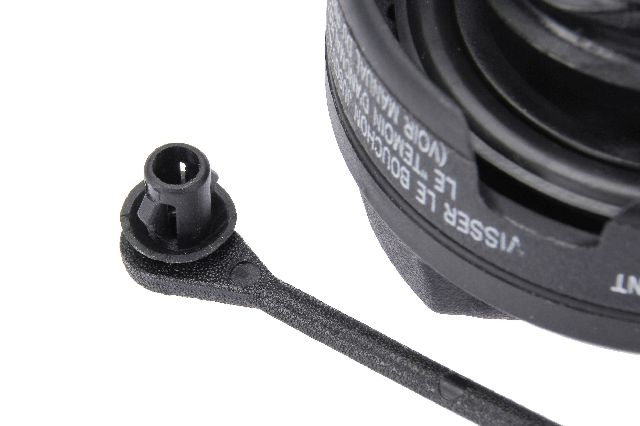
- Vacuum Leaks (Cracked Hoses, Gaskets) 🔴 High Probability Engine bay heat cycles cause plastic and rubber components to become brittle. The crankcase ventilation hoses, intake manifold gaskets, and even the oil filler cap seal are common failure points.
How to confirm: Perform a visual inspection of all accessible hoses for cracks. A smoke test is the most effective method to pinpoint the source of a leak by introducing smoke into the intake system and watching where it escapes. 🎬 Watch: How to find a vacuum leak with a smoke machine. Check fuel trims: a vacuum leak typically causes high positive fuel trims at idle that decrease as RPMs increase.
Typical fix: Replace the cracked hose, gasket, or seal. It is often recommended to replace related plastic hoses at the same time, as they have been exposed to the same conditions.
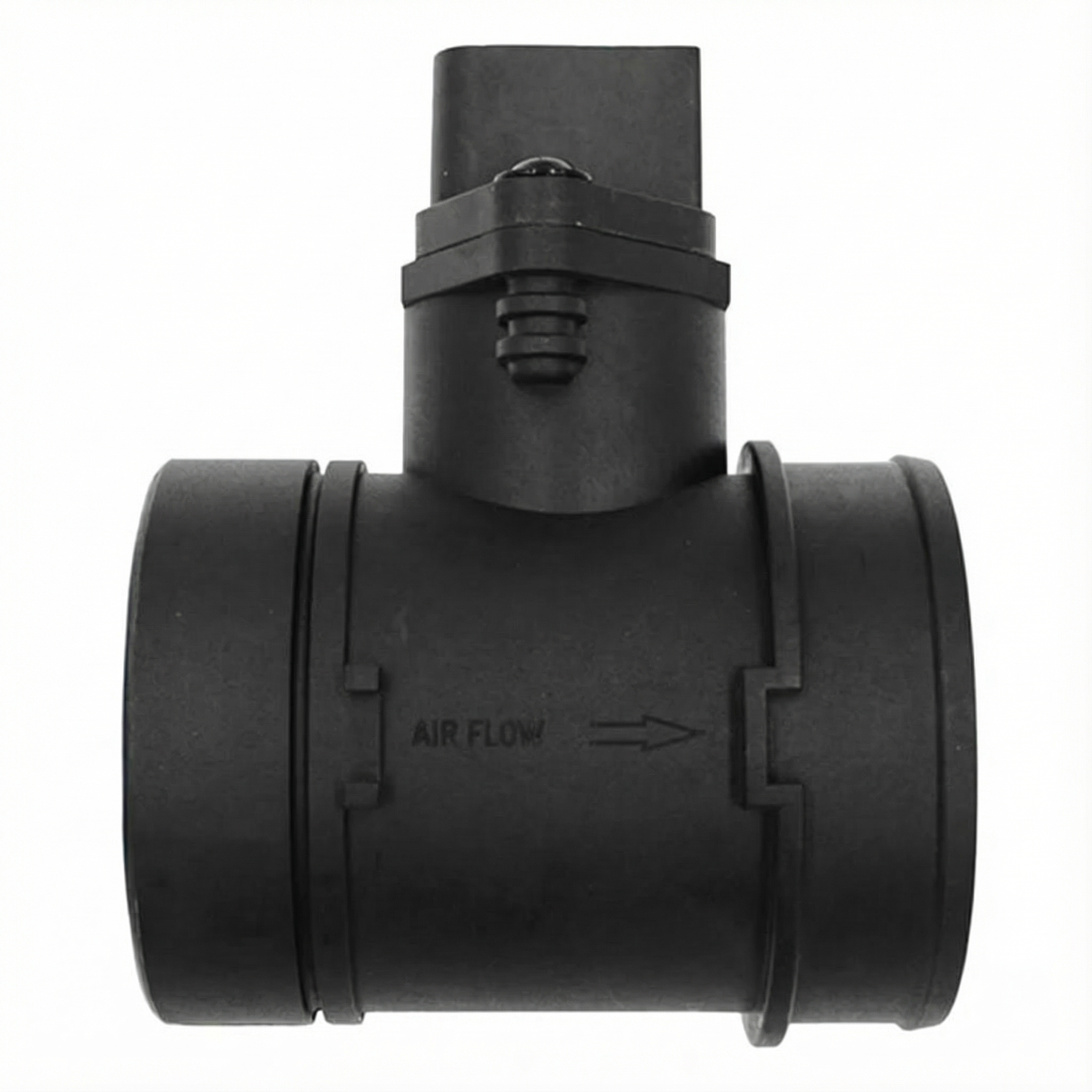
Est. part cost: $20-$200 - Dirty or Failing Mass Air Flow (MAF) Sensor 🟡 Medium Probability The MAF sensor measures the air entering the engine. If it's dirty or faulty, it will send incorrect data to the DME, which then calculates the wrong amount of fuel to inject. Over time, the hot-film wire can degrade to a point where cleaning is no longer effective.
How to confirm: First, try cleaning the sensor with a dedicated MAF sensor cleaner spray; do not use other cleaners 🎬 See this DIY guide on how to clean your MAF sensor. as they can damage the sensor. If the problem persists, monitor MAF readings with a diagnostic scanner or swap with a known-good sensor. A failing sensor may not always set a specific MAF code.
Typical fix: Clean the MAF sensor. If cleaning does not resolve the issue, the sensor must be replaced. Bosch is the original equipment manufacturer.
Est. part cost: $150-$350 - Failed Air-Oil Separator (AOS) 🟡 Medium Probability The AOS has an internal rubber diaphragm that can tear, creating a large internal vacuum leak. This is a common failure item on many Porsche engines of this era due to heat and age.
How to confirm: A strong vacuum at the oil filler cap when the engine is running (making the cap very difficult to remove) is a classic sign of a failed AOS. You may also hear a loud whistling or sucking sound from the AOS unit itself. In extreme cases, oil can be sucked into the intake, causing blue smoke.
Typical fix: Replace the Air-Oil Separator and the associated breather hoses.
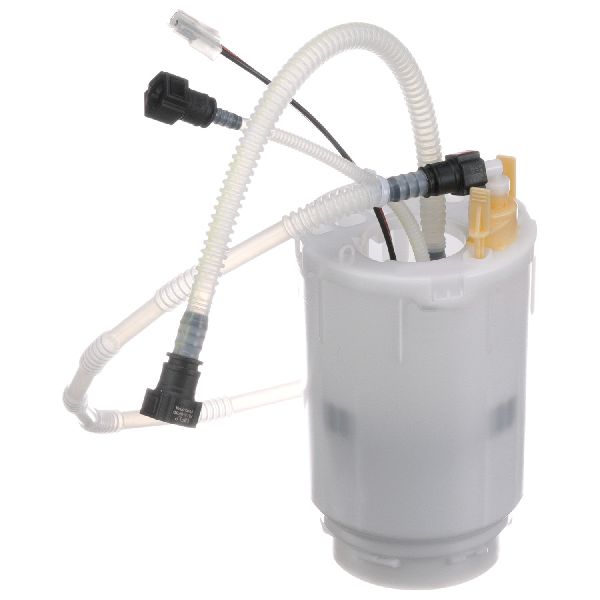
Est. part cost: $100-$250 - Weak Fuel Pump or Clogged Fuel Filter ⚪ Low Probability Fuel pumps and filters are wear items. While less common than vacuum leaks for a single-bank lean code, a failing pump or clogged filter can reduce fuel pressure and cause lean conditions. This is more likely to cause codes on both banks (P0171 and P0174), but not always. The 4.8L DFI models also have a High-Pressure Fuel Pump (HPFP) that can fail.
How to confirm: Test the fuel pressure at the fuel rail using a fuel pressure gauge. The pressure should meet the manufacturer's specifications at idle and under load. For DFI models, this requires checking both low-pressure (~80-87 psi) and high-pressure (580-1740 psi) systems. A fuel delivery issue will typically show fuel trims that are normal at idle but become increasingly positive (lean) with higher RPM and load.
Typical fix: Replace the failing fuel pump and/or the fuel filter. The Cayenne has in-tank fuel pumps. If the HPFP is at fault on a DFI model, it must be replaced. 🎬 Watch: Step-by-step high-pressure fuel pump replacement for 957 models.
Est. part cost: $200-$1600
Rare But Worth Checking
- Exhaust Leak Before Oxygen Sensor: A crack in the exhaust manifold or a leaking gasket before the upstream O2 sensor can allow outside air to be pulled into the exhaust stream. This makes the O2 sensor 'see' a lean condition and incorrectly command the DME to add more fuel.
- Dirty or Clogged Fuel Injectors: If an injector on Bank 1 is partially clogged, it will deliver less fuel, leading to a lean condition on that bank. This is less common than vacuum leaks or MAF issues.
- Faulty Engine Harness Ground Splice: Porsche TSB WC05, issued for the Panamera V8, identifies a potential for corrosion at an engine harness ground splice. This can cause erratic sensor readings and trigger a variety of fuel mixture codes, including P0171. This is relevant to the Cayenne 4.8L V8 due to the shared engine architecture.
Diagnosis Steps
- Read fault codes with a Porsche-compatible scanner and check freeze-frame data to see the engine conditions when the code was set.
- Check long-term (LTFT) and short-term (STFT) fuel trims. High positive numbers (e.g., >10% combined) confirm the DME is adding fuel to compensate for a lean condition.
- Differentiate the cause: Check fuel trims at idle and then hold the engine at ~2,500 RPM. If trims are high at idle but improve at RPM, suspect a vacuum leak. If trims are normal at idle but worsen at RPM, suspect a fuel delivery (pump/filter) or MAF issue.
- Perform a thorough visual inspection of the engine bay, focusing on all vacuum and crankcase breather hoses for obvious cracks or disconnections.
- With the engine running, carefully listen for hissing or whistling sounds that indicate a vacuum leak. Check for extreme vacuum at the oil filler cap, which points to a failed AOS.
- If a leak is suspected but not found, perform a smoke test to introduce smoke into the intake system and identify the leak's source.
- If no vacuum leaks are found, remove and clean the Mass Air Flow (MAF) sensor using a dedicated cleaner. Do not touch the sensor wires.
- If the problem persists, test fuel pressure to rule out a weak fuel pump or clogged filter. This is a critical step for 4.8L DFI models to check both low and high-pressure circuits.
- As a last resort, inspect for exhaust leaks before the primary O2 sensor and test the O2 sensors for proper operation.
Parts You'll Likely Need
- Mass Air Flow (MAF) Sensor
(OEM #95560612301)— A dirty or failed MAF sensor is a common cause of incorrect fuel mixture calculations.
Trusted brands: Bosch
OEM price range: $300-$450
Aftermarket price range: $150-$250 - Crankcase Breather Hose
(OEM #94810724504)— These plastic hoses become brittle and crack, creating significant vacuum leaks. There are several in the system.
Trusted brands: Genuine Porsche, Vaico
OEM price range: $40-$80
Aftermarket price range: $20-$50 - Air-Oil Separator (AOS)
(OEM #94810713522)— The internal diaphragm fails, causing a large vacuum leak and poor running. Part number 94810713522 is a common revision.
Trusted brands: Genuine Porsche
OEM price range: $150-$250
Aftermarket price range: $80-$150 - Fuel Filter
(OEM #95562042100)— A clogged filter can restrict fuel flow, leading to low fuel pressure and lean conditions. It is located with the in-tank fuel pump assembly.
Related Codes That Often Appear With This One
- P0174 — System Too Lean, Bank 2. When both P0171 and P0174 are present, it strongly suggests a problem common to both cylinder banks, such as a faulty MAF sensor, a large vacuum leak at the intake manifold, or low fuel pressure from a failing pump or filter.
- P0300, P0301-P0308 — Misfire codes. A lean mixture can fail to ignite properly, leading to engine misfires. P0300 is a random misfire, while P0301-P0308 indicate misfires in specific cylinders.
Technical Service Bulletins (TSBs) & Recalls
- Porsche TSB WC05: While for the Panamera 4.8L, this TSB is relevant as it discusses a faulty engine harness ground splice that can cause a range of fuel mixture codes (P0171-P0175). This could be a rare cause on the related Cayenne V8 engine.
Platform-Specific Known Issues
- Owner Experience: P0171/P0174 from failing HPFP on 4.8L DFI: A Rennlist forum member with a 2011 Cayenne Turbo (958, but with the same engine family) documented intermittent rough idle, prolonged cranking, and eventually a check engine light with a low fuel pressure code. The diagnosis pointed to a failing High-Pressure Fuel Pump (HPFP). The replacement (part # 948-110-316-KX) is a costly but necessary repair for these symptoms on DFI engines.
- Owner Experience: Lean codes from torn AOS diaphragm: On Pelican Parts forums, a user described a classic AOS failure: a loud whistling noise at idle and difficulty removing the oil cap due to intense vacuum. Replacing the AOS (part # 94810713522) and the connected brittle breather hoses resolved the P0171 code and restored normal idle.
- Platform-Mate Confirmation: Audi Q7 with P0171/P0174: A user on Ross-Tech forums with an Audi Q7 4.2L V8 reported P0171 and P0174 codes. After disassembling the PCV (crankcase ventilation) unit, they found a large hole in the diaphragm. Replacing the entire unit, which is analogous to the Cayenne's AOS, completely fixed the lean codes, confirming the shared failure pattern.
Mechanic-Grade Diagnostic Values
- Long-Term Fuel Trim (LTFT / Porsche RKAT) — expected: Close to 0%, typically within +/- 5%.. Failure: Sustained positive values greater than +10% indicate the DME is consistently adding fuel to correct a lean condition. Values approaching +25% will trigger the P0171 code.
- Low-Side Fuel Pressure (955 / 4.5L Port Injection) — expected: ~58 psi (4 bar). Failure: Significantly lower pressure indicates a weak fuel pump or clogged filter.
- Low-Side Fuel Pressure (957 / 4.8L DFI) — expected: ~80-87 psi (5.5-6.0 bar). Failure: Lower than specified pressure points to a failing in-tank low-pressure fuel pump.
- High-Side Fuel Pressure (957 / 4.8L DFI) — expected: 580 - 1740 psi (40 - 120 bar), varies with engine load.. Failure: Failure to reach target pressure under load, or erratic pressure readings, points to a failing High-Pressure Fuel Pump (HPFP). This requires a scan tool capable of reading this parameter.
- Mass Airflow (MAF) Sensor Reading at Idle — expected: For the 4.5L V8, a typical reading at warm idle is approximately 5-7 g/s. This value will increase with RPM.. Failure: Readings that are significantly lower than expected or do not increase smoothly with RPM can indicate a dirty or failing MAF sensor.
Hidden / Shadow Codes Worth Checking
- P2187 / P2189: System Too Lean at Idle (Bank 1 / Bank 2). These are more specific Porsche codes that often accompany P0171/P0174 and point more directly to a vacuum leak being the cause, as the lean condition is most pronounced at idle. (see via Porsche-specific scanners like PIWIS or Durametric are most likely to display these more granular codes.)
- P2177 / P2179: System Too Lean Off Idle (Bank 1 / Bank 2). If these codes are present, it suggests the lean condition persists or worsens as RPMs increase, pointing away from a simple vacuum leak and more towards a MAF or fuel delivery issue. (see via Porsche-specific scanners like PIWIS or Durametric.)
Scan Tool Commands That Help
- PIWIS or Durametric: Real-time Fuel Trim Monitoring (RKAT/FRA) — This is the primary diagnostic function. Use it to monitor short-term (additive) and long-term (multiplicative) fuel trims at idle and at 2,500 RPM to differentiate between a vacuum leak (improves with RPM) and a fuel delivery/MAF issue (worsens with RPM).
- PIWIS or Durametric: Fuel Pump Activation — To test the function of the in-tank fuel pumps without the engine running. This can help verify pump operation and check for pressure build-up when used with a mechanical gauge.
- PIWIS or Durametric: High-Pressure Fuel System Test — On 4.8L DFI models, this function allows the technician to command specific pressures to the HPFP and monitor the system's ability to achieve and hold them, which is critical for diagnosing a failing HPFP.
Wiring & Ground Locations
- Engine to Chassis Ground Strap — A primary ground strap connects the engine block to the vehicle's chassis, often near the engine mounts or transmission bell housing.. A corroded or loose main ground can cause unstable voltage for all engine sensors, including the MAF and O2 sensors, leading to erratic readings and incorrect fuel mixture calculations.
- MAF Sensor Ground — Within the engine wiring harness, typically grounding at a common ground point on the engine block or cylinder head, often shared with other sensors.. A poor ground specific to the MAF sensor circuit will cause it to send incorrect airflow data to the DME, directly causing lean or rich codes.
- DME / Relay Panel Ground — There is a ground point for the main relay panel in the engine compartment. There are also grounds under the dashboard near the steering column.. A faulty ground for the DME or its power relays can cause a host of unpredictable issues, including incorrect processing of sensor data that could lead to a P0171 code.
Real Owner Repair Stories
- Rennlist Forum User (2003 Boxster S (shares principles with Cayenne)) — P0171 and P0174 codes, lean condition.
❌ Tried (didn't work) Replacing both forward O2 sensors
✅ What actually fixed it The user discovered a cracked "Venturi tube" (part of the vacuum system) under the intake manifold that was causing a significant vacuum leak. This part was not clearly shown on many diagrams, making it hard to identify. - Rennlist Forum User (997.2 Carrera (shares DFI principles with 957 Cayenne)) — P0171 and P0174 codes appeared suddenly.
❌ Tried (didn't work) Initial research pointed to complex vacuum leaks or sensor failures.
✅ What actually fixed it The owner had recently added oil and had not fully tightened the oil filler cap. The cap was cross-threaded or not turned to the final locking position, creating a large unmetered air leak into the crankcase. Tightening the cap properly resolved the issue. - How2Helen YouTube Channel (2005 Porsche Cayenne) — P2187, P2189, P2177, P2179 (System too lean at idle and off-idle, both banks).
❌ Tried (didn't work) Initial diagnosis focused on common vacuum areas.
✅ What actually fixed it A smoke test revealed a significant leak from a split hose connected to the "jet suction pump" or Venturi tube, a component of the EVAP/vacuum system. A temporary repair was made with tape, confirming it as the source of the massive leak and all lean codes.
"I Checked Everything" — The Actual Cause
- A common scenario is a torn diaphragm inside the Air-Oil Separator (AOS). A smoke test performed at the intake snorkel may not reveal this leak, as the AOS is part of the crankcase ventilation system. The definitive test for a failed AOS diaphragm is a very strong vacuum at the oil filler cap when the engine is running, making the cap difficult to remove.
- A failing High-Pressure Fuel Pump (HPFP) on 957 models can cause lean codes that mimic a vacuum leak, but the system will pass a smoke test. The key is to monitor fuel trims at different RPMs; a fuel delivery issue will typically cause trims to worsen (get more positive) as engine load and RPM increase, whereas a vacuum leak's effect diminishes at higher RPM.
Model Year Variations Within This Range
- 2003-2006 (955): These models use a 4.5L V8 with port fuel injection. Fuel system diagnosis is simpler, focusing on a single low-pressure fuel pump system with a target pressure of about 58 psi. Lean codes are overwhelmingly caused by vacuum leaks from brittle plastic and rubber components.
- 2008-2010 (957): These models use a 4.8L V8 with Direct Fuel Injection (DFI). This adds a camshaft-driven High-Pressure Fuel Pump (HPFP) to the fuel system. Diagnosis becomes more complex, requiring checks of both the low-pressure system (now ~80-87 psi) and the high-pressure system (up to 1740 psi). A failing HPFP is a significant potential cause for P0171 on these models that does not exist on the earlier 955.
Diagnostic Flowchart
Other Known Issues on This Vehicle
Issues unrelated to this code that are worth knowing about as an owner of this generation:
- Plastic Coolant Pipe Failure 🔴 High — Extremely common on all V8 models. The original plastic pipes, located under the intake manifold, degrade from heat and will inevitably leak, potentially causing catastrophic coolant loss and engine overheating. (Ref: A class-action lawsuit was filed regarding this issue for later models, but for the E1 generation, it's a well-known wear item. Aftermarket aluminum pipe upgrades are the standard permanent fix.)
- Driveshaft Center Support Bearing Failure 🔴 High — Considered a guaranteed failure point. The rubber support for the center bearing cracks and disintegrates, typically between 60,000 and 100,000 miles, causing severe vibration and clunking under acceleration.
- Cylinder Bore Scoring (4.5L V8) 🔴 High — A significant and well-documented issue, particularly on the 4.5L V8 in Cayenne S (955) models. It is caused by the breakdown of the cylinder wall coating. Symptoms include a distinct ticking or piston-slap noise when cold, increased oil consumption, and eventually misfires. Can lead to complete engine failure.
- Air-Oil Separator (AOS) Failure 🟠 Medium — Common failure item. The internal diaphragm tears, creating a massive vacuum leak, causing rough running, high-pitched whistling, and sometimes blue smoke from the exhaust if oil is ingested.
- Sticking/Failing Ignition Coils 🟡 Low — Very common due to high engine bay temperatures. Leads to engine misfires (P030x codes). Porsche issued several updated part numbers to improve longevity. (Ref: Multiple TSBs were issued for updated parts.)
Used vs. New Parts: Buying Guide for This Vehicle
When a used part is the smart pick: For this vehicle, used parts are generally not recommended for the common failure items related to P0171. Rubber and plastic components like the Air-Oil Separator (AOS) and various breather hoses fail due to heat and age, so a used part from a donor vehicle will have been exposed to similar conditions and is likely near the end of its life. The cost savings are minimal compared to the risk of premature failure and repeating the labor.
Donor-vehicle mileage cap: roughly under 50000 miles for the part to have meaningful remaining life.
What to inspect on the donor part:
- For any electronic sensor like a MAF, ensure the donor vehicle had no check engine lights and ran well.
- Physically inspect any plastic or rubber parts for brittleness, cracking, or oil saturation. If it feels hard and inflexible, it will fail soon.
- Check part numbers to ensure compatibility, as revisions are common.
OEM-only on this vehicle (don't cheap out):
- Air-Oil Separator (AOS): Aftermarket AOS units for Porsches have a poor reputation for diaphragm quality and can fail very quickly, leading to the same P0171 code or worse, oil consumption issues.
- High-Pressure Fuel Pump (HPFP): This is a critical, high-precision component. Given the difficulty of replacement and the potential for engine damage, using a known-quality OEM (Bosch) or Genuine Porsche part is essential. Forum reports mention failures of cheap aftermarket units.
- Mass Air Flow (MAF) Sensor: While some aftermarket brands may work, the OEM Bosch sensor is calibrated specifically for the engine's management system. Using a cheap alternative can lead to persistent, hard-to-diagnose fuel trim issues.
Aftermarket brands forum-validated for this vehicle:
- Bosch (for MAF sensors, O2 sensors, fuel pumps - often the OEM supplier)
- Vaico (for some plastic hoses and non-critical components)
Brands owners have reported issues with on this vehicle:
- Unbranded or 'white-box' electronic sensors (MAF, O2) and fuel pumps from online marketplaces. The failure rate is high and can cause more diagnostic headaches.
Real Owner Stories
Aggregated from forums and TSBs cited above. Mileages and costs reflect what owners reported in those sources.
2011 Cayenne Turbo 4.8L V8
Symptoms: Intermittent rough idle, prolonged cranking, and eventually a check engine light with a low fuel pressure code.
What fixed it: Replacement of the High-Pressure Fuel Pump (HPFP), part # 948-110-316-KX.
Source hint: Rennlist - High Pressure Fuel Pump Replacement DIY: https://rennlist.com/forums/cayenne-958-2011-2018/1051591-high-pressure-fuel-pump-replacement.html
2003-2010 Cayenne V8
Symptoms: Loud whistling noise at idle and difficulty removing the oil cap due to intense vacuum.
What fixed it: Replacing the Air-Oil Separator (AOS) (part # 94810713522) and the connected brittle breather hoses.
Source hint: Pelican Parts forums user description in 'Owner Experience: Lean codes from torn AOS diaphragm'
2006-2010 Audi Q7 4.2L V8 (Platform Mate)
Symptoms: P0171 and P0174 codes present; upon disassembly of the crankcase ventilation unit, a large hole was found in the diaphragm.
What fixed it: Replacing the entire PCV (crankcase ventilation) unit, which is analogous to the Cayenne's AOS.
Source hint: Ross-Tech forums user report cited in 'Platform-Mate Confirmation: Audi Q7 with P0171/P0174'
Related OBD-II Codes
Frequently Asked Questions
Could Porsche TSB WC05 be the reason my Cayenne V8 has a P0171 code?
Why is it so hard to remove my oil filler cap while the engine is running?
I have a 4.8L DFI Cayenne; could my P0171 be related to the high-pressure fuel system?
Should I replace my MAF sensor immediately to fix this lean code?
Is there a specific part number for the AOS if that is causing my P0171?
How can I tell if my P0171 is a vacuum leak or a fuel delivery issue without tools?
Helpful Videos

Used OEM Parts in Stock

New Aftermarket Parts Available


The information in this article is provided for general reference and educational purposes only. Vehicle specifications, procedures, and part compatibility can vary by production date, trim level, and region. Always consult your vehicle's factory service manual and verify part numbers before purchasing or performing repairs. Safety-critical components such as airbags, seat belts, and braking systems should be installed by a qualified professional.
- Porsche Cayenne:
- 🎬 Helpful Videos
- 🛍️ Shop This Part
- What's Unique About the 2003-2010 Porsche Cayenne
- Symptoms You May Notice
- Most Likely Causes
- Rare But Worth Checking
- Diagnosis Steps
- Parts You'll Likely Need
- Related Codes That Often Appear With This One
- Technical Service Bulletins (TSBs) & Recalls
- Platform-Specific Known Issues
- Mechanic-Grade Diagnostic Values
- Hidden / Shadow Codes Worth Checking
- Scan Tool Commands That Help
- Wiring & Ground Locations
- Real Owner Repair Stories
- "I Checked Everything" — The Actual Cause
- Model Year Variations Within This Range
- Diagnostic Flowchart
- Other Known Issues on This Vehicle
- Used vs. New Parts: Buying Guide for This Vehicle
- Real Owner Stories
- 2011 Cayenne Turbo 4.8L V8
- 2003-2010 Cayenne V8
- 2006-2010 Audi Q7 4.2L V8 (Platform Mate)
- Related OBD-II Codes
- Frequently Asked Questions
- 🎟️ Get 5% Off