

P0171 on 2004-2009 Mazda 3: System Too Lean Causes and Fixes
On a first-generation Mazda 3, code P0171 is most often caused by a vacuum leak from a failed PCV hose or a dirty MAF sensor. Cleaning the MAF sensor is an easy first step, but be prepared for a difficult PCV valve/hose replacement that requires removing the intake manifold. Other common sources of vacuum leaks include the intake manifold gaskets and the brake booster hose connection.
- Code P0171 on a 2004-2009 Mazda 3 is most often a vacuum leak.
- The most likely sources of the vacuum leak are the PCV hose or intake manifold gaskets, but these are difficult to access.
- Always start diagnosis with the easy and cheap steps: visually inspect hoses and clean the MAF sensor.
- A smoke test is the best method to definitively locate a vacuum leak.
- If the lean condition only happens at high speeds, test the fuel pressure to check for a weak fuel pump.
What's Unique About the 2004-2009 Mazda 3

The first-generation Mazda 3 is particularly known for vacuum leaks originating from the PCV (Positive Crankcase Ventilation) system. The PCV valve and hose are made of plastic and rubber that become brittle and crack over time due to exposure to heat cycles. Their location underneath the plastic intake manifold makes what would be a simple fix on many cars a significantly more labor-intensive job requiring several hours and removal of the manifold. Additionally, while many platforms suffer from lean codes due to vacuum leaks, this Mazda 3 can also be prone to fuel delivery issues from a weak fuel pump, which presents with symptoms under high load, like on the highway.
Symptoms You May Notice
- Check Engine Light is on
- Rough or unstable idle, especially when stopped at intersections
- Hesitation or lack of power during acceleration
- Poor fuel economy
- Stalling at stops
- Hissing noise from the engine bay, indicating a vacuum leak
- Engine may be difficult to start
- A 'throat clearing' or groaning noise when accelerating in lower gears
- Replacing the oxygen sensor first. While an O2 sensor can be the cause, it is far more likely that it is accurately reporting a lean condition caused by a vacuum leak or MAF issue. Always diagnose vacuum and MAF issues before replacing the O2 sensor.
Most Likely Causes


- Vacuum Leak (PCV Hose, Intake Gaskets, Brake Booster Hose) 🔴 High Probability The PCV valve and hose are made of plastic and rubber that become brittle and crack over time. Their location under the intake manifold exposes them to significant heat cycles. The intake manifold gaskets are also a known failure point made of rubber that hardens and fails to seal. The brake booster hose connection at the manifold is another common leak point.
How to confirm: Listen for a hissing sound at idle. With the engine running, you can carefully spray brake cleaner or a propane torch (unlit) around vacuum lines and the intake manifold gasket area; if the engine RPM changes, you've found the leak. The most definitive method is a smoke test, which will visually reveal the source of any leak from the PCV system, gaskets, or hoses. A high positive fuel trim at idle that decreases as RPMs increase is a strong indicator of a vacuum leak.
Typical fix: Replace the cracked hose or faulty gasket. The PCV valve replacement is very involved and requires removing the intake manifold 🎬 Watch: Step-by-step guide to removing the manifold and PCV valve., so it's recommended to replace the intake manifold gaskets at the same time. The brake booster hose leak may be a simple as re-seating the hose, or replacing the o-ring/grommet.
Est. part cost: $20-$100 - Dirty or Faulty Mass Airflow (MAF) Sensor 🔴 High Probability The MAF sensor's hot wire can become contaminated with dirt and oil vapor over time, causing it to inaccurately measure the air entering the engine. This leads the PCM to calculate the wrong amount of fuel. Sometimes the screws securing the sensor to the airbox can be stripped, allowing unmetered air to leak past the sensor.
How to confirm: Unplug the MAF sensor with the engine off, then start the engine. If the idle and drivability improve, the MAF is likely faulty. A more precise test is to use a scan tool to monitor the MAF reading in grams/second at idle (a 2.0L engine should read around 2.0-2.5 g/s). A visual inspection may show a dirty sensor element.
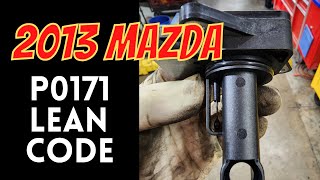
Typical fix: First, try cleaning the sensor with a dedicated MAF sensor cleaner spray. 🎬 See how to properly clean your MAF sensor without damage. Do not use brake or carb cleaner, and do not touch the sensor wires. If cleaning doesn't resolve the issue, or if readings are still erratic, the sensor must be replaced. Always use an OEM or high-quality replacement part.
Est. part cost: $10-$20 (cleaner), $80-$150 (sensor) - Weak Fuel Pump or Clogged Fuel Strainer 🟡 Medium Probability This issue is often reported when the P0171 code appears only under high engine load, such as highway driving or going uphill. The in-tank fuel pump can weaken over time, failing to supply adequate pressure and volume. The fuel strainer is integrated with the pump and can become clogged. Manufacturer Bulletin #MT-004-22 notes that some vehicles may experience the Check Engine Light ON with DTC P0171 and possibly misfire codes (P030X).
How to confirm: Connect a fuel pressure gauge to the fuel rail. The pressure should be between 51 and 59 PSI at idle. If the pressure is low, or drops significantly under load, the fuel pump is likely weak. One owner reported pressure as low as 34-40 PSI at idle, confirming a bad pump.
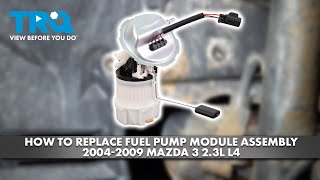
Typical fix: Replace the in-tank fuel pump assembly. 🎬 Watch: How to replace the fuel pump module assembly. This model uses a fuel strainer integrated with the pump assembly rather than a separate, inline filter.
Est. part cost: $150-$300 - Faulty Front Oxygen (A/F) Sensor ⚪ Low Probability The upstream oxygen sensor (also called an Air/Fuel Ratio sensor) can degrade over time, causing it to respond slowly or send incorrect voltage signals to the PCM, falsely indicating a lean condition. It is more often correctly reporting a lean condition than causing it.
How to confirm: Use a scan tool to graph the voltage of the upstream O2 sensor. A healthy sensor should show rapidly fluctuating voltage. A lazy or dead sensor will have slow or flat-line readings. This should be one of the last parts to check after confirming no vacuum leaks or fuel delivery issues.
Typical fix: Replace the upstream (pre-catalyst) oxygen sensor.
Est. part cost: $70-$150
Rare But Worth Checking
- Clogged Fuel Injectors: While not as common as other causes, dirty or clogged fuel injectors can restrict fuel flow to one or more cylinders, contributing to a lean condition. A user on the ScannerDanner forum fixed their P0171 by running several bottles of Amsoil PI performance additive through the system.
- Exhaust Leak Before O2 Sensor: A crack in the exhaust manifold or a leaking gasket before the first oxygen sensor can allow fresh air to be drawn into the exhaust, making the sensor read a false lean condition.
- Stuck-Open EVAP Purge Solenoid Valve: A faulty purge valve that is stuck open will create a constant vacuum leak, pulling unmetered air from the charcoal canister into the intake manifold. This can be tested by removing the hose from the valve at idle and feeling for suction with your finger; there should be none.
Diagnosis Steps

- Read the code and check for any other stored codes. Note the freeze-frame data to see the engine conditions when the code was set.
- Visually inspect the engine bay for any obvious disconnected vacuum hoses or cracked intake snorkel boots. Check that the MAF sensor is securely mounted in the airbox.
- With the engine running, listen for audible hissing sounds that could indicate a vacuum leak.
- Use a scan tool to monitor Long Term Fuel Trim (LTFT) and Short Term Fuel Trim (STFT). High positive numbers (e.g., total trim > +25%) confirm the engine is compensating for a lean condition. Note if trims decrease at higher RPM, which points to a vacuum leak.
- Perform a smoke test. This is the most effective way to find hard-to-see vacuum leaks from the intake manifold gaskets, PCV system, or brake booster hose.
- If no vacuum leaks are found, remove and clean the Mass Airflow (MAF) sensor using a dedicated cleaner. Clear the codes and drive the vehicle to see if the code returns.
- If the code persists, test fuel pressure at the fuel rail. It should be within 51-59 PSI at idle. If pressure is low, especially under load, suspect a failing fuel pump.
- Test the EVAP purge solenoid valve. Disconnect the hose leading to the intake manifold at idle and check for vacuum. There should be no suction.
- If fuel pressure is good, test the upstream oxygen sensor's function using a scan tool to ensure it is responsive.
- If all other tests pass, consider running a quality fuel injector cleaner through the system or a small exhaust leak before the O2 sensor.
Parts You'll Likely Need
- PCV Hose
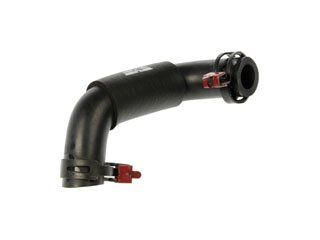
(OEM #LF62-13-895)— This hose is a very common failure point for vacuum leaks on this engine. It becomes brittle and cracks.
Trusted brands: Dorman (46034), Gates, Genuine Mazda
OEM price range: $40-$50
Aftermarket price range: $15-$30 - PCV Valve
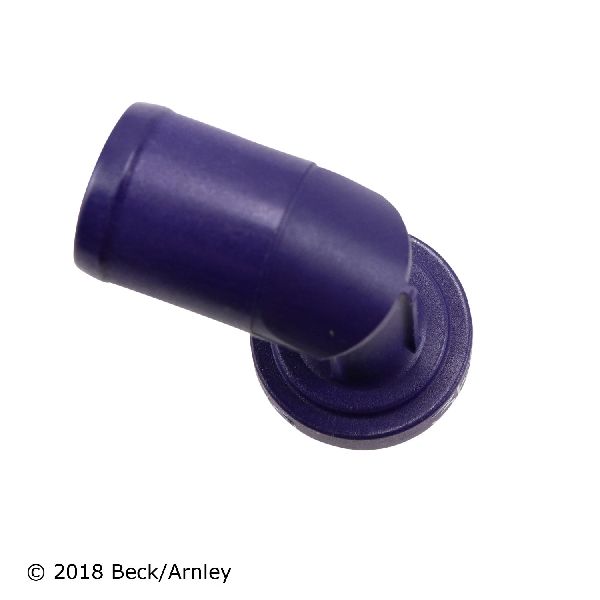
(OEM #L321-13-890A)— Often replaced along with the hose, as it is difficult to access and can get stuck. Replacement requires removing the intake manifold.
Trusted brands: Standard Motor Products (V479), Genuine Mazda
OEM price range: $20-$30
Aftermarket price range: $10-$20
Related Codes That Often Appear With This One
- P0174 — Not applicable to this vehicle, as it's an inline-4 engine with only one bank. P0174 is for 'System Too Lean (Bank 2)'.
- P0300 — A random/multiple cylinder misfire can occur because the lean air/fuel mixture fails to ignite properly.
- P2177 — This is another Mazda-specific lean code, 'System Too Lean Off Idle'. They often appear together and point to the same set of potential causes, most commonly vacuum leaks.
Technical Service Bulletins (TSBs) & Recalls
- No TSBs were found that are directly applicable to the 2004-2009 Mazda 3 for code P0171. TSB MT-021/17, which points to faulty fuel injectors, applies only to 2012 and newer SKYACTIV models and should not be used for diagnosing this generation.
- Manufacturer Bulletin #MT-004-22 provides an inspection and repair procedure for Mazda vehicles experiencing a Check Engine Light with P0171 and potential misfire codes.
Platform-Specific Known Issues
- The PCV valve is located under the intake manifold, making replacement a 3-4 hour job for a DIY mechanic.
- The brake booster hose has an O-ring at the intake manifold connection that is a known, but hard-to-see, vacuum leak source.
Mechanic-Grade Diagnostic Values
- Mass Airflow (MAF) Sensor at warm idle — expected: Approximately 2.0-2.5 g/s for the 2.0L engine. A new sensor may read around 2.25 g/s.. Failure: A reading significantly lower than 2.0 g/s suggests a vacuum leak (unmetered air). A reading significantly higher (e.g., 3.0 g/s or more) can indicate a faulty or contaminated sensor.
- Total Corrected Fuel Trim (STFT + LTFT) at idle — expected: Should be less than +/- 10%.. Failure: When the total combined trim exceeds +25% for a sustained period, the P0171 code is typically set. Some technicians have observed the light triggering when total trims reach 34-35%.
- Fuel Pressure at the fuel rail (low-pressure side) — expected: 50.75 - 53.65 PSI at idle. The Pass 2 range of 51-59 PSI is also a valid reference.. Failure: Pressure that is below 50 PSI at idle or drops significantly under load indicates a weak fuel pump or clogged strainer.
- Fuel Injector Resistance — expected: Approximately 12.5 Ohms.. Failure: A reading that is significantly higher (open) or lower (shorted) indicates a failed injector coil.
Scan Tool Commands That Help
- Physical Action (No Scan Tool): Reset Keep Alive Memory (KAM) — After replacing a part like a MAF sensor or fixing a vacuum leak, the long-term fuel trims (LTFT) will still hold their high corrective values. To force the PCM to relearn immediately, disconnect the negative battery terminal for several minutes. Some mechanics will then touch the disconnected negative cable to the positive terminal to drain any residual voltage from the capacitors, forcing a complete reset of learned values.
Wiring & Ground Locations
- G6 — At the left rear of the engine.. A poor engine ground can cause erratic signals from sensors mounted on the engine block, such as the knock sensor or crank/cam sensors, which can indirectly affect fuel calculations.
- G11 — Below the driver's seat, bolted to the floor pan.. This is a major chassis ground point. Corrosion or a loose connection here can cause a variety of seemingly unrelated electrical issues, including problems with the fuel pump or PCM.
- G12 — Below the center console.. This ground point is critical for various interior electronics and modules, including potentially the PCM itself, depending on its exact location.
- Primary Engine Ground Path — A common ground strap runs from the battery negative terminal to the driver's side fender/chassis. Another path runs from the chassis to the engine block/transmission.. The main engine-to-chassis ground is essential for all engine sensors to have a stable reference. Verifying this connection is clean and tight is a fundamental step in diagnosing any electronic fault.
Real Owner Repair Stories
- YouTube channel 'MorFab Industries' (2009 Mazda 3, 160,000 miles) — P0171 code, total fuel trim at +35%.
❌ Tried (didn't work) Initial smoke test did not immediately show the leak.
✅ What actually fixed it The vacuum line for the brake booster was found to be 3/4 of the way unplugged from the booster itself. Reconnecting it securely resolved the major vacuum leak and brought fuel trims down, though they remained slightly high (around +18-20%), suggesting the common intake gaskets were also aging. - ScannerDanner Forum user 'ankush.jain' (2014 Mazda 3 (Note: Newer generation, but demonstrates a relevant failure mode)) — P0171, LTFT at +20.5%, rough/oscillating idle.
❌ Tried (didn't work) Replaced upstream O2 sensor, Replaced MAF sensor, Repaired exhaust leaks, Visual inspection for vacuum leaks (no smoke test)
✅ What actually fixed it The issue was resolved by addressing fuel delivery. The user ran several treatments of Amsoil PI performance additive (a fuel injector cleaner) through the gas tank, which cleared the code long-term, indicating the root cause was dirty or partially clogged fuel injectors. - Reddit user 'Cytorin' (2010 Mazda 3) — P0171 code appeared after replacing vacuum solenoids for a different issue.
❌ Tried (didn't work) Replaced gas cap, Cleaned MAF sensor, Checked vacuum hoses
✅ What actually fixed it The P0171 code cleared on its own after the user replaced a faulty thermostat that had set its own, separate trouble code. This suggests the engine was not reaching the correct operating temperature, causing the PCM's fuel calculations to be incorrect and trigger a lean code.
Documented NHTSA Reports
- An owner reported in NHTSA ODI #11517077 that a dealership diagnosed a P0171 code where the fuel pump was damaged and sent debris into the high-pressure pump.
- NHTSA ODI #11523568 describes a vehicle that was lacking RPM power; a mechanic found codes P0192 for low fuel rail pressure and P0171 for a lean system.
- According to NHTSA ODI #11505265, a vehicle stalled and would not restart after throwing codes P0192 and P0171, which the owner attributed to a defective fuel pump.
"I Checked Everything" — The Actual Cause
- A weak fuel pump. If the P0171 code only appears at high speeds or under heavy load (e.g., climbing a hill), the cause may be a fuel pump that can provide adequate pressure at idle but cannot supply enough volume to meet the engine's demand at higher RPMs. This condition will not be revealed by a smoke test.
- A dirty or faulty MAF sensor. In a case documented by 'Nuts & Bolts with Tone', a thorough smoke test revealed no vacuum leaks. The issue was a MAF sensor that was reading high at idle (3 g/s vs spec of ~2.2 g/s) and was not properly secured in the airbox due to stripped screws, allowing a small amount of unmetered air. Replacing the MAF sensor and the upper airbox fixed the issue.
- Partially clogged fuel injectors. As seen in a real repair story, injectors that are dirty can restrict fuel flow, causing a lean condition that fuel trims will try to correct. This is a fuel delivery issue, not an unmetered air issue, so a smoke test will come back clean.
OEM Part Supersession History
LF13-13-890→L321-13-890A— Likely an updated design or material for the PCV valve to improve longevity or performance.
Heads up: The new part number (L321-13-890A) is the correct replacement for the original.
Model Year Variations Within This Range
- 2006-2009: For the 2006 model year, the 2.0L engine received variable valve timing (VVT) and a variable-length intake, increasing horsepower. The 2.3L engine became available with a five-speed automatic transmission, replacing the previous four-speed.
- 2007-2009: The Mazda 3 received a cosmetic facelift for the 2007 model year. Changes included revised front and rear bumpers, new wheel designs, and clear-lens tail lights. While most changes were cosmetic, some interior features like an aux input jack became standard. The core engine and fuel system architecture relevant to P0171 remained the same as the 2006 models.
Diagnostic Flowchart

Real Owner Stories
Aggregated from forums and TSBs cited above. Mileages and costs reflect what owners reported in those sources.
2008 Mazda 3
Symptoms: Triggered a P0171 code. Diagnostic testing revealed low fuel pressure at idle (34-40 psi compared to the factory spec of 51-59 psi).
What fixed it: Replaced the failing in-tank fuel pump assembly.
Source hint: ScannerDanner Forum thread titled '[FIXED] P0171 - 2008 Mazda 3'
2007 Mazda 3
Symptoms: Experienced a rough idle and a P0171 code, with scan tool data showing Short Term Fuel Trim (STFT) maxed out at +25%.
What fixed it: Repaired an intake manifold leak.
Source hint: Reddit r/mazda3 thread titled 'Intake Manifold Leak'
2009 Mazda 3
Symptoms: P0171 code present. Fuel trims were observed reacting to RPM changes, indicating a vacuum leak.
What fixed it: Performed a smoke test and found/repaired a major vacuum leak at the brake booster hose connection.
Source hint: YouTube (MorFab Industries) video titled 'P0171 SYSTEM TOO LEAN BANK 1 Mazda 3 Troubleshooting'
Related OBD-II Codes
Frequently Asked Questions
Does TSB MT-021/17 for faulty fuel injectors apply to my 2004-2009 Mazda 3?
Why is replacing the PCV valve on my Mazda 3 so difficult?
I hear a hissing sound from the engine bay. Is this related to my P0171 code?
How can I tell if my P0171 is caused by a vacuum leak or a failing fuel pump?
Can I just clean the MAF sensor to fix the lean code?
Helpful Videos
We Have This Part in Stock


The information in this article is provided for general reference and educational purposes only. Vehicle specifications, procedures, and part compatibility can vary by production date, trim level, and region. Always consult your vehicle's factory service manual and verify part numbers before purchasing or performing repairs. Safety-critical components such as airbags, seat belts, and braking systems should be installed by a qualified professional.
- Mazda 3:
- 🎬 Helpful Videos
- 🛍️ Shop This Part
- What's Unique About the 2004-2009 Mazda 3
- Symptoms You May Notice
- Most Likely Causes
- Rare But Worth Checking
- Diagnosis Steps
- Parts You'll Likely Need
- Related Codes That Often Appear With This One
- Technical Service Bulletins (TSBs) & Recalls
- Platform-Specific Known Issues
- Mechanic-Grade Diagnostic Values
- Scan Tool Commands That Help
- Wiring & Ground Locations
- Real Owner Repair Stories
- Documented NHTSA Reports
- "I Checked Everything" — The Actual Cause
- OEM Part Supersession History
- Model Year Variations Within This Range
- Diagnostic Flowchart
- Real Owner Stories
- 2008 Mazda 3
- 2007 Mazda 3
- 2009 Mazda 3
- Related OBD-II Codes
- Frequently Asked Questions
- 🎟️ Get 5% Off