

P0141 on 2017-2022 Honda CR-V: O2 Sensor Heater Fault Causes and Fixes
For a 2017-2022 Honda CR-V, code P0141 almost always means the downstream (post-catalytic converter) oxygen sensor has failed. The internal heater element, which helps the sensor warm up quickly, is the component that breaks. Replacing the sensor is the typical fix. Expect to pay $60-$120 for an aftermarket part or $150-$220 for an OEM sensor. It's a straightforward DIY repair for most home mechanics.
- P0141 on a 2017-2022 CR-V points directly to the heater circuit in the downstream (post-catalytic converter) O2 sensor.
- The most common fix is to replace the sensor itself. This is a DIY-friendly job with the right tools (an O2 sensor socket is recommended).
- Before buying a part, confirm if your CR-V has the 1.5L Turbo or 2.4L engine, as they use different, non-interchangeable sensors.
- Always check the sensor's fuse (often labeled 'A/F SENSOR' or 'AF HEATER' in the under-hood fuse box) before replacing parts.
What's Unique About the 2017-2022 Honda CR-V
The 5th generation CR-V (2017-2022) used two different 4-cylinder engines, which require different downstream O2 sensors. The 2.4L naturally aspirated K24W9 engine was used in LX trims from 2017-2019. The 1.5L Turbo L15B7 engine was used in all other trims (EX, EX-L, Touring) and became standard across the lineup from 2020-2022. It is critical to identify the correct engine before purchasing a replacement part, as the sensors are not interchangeable. Otherwise, the P0141 code on this platform is a very common and straightforward O2 sensor failure.
Symptoms You May Notice
- Check Engine Light is on
- Vehicle will fail an emissions test
- Potential for slightly decreased fuel efficiency, though it may not be noticeable to the driver
- Replacing the upstream (pre-catalytic converter) oxygen sensor. P0141 specifically refers to Sensor 2, which is the downstream sensor.
- Replacing the catalytic converter. This code points to a fault in the sensor's heater circuit, not the efficiency of the converter itself. A bad converter would typically trigger a P0420 code.
Most Likely Causes
- Failed Downstream Oxygen Sensor (Bank 1, Sensor 2) 🔴 High Probability The internal heater element of the oxygen sensor is a common failure point due to age and constant, extreme heat cycles in the exhaust. This is the most frequent cause for P0141. 🎬 Watch: Understanding the causes and fixes for the P0141 code.
How to confirm: After confirming the fuse is good and wiring is intact, test the resistance of the sensor's heater circuit with a multimeter. Disconnect the sensor and measure across the two same-colored wires (usually black). A reading outside of the manufacturer's specification (typically 5-20 ohms, but can be as low as 2 ohms on some models) or an open circuit (infinite resistance) confirms a bad sensor.
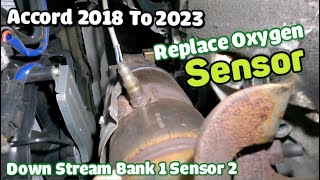
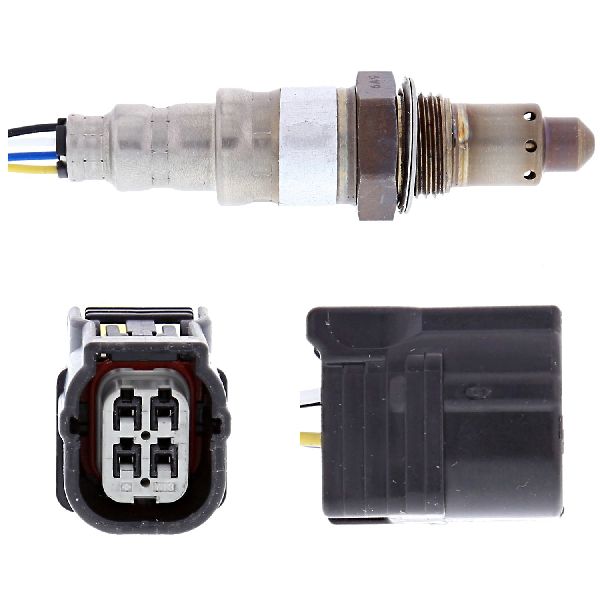
Typical fix: Replace the downstream oxygen sensor. Ensure you purchase the correct part for your specific engine (1.5L Turbo or 2.4L). An O2 sensor socket is recommended for removal. 🎬 See this walkthrough for replacing the downstream sensor.
Est. part cost: $60-$220 - Damaged Wiring or Connector 🟡 Medium Probability The sensor and its wiring are located under the vehicle and are exposed to road debris, moisture, and extreme heat, which can cause wires to break, melt on the exhaust, or corrode over time.
How to confirm: Visually inspect the wiring harness and connector leading to the downstream O2 sensor. Look for any signs of melting, chafing, corrosion in the pins, or broken wires. Check for 12V power at the harness connector with a multimeter (Key On, Engine Off).
Typical fix: Repair the damaged section of the wiring harness or clean/replace the connector.
Est. part cost: $5-$50 - Blown Fuse for O2 Sensor Heater Circuit ⚪ Low Probability A short in the sensor's heater element or its wiring can cause the corresponding fuse to blow as a protective measure.
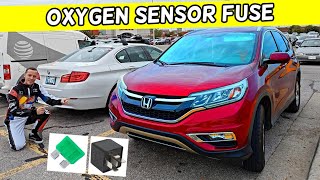
How to confirm: Locate and inspect the fuse for the O2 sensor heater circuit. On many Hondas, this is labeled as 'A/F SENSOR' or 'AF HEATER' and is often a 15A fuse located in the under-hood fuse box. 🎬 Watch: How to locate the O2 sensor fuse. A visual inspection or continuity test will confirm if the fuse is blown.
Typical fix: Replace the blown fuse. If the new fuse blows immediately, it indicates a persistent short circuit in the wiring or the sensor itself that must be diagnosed and fixed first.
Est. part cost: $1-$5
Rare But Worth Checking
- Catalytic Converter Theft: If the catalytic converter is stolen, the downstream O2 sensor is typically taken with it or its wiring is cut, creating an open circuit and triggering the P0141 code along with others.
- Faulty Powertrain Control Module (PCM): This is extremely rare. The PCM should only be considered a potential cause after all other possibilities (sensor, wiring, fuses) have been definitively ruled out by thorough testing.
Diagnosis Steps
- Read the trouble code with an OBD-II scanner to confirm P0141 is present.
- Perform a thorough visual inspection of the downstream (Bank 1, Sensor 2) oxygen sensor, its connector, and the wiring harness. Look for any signs of physical damage, melting on the exhaust, or corrosion.
- Check the fuse for the oxygen sensor heater circuit. This is often a 15A fuse labeled 'A/F SENSOR' or 'AF HEATER' in the under-hood fuse box. Replace if blown.
- If the fuse and wiring appear intact, disconnect the sensor and test the heater circuit's resistance using a multimeter. Set the multimeter to Ohms (Ω). A healthy sensor should read between 5 and 20 ohms when cold. An infinite reading (OL) means the heater is broken.
- With the key on and engine off, check for 12V power and a good ground at the vehicle's harness connector that plugs into the sensor.
- If the sensor's heater circuit has failed the resistance test, but power and ground are present at the harness, the oxygen sensor is faulty and needs to be replaced.
- If the sensor tests good but power or ground is missing at the harness, there is a wiring issue between the fuse box/PCM and the sensor that needs to be traced and repaired.
Parts You'll Likely Need
- Downstream Oxygen Sensor (for 1.5L Turbo Engine)
(OEM #36532-5AA-A51)— This is the sensor for the more common 1.5T engine found in EX, EX-L, and Touring trims (and all 2020-2022 trims). The internal heater element fails, which is the direct cause of the P0141 code.
Trusted brands: Honda (OEM - NGK/NTK), Denso, Bosch
OEM price range: $150-$220
Aftermarket price range: $60-$120 - Downstream Oxygen Sensor (for 2.4L Engine)
(OEM #36532-5PH-A51)— This is the specific sensor for the 2.4L engine found in 2017-2019 LX models. The internal heater element fails, causing the P0141 code.
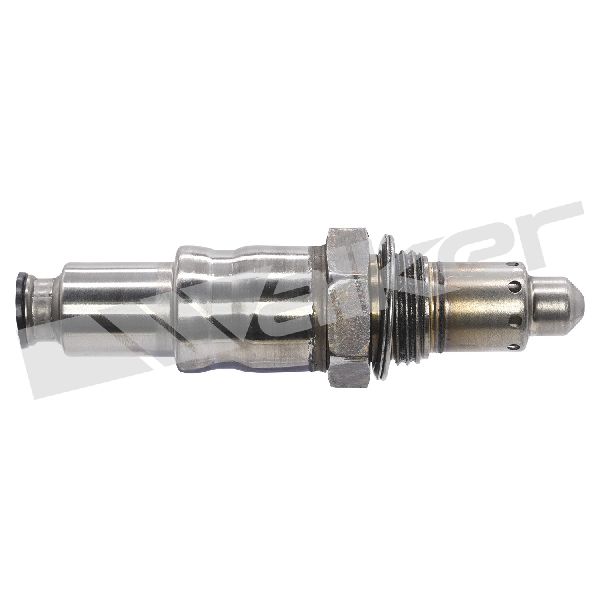
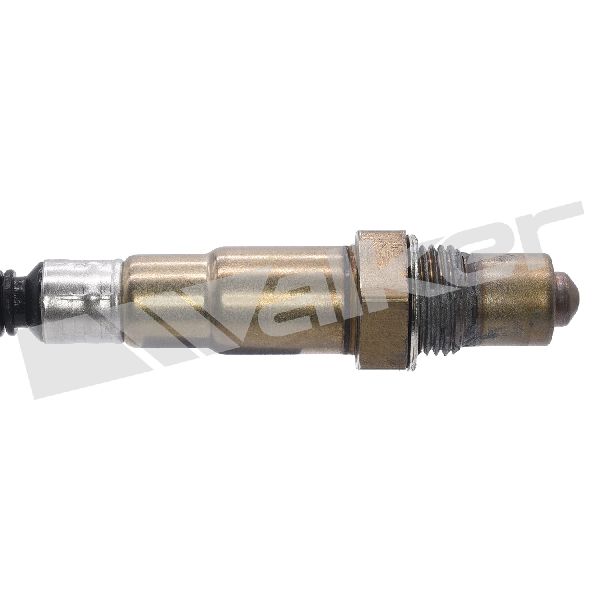
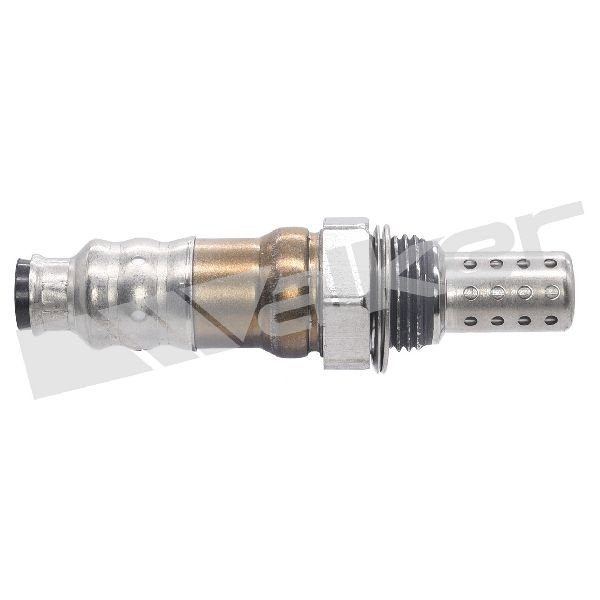
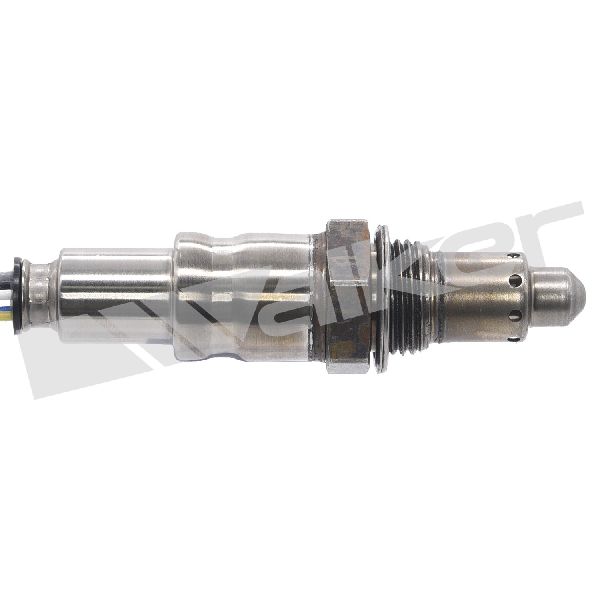
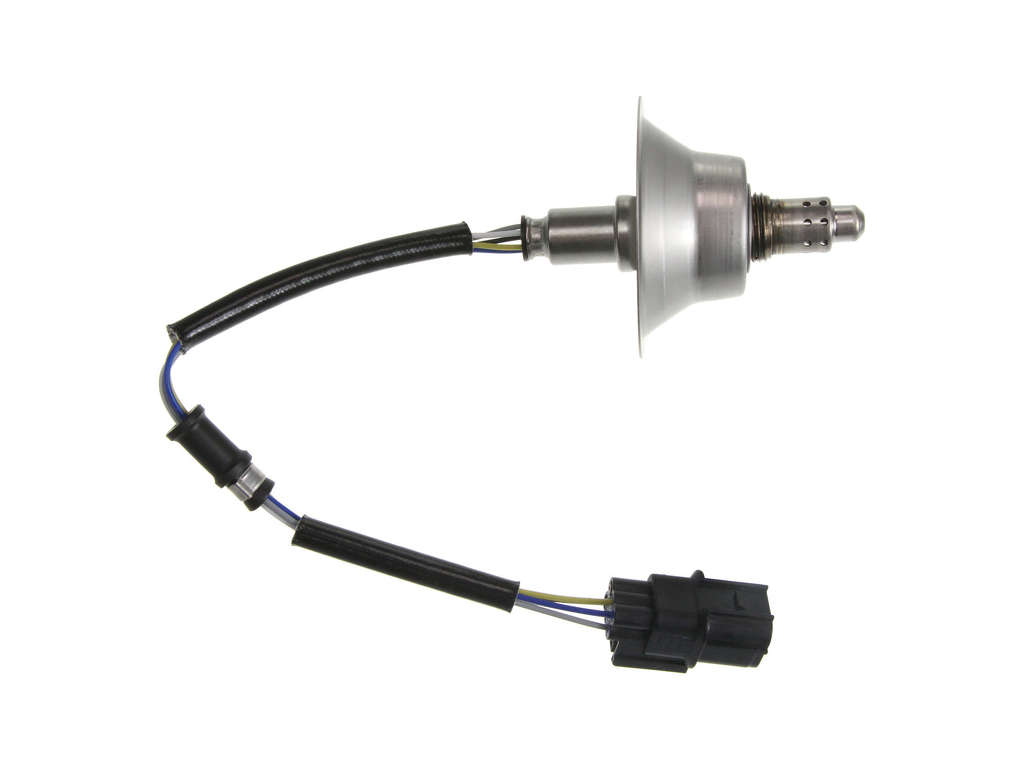
Trusted brands: Honda (OEM - NGK/NTK), Denso, Walker Products
OEM price range: $160-$210
Aftermarket price range: $70-$130
Related Codes That Often Appear With This One
- P0138 — Stands for 'O2 Sensor Circuit High Voltage (Bank 1 Sensor 2)'. A failing sensor can exhibit multiple electrical faults, causing both a heater circuit code and a voltage code to appear.
- P0139 — Stands for 'O2 Sensor Circuit Slow Response (Bank 1 Sensor 2)'. This is another common failure mode for an aging O2 sensor, and it can appear alongside the heater circuit fault.
Mechanic-Grade Diagnostic Values
- Downstream O2 Sensor (B1S2) Heater Circuit Resistance — expected: 5-20 Ohms when cold. Some sources state a range of 2-10 Ohms is also acceptable.. Failure: A reading of infinite resistance (OL) or a dead short (near 0 Ohms) indicates a failed heater element.
- Voltage at O2 Sensor Heater Power Wire (Harness Side) — expected: Approximately 12 Volts (Battery Voltage) with Key On, Engine Off.. Failure: 0 Volts indicates a problem with the fuse, relay, or wiring from the power source.
Scan Tool Commands That Help
- Honda Diagnostic System (HDS): DTC Clear & Problem Verification — After replacing the sensor or repairing the circuit, use the HDS to clear the P0141 code. Then, run the engine at 3,000 RPM without load until the radiator fan comes on to allow the PCM to verify the fix and confirm the heater circuit is operating correctly.
Wiring & Ground Locations
- Bank 1 Sensor 2 (Downstream) 4-Pin Connector — Under the vehicle, on the exhaust pipe just after the primary catalytic converter. The connector is usually clipped to a bracket on the vehicle's underbody.. This is the primary point for all electrical testing (resistance and voltage) for the P0141 code. Its exposed location makes it susceptible to damage and corrosion.
- Under-hood Fuse Box — Located in the engine compartment, typically near the battery or brake fluid reservoir.. This box contains the fuse for the O2 sensor heater circuit, often labeled 'A/F SENSOR' or 'AF HEATER'. A blown fuse here is a potential, though less common, cause of P0141.
- Sensor Heater Wires (at sensor pigtail) — Within the 4-pin connector of the O2 sensor itself.. On most Honda sensors, the two wires of the same color (often both black or both white) are for the heater circuit. These are the pins to probe with a multimeter to check the heater's resistance.
Real Owner Repair Stories
- Forum post on CRVOwnersClub.com (2018 Honda CR-V) — Check Engine Light with code P0141.
✅ What actually fixed it The owner replaced the downstream (Bank 1, Sensor 2) oxygen sensor. The repair was reported as straightforward and took less than one hour using a specific O2 sensor socket. - General advice from Reddit r/MechanicAdvice (Similar Honda vehicle) — P0141 code returned after replacing the O2 sensor.
❌ Tried (didn't work) Replacing the Bank 1 Sensor 2 oxygen sensor.
✅ What actually fixed it The issue was a blown fuse. The owner was advised to check the 'A/F SENSOR' fuse in the under-hood fuse box, which had blown, likely due to the old sensor shorting out. Replacing the fuse resolved the code. - NHTSA ODI #10284957 — An owner reported that while attempting to accelerate, the check engine light illuminated. A dealer inspection confirmed codes P0102, P0141, and P0340 were present. The technician cleared the lights and test drove the vehicle, though the lights returned a month later.
Diagnostic Flowchart
Other Known Issues on This Vehicle
Issues unrelated to this code that are worth knowing about as an owner of this generation:
- Fuel Dilution of Engine Oil (1.5T Engine) 🔴 High — More common in 2017-2018 models, especially in cold climates with frequent short trips. Can cause stalling and premature engine wear. (Ref: Honda issued software updates and extended warranties to address the problem.)
- Parasitic Battery Drain 🟠 Medium — Affects many 2017-2019 models, causing the battery to die unexpectedly. Often linked to the Vehicle Stability Assist (VSA) modulator software. (Ref: Honda TSB #17-032 addresses a software update for the VSA modulator to fix a parasitic draw.)
- Infotainment System Glitches/Freezing 🟡 Low — Widespread reports of the infotainment screen freezing, becoming unresponsive, or rebooting randomly. (Ref: TSB #19-066 involves a software update for the audio-navigation unit. A hard reboot (holding the power/volume knob) is a common temporary fix.)
- Dashboard Warning Lights All On 🟠 Medium — A low or failing battery can cause multiple unrelated warning lights (Brake System, Power Steering, etc.) to illuminate simultaneously. Sometimes also linked to faulty fuel injectors.
Used vs. New Parts: Buying Guide for This Vehicle
When a used part is the smart pick: It is strongly NOT recommended to buy a used oxygen sensor. They are wear-and-tear items with a finite lifespan, and their remaining life is impossible to determine. The labor to replace a faulty used sensor often exceeds the cost of a new aftermarket part.
What to inspect on the donor part:
- Not applicable as used sensors are not recommended.
Aftermarket brands forum-validated for this vehicle:
- NTK (often the OEM supplier for Honda)
- Denso
- Bosch
Brands owners have reported issues with on this vehicle:
- Unknown or unbranded "no-name" parts from online marketplaces, as they have a high failure rate and may not meet the precise specifications required by the PCM.
Real Owner Stories
Aggregated from forums and TSBs cited above. Mileages and costs reflect what owners reported in those sources.
2018 Honda CR-V
Symptoms: Check Engine Light is on; confirmed P0141 code.
What fixed it: Replacing the downstream (Bank 1, Sensor 2) O2 sensor using an O2 sensor socket. The repair took less than an hour.
Source hint: CRVOwnersClub.com - Thread: 'Check Engine Light - P0141'
2017-2022 Honda CR-V
Symptoms: Check Engine Light remained on even after the oxygen sensor was replaced.
What fixed it: Checking and replacing the 'A/F SENSOR' fuse in the under-hood fuse box.
Source hint: Reddit r/MechanicAdvice
NHTSA Reported Incident
Symptoms: Vehicle experienced issues while attempting to accelerate; check engine light illuminated with multiple codes.
What fixed it: According to NHTSA ODI #10284957, a dealer inspection identified codes P0102, P0141, and P0340. The technician cleared the codes and test drove the vehicle, although the owner noted the lights returned approximately one month later.
Source hint: NHTSA ODI #10284957
Related OBD-II Codes
Frequently Asked Questions
Where is the fuse for the O2 sensor heater circuit located on my 2017-2022 CR-V?
Which oxygen sensor do I need to replace for a P0141 code on my 1.5L Turbo CR-V?
Can I use a universal or 'no-name' oxygen sensor to fix this issue?
Does the 1.5L Turbo engine share this O2 sensor issue with other Honda models?
Could my CR-V's parasitic battery drain issue be related to the P0141 code?
Will a P0141 code cause my CR-V to fail an emissions test?
Helpful Videos

Used OEM Parts in Stock


New Aftermarket Parts Available

The information in this article is provided for general reference and educational purposes only. Vehicle specifications, procedures, and part compatibility can vary by production date, trim level, and region. Always consult your vehicle's factory service manual and verify part numbers before purchasing or performing repairs. Safety-critical components such as airbags, seat belts, and braking systems should be installed by a qualified professional.
- Honda CR-V:
- 🎬 Helpful Videos
- 🛍️ Shop This Part
- What's Unique About the 2017-2022 Honda CR-V
- Symptoms You May Notice
- Most Likely Causes
- Rare But Worth Checking
- Diagnosis Steps
- Parts You'll Likely Need
- Related Codes That Often Appear With This One
- Mechanic-Grade Diagnostic Values
- Scan Tool Commands That Help
- Wiring & Ground Locations
- Real Owner Repair Stories
- Diagnostic Flowchart
- Other Known Issues on This Vehicle
- Used vs. New Parts: Buying Guide for This Vehicle
- Real Owner Stories
- 2018 Honda CR-V
- 2017-2022 Honda CR-V
- NHTSA Reported Incident
- Related OBD-II Codes
- Frequently Asked Questions
- 🎟️ Get 5% Off