

P0140 on 2010-2016 Hyundai Genesis Coupe 2.0T: Causes and Fixes for O2 Sensor Inactivity
This code almost always means the rear (downstream) oxygen sensor has failed. Replacing the sensor is the most common fix. Expect to pay between $60-$120 for an aftermarket sensor and $150+ for an OEM part. It's a straightforward DIY job for those with basic tools.
- P0140 on your Genesis Coupe 2.0T means the rear oxygen sensor (after the catalytic converter) has failed or has a wiring issue.
- The most probable cause is a bad sensor. This is a common failure point.
- You can safely drive the car, but you will fail an emissions test and should get it fixed to ensure the emissions system is monitored correctly.
- The repair is DIY-friendly, requiring basic tools and access to the underside of the vehicle. The most common part needed is the downstream O2 sensor itself (Hyundai P/N: 39210-2C210 for 2010-2014 models).
- Before replacing the sensor, do a quick visual check of the wiring for obvious damage and check the O2 sensor fuse (often labeled 'SENSOR 1' in the engine bay fuse box).
What's Unique About the 2010-2016 Hyundai Genesis Coupe
For the Genesis Coupe 2.0T, this code is a very common and straightforward issue, typically pointing directly to a failed sensor. Unlike some platforms where P0140 can be a symptom of complex exhaust or ECU issues, owners of this vehicle consistently report that a simple sensor swap resolves the problem. The issue is not specific to the 2010-2012 (BK1) or 2013-2016 (BK2) iterations of the 2.0T engine, as the downstream sensor function and likelihood of failure are similar across the model years. The shared Theta engine platform across other Hyundai/Kia vehicles also shows a high incidence of this code being resolved by sensor replacement. The Genesis Coupe is also known by owners to have notoriously poor factory grounding points, which can cause various electrical issues; while less common for P0140, this is a known platform weakness.
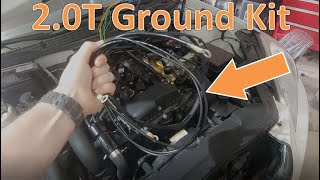
🎬 See how to install a grounding kit on your Genesis.Generation note: The 2010-2016 year range covers both the BK1 (2010-2012) and BK2 (2013-2016) chassis, which also had different versions of the 2.0T engine. However, for the P0140 code, the cause and fix are consistent across both generations. The downstream O2 sensor serves the same function and is a common failure item on both. There are different OEM part numbers for the downstream sensor depending on the generation: 39210-2C200 for BK1 (2010-2012) and 39210-2C210 for early BK2 (2013-2014) models.
Symptoms You May Notice
- Check Engine Light is on.
- Vehicle will fail an emissions test.
- Potential for slightly decreased fuel economy (uncommon).
- Rough idle or hesitation, particularly during cold starts (rare for a downstream sensor issue, but possible if the ECM enters a fail-safe mode).
- Replacing the upstream (pre-catalytic converter) O2 sensor. P0140 specifically refers to Sensor 2, which is the downstream sensor.
- Replacing the catalytic converter. While a bad converter can cause other codes (like P0420), it will not cause a P0140 'no activity' code. The sensor itself or its circuit is the problem.
- Replacing the Mass Airflow (MAF) sensor. While some generic guides mention the MAF sensor, it is not a direct cause for a P0140 'no activity' code on this specific sensor circuit.
Most Likely Causes
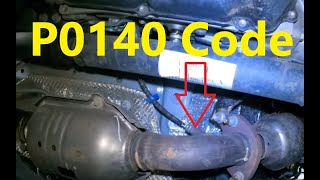
- Failed Downstream O2 Sensor (Bank 1, Sensor 2) 🔴 High Probability Oxygen sensors are wear items with a finite lifespan. Constant exposure to extreme exhaust heat, gases, and road elements eventually causes the internal electrochemical cell to fail, resulting in no signal output. This is the most common reason for a P0140 code. 🎬 Watch: A breakdown of common causes and fixes for P0140.
How to confirm: Use a scan tool to watch the live data for the B1S2 voltage. If it's stuck at a fixed value (e.g., between 0.415V and 0.515V) and doesn't fluctuate, the sensor is likely dead. You can also test the sensor's internal heater circuit with a multimeter; resistance should typically be between 2 and 3 ohms. A healthy downstream sensor should show a relatively stable voltage around 0.6V at a steady cruise, but a completely flat line indicates no activity.
Typical fix: Replace the downstream oxygen sensor. Apply anti-seize compound to the threads of the new sensor for easier future removal. An O2 sensor socket is recommended for removal and installation.
Est. part cost: $60-$220 - Wiring or Connector Damage 🟡 Medium Probability The sensor and its wiring are located under the car, exposed to road debris, water, and extreme heat from the exhaust. Wires can become frayed, melted, or corroded, and the connector can be damaged, disconnected, or contaminated with moisture and dirt.
How to confirm: Visually inspect the entire wiring harness from the O2 sensor to where it connects to the main vehicle harness. Check for melted plastic, frayed wires, and corrosion inside the connector pins. Perform a 'wiggle test' on the harness while monitoring live data to see if the signal changes.
Typical fix: Repair the damaged section of wiring or replace the connector pigtail. Ensure the wiring is properly secured away from the hot exhaust pipe using zip ties or factory clips.
Est. part cost: $10-$40 - Blown Fuse for O2 Heater Circuit ⚪ Low Probability A short in the O2 sensor heater circuit or its wiring can cause the corresponding fuse to blow. Without a functioning heater, the sensor won't reach its required operating temperature (above 600°F), which can trigger a 'no activity' code, especially on cold starts.
How to confirm: Consult your owner's manual or a fuse diagram for the location of the O2 sensor fuse. On many Hyundais, this fuse may be labeled 'SENSOR 1' in the engine bay fuse box. Visually inspect the fuse to see if it has blown. The Genesis Coupe has fuse boxes in the engine bay and driver's side instrument panel.
Typical fix: Replace the blown fuse. If the new fuse blows immediately, it indicates a persistent short circuit in the wiring or the sensor itself that must be diagnosed and repaired.
Est. part cost: $1-$5
Rare But Worth Checking
- Exhaust Leak: An exhaust leak upstream of the sensor can introduce outside air, causing the sensor to send a steady, unchanging signal. This is less common for a 'no activity' code than for a 'lean' or 'rich' code, but it's worth checking for audible leaks or black soot marks near exhaust flanges.
- Powertrain Control Module (PCM) Fault: This is extremely rare. The PCM is the last component to suspect. A fault in the PCM's internal driver for the O2 sensor can mimic a dead sensor. All other possibilities, including the sensor and its entire circuit (wiring, connectors, fuse), must be exhaustively tested and ruled out before considering a PCM fault.
Diagnosis Steps
- Read the code with an OBD-II scanner to confirm P0140 is present and note any other codes.
- Perform a visual inspection of the downstream O2 sensor (Bank 1, Sensor 2), which is located on the exhaust pipe after the catalytic converter.
- Inspect the sensor's wiring harness and connector for any signs of melting, chafing, corrosion, or disconnection.
- Check the fuse for the O2 sensor heater circuit. On the Genesis Coupe, there are fuse boxes in the driver's side dash and the engine bay. The fuse may be labeled 'SENSOR 1' or similar.
- Use a scan tool to monitor live data from the B1S2 O2 sensor. With the engine warm, the voltage should be relatively stable. A completely flat, unchanging line (e.g., stuck between 0.415V and 0.515V per Hyundai's diagnostic parameters) confirms 'no activity'.
- If the wiring and fuse are good but the sensor shows no activity, the sensor has failed and should be replaced.
- After replacement, clear the codes and perform a drive cycle to ensure the code does not return.
- If a new sensor does not fix the issue, test the wiring for continuity (no breaks) and check for correct voltage from the ECU to the sensor connector to rule out a circuit problem. Pay special attention to the quality of the main engine and ECU grounds, as the Genesis Coupe platform is known to have poor factory grounds.
Parts You'll Likely Need
- Downstream Oxygen Sensor (Bank 1 Sensor 2)
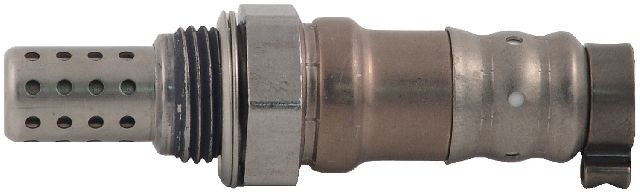
(OEM #39210-2C210)— This is the component that has failed. It is a standard wear-and-tear part that directly causes the P0140 code when it stops sending a signal. Part number 39210-2C200 is used for 2010-2012 (BK1) models, while 39210-2C210 is used for 2013-2014 (BK2) models.
Trusted brands: Hyundai (OEM), NTK (Often the OEM supplier), Denso, Bosch
OEM price range: $170-$245
Aftermarket price range: $60-$120
Related Codes That Often Appear With This One
- P0036 (HO2S Heater Control Circuit Bank 1 / Sensor 2)
- P0037 (HO2S Heater Control Circuit Low Bank 1 / Sensor 2)
- P0038 (HO2S Heater Control Circuit High Bank 1 / Sensor 2)
Platform-Specific Known Issues
- Forum Consensus on Sensor Failure: Multiple threads on gencoupe.com confirm that P0140 is overwhelmingly caused by a failed downstream O2 sensor. Owners report replacing the sensor as a final fix after sometimes needlessly checking wiring or fuses. The general advice is to replace the sensor as the first step after confirming the code.
- Poor Factory Grounding Points: The Genesis Coupe platform is known among enthusiasts for having inadequate factory grounding points. While not a direct cause of P0140 in most cases, a poor ground can cause a variety of difficult-to-diagnose electrical issues. Key grounds are located on the chassis near the strut tower, the intake manifold, the starter bolt, and the ECU ground strap. If electrical tests for the O2 sensor circuit are inconclusive, inspecting and cleaning these grounds is a worthwhile step.
Mechanic-Grade Diagnostic Values
- Downstream O2 Sensor (B1S2) Voltage — expected: Relatively stable voltage, around 0.6V at steady cruise.. Failure: Voltage stuck between 0.415V and 0.515V for over 76.5 seconds.
- Downstream O2 Sensor Heater Circuit Resistance — expected: 2-3 Ω (general specification). Failure: An open circuit (infinite resistance) or a short (near zero resistance).
- Downstream O2 Sensor Voltage during Fuel Cut-Off — expected: Near 0V. Failure: Signal level is too high during fuel cut-off (deceleration).
Scan Tool Commands That Help
- Generic Scan Tool / GDS: ECM/PCM Self-Test or Control Module Verification — As a final step if a new sensor and verified wiring do not resolve the code, to check the health of the Powertrain Control Module itself.
Wiring & Ground Locations
- ECU Ground Strap — A ground strap connecting to the engine or chassis, providing the main ground for the Engine Control Unit.. A poor ECU ground can affect sensor readings. This is a known weak point on Genesis Coupes.
- Intake Manifold Ground — A grounding point on the intake manifold.. The Genesis Coupe is known for poor factory grounds; owners often add a supplementary ground here to improve electrical stability.
- Starter Bolt Ground — A ground wire attached to one of the starter mounting bolts.. This is another common location for owners to add an upgraded ground wire to combat the platform's weak factory grounding.
- Chassis Ground (Strut Tower) — The factory ground point located on the chassis, often near one of the strut towers in the engine bay.. This is a primary factory ground point. Corrosion or looseness here can cause widespread electrical issues, including sensor faults.
OEM Part Supersession History
39210-2C200→N/A (Applies to specific model years)— Part for BK1 generation.
Heads up: This is the correct downstream sensor for the 2010-2012 2.0T model.39210-2C210→N/A (Applies to specific model years)— Part for BK2 generation.
Heads up: This is the correct downstream sensor for the 2013-2014 2.0T model.
Model Year Variations Within This Range
- 2010-2012 (BK1): The correct OEM part number for the downstream (Bank 1, Sensor 2) oxygen sensor is 39210-2C200.
- 2013-2014 (BK2): The correct OEM part number for the downstream (Bank 1, Sensor 2) oxygen sensor is 39210-2C210.
Diagnostic Flowchart
Real Owner Stories
Aggregated from forums and TSBs cited above. Mileages and costs reflect what owners reported in those sources.
Genesis Coupe
Symptoms: CEL, P0140 code. Owner states 'Everything driving fine'.
What fixed it: Not specified in the thread; owner suspected a bad O2 sensor but did not confirm the final repair.
Source hint: CEL : r/genesiscoupe
2011 Hyundai Genesis Coupe
Symptoms: P0140 code, 'pretty bad exhaust', unable to pass emissions.
What fixed it: Unresolved in thread; owner hit diagnostic dead ends after changing the fuse and the O2 sensor.
Source hint: Can't pass emissions : r/MechanicAdvice
Hyundai Genesis Coupe 2.0T
Symptoms: P0140 code present, sometimes accompanied by needless checking of wiring or fuses.
What fixed it: Replacing the downstream O2 sensor was reported as the definitive fix.
Source hint: gencoupe.com forum threads
Documented NHTSA Reports
Hyundai Platform Reference
Symptoms: A check engine light continuously on and blinking, signaling the vehicle is unsafe to drive. Diagnostic codes retrieved included P0140 (O2 Circuit), P0172 (System Too Rich), and P0126 (Knock Sensor Circuit).
What fixed it: While specific to the shared manufacturer platform, NHTSA ODI #11618243 describes these symptoms occurring alongside the P0140 code.
Source hint: NHTSA ODI #11618243
Related OBD-II Codes
Frequently Asked Questions
Is the P0140 code on my 2.0T Genesis Coupe usually just a bad sensor, or something worse?
Where is the fuse for the O2 sensor heater circuit located on the Genesis Coupe?
I replaced the O2 sensor and checked the wiring, but P0140 keeps coming back. What else should I check on this platform?
What voltage should I see on my scan tool for a healthy downstream O2 sensor on my Genesis Coupe?
Will a P0140 code cause my Genesis Coupe to fail an emissions test?
Helpful Videos

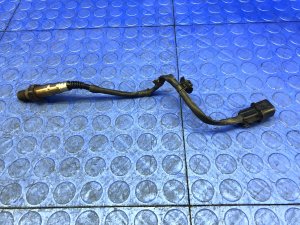
Used OEM Parts in Stock
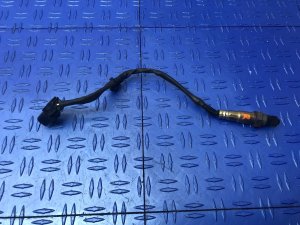
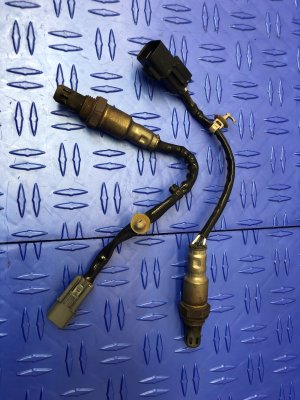
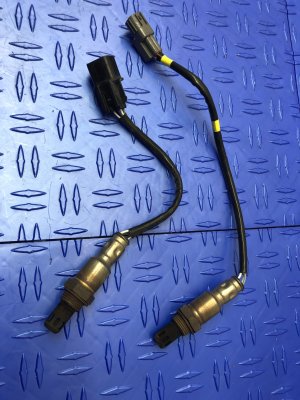
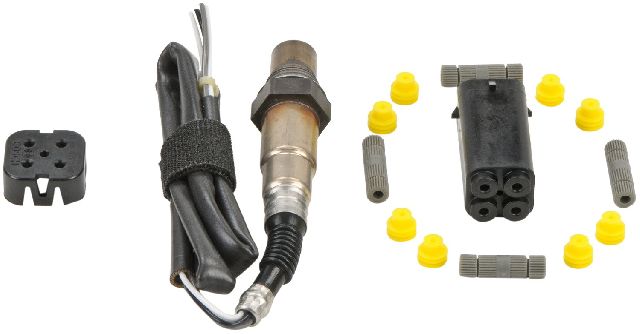
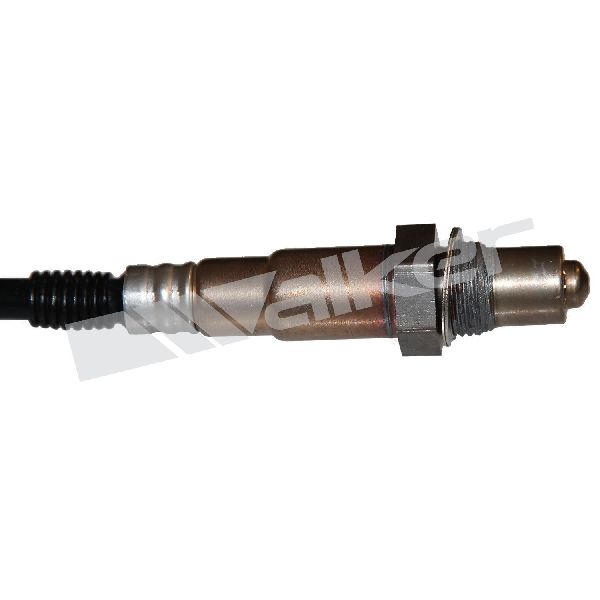
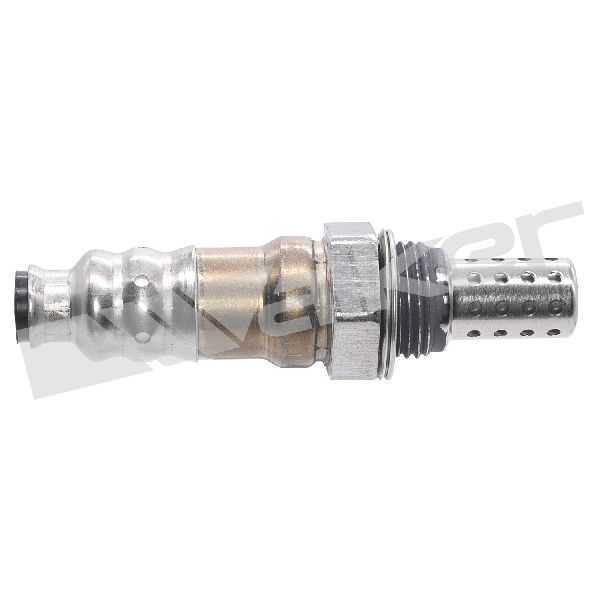
New Aftermarket Parts Available

The information in this article is provided for general reference and educational purposes only. Vehicle specifications, procedures, and part compatibility can vary by production date, trim level, and region. Always consult your vehicle's factory service manual and verify part numbers before purchasing or performing repairs. Safety-critical components such as airbags, seat belts, and braking systems should be installed by a qualified professional.
- Hyundai Genesis Coupe:
- 🎬 Helpful Videos
- 🛍️ Shop This Part
- What's Unique About the 2010-2016 Hyundai Genesis Coupe
- Symptoms You May Notice
- Most Likely Causes
- Rare But Worth Checking
- Diagnosis Steps
- Parts You'll Likely Need
- Related Codes That Often Appear With This One
- Platform-Specific Known Issues
- Mechanic-Grade Diagnostic Values
- Scan Tool Commands That Help
- Wiring & Ground Locations
- OEM Part Supersession History
- Model Year Variations Within This Range
- Diagnostic Flowchart
- Real Owner Stories
- Genesis Coupe
- 2011 Hyundai Genesis Coupe
- Hyundai Genesis Coupe 2.0T
- Documented NHTSA Reports
- Hyundai Platform Reference
- Related OBD-II Codes
- Frequently Asked Questions
- 🎟️ Get 5% Off