

P0140 on 2011-2023 Dodge Charger 3.6L: Causes and Fixes for O2 Sensor Inactivity
P0140 on a 3.6L Dodge Charger almost always indicates a failed downstream oxygen sensor on the passenger side (Bank 1, Sensor 2). Replacing the sensor is the most common fix, costing around $40-$80 for an aftermarket part and is a straightforward DIY job for many. Before replacing, check for oil contamination from the infamous Pentastar oil filter housing leak, which can foul the sensor and its connector.
- P0140 means the passenger-side, after-cat O2 sensor is not sending a signal.
- The most likely cause is a failed O2 sensor, which is a common DIY repair.
- Before replacing the sensor, perform a quick visual inspection of the wiring underneath the car for any obvious damage.
- Check the area above the sensor for any oil leaks that could have caused the failure.
- You can safely drive with this code, but you will not pass an emissions test and should get it fixed to ensure the Check Engine Light can alert you to future problems.
What's Unique About the 2011-2023 Dodge Charger
For the Dodge Charger with the 3.6L Pentastar engine, this code is very common. A key vehicle-specific issue is the high failure rate of the plastic oil filter/cooler housing assembly located in the engine valley. When this housing cracks or its seals fail, oil and/or coolant can leak down the back of the engine and onto the bellhousing, often dripping directly onto the Bank 1, Sensor 2 oxygen sensor and its wiring harness. This contamination is a frequent cause of premature sensor failure for this specific code. The wiring is also susceptible to heat damage from the exhaust.
Generation note: The 2011-2023 model years cover the entire LD generation of the Dodge Charger. While there was a major facelift for the 2015 model year, the 3.6L Pentastar V6 engine and its emissions control system remained fundamentally the same. The causes and fixes for P0140 are consistent across this entire year range. Notably, the oil filter housing leak issue is prevalent across all years of this generation.
Symptoms You May Notice
- Check Engine Light (MIL) is on.
- Vehicle will fail an emissions test.
- Potential for slightly decreased fuel economy, though often not noticeable.
- In some cases, a strong fuel smell from the exhaust may be present.
- Replacing the catalytic converter. A P0140 code indicates a problem with the sensor *monitoring* the converter, not necessarily the converter itself. A failing converter would typically set a P0420 code (Catalyst System Efficiency Below Threshold).
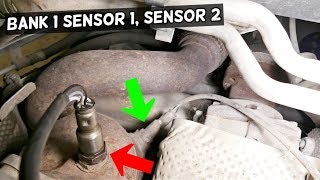
- Replacing the wrong O2 sensor. Ensure you are replacing Bank 1, Sensor 2 (passenger side, downstream/after-cat). The upstream (Sensor 1) and downstream (Sensor 2) sensors are different parts and not interchangeable.
Most Likely Causes
- Failed Downstream Oxygen Sensor (Bank 1, Sensor 2) 🔴 High Probability O2 sensors are wear-and-tear items. On the Pentastar, they are especially prone to failure from contamination due to the common oil filter housing leak that drips oil directly onto the sensor and connector. Constant exposure to high heat and exhaust gases also degrades them over time.
How to confirm: Use an OBD-II scanner to monitor the live data for the 'O2S B1S2' voltage. If the voltage is flatlined (e.g., stuck at or near 0.45V) and does not fluctuate after the engine is warm, the sensor has likely failed. A healthy downstream sensor should show a relatively stable, but not completely flat, voltage that fluctuates slowly.
Typical fix: Replace the Bank 1, Sensor 2 oxygen sensor. This is the downstream sensor on the passenger side. An O2 sensor socket is recommended for removal.
Est. part cost: $40-$120 - Damaged Wiring or Connector 🟡 Medium Probability The sensor and its wiring are located under the vehicle. Oil and coolant leaks from the common oil filter housing failure can saturate the connector, causing corrosion and signal loss. The harness is also vulnerable to road debris, corrosion, or melting from contact with hot exhaust components.
How to confirm: Visually inspect the entire wiring harness from the O2 sensor to where it connects to the main loom. Look for any breaks, chafing, melting, or corrosion on the connector pins. Check for signs of oil saturation inside the connector itself. Use a multimeter to check for continuity between the PCM and the sensor connector.
Typical fix: Repair the damaged section of the wire or replace the connector pigtail. If the connector is full of oil, clean it thoroughly with electrical contact cleaner and address the source of the oil leak.
Est. part cost: $10-$30 - Blown Fuse for O2 Sensor Heater ⚪ Low Probability A short in the heater circuit wiring or an internal short within the O2 sensor itself can cause the associated fuse to blow, preventing the sensor from warming up and becoming active.
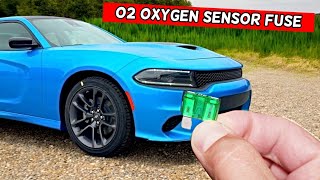
How to confirm: The P0140 code is for 'no activity', but it is often accompanied by a heater circuit code like P0141 if the fuse is blown. Check the fuse box (TIPM) for a blown fuse related to the O2 sensors or emissions components. A wiring diagram shows fuse M28 (15A) and M33 (10A) are related to the O2 sensor heater power relays in the TIPM.
Typical fix: Find the source of the short circuit (usually a damaged wire or faulty sensor), replace the blown fuse, and then replace the sensor if it was the cause.
Est. part cost: $1-$5
Rare But Worth Checking
- Exhaust Leak: An exhaust leak between the catalytic converter and the downstream O2 sensor can introduce outside oxygen, preventing the sensor from reading correctly. This is usually audible as a ticking or hissing sound from the exhaust.
- Faulty Powertrain Control Module (PCM): This is extremely rare. The PCM's internal driver for the O2 sensor circuit can fail. This should only be considered after all other possibilities (sensor, wiring, fuses, exhaust leaks) have been exhaustively ruled out.
Diagnosis Steps
- Read the codes: Use an OBD-II scanner to confirm P0140 is present and check for any other related codes, especially P0141.
- Visual Inspection: Safely raise the vehicle and visually inspect the Bank 1, Sensor 2 (passenger side, downstream) O2 sensor and its wiring harness. Look for obvious damage, such as broken wires, melted insulation, or a loose/corroded connector. Crucially, check for signs of oil dripping from the transmission bellhousing area above the sensor, which indicates a likely oil filter housing leak.
- Analyze Live Data: With the engine running and fully warmed up, use a scan tool to view the live data stream for the 'O2S B1S2' voltage. A healthy downstream sensor should show a relatively stable voltage that switches slowly. A flat line (often around 0.45V) indicates no activity and points to a bad sensor or wiring issue.
- Test the Heater Circuit: With the key on and engine off, use a multimeter to check for 12V power at the heater circuit wires on the sensor's connector. Check for a good ground as well. Lack of power could indicate a blown fuse or wiring problem.
- Test the Sensor: If wiring and power are good, the sensor itself is the most likely culprit. Replacing it is the next logical step.
- Check for Exhaust Leaks: If a new sensor does not resolve the issue, carefully inspect the exhaust system for any leaks between the catalytic converter and the sensor. A smoke test is the most effective method.
- PCM Check: As a final step if all else fails, the wiring continuity to the PCM should be verified. A faulty PCM is a remote possibility.
Parts You'll Likely Need
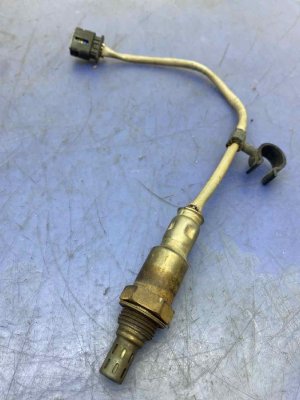
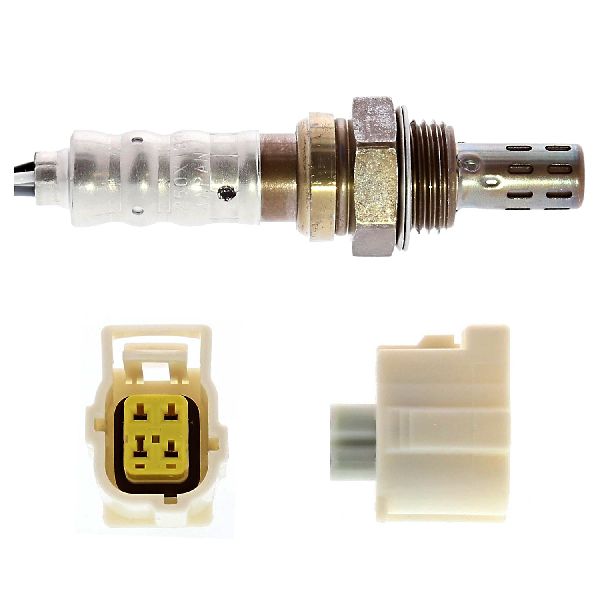
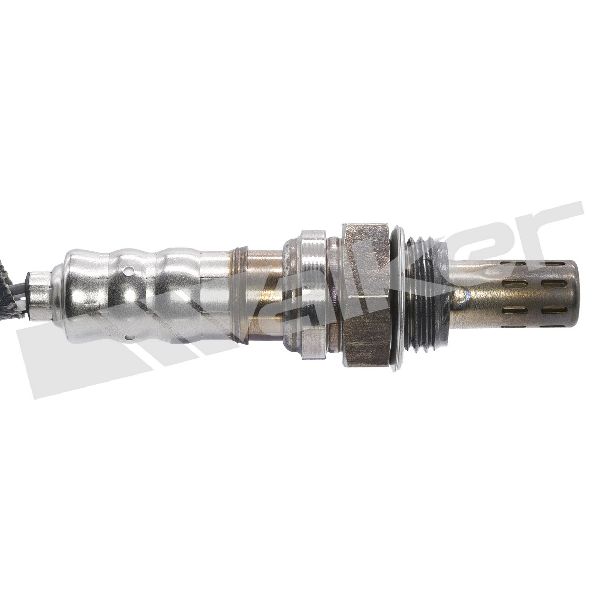
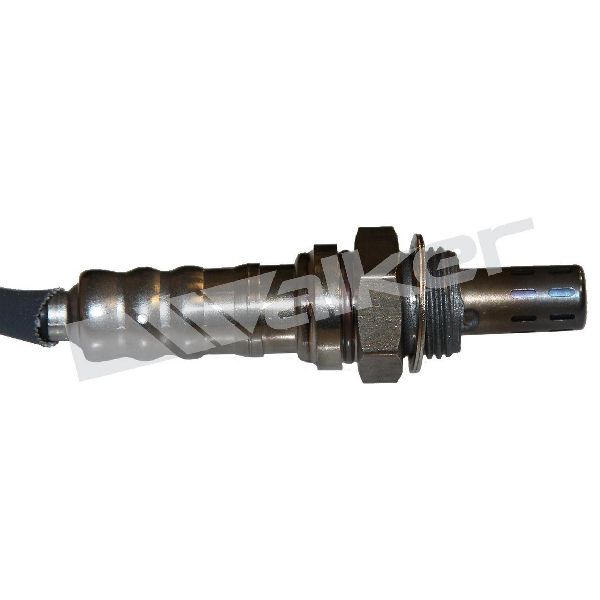
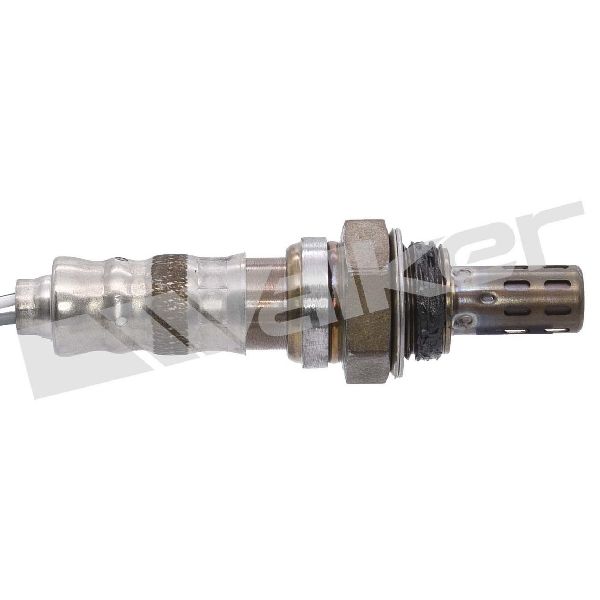
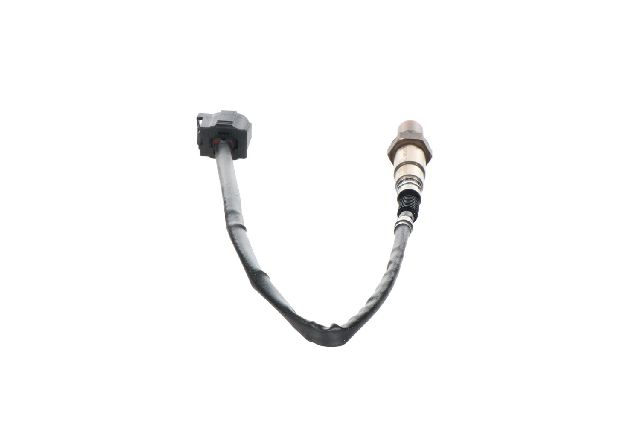
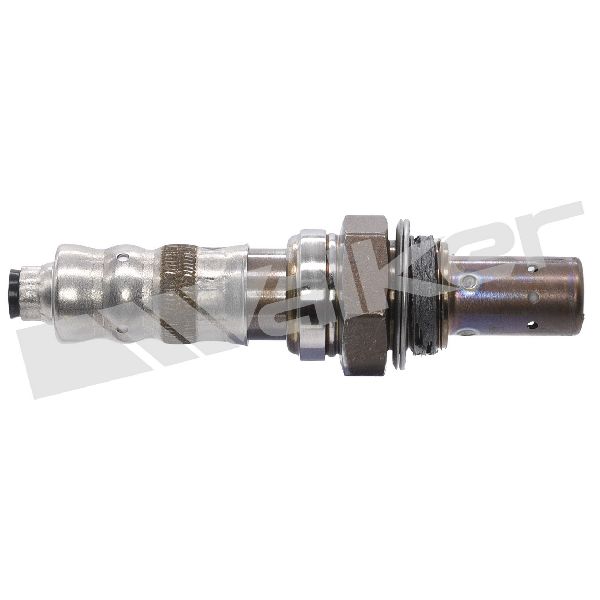
- Oxygen Sensor (Bank 1, Sensor 2)
(OEM #5149171AB)— This is the most common failure point for a P0140 code. It is a wear item that eventually fails from heat and, on this platform, frequent oil contamination.
Trusted brands: Mopar, NTK, Denso, Bosch
OEM price range: $80-$150
Aftermarket price range: $40-$80
Related Codes That Often Appear With This One
- P0141 — P0141 indicates a malfunction in the heater circuit for the same sensor (Bank 1, Sensor 2). These codes often appear together, as a failure in the heater can prevent the sensor from reaching operating temperature and showing activity.
- P0138 — This code indicates high voltage from the same sensor. It can point to a short in the wiring or an internal sensor failure, which can sometimes precede a total 'no activity' failure.
- P0300-P0306 — If the P0140 is caused by a significant exhaust leak, it might also affect cylinder performance and lead to misfire codes.
Platform-Specific Known Issues
- The most significant related issue is the failure of the plastic oil filter/cooler housing assembly (Part # 926-876 for some model years). It is located in the 'V' of the engine under the intake manifold. Heat cycles cause the plastic to warp or crack, leading to oil and/or coolant leaks that run down the back of the engine. This oil often contaminates the Bank 1 Sensor 2 O2 sensor, causing it to fail and trigger P0140. If replacing the sensor, it is critical to inspect for this leak and replace the housing if necessary to prevent repeat sensor failures. Many owners opt for an upgraded all-aluminum housing.
Mechanic-Grade Diagnostic Values
- O2 Sensor Heater Element Resistance — expected: 4-25 Ω when cold. Some sources cite a tighter range of 10-20 Ω.. Failure: A reading of OL (Open Loop/infinite resistance) or near 0 Ω indicates a broken or shorted heater element, respectively. The sensor must be replaced.
- Downstream O2 Sensor (B1S2) Live Data Voltage — expected: A relatively stable voltage that fluctuates slowly, typically averaging between 500-700 mV (0.5-0.7V) on a warm engine with a healthy catalytic converter.. Failure: A flatlined voltage, often stuck near 0.45V, that shows no switching activity indicates the sensor is inactive.
- O2 Sensor Heater Circuit Voltage Supply — expected: Approximately 12V (battery voltage) should be present at the heater power wire in the sensor's harness-side connector with the key on, engine off.. Failure: Absence of 12V power points to a blown fuse (e.g., M28 or M33 in the TIPM), a faulty relay, or a break in the power wire from the TIPM.
Wiring & Ground Locations
- PCM Connector C1, Pins 34 & 35 — At the Powertrain Control Module (PCM), which is typically located in the engine bay near the firewall or inner fender.. According to a wiring diagram, Pin 34 is the O2 1/2 Heater Control and Pin 35 is the O2 1/2 Signal wire. These are the specific pins to test for continuity when diagnosing a wiring break between the sensor and the PCM.
- O2 Sensor 1/2 Connector — On the passenger side of the vehicle, plugged into the downstream oxygen sensor located after the catalytic converter.. This is the primary connection point to inspect for oil contamination, corrosion, or physical damage. The four wires are typically: Heater Power (from TIPM), Heater Control (to PCM), Signal (to PCM), and Sensor Ground.
- G903 / S106 — A common ground point shown in wiring diagrams for O2 sensor circuits. Physical engine grounds are located on the cylinder heads and a primary chassis ground point is under the airbox.. The O2 sensor requires a solid ground reference to produce an accurate voltage signal. A corroded or loose ground at G903 or related engine/chassis points can cause erratic or no activity, mimicking a sensor failure.
Real Owner Repair Stories
- DodgeForum.com user (Dodge Charger (year/engine not specified, but symptoms align with Pentastar issues)) — Rough/unstable idle, loss of power, jerking on acceleration, lean codes accompanying the O2 sensor code.
❌ Tried (didn't work) Replaced fuel pump, Replaced one O2 sensor, Replaced MAP sensor, Replaced spark plugs, Replaced fuel injectors, Replaced AIT sensor, Replaced MAF sensor, Replaced throttle body, Replaced EGR valve and tube, Replaced both intake runner valves
✅ What actually fixed it The user was advised that a leaking fuel injector could be washing the sensor in raw fuel, causing the code, or that an exhaust manifold leak could be the culprit, as another user had spent weeks diagnosing a similar issue that was finally solved by replacing a leaking exhaust manifold.
OEM Part Supersession History
5149171AA→5149171AB— Standard part revision by the manufacturer.
Heads up: Part number 68066160AA is also listed as a replaced part number, indicating it was also superseded by 5149171AB. Using the latest part number (5149171AB) is recommended for correct fitment and function.
Diagnostic Flowchart
Other Known Issues on This Vehicle
Issues unrelated to this code that are worth knowing about as an owner of this generation:
- Oil Filter/Cooler Housing Failure 🔴 High — Very common, often occurs between 60,000 and 120,000 miles. Can cause major oil and/or coolant leaks.
- Rocker Arm / Lifter Failure ('Pentastar Tick') 🔴 High — Common, especially on engines that have passed 80,000 miles. Presents as a distinct ticking/tapping noise from the valve covers. If ignored, can lead to camshaft damage. (Ref: Multiple class-action lawsuits have been filed regarding this issue.)
- Left Cylinder Head Failure (Early Models) 🔴 High — Affected a small percentage of 2011-2013 model year engines, causing misfires and a check engine light. Most failures occurred within the warranty period. (Ref: Chrysler issued an extended warranty (X56) for the left cylinder head on affected 2011-2013 vehicles to 10 years/150,000 miles.)
- Totally Integrated Power Module (TIPM) Failure 🟠 Medium — More common on earlier models (approx. 2011-2014). Can cause a wide range of bizarre electrical issues, including no-start conditions, fuel pump problems, and erratic behavior of lights/wipers.
- Rough Shifting / Transmission Shudder 🟡 Low — Reported by some owners. Can sometimes be resolved with a software update to the TCM or PCM by a dealer. (Ref: Software updates may be available.)
Used vs. New Parts: Buying Guide for This Vehicle
When a used part is the smart pick: Using a used part is generally not recommended for this repair. The primary failure part is the oxygen sensor itself, which is a wear-and-tear item with a finite lifespan. A used sensor from a junkyard has unknown remaining life and may have been exposed to the same contaminants (oil, coolant) that cause failure.
Donor-vehicle mileage cap: roughly under 30000 miles for the part to have meaningful remaining life.
What to inspect on the donor part:
- If considering a used sensor, ensure it comes from a low-mileage vehicle.
- Inspect the sensor tip for heavy carbon deposits, white ash (coolant contamination), or oily residue.
- Check the connector for any signs of corrosion, melted plastic, or oil inside the pins.
OEM-only on this vehicle (don't cheap out):
- While not strictly 'OEM-only', many professional technicians and forum users strongly recommend using OEM (Mopar) or OEM-supplier (NTK) sensors for Chrysler products. Some cheaper aftermarket sensors can have different response characteristics that may not work well with the PCM's software, leading to persistent codes.
Aftermarket brands forum-validated for this vehicle:
- NTK (often the original OEM supplier for Mopar).
- Denso.
Brands owners have reported issues with on this vehicle:
- Bosch sensors have a mixed reputation in the Mopar community; numerous forum threads report issues with Bosch O2 sensors being resolved by switching to NTK.
Real Owner Stories
Aggregated from forums and TSBs cited above. Mileages and costs reflect what owners reported in those sources.
2011-2023 Dodge Charger 3.6L Pentastar V6
Symptoms: The Bank 1 Sensor 2 O2 sensor failed due to contamination from an oil filter housing leak that dripped oil directly onto the sensor and connector.
What fixed it: Replaced the Bank 1, Sensor 2 oxygen sensor and addressed the oil filter housing leak to prevent repeat failure.
Source hint: vehicle_specific_issues
2012-2018 Jeep Wrangler (JK) 3.6L V6
Symptoms: Experienced the common Pentastar oil filter housing leak which is known to foul downstream O2 sensors.
What fixed it: Identified the oil filter housing as the root cause of the leak and replaced the sensor.
Source hint: platform_mates
2011-2023 Dodge Charger 3.6L Pentastar V6
Symptoms: P0140 code present, diagnostic steps included checking live data and inspecting the wiring harness for damage or oil saturation.
What fixed it: Standard diagnostic process: checking for flatlined voltage (0.45V) and inspecting the harness for breaks or corrosion.
Source hint: DodgeForum.com: P0140 Code Discussion
Related OBD-II Codes
Frequently Asked Questions
I have a P0140 on my Dodge Charger; could this be related to the oil leak I see near the back of the engine?
Which specific sensor do I need to replace for a P0140 code on my 3.6L Charger?
Is there a specific part number recommended for the common oil leak that causes this code?
Could a blown fuse be causing my O2 sensor 'no activity' code?
My Charger has a ticking noise and now a P0140; are they related?
Helpful Videos


![How to Fix P0140 Engine Code in 3 Minutes [2 DIY Method / Only $9.53]](https://img.youtube.com/vi/3ruvJ5yn2GI/mqdefault.jpg)
Used OEM Parts in Stock
New Aftermarket Parts Available

The information in this article is provided for general reference and educational purposes only. Vehicle specifications, procedures, and part compatibility can vary by production date, trim level, and region. Always consult your vehicle's factory service manual and verify part numbers before purchasing or performing repairs. Safety-critical components such as airbags, seat belts, and braking systems should be installed by a qualified professional.
- Dodge Charger:
- 🎬 Helpful Videos
- 🛍️ Shop This Part
- What's Unique About the 2011-2023 Dodge Charger
- Symptoms You May Notice
- Most Likely Causes
- Rare But Worth Checking
- Diagnosis Steps
- Parts You'll Likely Need
- Related Codes That Often Appear With This One
- Platform-Specific Known Issues
- Mechanic-Grade Diagnostic Values
- Wiring & Ground Locations
- Real Owner Repair Stories
- OEM Part Supersession History
- Diagnostic Flowchart
- Other Known Issues on This Vehicle
- Used vs. New Parts: Buying Guide for This Vehicle
- Real Owner Stories
- 2011-2023 Dodge Charger 3.6L Pentastar V6
- 2012-2018 Jeep Wrangler (JK) 3.6L V6
- 2011-2023 Dodge Charger 3.6L Pentastar V6
- Related OBD-II Codes
- Frequently Asked Questions
- 🎟️ Get 5% Off