

P0139 on 2007-2010 Saturn Sky 2.0L Turbo: Slow O2 Sensor Response Causes and Fixes
This code almost always means the downstream oxygen sensor (after the catalytic converter) has failed. It's a common wear item. Expect to pay $50-$120 for an aftermarket sensor and spend about an hour replacing it. An exhaust leak, especially from an aftermarket downpipe, is the second most likely cause.
- P0139 on your Saturn Sky points to the downstream O2 sensor (after the catalytic converter) responding too slowly.
- The most likely fix is replacing the downstream O2 sensor itself, which is a common DIY-friendly repair. The GM OEM part number is 12609457.
- Before replacing the sensor, always inspect carefully for exhaust leaks, especially if the car has an aftermarket downpipe or exhaust system.
- This code will cause an automatic failure on an emissions test, so it should be addressed promptly.
- Do not confuse the downstream (Sensor 2) with the upstream (Sensor 1); this code is specifically for the sensor that monitors the catalytic converter.
What's Unique About the 2007-2010 Saturn Sky
For the Saturn Sky with the LNF turbo engine, the P0139 code doesn't point to a unique, widespread factory defect. However, this platform and its mates (Pontiac Solstice GXP, Cobalt SS) are popular in the enthusiast community for performance modifications like aftermarket downpipes and exhaust systems. These modifications, particularly high-flow catalytic converters or cat-less downpipes, can alter the exhaust gas flow and composition significantly. This can create small leaks at the flanges or cause the downstream sensor to report slow or unusual readings that the stock ECU calibration interprets as a fault, triggering a P0139 code. Always check for exhaust leaks before and after the catalytic converter, especially if the exhaust system is not original.
Symptoms You May Notice
- Check Engine Light is on
- Failure to pass a state emissions or smog test.
- In rare cases, a slight decrease in fuel economy.
- Occasionally, hesitation upon acceleration after a deceleration phase.
- Replacing the upstream (Bank 1, Sensor 1) oxygen sensor instead of the downstream (Bank 1, Sensor 2) sensor.
- Replacing the oxygen sensor without first checking for exhaust leaks, which may be the true root cause, especially on a modified car.
- Using a cheap, poor-quality aftermarket sensor that does not respond within OEM specifications, causing the code to return.
Most Likely Causes
- Failing Downstream Oxygen Sensor 🔴 High Probability Oxygen sensors are wear-and-tear items with a typical lifespan of 60,000 to 100,000 miles. Contamination from carbon, oil, or coolant can cause them to become 'lazy' or slow to respond. Given the age of these vehicles, many are reaching the point where the original sensor is simply worn out.
How to confirm: Use a scan tool to graph the voltage of Bank 1 Sensor 2. With the engine warm and at a steady 2,500 RPM, the voltage should be relatively stable, typically between 0.45V and 0.8V. If you snap the throttle, the voltage should change. If it's stuck, flat, or responds very slowly, the sensor is likely bad. A healthy sensor should respond in less than 100 milliseconds.
Typical fix: Replace the Bank 1, Sensor 2 (downstream) oxygen sensor. This requires a 22mm or 7/8" O2 sensor socket and is generally accessible from under the vehicle. Applying anti-seize compound to the threads of the new sensor is recommended.
Est. part cost: $50-$120 - Exhaust System Leak 🟡 Medium Probability Leaks can occur at gasket flanges (especially the turbo-to-downpipe or downpipe-to-cat-back connections) or flex pipes due to corrosion or vibration. On modified vehicles, aftermarket downpipes or cat-back systems may not seal perfectly. A leak before the sensor allows outside air in, skewing the readings and making the sensor appear slow.
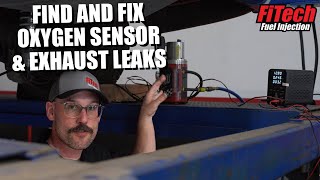
How to confirm: Visually inspect the exhaust system for black soot marks, especially around flanges and welds. Listen for a 'ticking' noise when the engine is cold that may disappear as the metal expands. A smoke machine is the most effective way to pinpoint small leaks. You can also use a shop towel to briefly block the tailpipe (on a cool engine) to build pressure and make leaks more audible. 🎬 Watch: How exhaust leaks impact your oxygen sensor's performance.
Typical fix: Replace the leaking gasket or repair the cracked pipe. This may involve welding. For modified cars, ensuring proper flange alignment and using high-quality gaskets is key.
Est. part cost: $10-$50 for a gasket, potentially more for pipe repair. - Damaged Wiring or Connector ⚪ Low Probability The sensor wiring runs underneath the car and is exposed to heat from the exhaust, moisture, and road debris. Wires can become brittle and crack, or the connector pins can corrode. This is especially true on lowered vehicles or those driven in harsh climates.
How to confirm: Visually inspect the entire harness from the O2 sensor to where it connects to the main loom. Check for melted insulation, chafed wires, or green corrosion inside the connector plug. Use a multimeter to check for continuity and resistance in the signal and heater circuit wires.
Typical fix: Repair the damaged section of wire or replace the connector pigtail.
Est. part cost: $5-$30
Rare But Worth Checking
- Failing Catalytic Converter: While a P0420 (Catalyst Efficiency) code is more common for a failed converter, a degraded catalyst can sometimes cause erratic or slow readings from the downstream O2 sensor, potentially triggering P0139 first.
- Engine Control Module (ECM) Software Issue / Aftermarket Tune: In some cases, manufacturers release software updates that adjust the sensitivity parameters for sensor monitoring. More commonly on the LNF platform, an aftermarket performance tune may have overly sensitive or disabled diagnostics for the rear O2 sensor, which can inadvertently cause a P0139 code, especially if paired with a high-flow downpipe.
- Leaking Fuel Injectors: A leaking fuel injector can cause an overly rich exhaust mixture. During deceleration fuel cut-off, this excess fuel can continue to burn in the exhaust, preventing the O2 sensor's voltage from dropping as quickly as the ECM expects, leading to a slow response code.
Diagnosis Steps
- Read the code with an OBD-II scanner to confirm P0139 is present. Check for any other codes, especially P0140, P0141, or P0420.
- Perform a thorough visual inspection of the exhaust system from the catalytic converter back. Look for soot, listen for leaks, and check the integrity of flanges and welds. Pay extra attention to the downpipe connection if it is an aftermarket unit.
- Inspect the wiring harness and electrical connector for the downstream O2 sensor. Look for any signs of melting, chafing, corrosion, or loose pins.
- Use a scan tool with live data capabilities to monitor the voltage of 'O2 Bank 1 Sensor 2'. A healthy downstream sensor on a warm, running engine should show a relatively steady voltage (e.g., ~0.6-0.8V). When you snap the throttle to create a rich condition then let off completely (deceleration fuel cut), the voltage should change accordingly. If the reading is stuck, flat, or responds very slowly, the sensor is the primary suspect.
- If an exhaust leak is suspected, use a smoke machine to confirm its location. Repair any found leaks before proceeding.
- If no leaks are found and the wiring is intact, the most likely cause is a failed O2 sensor. Replace it.
- If the code returns after replacing the sensor, investigate rarer causes like a failing catalytic converter or an issue with the ECM tune.
Parts You'll Likely Need
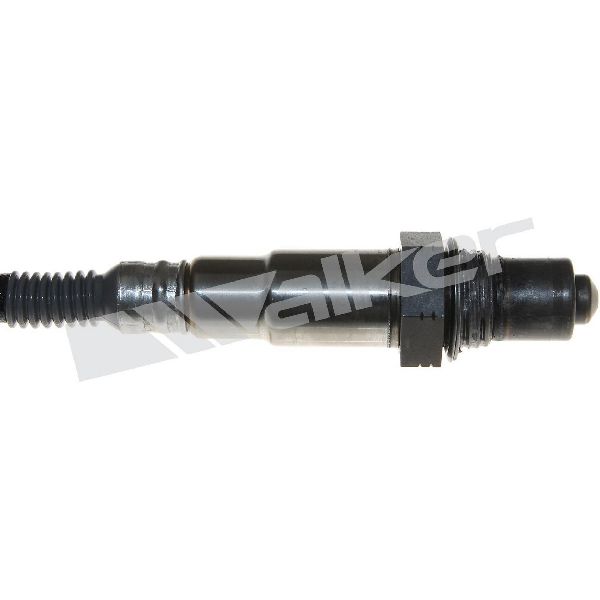
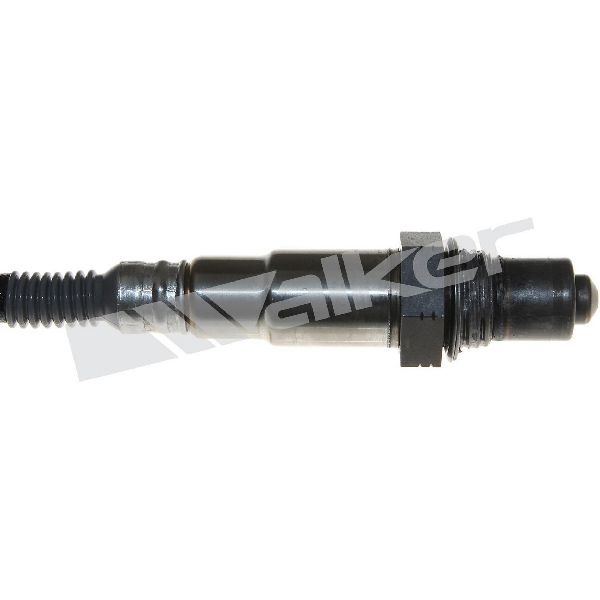
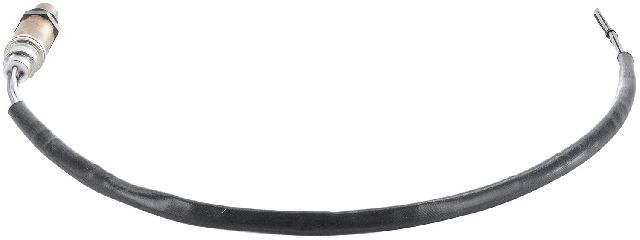
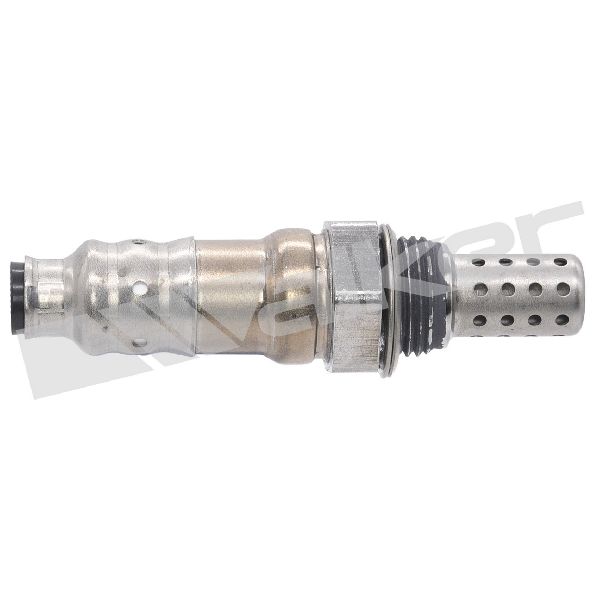
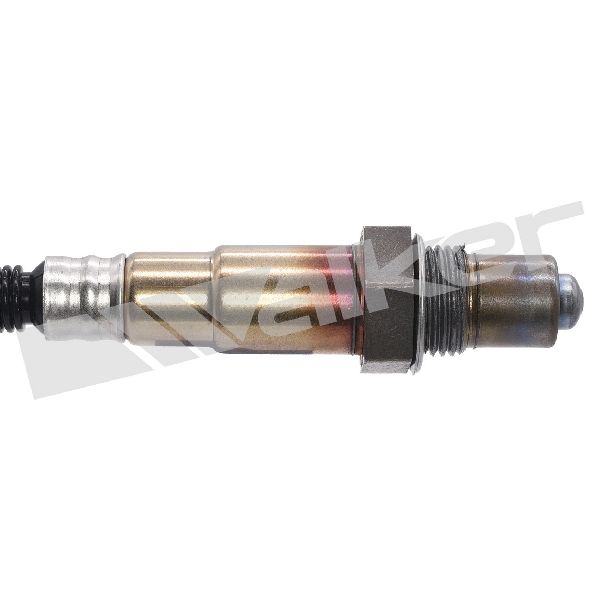
- Downstream Oxygen Sensor (Bank 1, Sensor 2)
(OEM #12609457)— This is the most frequent cause of P0139. The sensor's ability to react to oxygen changes degrades over time, causing a slow response.
Trusted brands: ACDelco (GM Genuine) 213-4282, Denso 234-4672, Bosch 17113, NGK/NTK 24354
OEM price range: $90-$180
Aftermarket price range: $50-$120
Related Codes That Often Appear With This One
- P0140 — P0140 indicates 'O2 Sensor Circuit No Activity Detected'. If the sensor is failing, it might first become slow (P0139) and then stop responding altogether (P0140).
- P0141 — P0141 points to a failure in the sensor's internal heater circuit. Since a cold sensor responds slowly, a heater failure can lead to a P0139 code being set as well.
- P0420 — If P0139 is caused by a degraded catalytic converter, it's often accompanied or followed by P0420 'Catalyst System Efficiency Below Threshold'.
Platform-Specific Known Issues
- Aftermarket Downpipe Installation: A user on solsticeforum.com reported getting a P0139 code immediately after installing an aftermarket catted downpipe. The issue was resolved by replacing the original downstream O2 sensor, which was likely old and couldn't cope with the change in exhaust flow, with a new Bosch sensor. This highlights that modifications can expose a weak, aging sensor.
Mechanic-Grade Diagnostic Values
- Downstream O2 Sensor (B1S2) Heater Circuit Resistance — expected: 2-15 Ohms, typically 4-11 Ohms depending on manufacturer.. Failure: A reading of 0 Ohms indicates a short circuit. An infinite reading (OL) indicates an open circuit (broken heater element).
- Downstream O2 Sensor (B1S2) Voltage at Steady State (Warm Engine, 2500 RPM) — expected: Relatively stable voltage between 0.45V and 0.8V.. Failure: Voltage is stuck low (e.g., <0.2V), stuck high (e.g., >0.8V), or fluctuates rapidly like an upstream sensor.
- Downstream O2 Sensor (B1S2) Response to Throttle Snap — expected: Voltage should rise toward ~0.9V on throttle application (rich) and fall toward ~0.1V on abrupt throttle release (lean).. Failure: Voltage changes are very slow, delayed, or non-existent. A healthy sensor should respond in under 100ms.
Wiring & Ground Locations
- G102 — On the right front corner of the engine compartment.. This is a primary engine-related ground point. A corroded or loose G102 can cause various sensor and module communication issues, potentially affecting O2 sensor readings.
- G104 — On the right rear corner of the engine.. This ground is for the engine harness. Poor grounding here can introduce electrical noise or incorrect reference voltages for sensors connected to the ECM, including the oxygen sensors.
- ECM Connector X1 — At the Engine Control Module (ECM), located in the left rear corner of the engine compartment.. This is where the O2 sensor signal, heater, and ground reference wires terminate. Technicians may need to test for continuity or voltage directly at these pins to rule out wiring harness issues between the sensor and the ECM.
Real Owner Repair Stories
- Reddit user in r/MechanicAdvice (2003 VW Golf 2.0L (similar principle to the Sky)) — Persistent P0139 code, scan tool showed sensor voltage stuck at 0.3V.
❌ Tried (didn't work) Clearing the code multiple times.
✅ What actually fixed it Spliced in a new universal Bosch O2 sensor. The new sensor immediately began reporting fluctuating voltage between 0.2V and 0.7V, and the code was resolved. The user noted the old sensor did react to a bench test with a torch, but its reaction was extremely slow.
OEM Part Supersession History
12609457→ACDelco 213-4229 or GM Genuine 213-4282— Standard part lifecycle updates and potential minor improvements in manufacturing or materials.
Heads up: The ACDelco part numbers are direct replacements for the original GM part number for this application.
Diagnostic Flowchart
Used vs. New Parts: Buying Guide for This Vehicle
When a used part is the smart pick: For this repair, buying a used oxygen sensor is almost never a smart choice. O2 sensors are wear items with a finite lifespan, similar to spark plugs or brake pads. A used sensor from a junkyard has unknown remaining life and may fail shortly after installation, wasting time and money.
Donor-vehicle mileage cap: roughly under 15000 miles for the part to have meaningful remaining life.
What to inspect on the donor part:
- If forced to consider used, only select a part from a very low-mileage wreck (<15,000 miles).
- Inspect the sensor tip for heavy carbon fouling, oil residue, or white/ashy deposits, which indicate a hard life or engine problems in the donor car.
- Ensure the wiring and connector are completely intact with no signs of melting, stretching, or corrosion.
Aftermarket brands forum-validated for this vehicle:
- ACDelco (GM's official brand, considered OEM quality).
- Denso (A major OEM supplier, often the original factory part).
- Bosch (A major OEM supplier with a strong reputation).
- NGK / NTK (Another top-tier OEM supplier for sensors).
Brands owners have reported issues with on this vehicle:
- Unnamed or generic 'white-box' brands from online marketplaces should be avoided. Forum discussions and mechanic experience frequently show these parts can be dead-on-arrival or fail to meet the ECM's response time specifications, causing the P0139 code to return.
Real Owner Stories
Aggregated from forums and TSBs cited above. Mileages and costs reflect what owners reported in those sources.
2007-2010 Pontiac Solstice GXP / Saturn Sky 2.0L LNF
Symptoms: A P0139 code appeared immediately after installing an aftermarket catted downpipe.
What fixed it: The issue was resolved by replacing the original downstream O2 sensor with a new Bosch sensor.
Source hint: solsticeforum.com thread titled 'new-p0139-code-after-installing-solo-street-race-and-catted-dp.60897/'
Related OBD-II Codes
Frequently Asked Questions
I just installed an aftermarket downpipe on my Sky and got a P0139 code. Is this common?
What's the best replacement O2 sensor for my 2008 Saturn Sky LNF?
Where is the P0139 sensor located on the Saturn Sky 2.0L Turbo?
Does this P0139 information also apply to my Pontiac Solstice GXP?
How can I test the downstream O2 sensor myself before buying a new one?
Besides a bad sensor, what's a common cause for P0139 on these turbo cars?
Is it a good idea to buy a used oxygen sensor from a junkyard for my Sky?
Helpful Videos
We Have This Part in Stock


The information in this article is provided for general reference and educational purposes only. Vehicle specifications, procedures, and part compatibility can vary by production date, trim level, and region. Always consult your vehicle's factory service manual and verify part numbers before purchasing or performing repairs. Safety-critical components such as airbags, seat belts, and braking systems should be installed by a qualified professional.
- Saturn Sky:
- 🎬 Helpful Videos
- 🛍️ Shop This Part
- What's Unique About the 2007-2010 Saturn Sky
- Symptoms You May Notice
- Most Likely Causes
- Rare But Worth Checking
- Diagnosis Steps
- Parts You'll Likely Need
- Related Codes That Often Appear With This One
- Platform-Specific Known Issues
- Mechanic-Grade Diagnostic Values
- Wiring & Ground Locations
- Real Owner Repair Stories
- OEM Part Supersession History
- Diagnostic Flowchart
- Used vs. New Parts: Buying Guide for This Vehicle
- Real Owner Stories
- 2007-2010 Pontiac Solstice GXP / Saturn Sky 2.0L LNF
- Related OBD-II Codes
- Frequently Asked Questions
- 🎟️ Get 5% Off