

P0139 on 2010-2014 Hyundai Sonata: Slow O2 Sensor Causes and Fixes
This code means the downstream oxygen sensor (Bank 1, Sensor 2) is responding too slowly. On a 2010-2014 Sonata, this is almost always due to an aged or failing sensor. Replacing it is a common DIY fix, with parts costing between $50 and $150. Before replacing, check for exhaust leaks, especially at the flex pipe, and inspect the wiring for damage.
- P0139 points directly to a slow-responding downstream oxygen sensor (Bank 1, Sensor 2).
- The most likely fix is to replace the sensor itself, which is a common wear item.
- Before replacing the sensor, perform a quick visual inspection of the exhaust for leaks and check the sensor's wiring for damage.
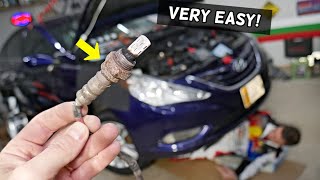
- This is a manageable DIY repair for most home mechanics with the correct tool (an O2 sensor socket).
- Ensure you purchase the correct sensor for your specific model year (2010 vs. 2011-2014) and engine.
What's Unique About the 2010-2014 Hyundai Sonata
The 2010-2014 Sonata spans two different generations (NF and YF), which used different engines and exhaust setups. While the P0139 code points to the same component—the downstream O2 sensor—the part itself and its exact location can vary. On these Sonatas, the issue is rarely complex; it's typically a straightforward case of the sensor wearing out from age and exposure to exhaust gases. However, exhaust flex pipe leaks are also a known issue on this platform that can cause the P0139 code by introducing outside air and skewing the sensor's readings.
Generation note: This range covers the end of the NF generation (2010) and the YF generation (2011-2014). The 2010 model often has a 2.4L MPi or 3.3L V6 engine, while 2011-2014 models typically use a 2.4L GDI or 2.0T GDI engine. The function and failure of the Bank 1 Sensor 2 are similar across generations, but you must verify the correct part number for your specific year and engine. For the YF generation (2011-2014) with 2.0L or 2.4L engines, a common OEM part number is 39210-2G560.
Symptoms You May Notice
- Check Engine Light is on.
- Failure to pass an emissions test.
- Reduced fuel economy.
- Possible rough idle or hesitation during acceleration after decelerating.
- A ticking or hissing noise from the exhaust when the engine is cold, indicating a potential exhaust leak.
- Replacing the upstream oxygen sensor (Sensor 1) instead of the downstream one (Sensor 2). P0139 specifically refers to Sensor 2, which is located after the catalytic converter.
- Replacing the catalytic converter. While a failing O2 sensor can sometimes indicate a converter issue, P0139 points to the sensor's response time, not converter efficiency (which has its own codes, like P0420).
- Ignoring a small exhaust leak. Many owners replace the sensor, only to have the code return because the root cause was a leak in the flex pipe or a gasket.
Most Likely Causes
- Failing Downstream Oxygen Sensor (Bank 1, Sensor 2) 🔴 High Probability Oxygen sensors are wear-and-tear items that degrade over time from heat and contaminants in the exhaust. After 50,000-100,000 miles, their performance naturally declines, and the internal ceramic element can become less responsive.
How to confirm: Use a scan tool to monitor the live data for the B1S2 O2 sensor. A healthy downstream sensor should show a relatively steady, slow-switching voltage (typically 0.6-0.8V). A sensor causing P0139 will often appear lazy, stuck, or respond very slowly to changes in engine RPM (e.g., taking more than 1-2 seconds to change). Forcing a rich/lean condition (e.g., with propane or creating a vacuum leak) should cause a rapid voltage change in a healthy sensor.
Typical fix: Replace the Bank 1, Sensor 2 oxygen sensor. This sensor is located on the exhaust pipe after the catalytic converter.
Est. part cost: $50 - $150 - Exhaust Leak 🟡 Medium Probability The exhaust flex pipe on the YF generation Sonata is a known weak point that can crack and leak over time, especially in regions with road salt. Gaskets between exhaust components can also fail. An exhaust leak before the O2 sensor can introduce outside air, causing the sensor to send slow or inaccurate readings.
How to confirm: Visually inspect the exhaust system from the engine to the downstream sensor for any signs of black soot, cracks, or holes, paying close attention to the flex pipe. Listen for a ticking or hissing noise, especially when the engine is cold, as the noise may diminish when the metal expands from heat. A shop can perform a smoke test to pinpoint small leaks.
Typical fix: Repair the leak by replacing the damaged section of pipe (e.g., the flex pipe) or the failed gasket.
Est. part cost: $20 - $250 - Damaged Wiring or Connector ⚪ Low Probability The sensor's wiring runs underneath the car and is exposed to road debris, water, and heat. The harness can come loose from its clips and make contact with the hot exhaust, melting the insulation and causing a short.
How to confirm: Visually inspect the entire wiring harness for the Bank 1, Sensor 2, from the sensor to the main connector. Look for any frayed wires, melting, corrosion in the connector pins, or loose connections. Ensure the harness is properly secured in its clips and not touching any part of the exhaust.
Typical fix: Repair the damaged section of the wiring harness or clean/replace the connector. Secure the harness away from heat sources.
Est. part cost: $10 - $50
Rare But Worth Checking
- Leaking Fuel Injectors: A leaking fuel injector can cause an overly rich condition. During deceleration fuel cut-off, if fuel is still leaking into a cylinder, the O2 sensor may not see the expected lean condition (high oxygen), causing the PCM to interpret the lack of change as a slow response.
- Blown Fuse: The oxygen sensor's heater circuit is often protected by a fuse. While not a common cause for a 'slow response' code, it's a quick and easy check. The fuse may be located in the engine bay fuse box, sometimes labeled 'SENSOR 1' or similar.
- Failing Powertrain Control Module (PCM): This is extremely rare. An internal processing delay or software glitch in the PCM could theoretically cause a P0139 code. Before ever suspecting the PCM, all other possibilities (sensor, wiring, exhaust leaks) must be definitively ruled out by a professional.
Diagnosis Steps
- Read the code with an OBD-II scanner to confirm P0139 is the only code present. If other codes exist, address them first.
- Perform a thorough visual inspection of the exhaust system for any leaks between the engine and the downstream O2 sensor. Look for black soot marks at flanges and on the flex pipe. Listen for ticking noises on a cold start.
- Inspect the Bank 1 Sensor 2 wiring harness and connector for any signs of damage, melting, or corrosion. Ensure the connector is securely plugged in and the harness is clipped away from the exhaust.
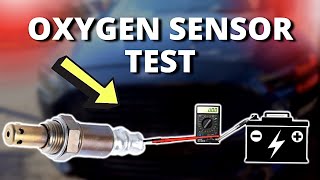
- Use a scan tool with live data capabilities to observe the voltage of Bank 1 Sensor 2. At a steady 2500 RPM, the voltage should be relatively stable (e.g., 0.6-0.8V). When you snap the throttle, the voltage should change. If it is stuck, flat, or responds very slowly, the sensor is likely faulty. 🎬 Watch: A professional guide on how to test an oxygen sensor.
- If the wiring and exhaust are in good condition, and the live data points to a lazy sensor, the most probable cause is the oxygen sensor itself.
- Before replacing, check for any related fuses in the engine bay fuse box, often labeled 'SENSOR'.
Parts You'll Likely Need
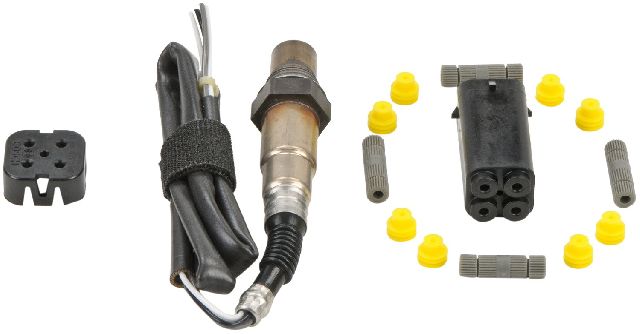
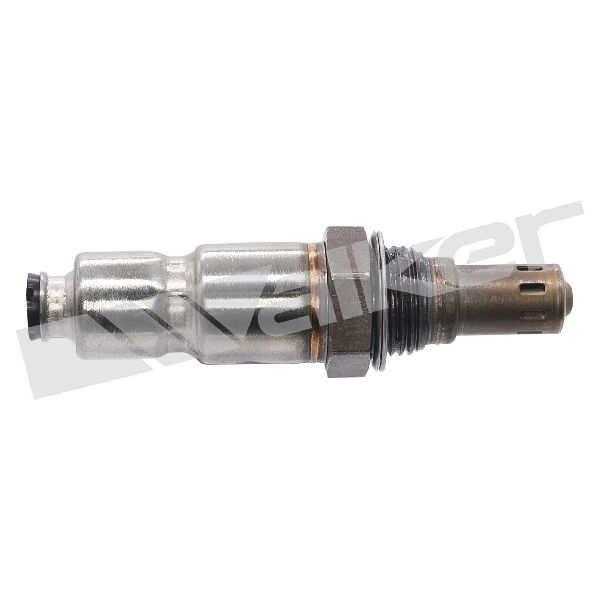
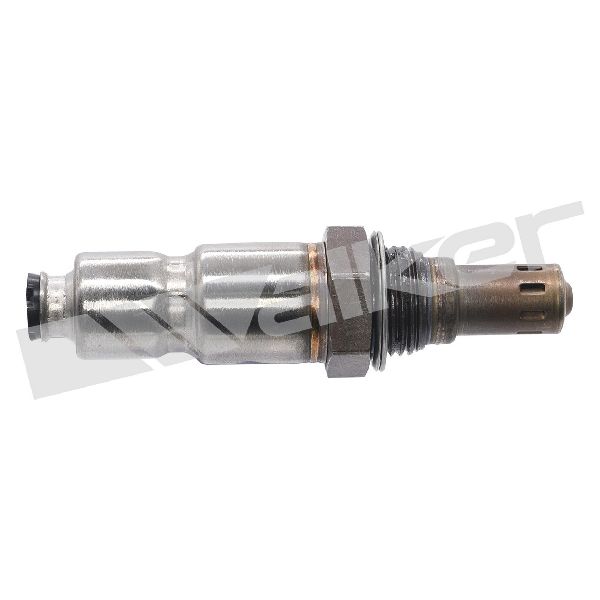
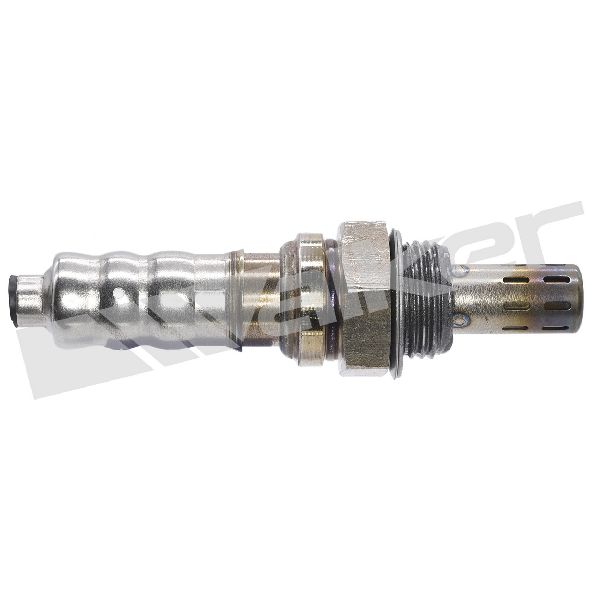
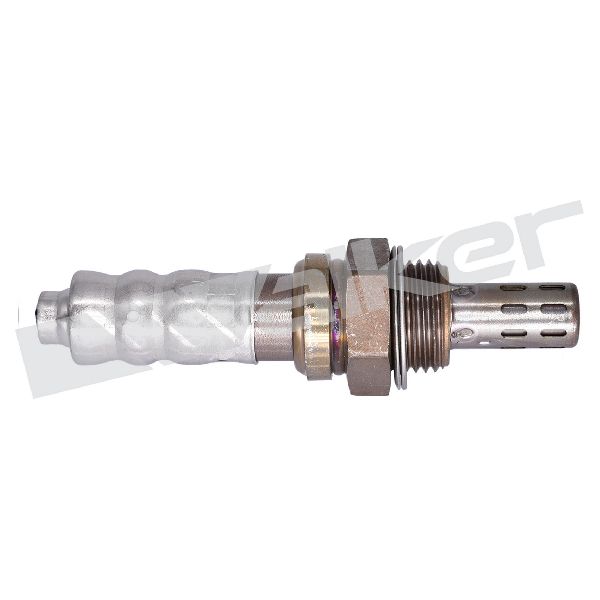
- Downstream Oxygen Sensor (Bank 1, Sensor 2)
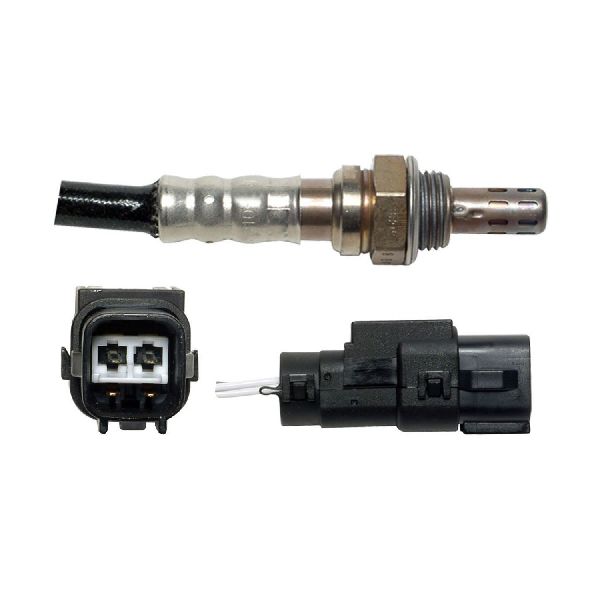
(OEM #39210-2G560 (for 2011-2014 2.0L/2.4L YF Sonata, verify by VIN))— This is the component directly identified by the P0139 code. It is a common wear item that fails due to age and contamination, leading to a slow response time.
Trusted brands: Denso, NGK/NTK, Bosch, Delphi
OEM price range: $120-$200
Aftermarket price range: $50-$150
Platform-Specific Known Issues
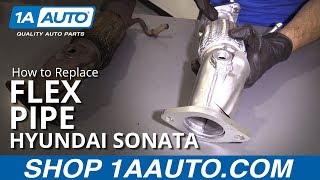
- Exhaust Flex Pipe Failure: The flexible braided section of the exhaust pipe located before the catalytic converter is a common failure point on YF Sonatas (2011-2014). It can develop cracks that lead to an exhaust leak, which introduces oxygen and causes the downstream O2 sensor to report slow or incorrect readings, triggering P0139. A ticking noise on startup is a key symptom. 🎬 See this walkthrough on how to replace a leaking flex pipe.
Mechanic-Grade Diagnostic Values
- O2 Sensor Heater Element Resistance — expected: 2.0 to 30.0 Ohms at 70°F (21°C).. Failure: A reading outside this range (open or shorted) indicates a faulty heater element within the sensor.
- Downstream O2 Sensor (B1S2) Voltage during Deceleration Fuel Cut-Off — expected: Voltage should drop below 0.2 volts.. Failure: If the voltage fails to drop below 0.2 volts for 7 seconds or more during deceleration, the PCM will flag the sensor as slow. This can be caused by a lazy sensor or leaking fuel injectors preventing a true lean condition.
Scan Tool Commands That Help
- Hyundai GDS (or equivalent advanced scan tool): O2 Heater Test Actuation — This command forces the O2 sensor's internal heater to turn on. By monitoring the sensor's voltage and warm-up time during this test, a technician can determine if the heater circuit (power, ground, and element) is functioning correctly, which is a prerequisite for the sensor to respond quickly.
Wiring & Ground Locations
- Main Engine Ground Strap — On early YF Sonatas (approx. 2011), a primary ground strap is bolted to a painted frame rail, often near the battery.. A poor main ground can cause a host of floating or intermittent electrical issues, including erratic sensor readings. Hyundai's manufacturing process of painting the frame before attaching the ground lug can lead to poor contact over time. While not a direct cause of P0139, it can create electrical noise that affects sensor performance and should be checked if multiple, unrelated electrical gremlins are present.
- Sensor Ground — The ground for the oxygen sensor signal is typically provided directly by the Engine Control Module (ECM), not a chassis ground.. This means a continuity test for the ground wire must be performed between the sensor connector and the corresponding pin at the ECM connector, not just to the vehicle's frame. A break in this specific wire will cause a sensor performance code.
Real Owner Repair Stories
- Hyundai Forums, user sbr711 (a verified tech) (2011 Hyundai Sonata) — Completely dead battery, would not take a charge or jump. This is an electrical system failure, not a P0139 symptom, but illustrates the root cause.
❌ Tried (didn't work) Jumping the battery, Charging the battery
✅ What actually fixed it The dealer found the main electrical ground strap was bolted to a painted surface on the frame, creating poor contact. The fix was to remove the bolt, grind the paint off the frame to expose bare metal, and re-secure the ground lug for a solid connection. This was a known issue discussed in technician training for early YF Sonatas.
OEM Part Supersession History
Unknown→39210-2G560— Standard part evolution and updates.
Heads up: Part number 39210-2G560 is specified for YF Sonatas built *from* November 15, 2010, onwards. Vehicles built before this date may use a different part number. Always verify with VIN.
Model Year Variations Within This Range
- 2011: Early production 2011 Sonatas are known to have a potential main grounding issue where the ground strap is attached to a painted surface, leading to poor electrical contact over time. The official fix involves drilling out the hole for a larger 8mm bolt and using a star washer to cut through the paint, though many techs prefer to grind the paint for a bare-metal connection.
Diagnostic Flowchart
Real Owner Stories
Aggregated from forums and TSBs cited above. Mileages and costs reflect what owners reported in those sources.
Hyundai Sonata — 57000 miles
Symptoms: Check engine light was on.
What fixed it: The initial fix reported by the dealership was replacing the oxygen sensor. However, the check engine light returned the next day with the same code, indicating a misdiagnosis (likely an exhaust leak).
Source hint: yourmechanic.com - After sensor replacement, 2nd diagnostic revealed P0139
2011-2014 Hyundai Sonata
Symptoms: The P0139 code returned shortly after replacing the downstream O2 sensor.
What fixed it: Found the true cause was a cracked exhaust flex pipe that required repair or replacement.
Source hint: hyundai-forums.com: Multiple threads on P0139
2014 Hyundai Accent — 970 miles
Symptoms: Smelled gasoline near the rear of the car, getting P2196 with P0442, P0139, P0441 and P0456 secondary DTCs.
What fixed it: Shop performed a smoke test and confirmed and fixed the fuel filler neck for the EVAP codes, though P0139 and others appeared afterward.
Source hint: r/AskMechanics
Related OBD-II Codes
Frequently Asked Questions
Is the exhaust flex pipe a common cause for P0139 on my 2011-2014 Sonata?
I replaced the downstream O2 sensor on my Sonata but the P0139 code came back. What else could it be?
Which brand of oxygen sensor is recommended for the Hyundai Sonata?
Where is the Bank 1 Sensor 2 located on the 2010-2014 Sonata?
Can a damaged wiring harness cause the P0139 code on my Sonata?
Helpful Videos
We Have This Part in Stock

The information in this article is provided for general reference and educational purposes only. Vehicle specifications, procedures, and part compatibility can vary by production date, trim level, and region. Always consult your vehicle's factory service manual and verify part numbers before purchasing or performing repairs. Safety-critical components such as airbags, seat belts, and braking systems should be installed by a qualified professional.
- Hyundai Sonata:
- 🎬 Helpful Videos
- 🛍️ Shop This Part
- What's Unique About the 2010-2014 Hyundai Sonata
- Symptoms You May Notice
- Most Likely Causes
- Rare But Worth Checking
- Diagnosis Steps
- Parts You'll Likely Need
- Platform-Specific Known Issues
- Mechanic-Grade Diagnostic Values
- Scan Tool Commands That Help
- Wiring & Ground Locations
- Real Owner Repair Stories
- OEM Part Supersession History
- Model Year Variations Within This Range
- Diagnostic Flowchart
- Real Owner Stories
- Hyundai Sonata — 57000 miles
- 2011-2014 Hyundai Sonata
- 2014 Hyundai Accent — 970 miles
- Related OBD-II Codes
- Frequently Asked Questions
- 🎟️ Get 5% Off