

P0139 on 2011-2016 Hyundai Elantra: O2 Sensor Slow Response Causes and Fixes
On a 2011-2016 Elantra, code P0139 almost always means the downstream oxygen sensor (Bank 1, Sensor 2) is old and has failed. This sensor's job is to monitor catalytic converter health, and it gets 'lazy' with age. Replacing this sensor is the most common fix. Expect to pay $50-$100 for an aftermarket part and $150-$250 for an OEM one. It's a DIY-friendly job for many, often just requiring a special socket.
- P0139 on your Elantra almost always points to a failed downstream (post-catalytic converter) oxygen sensor.
- Before buying a new sensor, perform a quick visual check for obvious exhaust leaks (soot marks, cracks) and inspect the sensor's wiring for damage.
- This is a DIY-friendly repair for many, requiring an O2 sensor socket. The main challenge can be removing the old sensor if it's seized in the exhaust pipe.
- If you also have a P0420 code, fix P0139 first. A lazy sensor can make the computer think the catalytic converter is bad when it isn't.
- Driving with this code won't cause immediate harm, but it will prevent you from passing an emissions test.
What's Unique About the 2011-2016 Hyundai Elantra
For the fifth-generation Hyundai Elantra (MD/UD), the P0139 code is a very common and straightforward issue. Like many vehicles, the downstream O2 sensor is a regular wear-and-tear item that becomes lazy after 80,000-100,000 miles. There are no widespread, unique design flaws on this platform that cause the code; it's typically just a matter of the sensor reaching the end of its service life. The diagnostic process is usually simple, pointing directly to the sensor itself in the vast majority of cases. While exhaust leaks can be a cause, they are less common than simple sensor failure on this model.
Symptoms You May Notice
- Check Engine Light is on
- Failing a vehicle emissions (smog) test
- Slightly reduced fuel economy (may not be noticeable)
- In rare cases, slight engine hesitation upon acceleration after a period of deceleration
- Replacing the upstream (Bank 1, Sensor 1) oxygen sensor. P0139 specifically refers to the downstream (Sensor 2) sensor.
- Replacing the catalytic converter. A P0139 code points to the sensor's response time, not the converter's efficiency. A lazy sensor can sometimes cause a false P0420 (catalyst efficiency) code, so P0139 should always be fixed first.
- Mistaking swapped O2 sensor connectors after an exhaust repair. If work was recently done, ensure the upstream and downstream sensor connectors haven't been accidentally reversed, which can cause slow response codes.
Most Likely Causes
- Failing or Aged Downstream O2 Sensor 🔴 High Probability Oxygen sensors are consumable parts that degrade over time from heat and contaminants. It's a very common failure item on Elantras after 80,000 miles, as reported in owner forums.
How to confirm: After visually inspecting for exhaust leaks and wiring damage, the most practical test is replacement, as this is the cause over 80% of the time. A technician can use a scan tool to graph the sensor's voltage; a slow, lazy waveform that doesn't switch quickly between ~0.1V and ~0.9V confirms the failure.
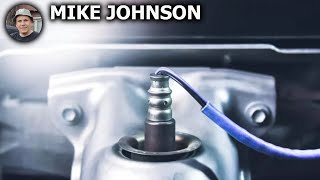
Typical fix: Replace the Bank 1, Sensor 2 oxygen sensor. This is the sensor located after the catalytic converter. 🎬 Watch: See the exact location of the downstream sensor.
Est. part cost: $50-$100 - Exhaust System Leak 🟡 Medium Probability Cracks in the exhaust manifold or, more commonly, leaks at the flexible pipe section before the sensor can let outside air into the exhaust stream. This unmetered oxygen makes the sensor's reading appear slow or biased.
How to confirm: Perform a visual inspection of the exhaust system from the engine to the tailpipe, looking for black soot marks, cracks, or holes. Listen for hissing or puffing sounds with the engine running. A smoke test is the most effective way to pinpoint the exact location of a small leak.
Typical fix: Repair the leak. This may involve replacing a gasket, welding a crack, or replacing the leaking section of pipe (like the flex pipe).
Est. part cost: $20-$300 - Damaged Wiring or Corroded Connector ⚪ Low Probability
How to confirm: Visually inspect the O2 sensor's wiring harness from the sensor to where it connects to the main harness. Look for any signs of melting, chafing, or breaks. Unplug the connector and check for corrosion on the pins. Water intrusion from a large puddle has been anecdotally reported to cause sensor circuit issues.
Typical fix: Repair the damaged section of wire or clean/replace the connector.
Est. part cost: $10-$50
Rare But Worth Checking
- Blown Fuse: The O2 sensor's internal heater runs on a fused circuit. Check the fuse box in the engine bay for a fuse labeled 'SENSOR' or similar (often 'SENSOR 1'). A blown heater fuse will prevent the sensor from warming up properly, causing a slow response. This is a quick and easy check before replacing parts.
- PCM Software Issue: In some cases, the vehicle's computer may have overly sensitive parameters for monitoring the sensor. A software update from a Hyundai dealer could potentially resolve the issue, though this is not a widely documented problem for this specific code on the Elantra.
Diagnosis Steps
- Read the code with an OBD-II scanner to confirm P0139 is the primary code present.
- Check for any other codes. If codes like P0141 (heater circuit) are present, address them first as they directly impact the sensor's ability to function.
- Perform a thorough visual inspection of the exhaust system. Look for cracks, holes, or black soot stains indicating a leak, especially around the exhaust manifold, flex pipe, and catalytic converter flanges.
- Inspect the O2 sensor wiring and connector. The connector for the downstream sensor is located on the top side of the engine, not under the car. Look for any signs of melting from contact with the exhaust, chafing against the chassis, or corrosion in the connector pins.
- Check the fuse for the O2 sensor heater circuit in the engine compartment fuse box, often labeled 'SENSOR 1'.
- (Advanced) Use a scan tool with live data graphing to observe the Bank 1 Sensor 2 voltage. At operating temperature, it should switch slowly and smoothly, typically between 0.1V and 0.9V. A flatlined or erratically switching voltage indicates the sensor is likely bad. A healthy downstream sensor will show much slower, less frequent fluctuations compared to the upstream Sensor 1.
- If no leaks, wiring damage, or blown fuses are found, the downstream O2 sensor is the most likely culprit and should be replaced.
- After replacement, clear the code with the scanner and perform a drive cycle to ensure the code does not return.
Parts You'll Likely Need
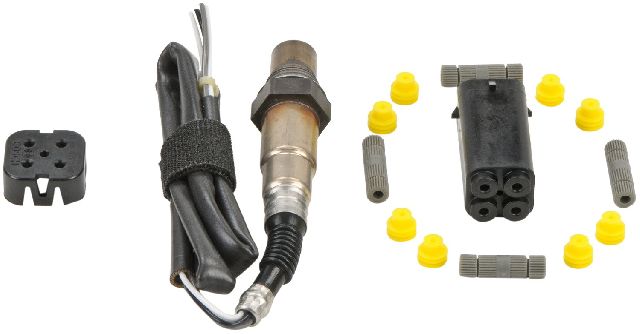
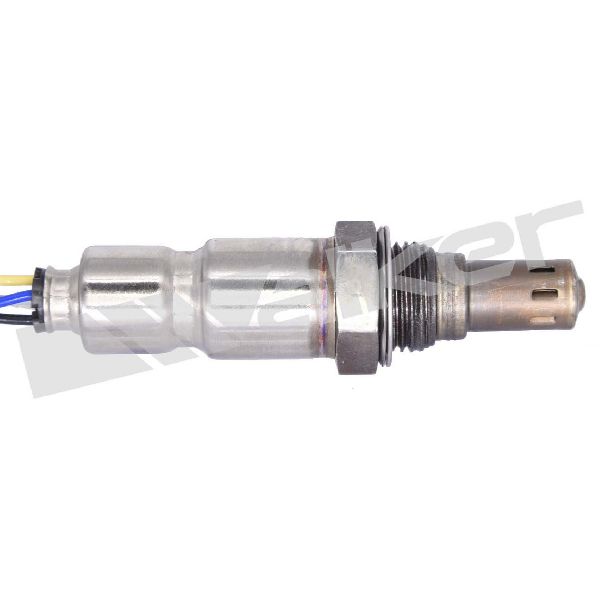
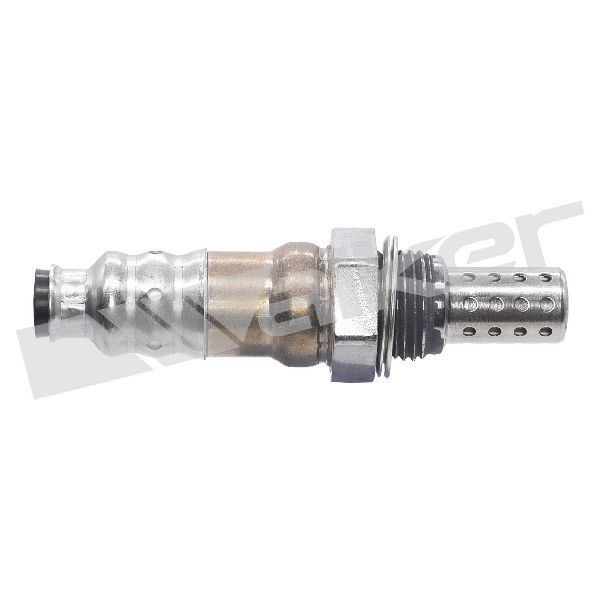
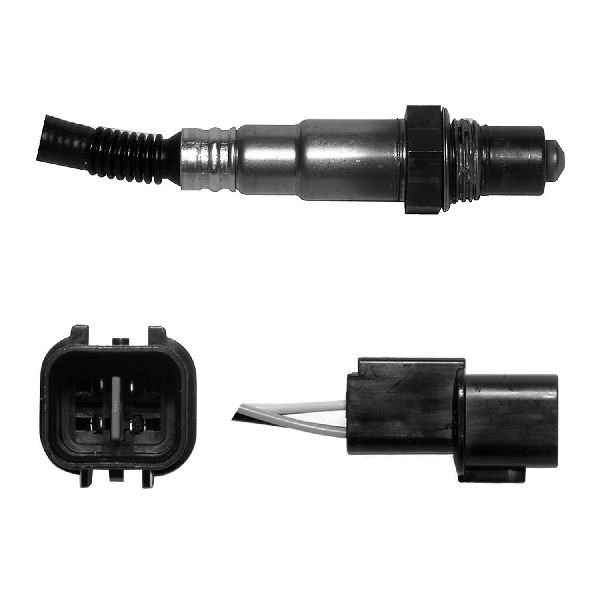
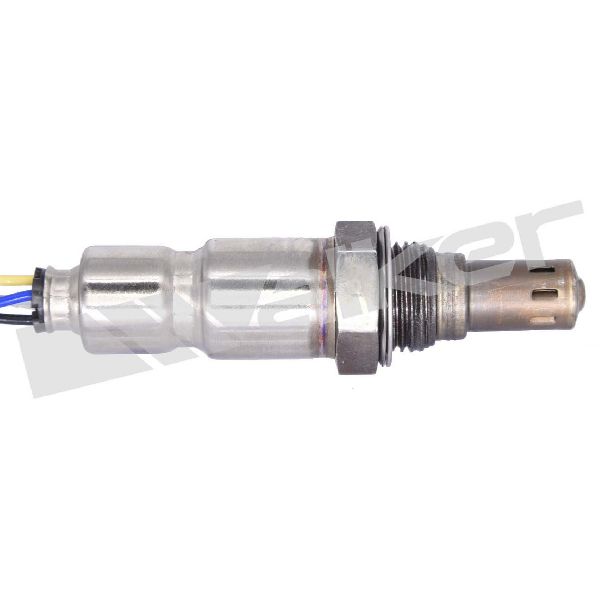
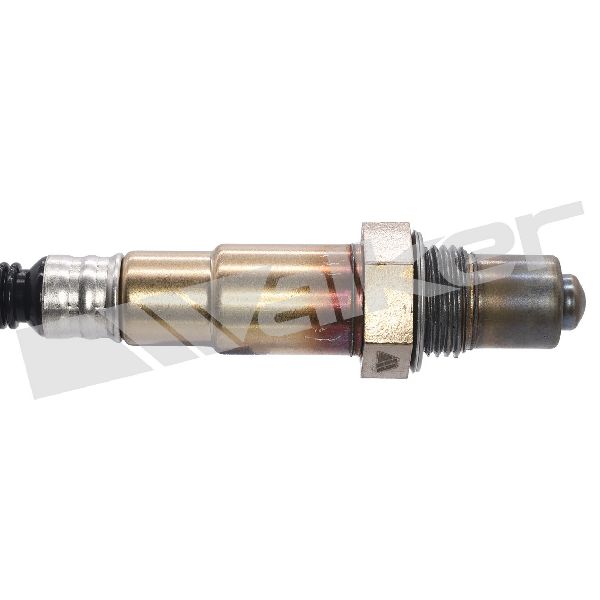
- Downstream Oxygen Sensor (Bank 1, Sensor 2)
(OEM #39210-2E200)— This sensor is a common wear item and is the direct cause of code P0139 in the vast majority of cases for the 2011-2016 Elantra. This part number fits many 2011-2016 Elantra models with both 1.8L and 2.0L engines, but always verify with VIN.
Trusted brands: Denso, NGK/NTK, Bosch, Walker Products
OEM price range: $150-$250
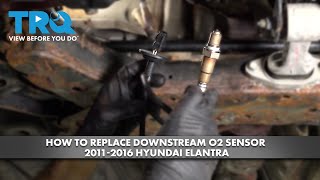
Aftermarket price range: $50-$100 - Oxygen Sensor Socket — A special slotted socket (usually 22mm or 7/8") is often required to remove and install the oxygen sensor without damaging its wire. 🎬 See this walkthrough for replacing the downstream O2 sensor.
Trusted brands: Lisle, OEMTOOLS, GearWrench
Aftermarket price range: $10-$25
Related Codes That Often Appear With This One
- P0141 — P0141 indicates a failure in the heater circuit of the same O2 sensor (Bank 1, Sensor 2). A failed heater will prevent the sensor from reaching operating temperature quickly, causing it to respond slowly and trigger P0139.
- P0420 — A slow-responding downstream O2 sensor (P0139) can no longer accurately report on the catalytic converter's function, often leading the PCM to incorrectly flag the converter as inefficient (P0420). Always diagnose and fix P0139 first if both codes are present.
Technical Service Bulletins (TSBs) & Recalls
- 21-01-023H-2 (Campaign 966): Service campaign for an engine monitoring logic (knock sensor) update on certain 2014-2016 Elantra models with the 2.0L GDI engine. This is not a direct fix for P0139.
- 21-EM-002H: This TSB extends the warranty for the engine short block on some 1.8L Nu engines due to piston slap noise, a known issue on these cars. Not related to P0139 but a significant platform issue.
- 18-AT-004: Details a diagnostic procedure for harsh or delayed shifts in the 6-speed automatic transmission used in this generation Elantra.
Platform-Specific Known Issues
- While not directly related to P0139, some 2014-2016 Elantra models with the 2.0L GDI engine were part of a service campaign (TSB 21-01-023H-2, Campaign 966) for a knock sensor software update (KSDS) to detect engine bearing issues (related to code P132600). It's worth checking if this campaign is open for your vehicle.
Mechanic-Grade Diagnostic Values
- Downstream O2 Sensor Heater Element Resistance — expected: 2.5 - 4.0 Ω at 20°C (68°F). Failure: Infinite resistance (Open Loop) or a reading far outside the expected range indicates a burned-out heater element.
- Downstream O2 Sensor Voltage (Live Data) — expected: A healthy downstream sensor's voltage should fluctuate constantly but slowly between 0.1 and 0.9 volts when the engine is warm. It should be relatively stable compared to the rapid switching of the upstream sensor.. Failure: A voltage that is stuck, flat-lined, or switches as rapidly as the upstream sensor indicates a problem.
- PCM Failure Condition (During Fuel Cut-Off) — expected: During deceleration fuel cut-off, the sensor voltage should drop below 0.2 volts.. Failure: The ECM will set code P0139 if the sensor voltage fails to drop below 0.2 volts for 7 seconds or more during a fuel cut-off event.
Wiring & Ground Locations
- Downstream O2 Sensor Connector — The electrical connector for the downstream O2 sensor is not under the car. The wire runs up into the engine bay, and the connector is located on the top side of the engine, usually a black plug attached to a metal tab near the back.. Technicians may waste time looking for the connector near the sensor under the vehicle. Knowing it's in the engine bay speeds up electrical testing and replacement.
- ECM/PCM Ground — The main engine control grounds are typically located on the chassis in the engine compartment. On many Hyundais, key grounds are found on the inner fender/shock tower area and near the transmission housing. Specifically, look for ground points labeled GE01, GE03, etc., in wiring diagrams.. A poor engine control ground can cause floating voltage references and erratic sensor readings, potentially mimicking a slow sensor response. Verifying these grounds are clean and tight is a crucial step in advanced diagnostics.
- B1S2 ECM Pinout — On the ECM harness connector, the signal wire for the downstream O2 sensor (U2) is typically a black wire at pin 86.. This pin number allows a technician to test for continuity and voltage directly at the ECM, definitively ruling out any wiring issues between the sensor and the computer.
Real Owner Repair Stories
- YourMechanic Q&A (Hyundai with ~57,000 miles) — Check engine light with code P0139.
❌ Tried (didn't work) Replacing the downstream oxygen sensor at the dealership.
✅ What actually fixed it The code returned the next day. A technician suggested the cause could be a leaking EVAP vent solenoid allowing fuel vapors into the exhaust during the O2 sensor test, which makes the sensor appear slow. The final fix was to have the EVAP vent valve checked for leaks. - Car Talk Community (2003 Hyundai Elantra) — Check engine light, code P0139.
❌ Tried (didn't work) Took car to a dealer who quoted $820 to replace the sensor and fix a supposed exhaust manifold leak.
✅ What actually fixed it The owner's daughter had the same code on her Elantra, and a simple replacement of the rear O2 sensor by her husband fixed the problem. The advice given was to get a second opinion from an independent shop, as sensor failure is the most common cause.
When the Usual Fixes Don't Work
- While the vast majority of P0139 codes on this Elantra are fixed by replacing the downstream O2 sensor, there are documented cases where the code returned immediately. In one such instance, the root cause was suspected to be a leaking EVAP vent solenoid. This solenoid was allowing un-commanded fuel vapor into the engine during the PCM's O2 sensor diagnostic test, which skewed the exhaust gas composition and made the new sensor appear 'slow'. This highlights the need to consider indirect causes if a direct replacement of the sensor does not resolve the code.
OEM Part Supersession History
39210-2E200→N/A— This part number appears to be stable for the specified vehicle range.
Heads up: This part number is listed for both upstream and downstream positions depending on the specific federal or California emissions package and engine type (1.8L vs 2.0L). It is critical to verify the correct application using the vehicle's VIN, as using an upstream sensor in the downstream position (or vice-versa) can cause codes.
Model Year Variations Within This Range
- 2011-2013: Primarily equipped with the 1.8L Nu MPI engine (148 hp).
- 2014-2016: A mid-cycle refresh occurred in 2014. The 1.8L engine's output was slightly reduced to 145 hp. More significantly, a 2.0L Nu GDI engine (173 hp) became available in higher-end sedans and the Elantra GT. While the P0139 diagnosis is similar, part numbers for sensors and exhaust components may differ between the 1.8L and 2.0L engines.
Diagnostic Flowchart
Other Known Issues on This Vehicle
Issues unrelated to this code that are worth knowing about as an owner of this generation:
- Engine Ticking / Piston Slap (1.8L Nu Engine) 🔴 High — Common, especially on cold starts. Can begin as early as 60,000 miles. Caused by issues with piston skirt coating and connecting rod finishing. (Ref: TSB 21-EM-002H (Warranty Extension); Canadian TSB 12-20-002)
- Steering Coupler Failure 🟠 Medium — Very common, typically appears after 70,000 miles. Causes a clicking or clunking noise in the steering column when turning. (Ref: No recall, but a well-documented failure. The flexible rubber coupler (part #56315-2K000-FFF) disintegrates. It is an inexpensive part but can be labor-intensive to replace.)
- Peeling White Paint 🟡 Low — Widespread issue on vehicles with white paint, where paint delaminates and peels in large sheets. (Ref: Hyundai offered a warranty extension in the US (e.g., Z05 for 2015-2018 models), but coverage for this generation may be expired or require goodwill assistance from the dealer.)
- Premature Brake Wear 🟡 Low — Often reported by owners that pads and rotors wear out faster than expected, sometimes under 20,000 miles.
- Harsh or Delayed Automatic Transmission Shifts 🟠 Medium — Some owners experience issues with the 6-speed automatic transmission's shift quality. (Ref: TSB 18-AT-004 provides a diagnostic procedure for shops to analyze shift engagement times.)
Used vs. New Parts: Buying Guide for This Vehicle
When a used part is the smart pick: A used part is generally not recommended for the oxygen sensor itself, as it is a wear-and-tear item with a finite lifespan. However, obtaining used exhaust components like a flex pipe or manifold from a low-mileage donor car can be a cost-effective way to fix an exhaust leak that is causing the code.
Donor-vehicle mileage cap: roughly under 60000 miles for the part to have meaningful remaining life.
What to inspect on the donor part:
- For exhaust pipes/manifolds: Check for the absence of rust, cracks (especially near welds), and heavy soot.
- Ensure the donor vehicle is from a dry, non-salt-belt region to minimize corrosion.
- Verify the donor vehicle has a clean title and no record of engine fires or major front-end damage.
Aftermarket brands forum-validated for this vehicle:
- For Oxygen Sensors: Denso and NGK (also sold as NTK) are highly regarded as OEM suppliers and are the most recommended aftermarket choices for reliability and proper function.
Brands owners have reported issues with on this vehicle:
- Unnamed or generic 'white box' sensors from online marketplaces. While cheap, they often have incorrect heater resistances or slow response times out of the box, leading to the code returning and a more complicated diagnosis.
Real Owner Stories
Aggregated from forums and TSBs cited above. Mileages and costs reflect what owners reported in those sources.
2010 Hyundai Elantra
Symptoms: P0139 O2 sensor circuit slow response (Bank 1/Sensor 2) code present.
What fixed it: Replacing the rear (downstream) O2 sensor.
Source hint: Car Talk Community - 'P0139 O2 sensor circuit slow reponse (Bank 1/Sensor 2)'
2005 Hyundai Elantra
Symptoms: Replaced the downstream O2 sensor but the code returned.
What fixed it: The owner highlighted the need to check wiring and perform a full diagnostic rather than just replacing the sensor.
Source hint: Reddit r/AskMechanics - 'Hyundai Elantra 2005 O2 Downstream Sensor Issue (Code P0038)'
2011-2016 Hyundai Elantra — ~85000 miles
Symptoms: Check Engine Light on; sensor failing to switch quickly between ~0.1V and ~0.9V on a scan tool.
What fixed it: Replacement of the Bank 1, Sensor 2 oxygen sensor.
Source hint: Article Context Pass 4 (Common Causes - Failing or Aged Downstream O2 Sensor)
Related OBD-II Codes
Frequently Asked Questions
Does the service campaign for the knock sensor (TSB 21-01-023H-2) fix my P0139 code on a 2014 Elantra?
Where is the downstream O2 sensor connector located on the 2011-2016 Elantra?
Is there a specific part number for the O2 sensor if I also own a Kia Forte?
Could a blown fuse cause my P0139 code?
My 1.8L Elantra has a ticking noise and a P0139 code; are they related?
How common is O2 sensor failure on the Elantra after 80,000 miles?
Helpful Videos
We Have This Part in Stock

The information in this article is provided for general reference and educational purposes only. Vehicle specifications, procedures, and part compatibility can vary by production date, trim level, and region. Always consult your vehicle's factory service manual and verify part numbers before purchasing or performing repairs. Safety-critical components such as airbags, seat belts, and braking systems should be installed by a qualified professional.
- Hyundai Elantra:
- 🎬 Helpful Videos
- 🛍️ Shop This Part
- What's Unique About the 2011-2016 Hyundai Elantra
- Symptoms You May Notice
- Most Likely Causes
- Rare But Worth Checking
- Diagnosis Steps
- Parts You'll Likely Need
- Related Codes That Often Appear With This One
- Technical Service Bulletins (TSBs) & Recalls
- Platform-Specific Known Issues
- Mechanic-Grade Diagnostic Values
- Wiring & Ground Locations
- Real Owner Repair Stories
- When the Usual Fixes Don't Work
- OEM Part Supersession History
- Model Year Variations Within This Range
- Diagnostic Flowchart
- Other Known Issues on This Vehicle
- Used vs. New Parts: Buying Guide for This Vehicle
- Real Owner Stories
- 2010 Hyundai Elantra
- 2005 Hyundai Elantra
- 2011-2016 Hyundai Elantra — ~85000 miles
- Related OBD-II Codes
- Frequently Asked Questions
- 🎟️ Get 5% Off