

P0139 on 2011-2013 Chevrolet Express: O2 Sensor Slow Response Causes and Fixes
This code is most often caused by a failing downstream oxygen sensor on the driver's side (Bank 1, Sensor 2). A specific GM recall (14096A) was issued for this exact problem on 2011-2013 Express and Savana vans, where condensation can crack the sensor. The official fix is replacing both rear O2 sensors and reprogramming the ECM. A new OEM sensor costs around $50-$90.
- Your first step should be to check if GM Recall #14096A is open for your van, as the repair may be covered free of charge by a dealer.
- The most likely cause is a faulty Bank 1 Sensor 2 (downstream, driver's side) oxygen sensor, which may have fractured internally.
- Before replacing the sensor yourself, always inspect for exhaust leaks between the engine and the sensor, as a leak can mimic a bad sensor.
- When replacing the sensor, use a quality part from brands like ACDelco, Denso, or Bosch for best results.
- The repair may require an ECM reprogram, which is part of the official recall procedure.
What's Unique About the 2011-2013 Chevrolet Express
For the 2011-2013 Express and Savana vans with gasoline engines, this code is directly addressed by a General Motors Voluntary Emission Recall (bulletin #14096A). The recall notes that condensation from the catalytic converter can enter the rear oxygen sensors, causing a sudden temperature change that may fracture the sensor's internal components. This leads to a slow response and triggers the P0139 code. The official GM fix involves replacing both rear O2 sensors (Bank 1 Sensor 2 and Bank 2 Sensor 2) and reprogramming the engine's computer to prevent future issues.
Symptoms You May Notice
- Check Engine Light is illuminated.
- Vehicle fails an emissions test.
- Potential for slightly reduced fuel economy.
- In rare cases, slight engine hesitation or stumbling after decelerating.
- Rough transition when cruising at a steady speed.
- Replacing the O2 sensor without first checking for exhaust leaks. An exhaust leak will cause the new sensor to read incorrectly as well, leading to the code returning.
- Replacing the wrong O2 sensor. P0139 is for Bank 1 (driver's side) and Sensor 2 (downstream, after the catalytic converter). Do not confuse it with Sensor 1 (upstream) or Bank 2 (passenger's side).
- Using a cheap, low-quality aftermarket O2 sensor. Many owners report that non-OEM sensors can fail quickly or not meet the precise response times required by the ECM, causing the code to return.
Most Likely Causes
- Failing or Fractured Bank 1, Sensor 2 Oxygen Sensor 🔴 High Probability A specific GM recall (#14096A) was issued because condensation can cause the rear O2 sensors on these vans to fracture internally, leading to a slow response. Even without fracture, O2 sensors are wear items that degrade over time, typically after 60,000-100,000 miles.
How to confirm: First, check with a GM dealer using your VIN to see if recall #14096A is open or was completed. If the sensor is original and the code is present, the sensor is the most likely failure point. A technician can confirm by watching the sensor's voltage on a scan tool during a 'snap throttle' test; a slow reaction confirms the diagnosis. A healthy downstream sensor's voltage will be relatively stable, while a slow sensor will be lazy to change or flat-lined. 🎬 Watch: A helpful guide on diagnosing O2 sensor slow response.
Typical fix: Replace the Bank 1, Sensor 2 (downstream, driver's side) oxygen sensor. If the recall work was not performed, the dealer should replace both rear sensors and reprogram the ECM at no charge. It is highly recommended to use OEM ACDelco or other high-quality brand sensors, as some aftermarket sensors are known to not function as well.
Est. part cost: $45-$90 for an OEM ACDelco sensor. - Exhaust System Leak 🟡 Medium Probability Exhaust manifold bolts on the GM V8 engines (4.8L, 5.3L, 6.0L) are notoriously prone to breaking, especially the rear-most bolts. This creates a leak that allows outside oxygen into the exhaust stream, skewing the O2 sensor's readings and making it appear slow.
How to confirm: Perform a visual inspection of the exhaust system from the engine to the sensor. Look for black soot stains around flanges and gaskets. Listen for a 'ticking' or 'puffing' noise, especially when the engine is cold. A smoke test can definitively identify the location of a leak. For broken manifold bolts, a visual inspection of the cylinder head is required; often the bolt head will be completely gone.
Typical fix: Replace the leaking gasket or repair the cracked pipe/manifold. For broken manifold bolts, the broken stud must be extracted (often by welding a nut to it) and replaced. In difficult-to-reach spots, special repair brackets (like the Dorman 917-107 or KAP169) can be used to clamp the manifold without extracting the bolt.
Est. part cost: $10-$50 for gaskets, or $30-$50 for a manifold repair bracket. - Damaged Wiring or Connector ⚪ Low Probability The sensor wiring runs under the vehicle and is exposed to heat, moisture, and road debris, which can cause corrosion, melting, or physical damage over time.
How to confirm: Visually inspect the O2 sensor's wiring harness and connector. Look for melted insulation, chafed or broken wires, and corrosion or moisture inside the connector pins. Use a multimeter to check for continuity and proper voltage at the connector to rule out an open or short in the harness.
Typical fix: Repair the damaged section of wire or clean the connector terminals. If the connector itself is damaged, it may need to be replaced with a pigtail.
Est. part cost: $15-$40 for a new connector pigtail.
Rare But Worth Checking
- Engine Control Module (ECM) Software Update Needed: The official GM recall #14096A includes an ECM reprogram as a mandatory step. If the sensors were replaced but the ECM was not updated, the code could potentially return as the new sensors may operate on slightly different parameters than the original software expects.
- Leaking Fuel Injector: A leaking fuel injector on Bank 1 can create a persistent rich condition that fouls the O2 sensor with carbon or unburnt fuel, slowing its response. This would likely be accompanied by other codes like P0172 (Rich Fuel Trim, Bank 1) and may cause a noticeable fuel smell from the exhaust.
- Internal ECM Fault: In very rare cases, the signal-processing circuitry within the Powertrain Control Module (PCM/ECM) can degrade, causing a delay in interpreting the sensor's signal even if the sensor and wiring are perfectly fine. This would typically be the last item to check after all other possibilities are exhausted.
Diagnosis Steps
- Check for Recalls: Contact a GM dealership with your VIN or use the NHTSA website to check if Emission Recall #14096A is open for your vehicle. If it is, the repair (both rear O2 sensors and ECM reprogram) should be performed by the dealer at no cost.
- Inspect for Exhaust Leaks: Visually and audibly inspect the entire exhaust system on Bank 1 (driver's side) for leaks. Pay close attention to the exhaust manifold bolts at the cylinder head for signs of breakage (missing heads, soot trails). Also check flanges and gaskets. Listen for ticking sounds when the engine is cold.
- Inspect Wiring: Carefully examine the wiring harness and connector for the Bank 1, Sensor 2 O2 sensor. Check for any signs of melting, chafing, corrosion, or loose pins.
- Analyze Live Data: Using an OBD-II scanner, monitor the voltage for 'O2S B1S2'. At a steady idle on a warm engine, the voltage should be relatively stable (not switching rapidly like the upstream sensor). Perform a few quick 'snap throttle' tests (revving the engine slightly and letting it fall). The sensor's voltage should change within 1-2 seconds. If it's stuck or very slow to react, it confirms a bad sensor.
- Replace the Sensor: If the recall has already been performed and the wiring and exhaust are in good condition, replace the Bank 1, Sensor 2 oxygen sensor. Use an O2 sensor socket for easier removal. 🎬 Watch: This video shows how to replace the O2 sensor.
- Clear Codes: After the repair, clear the trouble codes with a scanner and perform a drive cycle to ensure the code does not return.
Parts You'll Likely Need
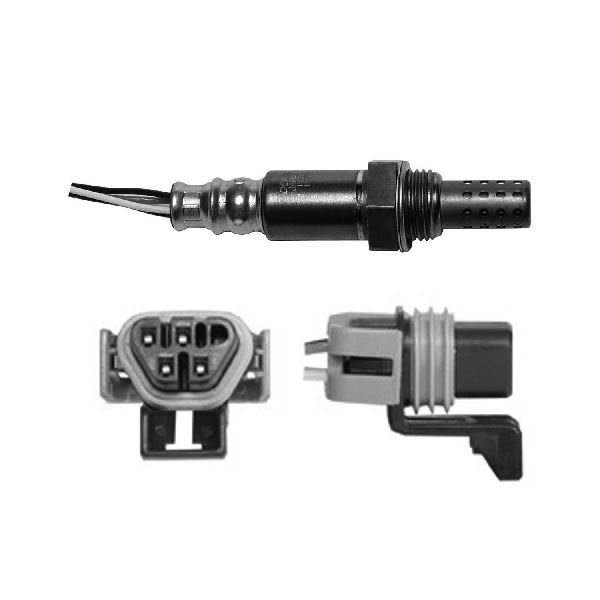
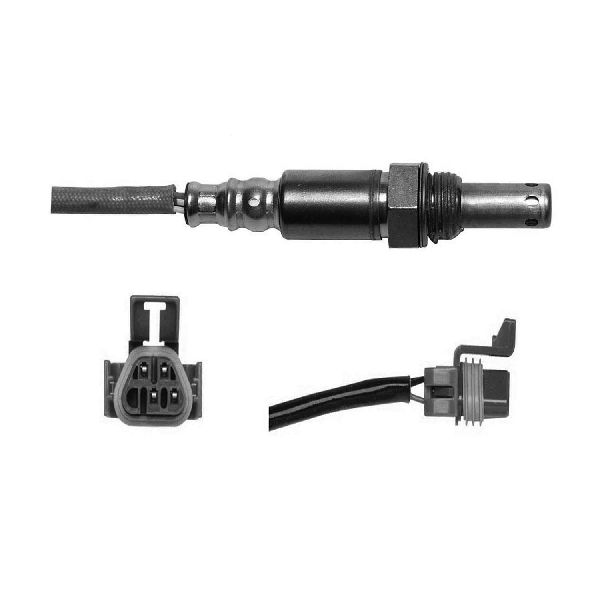
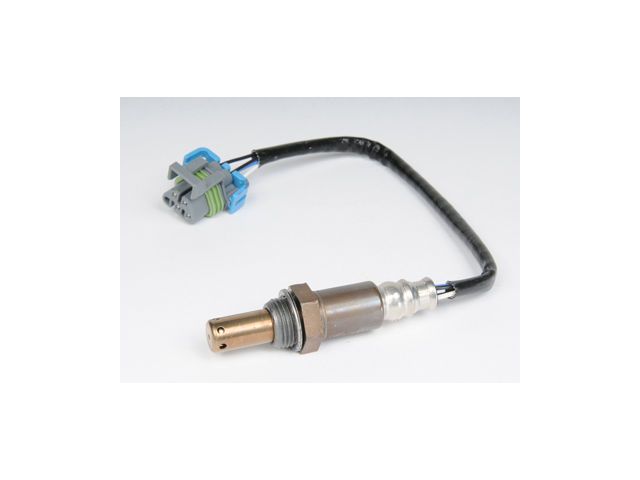
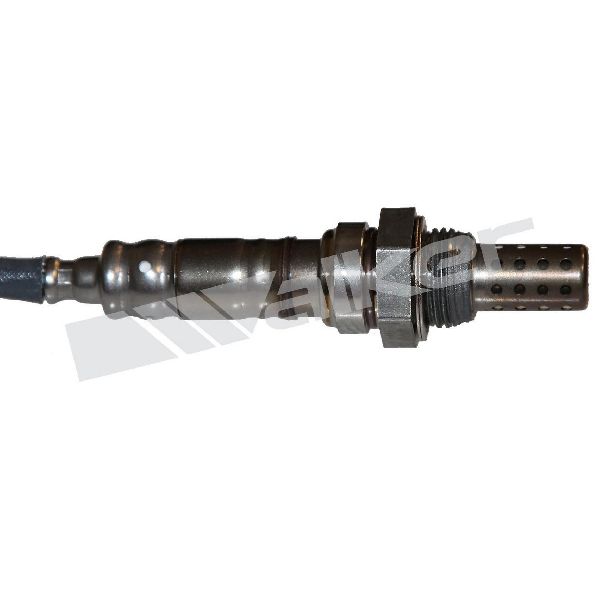
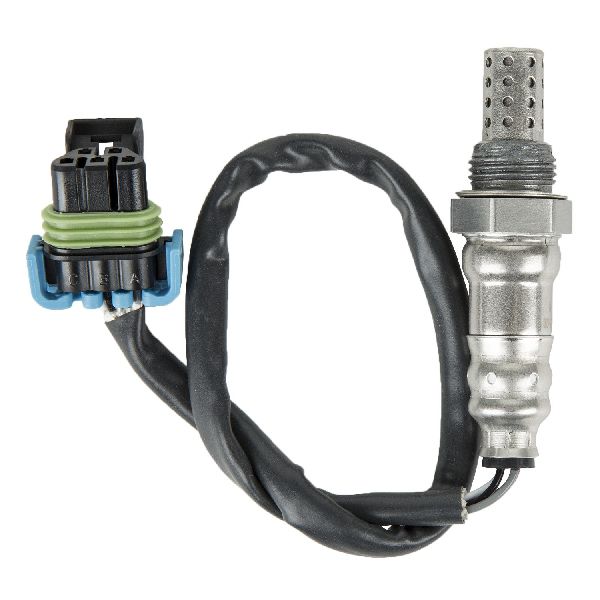
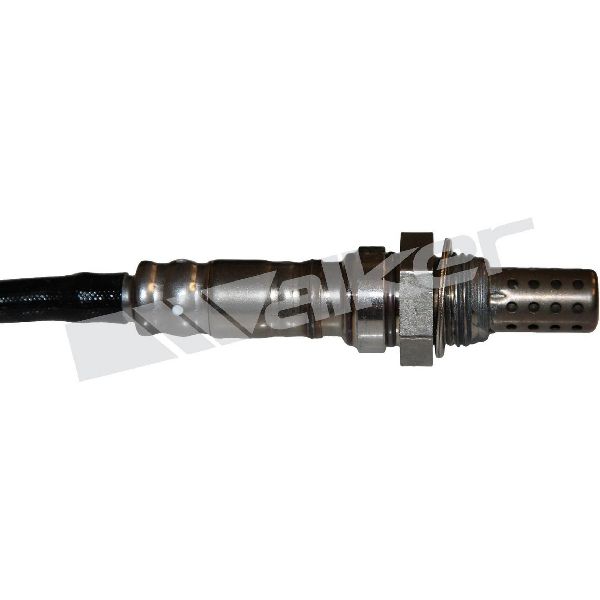
- Oxygen Sensor (Bank 1, Sensor 2)
(OEM #12666673)— This is the component identified by the trouble code and is the subject of a manufacturer recall for a high failure rate on this specific vehicle. Note: Part numbers can vary by specific engine and emissions package; always verify with VIN. This part number is also listed as ACDelco 213-4764 in some catalogs.
Trusted brands: ACDelco (OEM), Denso, Bosch, NTK
OEM price range: $45-$90
Aftermarket price range: $35-$75
Related Codes That Often Appear With This One
- P0159 — P0159 is the same 'Slow Response' code but for Bank 2, Sensor 2 (passenger side). The GM recall #14096A addresses both rear sensors, as the condensation issue can affect both sides, making it common for both codes to appear together.
- P0420 — P0420 indicates 'Catalyst System Efficiency Below Threshold (Bank 1)'. A slow or failing B1S2 sensor can no longer accurately report on the catalytic converter's health, which can sometimes lead to a false P0420 code. Conversely, a failing catalytic converter can sometimes cause the downstream O2 sensor to respond slowly.
Technical Service Bulletins (TSBs) & Recalls
- 14096A: Voluntary Emission Recall for rear O2 sensor fracture and ECM reprogram. The bulletin specifies replacing both Bank 1 Sensor 2 and Bank 2 Sensor 2.
Platform-Specific Known Issues
- GM Voluntary Emission Recall #14096A: Affects 2011-2013 Express/Savana vans with gasoline engines. The rear O2 sensors are prone to fracturing from thermal shock caused by condensation from the catalytic converter. The official fix is to replace both rear O2 sensors and reprogram the ECM.
- Broken Exhaust Manifold Bolts: The V8 engines in these vans are well-known for breaking exhaust manifold bolts, especially at the rearmost cylinder on either bank. This causes an exhaust leak that can mimic the symptoms of a slow O2 sensor and trigger a P0139 code.
Mechanic-Grade Diagnostic Values
- Downstream O2 Sensor (B1S2) Voltage at Idle (Warm Engine) — expected: Relatively stable voltage between 0.4V and 0.6V.. Failure: Voltage is stuck, flat-lined, or switches very slowly when the throttle is snapped.
- Downstream O2 Sensor (B1S2) Voltage during Deceleration Fuel Cut-Off — expected: Voltage should drop below 0.2 volts promptly.. Failure: The ECM will set code P0139 if the sensor voltage fails to drop below 0.2 volts for 7 seconds or more during fuel cut-off.
- O2 Sensor Heater Circuit Resistance — expected: Typically 2-4 Ω between the two heater circuit pins on the sensor connector (engine off).. Failure: An open circuit (infinite resistance) or resistance far outside the specified range indicates a failed heater.
- O2 Sensor Signal Circuit Resistance — expected: Less than 5 Ω from the sensor harness connector to the corresponding pin at the ECM.. Failure: Resistance values above 5 Ω suggest corrosion or damage in the wiring harness, which can slow the signal.
Scan Tool Commands That Help
- GDS2 / Tech2 or equivalent professional scanner: Graphing Live Data for B1S2 Voltage — This is the primary method to diagnose a slow response. By graphing the voltage and performing 'snap throttle' tests, a technician can visually confirm if the sensor's response time is lagging. A healthy sensor's voltage should change almost immediately, while a slow one will have a lazy, delayed curve.
- GDS2 / Tech2: Engine Control Module (ECM) Reprogramming — This is a mandatory step in GM's recall #14096A. It must be performed after replacing the rear O2 sensors to update the software logic that monitors them. This can only be done with dealer-level tools or specialized J2534 pass-thru equipment.
Wiring & Ground Locations
- Engine Block Ground — On V8 models, a primary ground cable runs from the negative battery terminal to the front of the passenger side engine block. There is often another ground strap from the rear of the driver's side cylinder head to the body/firewall.. The O2 sensor's signal is a low-voltage reading relative to ground. A corroded or loose engine ground can create a poor reference, adding resistance to the circuit and slowing down the signal's return to the ECM, which can be misinterpreted as a slow sensor.
- Frame/Chassis Ground — A ground cable often runs from the engine block connection point to the vehicle frame on the passenger side. Another ground point is commonly found on the frame under the driver's side floorboard area.. Maintains a solid ground path between the engine, body, and battery negative terminal, ensuring all sensors have a stable ground reference.
- B1S2 Connector — On the driver's side exhaust pipe, after the catalytic converter. It is a 4-terminal male connector, often black and blue.. This is the direct connection point for the sensor. It is exposed to road debris and heat, making it a potential point of failure due to corrosion, melted plastic, or damaged pins.
Real Owner Repair Stories
- Chevrolet Forum user (2015 Chevrolet Express 3500 6.0L (Same GMT610 platform and engine family)) — A slight exhaust 'tick' noise, especially when cold.
✅ What actually fixed it The owner identified the cause of the tick was a broken exhaust manifold bolt on the driver's side rear cylinder. As a temporary fix, the owner installed a manifold clamp bracket to seal the leak without having to extract the broken bolt. This addresses the root cause of a leak that commonly triggers P0139.
OEM Part Supersession History
15856795→20776808— This is the part number for the main engine ground strap for the 6.0L V8. The part was superseded to an updated design.
Heads up: The new part number (20776808) is the correct replacement for the original. This is a critical part to inspect if a bad ground is suspected as the cause of the P0139 code.N/A→N/A— Application Note
Heads up: The ACDelco sensor 213-4764, which is the correct downstream sensor for this Express van, is also listed as the UPSTREAM sensor for other GM vehicles like the Chevrolet Cruze. While the part may look identical, it's crucial to verify the application to avoid installing a sensor with the wrong calibration.
Diagnostic Flowchart
Other Known Issues on This Vehicle
Issues unrelated to this code that are worth knowing about as an owner of this generation:
- Fuel Level Sensor Failure 🟠 Medium — Very common. The fuel gauge becomes erratic or reads empty, often triggering code P0463. The issue is the sensor on the fuel pump module inside the tank. (Ref: There was a special coverage program for earlier models, but it may not apply to 2011-2013. Diagnosis involves checking sensor resistance (typically 40 ohms empty, 250 ohms full).)
- Broken Exhaust Manifold Bolts 🔴 High — Extremely common on the 4.8L, 5.3L, and 6.0L V8 engines. The bolt heads snap off, usually at the front-most or rear-most positions, causing an exhaust leak (ticking noise).
- Intake Manifold Gasket Leaks 🟠 Medium — Common issue where the gasket fails, leading to external oil or coolant leaks. In worse cases, it can cause an internal leak mixing coolant and oil.
- Failing A/C Compressor or Blend Door Actuators 🟡 Low — A/C system failures are frequently reported, either from the compressor itself failing or from blend door actuators that click or fail to direct airflow properly.
- Corrosion/Shorts in CNG Fuel System (CNG Models Only) 🔴 High — Specific to vans equipped with the factory Compressed Natural Gas (CNG) system. Connectors can corrode, leading to a risk of fire. (Ref: Safety Recall #13139 / NHTSA 13V225000.)
Used vs. New Parts: Buying Guide for This Vehicle
When a used part is the smart pick: For this code, a used part is almost never a good choice for the oxygen sensor itself, as it is a wear-and-tear item with a finite lifespan. However, sourcing a used wiring harness pigtail from a salvage yard is a smart and cost-effective repair for a physically damaged or melted connector.
Donor-vehicle mileage cap: roughly under 80000 miles for the part to have meaningful remaining life.
What to inspect on the donor part:
- When sourcing a used wiring pigtail, inspect for any signs of melted plastic, brittle insulation, or corrosion on the pins.
- Ensure the locking tab on the connector is intact and functional.
- Choose a donor vehicle from a dry climate if possible to minimize the risk of corrosion.
OEM-only on this vehicle (don't cheap out):
- Oxygen Sensor: While not strictly 'OEM-only', using a high-quality OEM (ACDelco) or reputable OE-equivalent (Denso, NTK) sensor is strongly recommended. Cheaper, unbranded aftermarket sensors are notorious for failing prematurely or having response characteristics that don't match the ECM's expectations, causing the code to return.
Aftermarket brands forum-validated for this vehicle:
- ACDelco (OEM)
- Denso
- NTK
- Bosch
Brands owners have reported issues with on this vehicle:
- Unbranded or 'white-box' sensors from online marketplaces are frequently reported by mechanics to be unreliable.
Real Owner Stories
Aggregated from forums and TSBs cited above. Mileages and costs reflect what owners reported in those sources.
2015 Chevrolet Express 6.0L
Symptoms: Owner experienced a broken rear manifold bolt and an audible exhaust tick.
What fixed it: Used an aftermarket clamp bracket as a temporary fix to stop the exhaust tick.
Source hint: Chevrolet Forum - Chevy Enthusiasts Forums thread titled 'Broken exhaust manifold bolt'
2011-2013 Chevrolet Express (Gasoline) — ~80000 miles
Symptoms: Internal fracture of the rear oxygen sensors caused by thermal shock from condensation.
What fixed it: Dealer replacement of both Bank 1 Sensor 2 and Bank 2 Sensor 2 oxygen sensors and an ECM reprogram.
Source hint: GM Voluntary Emission Recall #14096A
Related OBD-II Codes
Frequently Asked Questions
Is there a recall for the oxygen sensors on my 2011-2013 Chevrolet Express?
I hear a ticking noise when my Express engine is cold; could this be related to P0139?
Which specific sensor do I need to check for a P0139 code on my Chevy Express?
Can I use any aftermarket O2 sensor to fix this issue?
If I have a broken manifold bolt, do I have to extract it to fix the P0139 code?
Helpful Videos
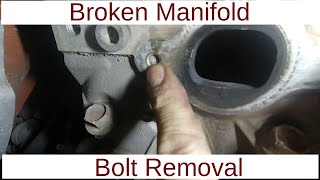
![How to Fix P0139 Engine Code in 3 Minutes [2 DIY Methods / Only $8.24]](https://img.youtube.com/vi/g77Y54ne4u4/mqdefault.jpg)
We Have This Part in Stock

The information in this article is provided for general reference and educational purposes only. Vehicle specifications, procedures, and part compatibility can vary by production date, trim level, and region. Always consult your vehicle's factory service manual and verify part numbers before purchasing or performing repairs. Safety-critical components such as airbags, seat belts, and braking systems should be installed by a qualified professional.
- Chevrolet Express:
- 🎬 Helpful Videos
- 🛍️ Shop This Part
- What's Unique About the 2011-2013 Chevrolet Express
- Symptoms You May Notice
- Most Likely Causes
- Rare But Worth Checking
- Diagnosis Steps
- Parts You'll Likely Need
- Related Codes That Often Appear With This One
- Technical Service Bulletins (TSBs) & Recalls
- Platform-Specific Known Issues
- Mechanic-Grade Diagnostic Values
- Scan Tool Commands That Help
- Wiring & Ground Locations
- Real Owner Repair Stories
- OEM Part Supersession History
- Diagnostic Flowchart
- Other Known Issues on This Vehicle
- Used vs. New Parts: Buying Guide for This Vehicle
- Real Owner Stories
- 2015 Chevrolet Express 6.0L
- 2011-2013 Chevrolet Express (Gasoline) — ~80000 miles
- Related OBD-II Codes
- Frequently Asked Questions
- 🎟️ Get 5% Off