

P0139 on 2009-2017 Audi Q5 2.0L TFSI: Slow O2 Sensor Response Causes and Fixes
This code almost always points to a failing downstream (post-catalytic converter) oxygen sensor on Bank 1. Contamination from the 2.0T engine's known oil consumption issue often accelerates sensor failure. Expect to pay between $70-$150 for a quality aftermarket sensor (Bosch/NTK) and around $200-$280 for an OEM part. It's a straightforward DIY replacement for those with basic tools, specifically a 22mm O2 sensor socket.
- P0139 on your Audi Q5 means the downstream oxygen sensor (Bank 1, Sensor 2) is responding too slowly.
- The most likely culprit is the oxygen sensor itself, which has aged or been fouled by contaminants, a common issue on 2.0T engines with oil consumption problems.
- Before replacing the sensor, always check for exhaust leaks and damaged wiring, as these can cause the same code.
- This is a DIY-friendly repair for most home mechanics, but a seized sensor may require a special 22mm O2 sensor socket and penetrating oil.
- Ignoring this code will lead to a failed emissions test and can hide the early signs of a failing catalytic converter.
What's Unique About the 2009-2017 Audi Q5
The 2009-2017 Audi Q5 (Type 8R) with the 2.0L TFSI (EA888 Gen 2) engine doesn't have widespread, unique issues that cause P0139. However, earlier models of this engine family were known for higher-than-average oil consumption due to piston ring design. Over time, burning oil can lead to deposits on exhaust components, which can contaminate and shorten the life of the O2 sensors, causing them to become 'lazy' or slow to respond. Otherwise, the causes for P0139 on this vehicle are typical for most modern cars.
Symptoms You May Notice
- Check Engine Light is on
- Failure to pass an emissions/smog test
- Slightly reduced fuel efficiency in some cases
- Occasional engine hesitation, though this is rare
- Rough idle (uncommon, but possible if the issue is related to a large exhaust leak)
- Replacing the incorrect oxygen sensor (e.g., the upstream Bank 1, Sensor 1 instead of the downstream Bank 1, Sensor 2).
- Replacing the oxygen sensor without first checking for exhaust leaks, which can mimic the symptoms of a bad sensor.
- Confusing P0139 with lean condition codes. TSB 2046611/5 for related models notes that a contaminated rear O2 sensor can sometimes cause lean codes, leading to misdiagnosis of the front sensor or fuel system.
Most Likely Causes
- Failing Downstream Oxygen Sensor (Bank 1, Sensor 2) 🔴 High Probability Oxygen sensors are wear-and-tear items that degrade over time, typically after 80,000-100,000 miles. Contamination from exhaust byproducts and potential oil consumption on the 2.0T EA888 engine can accelerate this process, fouling the sensor element and slowing its response.
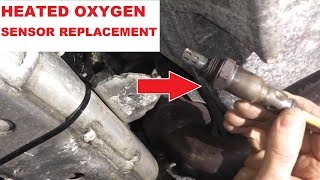
How to confirm: Use a scan tool to monitor the live data for Bank 1 Sensor 2. Its voltage should be relatively stable (e.g., 0.6-0.8V) while cruising. Perform a 'throttle snap test' by revving the engine sharply; a healthy sensor will show a quick voltage change, while a slow one will lag. 🎬 Watch: How to test and replace a slow-responding oxygen sensor. If it's stuck or responds very slowly, the sensor is likely bad.
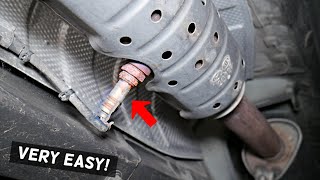
Typical fix: Replace the Bank 1, Sensor 2 oxygen sensor. This is the sensor located after the catalytic converter. 🎬 See this video to confirm the Bank 1 Sensor 2 location. A 7/8" (22mm) flexible or slotted oxygen sensor socket is highly recommended. 🎬 Watch: A walkthrough of the downstream O2 sensor removal process.
Est. part cost: $70-$280 - Exhaust System Leak 🟡 Medium Probability Corrosion can cause cracks or pinhole leaks in the exhaust pipes, flex pipe, or gaskets, especially in regions that use road salt. A leak before the sensor can introduce outside air, skewing the readings and causing a slow response code.
How to confirm: Visually inspect the exhaust system from the engine to the rear O2 sensor for any signs of cracks, rust, or black soot. A shop can perform a smoke test to pinpoint hard-to-see leaks. You may also hear a ticking or hissing noise from the exhaust when the engine is cold.
Typical fix: Repair the leak by welding the pipe or replacing the failed gasket or exhaust section.
Est. part cost: $20-$500+ - Damaged O2 Sensor Wiring or Connector ⚪ Low Probability The wiring harness runs underneath the vehicle and is exposed to road debris, moisture, and extreme heat from the exhaust, which can cause corrosion, melted plastic, or physical damage over time.
How to confirm: Visually inspect the wiring harness and connector leading to the downstream O2 sensor. Look for any frayed wires, melted plastic, corrosion on the pins, or loose connections. Check for continuity and resistance with a multimeter.
Typical fix: Repair the damaged section of the harness or clean/replace the connector.
Est. part cost: $10-$100
Rare But Worth Checking
- Failing Catalytic Converter: While less common, a degraded catalytic converter can sometimes cause the downstream O2 sensor to produce a slow or lazy signal, triggering a P0139 code before a P0420 (Catalyst Efficiency) code appears. This happens because a failing cat can't store oxygen effectively, causing the downstream sensor's readings to fluctuate more than expected, which the ECU might interpret as a slow response.
- Engine Control Module (ECM) Software Issue: In rare cases, the ECM's software may have overly sensitive parameters for monitoring the O2 sensor. Check with an Audi dealer for any available Technical Service Bulletins (TSBs) related to ECM updates for emissions systems. A reflash might solve the problem.
Diagnosis Steps
- Connect an OBD-II scanner to confirm P0139 is the primary code and check for any other related codes (e.g., P0420, P0141, P0171).
- Perform a thorough visual inspection of the exhaust system from the catalytic converter back. Look for any signs of cracks, holes, or gasket leaks, especially around the flex pipe and flanges.
- Inspect the wiring and connector for the Bank 1, Sensor 2 (downstream) oxygen sensor. Check for any signs of melting, corrosion, or physical damage. Ensure the connector is securely plugged in.
- Use the live data function on your scan tool to observe the voltage of Bank 1, Sensor 2. During steady driving, the voltage should be relatively stable (typically >0.5V).
- Perform a throttle snap test: while monitoring live data, quickly press and release the accelerator. A healthy sensor's voltage should drop quickly and recover. A slow-to-react or flat-lined sensor indicates a problem.
- If the wiring and exhaust system are in good condition, and the sensor's live data confirms a slow response, the sensor itself is faulty and is the most likely cause.
- Replace the Bank 1, Sensor 2 oxygen sensor. Clear the code and perform a drive cycle to ensure the fix was successful.
Parts You'll Likely Need
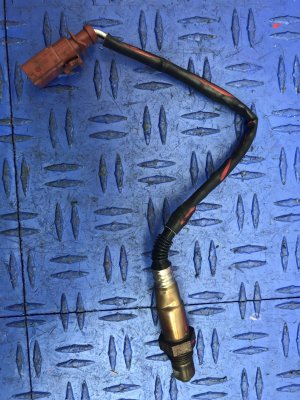
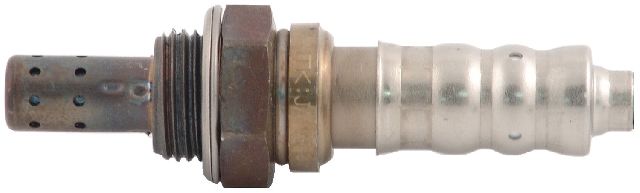
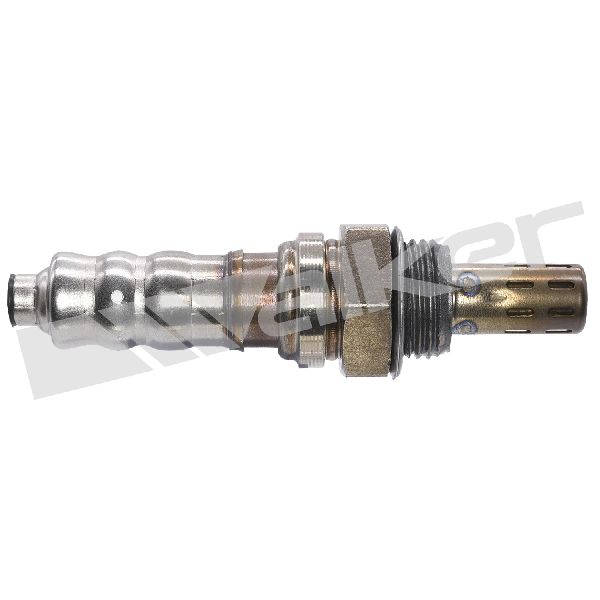
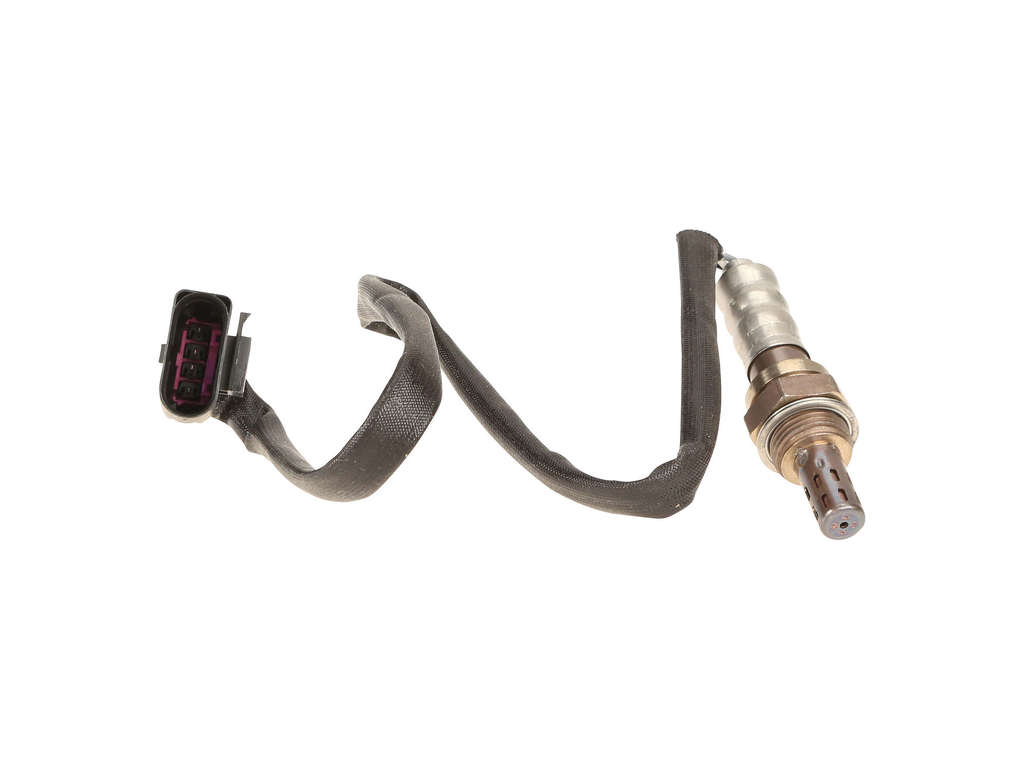
- Downstream Oxygen Sensor (Bank 1, Sensor 2)
(OEM #1K0-998-262-T (or superseding part numbers like 8K0906262G))— This sensor is the most frequent cause of a P0139 code, as it degrades over time and loses its ability to respond quickly to changes in exhaust gases, often accelerated by oil contamination on this engine.
Trusted brands: Bosch (often the OEM supplier), NTK/NGK, Denso
OEM price range: $200-$280
Aftermarket price range: $70-$150
Related Codes That Often Appear With This One
- P0420 — If the catalytic converter is failing, it can cause the downstream O2 sensor to respond slowly (P0139) and also detect that the converter's efficiency is below the acceptable threshold (P0420). These codes often appear together.
- P0140 — This code means 'No Activity Detected' from the same sensor. It can appear if the sensor has failed completely or if there is a severe wiring issue, which could have started as a 'slow response' issue.
- P0141 — This code indicates a fault in the heater circuit of the same O2 sensor. The heater is crucial for getting the sensor to operating temperature quickly. A heater circuit failure will prevent the sensor from warming up properly, causing it to respond slowly and triggering P0139.
Technical Service Bulletins (TSBs) & Recalls
- TSB 2046611/5: While not directly for P0139, this TSB for related models highlights that a contaminated rear O2 sensor can cause other diagnostic codes (like lean conditions), reinforcing the importance of correctly diagnosing the rear sensor itself.
Platform-Specific Known Issues
- Confusion with Lean Codes (P2096): On some VAG vehicles, a failing/contaminated REAR O2 sensor can incorrectly cause the ECU to set a lean code (like P2096) for Bank 1. Mechanics may mistakenly chase a fuel delivery or front O2 sensor issue when the rear sensor is the actual culprit. TSB 2046611/5 addresses a similar issue on related platforms.
Mechanic-Grade Diagnostic Values
- ECU Malfunction Criteria for P0139 — expected: The ECU expects the sensor's transient response time during fuel cut-off to be less than 0.7 seconds.. Failure: A P0139 code is set when the EWMA (Exponentially Weighted Moving Average) filtered transient time exceeds 0.7 seconds while the sensor is in a voltage range of 201 - 347.7 mV.
- Downstream O2 Sensor (B1S2) Voltage - General Test — expected: While cruising at a steady speed, the voltage should be relatively stable and high, typically between 0.6V and 0.8V, indicating the catalytic converter is working.. Failure: During a sharp throttle snap, the voltage should change quickly. A sensor that is slow to respond, or has a voltage that is stuck and doesn't change, is faulty.
Scan Tool Commands That Help
- VCDS (VAG-COM): Basic Setting IDE00466 - Resetting of oxygen sensor adaptation values — This function should be used after replacing the oxygen sensor to clear the old learned values from the Engine Control Module (ECM). This allows the ECM to adapt to the new sensor's characteristics immediately, preventing potential lingering issues.
- VCDS (VAG-COM): Engine -> Basic Settings -> Group 032 (Fuel Trim) — Before and after a repair, check the fuel trim adaptation values. A significant change towards 0% after replacing the sensor can help confirm the fix has resolved an underlying mixture issue that may have been contributing to the slow response.
Wiring & Ground Locations
- Ground Point 615 — In the engine compartment, on the left shock absorber strut tower.. This is a primary grounding point for various engine bay components. A corroded or loose connection here can introduce electrical noise or poor grounding for the O2 sensor circuit, potentially causing erratic or slow readings.
- Ground Points 671 / 672 — On the left front longitudinal member (frame rail) in the engine compartment.. These are major chassis grounds. The engine wiring harness, which includes the O2 sensor wiring, often relies on these points for a clean ground path back to the battery. Verifying these are clean and tight is a key step in diagnosing electrical faults.
- O2 Sensor Connector (B1S2) — The downstream sensor is located on the exhaust pipe after the catalytic converter. The wiring harness typically runs up the firewall or along the transmission tunnel, with connectors clipped to the vehicle's underbody or brackets near the transmission.. This connector is exposed to heat, moisture, and road debris. Physical inspection for melted plastic, corrosion on the pins, or a loose connection is critical before condemning the sensor itself.
OEM Part Supersession History
1K0-998-262-T→8K0906262G— Standard part evolution and supplier changes.
Heads up: No known incompatibilities when using the correct superseding OEM part. Ensure the replacement is specified for the 2.0T engine, as other engine options use different sensors.
Model Year Variations Within This Range
- 2013-2017 (Facelift models): For the 2013 model year, Audi introduced a refreshed Q5 which included an updated 2.0L TFSI engine. Power increased from 211 hp to 225 hp. While the fundamental cause of P0139 (a failing sensor) remains the same, the engine control software and specific calibrations may differ. The steering system also changed from hydraulic to electro-mechanical, though this does not affect this code.
Diagnostic Flowchart
Other Known Issues on This Vehicle
Issues unrelated to this code that are worth knowing about as an owner of this generation:
- Excessive Oil Consumption 🔴 High — Very common, especially in 2009-2014 models. Often becomes apparent after 60,000 miles. Caused by faulty piston ring design. (Ref: Subject of a class-action lawsuit. Audi addressed this with updated piston rings in later models.)
- Timing Chain Tensioner Failure 🔴 High — Common in earlier EA888 Gen 2 engines (approx. 2009-2013). The original tensioner can fail without warning, leading to the timing chain jumping and causing catastrophic engine damage. (Ref: Audi faced class-action lawsuits and issued an extended warranty for some VINs. An updated tensioner part is available.)
- PCV Valve Failure 🟠 Medium — The diaphragm in the PCV valve (oil separator) can tear, causing vacuum leaks, rough idle, and increased oil consumption. Codes like P0171 (System Too Lean) are common.
- Water Pump Failure 🟠 Medium — The plastic housing of the water pump is prone to cracking and leaking coolant, typically between 60,000 and 100,000 miles.
- Intake Manifold Carbon Buildup 🟡 Low — As a direct-injection engine, the intake valves are not cleaned by fuel spray, leading to carbon accumulation over time. This can cause misfires and reduced performance, usually requiring manual cleaning every 50,000-80,000 miles.
Used vs. New Parts: Buying Guide for This Vehicle
When a used part is the smart pick: For this repair, buying a used part is NOT recommended. Oxygen sensors are wear-and-tear items with a finite lifespan. A used sensor from a salvage yard has an unknown history and is likely to have significantly reduced life or existing contamination, leading to the same P0139 code returning shortly after installation.
What to inspect on the donor part:
- Not applicable as used sensors are not advised.
OEM-only on this vehicle (don't cheap out):
- While not strictly 'OEM-only', using a sensor from the original equipment manufacturer (like Bosch) or a highly reputable OEM-equivalent brand is strongly recommended. Cheap, unbranded sensors are notorious for failing prematurely or having incorrect response characteristics, causing the code to return.
Aftermarket brands forum-validated for this vehicle:
- Bosch (often the direct OEM supplier)
- NTK / NGK
- Denso
Brands owners have reported issues with on this vehicle:
- Generic, no-name brands found on online marketplaces. These often lack the precise calibration and durable materials required for modern emissions systems, especially on German vehicles.
Real Owner Stories
Aggregated from forums and TSBs cited above. Mileages and costs reflect what owners reported in those sources.
2014 Audi Q5 2.0L TFSI
Symptoms: Owner presented with diagnostic codes at an Audi dealership regarding sensor locations and fuel composition.
What fixed it: The discussion confirms that replacing the sensor with OEM-quality parts like Bosch or Denso is the standard resolution for sensor-related faults on this platform.
Source hint: AudiWorld Forums: 2014 Audi Q5 Fuel Composition Sensor Location?
2012 Audi Q5 2.0L TFSI — ~85000 miles
Symptoms: Check Engine Light on with a slow response code; vehicle has the EA888 engine known for oil consumption.
What fixed it: Replacement of the Bank 1, Sensor 2 oxygen sensor (downstream) due to fouling from exhaust byproducts and oil consumption.
Source hint: Vehicle-specific issues and common causes for EA888 2.0T engine
Related OBD-II Codes
Frequently Asked Questions
Does TSB 2046611/5 mean my P0139 code is actually a lean condition?
I have a 2014 Audi Q5; is there a specific brand of sensor I should use for the Bank 1, Sensor 2 replacement?
Could my Q5's high oil consumption be causing the P0139 code?
Is the P0139 code related to the common PCV valve failure on the 2.0L TFSI?
Where is the sensor located that I need to replace for a P0139 on my Audi Q5?
Can an exhaust leak cause this code on my Q5 even if the sensor is good?
Helpful Videos
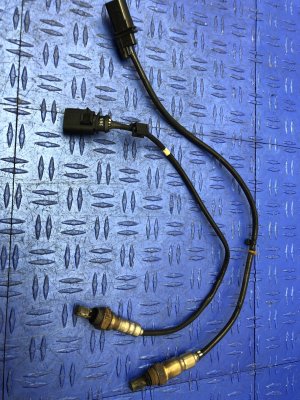
Used OEM Parts in Stock

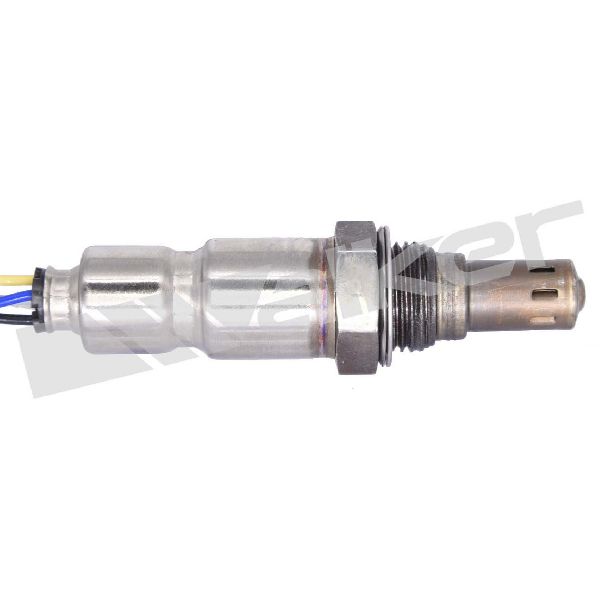
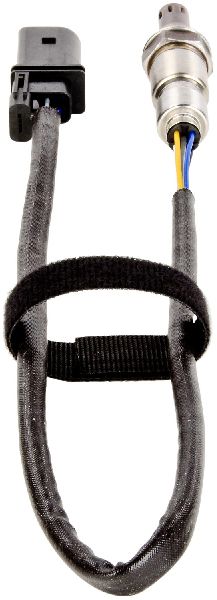
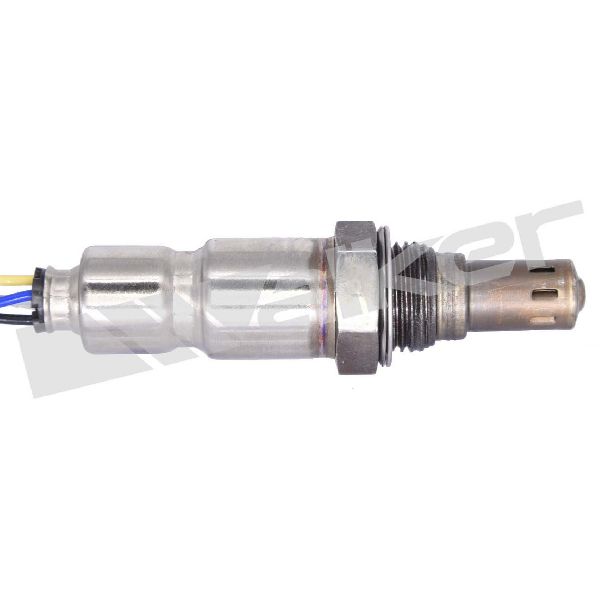
New Aftermarket Parts Available

The information in this article is provided for general reference and educational purposes only. Vehicle specifications, procedures, and part compatibility can vary by production date, trim level, and region. Always consult your vehicle's factory service manual and verify part numbers before purchasing or performing repairs. Safety-critical components such as airbags, seat belts, and braking systems should be installed by a qualified professional.
- Audi Q5:
- 🎬 Helpful Videos
- 🛍️ Shop This Part
- What's Unique About the 2009-2017 Audi Q5
- Symptoms You May Notice
- Most Likely Causes
- Rare But Worth Checking
- Diagnosis Steps
- Parts You'll Likely Need
- Related Codes That Often Appear With This One
- Technical Service Bulletins (TSBs) & Recalls
- Platform-Specific Known Issues
- Mechanic-Grade Diagnostic Values
- Scan Tool Commands That Help
- Wiring & Ground Locations
- OEM Part Supersession History
- Model Year Variations Within This Range
- Diagnostic Flowchart
- Other Known Issues on This Vehicle
- Used vs. New Parts: Buying Guide for This Vehicle
- Real Owner Stories
- 2014 Audi Q5 2.0L TFSI
- 2012 Audi Q5 2.0L TFSI — ~85000 miles
- Related OBD-II Codes
- Frequently Asked Questions
- 🎟️ Get 5% Off