

P0138 on 2010-2014 Subaru Outback 2.5L: Rear O2 Sensor High Voltage Causes and Fixes
On a 2010-2014 Subaru Outback, code P0138 almost always means the rear (downstream) oxygen sensor has failed. This is a very common issue. Replacing the sensor is a straightforward DIY job costing between $80 for an aftermarket part and $160 for an OEM part. Ensure you get the correct part for your model year, as it changed in 2013.
- P0138 on your Outback almost certainly means you need a new rear oxygen sensor.
- Crucially, verify your vehicle's model year before ordering; 2010-2012 and 2013-2014 use different part numbers.
- This is a DIY-friendly repair that requires an O2 sensor socket, but ensure you use a quality Denso or NTK part to avoid repeat failures.
- The disabling of cruise control and VDC is a standard Subaru feature when an emissions code is present and will resolve itself when the P0138 code is cleared.
What's Unique About the 2010-2014 Subaru Outback
The 2010-2014 (fourth generation) Outback with the 2.5L engine is highly prone to this specific code due to premature failure of the rear oxygen sensor. While a formal Technical Service Bulletin (TSB 09-115-24R) for this issue applies to newer Subaru models (2017+), the failure pattern described—internal sensor cracking leading to a short circuit—is identical to what owners of 2010-2014 models experience. It's crucial to note that the required part number for the rear O2 sensor is different for 2010-2012 and 2013-2014 models, making it essential to order the correct part for your specific year.
Symptoms You May Notice
- Check Engine Light is on
- Cruise control is disabled (flashing cruise light)
- Vehicle Dynamics Control (VDC) or traction control light is on
- Vehicle will fail an emissions test
- Potential for slightly decreased fuel economy
- No noticeable change in driving performance in most cases
- Replacing the catalytic converter. A P0138 code points to a sensor circuit fault, not a bad converter. A failing converter typically triggers a P0420 code.
- Replacing the front Air/Fuel Ratio sensor (Sensor 1). This code is specific to the rear sensor (Sensor 2), which performs a different function.
- Using a cheap, universal O2 sensor. Owners report that using generic sensors with crimp connectors can lead to the code returning quickly. It is highly recommended to use an OEM or direct-fit Denso/NTK sensor.
Most Likely Causes
- Failed Rear Oxygen Sensor (Bank 1, Sensor 2) 🔴 High Probability Newer Subaru models have a TSB (09-115-24R) for this exact code, caused by internal sensor cracking leading to a short circuit. While this TSB doesn't officially cover the 2010-2014 models, the failure is extremely common, suggesting a similar inherent weakness in the sensor design. Contamination and age are the primary reasons for failure.
How to confirm: Use a scan tool to monitor the live data for 'O2S B1S2' voltage. If the voltage is stuck high (e.g., above 0.9V, often at 1.2V) and does not 🎬 See this guide on troubleshooting and fixing P0138 codes. fluctuate on a fully warmed-up engine, the sensor has failed. A healthy downstream sensor should show a relatively stable voltage, typically between 0.5V and 0.7V. You can also test the sensor's heater circuit resistance with a multimeter; a reading between 5-8 ohms is good, while a very high reading (over 50 ohms) or an open circuit indicates failure.
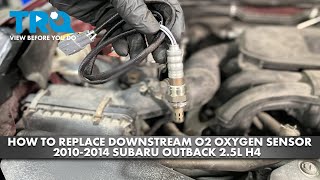
Typical fix: Replace the rear oxygen sensor. Ensure you purchase the correct part for your model year. This is a common DIY repair. 🎬 Watch: Step-by-step downstream O2 sensor replacement walkthrough.
Est. part cost: $80-$160 - Damaged Wiring or Connector 🟡 Medium Probability The sensor wiring is routed under the vehicle and can be damaged by road debris, heat from the exhaust, or corrosion, leading to a short circuit that causes a high voltage reading. The wires can melt against the exhaust pipe or the connector pins can corrode.
How to confirm: Visually inspect the entire wiring harness from the O2 sensor to its connector, which is often located on the frame rail. Look for any melted, chafed, or broken wires. Check the connector pins for corrosion or damage. Use a multimeter to check for a short to power on the signal wire.
Typical fix: Repair the damaged section of wire or replace the connector pigtail. If corrosion is present, clean the terminals with an electrical contact cleaner.
Est. part cost: $15-$50 - Exhaust Leak ⚪ Low Probability
How to confirm: Listen for hissing or ticking sounds from the exhaust system, especially when the engine is cold. Visually inspect the exhaust pipes and gaskets between the catalytic converter and the rear O2 sensor for black soot marks, which indicate a leak. A leak upstream of the sensor is a more likely cause.
Typical fix: Replace the leaking exhaust gasket or repair the damaged section of pipe.
Est. part cost: $20-$100
Rare But Worth Checking
- Engine Running Excessively Rich: A rich condition (too much fuel, not enough air) consumes all the oxygen, which can cause the rear O2 sensor to read high. This is usually accompanied by other codes (like P0172) and symptoms like black smoke from the exhaust, very poor fuel economy, or a smell of fuel. Potential causes include leaking fuel injectors or a faulty fuel pressure regulator.
- Faulty Engine Control Module (ECM): In very rare cases, the ECM itself can fail and incorrectly interpret the sensor's signal. This should only be considered after all other possibilities have been exhaustively ruled out by a professional. Subaru ECUs can also be sensitive to poor grounding, which could cause similar electrical issues.
Diagnosis Steps
- Read the code with an OBD-II scanner to confirm P0138 and check for any other related codes.
- Visually inspect the rear oxygen sensor's wiring harness and connector for any signs of melting, chafing, or corrosion. The sensor is located on the passenger side exhaust pipe, after the catalytic converter.
- With a scan tool, observe the live data for 'Bank 1 Sensor 2'. On a warm engine, the voltage should be relatively stable. If it is stuck high (above 0.9V), the sensor is likely faulty.
- If wiring looks good, use a multimeter to test the sensor's signal wire for a short to power.
- If the wiring looks good and the sensor reads high, the most probable cause is the sensor itself.
- Check for exhaust leaks between the catalytic converter and the rear O2 sensor, though this is a less common cause.
- If no other cause is found, replace the rear oxygen sensor with a high-quality, model-year-specific part.
Parts You'll Likely Need
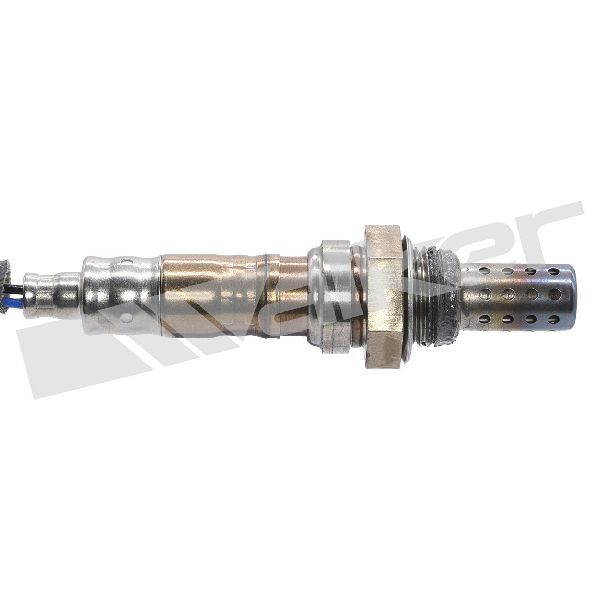
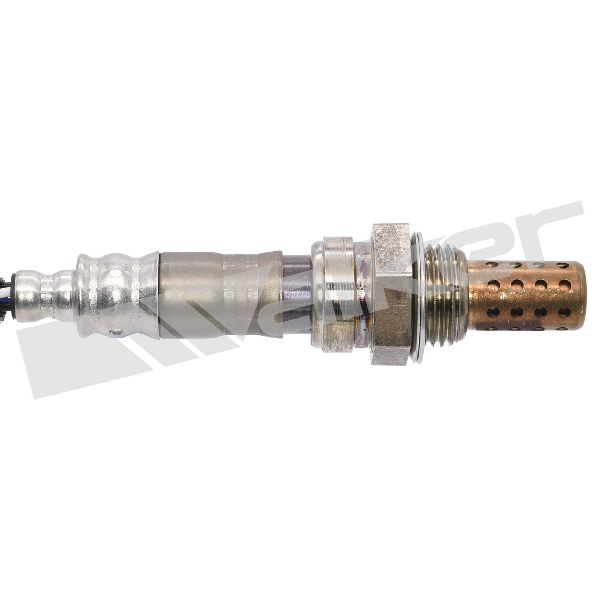
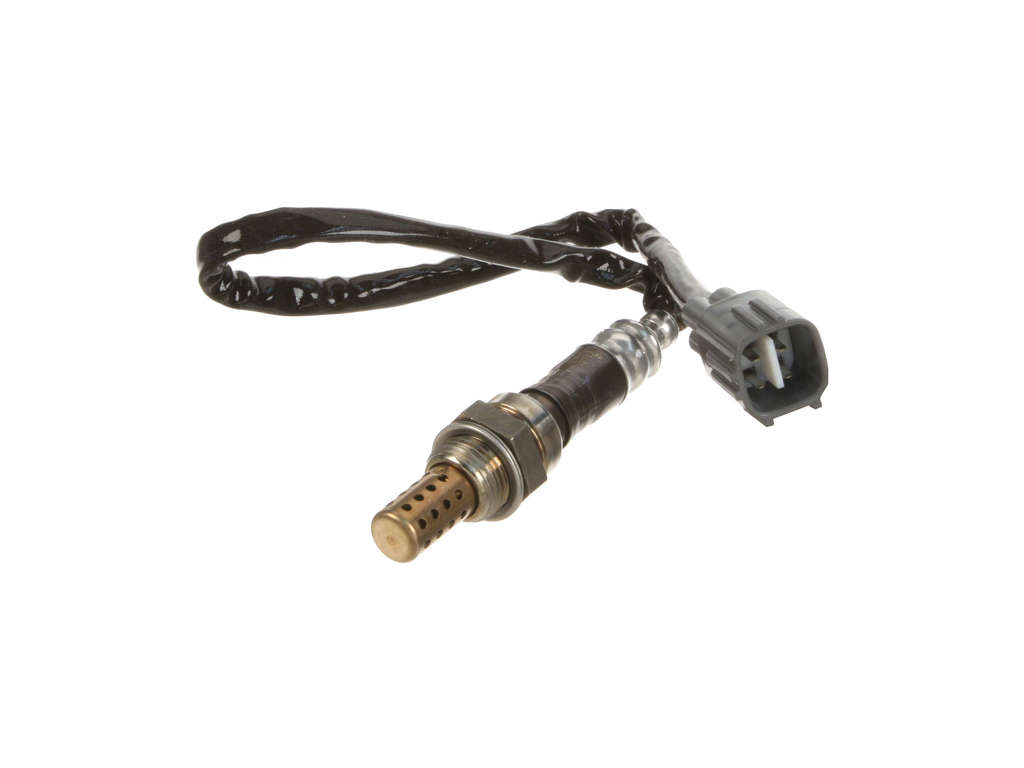
- Rear Oxygen Sensor (2010-2012 Models)
(OEM #22690AA91A)— This is the specific rear O2 sensor for the 2010-2012 Outback 2.5L. It is the most common failure point for code P0138.
Trusted brands: Denso (OEM supplier), NTK (OEM supplier)
OEM price range: $100-$150
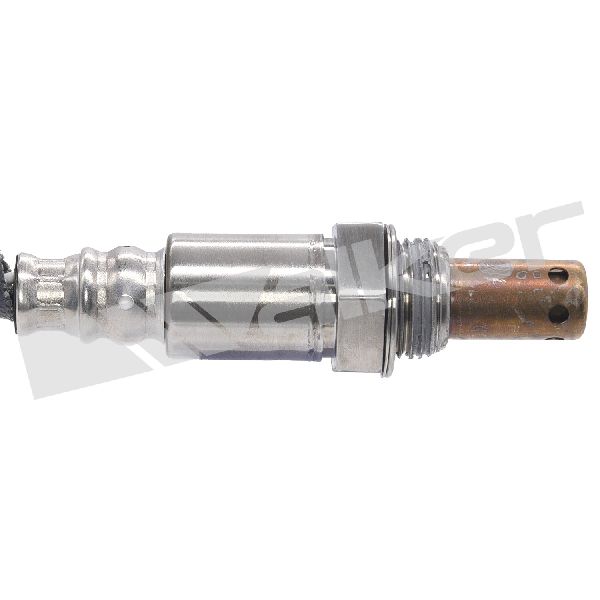
Aftermarket price range: $80-$120 - Rear Oxygen Sensor (2013-2014 Models)
(OEM #22690AA96A)— This is the specific rear O2 sensor for the 2013-2014 Outback 2.5L. It is the most common failure point for code P0138.
Trusted brands: Denso (Part # 234-4907), NTK
OEM price range: $110-$160
Aftermarket price range: $85-$130 - Oxygen Sensor Socket — A specialized 22mm (or 7/8") socket with a slit for the wire is required to remove and install the oxygen sensor without damaging the cable.
Trusted brands: Lisle, OEMTools, GearWrench
Aftermarket price range: $10-$25
Related Codes That Often Appear With This One
- P0137 — This is the code for low voltage on the same sensor. Seeing both intermittently could point to failing wiring or a sensor that is failing erratically.
- P0141 — This code indicates a failure in the heater circuit of the same O2 sensor. Since the heater is integral to the sensor, a P0141 code along with P0138 confirms the entire sensor assembly needs to be replaced.
- P0140 — This code means 'No Activity Detected' from the same sensor. It often points to a completely dead sensor or a total break in the wiring, and can appear alongside P0138 during the failure process.
Technical Service Bulletins (TSBs) & Recalls
- TSB 09-115-24R: While not directly applicable to the 2010-2014 Outback, this TSB is highly relevant as it details the exact failure mode (internal cracking) for rear O2 sensors causing P0137/P0138/P0140/P0141 on many other Subaru models. It announces an improved sensor with an 'optimized coating' to prevent the issue.
- TSB Bulletin #09-115-24: This manufacturer bulletin notes the availability of new oxygen sensors developed specifically to address Diagnostic Trouble Codes P0137, P0138, P0140, and P0141.
Platform-Specific Known Issues
- While the official TSB (09-115-24R) for rear O2 sensor failures doesn't list the 2010-2014 models, it covers many later models for the same codes (P0137, P0138, P0141), indicating a known pattern of failure due to internal sensor cracking. This strongly suggests the cause on the 2010-2014 models is the same.
- A known quirk of Subarus is that the cruise control and VDC/traction control systems are disabled whenever the Check Engine Light is illuminated for an emissions fault. This is a programmed safety feature and not a separate problem.
Mechanic-Grade Diagnostic Values
- Rear O2 Sensor (B1S2) Live Data Voltage — expected: Relatively stable, lazy fluctuation between 0.5V and 0.8V on a warm, running engine.. Failure: Voltage is stuck high (above 0.9V). A reading consistently above 1.2V is a definitive confirmation of a failed sensor.
- Rear O2 Sensor Heater Circuit Resistance — expected: Between 5 and 8 Ohms is generally considered acceptable. One source specifies 5.6 Ohms +/- 0.8 Ohms at 68°F (20°C).. Failure: An open circuit (no reading/infinite resistance) or a very high resistance reading (over 50 Ohms) indicates a failed heater element, requiring sensor replacement.
- O2 Sensor Signal Wire Voltage at Connector (Key On, Engine Off) — expected: Approximately 0.3 volts reference signal from the ECM.. Failure: No voltage or significantly different voltage could indicate a wiring or ECM issue.
Hidden / Shadow Codes Worth Checking
- Mode $06, TID:$81, $82, $83: These are not shadow codes, but Test IDs within the generic OBD-II Mode $06 function. They report the results of non-continuous monitor tests for the oxygen sensors, such as switching time and response rate. A failing value here can indicate a sensor is degrading before it consistently sets a hard fault like P0138. (see via An advanced OBD-II scan tool that can display Mode $06 data.)
Scan Tool Commands That Help
- Subaru Select Monitor (SSM) or equivalent advanced scanner: Current Data Display > Oxygen sensor output voltage bank one sensor 2 — This is the primary live data parameter to watch in real-time to confirm if the sensor's voltage output is stuck in a high state (>0.9V), which is the direct trigger for code P0138.
- Subaru Select Monitor (SSM) or equivalent advanced scanner: Current Data Display > O2 Heater Diagnosis — After clearing codes and running the engine, checking this parameter can confirm if the O2 sensor's internal heater circuit test has completed successfully. An 'incomplete' or 'failed' status points to a heater element issue, which often accompanies signal circuit faults like P0138 and confirms the need for sensor replacement.
Wiring & Ground Locations
- Rear O2 Sensor Connector (E25) — The sensor is in the exhaust pipe after the catalytic converter. The wiring harness leads up to the connector, typically mounted on the passenger side frame rail under the vehicle.. This connector is a common point for corrosion, water intrusion, or physical damage. If a new sensor doesn't fix the code, checking for proper voltage and ground at the pins of this connector is the next logical step.
- Main Engine Grounds — Key grounding points for the ECU are located on the top of the intake manifold, often secured by 12mm bolts. Additional ground straps connect the engine block to the chassis.. Subaru engine management is sensitive to poor grounds. A corroded or loose ground on the intake manifold can create a voltage offset, potentially causing the ECU to misinterpret sensor signals as high voltage. This is a rare but possible cause of P0138 if the sensor and its direct wiring are confirmed to be good.
Real Owner Repair Stories
- User review on AutoZone for a 2012 Subaru Outback 2.5i AWD (2012 Subaru Outback 2.5i AWD) — Check Engine Light on, needed to pass emissions.
❌ Tried (didn't work) Concerned about using non-OEM parts due to common belief that Subarus are picky.
✅ What actually fixed it Replacing the downstream O2 sensor with a DENSO Auto Parts Oxygen Sensor (part # 234-4445) successfully cleared the code and allowed the car to pass emissions.
OEM Part Supersession History
22690AA910 (example, often ends in 0)→22690AA91A— Part revisions and updates by the manufacturer. The 'A' suffix often denotes a revised part.22690AA960 (example, often ends in 0)→22690AA96A— Part revisions and updates by the manufacturer.
Heads up: The sensor for 2010-2012 models is not compatible with 2013-2014 models, and vice-versa, due to internal differences or connector changes.
Model Year Variations Within This Range
- 2010-2012 vs 2013-2014: The OEM part number for the rear oxygen sensor changed between the 2012 and 2013 model years. 2010-2012 models use part number 22690AA91A, while 2013-2014 models use 22690AA96A. They are not interchangeable.
Diagnostic Flowchart
Other Known Issues on This Vehicle
Issues unrelated to this code that are worth knowing about as an owner of this generation:
- CVT Transmission Problems 🔴 High — Common on early-generation Lineartronic CVTs (2010-2014). Issues include torque converter clutch failure causing stalling, shuddering, and hesitation. Subaru extended the warranty to 10 years/100,000 miles for many vehicles due to these issues. (Ref: Multiple TSBs and a warranty extension program were issued.)
- Excessive Oil Consumption 🔴 High — Primarily affects the 2013-2014 models with the new FB25 engine. Caused by issues with the piston rings. Can consume a quart of oil in as little as 1,200 miles. (Ref: TSB 02-157-14R addresses this issue, and a class-action lawsuit resulted in settlements for affected owners.)
- Head Gasket Leaks 🟠 Medium — A notorious Subaru issue, though the failure mode changed for this generation. The 2010-2012 models with the EJ25 engine use a multi-layer steel (MLS) gasket that is less prone to the external oil/coolant leaks of older models but can still fail internally, causing coolant to be pushed into the overflow.
- Frequently Burnt-Out Headlight Bulbs 🟡 Low — Very common across this generation. Owners report low-beam headlight bulbs failing frequently, sometimes every 6-12 months. Access for replacement is difficult, requiring removal of the fender liner.
- Takata Airbag Inflator Recall 🔴 High — All 2010-2014 Outbacks were part of the massive Takata airbag recall. The passenger-side front airbag inflator could rupture, sending metal fragments into the cabin. (Ref: Multiple NHTSA Recalls (e.g., 16V-358, 19V-046))
- Steering Wheel Shake / Vibration 🟡 Low — Commonly reported on 2010-2012 models. A vibration is felt in the steering wheel at highway speeds. (Ref: TSB 05-48-10 was issued to address this, involving modifications to steering and suspension components.)
Used vs. New Parts: Buying Guide for This Vehicle
When a used part is the smart pick: For this specific repair, a used part is almost never a smart choice. The primary failure is the oxygen sensor itself, which is a wear-and-tear item with a finite lifespan. However, if diagnosis points to a damaged connector or a section of the wiring harness, sourcing these from a junkyard vehicle can be a cost-effective solution.
Donor-vehicle mileage cap: roughly under 50000 miles for the part to have meaningful remaining life.
What to inspect on the donor part:
- For a wiring harness or connector: Inspect for any signs of melting, brittleness, or corrosion on the pins.
- Ensure the locking tab on the connector is intact and not broken.
- Check that the wires have not been previously spliced or poorly repaired.
OEM-only on this vehicle (don't cheap out):
- Oxygen Sensor: While not strictly 'OEM-only', it is critical to use either a genuine Subaru part or one from the original equipment manufacturer, which is typically Denso or NTK.
Aftermarket brands forum-validated for this vehicle:
- Denso
- NTK
Brands owners have reported issues with on this vehicle:
- Universal sensors that require splicing wires.
- Unbranded, 'white-box' parts from online marketplaces.
Real Owner Stories
Aggregated from forums and TSBs cited above. Mileages and costs reflect what owners reported in those sources.
2013 Subaru Outback 2.5i
Symptoms: Check Engine Light, VDC, and flashing cruise control lights all illuminated. Code P0138 was confirmed.
What fixed it: Replacement of the rear O2 sensor with a Denso 234-4907.
Source hint: SubaruOutback.org thread titled 'P0138 Rear O2 Sensor High Voltage'
2010-2014 Subaru Outback
Symptoms: Check Engine, VDC, and Cruise Control lights on simultaneously due to an O2 sensor fault.
What fixed it: Replacing the rear oxygen sensor.
Source hint: SubaruOutback.org thread titled 'Check Engine, VDC, Cruise Control lights on'
Related OBD-II Codes
Frequently Asked Questions
Does TSB 09-115-24R apply to my 2010-2014 Subaru Outback?
Why did my cruise control and traction control lights come on at the same time as the P0138 code?
What is the specific replacement part number for a 2013 Outback 2.5i with this code?
Where is the Bank 1 Sensor 2 located on my EJ25 2.5L engine?
Can I test if the sensor is actually bad before buying a new one?
Is P0138 related to the excessive oil consumption issues on 2013-2014 models?
Helpful Videos


We Have This Part in Stock


The information in this article is provided for general reference and educational purposes only. Vehicle specifications, procedures, and part compatibility can vary by production date, trim level, and region. Always consult your vehicle's factory service manual and verify part numbers before purchasing or performing repairs. Safety-critical components such as airbags, seat belts, and braking systems should be installed by a qualified professional.
- Subaru Outback:
- 🎬 Helpful Videos
- 🛍️ Shop This Part
- What's Unique About the 2010-2014 Subaru Outback
- Symptoms You May Notice
- Most Likely Causes
- Rare But Worth Checking
- Diagnosis Steps
- Parts You'll Likely Need
- Related Codes That Often Appear With This One
- Technical Service Bulletins (TSBs) & Recalls
- Platform-Specific Known Issues
- Mechanic-Grade Diagnostic Values
- Hidden / Shadow Codes Worth Checking
- Scan Tool Commands That Help
- Wiring & Ground Locations
- Real Owner Repair Stories
- OEM Part Supersession History
- Model Year Variations Within This Range
- Diagnostic Flowchart
- Other Known Issues on This Vehicle
- Used vs. New Parts: Buying Guide for This Vehicle
- Real Owner Stories
- 2013 Subaru Outback 2.5i
- 2010-2014 Subaru Outback
- Related OBD-II Codes
- Frequently Asked Questions
- 🎟️ Get 5% Off