

P0138 on 2010-2013 Kia Forte 2.0L: Causes and Fixes for O2 Sensor High Voltage
This code almost always means the downstream oxygen sensor (Bank 1, Sensor 2) has failed. It's a common wear item. Expect to pay around $40-$90 for a quality aftermarket sensor (Denso/NGK) and $120-$200 for an OEM part. It's a DIY-friendly fix for many, but the sensor is notoriously difficult to remove due to rust and may require a breaker bar and a special 22mm (7/8") O2 sensor socket.
- P0138 on your 2010-2013 Forte points directly to the downstream O2 sensor (Bank 1, Sensor 2) or its circuit.
- The most probable cause is a failed sensor, which is a common replacement item, especially over 100k miles. The OEM part is 39210-2G200.
- Before buying a new sensor, always perform a quick visual inspection of the wiring for obvious damage like melting, and check the 'SENSOR 1' fuse in the engine bay.
- You can continue driving, but you'll get poor gas mileage and will fail an emissions test. It's best to fix it promptly to prevent potential catalytic converter damage.
- A special 22mm (7/8") O2 sensor socket and a long breaker bar are highly recommended for DIY replacement, as the sensor is often seized in the exhaust pipe.
What's Unique About the 2010-2013 Kia Forte
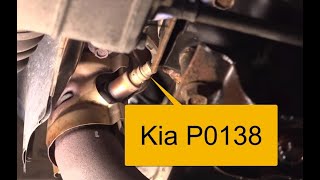
The 2010-2013 Kia Forte uses the 2.0L Theta II inline-four engine, which has a single exhaust bank, so 'Bank 1' is the only bank. P0138 specifically points to the downstream sensor (Sensor 2), located under the car after the catalytic converter. For this specific model and its platform mates (like the Hyundai Elantra), this code overwhelmingly indicates a simple failure of the O2 sensor itself, which is a known wear item, especially over 100,000 miles. While a rich running condition can theoretically cause this code, it's a much less common cause on this platform compared to simple sensor failure. A key repair tip is to check the 'SENSOR 1' fuse in the engine bay fuse box before replacing parts.
Symptoms You May Notice
- Check Engine Light is on.
- Increased fuel consumption.
- Rough idling.
- Failure to pass an emissions test.
- Strong exhaust odor (rotten egg or sulfur smell) due to a potential rich fuel mixture.
- Replacing the upstream (Bank 1, Sensor 1) oxygen sensor. This code is specific to the downstream (Sensor 2) sensor.
- Replacing the catalytic converter. P0138 is an electrical reading from the sensor itself. A faulty sensor can cause a false P0420 (catalyst efficiency) code, so P0138 should always be fixed first.
Most Likely Causes
- Faulty Downstream Oxygen Sensor (Bank 1, Sensor 2) 🔴 High Probability Oxygen sensors are a wear-and-tear item with a typical lifespan of 60,000 to 100,000 miles. On the Forte, this is the most frequent cause of P0138, with failures becoming very common at higher mileages due to constant exposure to hot exhaust gases.
How to confirm: Use an OBD-II scanner to monitor the live data for the B1S2 O2 sensor. If the voltage is stuck high (e.g., above 0.9V) and does not fluctuate when the engine is warm, the sensor has almost certainly failed.
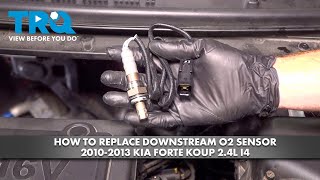
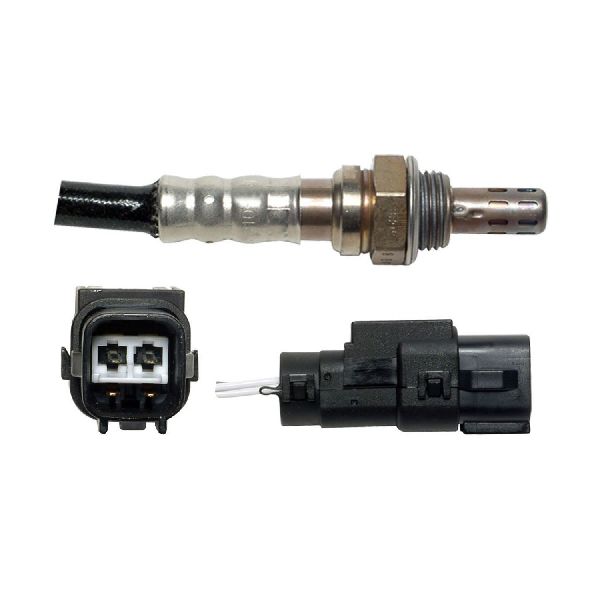
Typical fix: Replace the Bank 1, Sensor 2 oxygen sensor. This requires a 22mm (7/8") O2 sensor socket and may require significant force with a breaker bar and penetrating oil if the old sensor is seized. Use anti-seize on the new sensor's threads. The OEM part number is 39210-2G200, and a common high-quality aftermarket replacement is Denso 234-4238.
Est. part cost: $40-$200 - Damaged Wiring or Connector 🟡 Medium Probability The sensor is located under the vehicle, and its wiring harness can come loose from its retainers and melt on the hot exhaust pipe. This exposure to road debris, moisture, and heat can also cause corrosion or physical breaks in the wires or connector.
How to confirm: Visually inspect the entire wiring harness from the O2 sensor to its connector, which is located above the transmission. Look for any signs of melting, corrosion, frayed wires, or loose connections. A short to the power wire in the harness will cause a constant high voltage reading.
Typical fix: Repair the damaged section of wiring or replace the connector pigtail. Secure the harness away from the exhaust with zip ties to prevent recurrence.
Est. part cost: $10-$50 - Engine Running Rich ⚪ Low Probability While less common for this specific code on the Forte, issues like leaking fuel injectors or a faulty fuel pressure regulator can force unburned fuel into the exhaust. This can overwhelm the catalytic converter and cause the downstream O2 sensor to read a constant high voltage. This is more likely if other codes are present.
How to confirm: Check for other diagnostic trouble codes, particularly those related to the fuel system (e.g., P0171, P0087 as seen in a related NHTSA complaint). [ODI #11581569] Analyze fuel trim data with a scanner; consistently negative long-term fuel trims suggest a rich condition.
Typical fix: Diagnose and repair the root cause of the rich condition, such as replacing a faulty fuel injector or fuel pressure regulator.
Est. part cost: $50-$300+
Rare But Worth Checking
- Exhaust Leak: An exhaust leak before the O2 sensor can sometimes draw in outside air, paradoxically causing incorrect readings that might trigger this code, though it more commonly causes lean or slow response codes.
- Blown Fuse: The oxygen sensor heater circuit is powered by a fuse, often labeled 'SENSOR 1' in the engine bay fuse box. If this fuse blows, it can cause erratic sensor readings and trigger a P0138 code. Always check this fuse before replacing parts.
- Faulty Powertrain Control Module (PCM): This is extremely rare. The PCM should only be considered after all other possibilities, including the sensor, its entire circuit, and related fuses, have been exhaustively tested and ruled out.
Diagnosis Steps
- Read the code with an OBD-II scanner and confirm P0138 is present. Note any other codes, especially heater circuit codes (P0036, P0141).
- Check the 'SENSOR 1' fuse in the engine compartment fuse box.
- Using the scanner's live data function, monitor the voltage for 'O2S B1S2' (Bank 1, Sensor 2) with the engine fully warmed up.
- Observe the voltage reading. A healthy downstream sensor should show a relatively stable voltage that fluctuates slowly, typically between 0.1V and 0.9V.
- If the voltage is stuck high (e.g., >0.9V) and doesn't change, the sensor or its circuit is faulty.
- Perform a thorough visual inspection of the downstream O2 sensor's wiring harness and connector. The harness runs under the car and connects above the transmission. Look for any signs of melting against the exhaust, chafing, corrosion, or loose pins.
- If the wiring and fuse are good, the most likely cause is a failed oxygen sensor.
- If replacing the sensor does not fix the issue, investigate potential causes of a rich fuel condition, such as leaking fuel injectors or high fuel pressure, especially if other codes are present.
- As a final step, if all else fails, the sensor circuit would need to be tested for shorts to voltage, and the PCM driver circuit may need to be evaluated by a professional.
Parts You'll Likely Need
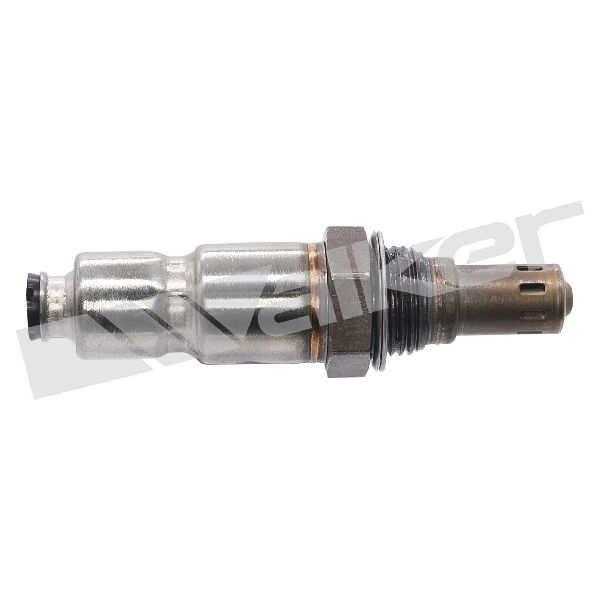
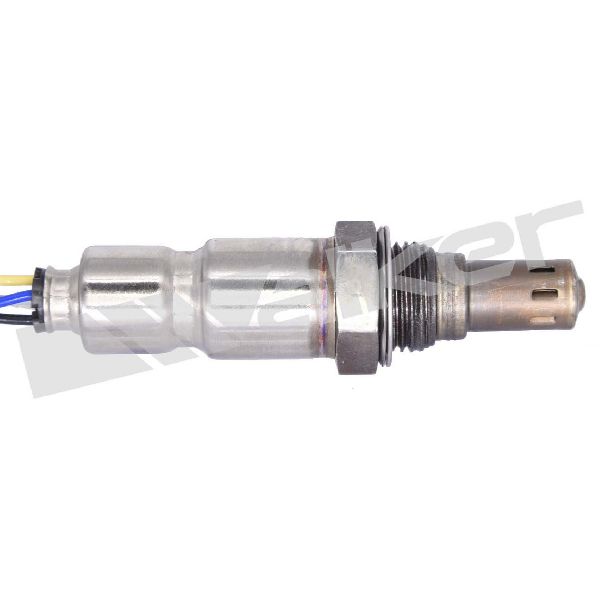
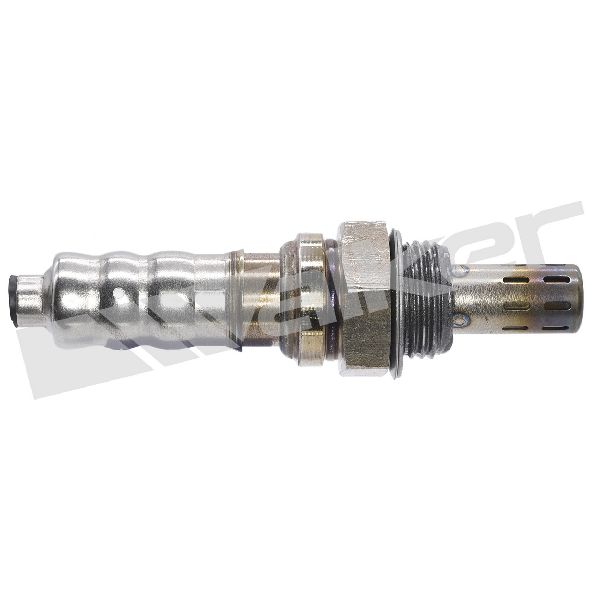
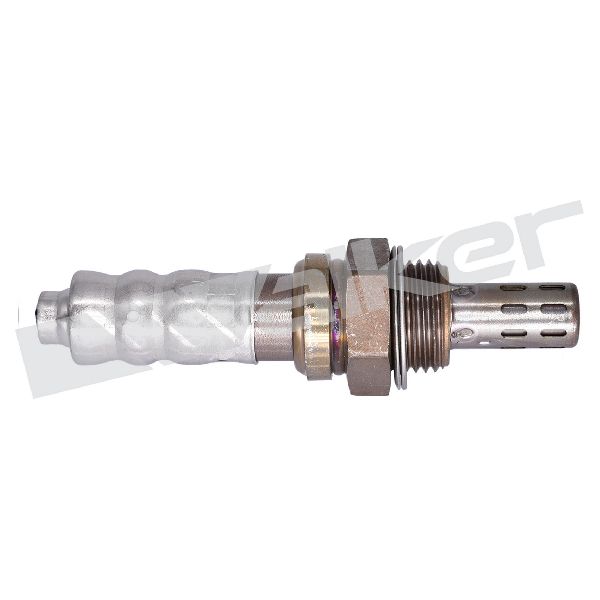
- Downstream Oxygen Sensor (Bank 1, Sensor 2)
(OEM #39210-2G200)— This is the most common failure point for code P0138. The sensor is a wear item that eventually fails from heat and contamination.
Trusted brands: Kia (OEM), Denso (P/N: 234-4238), NGK/NTK, Bosch
OEM price range: $120-$200
Aftermarket price range: $40-$90
Related Codes That Often Appear With This One
- P0036 — This code indicates a fault in the heater circuit of the same O2 sensor (B1S2). They often appear together when the sensor fails internally. [ODI #11581569]
- P0141 — This is another code for the heater circuit performance of the same sensor (B1S2). Seeing P0138 and P0141 together strongly points to a failed sensor assembly.
- P0171 — System Too Lean. While P0138 indicates a rich signal, sometimes a failing sensor can trigger other codes as the ECU struggles to compensate. A related NHTSA complaint shows these codes appearing together. [ODI #11581569]
Platform-Specific Known Issues
- Seized O2 Sensor: Owners and mechanics frequently report that the downstream O2 sensor becomes extremely difficult to remove due to rust. A 22mm (7/8") O2 sensor socket, penetrating fluid, and a long breaker bar are often required to break it loose. In some cases, heat from a torch may be necessary.
- Melted Wiring Harness: There are multiple reports across the Kia/Hyundai platform of the downstream O2 sensor wiring harness coming loose from its retaining clips and falling onto the hot exhaust pipe, causing it to melt. This creates a short and triggers the P0138 code. Always inspect the wiring before replacing the sensor.
- Theta II Engine Issues: While not a direct cause of P0138, the 2.0L Theta II engine in this Forte has been subject to recalls and class-action lawsuits for issues like excessive oil consumption and bearing failure. Severe oil burning can contaminate and prematurely fail oxygen sensors. If you are replacing O2 sensors frequently, monitor your oil level closely as it may indicate a more serious underlying engine problem.
Mechanic-Grade Diagnostic Values
- Downstream O2 Sensor (B1S2) Voltage - Live Data — expected: Slowly fluctuating between 0.1V and 0.9V on a warm, running engine.. Failure: Voltage is stuck high, above 0.9V, for an extended period.
- Downstream O2 Sensor (B1S2) Heater Resistance — expected: 3.3 - 4.1 Ω at 21°C (69.8°F).. Failure: An open circuit ('OL' on a multimeter) or resistance far outside the specified range indicates a failed internal heater, which often fails along with the sensor element.
- Voltage at O2 Sensor Heater Power Pin (Harness Side) — expected: Battery Voltage (~12V) with Key On, Engine Off.. Failure: 0V indicates a blown fuse (e.g., 'SENSOR 1') or a break in the power supply wire.
Scan Tool Commands That Help
- Kia GDS (Global Diagnostic System): Live Data / Current Data Analysis — To monitor the B1S2 voltage in real-time to confirm if it is stuck high. The GDS provides the most detailed, OEM-level data stream for accurate diagnosis.
- Kia GDS (Global Diagnostic System): DTC and Freeze Frame Data — To view the exact conditions under which the P0138 code was set and to check for any accompanying manufacturer-specific codes that a generic scanner might miss.
Wiring & Ground Locations
- Downstream O2 Sensor Connector — Located on the back of the engine, above the transmission, accessible from the top of the engine bay.. This is the primary connection point to inspect for corrosion, damage, or loose pins before condemning the sensor itself. A poor connection here can mimic a failed sensor.
- Fuse 'SNSR 1' — Located in the main fuse box in the engine compartment, typically a 15A fuse.. This fuse powers the O2 sensor's heater circuit. While a failure here usually throws a heater code (P0141), a circuit fault could potentially cause erratic readings leading to P0138. It's a simple, crucial first check.
- Ground Cable (GND) — A key ground point for the transmission and engine systems is the 'Wiring Assembly T M Gnd' (Part #91860-1M120), which connects the transmission to the chassis. Specific engine sensor ground points are bundled into the harness and ground to the chassis or engine block at various points, such as GF21 shown in service manuals.. A poor ground connection can cause floating voltages and erratic sensor readings throughout the engine management system, including the O2 sensor signal, potentially leading to a false P0138 code.
Real Owner Repair Stories
- Motor Vehicle Maintenance & Repair Stack Exchange (2015 Toyota Corolla S (Similar Zirconia O2 sensor technology)) — Check Engine Light with code P0138.
❌ Tried (didn't work) Replaced both the upstream A/F sensor and the downstream O2 sensor with new Denso OEM parts.
✅ What actually fixed it The user reported the code returned the next day. The resolution was not posted, but this serves as a critical example that even with new OEM parts, the code can persist, pointing towards a wiring issue (short to power), an exhaust leak, or a true rich condition that was not properly diagnosed before parts were replaced. - Reddit r/DodgeRam (1998 Dodge Ram 1500 (Similar Zirconia O2 sensor technology)) — Check Engine Light with code P0138.
❌ Tried (didn't work) Replaced both O2 sensors.
✅ What actually fixed it The code returned after 2 minutes of driving. The community advised the owner that they likely 'shot the messenger' by replacing the sensor without diagnosing the root cause. The recommended next step was to inspect the wiring harness for a break or a short to ground/power, which is a common cause for the code to return immediately after sensor replacement.
OEM Part Supersession History
39210-2G200→This part number appears to be stable for the specified vehicle range. However, it is cross-referenced with Hyundai part number 39210-2C210.— N/A
Heads up: Crucially, some aftermarket parts listings specify compatibility for 'Automatic Transmission, Not Manual Transmission'. Always verify the part fits your specific transmission type, as there may be differences in harness length or connector design.
Diagnostic Flowchart
Other Known Issues on This Vehicle
Issues unrelated to this code that are worth knowing about as an owner of this generation:
- Theta II Engine Failure/Oil Consumption 🔴 High — Widespread issue across the Theta II engine family, particularly GDI versions, but MPI versions are also affected. Can occur at various mileages, often noted after 60,000 miles. (Ref: Multiple recalls (e.g., NHTSA 17V224000) and a class-action lawsuit settlement were issued, primarily for bearing wear and seizure. TSBs like ENG-222 address oil consumption.)
- Steering Column 'Click' or 'Clunk' Noise 🟡 Low — Very common issue. A clicking or clunking noise is heard when turning the steering wheel, caused by a worn flexible coupling in the steering column. (Ref: TSB CHA-073 was issued for this problem on related Hyundai/Kia models. The part is an inexpensive rubber coupling.)
- Automatic Transmission Shifting Issues 🟠 Medium — Some owners report harsh shifting, hesitation, or lurching, particularly as the vehicle ages (70,000+ miles). (Ref: No specific recall, but issues can be related to old fluid, faulty transmission temperature sensors, or solenoids.)
- Airbag Control Unit (ACU) Malfunction 🔴 High — Subject to a specific recall campaign. (Ref: NHTSA Recall 18V363000: The ACU may short circuit in a crash, preventing frontal airbags and seatbelt pretensioners from deploying.)
- Brake Light Switch / Stopper Failure 🟡 Low — A common and inexpensive failure where the plastic stopper on the brake pedal arm disintegrates, causing the brake lights to stay on and potentially allowing the car to be shifted out of park without the brake applied.
Used vs. New Parts: Buying Guide for This Vehicle
When a used part is the smart pick: For this repair, obtaining a used part from a junkyard is almost never a smart choice. O2 sensors are wear items with a finite lifespan, and a used sensor may have little life left or could be faulty already. A used wiring harness pigtail could be considered if your connector is broken and you are skilled at splicing wires.
Donor-vehicle mileage cap: roughly under 30000 miles for the part to have meaningful remaining life.
What to inspect on the donor part:
- If forced to get a used sensor, choose one from a very low-mileage, collision-damaged vehicle.
- Inspect the sensor tip for heavy carbon deposits or white (coolant) contamination; avoid these.
- Ensure the wiring and connector are completely intact with no signs of melting or corrosion.
Aftermarket brands forum-validated for this vehicle:
- Denso (specifically P/N 234-4238 is widely cited as the correct direct-fit replacement).
- NGK / NTK
Brands owners have reported issues with on this vehicle:
- Unnamed, 'white-box' generic brands from online marketplaces should be avoided. While cheap, they have a high rate of failure, incorrect readings, and can cause persistent check engine lights, wasting time and money.
Real Owner Stories
Aggregated from forums and TSBs cited above. Mileages and costs reflect what owners reported in those sources.
2012 Kia Forte 2.0L — ~195000 miles
Symptoms: Check Engine Light on with code P0138. The sensor was original to the vehicle and extremely difficult to remove due to high mileage.
What fixed it: Replacement of the Bank 1, Sensor 2 oxygen sensor using a long breaker bar to remove the seized unit.
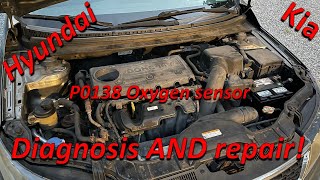
Source hint: YouTube - S&ES Garage: Hyundai Kia 2.0 2.4 P0138 Oxygen sensor replacement!! (Bank 1 sensor 2)
2010-2013 Kia Forte 2.0L
Symptoms: P0138 code triggered by a short to the power wire in the harness.
What fixed it: Repairing the damaged section of wiring and securing the harness away from the exhaust with zip ties to prevent it from melting again.
Source hint: kia-forums.com - Melted Wiring Harness Report
Related OBD-II Codes
Frequently Asked Questions
What is the specific OEM part number for the downstream oxygen sensor on my 2010-2013 Kia Forte 2.0L?
I'm having trouble removing the sensor on my high-mileage Forte; is this common?
Could my Forte's P0138 code be related to the Theta II engine oil consumption issues?
Is there a specific fuse I should check for the O2 sensor circuit on the Forte?
Where is the O2 sensor connector located on the 2010-2013 Forte?
Can a loose wiring harness cause P0138 on my Kia?
Helpful Videos
We Have This Part in Stock

The information in this article is provided for general reference and educational purposes only. Vehicle specifications, procedures, and part compatibility can vary by production date, trim level, and region. Always consult your vehicle's factory service manual and verify part numbers before purchasing or performing repairs. Safety-critical components such as airbags, seat belts, and braking systems should be installed by a qualified professional.
- Kia Forte:
- 🎬 Helpful Videos
- 🛍️ Shop This Part
- What's Unique About the 2010-2013 Kia Forte
- Symptoms You May Notice
- Most Likely Causes
- Rare But Worth Checking
- Diagnosis Steps
- Parts You'll Likely Need
- Related Codes That Often Appear With This One
- Platform-Specific Known Issues
- Mechanic-Grade Diagnostic Values
- Scan Tool Commands That Help
- Wiring & Ground Locations
- Real Owner Repair Stories
- OEM Part Supersession History
- Diagnostic Flowchart
- Other Known Issues on This Vehicle
- Used vs. New Parts: Buying Guide for This Vehicle
- Real Owner Stories
- 2012 Kia Forte 2.0L — ~195000 miles
- 2010-2013 Kia Forte 2.0L
- Related OBD-II Codes
- Frequently Asked Questions
- 🎟️ Get 5% Off