

P0138 on 2013-2020 Ford Fusion 1.5L EcoBoost: Causes and Fixes for High O2 Sensor Voltage
This code almost always means the downstream oxygen sensor (Bank 1, Sensor 2) has failed. It's a common issue caused by age and contamination. Expect to pay $40-$80 for an aftermarket sensor or $100-$150 for an OEM Motorcraft part. DIY replacement is straightforward with an O2 sensor socket, though access can be tight from underneath the car.
- P0138 means the downstream O2 sensor (Bank 1, Sensor 2) is sending a constant high voltage signal to the engine computer.
- The most common cause by far is a failed O2 sensor, which is a standard wear item.
- DIY replacement is possible with a special O2 sensor socket, but the sensor can be seized and require significant force to remove.
- While fixing P0138 is straightforward, be aware of more serious, unrelated issues with the 1.5L EcoBoost, like coolant intrusion into the cylinders.
What's Unique About the 2013-2020 Ford Fusion
On the 1.5L EcoBoost engine in the second-generation Fusion, this code is a very common and straightforward fault. There are no widespread, unusual platform-specific issues that cause P0138. The most frequent cause is simply the downstream O2 sensor failing from age or contamination. The diagnosis is typically not complex, and owners often resolve it by replacing the sensor itself. A DIY video for a 2014 Fusion shows the sensor is accessible from under the car, just after the catalytic converter, though it may require a specialty O2 sensor socket and extra leverage to remove if it's seized.
Symptoms You May Notice
- Check Engine Light is on
- Increased fuel consumption
- Rough or unstable idle
- Failed emissions test
- Strong odor from the exhaust (like rotten eggs or rich fuel)
- Poor engine performance or hesitation
- Replacing the upstream O2 sensor (Sensor 1) instead of the downstream one (Sensor 2).
- Replacing the catalytic converter when the actual fault is just the inexpensive downstream O2 sensor.
- Assuming the sensor is bad without checking the wiring harness for shorts or damage first.
Most Likely Causes
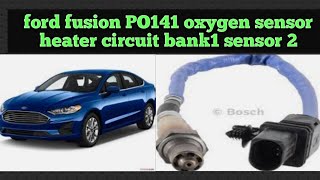
- Faulty Downstream Oxygen Sensor (Bank 1, Sensor 2) 🔴 High Probability O2 sensors are wear items that degrade over time from heat and contaminants in the exhaust. Failure around 100,000 miles is common. A YouTube video shows a 2019 Fusion with only 7,000 miles needing a replacement for a related O2 sensor code (P0141), indicating premature failure is also possible. 🎬 See how a low-mileage Fusion required a new downstream sensor.
How to confirm: Use an OBD-II scanner with live data to monitor the B1S2 voltage. If the voltage is stuck high (e.g., >0.9V) and does not fluctuate, the sensor is likely bad. The sensor can be removed with a 7/8-inch or 22mm O2 sensor socket.
Typical fix: Replace the downstream oxygen sensor. The sensor is located on the exhaust pipe after the catalytic converter, accessible from underneath the vehicle.
Est. part cost: $40-$150 - Damaged Wiring or Connector 🟡 Medium Probability The wiring harness for the O2 sensor runs under the vehicle and is exposed to road debris, moisture, and heat, which can cause wires to fray, corrode, or short to a power source. The connector is located further up in the engine bay, requiring reaching down from the top to disconnect it after unbolting the sensor from below.
How to confirm: Visually inspect the wiring harness and connector leading to the B1S2 sensor for any signs of damage, melting, or corrosion. Use a multimeter to check for a short 🎬 Watch: How to find the O2 sensor fuse on your Fusion. to power in the signal wire.
Typical fix: Repair the damaged section of the wiring harness or replace the connector pigtail.
Est. part cost: $15-$50
Rare But Worth Checking
- Exhaust Leak: An exhaust leak near the sensor can introduce outside oxygen, causing the sensor to send incorrect readings. This is less common but worth checking if a new sensor doesn't fix the issue.
- Powertrain Control Module (PCM) Fault: In very rare cases, the PCM itself can be the source of the problem, misinterpreting the sensor's signal. This should only be considered after all other possibilities have been exhausted.
- Rich Fuel Condition: An upstream problem, like a leaking fuel injector or excessive fuel pressure, can create a rich exhaust mixture that fouls the downstream sensor, causing it to read high voltage. This will usually be accompanied by other trouble codes related to fuel trim or misfires.
Diagnosis Steps
- Read the code: Use an OBD-II scanner to confirm P0138 is the only code present. If other codes exist (e.g., for fuel trim, misfires), address them first as they could be the root cause.
- Inspect the sensor and wiring: Visually inspect the Bank 1, Sensor 2 (downstream) oxygen sensor and its wiring harness. Look for any obvious damage, such as frayed wires, melted connectors, or corrosion. The harness runs up into the engine bay, so check its full length.
- Analyze live data: Use a scanner to view the live voltage data for the B1S2 O2 sensor. Under normal operating conditions, this sensor's voltage should be relatively stable. If it is stuck high (above 0.9V), it points towards a sensor or wiring issue.
- Test the wiring: Disconnect the O2 sensor and check the signal wire in the harness for a short to voltage. With the key on and engine off, the signal wire should not have 12V present. A wiring diagram for your specific model year is recommended for this step.
- Check for related issues: Rule out exhaust leaks before the sensor and any upstream rich fuel conditions (which would likely set other codes).
- Replace the sensor: If the wiring is intact and there are no other issues, the oxygen sensor itself is the most likely culprit. A DIY video for a 2014 Fusion shows the replacement process using a 7/8" O2 sensor socket and a ratchet with an extension. The new sensor should come with anti-seize on the threads. 🎬 Watch: Step-by-step downstream O2 sensor replacement for second-gen Fusions.
Parts You'll Likely Need
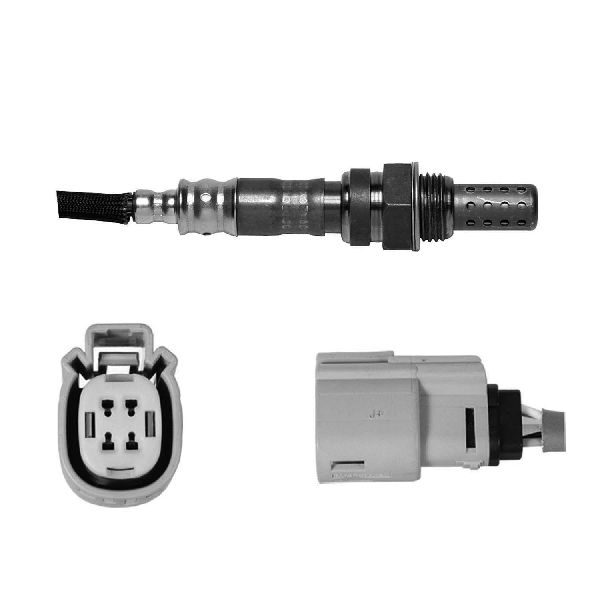
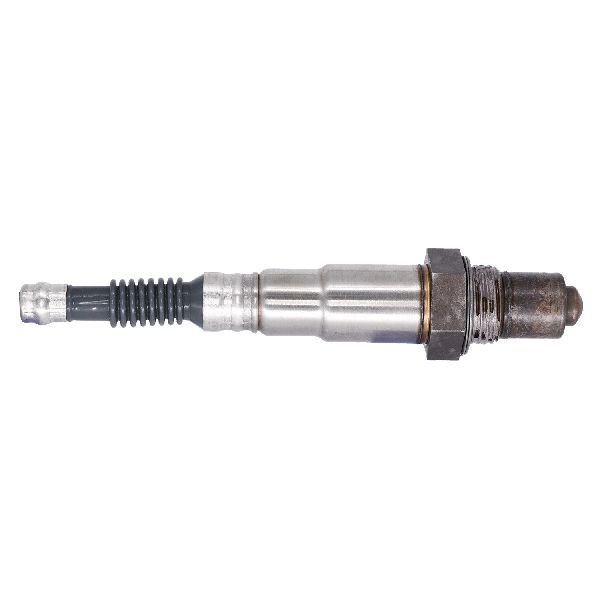
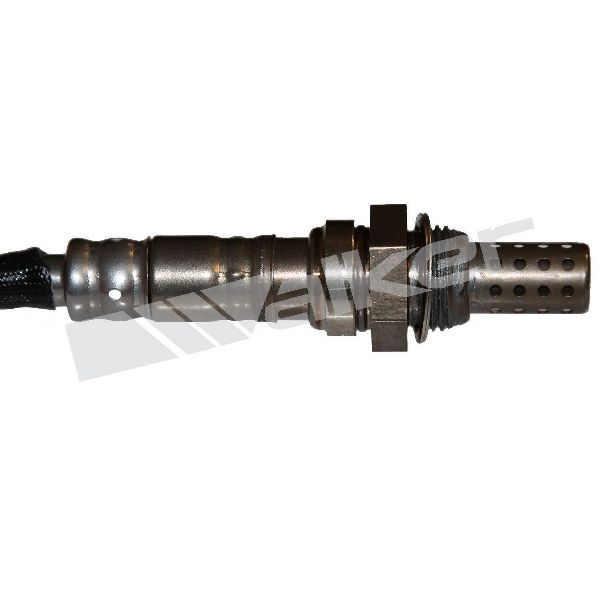
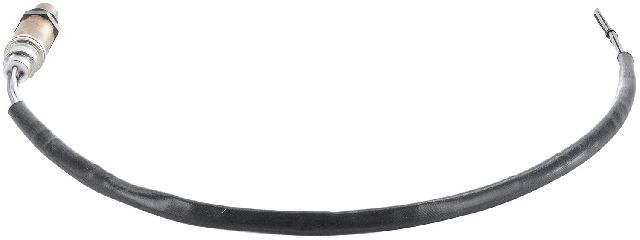
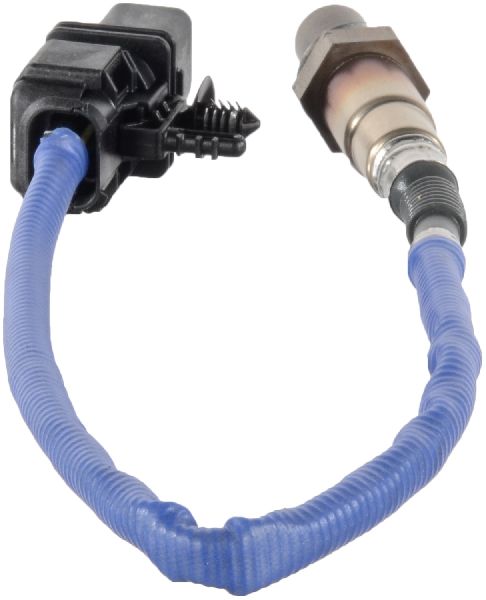
- Downstream Oxygen Sensor (Bank 1, Sensor 2)
(OEM #HS7Z-9G444-A)— This is the component that directly generates the voltage signal the code refers to. It is a common wear-and-tear part that fails due to age and contamination. This part number is confirmed in a repair video for a 2019 Fusion 1.5L.
Trusted brands: Motorcraft, Bosch, Denso, NTK
OEM price range: $100-$150
Aftermarket price range: $40-$80
Technical Service Bulletins (TSBs) & Recalls
- TSB 20-2100: Documents the coolant intrusion issue for the 1.5L EcoBoost, superseding earlier versions.
- TSB 19-2346: Addresses coolant intrusion for the 2.0L EcoBoost, which is a related engine in the Fusion lineup.
- Ford Recall 18S20 / 19S16: Pertains to the shifter cable bushing failure on 2013-2016 models.
Mechanic-Grade Diagnostic Values
- B1S2 O2 Sensor Signal Voltage (Live Data) — expected: Relatively stable fluctuation, typically between 0.1 and 0.9 volts, when the engine is in closed loop and at operating temperature.. Failure: Voltage is stuck consistently high, above 0.9V and especially above 1.1V for an extended period.
- O2 Sensor Signal Wire Voltage (KOEO, Sensor Disconnected) — expected: Near 0 volts. There should be no significant voltage on the signal wire coming from the PCM.. Failure: Voltage is present, especially 12V. This indicates a short-to-power in the wiring harness, possibly from the heater circuit or another source.
Scan Tool Commands That Help
- Ford IDS (or equivalent high-level scanner): HO2S Monitor Test / Active Command — A technician can use this function to force the engine's air-fuel ratio rich or lean. By observing the B1S2 sensor's response on live data, they can verify if the sensor is lazy or non-responsive, helping to confirm a bad sensor after verifying the wiring is good.
Wiring & Ground Locations
- B1S2 Connector — The sensor is threaded into the exhaust pipe after the catalytic converter, accessible from under the car. However, the electrical connector is not nearby. The harness runs up to the top rear of the engine bay, and the connector is located near the cylinder head, requiring the technician to reach down from above to disconnect it.. Technicians may assume the connector is near the sensor underneath the car. Knowing it's in the engine bay is critical for efficient testing of the harness for shorts or opens.
- B1S2 Wire Colors (at sensor) — On the sensor side of the connector, universal colors are often used.. For testing purposes, knowing the wire functions is key. Typically for a 4-wire sensor: two wires of the same color (often white) are for the heater circuit, one wire (often black) is the signal, and one wire (often gray) is the signal ground. This allows a technician to identify the signal wire for voltage testing even without a specific diagram.
Real Owner Repair Stories
- YouTube - Cars, Costs, and Culture (2014 Ford Fusion 1.5L EcoBoost) — Check Engine Light on, P0138 code stored.
❌ Tried (didn't work) Initially, the owner was concerned about other potential causes.
✅ What actually fixed it The owner replaced the downstream (Bank 1, Sensor 2) oxygen sensor with a Denso 234-4960. Critically, the Check Engine Light did not turn off immediately after the repair. The light extinguished on its own after a few days of normal driving, once the PCM's drive cycle monitor for the component completed successfully.
OEM Part Supersession History
HS7Z-9G444-A→HS7Z-9G444-B— Part has been updated or revised by the manufacturer. This is a common practice to improve reliability or consolidate parts.
Heads up: The new part number HS7Z-9G444-B is the correct replacement for the original. Using old stock of the '-A' version is possible but the '-B' is the latest revision.
Model Year Variations Within This Range
- 2013 vs 2014+: The 1.5L EcoBoost engine was not available in the 2013 model year. It was introduced in 2014 as an option with the automatic transmission, effectively replacing the 1.6L EcoBoost/automatic combination.
- 2014-Early 2016 vs. Late 2016-2020: The downstream oxygen sensor part number was superseded around February 2016 from HS7Z-9G444-A to HS7Z-9G444-B, indicating a possible design change during the 2016 model year production.
- 2019-2020: For the 2019 model year facelift, the 1.5L EcoBoost engine became the standard engine for SE and higher trim levels, making this issue potentially more common on a wider range of vehicles from these years.
Diagnostic Flowchart
Other Known Issues on This Vehicle
Issues unrelated to this code that are worth knowing about as an owner of this generation:
- Engine Coolant Intrusion 🔴 High — A well-documented design flaw in the engine block can lead to coolant leaking into the cylinders, causing misfires, white smoke, and eventual engine failure. It is most common between 60,000 and 100,000 miles. (Ref: TSB 20-2100 (supersedes 19-2375, 19-2139). Ford also issued Customer Satisfaction Program 21N12 extending warranty coverage for this specific issue.)
- Shifter Cable Bushing Failure 🟠 Medium — The bushing connecting the shifter cable to the transmission can degrade and detach, leaving the vehicle in a different gear than what the shifter indicates. This can lead to a rollaway risk or inability to shift out of Park. (Ref: Ford Recall 18S20, 19S16. Affects 2013-2016 models.)
- Turbocharger Wastegate Solenoid Failure 🟠 Medium — Failure of the wastegate regulating valve solenoid is common and typically triggers a P0234 'overboost' code, putting the car in limp mode. It's a known weak point on this family of EcoBoost engines. (Ref: TSB 15-0162 (for the similar 1.6L engine) documents this issue.)
- Power Steering Failure 🔴 High — Failures in the electronic power steering rack are reported, leading to a loss of power assist. This is an expensive repair, often costing over $2,000.
Used vs. New Parts: Buying Guide for This Vehicle
When a used part is the smart pick: Almost never for the sensor itself. Oxygen sensors are wear-and-tear items with a finite lifespan determined by heat cycles and contamination. A used sensor has unknown remaining life and is a poor value. A used wiring harness pigtail from a junkyard is a viable option if only the connector is damaged.
Donor-vehicle mileage cap: roughly under 80000 miles for the part to have meaningful remaining life.
What to inspect on the donor part:
- For a pigtail connector: ensure the plastic is not brittle or cracked.
- Check that the locking tab is intact and functional.
- Inspect the wire insulation for any signs of melting, chafing, or previous repairs.
- Ensure there is enough wire length (at least 6 inches) to allow for a proper splice.
OEM-only on this vehicle (don't cheap out):
- While not strictly 'OEM-only', using a Motorcraft sensor is the safest bet. If choosing aftermarket, stick to reputable OEM suppliers.
Aftermarket brands forum-validated for this vehicle:
- Denso (specifically part 234-4960 is cited as a successful replacement)
- NTK
- Bosch
Brands owners have reported issues with on this vehicle:
- Universal sensors that require cutting and splicing wires. These are frequently reported on forums to fail prematurely or provide incorrect readings on modern vehicles.
- No-name, unbranded sensors from online marketplaces.
Real Owner Stories
Aggregated from forums and TSBs cited above. Mileages and costs reflect what owners reported in those sources.
2014 Ford Fusion SE 1.5L EcoBoost — 117000 miles
Symptoms: Check engine light with P0138 code indicating high voltage for bank 1 sensor 2 O2 sensor.
What fixed it: Initial replacement of the O2 sensor cleared the code, though the user reported the code returned a week later, suggesting further diagnostic needs.
Source hint: reddit.com/r/fordfusion thread titled 'P0138 code comes back. : r/fordfusion'
2020 Ford Fusion — 218101 miles
Symptoms: Check engine light and poor gas mileage, with an error code indicating a potential issue with the O2 sensor.
What fixed it: Fixing a faulty cable or plug connection and replacing the aged O2 sensor.
Source hint: Carly Community
2019 Ford Fusion 1.5L EcoBoost — 7000 miles
Symptoms: Check engine light for a related O2 sensor code (P0141), indicating premature failure.
What fixed it: Replacement of the O2 sensor (Part HS7Z-9G444-A).
Source hint: YouTube - Ford Boss Me
2014 Ford Fusion 1.5L EcoBoost — ~100000 miles
Symptoms: Check engine light and P0138 code; sensor accessed from under the car.
What fixed it: Replacement of the downstream oxygen sensor using a Denso 2344960 sensor.
Source hint: YouTube - Cars, Costs, and Culture
Related OBD-II Codes
Frequently Asked Questions
What is the specific OEM part number for the downstream O2 sensor on my 1.5L EcoBoost Fusion?
Does TSB 20-2100 regarding coolant intrusion affect my 2013-2020 Ford Fusion 1.5L?
Is there a recall for the shifter on my 2013-2016 Ford Fusion?
Can I use an aftermarket sensor like Denso for the P0138 fix on my 2014 Fusion?
Is the P0138 code common on other Ford vehicles with the same engine?
What tools do I need to replace the Bank 1 Sensor 2 O2 sensor on my Fusion?
Helpful Videos
We Have This Part in Stock

The information in this article is provided for general reference and educational purposes only. Vehicle specifications, procedures, and part compatibility can vary by production date, trim level, and region. Always consult your vehicle's factory service manual and verify part numbers before purchasing or performing repairs. Safety-critical components such as airbags, seat belts, and braking systems should be installed by a qualified professional.
- Ford Fusion:
- 🎬 Helpful Videos
- 🛍️ Shop This Part
- What's Unique About the 2013-2020 Ford Fusion
- Symptoms You May Notice
- Most Likely Causes
- Rare But Worth Checking
- Diagnosis Steps
- Parts You'll Likely Need
- Technical Service Bulletins (TSBs) & Recalls
- Mechanic-Grade Diagnostic Values
- Scan Tool Commands That Help
- Wiring & Ground Locations
- Real Owner Repair Stories
- OEM Part Supersession History
- Model Year Variations Within This Range
- Diagnostic Flowchart
- Other Known Issues on This Vehicle
- Used vs. New Parts: Buying Guide for This Vehicle
- Real Owner Stories
- 2014 Ford Fusion SE 1.5L EcoBoost — 117000 miles
- 2020 Ford Fusion — 218101 miles
- 2019 Ford Fusion 1.5L EcoBoost — 7000 miles
- 2014 Ford Fusion 1.5L EcoBoost — ~100000 miles
- Related OBD-II Codes
- Frequently Asked Questions
- 🎟️ Get 5% Off