

P0138 on 2005-2010 Chrysler 300 3.5L V6: O2 Sensor High Voltage Causes and Fixes
This code means the passenger-side, downstream O2 sensor is sending a high voltage signal. While a failed sensor is common, a frequent issue on this platform is a melted wiring harness near the exhaust. Always inspect the wiring for shorts before replacing the sensor, which costs about $40-$80 for a quality aftermarket part.
- P0138 points to the downstream O2 sensor on the passenger side.
- Before buying any parts, you MUST inspect the sensor's wiring harness for melting or damage where it passes near the exhaust and transmission.
- If the wiring is good, the most likely fix is replacing the O2 sensor itself.
- This is a DIY-friendly repair, but the old sensor can be difficult to remove due to rust.
- Driving with this code will cause an automatic failure on an emissions test.
What's Unique About the 2005-2010 Chrysler 300
The Chrysler 300 and its Dodge Charger/Magnum siblings from this era are known for a specific vulnerability. The wiring harness for the downstream oxygen sensors is often routed too close to the hot exhaust system or transmission bell housing. This can cause the wiring loom to melt or chafe, leading to a short circuit that sends a constant high voltage signal to the computer. This known issue makes a thorough visual inspection of the harness just as important as testing the sensor itself, as many owners replace the sensor only to have the code return.
Symptoms You May Notice
- Check Engine Light (CEL) is on
- Failed emissions test
- Increased fuel consumption
- Rough idling or stalling
- Strong exhaust odor due to a potential rich fuel mixture
- Sluggish acceleration or lack of power
- Replacing the O2 sensor without first inspecting the wiring harness for the common melting/chafing issue.
- Replacing the wrong oxygen sensor, such as the upstream sensor (Sensor 1) or the sensor on the driver's side (Bank 2).
- Replacing the catalytic converter. P0138 indicates a problem with the sensor circuit, not necessarily the converter itself.
Most Likely Causes
- Melted or Shorted O2 Sensor Wiring Harness 🔴 High Probability The wiring harness is often routed too close to the exhaust system or transmission, causing it to melt or chafe over time. The signal wire can short to the heater power wire within the same harness, sending a constant high voltage to the PCM.
How to confirm: Visually inspect the entire length of the wiring harness for the passenger-side downstream O2 sensor. Pay close attention to the area where it passes over the transmission and near the exhaust pipes for signs of melting, chafing, or bare wires. Forum users frequently report this as the root cause after a sensor replacement fails to fix the issue.
Typical fix: Repair the damaged section of the wire(s) using heat-shrink butt connectors or solder. Secure the repaired harness away from the heat source with high-temperature wire loom and zip ties.
Est. part cost: $5-$25 - Faulty Bank 1, Sensor 2 Oxygen Sensor 🔴 High Probability O2 sensors are wear-and-tear items that fail over time from heat and contamination.
How to confirm: Using an OBD-II scanner's live data, observe the voltage for 'O2S B1S2'. If it is stuck high (e.g., >0.9V) and does not fluctuate after a thorough wiring inspection, the sensor has likely failed internally.
Typical fix: Replace the Bank 1, Sensor 2 (passenger side, downstream) oxygen sensor. Soaking the old sensor's threads with penetrating oil is highly recommended as they are often seized by rust.
Est. part cost: $40-$100 - Engine Running Rich ⚪ Low Probability
How to confirm: Check for other DTCs, especially fuel trim codes like P0172 (System Too Rich Bank 1). Check live data for long-term fuel trims that are significantly negative. A rich condition can be caused by leaking fuel injectors, a faulty fuel pressure regulator, or a bad MAP sensor.
Typical fix: Diagnose and repair the root cause of the rich condition. This is not an O2 sensor problem, but the sensor is correctly reporting the exhaust condition.
Est. part cost: $50-$300+
Rare But Worth Checking
- Exhaust Leak: An exhaust leak before the O2 sensor could alter readings, but it is not a common cause for a high voltage code and would more typically cause a low voltage or lean code.
- Faulty Powertrain Control Module (PCM): This is extremely rare and should only be considered after all other possibilities, including sensor and wiring issues, have been definitively ruled out.
Diagnosis Steps
- Connect an OBD-II scanner and confirm that P0138 is the active code. Check for any other codes, like P0141 or P0158.
- View the live data stream for the Bank 1, Sensor 2 (B1S2) O2 sensor. Confirm if the voltage is stuck high, typically above 0.9V.
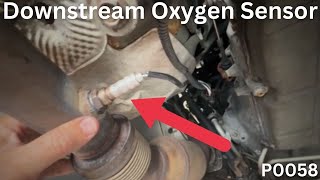
- Safely raise and support the vehicle. Locate the B1S2 O2 sensor on the passenger side exhaust pipe, after the catalytic converter.
- Crucial Step: Perform a thorough visual inspection of the sensor's wiring harness and connector. Trace the harness from the sensor towards the engine, paying extremely close attention to where it runs near or over the transmission housing and exhaust components. Look for any signs of melting, chafing, corrosion, or loose connections.
- If wiring damage is found, repair it securely. Use high-temp loom and zip ties to route the repaired harness away from heat sources. Clear the codes and re-test.
- If the wiring is confirmed to be intact, the O2 sensor itself is the most likely culprit. Proceed with replacing it. Using an O2 sensor socket will make removal easier.
- If a new sensor and confirmed good wiring do not resolve the code, investigate potential rich running conditions (check fuel trims, fuel pressure, and for leaking injectors).
- As a final, unlikely step, consider testing the PCM circuit or consulting a professional for advanced diagnostics.
Parts You'll Likely Need
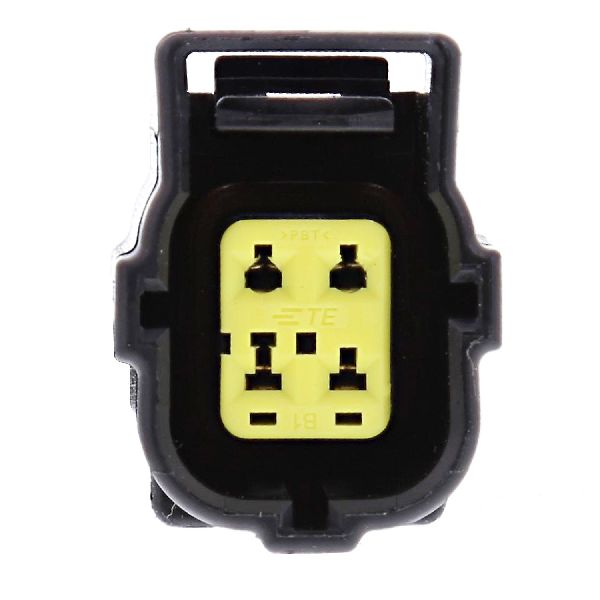
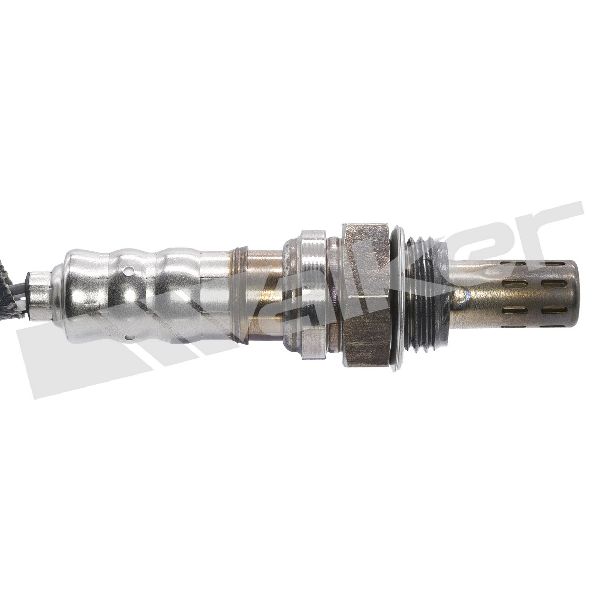
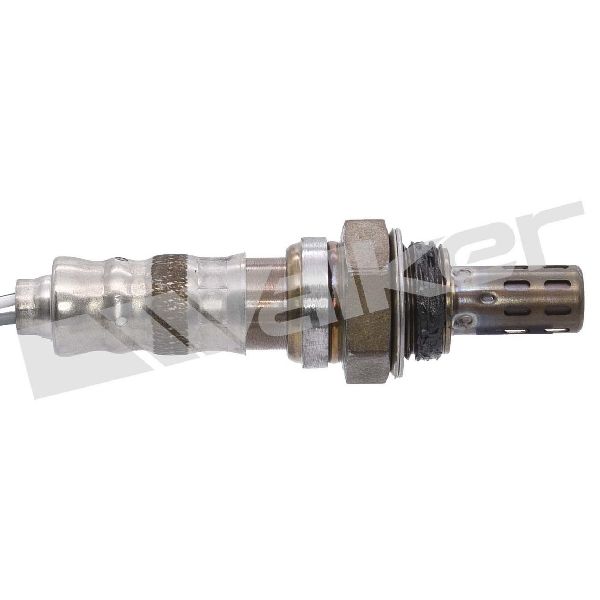
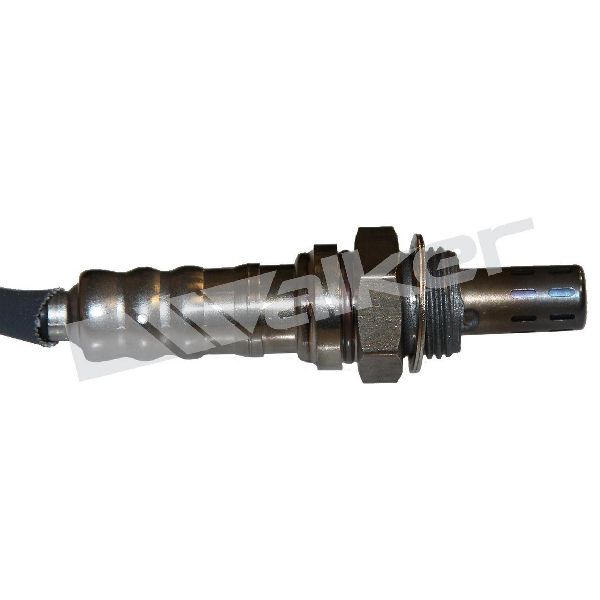
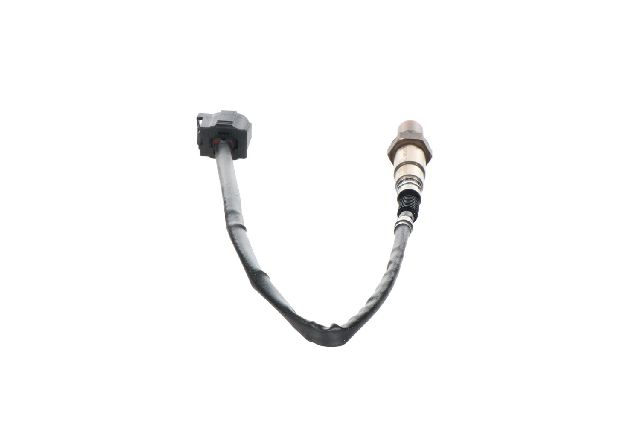
- Oxygen Sensor (Bank 1, Sensor 2)
(OEM #56029049AA)— This is the most common part to fail after wiring issues are ruled out. It is a standard wear-and-tear item.
Trusted brands: Mopar (56029049AA), NTK (23159), Denso (234-4587), Bosch
OEM price range: $80-$120
Aftermarket price range: $40-$80 - Wiring Repair Supplies — Needed to fix the very common melted harness issue. Includes butt connectors, solder, heat shrink tubing, and high-temperature wire loom.
Trusted brands: N/A
OEM price range: $10-$30
Aftermarket price range: $10-$30
Related Codes That Often Appear With This One
- P0141 — This code indicates a failure in the heater circuit of the same O2 sensor (B1S2). It's common for both codes to appear when the sensor fails internally or the harness is damaged.
- P0158 — This is the equivalent high voltage code for the Bank 2, Sensor 2 (driver's side). Sometimes wiring for both sensors can be damaged in the same area, causing both codes to appear.
- P0172 — This 'System Too Rich' code indicates an underlying fuel delivery problem that is causing the high voltage reading at the downstream O2 sensor.
Platform-Specific Known Issues
- The wiring harness for the downstream O2 sensors is prone to melting or chafing due to its proximity to the exhaust system, which can cause a short circuit and trigger a P0138 code even if the sensor is functional.
- A common failure mode is the O2 sensor signal wire shorting directly to the 12-volt heater power wire within the same harness bundle where it has melted, sending a constant high voltage signal to the PCM.
Mechanic-Grade Diagnostic Values
- O2 Sensor Heater Circuit Resistance — expected: 5 to 20 Ohms. Failure: A reading of OL (Open Loop/infinite resistance) or a value significantly outside the expected range indicates a failed heater element.
- O2 Sensor Signal Circuit (K141) to Ground — expected: 0 Volts (with sensor disconnected, ignition ON). Failure: Any voltage present indicates a short to voltage in the harness between the PCM and the sensor connector.
- O2 Return (Down) Circuit (K904) Resistance — expected: Below 5.0 Ohms (between sensor connector and PCM connector). Failure: Resistance above 5.0 Ohms indicates an open or high resistance in the ground return circuit.
- Jumpered O2 Sensor Connector Voltage — expected: 2.3 to 2.7 volts (with a jumper between Signal and Return circuits at the harness connector, ignition ON). Failure: If voltage is within this range with the jumper, the wiring and PCM are likely good, pointing to a bad sensor. If outside this range, a wiring or PCM issue exists.
- Scan Tool Voltage with Short to Power — expected: Normal fluctuating voltage (approx. 0.1V - 0.9V). Failure: If the signal wire shorts to the heater power, the scan tool will often display a fixed reading of approximately 5.0 volts.
Scan Tool Commands That Help
- Witech/Dealer-level scanner: Bidirectional Controls — A dealer-level tool like Witech allows for activating various outputs. While there isn't a specific 'O2 sensor test' command, a technician can actuate other components (like fuel injectors or EGR) to force a rich or lean condition and observe if the O2 sensor voltage responds accordingly on the live data screen. This helps differentiate a non-responsive sensor from a wiring issue.
Wiring & Ground Locations
- B1S2 Connector — Clipped to the passenger side of the transmission housing.. This is the primary connection point to test. It is close to the exhaust and transmission, making it and its harness susceptible to heat damage and melting, which is the most common platform-specific cause of P0138.
- K141 Circuit — The O2 1/2 Signal wire running from the sensor connector to the PCM.. This is the wire that carries the voltage signal. A short to voltage on this wire (e.g., from the heater power wire in the same bundle) will cause the constant high voltage reading.
- K904 Circuit — The O2 Return (Down) wire, which serves as the sensor ground, running from the sensor connector to the PCM.. High resistance or an open in this ground circuit can cause incorrect voltage readings, although it's a less common cause for a stuck-high code than a short to power.
- G104 / G105 / G106 — Main engine grounds. G104 is on the right side of the engine, G105 is at the rear of the engine, and G106 is on the left side of the engine.. While the O2 sensor has a dedicated return circuit to the PCM, overall engine grounding integrity is crucial for all sensors. A poor engine ground can create voltage offsets and introduce electrical noise, potentially affecting sensor readings. These should be checked for corrosion and tightness if bizarre electrical issues are present.
Real Owner Repair Stories
- 300CForums.com user (Chrysler 300C (year not specified, but within LX platform)) — P0138 and P0158 codes present simultaneously.
❌ Tried (didn't work) Replacing the oxygen sensor at least twice.
✅ What actually fixed it The owner discovered the O2 sensor wiring harness had melted onto the exhaust/transmission, causing a short circuit. Repairing the damaged wires and securing the harness away from the heat source resolved both codes.
OEM Part Supersession History
56029049AA→56029049AA (current)— This part number has remained stable for the specified application.
Heads up: This part number is used for various positions (upstream/downstream, left/right) on different Chrysler/Dodge/Jeep models. It is critical to verify it is for the Bank 1, Sensor 2 position for the 3.5L V6 Chrysler 300. While it may physically fit other locations, its calibration may be different.
Diagnostic Flowchart
Other Known Issues on This Vehicle
Issues unrelated to this code that are worth knowing about as an owner of this generation:
- Shift Lever Stuck in Park ('Pink Thingy' Failure) 🔴 High — Very common, especially on 2005-2007 models. The small plastic shift interlock latch becomes brittle and breaks.
- Intake Manifold Runner Control (SRV) Valve Failure 🟠 Medium — Common failure item on the 3.5L V6, often triggering code P1004. The plastic internal components wear out, causing rough idle and loss of power. (Ref: TSB 18-003-10 may apply to related wiring issues.)
- Front Suspension Noise (Tension Struts / Ball Joints) 🟠 Medium — Widespread reports of clunking or squeaking from the front suspension. Often caused by premature failure of tension struts, ball joints, or sway bar links.
- EGR Valve Failure 🟠 Medium — The EGR valve is known to get stuck open with carbon, causing a very rough idle and stalling, typically triggering code P0402. The part is difficult to access at the rear of the engine.
- Power Window Regulator/Motor Failure 🟡 Low — Common across many model years, where the window fails to go up or down due to a broken regulator cable or failed motor.
Used vs. New Parts: Buying Guide for This Vehicle
When a used part is the smart pick: A used wiring harness pigtail or a section of harness from a junkyard is an excellent choice. If your harness is melted, finding a donor vehicle with an intact harness is a cost-effective and reliable repair, as the failure is due to physical damage, not wear.
Donor-vehicle mileage cap: roughly under 150000 miles for the part to have meaningful remaining life.
What to inspect on the donor part:
- For a wiring harness: Inspect for any signs of melting, brittleness, or previous repairs.
- Check that the connector locks are intact and not broken.
- Ensure there is no corrosion (green or white powder) on the connector pins.
- Bend the harness in a few places to feel for internal wire breaks (it should be flexible, not crunchy).
OEM-only on this vehicle (don't cheap out):
- Powertrain Control Module (PCM) - Aftermarket or improperly programmed used PCMs can cause a host of other issues.
Aftermarket brands forum-validated for this vehicle:
- NTK (often the OEM supplier)
- Denso
Brands owners have reported issues with on this vehicle:
- Unnamed 'white box' or generic, ultra-low-cost sensors from online marketplaces. Forum discussions frequently mention these failing quickly or being dead-on-arrival. While Bosch is a top-tier brand, some Chrysler technicians report occasional compatibility issues with their O2 sensors on this platform, recommending sticking to NTK or Denso.
Real Owner Stories
Aggregated from forums and TSBs cited above. Mileages and costs reflect what owners reported in those sources.
2006 Chrysler 300C 3.5L
Symptoms: Check Engine Light with codes P0138 and P0158.
What fixed it: Found the O2 sensor harness had fallen and melted on top of the transmission; repaired the wires and secured the harness.
Source hint: 300CForums.com
2008 Dodge Charger R/T
Symptoms: Check Engine Light for code P0158 (similar high voltage O2 circuit code).
What fixed it: Checking for shorts in the wiring before concluding the sensor is bad.
Source hint: YouTube repair video for a 2008 Dodge Charger R/T
Related OBD-II Codes
Frequently Asked Questions
Why did my P0138 code return even after I replaced the Bank 1 Sensor 2 oxygen sensor on my Chrysler 300?
Where exactly should I look for wiring damage on my 3.5L V6 to fix this code?
Are there any TSBs related to the 3.5L V6 engine's performance that I should know about while diagnosing this?
Can a rich-running engine cause a P0138 code on my Chrysler 300?
Is the P0138 issue common to other vehicles similar to the Chrysler 300?
What is the 'Pink Thingy' failure mentioned in common issues for this car?
Helpful Videos
We Have This Part in Stock


The information in this article is provided for general reference and educational purposes only. Vehicle specifications, procedures, and part compatibility can vary by production date, trim level, and region. Always consult your vehicle's factory service manual and verify part numbers before purchasing or performing repairs. Safety-critical components such as airbags, seat belts, and braking systems should be installed by a qualified professional.
- Chrysler 300:
- 🎬 Helpful Videos
- 🛍️ Shop This Part
- What's Unique About the 2005-2010 Chrysler 300
- Symptoms You May Notice
- Most Likely Causes
- Rare But Worth Checking
- Diagnosis Steps
- Parts You'll Likely Need
- Related Codes That Often Appear With This One
- Platform-Specific Known Issues
- Mechanic-Grade Diagnostic Values
- Scan Tool Commands That Help
- Wiring & Ground Locations
- Real Owner Repair Stories
- OEM Part Supersession History
- Diagnostic Flowchart
- Other Known Issues on This Vehicle
- Used vs. New Parts: Buying Guide for This Vehicle
- Real Owner Stories
- 2006 Chrysler 300C 3.5L
- 2008 Dodge Charger R/T
- Related OBD-II Codes
- Frequently Asked Questions
- 🎟️ Get 5% Off