

P0137 on 2015-2021 Subaru WRX: Rear O2 Sensor Causes and Fixes
On a 2015-2021 Subaru WRX, code P0137 is almost always caused by a failing rear (downstream) oxygen sensor. Replacing the sensor is a straightforward DIY job, with parts costing approximately $70-$100 for an aftermarket Denso sensor or $150-$220 for an OEM Subaru part. For modified cars, this code is often a direct result of an O2 sensor spacer installed to prevent a P0420 code.
- For a stock 2015-2021 WRX, P0137 almost always means the rear O2 sensor has failed and needs replacement.
- If the car is modified with an aftermarket J-pipe/downpipe, this code is often caused by an O2 sensor spacer used to prevent a P0420 code.
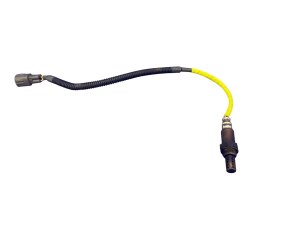
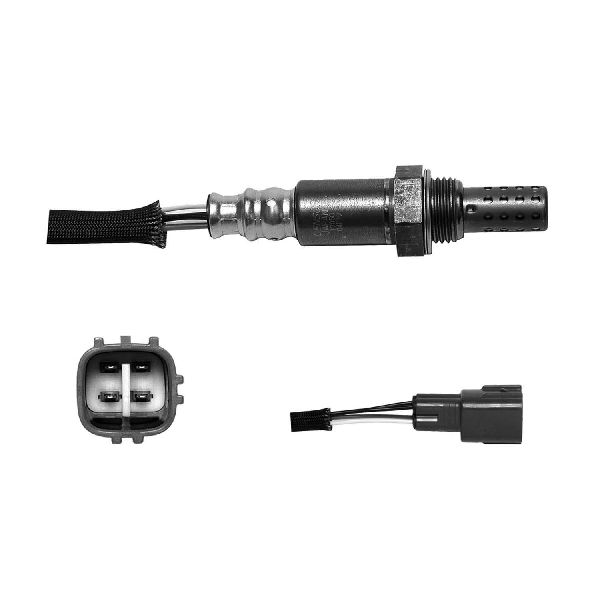
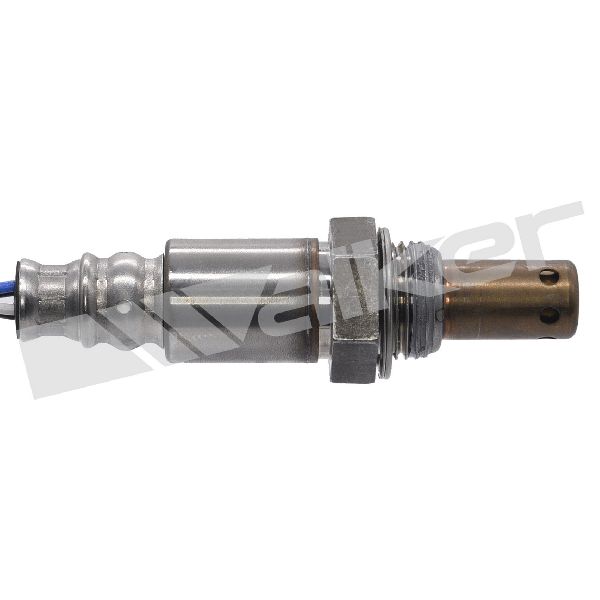
- The correct replacement part is Subaru OEM #22690AB010 or the equivalent aftermarket Denso #234-4988.
- This is a DIY-friendly repair that can be done with a 22mm wrench and access to the underside of the car.
- Do not immediately assume the catalytic converter is bad; diagnose the sensor and circuit first.
What's Unique About the 2015-2021 Subaru WRX

The 2015-2021 WRX is one of the most commonly modified vehicles on the road. This is critical context for P0137, as the code is often an unintended consequence of aftermarket exhaust parts. Owners frequently install an aftermarket J-Pipe (downpipe) to improve performance, which can trigger a P0420 catalyst efficiency code. A common 'fix' is to install an O2 sensor spacer, but if this pulls the sensor too far out of the exhaust stream, it can cause an artificially low reading and trigger P0137. Therefore, diagnosis on a WRX must always consider the presence of modifications, as a P0137 code on a modified car is very often a self-inflicted issue related to attempts to defeat the P0420 code.
Symptoms You May Notice

- Check Engine Light (CEL) is on
- Cruise control disabled and flashing cruise control light
- Unusual or rotten egg smell from the exhaust
- Rough or unstable idle, particularly on startup
- Reduced fuel economy
- The CEL may appear intermittently, sometimes clearing on its own after a few drive cycles before returning, indicating the sensor is in the process of failing.
- Replacing the front Air/Fuel Ratio sensor (Sensor 1) instead of the rear Oxygen sensor (Sensor 2).
- Replacing the catalytic converter. A P0137 code points to a sensor circuit issue, not necessarily a bad converter. A bad converter typically triggers a P0420 code.
Most Likely Causes

- Failing Rear Oxygen Sensor 🔴 High Probability Oxygen sensors are wear-and-tear items that degrade over time. On a stock vehicle, this is the most probable cause, as confirmed by numerous owner experiences. Sensors can fail intermittently at first, with the code appearing only in certain conditions (like hot weather) before becoming permanent.
How to confirm: Using a scan tool, monitor the live voltage data for 'Bank 1, Sensor 2'. If the voltage is stuck low (e.g., below 0.2V) and does not fluctuate on a warm engine, the sensor has likely failed. The sensor's internal heater circuit can also be tested for proper resistance.
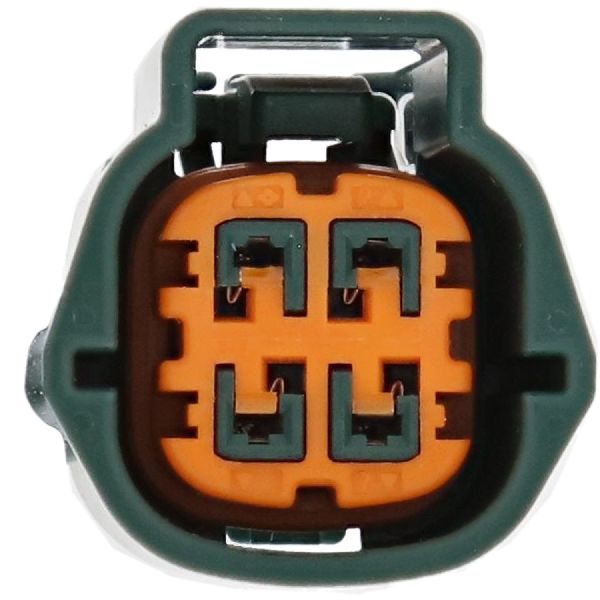
Typical fix: Replace the rear (downstream) oxygen sensor. This involves unplugging the green connector in the engine bay and using a 22mm wrench or O2 sensor socket to remove the old sensor from the J-pipe. Many owners recommend using OEM or a reputable brand like Denso.
Est. part cost: $70-$220 - Improperly Installed O2 Sensor Spacer 🟡 Medium Probability Commonly used on modified cars with aftermarket J-pipes to prevent a P0420 code. If the spacer is too large or has the wrong size restrictor insert, it pulls the sensor too far from the exhaust gas stream. This causes it to read excess oxygen, which the ECU interprets as a low voltage signal, triggering P0137.
How to confirm: Visually inspect the rear O2 sensor for a spacer installed between the sensor and the exhaust pipe bung. If a spacer is present on a car with a P0137 code, it is the primary suspect. One owner on Reddit detailed this exact scenario: installing a spacer to fix P0420, only to immediately trigger P0137.
Typical fix: Remove the spacer, use a smaller spacer, or use a spacer with a different sized restrictor 'jet'. This is often a trial-and-error process. Alternatively, a professional tune from a tuner who can still access these parameters may be able to disable the code, though this is less common after Cobb's 'Greenspeed' update.
Est. part cost: $15-$40 - Exhaust Leak ⚪ Low Probability Leaks can occur at gaskets (e.g., turbo to J-pipe, J-pipe to cat-back) due to age, rust, or improper installation of aftermarket parts. A leak before the rear O2 sensor can introduce oxygen into the exhaust stream, causing a false low voltage reading.
How to confirm: Visually inspect all exhaust flanges and gaskets between the engine and the rear O2 sensor for black soot trails. A smoke test is the most definitive way to find small leaks. Listen for ticking or hissing sounds from the exhaust when the engine is cold. A leak after the sensor (e.g., at the rear muffler) will not cause this code.
Typical fix: Replace the leaking gasket and/or tighten the hardware to the correct torque specification. If a pipe is cracked, it will need to be repaired or replaced.
Est. part cost: $10-$50 - Damaged Wiring or Connector ⚪ Low Probability The wiring harness runs near hot exhaust components and can be damaged during other maintenance or if not secured properly. The connector itself can also get wet, causing intermittent issues.
How to confirm: Visually inspect the wiring harness from the rear O2 sensor up to its green connector in the engine bay. Look for any signs of melting, chafing, or broken wires. Unplug the connector and check for corrosion, bent pins, or moisture inside. One owner attempted to fix an intermittent P0137 by cleaning the connector and wrapping it in electrical tape.
Typical fix: Repair the damaged section of the wiring harness. If the connector is damaged, it may need to be replaced. Ensure the connector is dry and secure.
Est. part cost: $5-$100
Rare But Worth Checking
- Engine Oil Contamination in Harness (per TSB 02-170-17R): Subaru issued TSB 02-170-17R for 2015-2019 WRX models (and other FA/FB engine vehicles) regarding oil leaking from an internal seal in the AVCS Oil Control Valves (OCV). This oil can enter the electrical connector and 'wick' through the engine wiring harness, eventually contaminating other connectors, including the O2 sensor or even the ECM. Diagnosis requires unplugging the OCV connectors and inspecting for oil inside; the leak is not external. If oil is found, the OCVs must be replaced with the updated part, and the harness may require extensive cleaning or replacement.
- Faulty Engine Control Module (ECM): This is extremely rare. The ECM should only be considered a potential cause after all other possibilities, including the sensor, wiring, and exhaust system, have been thoroughly ruled out.
Diagnosis Steps

- Read the code with an OBD-II scanner and confirm P0137 is present. Note any other codes, such as P0420 or P2270.
- If the vehicle is modified with an aftermarket J-pipe, inspect the rear O2 sensor for an installed spacer. This is a highly likely cause.
- Visually inspect the O2 sensor's wiring harness for any signs of melting, chafing, or physical damage from the sensor up to the engine bay connector.
- Unplug the green O2 sensor connector in the engine bay and check for corrosion, bent pins, or moisture.
- Per TSB 02-170-17R, disconnect the connectors for the Oil Control Valves (OCVs) on the front of the engine and inspect for any signs of engine oil inside the connectors, which indicates a wicking issue.
- Inspect the exhaust system for leaks. Look for black soot around flanges and listen for audible hissing or ticking sounds, especially when the engine is cold. A leak must be upstream of the sensor to cause this code.
- Use a scan tool to monitor the live voltage of 'Bank 1, Sensor 2'. A healthy rear O2 sensor on a warm, running engine should have a relatively stable voltage. If it is stuck below 0.2V, this confirms the fault condition.
- If all wiring and connectors are good, there are no exhaust leaks, and the voltage is stuck low, the sensor itself is the most likely culprit and should be replaced.
Parts You'll Likely Need

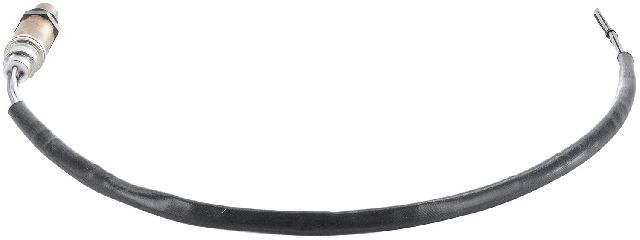
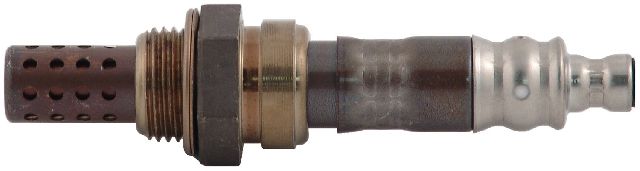
- Rear Oxygen Sensor
(OEM #22690AB010)— This is the most common failure point for the P0137 code on a stock or modified WRX.
Trusted brands: Subaru (OEM), Denso
OEM price range: $150-$220
Aftermarket price range: $70-$100
Related Codes That Often Appear With This One
- P2270 — This code means 'O2 Sensor Signal Stuck Lean (Bank 1, Sensor 2)'. It is often triggered alongside P0137 as both indicate a sensor signal that is showing an excess oxygen condition.
- P0420 — This code means 'Catalyst System Efficiency Below Threshold'. On a modified WRX, a P0137 can be the result of a failed attempt to fix a P0420 code using an O2 spacer.
Technical Service Bulletins (TSBs) & Recalls
- WRA-25: Voluntary Emissions Recall for certain 2017 WRX models related to rear catalyst performance.
- 02-170-17R: Details a potential for oil from the AVCS Oil Control Valves wicking through the wiring harness and contaminating sensor connectors.
- Bulletin #09-115-24R: Announces the availability of new oxygen sensors specifically developed to address DTC P0137 (O2 Sensor Circuit Low Voltage Bank 1 Sensor 2) and related circuit codes.
Platform-Specific Known Issues
- A Voluntary Emissions Recall (WRA-25) was issued for some 2017 WRX models for rear catalyst performance. While not directly for P0137, it involves replacing the center exhaust pipe and reprogramming the ECU, which could be relevant if other exhaust-related codes are present.
Mechanic-Grade Diagnostic Values
- Downstream O2 Sensor (B1S2) Live Data Voltage — expected: Relatively stable voltage between 0.6V and 0.8V on a warm, running engine.. Failure: Voltage is stuck low (below 0.2V), reads 0V, or stays below 0.19V for more than a few seconds.
- Downstream O2 Sensor Heater Circuit Resistance — expected: Typically between 5 and 20 Ohms. A common value for Denso sensors is around 5-6 Ohms when tested at room temperature.. Failure: A reading of infinity (open circuit) or zero (short circuit) when testing the two heater pins on the sensor connector.
Hidden / Shadow Codes Worth Checking
- Mode $06, Test ID $41: This test monitors the O2 Sensor Circuit for Bank 1, Sensor 2. It includes checks for minimum and maximum output voltage thresholds. (see via An advanced OBD-II scan tool capable of reading Mode $06 data. This provides raw component test data from the ECU before a full DTC is set.)
Wiring & Ground Locations
- E25 (Rear O2 Sensor Connector) — The green 4-pin connector for the rear O2 sensor is located on the passenger side of the transmission tunnel, accessible from underneath the vehicle after removing the splash shield.. This is the primary connection point to inspect for corrosion, moisture, or damage. All voltage and resistance tests for the sensor and its circuit begin here.
- Engine Ground Strap — There are several key ground straps. One important strap connects the engine block to the chassis on the passenger side, near the turbo and downpipe. Another is located near the pitch stop mount.. A corroded, loose, or broken ground strap can create an unstable ground reference for the entire engine's electrical system. This can cause erratic voltage readings from sensors, including the O2 sensor, leading to false codes like P0137 even if the sensor itself is good.
Real Owner Repair Stories
- Reddit user on r/WRX (2020 Subaru STI (similar EJ engine, but identical diagnostic principle for this code)) — Check Engine Light with code P0137, car went into limp mode with poor throttle response and high rev hang.
❌ Tried (didn't work) Replacing the rear O2 sensor with a new one.
✅ What actually fixed it The issue was caused by installing an O2 sensor spacer to fix a P0420 code from a high-flow catalytic converter. The spacer pulled the sensor too far out of the exhaust stream. The fix involves experimenting with different sized spacers (or spacers with different restrictor 'jet' sizes) to find a balance that satisfies the ECU for both P0420 and P0137.
Documented NHTSA Reports
- NHTSA ODI #11723189 describes a diagnostic scan by a certified technician that identified multiple codes including P0137, P0700, and P2096, where the root cause was documented as a pressure sensor leak.
OEM Part Supersession History
22690AB010→No official supersession found, this part number remains current for the specified model years.— N/A
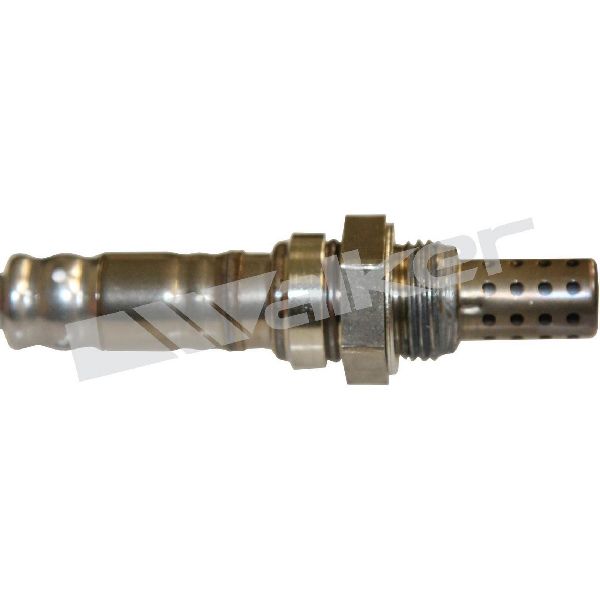
Heads up: The OEM supplier is Denso, and the direct aftermarket equivalent is Denso P/N 234-4988. While they may look slightly different physically, they are functionally identical for this application. Owners on forums strongly recommend sticking with OEM or Denso, as other brands have been reported to cause persistent issues on Subarus.
Model Year Variations Within This Range
- 2015-2021: While the 2018 model year introduced a facelift with cosmetic and some minor mechanical changes, the FA20F engine, exhaust layout, and associated sensors (including the rear O2 sensor P/N 22690AB010) remained consistent throughout the 2015-2021 'VA' generation. Therefore, the causes and fixes for P0137 are not year-specific within this range.
Diagnostic Flowchart
Real Owner Stories
Aggregated from forums and TSBs cited above. Mileages and costs reflect what owners reported in those sources.
Subaru WRX
Symptoms: Triggered a P0137 code after installing a high-flow catted J-pipe.
What fixed it: The owner's tuner advised that upgrading to a GESI catalytic converter was the only solution.
Source hint: Reddit r/WRX - "J-Pipe related P0137 code (rear O2 sensor low voltage)"
Subaru WRX
Symptoms: Received a P0420 code after installing a high-flow cat. Installed a spacer to fix the P0420, which immediately caused a P0137 code.
What fixed it: Adjusting or removing the spacer, as it pulled the sensor too far from the exhaust stream.
Source hint: Reddit r/WRX - "P0137 Rear 02 sensor low voltage"
2017 Subaru WRX FA20DIT
Symptoms: Experienced an intermittent P0137 code on a completely stock vehicle. The code would sometimes clear itself after a few drive cycles.
What fixed it: Installed a new rear oxygen sensor.
Source hint: Reddit r/AskAMechanic - "Intermittent P0137 Code, '17 Subaru WRX (FA20DIT, stock)"
2016 Subaru Forester XT
Symptoms: Dealt with a recurring P0137 Check Engine Light on the shared FA20F platform.
What fixed it: Investigated TSB 02-170-17R for oil wicking into the wiring harness from the Oil Control Valves (OCVs).
Source hint: Reddit r/subaru - "CEL Code P0137 ('16 FXT)"
Related OBD-II Codes
Frequently Asked Questions
Does TSB 02-170-17R apply to my WRX for code P0137?
I installed an aftermarket J-pipe and a spacer to fix a P0420 code, but now I have P0137. Why?
Is there a recall for the 2017 WRX that might be related to exhaust codes?
What brand of rear oxygen sensor should I use for my 2015-2021 WRX?
Why is my cruise control light flashing along with the Check Engine Light for P0137?
Can a high-flow catted J-pipe cause a P0137 code without a spacer?
Used OEM Parts in Stock
New Aftermarket Parts Available

The information in this article is provided for general reference and educational purposes only. Vehicle specifications, procedures, and part compatibility can vary by production date, trim level, and region. Always consult your vehicle's factory service manual and verify part numbers before purchasing or performing repairs. Safety-critical components such as airbags, seat belts, and braking systems should be installed by a qualified professional.
- Subaru WRX:
- 🛍️ Shop This Part
- What's Unique About the 2015-2021 Subaru WRX
- Symptoms You May Notice
- Most Likely Causes
- Rare But Worth Checking
- Diagnosis Steps
- Parts You'll Likely Need
- Related Codes That Often Appear With This One
- Technical Service Bulletins (TSBs) & Recalls
- Platform-Specific Known Issues
- Mechanic-Grade Diagnostic Values
- Hidden / Shadow Codes Worth Checking
- Wiring & Ground Locations
- Real Owner Repair Stories
- Documented NHTSA Reports
- OEM Part Supersession History
- Model Year Variations Within This Range
- Diagnostic Flowchart
- Real Owner Stories
- Subaru WRX
- Subaru WRX
- 2017 Subaru WRX FA20DIT
- 2016 Subaru Forester XT
- Related OBD-II Codes
- Frequently Asked Questions
- 🎟️ Get 5% Off