

P0137 on 2015-2017 Ford F-150 2.7L EcoBoost: Causes and Fixes for O2 Sensor Low Voltage
This code almost always means the downstream oxygen sensor on the passenger side (Bank 1, Sensor 2) has failed. Expect to pay $45-$80 for an OEM Motorcraft part or $40-$100 for an aftermarket replacement. It's a straightforward DIY fix with the right tools. Before replacing, always inspect the wiring for melting or chafing.
- P0137 points to the downstream O2 sensor on the passenger side (Bank 1, Sensor 2).
- The most common fix is to replace the sensor itself. Always inspect the wiring for damage before buying parts.
- Do not replace the catalytic converter for this code; a P0420 code indicates a converter problem.
- The correct OEM part is FL3Z-9G444-D, which is serviced by Motorcraft part DY-1325.
- Be aware of other common platform issues like oil pan leaks and carbon buildup, which are separate from this specific code.
What's Unique About the 2015-2017 Ford F-150
While P0137 is a generic code, the F-150's application as a work truck makes it more susceptible to wiring harness damage from road debris or heat, which can trigger this code. Some owners have experienced issues with cracked exhaust manifolds on the 2.7L EcoBoost, which can also lead to O2 sensor codes, though this is more commonly associated with upstream sensors. The first-generation 2.7L (2015-2017) is also a direct-injection-only engine, making it prone to carbon buildup, which can affect overall engine performance but is unlikely to be the sole cause of P0137.
Symptoms You May Notice
- Check Engine Light is on
- Failing a vehicle emissions test
- Potentially decreased fuel economy
- Rough or unstable idle in some cases
- Noticeable exhaust or fuel odor
- Replacing the catalytic converter. A P0137 code points to a fault in the sensor's *circuit*, not the converter's efficiency. A bad converter would typically set a P0420 code. One owner on Reddit reported a shop incorrectly replaced the converter for a P0137, and the code returned immediately, indicating the actual fault was elsewhere.
Most Likely Causes
- Failed Bank 1, Sensor 2 Oxygen Sensor 🔴 High Probability O2 sensors are wear-and-tear items that fail over time from heat, contamination, and age. They typically have a lifespan of 60,000 to 90,000 miles. This is the most frequent cause of P0137.
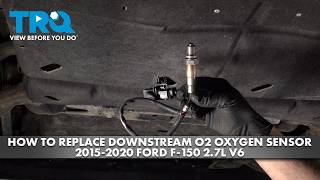
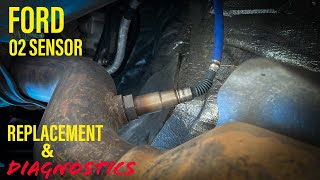
How to confirm: Using a scan tool, observe the live data for the B1S2 sensor with the engine warm. A healthy downstream sensor shows a relatively stable voltage (e.g., 0.6-0.8V). If the voltage is stuck low (e.g., <0.2V) and does not respond to changes in engine RPM 🎬 Watch: Complete guide to O2 sensor diagnostics and replacement, the sensor has likely failed.
Typical fix: Replace the Bank 1, Sensor 2 (passenger side, downstream) oxygen sensor.
Est. part cost: $40-$100 - Damaged Wiring or Connector 🟡 Medium Probability The sensor wiring runs under the truck and is exposed to high heat from the exhaust and transmission, as well as potential damage from road debris, water, and corrosion. Chafing or melting is a common point of failure.
How to confirm: Visually inspect the entire wiring harness from the O2 sensor to its connection point. Look for any signs of melting, chafing, corrosion in the connector pins, or breaks in the wire. A multimeter can be used to check for continuity and shorts in the signal wire.
Typical fix: Repair the damaged section of the wiring harness or replace the connector pigtail.
Est. part cost: $10-$30 - Exhaust Leak ⚪ Low Probability Rust and corrosion can cause leaks at exhaust manifold gaskets or pipe flanges, which is common in areas that use road salt. A leak upstream of the sensor allows unmetered oxygen into the exhaust, causing a false low-voltage reading.
How to confirm: Listen for ticking or hissing sounds from the exhaust, especially when the engine is cold. You can also use a smoke machine to pressurize the exhaust and look for visible leaks upstream of the B1S2 sensor.
Typical fix: Replace the leaking gasket or repair the damaged section of the exhaust pipe.
Est. part cost: $20-$150
Rare But Worth Checking
- Engine Running Lean: This would cause excess oxygen in the exhaust, leading to a low voltage reading. However, it would almost certainly trigger other codes first, such as P0171 (System Too Lean Bank 1) or P2096 (Post Catalyst Fuel Trim System Too Lean Bank 1).
- Faulty Powertrain Control Module (PCM): This is extremely rare. The PCM itself can fail, but all other possibilities should be exhausted before considering PCM replacement. Some older platforms have had PCM software updates to address erroneous O2 codes.
Diagnosis Steps
- Read the code with an OBD-II scanner to confirm P0137 is the primary code present.
- Visually inspect the Bank 1, Sensor 2 (passenger side, downstream) oxygen sensor. Check for obvious physical damage.
- Carefully inspect the sensor's wiring harness and connector for any signs of melting, chafing, corrosion, or loose pins. The harness is routed near the hot exhaust and transmission.
- Check for exhaust leaks. Listen for any unusual hissing or ticking noises from the passenger side exhaust manifold and pipes, especially on a cold start.
- Use a scan tool to monitor live data. With the engine fully warmed up, observe the voltage for 'O2S12' (Bank 1, Sensor 2). If it is stuck below 0.2 volts and does not fluctuate, the sensor or its circuit is faulty.
- If you have access to a multimeter, you can back-probe the sensor connector to verify if the low voltage reading is present at the sensor itself, which helps differentiate between a bad sensor and a wiring issue.
- If the wiring is confirmed to be good and there are no exhaust leaks, the most likely cause is a failed oxygen sensor.
- Replace the Bank 1, Sensor 2 oxygen sensor. Clear the code and perform a drive cycle to ensure the code does not return. Note that it may take a few start/stop cycles for the light to stay off.
Parts You'll Likely Need
- Oxygen Sensor (Bank 1, Sensor 2)
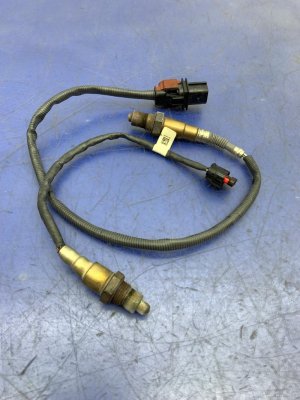
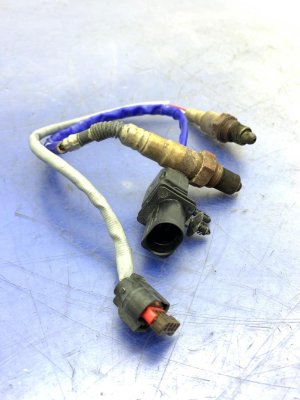
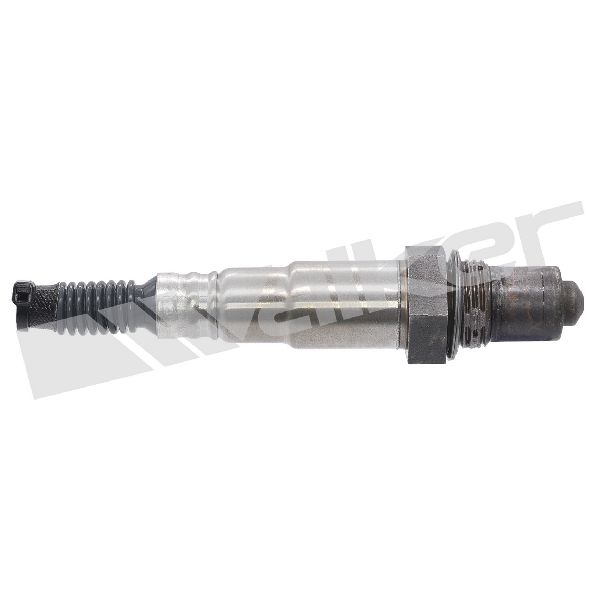
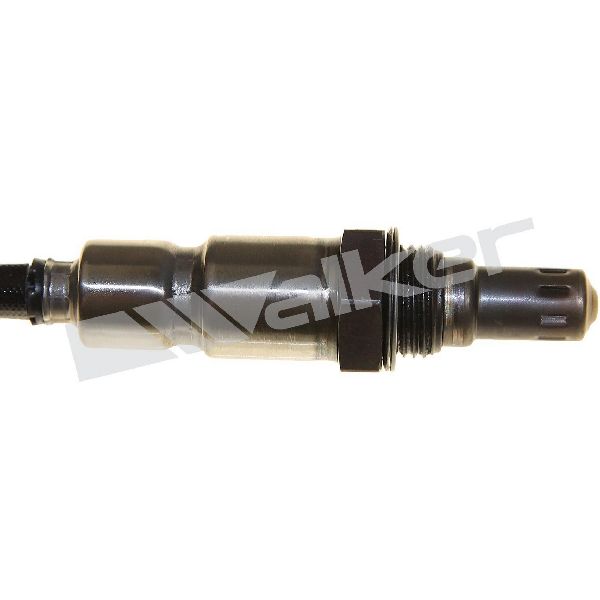
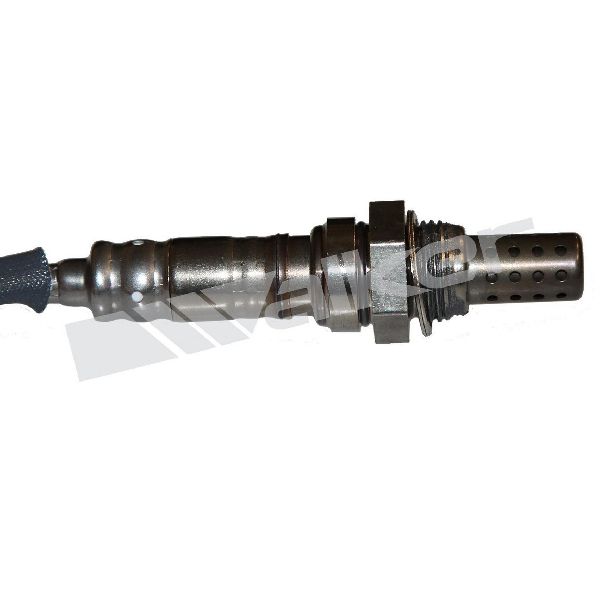
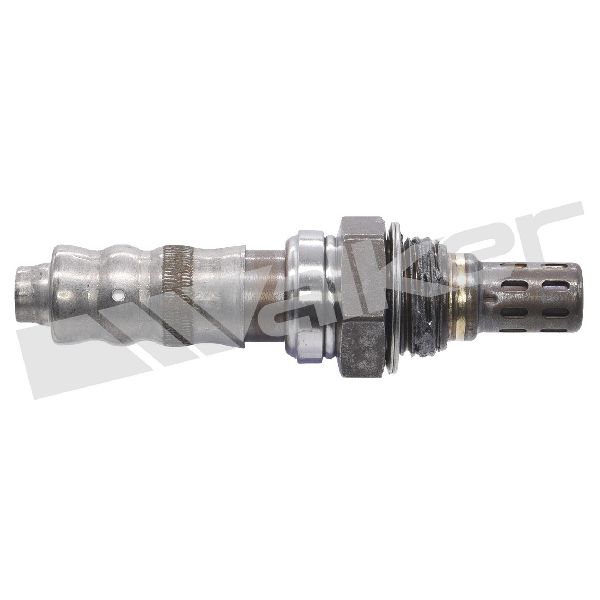
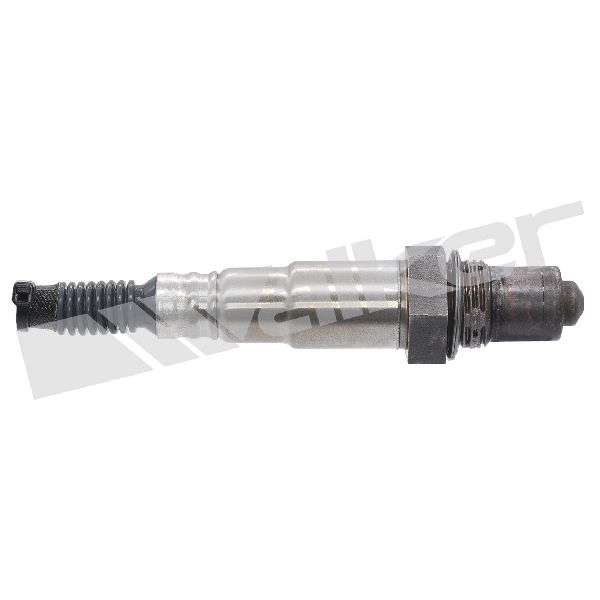
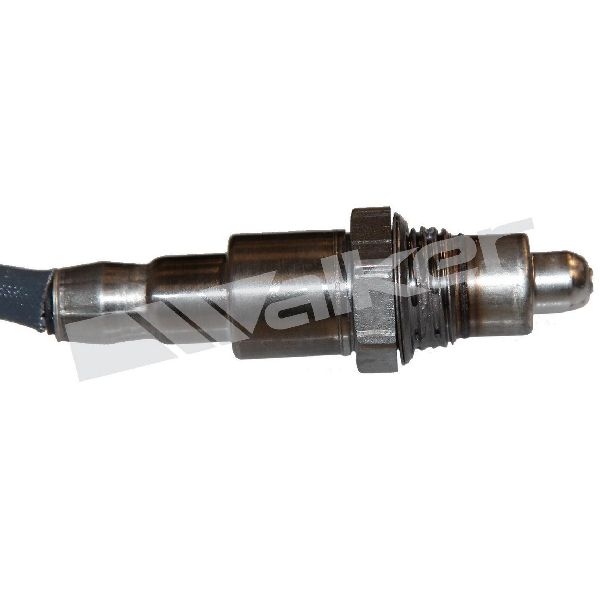
(OEM #FL3Z-9G444-D)— This is the downstream (post-catalyst) sensor for the passenger side. It is the most common failure point for a P0137 code.
Trusted brands: Motorcraft (DY-1325), Bosch, Denso, NTK
OEM price range: $45-$80
Aftermarket price range: $40-$100
Related Codes That Often Appear With This One
- P0036 — This code indicates a fault in the heater circuit of the same sensor (Bank 1, Sensor 2). When they appear together, it almost certainly points to a complete failure of the sensor itself or its wiring connector.
- P0141 — Similar to P0036, this code also points to a malfunction in the heater circuit for Bank 1, Sensor 2. Seeing P0137 and P0141 together strongly suggests replacing the sensor is the correct fix. 🎬 See how to fix codes P0036 and P0137 together
Technical Service Bulletins (TSBs) & Recalls
- TSB 15-0073: Pass 1 incorrectly linked this to P0137. This TSB actually concerns a coolant leak from a heater hose on 2015 F-150s and Mustangs equipped with the 5.0L V8 engine, and is not relevant to this diagnostic code on a 2.7L.
- TSB 22-2260: Addresses catalyst efficiency codes (P0420/P0430) on 2018-2020 2.7L models, sometimes caused by fuel with high sulfur content. While not for P0137, it's a known emissions-related issue for this engine family.
- Note on TSB 15-0072: A user on a Reddit forum mentioned TSB 15-0072 as a potential PCM reflash to fix a persistent P0137 code on a 2014 3.5L EcoBoost. While for a different model year and engine, it shows a history of Ford addressing O2 sensor logic via software updates.
Platform-Specific Known Issues
- Wiring Harness Vulnerability: The wiring for the downstream O2 sensors on the F-150 is routed in an area susceptible to heat from the exhaust and transmission. It's critical to inspect the harness for signs of melting or chafing against chassis or engine components before replacing the sensor itself, as a shorted wire will cause the code to return immediately.
- Misdiagnosis with Catalytic Converter: As documented in owner forums, a common misdiagnosis is to replace the expensive catalytic converter when a P0137 code appears. This code specifically relates to the sensor's circuit voltage, not converter efficiency (which is code P0420). Always diagnose the sensor and wiring first.
Mechanic-Grade Diagnostic Values
- Downstream O2 Sensor (B1S2) Voltage at Idle (Warm Engine) — expected: Relatively stable voltage between 0.6V and 0.8V.. Failure: Voltage is stuck low, typically below 0.2V, and does not fluctuate.
- O2 Sensor Heater Circuit Resistance — expected: Typically between 2 and 30 Ohms, depending on the specific sensor design.. Failure: An open circuit (infinite resistance) or a short (near zero resistance) indicates a failed heater element.
- O2 Sensor Heater Circuit Voltage (Key On, Engine Off) — expected: Should be equal to battery voltage (approx. 12V) at the sensor connector's power pin.. Failure: No voltage suggests a blown fuse (check under-hood fuse #95 for 2015-17 models) or a break in the power supply wire.
- O2 Signal Circuit Integrity Test (Ford/No Bias Voltage) — expected: With the sensor unplugged and a test light connected to battery positive, touching the signal wire pin on the harness side should drive the scan tool voltage reading high (over 1V). The test light should NOT illuminate.. Failure: If the scan tool voltage does not change, there is an open in the signal wire. If the test light illuminates, the signal wire is shorted to ground.
Hidden / Shadow Codes Worth Checking
- Mode $06, TID $81: Represents the test results for 'O2 Sensor Monitor Bank 1 - Sensor 2 (Catalyst Monitor)'. This test checks the sensor's switching time and response. (see via Use a scan tool capable of displaying Mode $06 data. A failing value here, even without a hard code, can indicate a lazy sensor that is about to fail.)
Scan Tool Commands That Help
- Ford IDS or FORScan: Retrieve Continuous Memory DTCs & Freeze Frame Data — This provides more detailed information than a generic scanner, showing the exact engine conditions (RPM, load, temperature) when the P0137 code was set, which can help pinpoint the cause.
- Ford IDS or FORScan: O2 Sensor Status PID (e.g., 'O2S12_READY') — To verify if the PCM considers the sensor's heater to be functional and the sensor ready to operate. If this PID shows 'No', it strongly points to a heater circuit fault (P0036/P0141) even if the code isn't present yet.
Wiring & Ground Locations
- G104 — Typically located on the engine block or cylinder head on the passenger side.. This is a primary engine ground point. While not directly for the O2 sensor's own ground wire (which is in the harness), a poor engine ground can introduce electrical noise and voltage offsets that affect multiple sensors, including O2 sensors. It's a critical point to check for looseness or corrosion when diagnosing unusual electrical faults.
- HO2S12 Connector (C1580) — The 4-pin connector for the Bank 1 Sensor 2 O2 sensor, located on the passenger side of the transmission or on a harness bracket nearby.. This is the primary point for testing. Probing for voltage, ground, and signal at this connector determines if the fault is in the sensor itself or further up the harness toward the PCM. Pinout is typically: Pin 1 - Heater Power (VPWR), Pin 2 - Heater Control (HTR12), Pin 3 - Signal Return (SIGRTN), Pin 4 - Signal (HO2S12).
- Body to Frame Ground — Underneath the passenger side door area, connecting the aluminum body to the steel frame.. Known to corrode on 2015+ F-150s, causing a wide range of bizarre electrical issues. While not a direct cause for P0137, it's a 'must-check' for any electrical diagnosis on this platform as it can affect PCM and module grounding.
Real Owner Repair Stories
- f150forum.com user report (2016 F-150 2.7L EcoBoost) — Check Engine Light with code P0137.
❌ Tried (didn't work) Replacing the Bank 1 Sensor 2 oxygen sensor.
✅ What actually fixed it The wiring harness for the O2 sensor had been rubbing against the transmission crossmember, eventually wearing through the insulation and causing the signal wire to short to ground. Repairing the chafed section of the harness and securing it away from the crossmember resolved the code.
OEM Part Supersession History
FL3Z-9G444-D→DY-1325 (Motorcraft Service Number)— Standard part number transition from OEM production to service/aftermarket sales.
Heads up: No known incompatibility. FL3Z-9G444-D is the OEM part number, and DY-1325 is the corresponding Motorcraft box part. They are the same.
Model Year Variations Within This Range
- 2015-2017 vs 2018+: The 2018 model year introduced the second-generation 2.7L EcoBoost, which added port injection to the existing direct injection system. While this primarily addressed carbon buildup concerns, it also involved changes to the PCM and wiring harnesses. Swapping parts between Gen 1 (2015-2017) and Gen 2 (2018+) engines is not recommended as they are not directly compatible.
Diagnostic Flowchart
Other Known Issues on This Vehicle
Issues unrelated to this code that are worth knowing about as an owner of this generation:
- Leaking Composite Oil Pan 🟠 Medium — Very common on 2015-2017 models. The original RTV sealant is prone to failure from heat cycles, causing oil to seep from the pan seam. (Ref: TSB 23-2338 (supersedes earlier versions) addresses this for other 2.7L vehicles; TSB 19-2205 is also cited for this issue.)
- Intake Valve Carbon Buildup 🟠 Medium — Common on first-generation (2015-2017) 2.7L engines over 50,000-70,000 miles. As a direct-injection-only engine, it lacks the valve-cleaning effect of port injection, leading to deposit buildup that can cause rough idle and power loss.
- Valve Guide Defects / Excessive Oil Consumption 🔴 High — Reported specifically in some 2.7L engines built from April 2016 to January 2017. Defective valve guides can allow oil to enter the combustion chamber, causing high oil consumption (e.g., 1 quart per 3,000 miles) and blue smoke from the exhaust.
Used vs. New Parts: Buying Guide for This Vehicle
When a used part is the smart pick: Never. O2 sensors are consumable wear items with a finite lifespan. The cost savings of a used sensor are negligible compared to the risk of premature failure and the labor required for replacement.
What to inspect on the donor part:
- Not applicable. Do not purchase a used oxygen sensor.
OEM-only on this vehicle (don't cheap out):
- While not strictly 'OEM-only', using the Motorcraft part is the safest bet to avoid compatibility issues. Some owners have reported issues with certain aftermarket brands causing codes to return.
Aftermarket brands forum-validated for this vehicle:
- NTK (often the original OEM supplier for Ford)
- Denso
Brands owners have reported issues with on this vehicle:
- Bosch (Some forum users report mixed results with Bosch sensors on Ford platforms, occasionally describing them as 'lazy' or causing new codes, though this is anecdotal and application-specific).
Real Owner Stories
Aggregated from forums and TSBs cited above. Mileages and costs reflect what owners reported in those sources.
2014 Ford F-150 EcoBoost
Symptoms: Check engine light for P0137. A mechanic replaced both the catalytic converter and the O2 sensor.
What fixed it: The code returned immediately after replacing the expensive parts, indicating the actual fix required addressing a missed wiring or PCM issue.
Source hint: reddit.com/r/f150 thread titled 'Ecoboost MIL light for P0137'
2016 Ford F-150 2.7L EcoBoost
Symptoms: Smoking on startup and long-term reliability concerns including oil pan leaks.
What fixed it: The owner required the replacement of cylinder heads to fix the smoking issue and had the composite oil pan replaced twice under warranty.
Source hint: rokslide.com thread discussing a '2016 F150 with 2.7l ecoboost'
Related OBD-II Codes
Frequently Asked Questions
Does TSB 15-0073 apply to my 2015 F-150 2.7L EcoBoost regarding the P0137 code?
Where is the Bank 1, Sensor 2 oxygen sensor located on my 2.7L F-150?
My 2016 2.7L F-150 is smoking on startup and has a P0137 code; are these related?
Could a software update fix my persistent P0137 code?
Should I replace my catalytic converter to fix a P0137 code?
How much should I expect to pay for a replacement O2 sensor part?
Helpful Videos
Used OEM Parts in Stock
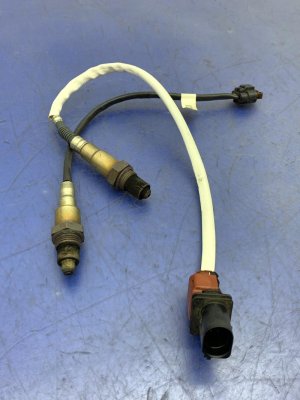
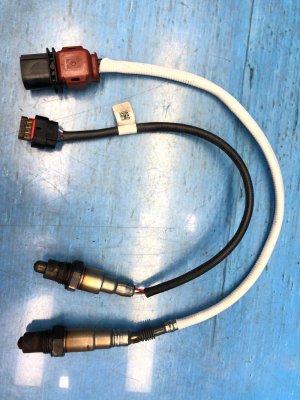
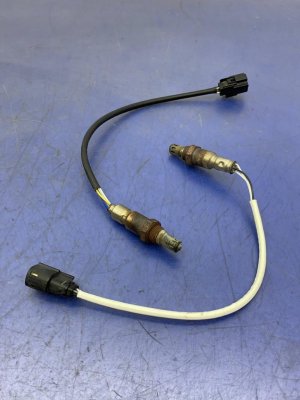
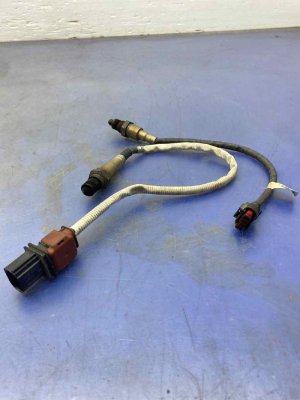
New Aftermarket Parts Available

The information in this article is provided for general reference and educational purposes only. Vehicle specifications, procedures, and part compatibility can vary by production date, trim level, and region. Always consult your vehicle's factory service manual and verify part numbers before purchasing or performing repairs. Safety-critical components such as airbags, seat belts, and braking systems should be installed by a qualified professional.
- Ford F-150:
- 🎬 Helpful Videos
- 🛍️ Shop This Part
- What's Unique About the 2015-2017 Ford F-150
- Symptoms You May Notice
- Most Likely Causes
- Rare But Worth Checking
- Diagnosis Steps
- Parts You'll Likely Need
- Related Codes That Often Appear With This One
- Technical Service Bulletins (TSBs) & Recalls
- Platform-Specific Known Issues
- Mechanic-Grade Diagnostic Values
- Hidden / Shadow Codes Worth Checking
- Scan Tool Commands That Help
- Wiring & Ground Locations
- Real Owner Repair Stories
- OEM Part Supersession History
- Model Year Variations Within This Range
- Diagnostic Flowchart
- Other Known Issues on This Vehicle
- Used vs. New Parts: Buying Guide for This Vehicle
- Real Owner Stories
- 2014 Ford F-150 EcoBoost
- 2016 Ford F-150 2.7L EcoBoost
- Related OBD-II Codes
- Frequently Asked Questions
- 🎟️ Get 5% Off