

P0136 on 2011-2015 Kia Sorento 2.4L GDI: Causes, Fixes, and O2 Sensor Replacement
This code indicates a malfunction in the downstream oxygen sensor circuit (Bank 1, Sensor 2). The most common fix is replacing the downstream O2 sensor, which is located after the catalytic converter. Wiring melting on the exhaust is another key checkpoint. Expect to pay between $30 and $80 for an aftermarket sensor and around $100-$170 for an OEM part.
- P0136 on your Sorento almost always points to the downstream O2 sensor (Bank 1, Sensor 2).
- The most likely fix is to replace the sensor itself, which is a DIY-friendly job with the right tools (especially an O2 sensor socket).
- Before buying parts, always perform a quick visual inspection of the sensor's wiring and connector for obvious damage.
- Driving with this code won't leave you stranded, but you will fail an emissions test and should get it fixed to ensure the engine and emissions systems are working correctly.
What's Unique About the 2011-2015 Kia Sorento
For the 2011-2015 Sorento with the 2.4L GDI engine, this code is a straightforward issue, commonly pointing to the failure of the downstream O2 sensor itself or its wiring. A specific point of failure on this platform is the wiring harness coming loose from its retaining clips and melting against the hot exhaust pipe. While some vehicles have complex logic, Sorento owners report that a standard replacement of the sensor, along with a careful inspection of the wiring, usually resolves the problem. The plastic sensor connector can become brittle with age and may break during removal.
Symptoms You May Notice
- Check Engine Light is on
- Failure to pass an emissions inspection
- Reduced fuel economy (possible, but not always noticeable)
- Rough idle or engine hesitation (less common)
- Strong 'rotten egg' or sulfur smell from exhaust (if related to a failing catalytic converter)
- Replacing the upstream (Sensor 1) oxygen sensor instead of the downstream (Sensor 2) sensor. P0136 specifically refers to the sensor located *after* the catalytic converter.
- Replacing the O2 sensor without thoroughly checking the wiring harness for melting or damage, causing the new sensor to report the same fault.
Most Likely Causes
- Failed Downstream Oxygen Sensor (Bank 1, Sensor 2) 🔴 High Probability Oxygen sensors are wear-and-tear items exposed to extreme heat and exhaust gases, and they have a finite lifespan. Premature failure is a common issue on many vehicles, including the Sorento 2.4L GDI and its platform mates.
How to confirm: Use an OBD-II scanner to observe the live data for the B1S2 O2 sensor. A healthy downstream sensor should show a relatively stable voltage (typically between 0.5V and 0.8V on a warm, running engine). If the voltage is stuck low (near 0V), high (near 1.0V), or is not changing at all, the sensor has likely failed.
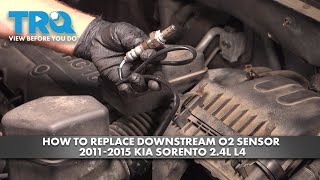
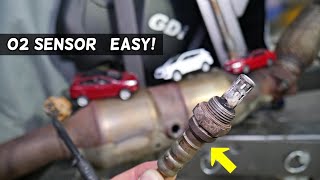
Typical fix: Replace the downstream oxygen sensor. This sensor is located underneath the vehicle, screwed into the exhaust pipe after the catalytic converter. 🎬 Watch: Step-by-step guide to replacing the downstream sensor on your Sorento. An oxygen sensor socket (22mm or 7/8") is recommended for removal. Apply anti-seize compound to the new sensor's threads before installation.
Est. part cost: $30-$80 - Damaged Wiring or Connector 🟡 Medium Probability The sensor's wiring is routed underneath the vehicle. A common failure point is the harness coming loose from its retaining clips, allowing the wires to rest on and melt against the hot exhaust pipe, causing a short. The connector itself can also become brittle and break during service.
How to confirm: Visually inspect the entire wiring harness from the O2 sensor to its connection point. Specifically check that the harness is properly secured in its clips and not touching any part of the exhaust. Look for any signs of melting, chafing, corrosion in the connector pins, or broken wires.
Typical fix: Repair the damaged section of the wiring harness with heat-shrink butt connectors or solder. Secure the harness away from heat sources. Clean corroded connector pins or replace the connector pigtail if it's damaged or broken.
Est. part cost: $5-$50 - Exhaust Leak ⚪ Low Probability Leaks in the exhaust system near the O2 sensor can allow outside air to enter, skewing the sensor's readings. Over time, the welded seams on the factory exhaust pipes can rot and create small leaks.
How to confirm: Listen for hissing or ticking sounds from the exhaust, especially when the engine is cold. A common method is to use a shop vacuum in 'blow' mode to pressurize the exhaust system and spray soapy water on joints and seams to look for bubbles.
Typical fix: Repair the leak, which may involve replacing a gasket, applying exhaust putty for a temporary fix, or welding a patch over a hole in the pipe.
Est. part cost: $10-$100
Rare But Worth Checking
- Blown O2 Sensor Fuse: The oxygen sensor's internal heater circuit is powered by a fuse, often located in the engine compartment fuse box and may be labeled 'SENSOR 1' or similar. If this fuse blows, it can set a circuit malfunction code like P0136 or P0141. Always check fuses before replacing parts.
- Failing Catalytic Converter: While a failing catalytic converter typically sets a P0420 code, its inefficiency can cause erratic readings from the downstream O2 sensor, leading to a P0136 code first. A 2012 Sorento owner on Reddit reported a dealer quoting $4,000 to replace the catalytic converter along with both O2 sensors to resolve a persistent sensor issue.
- Faulty Powertrain Control Module (PCM): This is very rare. The PCM itself can fail, but this should only be considered after all other possibilities (sensor, wiring, exhaust leaks) have been exhaustively ruled out. In some cases on other vehicle makes, a PCM software update has been the prescribed fix for erroneous O2 sensor codes.
Diagnosis Steps
- Read the code with an OBD-II scanner to confirm P0136 is the primary code present.
- Use the scanner's live data function to monitor the voltage of 'O2S B1S2' (Bank 1, Sensor 2). A healthy sensor should show a relatively steady voltage. If it's stuck high, low, or flatlined, the sensor is suspect.
- Inspect the fuse for the O2 sensors in the engine bay fuse box (often labeled 'SENSOR').
- Safely raise the vehicle and locate the downstream O2 sensor on the exhaust pipe, after the catalytic converter.
- Thoroughly inspect the sensor's wiring harness and connector. Pay close attention to the harness routing and clips to ensure it is not melted on the exhaust pipe. Check for a brittle or broken connector.
- Check for any audible exhaust leaks between the engine and the downstream sensor, paying attention to welded seams.
- If the wiring and fuses are good and there are no exhaust leaks, the oxygen sensor itself is the most likely culprit and should be replaced.
- After replacement, clear the codes with the scanner and perform a complete drive cycle to ensure the code does not return and the emissions monitors are set to 'Ready'.
Parts You'll Likely Need
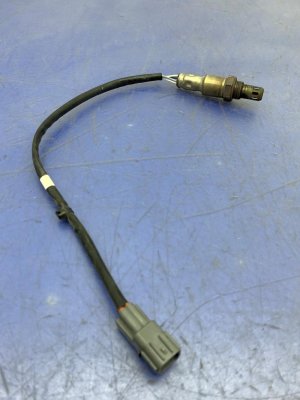
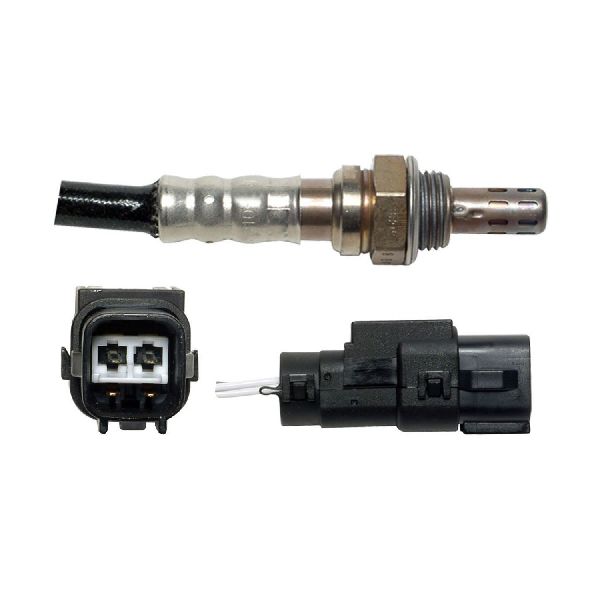
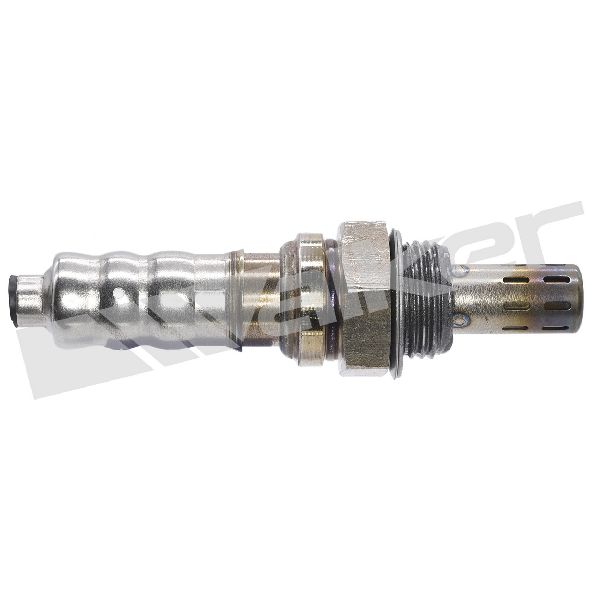
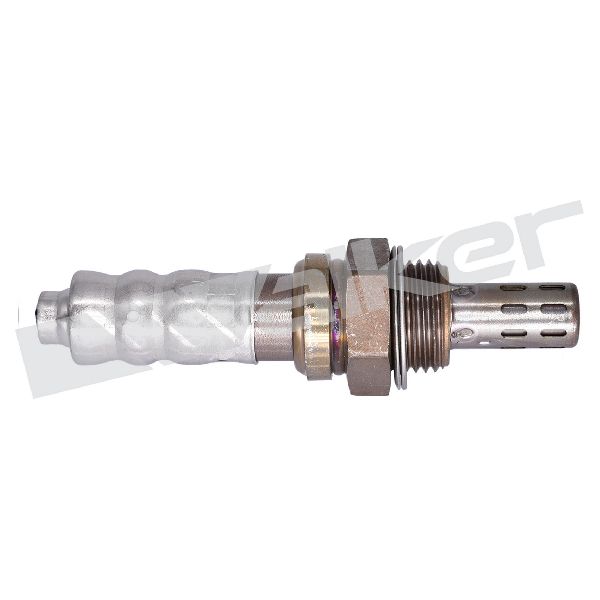
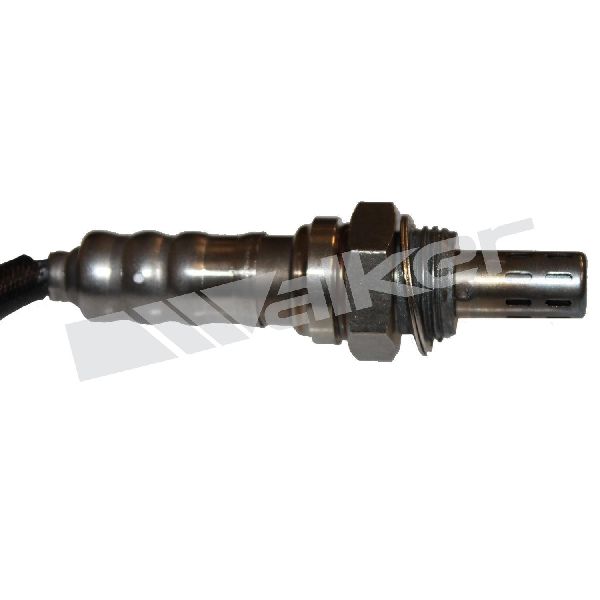
- Downstream Oxygen Sensor (Bank 1, Sensor 2)
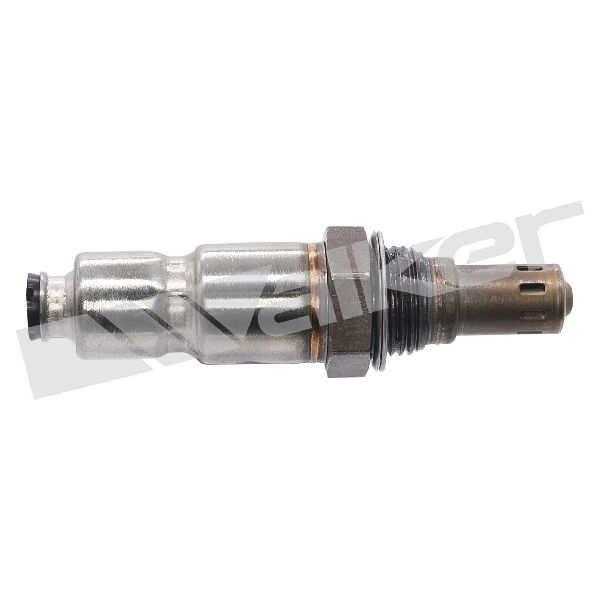
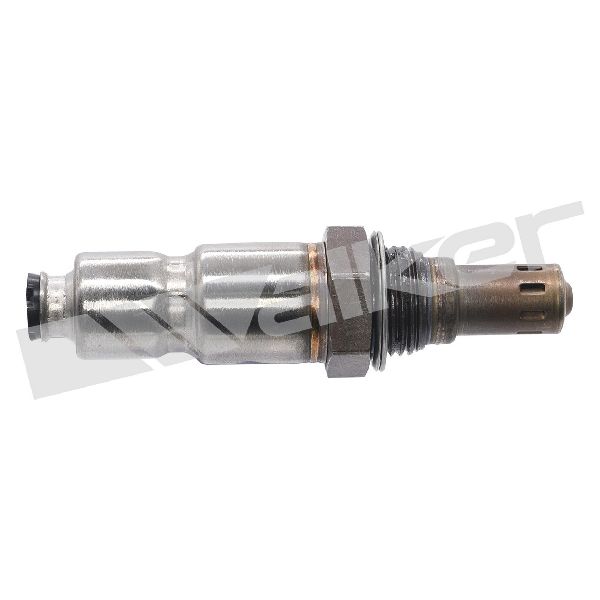
(OEM #39210-2G200 or 39210-2G400)🎬 See this walkthrough for replacing the sensor on the 2.4L GDI engine. — This is the component that has failed in the vast majority of P0136 cases. It is a standard wear item.
Trusted brands: Bosch, Denso, NGK/NTK, Walker
OEM price range: $100-$170
Aftermarket price range: $30-$80
Related Codes That Often Appear With This One
- P0137 — Indicates O2 Sensor Circuit Low Voltage, which is a more specific version of the general circuit malfunction for the same sensor. 🎬 Watch: Three simple DIY methods to fix a low voltage circuit code.
- P0138 — Indicates O2 Sensor Circuit High Voltage, another specific fault within the same sensor circuit, often caused by a short in the wiring.
- P0141 — Indicates a fault in the heater circuit of the same O2 sensor (Bank 1, Sensor 2). This often points directly to a failed sensor, as the heater element is internal, or a blown fuse.
- P0420 — If the catalytic converter is failing, it can cause both a P0420 (Catalyst Efficiency Below Threshold) and erratic readings from the downstream O2 sensor, triggering P0136.
Technical Service Bulletins (TSBs) & Recalls
- No specific, widely-cited Technical Service Bulletin (TSB) for P0136 on the 2011-2015 Sorento 2.4L was found during research. Diagnosis typically follows standard procedures.
Platform-Specific Known Issues
- The 2.4L GDI engine in this year range was subject to a major safety recall (SC147) for potential engine bearing wear and failure. While not directly related to the O2 sensor, any engine health issues can affect exhaust components, so it's wise to check if this recall was performed on your vehicle.
- Some owners have reported difficulty getting the O2 sensor's readiness monitor to reset after a replacement, which is required to pass a smog check. This may necessitate performing a specific, and sometimes complex, 'drive cycle' procedure.
Mechanic-Grade Diagnostic Values
- Oxygen Sensor Tightening Torque — expected: 30-35 lb-ft (45-49 N.m). Failure: Improper torque can lead to exhaust leaks (if too loose) or damaged threads (if too tight).
Wiring & Ground Locations
- GC101 / GC102 — Key engine grounds located on the engine block and cylinder head.. A poor or corroded engine ground can introduce electrical noise and interference into sensor circuits, potentially causing erratic readings or fault codes. While not a primary cause, they should be checked for tightness and corrosion during a wiring inspection.
- Downstream O2 Sensor Harness Clips — Along the underbody of the vehicle, securing the sensor harness to the chassis.. These clips prevent the wiring harness from making contact with the hot exhaust pipe. If a clip is broken or missing, the harness can easily melt, causing a short circuit and triggering P0136 and related codes.
Real Owner Repair Stories
- Reddit user post in r/AskAMechanic (2012 Kia Sorento) — Car runs fine with no check engine light, but fails smog test because the O2 sensor readiness monitor will not reset.
❌ Tried (didn't work) A local mechanic replaced both oxygen sensors., Driving over 100 non-continuous miles after the repair.
✅ What actually fixed it The final fix was not posted, but the story highlights a major issue where simply replacing the parts was not enough. The owner was left unable to pass emissions and was struggling to perform the complex, specific drive cycle procedure required by Kia to make the readiness monitor reset. A dealer had previously quoted $4,000 to replace both O2 sensors and the catalytic converter.
OEM Part Supersession History
39210-2G400→N/A— This part number is primarily listed for 2009-2013 models and may be specific to either California or Federal emissions standards.
Heads up: May not be correct for later models in the year range; verify by VIN.39210-2G200→N/A— This part number is broadly listed for 2010-2016 models, covering the Sorento and other Kia/Hyundai vehicles with the 2.4L engine.
Heads up: This is the more common part number, but due to emissions variations, confirming with a VIN is the only way to guarantee fitment.
Model Year Variations Within This Range
- 2014-2015: The 2014 model year marked a significant facelift and a switch to a new platform (UM generation). While the 2.4L GDI engine was carried over, the chassis, body, and some electronic modules are different from the 2011-2013 (XM generation) models. This can result in differences in wiring harness routing, connector locations, and physical access to components like the O2 sensor, even if the sensor part itself remains the same.
Diagnostic Flowchart
Used vs. New Parts: Buying Guide for This Vehicle
When a used part is the smart pick: A used oxygen sensor is not recommended as it is a wear-and-tear item with a limited lifespan. However, if the fault is traced to a broken connector or melted wiring, sourcing a used connector pigtail or a section of wiring harness from a salvage yard is a smart and cost-effective repair.
Donor-vehicle mileage cap: roughly under 100000 miles for the part to have meaningful remaining life.
What to inspect on the donor part:
- For a connector/pigtail, inspect for brittle or cracked plastic.
- Ensure the locking tab on the connector is intact and functional.
- Check for any green or white corrosion on the electrical pins inside the connector.
- Ensure the wiring attached to the pigtail is flexible and not stiff or cracked.
OEM-only on this vehicle (don't cheap out):
- Oxygen Sensor (strongly recommended)
Aftermarket brands forum-validated for this vehicle:
- Denso (often the Original Equipment supplier)
- NTK (also an OE supplier)
- Walker Products
Brands owners have reported issues with on this vehicle:
- Bosch (can be problematic in Asian vehicles that did not use Bosch as OE)
- Ultra-Power and other generic 'economy' brands (often reported to fail prematurely)
Real Owner Stories
Aggregated from forums and TSBs cited above. Mileages and costs reflect what owners reported in those sources.
2011 Kia Sorento LX 2.4L — 150000 miles
Symptoms: Check engine light was on with codes P0133, P0136, and P0140. This was in the context of a larger issue with a persistent P0420 code after aftermarket catalytic converters were installed.
What fixed it: Replacing the downstream O2 sensor successfully cleared the P0136, P0133, and P0140 codes. However, it did not resolve the owner's primary P0420 code.
Source hint: Reddit r/MechanicAdvice
2012 Kia Sorento
Symptoms: After replacing both O2 sensors, the O2 sensor readiness monitor would not reset, which prevented the vehicle from passing a smog check.
What fixed it: The owner was quoted $4,000 by a dealer for new sensors and a catalytic converter, but the post does not state the final resolution, highlighting how a simple code can lead to complex diagnostic issues.
Source hint: Reddit r/AskAMechanic thread titled '2012 Kia Sorento O2 Sensor Won\'t Reset'
Related OBD-II Codes
Frequently Asked Questions
Where is the P0136 sensor located on my 2011-2015 Sorento 2.4L?
Why is the wiring for this sensor a common failure point on the Sorento?
What should the voltage reading be for a healthy downstream O2 sensor on my Sorento?
I replaced the O2 sensor on my 2012 Sorento, but I can't pass my emissions test. What's wrong?
Is there a specific recall or TSB for code P0136 on this Sorento?
Are other Kia or Hyundai models with the 2.4L GDI engine affected by this same P0136 issue?
My Sorento has a 'rotten egg' smell along with the check engine light. Is this related to P0136?
Helpful Videos
![How to Fix P0137 Engine Code in 4 Minutes [3 DIY Methods / Only $9.42]](https://img.youtube.com/vi/D7iaXnsbzWQ/mqdefault.jpg)
Used OEM Parts in Stock
New Aftermarket Parts Available

The information in this article is provided for general reference and educational purposes only. Vehicle specifications, procedures, and part compatibility can vary by production date, trim level, and region. Always consult your vehicle's factory service manual and verify part numbers before purchasing or performing repairs. Safety-critical components such as airbags, seat belts, and braking systems should be installed by a qualified professional.
- Kia Sorento:
- 🎬 Helpful Videos
- 🛍️ Shop This Part
- What's Unique About the 2011-2015 Kia Sorento
- Symptoms You May Notice
- Most Likely Causes
- Rare But Worth Checking
- Diagnosis Steps
- Parts You'll Likely Need
- Related Codes That Often Appear With This One
- Technical Service Bulletins (TSBs) & Recalls
- Platform-Specific Known Issues
- Mechanic-Grade Diagnostic Values
- Wiring & Ground Locations
- Real Owner Repair Stories
- OEM Part Supersession History
- Model Year Variations Within This Range
- Diagnostic Flowchart
- Used vs. New Parts: Buying Guide for This Vehicle
- Real Owner Stories
- 2011 Kia Sorento LX 2.4L — 150000 miles
- 2012 Kia Sorento
- Related OBD-II Codes
- Frequently Asked Questions
- 🎟️ Get 5% Off