

P0136 on 2012-2014 Chevrolet Orlando 2.4L: Causes and Fixes for O2 Sensor Circuit Malfunction
This code indicates a fault in the downstream oxygen sensor circuit (Bank 1, Sensor 2). The most common fix is replacing the sensor itself, which is located after the catalytic converter. Before buying a new sensor, visually inspect the wiring for obvious damage like melting or chafing. Expect to pay around $40-$80 for an aftermarket sensor and $90-$120 for an OEM part. It's a straightforward DIY job for most home mechanics.
- P0136 almost always points to a problem with the downstream oxygen sensor (Bank 1, Sensor 2) or its wiring.
- The most probable cause is that the sensor itself has failed and needs to be replaced.
- Before buying a new sensor, always perform a quick visual inspection of the wiring and connector for obvious damage, as this can save you money.
- This is a DIY-friendly repair. The sensor is located in the exhaust pipe after the catalytic converter and can be replaced with a special O2 sensor socket.
- Do not confuse Sensor 2 (downstream) with Sensor 1 (upstream). P0136 is specific to the downstream sensor.
- Be aware of the 2.4L Ecotec's tendency for high oil consumption, which can cause this code to reappear if the root oil issue isn't managed.
What's Unique About the 2012-2014 Chevrolet Orlando
The 2.4L Ecotec engine in the Chevrolet Orlando is a widely used GM powertrain, also found in the Chevy Equinox, GMC Terrain, and Buick Verano. For this P0136 code, there are no significant platform-specific issues that make it different from other vehicles using this engine. However, this engine family is known for excessive oil consumption due to piston ring issues. This can lead to oil fouling and premature failure of oxygen sensors and the catalytic converter. Therefore, if you experience recurring P0136 codes, it is wise to monitor your engine's oil level closely.
Symptoms You May Notice
- Check Engine Light is on
- Inability to pass an emissions test
- Slight decrease in fuel economy (uncommon)
- Rough idle or hesitation (rare)
- Rotten egg or sulfur smell from the exhaust (if the catalytic converter is failing)
- Replacing the upstream oxygen sensor (Sensor 1) instead of the downstream one (Sensor 2).
- Replacing the catalytic converter when the actual problem is just a faulty sensor giving incorrect readings.
Most Likely Causes
- Failed Downstream Oxygen Sensor (Bank 1, Sensor 2) 🔴 High Probability Oxygen sensors are wear-and-tear items exposed to extreme heat and exhaust gases, with a typical lifespan of 60,000 to 100,000 miles. Failure due to age or contamination from issues like high oil consumption on the 2.4L Ecotec is very common.
How to confirm: Use a scan tool to monitor the live voltage data for Bank 1 Sensor 2. A healthy downstream sensor should show a relatively stable voltage (e.g., 0.6-0.8V) when the engine is warm and at a steady RPM. If the voltage is stuck low (near 0V), high (near 1V), not reading at all, or fluctuating rapidly like the upstream sensor, the sensor has likely failed.
Typical fix: Replace the Bank 1, Sensor 2 oxygen sensor. It is located in the exhaust system after the catalytic converter. Use an O2 sensor socket and apply anti-seize compound to the threads of the new sensor.
Est. part cost: $40-$120 - Damaged Wiring or Connector 🟡 Medium Probability The sensor's wiring is routed under the vehicle and is susceptible to damage from road debris, heat from the exhaust, and corrosion from moisture and road salt. Wires can get cut, frayed, or melt on the exhaust pipe.
How to confirm: Visually inspect the entire wiring harness from the O2 sensor to the main engine harness. Look for frayed, melted, or broken wires. Check the connector for corrosion, bent pins, or a loose connection. Use a multimeter to check for continuity and proper voltage/ground at the connector according to your vehicle's wiring diagram.
Typical fix: Repair the damaged section of the wire or replace the connector pigtail. Ensure the wiring is properly secured away from heat sources and moving parts.
Est. part cost: $10-$30 - Exhaust Leak ⚪ Low Probability Exhaust components, including the flex pipe and manifold gaskets, can rust and develop leaks over time. Cracked exhaust manifolds are also a known issue on some 2.4L Ecotec engines.
How to confirm: Listen for a ticking or hissing sound from the exhaust system, especially when the engine is cold. You can also use a smoke machine to pressurize the exhaust and visually identify the source of the leak. The leak must be located before the downstream O2 sensor to cause this code.
Typical fix: Repair the leak by replacing the faulty gasket, patching the hole, or replacing the affected section of the exhaust pipe.
Est. part cost: $20-$200
Rare But Worth Checking
- Faulty Powertrain Control Module (PCM): This is extremely rare. The PCM should only be considered after all other possibilities, including the sensor, wiring, and exhaust system, have been thoroughly ruled out.
- Failing Catalytic Converter: While a bad sensor often mimics a bad converter, a physically damaged or clogged converter can also cause erratic readings and trigger a P0136 code. This is less common than the sensor itself failing.
Diagnosis Steps
- Read the code with an OBD-II scanner to confirm P0136 is present.
- Visually inspect the Bank 1, Sensor 2 (downstream) oxygen sensor, its connector, and wiring harness. Look for any signs of physical damage, melting, or corrosion.
- Check for exhaust leaks between the engine and the downstream O2 sensor. Listen for unusual noises and look for black soot marks around exhaust joints.
- Use a scan tool with live data capability to observe the voltage from Bank 1, Sensor 2. With the engine fully warmed up and held at a steady 2,500 RPM, the voltage should be relatively stable (often between 0.5V and 0.8V). If it's stuck near 0V, near 1V, or fluctuating rapidly like the upstream sensor, it is faulty.
- If the sensor signal appears dead (0V), use a multimeter to check for 12V power on the heater circuit and ground at the sensor connector to rule out a wiring issue. You may need a wiring diagram for your specific vehicle.
- If the sensor and wiring test good, check for excessive oil consumption, which is a known issue on this engine and can foul the sensor.
- If all other possibilities are exhausted, the issue could be a clogged catalytic converter or, in very rare cases, a faulty PCM.
Parts You'll Likely Need
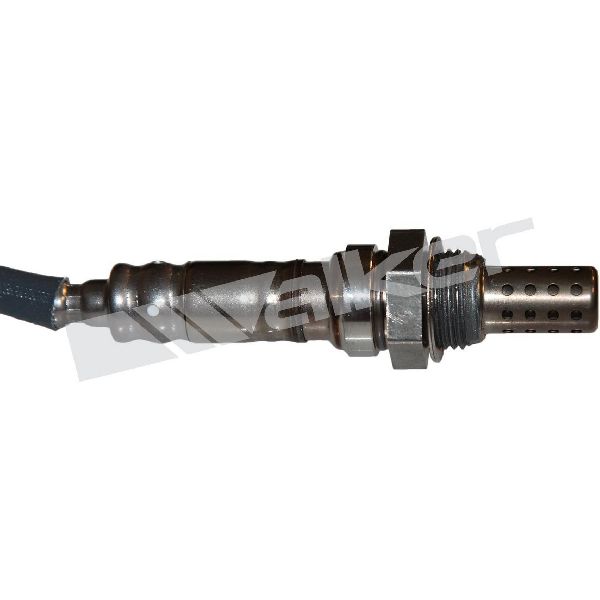
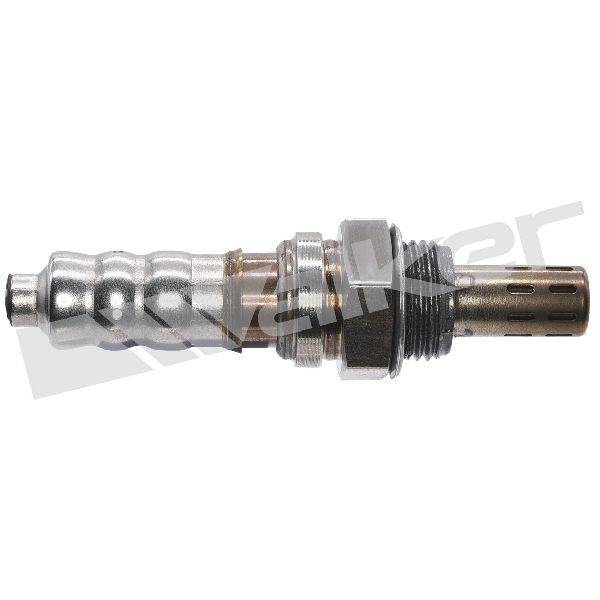
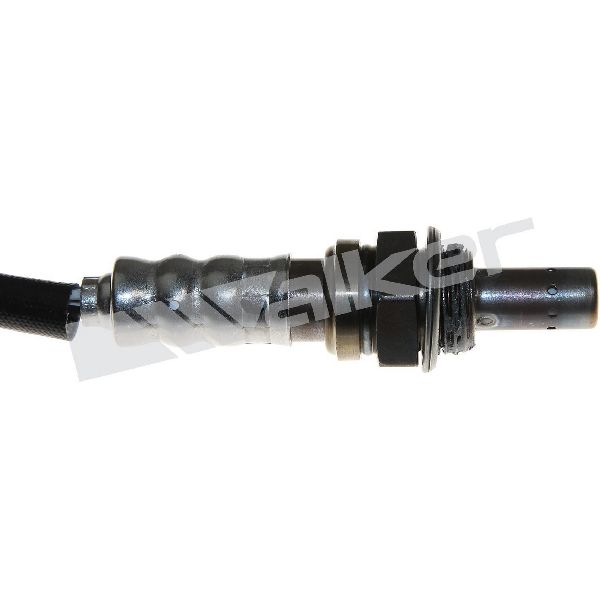
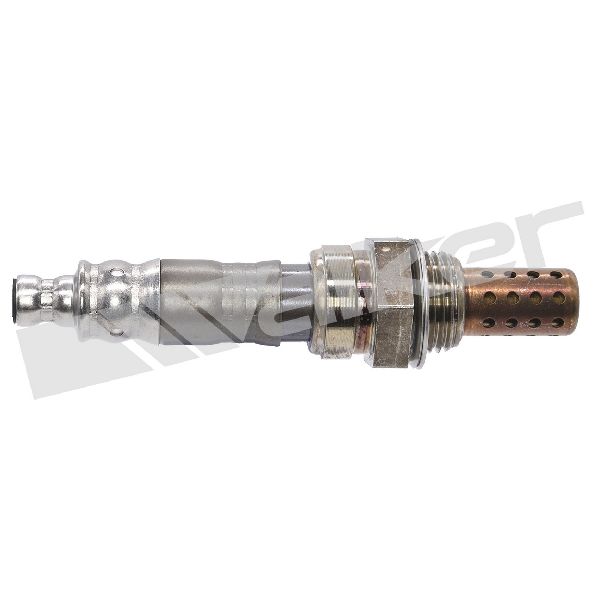
- Oxygen Sensor (Bank 1, Sensor 2)
(OEM #12609457)— This is the most common failure point for a P0136 code. The sensor is a wear item and fails over time.
Trusted brands: ACDelco (OEM Part: 213-4229), Denso (e.g., 234-4251, confirm fitment), Bosch, NGK/NTK
OEM price range: $90-$120
Aftermarket price range: $40-$80
Related Codes That Often Appear With This One
- P0137 — Indicates O2 Sensor Circuit Low Voltage, which is a specific type of malfunction that can trigger the general P0136 code.
- P0138 — Indicates O2 Sensor Circuit High Voltage, another specific fault that falls under the P0136 malfunction code.
- P0141 — This code points to a failure in the sensor's internal heater circuit, which is essential for getting the sensor up to operating temperature quickly. A failed heater will cause the sensor to malfunction, triggering P0136.
Technical Service Bulletins (TSBs) & Recalls
- While no TSB is specific to P0136, several exist for related issues on the 2.4L Ecotec. TSBs regarding excessive oil consumption (which can cause P0136) and timing chain wear have been issued for platform mates like the Chevy Equinox. GM also issued Special Coverage Adjustments (SCAs) extending warranties for piston ring replacement on some models. A key one for the Orlando is Special Coverage Adjustment #14882, which addresses a plugged PCV orifice that can cause high crankcase pressure and oil consumption issues.
Platform-Specific Known Issues
- High Oil Consumption Link: The 2.4L Ecotec engine is notorious for excessive oil consumption due to faulty piston rings. This can cause oil to burn and foul the downstream O2 sensor and catalytic converter, leading to recurring P0136 codes. Owners should check oil levels frequently.
- Plugged PCV Orifice: GM issued Special Coverage Adjustment #14882 for 2012-2013 Orlando models with the 2.4L engine. In cold weather, a plugged or frozen PCV orifice in the intake manifold can increase crankcase pressure, leading to oil leaks and potentially contributing to the high oil consumption that fouls O2 sensors.
Mechanic-Grade Diagnostic Values
- O2 Sensor Heater Circuit Resistance — expected: Between 5 and 7 ohms is a common range for many GM 4-wire sensors of this era. A specific value is not published, but this range is a good rule of thumb.. Failure: A reading of infinity (open circuit) or near zero (short circuit) on a multimeter indicates a failed heater element, which requires sensor replacement.
- Downstream O2 Sensor (B1S2) Voltage - Live Data — expected: A relatively steady voltage between 0.5V and 0.8V on a fully warm engine at a steady 2000-2500 RPM. This indicates the catalytic converter is working and the sensor is reading correctly.. Failure: Voltage stuck low (near 0.1V), stuck high (near 0.9V), or fluctuating rapidly similar to the upstream sensor. A flatline 0V reading points to a dead sensor or a wiring/ground issue.
Scan Tool Commands That Help
- GM GDS2 (Global Diagnostic System 2): Diagnostic Data Display — When diagnosing a P0136, a technician using the factory GDS2 tool would navigate to the Diagnostic Data Display to monitor the live data parameters for HO2S Bank 1 Sensor 2. This allows for real-time viewing of the sensor's voltage output to determine if it is functioning correctly, stuck, or responding slowly.
- GM GDS2 (Global Diagnostic System 2): Manage Diagnostic Packages / Update — In rare cases, an ECM software glitch can cause erroneous O2 sensor codes. Before condemning a PCM, a technician would use GDS2 to ensure the vehicle's software is up to date, as a newer calibration may have been released to address such issues.
Wiring & Ground Locations
- B1S2 Connector — The connector for the downstream oxygen sensor is typically located on the vehicle's underbody, clipped to the chassis or a heat shield, a short distance from where the sensor threads into the exhaust pipe (after the catalytic converter).. This connector is a primary point of failure due to its exposure to road salt, moisture, and physical damage. Corrosion on the pins or damage to the connector housing can cause an open or shorted circuit, directly triggering a P0136 code. A thorough inspection here is critical before replacing the sensor.
- Engine Ground Straps — While a specific ground point for the O2 sensor circuit is not commonly isolated, the overall engine and chassis grounding is critical. Key grounds are typically located from the engine block to the chassis and from the battery negative terminal to the chassis.. A poor engine-to-chassis ground can create a floating ground for various sensors, including the O2 sensor. This can cause erratic voltage readings that the PCM interprets as a sensor fault. If sensor and wiring tests are inconclusive, verifying the integrity of major ground connections is a valid next step.
Real Owner Repair Stories
- Toyota Nation Forums user (2004 Toyota Camry 2.4L (Platform relative with similar O2 sensor logic)) — Check Engine Light with code P0136.
❌ Tried (didn't work) A repair shop replaced the downstream O2 sensor with a Denso part (234-4048) that aftermarket catalogs showed as incorrect for the vehicle. The P0136 code returned., The shop then replaced it again with a different Denso part (234-4624), which was believed to be correct. The P0136 code returned again within 40 miles.
✅ What actually fixed it The issue was the use of incorrect, though physically fitting, aftermarket parts. The final resolution involved installing the specific OEM part number (Toyota P/N 89465-33320), which permanently resolved the code. This highlights the sensitivity of some ECUs to non-OEM sensor characteristics.
OEM Part Supersession History
12609457→No direct supersession found, this remains the current GM part number.— N/A
Heads up: The ACDelco service part number for GM 12609457 is 213-4229. While many aftermarket sensors are available, some GM vehicle ECUs can be sensitive to the specific resistance and response characteristics of the sensor. Using a high-quality OEM or OEM-supplier (like Denso or NTK, if they are the original manufacturer) part is recommended to avoid repeat failures, as seen in some forum-documented cases.
Model Year Variations Within This Range
- 2012-2014: The 2.4L engine used in the Chevrolet Orlando during this period was the LEA version of the Ecotec. This is a direct-injection engine. While there were no major changes within this short model run that would significantly alter the diagnosis of P0136, it's important to note that this LEA engine is part of the family covered by GM's Special Coverage Adjustment #14882 for PCV orifice issues, which can be a root cause of oil consumption leading to this code.
Diagnostic Flowchart
Other Known Issues on This Vehicle
Issues unrelated to this code that are worth knowing about as an owner of this generation:
- Excessive Oil Consumption 🔴 High — Very common across the 2.4L Ecotec line, often starting around 60,000-100,000 miles. Caused by faulty/stuck piston rings. (Ref: GM issued Special Coverage Adjustment (SCA) #14159 and various TSBs for certain models/years, extending the warranty for piston ring replacement.)
- Timing Chain Stretch / Failure 🔴 High — Common, with failures reported as early as 60,000 miles but typically around 100,000 miles. Caused by chain stretch and faulty tensioners, and worsened by low oil levels from oil consumption. (Ref: Multiple TSBs have been issued. A primary symptom is a rattling noise on a cold start.)
- Clogged PCV Orifice 🟠 Medium — A known issue where the PCV orifice in the intake manifold clogs with carbon, leading to increased crankcase pressure and potential oil leaks (e.g., rear main seal). (Ref: GM issued TSBs outlining a procedure to drill out the clogged orifice.)
- Cracked Exhaust Manifold 🟠 Medium — These manifolds are prone to cracking over time due to heat cycles, causing an exhaust leak that can trigger various O2 sensor codes.
- Faulty Camshaft Position Actuator Solenoids 🟠 Medium — The intake and exhaust VVT solenoids can fail or become clogged with sludge, leading to rough idle, stalling, and codes like P0010 or P0011.
Used vs. New Parts: Buying Guide for This Vehicle
When a used part is the smart pick: For this repair, a used part is almost never a smart choice. The oxygen sensor is a wear-and-tear item with a finite lifespan. A used sensor from a junkyard has unknown remaining life and may fail shortly after installation. The only exception might be sourcing a used connector pigtail if the original is damaged and a new one is unavailable, but this is rare.
Donor-vehicle mileage cap: roughly under 10000 miles for the part to have meaningful remaining life.
What to inspect on the donor part:
- If sourcing a connector pigtail: ensure the wiring is not brittle, the locking tabs are intact, and there is no corrosion on the pins.
OEM-only on this vehicle (don't cheap out):
- While not strictly 'OEM-only', using the OEM GM/ACDelco sensor (P/N 12609457 / 213-4229) is highly recommended. Some GM ECUs are sensitive to the precise electrical characteristics of the sensor, and using an incorrect or low-quality aftermarket part can cause the code to return immediately or shortly after repair.
Aftermarket brands forum-validated for this vehicle:
- Denso
- NGK/NTK
- Bosch
Brands owners have reported issues with on this vehicle:
- Generic, unbranded 'white-box' parts from online marketplaces should be avoided due to inconsistent quality and a high likelihood of causing repeat failures.
Real Owner Stories
Aggregated from forums and TSBs cited above. Mileages and costs reflect what owners reported in those sources.
2014 Chevrolet Orlando 2.4L Ecotec — ~100000 miles
Symptoms: The engine is burning 1 quart of oil every 1,000 miles, which can plug up the catalytic converter and affect the downstream O2 sensor function.
What fixed it: The context suggests that this level of consumption requires addressing faulty piston rings, often covered under GM Special Coverage Adjustments for the 2.4L platform.
Source hint: Reddit - r/MechanicAdvice: 2.4L Ecotec burning oil
2012 Chevrolet Orlando 2.4L
Symptoms: P0136 and P0137 codes present; concern that the sensor might be bad.
What fixed it: Repairing a wiring problem or an exhaust leak (such as a bad flex pipe) rather than replacing the sensor.
Source hint: Chevy HHR Network - Oxygen Sensors Help
2012-2013 Chevrolet Orlando 2.4L
Symptoms: Increased crankcase pressure and oil leaks, especially in cold weather, contributing to sensor fouling.
What fixed it: Clearing a plugged or frozen PCV orifice in the intake manifold as per Special Coverage Adjustment #14882.
Source hint: Special Coverage Adjustment #14882
Related OBD-II Codes
Frequently Asked Questions
Is there a specific GM service adjustment for my 2012-2013 Orlando that could be related to the P0136 code?
How does the 2.4L Ecotec's oil consumption issue affect the downstream oxygen sensor?
I have a P0136 on my Orlando; should I just replace the sensor immediately?
Where is the Bank 1, Sensor 2 oxygen sensor located on the Chevrolet Orlando 2.4L?
Can a cracked exhaust manifold cause a P0136 code on this vehicle?
What is the typical lifespan of the O2 sensors on the Orlando 2.4L?
We Have This Part in Stock


The information in this article is provided for general reference and educational purposes only. Vehicle specifications, procedures, and part compatibility can vary by production date, trim level, and region. Always consult your vehicle's factory service manual and verify part numbers before purchasing or performing repairs. Safety-critical components such as airbags, seat belts, and braking systems should be installed by a qualified professional.
- Chevrolet Orlando:
- 🛍️ Shop This Part
- What's Unique About the 2012-2014 Chevrolet Orlando
- Symptoms You May Notice
- Most Likely Causes
- Rare But Worth Checking
- Diagnosis Steps
- Parts You'll Likely Need
- Related Codes That Often Appear With This One
- Technical Service Bulletins (TSBs) & Recalls
- Platform-Specific Known Issues
- Mechanic-Grade Diagnostic Values
- Scan Tool Commands That Help
- Wiring & Ground Locations
- Real Owner Repair Stories
- OEM Part Supersession History
- Model Year Variations Within This Range
- Diagnostic Flowchart
- Other Known Issues on This Vehicle
- Used vs. New Parts: Buying Guide for This Vehicle
- Real Owner Stories
- 2014 Chevrolet Orlando 2.4L Ecotec — ~100000 miles
- 2012 Chevrolet Orlando 2.4L
- 2012-2013 Chevrolet Orlando 2.4L
- Related OBD-II Codes
- Frequently Asked Questions
- 🎟️ Get 5% Off