

P0135 on 2008-2009 Pontiac G8: O2 Sensor Heater Malfunction Causes and Fixes
This code indicates a failure in the heater circuit of the upstream oxygen sensor on the driver's side (Bank 1). The most common fix is to replace the sensor itself. Before replacement, check fuse F33 in the underhood fuse box. Expect to pay around $50-$70 for an OEM-quality aftermarket part.
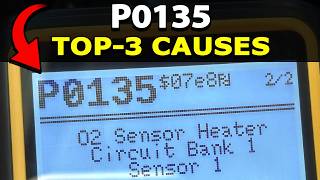
- P0135 on a 2008-2009 Pontiac G8 V8 points to a problem with the heater in the driver's side upstream O2 sensor.
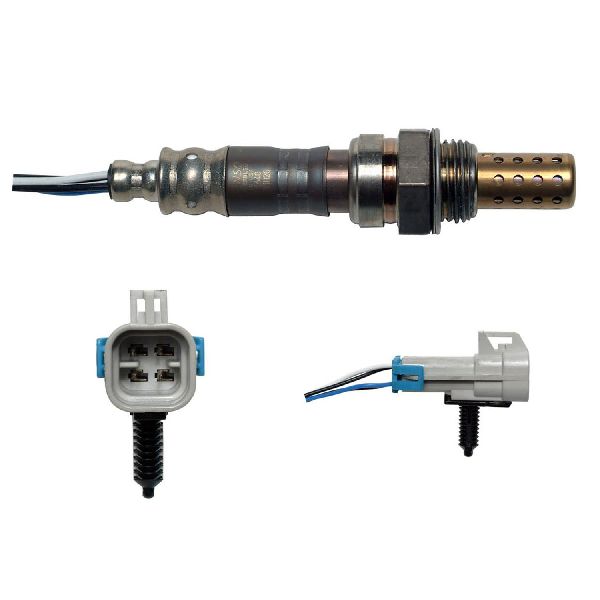
- The most likely cause is a failed O2 sensor, which is a common wear item. The OEM part is GM 12609457, with ACDelco 213-4229 being a direct replacement.
- Before replacing the sensor, always check the 'Emission 1' fuse (F33, 15A) in the underhood fuse box and visually inspect the wiring for melting, especially near the exhaust manifold.
- This is a DIY-friendly repair for most home mechanics, but a special O2 sensor socket (7/8" or 22mm) is strongly recommended.
- Ignoring the code will lead to poor fuel mileage, failed emissions tests, and can cause more expensive catalytic converter damage over time.
What's Unique About the 2008-2009 Pontiac G8
For the V8-powered Pontiac G8, this code points specifically to the driver's side upstream O2 sensor. The LS3 engine, like other GM V8s, relies on quick sensor warm-up for efficient performance and emissions control. While the P0135 code is a standard SAE code, on this platform it almost always points directly to a failed sensor heater element, a common wear-and-tear item. A key point of failure can also be the wiring harness melting on the hot exhaust manifolds, especially if aftermarket headers have been installed.
Symptoms You May Notice
- Check Engine Light is on
- Reduced fuel economy
- Rough idle, especially when the engine is cold
- Vehicle may fail an emissions test
- Bad smell from exhaust or black smoke
- Replacing the wrong O2 sensor (e.g., replacing the passenger side Bank 2 sensor, or the downstream Sensor 2, instead of the driver's side, upstream Bank 1 Sensor 1).
Most Likely Causes
- Failed O2 Sensor Heater Element 🔴 High Probability The internal heater element is a common failure point in O2 sensors due to age and constant, extreme heat cycles.
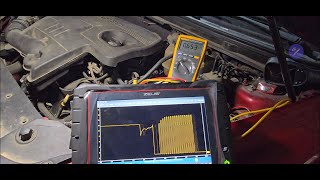
How to confirm: Disconnect the sensor and use a multimeter to check the resistance across the two heater circuit wires (on GM sensors, these are typically the two wires of the same color, e.g., both white or both black). An open circuit (infinite resistance) or a reading far outside the manufacturer's specification (typically a low single-digit Ohm value) confirms a bad heater. 🎬 See how to test O2 sensor heater circuits with a multimeter.
Typical fix: Replace the Bank 1, Sensor 1 oxygen sensor. A specialized 7/8" (or 22mm) O2 sensor socket is highly recommended for removal.
Est. part cost: $45-$80 - Damaged Wiring or Connector 🟡 Medium Probability The wiring harness is routed close to hot exhaust components. It can become brittle, melt, or get damaged, especially after installation of aftermarket long-tube headers which may have different clearances.
How to confirm: Visually inspect the wiring harness and connector leading to the O2 sensor for any signs of melting, chafing, corrosion, or loose pins. Check for 12V power at the heater circuit feed wire in the harness-side connector with the ignition on.
Typical fix: Repair the damaged section of the wiring harness or replace the connector pigtail.
Est. part cost: $15-$30 - Blown Fuse ⚪ Low Probability
How to confirm: Locate the underhood fuse box. Check fuse F33 (15A), which is often labeled 'Emission 1' and powers the heated oxygen sensors. Visually inspect the fuse and test for continuity with a multimeter.
Typical fix: Replace the blown fuse. If the new fuse blows immediately, it indicates a short circuit in the wiring or the sensor itself that must be found and repaired.
Est. part cost: $1-$5
Rare But Worth Checking
- Faulty Powertrain Control Module (PCM): This is extremely rare. All other possibilities, including wiring, the fuse, and the sensor itself, should be exhaustively ruled out before considering the PCM as the cause.
Diagnosis Steps
- Use an OBD-II scanner to confirm that P0135 is the primary code present. 🎬 Watch: A complete walkthrough for fixing the P0135 code.
- Locate the Bank 1, Sensor 1 oxygen sensor. On the LS3 V8, this is the upstream sensor (before the catalytic converter) on the driver's side.
- Visually inspect the sensor's wiring and connector for any obvious signs of damage, such as melting on the exhaust manifold, corrosion, or frayed wires.
- Check the fuse for the O2 heater circuit. In the underhood fuse block, locate fuse F33 (15A). If it's blown, replace it and see if the code returns. If it blows again, investigate for a short circuit.
- If the wiring and fuse appear intact, disconnect the sensor's electrical connector.
- With the key on and engine off, use a multimeter to verify that the harness connector is receiving ~12-volt power on the heater circuit supply wire.
- Use a multimeter set to Ohms to test the resistance of the heater element within the O2 sensor itself (test across the two same-colored wires). A healthy sensor should have a low resistance reading (typically under 20 ohms). An infinite resistance reading (OL) means the heater circuit is open and the sensor is bad.
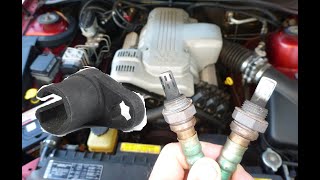
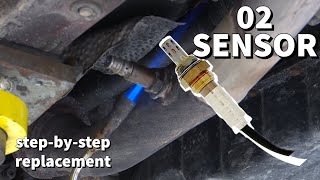
- If the sensor's heater is confirmed to be faulty, replace the Bank 1, Sensor 1 O2 sensor. Use a specialized O2 sensor socket for easier removal and installation. 🎬 Watch: Pro tips and tricks for replacing an oxygen sensor. Apply a small amount of anti-seize compound to the threads of the new sensor, being careful not to get any on the sensor tip.
- After replacement, clear the trouble code with the scanner and perform a drive cycle to ensure the code does not return.
Parts You'll Likely Need
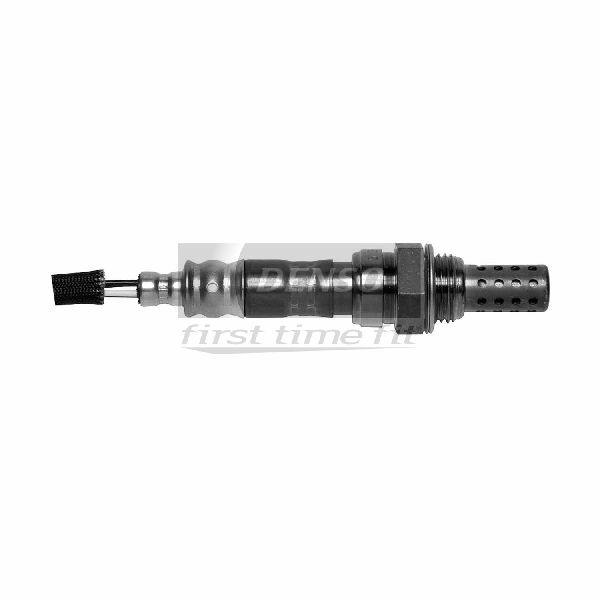
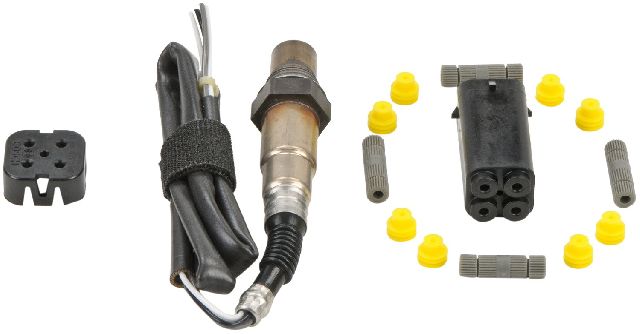
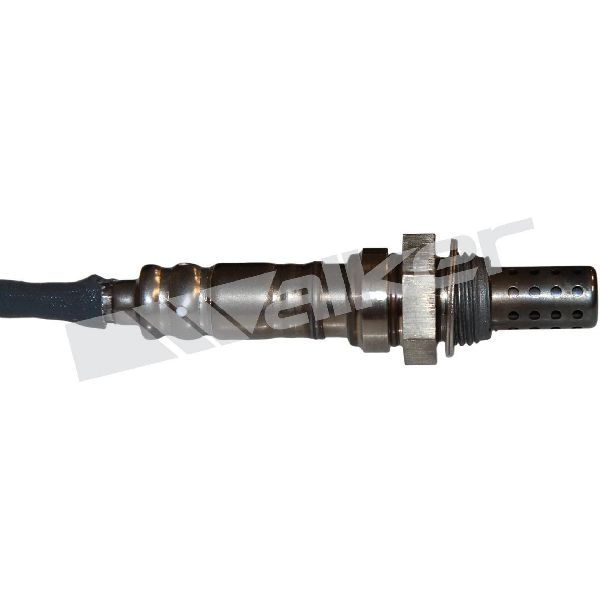
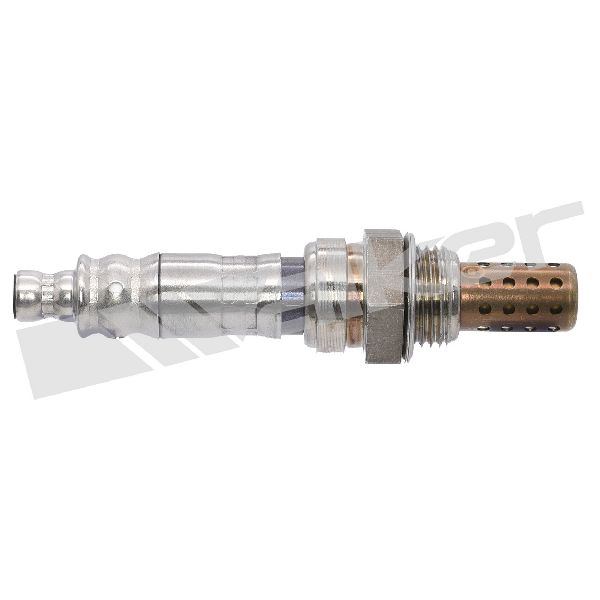
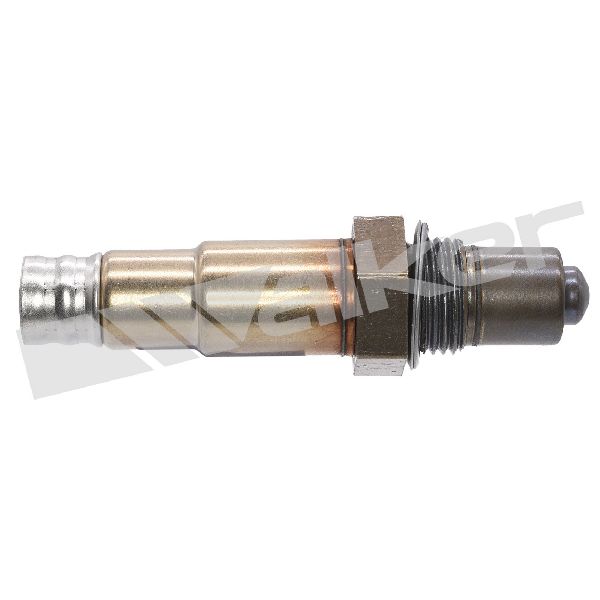
- Oxygen Sensor (Bank 1, Sensor 1)
(OEM #12609457)— The internal heater element fails from age and heat cycles, which is the direct cause of the P0135 code.
Trusted brands: ACDelco (Service Part #: 213-4229), Denso, NGK/NTK, Delphi (Part #: ES20094)
OEM price range: $60-$90
Aftermarket price range: $45-$70
Related Codes That Often Appear With This One
- P0030 - HO2S Heater Control Circuit (Bank 1, Sensor 1) - This is a more generic version of the same fault.
- P0134 - O2 Sensor Circuit No Activity Detected (Bank 1 Sensor 1) - May appear if the sensor fails to heat up and produce a signal.
Platform-Specific Known Issues
- Melted Wiring Harness: Owners, particularly those with aftermarket long-tube headers, have reported the O2 sensor wiring harness coming into contact with the hot exhaust pipes and melting. This causes a short in the heater circuit and can trigger P0135 (and P0050 for the other bank if both are damaged). Careful routing and securing of the harness is critical during and after sensor replacement.
Mechanic-Grade Diagnostic Values
- O2 Sensor Heater Element Resistance — expected: 3-25 Ohms (typically 3-10 Ohms for GM).. Failure: Infinite resistance (OL) indicates an open circuit (bad sensor). A reading of zero or near-zero indicates a short circuit (bad sensor).
- Heater Circuit Power Supply Voltage — expected: Battery Voltage (~12V) with Key On, Engine Off.. Failure: No voltage indicates a problem upstream, such as a blown fuse (F33) or a break in the power wire.
- Heater Circuit Ground Control (Advanced) — expected: A pulse-width modulated (PWM) ground signal from the PCM when the engine is running. Voltage will fluctuate rapidly.. Failure: A constant ground or no ground signal when backprobing the control wire at the connector (with sensor plugged in) points to a wiring or PCM driver issue.
Scan Tool Commands That Help
- GDS2 / Tech 2: HO2S Heater Resistance Learn Reset — Required after replacing a heated oxygen sensor on modern GM vehicles. The PCM learns the resistance of the heater and failing to reset this learned value can cause the new sensor to fail prematurely or continue to set codes. Clearing codes with the scan tool may also perform this reset.
Wiring & Ground Locations
- G103 — On the ABS bracket, connected to the right front cylinder head. This is considered a primary engine block ground.. A poor engine ground can cause a host of electrical issues, including incorrect sensor readings and erratic behavior from the PCM which controls the O2 heater circuit.
- G112 — On the left rear of the engine block, connecting the engine harness.. This ground is critical for the engine harness, which contains the wiring for the Bank 1 (driver's side) O2 sensor. A loose or corroded G112 could directly impact the sensor's heater ground control.
- HO2S Connector (Bank 1 Sensor 1) — On the driver's side, connected to the upstream O2 sensor in the exhaust manifold.. The heater circuit wires are typically the two same-colored wires (often pink for power, and another for the PCM-controlled ground). Testing for 12V power and the PWM ground signal happens at this connector.
Real Owner Repair Stories
- GRRRR8.net forum user (Pontiac G8 GT with aftermarket headers) — Check Engine Light with P0135 and other O2 heater codes after installing headers.
❌ Tried (didn't work) Clearing codes
✅ What actually fixed it The O2 sensor extension harnesses used with the headers had melted on the hot exhaust pipes, causing a short. The user had to repair the melted wiring in the extension harness to resolve the codes. - 2CarPros forum user (2003 Hyundai Sonata (demonstrates a universal P0135 issue)) — Persistent P0135 code after replacing the O2 sensor twice.
❌ Tried (didn't work) Replacing the O2 sensor (downstream), Replacing the O2 sensor (upstream) with a Bosch part, Checking fuses
✅ What actually fixed it The final advice pointed to a likely intermittent short in the wiring harness between the sensor and the PCM, as the sensor and fuse were confirmed good. The recommended fix was to backprobe the PCM connector and wiggle the harness to find the voltage drop, a common but difficult-to-find failure mode.
OEM Part Supersession History
Unknown→12609457— Standard part evolution and supplier changes.
Heads up: The ACDelco professional service part is 213-4229, which is a direct cross-reference to GM part 12609457. While many aftermarket brands exist, using a direct OE replacement is often recommended to avoid compatibility issues with the PCM's sensitive heater circuit monitoring.
Model Year Variations Within This Range
- 2008-2009: The prompt specifies the LS3 6.2L V8, which was only available in the 2009 Pontiac G8 GXP. The more common 2008-2009 G8 GT model used the L76 6.0L V8. While the P0135 diagnostic procedure is virtually identical and they may use the same O2 sensor (GM 12609457), it is a critical distinction for a technician to be aware of when ordering parts or consulting service information.
Diagnostic Flowchart
Real Owner Stories
Aggregated from forums and TSBs cited above. Mileages and costs reflect what owners reported in those sources.
2008-2009 Pontiac G8
Symptoms: Triggered O2 heater circuit CELs after installing aftermarket headers.
What fixed it: Discovered the O2 sensor wires had melted on the headers. Replaced the blown Underhood F33 'Emission 1' fuse and addressed the wiring.
Source hint: GRRRR8.net - Thread: 'O2 heater circuit CEL's - GRRRR8.net'
LS-family V8 Engine
Symptoms: Check engine light on with code P0135.
What fixed it: Replaced the Bank 1 Sensor 1 oxygen sensor, as internal heater element failure is the most common cause on these engines.
Source hint: ls1tech.com - General forums for LS engines
Related OBD-II Codes
Frequently Asked Questions
Where is the Bank 1 Sensor 1 oxygen sensor located on my G8's LS3 engine?
I just installed long-tube headers on my G8 and got a P0135 code. What happened?
Which fuse controls the O2 sensor heater circuit on the 2008-2009 Pontiac G8?
How can I test if the O2 sensor heater element is bad on my G8?
Are there other vehicles that share this exact P0135 issue with the Pontiac G8?
What size socket do I need to remove the O2 sensor on my 6.2L V8?
Helpful Videos

We Have This Part in Stock

The information in this article is provided for general reference and educational purposes only. Vehicle specifications, procedures, and part compatibility can vary by production date, trim level, and region. Always consult your vehicle's factory service manual and verify part numbers before purchasing or performing repairs. Safety-critical components such as airbags, seat belts, and braking systems should be installed by a qualified professional.
- Pontiac G8:
- 🎬 Helpful Videos
- 🛍️ Shop This Part
- What's Unique About the 2008-2009 Pontiac G8
- Symptoms You May Notice
- Most Likely Causes
- Rare But Worth Checking
- Diagnosis Steps
- Parts You'll Likely Need
- Related Codes That Often Appear With This One
- Platform-Specific Known Issues
- Mechanic-Grade Diagnostic Values
- Scan Tool Commands That Help
- Wiring & Ground Locations
- Real Owner Repair Stories
- OEM Part Supersession History
- Model Year Variations Within This Range
- Diagnostic Flowchart
- Real Owner Stories
- 2008-2009 Pontiac G8
- LS-family V8 Engine
- Related OBD-II Codes
- Frequently Asked Questions
- 🎟️ Get 5% Off