

P0134 on 2015-2017 Chrysler 200 2.4L: Causes and Fixes for O2 Sensor No Activity
This code almost always means the upstream oxygen sensor (Bank 1, Sensor 1) has failed. Replacing the sensor is the most common fix. Expect to pay $60-$120 for an aftermarket sensor or $150+ for an OEM part. It's a straightforward DIY job for many owners.
- P0134 on your Chrysler 200 means the upstream O2 sensor (before the catalytic converter) has stopped working.
- The most likely cause is simply a failed sensor, which is a common maintenance item.
- Before buying a new sensor, perform a quick visual check of the wiring for any obvious damage like melting or breaks.
- Replacing the sensor is a manageable DIY job with the right tool (an O2 sensor socket).
- Ignoring this code will lead to poor gas mileage and will cause your car to fail an emissions test.
What's Unique About the 2015-2017 Chrysler 200
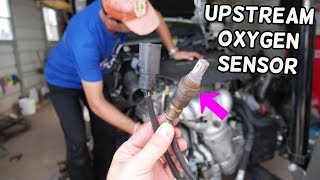
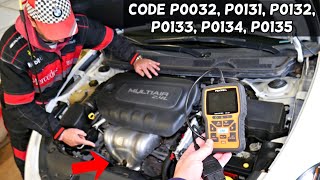
On the 2.4L Tigershark engine, this issue is generally straightforward. The engine only has one exhaust bank, so 'Bank 1' is the only one. 'Sensor 1' is the upstream sensor, which is conveniently located at the top front of the engine on the exhaust manifold, making it more accessible than on many other vehicles. While no TSBs specifically target P0134, related codes on this powertrain have been addressed with PCM software updates, though component failure remains the most common cause for P0134. The issue is also common across numerous platform mates like the Dodge Dart and Jeep Cherokee.
Symptoms You May Notice
- Check Engine Light is on
- Reduced fuel economy
- Rough or uneven idle
- Engine hesitation during acceleration
- Failing a vehicle emissions test
- Rotten egg smell from the exhaust
- Replacing the downstream (Bank 1, Sensor 2) oxygen sensor instead of the upstream (Bank 1, Sensor 1) sensor. The code P0134 specifically points to the upstream sensor.
Most Likely Causes
- Failed Upstream Oxygen Sensor (Bank 1, Sensor 1) 🔴 High Probability Oxygen sensors are wear-and-tear items operating in a harsh exhaust environment. The internal heater element, necessary for quick operation, is a common failure point. Oil contamination from the engine's known consumption issue can also shorten the sensor's life.
How to confirm: Use an OBD-II scanner with live data to monitor the Bank 1 Sensor 1 voltage. A healthy sensor shows rapidly fluctuating voltage between ~0.1 and 0.9 volts. A flatline or absent voltage reading indicates a dead sensor. You can also test the resistance of the sensor's heater circuit with a multimeter; an open circuit (infinite resistance) means the heater has failed.
Typical fix: Replace the upstream oxygen sensor. This requires a special O2 sensor socket (22mm or 7/8"). Penetrating oil is recommended as the sensor can be seized in the exhaust manifold.
Est. part cost: $60-$180 - Damaged Wiring or Connector 🟡 Medium Probability The wiring harness is close to the hot exhaust manifold. Over time, heat can make the plastic loom and wires brittle, leading to cracks or breaks. The connector can also become contaminated with oil or dirt.
How to confirm: Visually inspect the entire length of the sensor's wiring harness from the sensor to the main engine harness. Look for any melted, chafed, or broken wires. Check that the connector is securely plugged in and that the pins are clean and not corroded.
Typical fix: Repair the damaged section of wire or replace the connector pigtail. Secure the harness away from direct contact with the exhaust.
Est. part cost: $10-$40 - Exhaust Leak ⚪ Low Probability Leaks can occur at the exhaust manifold gasket or the flex pipe. While not exceptionally common, rust or vibration can cause small cracks or gasket failures, allowing unmetered oxygen to enter the exhaust and confuse the sensor.
How to confirm: Listen for a ticking or puffing sound from the engine bay, especially when the engine is cold. You can also use a smoke machine to feed smoke into the exhaust system and look for where it escapes near the manifold.
Typical fix: Replace the leaking gasket or repair the cracked exhaust component.
Est. part cost: $20-$200
Rare But Worth Checking
- Blown Fuse for O2 Sensor Heater Circuit: The O2 sensor's heater is powered by a fuse. While not a common failure point, it's a quick and easy check before replacing more expensive parts.
- Faulty Powertrain Control Module (PCM): This is extremely rare and often misdiagnosed. The PCM should only be considered after all other possibilities, including the sensor and its entire circuit, have been thoroughly tested and ruled out by a professional.
Diagnosis Steps
- Read the code with an OBD-II scanner to confirm P0134 is the primary code present.
- Visually inspect the upstream O2 sensor on the exhaust manifold. Check its wiring harness and connector for any signs of melting, cracking, or physical damage.
- Check the fuse for the O2 sensor heater circuit in the vehicle's fuse box.
- Use a scan tool with live data to observe the 'O2 Bank 1 Sensor 1' voltage with the engine running. A healthy sensor's voltage should fluctuate rapidly between approximately 0.1 and 0.9 volts. If the voltage is stuck, flat, or absent, the sensor is likely bad.
- If you don't have a live data scanner, you can test the sensor's heater circuit. Disconnect the sensor and use a multimeter to measure the resistance between the two heater pins (often the two same-colored wires). An open circuit (infinite resistance) indicates a failed heater.
- Check for exhaust leaks between the cylinder head and the O2 sensor. Listen for ticking noises or use a smoke machine for a more definitive test.
- If the sensor and wiring test good, the final, though very unlikely, step would be to test the PCM driver circuit, which typically requires a professional technician.
Parts You'll Likely Need
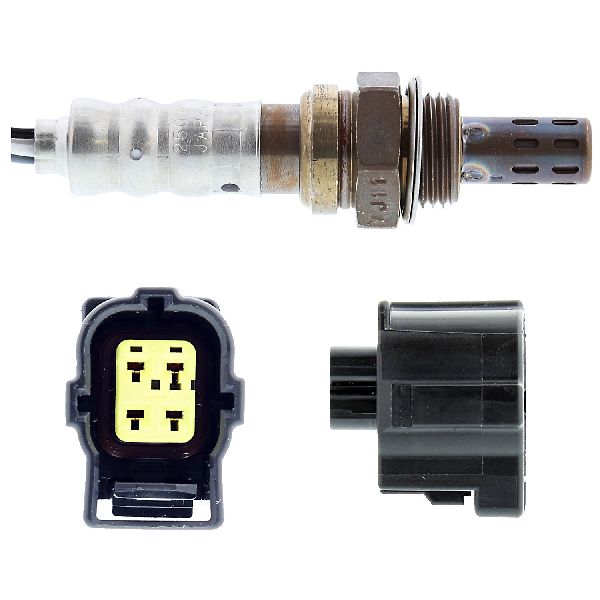
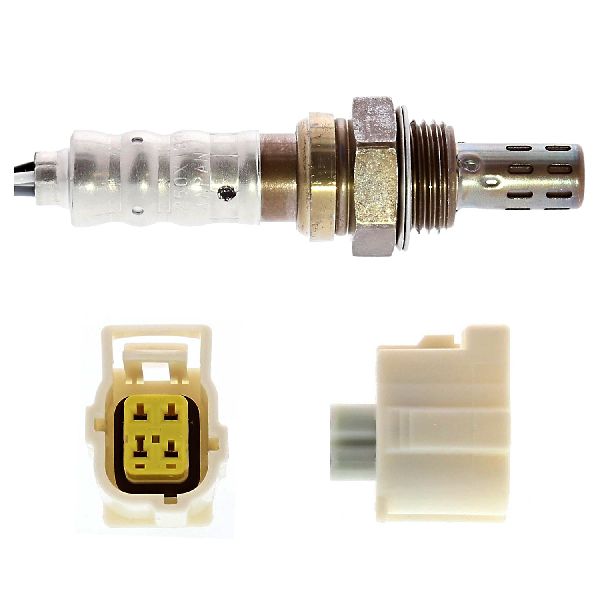
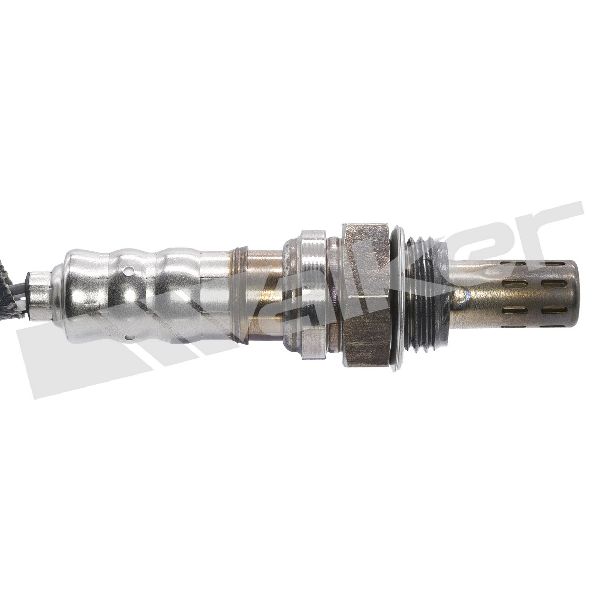
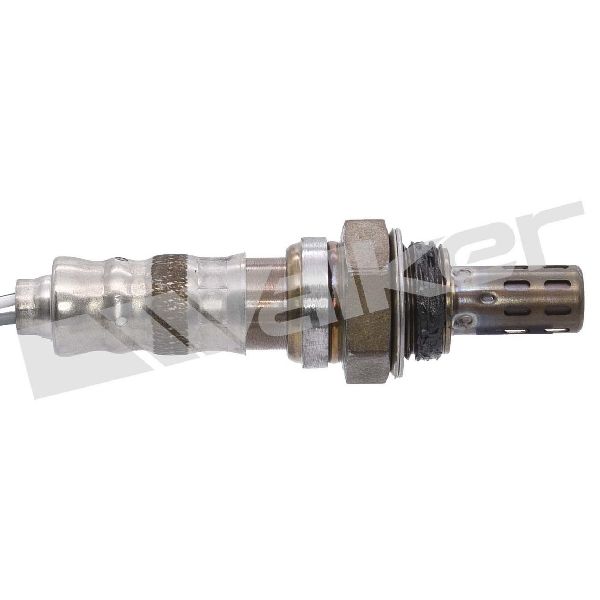
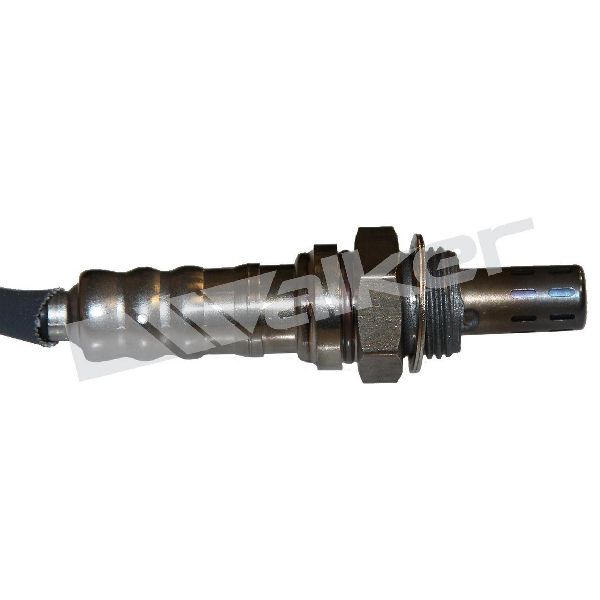
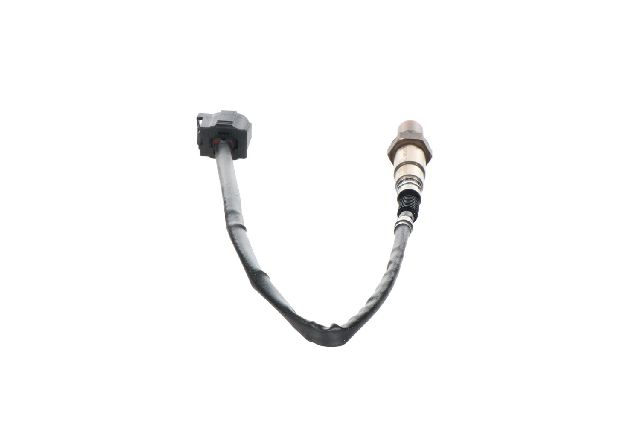
- Upstream Oxygen Sensor
(OEM #68195741AA)— This is the component that has failed in the vast majority of P0134 cases. It is a wear item that eventually fails from heat and contamination.
Trusted brands: Mopar, NTK, Denso, Bosch
OEM price range: $150-$200
Aftermarket price range: $60-$120
Platform-Specific Known Issues
- Owner Experience with DIY Replacement: An owner on a popular forum described getting codes P0134 and P013A. After an initial attempt to just clean the connector failed, they replaced the upstream O2 sensor themselves, which resolved the codes. This confirms the typical failure pattern and successful DIY repair path.
Mechanic-Grade Diagnostic Values
- Upstream O2 Sensor Heater Element Resistance — expected: 4 to 10 Ohms at room temperature. Some sources cite a wider range of 3-15 Ohms.. Failure: Infinite resistance (Open Loop/OL) or zero resistance indicates a failed heater element.
- Upstream O2 Sensor Signal Voltage (Live Data) — expected: Rapidly fluctuating between ~0.1V (lean) and ~0.9V (rich) when engine is warm and in closed loop.. Failure: Voltage is flat, stuck, or absent (e.g., remains constant at 0.45V or 0V).
- Heater Circuit Power Supply (at connector, key on) — expected: Battery voltage (~12V).. Failure: No voltage present, indicating a problem upstream in the circuit (fuse, relay, or wiring).
Wiring & Ground Locations
- G905A — Below the left headlight in the engine compartment.. This is a primary engine compartment ground. While not exclusive to the O2 sensor, poor grounding at this location is known to cause a variety of difficult-to-diagnose electrical and sensor faults on this platform.
- Upstream O2 Sensor Connector — Attached to a bracket on the engine or firewall, near the sensor's location on the exhaust manifold.. This is the primary connection point for all electrical tests (voltage, resistance, continuity). The two same-colored wires are typically for the heater circuit.
- Powertrain Control Module (PCM) — Located in the right front of the engine compartment, near the air filter housing.. The PCM provides the power and ground control for the O2 sensor heater circuit and interprets the sensor's signal. All wiring for the sensor ultimately terminates here.
OEM Part Supersession History
68087364AA→68195741AA— Part number consolidation and potential design revision by Mopar.
Heads up: 68195741AA is the correct and current part number for the 2015-2017 Chrysler 200 2.4L. Using the older number is not advised.
Diagnostic Flowchart
Other Known Issues on This Vehicle
Issues unrelated to this code that are worth knowing about as an owner of this generation:
- Excessive Oil Consumption 🔴 High — Widespread on 2015-2016 models. Owners report consumption as high as one quart per 1,000 miles. The issue may cause the engine to stall with little to no warning due to low oil levels. (Ref: Subject of a class-action lawsuit alleging defective piston rings that allow oil to burn off during compression.)
- Harsh Shifting and Transmission Failure (ZF 9-Speed) 🔴 High — Very common on 2015 models. Symptoms include lurching, hesitation between gears, and sudden shifts to neutral while driving. (Ref: Multiple software updates were released. A recall (NHTSA 16V-529) was issued for wiring harness issues causing unexpected shifts to neutral.)
- Engine Stalling While Driving 🔴 High — Frequently reported problem, often linked to either the excessive oil consumption issue causing low oil pressure, or transmission/electrical faults.
Used vs. New Parts: Buying Guide for This Vehicle
When a used part is the smart pick: For this specific repair, a used part is almost never a smart choice. The primary failure component, the oxygen sensor, is a wear-and-tear item with a finite lifespan. Installing a used sensor is likely to result in another failure in the near future.
Donor-vehicle mileage cap: roughly under 20000 miles for the part to have meaningful remaining life.
What to inspect on the donor part:
- If forced to use a used sensor, source it from the lowest-mileage vehicle possible.
- Avoid sensors from vehicles showing signs of oil burning (sooty tailpipe) or coolant leaks, as these contaminants destroy O2 sensors.
- Inspect the wiring and connector for any signs of heat damage, brittleness, or corrosion.
OEM-only on this vehicle (don't cheap out):
- While not strictly 'OEM-only', using a high-quality OEM-equivalent brand is critical. The vehicle's computer is sensitive to the sensor's specific performance characteristics.
Aftermarket brands forum-validated for this vehicle:
- NTK
- Denso
- Bosch
- Mopar (OEM)
Brands owners have reported issues with on this vehicle:
- Generic, unbranded, or 'white-box' sensors from online marketplaces are frequently reported by mechanics to fail prematurely or not work correctly out of the box on this platform.
Real Owner Stories
Aggregated from forums and TSBs cited above. Mileages and costs reflect what owners reported in those sources.
2015-2017 Chrysler 200 2.4L Tigershark
Symptoms: Check engine light on with codes P0134 and P013A. Attempted to clean the connector first but the problem persisted.
What fixed it: Replacement of the upstream O2 sensor resolved the codes.
Source hint: https://www.200forums.com/threads/p0134-and-p013a.67013/
Related OBD-II Codes
Frequently Asked Questions
Can the excessive oil consumption issue on my 2.4L Tigershark engine cause the P0134 code?
Is there a recall for the P0134 oxygen sensor issue on the Chrysler 200?
I have a P0134 and a ticking sound from the engine bay; are they related?
Should I use a used oxygen sensor from a salvage yard to fix this?
Why does the wiring for the Bank 1 Sensor 1 fail so often on this specific car?
Does the P0134 code affect my Chrysler 200's fuel economy?
Helpful Videos

We Have This Part in Stock

The information in this article is provided for general reference and educational purposes only. Vehicle specifications, procedures, and part compatibility can vary by production date, trim level, and region. Always consult your vehicle's factory service manual and verify part numbers before purchasing or performing repairs. Safety-critical components such as airbags, seat belts, and braking systems should be installed by a qualified professional.
- Chrysler 200:
- 🎬 Helpful Videos
- 🛍️ Shop This Part
- What's Unique About the 2015-2017 Chrysler 200
- Symptoms You May Notice
- Most Likely Causes
- Rare But Worth Checking
- Diagnosis Steps
- Parts You'll Likely Need
- Platform-Specific Known Issues
- Mechanic-Grade Diagnostic Values
- Wiring & Ground Locations
- OEM Part Supersession History
- Diagnostic Flowchart
- Other Known Issues on This Vehicle
- Used vs. New Parts: Buying Guide for This Vehicle
- Real Owner Stories
- 2015-2017 Chrysler 200 2.4L Tigershark
- Related OBD-II Codes
- Frequently Asked Questions
- 🎟️ Get 5% Off