

P0133 on 2010-2013 Kia Forte 2.4L: Causes and Fixes for Slow O2 Sensor Response
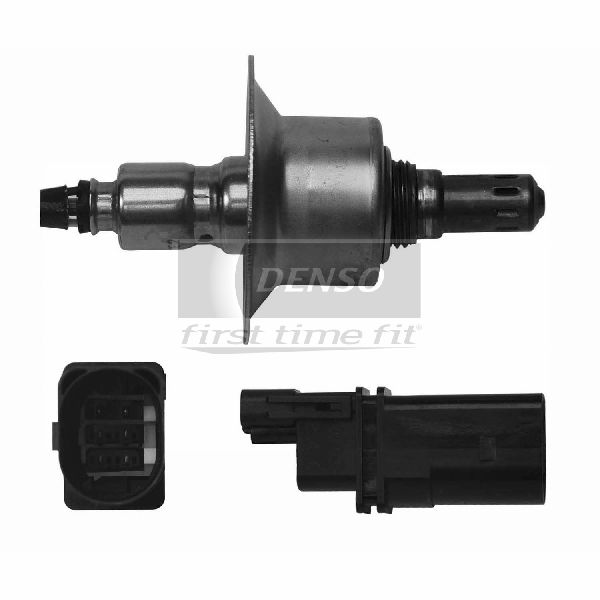
For a 2010-2013 Kia Forte with the 2.4L engine, code P0133 is almost always caused by a worn-out upstream oxygen sensor (Bank 1, Sensor 1). This sensor is a wideband air-fuel ratio type. Replacing it is the most common fix. Expect to pay around $75-$130 for a quality aftermarket part (like Denso 234-5029 or NTK 24348) and $200+ for an OEM sensor (Part No. 39210-2G100). The job is DIY-friendly with a 22mm (or 7/8") O2 sensor socket.
- P0133 on your Forte almost always means the upstream oxygen sensor (before the catalytic converter) has failed.
- Before buying a new sensor, perform a quick visual check for obvious exhaust leaks (soot marks) or melted wiring near the sensor, and check the 'SENSOR 1' fuse.
- Replacement is a DIY-friendly job for many, but you will need a special 22mm O2 sensor socket to remove and install the part.
- Using a quality aftermarket brand like Denso (234-5029) or NGK/NTK (24348) is a reliable, cost-effective alternative to the more expensive OEM part 39210-2G100.
- Ignoring this code will result in poor fuel economy and can eventually damage your catalytic converter.
What's Unique About the 2010-2013 Kia Forte
On the 2.4L Theta II engine in the first-generation Kia Forte, the P0133 code is a very common and straightforward issue. The upstream oxygen sensor is a regular wear-and-tear item that typically fails due to age and heat cycles. There are no widespread, unique platform defects that cause this code; it's most often just a simple case of the original sensor reaching the end of its service life, which is estimated to be around 60,000 to 100,000 miles. The sensor is conveniently located at the rear of the engine bay on top of the exhaust manifold, making it very accessible.
🎬 Watch: See exactly where the upstream sensor is located.Symptoms You May Notice
- Check Engine Light is on
- Decreased fuel economy
- Rough or unstable idle
- Engine hesitation or slower acceleration
- Failed emissions test
- Rotten egg or sulfur smell from the exhaust
- Black smoke from the exhaust in some cases
- Replacing the downstream (Bank 1, Sensor 2) oxygen sensor. This code specifically points to the upstream sensor (Sensor 1).
- Replacing the catalytic converter. A P0133 code is a sensor performance issue, not a converter efficiency issue (like a P0420). A bad sensor can lead to converter damage over time, but the sensor itself should be addressed first.
Most Likely Causes
- Failing Upstream Oxygen (O2) Sensor 🔴 High Probability Oxygen sensors are wear-and-tear items with a finite lifespan. Contamination from exhaust gases and constant exposure to extreme heat cause them to degrade and respond slowly over time. This is the most frequent cause for P0133 on this vehicle.
How to confirm: Use a scan tool with live data capability to graph the Bank 1 Sensor 1 voltage. A healthy sensor will show rapid fluctuations between approximately 0.1V and 0.9V. A slow sensor will show lazy, infrequent switching. Visually, the sensor is located at the top rear of the engine on the exhaust manifold. The sensor's internal heater element can also be tested with a multimeter; resistance should be between 2.5 and 4.0 Ohms at room temperature.
Typical fix: Replace the upstream (Bank 1, Sensor 1) oxygen sensor. This requires a special 22mm (7/8") O2 sensor socket. Disconnect the electrical connector first, which is located on the driver's side of the engine bay and has a yellow locking tab.
Est. part cost: $75-$250 - Exhaust System Leak 🟡 Medium Probability Cracks in the exhaust manifold or leaks in the gasket before the O2 sensor can allow outside air to enter the exhaust stream, which skews the sensor's readings and can be interpreted as a slow response.
How to confirm: Visually inspect the exhaust manifold and downpipe for cracks or black soot marks indicating a leak, especially when the engine is cold. A smoke test is the most definitive way to find small leaks. Listen for an audible ticking or hissing sound from the engine bay, especially when cold.
Typical fix: Replace the leaking exhaust manifold gasket or repair/replace the cracked exhaust component.
Est. part cost: $20-$300 - Damaged Sensor Wiring or Connector ⚪ Low Probability The wiring harness is close to hot exhaust components and can become brittle, melted, or frayed over time. The harness clip can break, allowing the wires to contact the hot exhaust manifold.
How to confirm: Visually inspect the O2 sensor's wiring harness from the sensor itself to the connection point. Look for any signs of melting, chafing, corrosion in the connector, or breaks in the wire.
Typical fix: Repair the damaged section of the wiring harness or replace the connector pigtail. Secure the harness away from heat sources.
Est. part cost: $15-$50
Rare But Worth Checking
- Vacuum Leak: An intake manifold or vacuum hose leak can introduce unmetered air, affecting the air-fuel ratio and potentially confusing the O2 sensor readings, which the ECU might interpret as a slow response.
- Low Fuel Pressure: Incorrect fuel pressure can lead to a lean running condition, which can sometimes manifest as a P0133 code as the sensor struggles to read the erratic mixture.
- Contaminated Sensor from Internal Engine Issues: If the engine is burning oil or coolant due to internal wear (a known issue with some Theta II engines), the deposits can foul the O2 sensor tip, causing it to fail prematurely. If you replace a sensor and it fails again quickly, this should be investigated.
- Blown Fuse: The O2 sensor heater circuit is protected by a fuse, often labeled 'SENSOR 1' in the under-hood fuse box. If this fuse blows, the sensor cannot heat up properly, leading to a slow response code.
Diagnosis Steps
- Read the code with an OBD-II scanner and confirm P0133 is present. Note any other codes, especially P0135 or P0171.
- Clear the code and drive the vehicle to see if the code returns. This confirms it's a persistent fault.
- Visually inspect the upstream O2 sensor's wiring harness and connector for any signs of melting, chafing, or corrosion. Ensure it is properly clipped in its holder and not touching the exhaust.
- Check the 'SENSOR 1' fuse in the engine bay fuse box to ensure it is not blown.
- Inspect the exhaust manifold and the area around the sensor for black soot marks or cracks that would indicate an exhaust leak.
- Using a scan tool, monitor the live data for 'O2S B1S1'. At a steady idle on a warm engine, the voltage should fluctuate rapidly and consistently between ~0.1V and ~0.9V. If the switching is slow, lazy, or flat-lined, the sensor is likely bad. 🎬 Watch: How to diagnose and fix a P0133 code.
- If the sensor appears slow, and no exhaust leaks or wiring/fuse issues are found, the most probable cause is the sensor itself.
Parts You'll Likely Need
- Upstream Oxygen Sensor (Air/Fuel Ratio Sensor)
(OEM #39210-2G100)— This is the most common failure item for a P0133 code. It is a wear-and-tear component that degrades over time.
Trusted brands: Denso (p/n: 234-5029), NGK/NTK (p/n: 24348), Bosch (p/n: 18104)
OEM price range: $200-$250
Aftermarket price range: $75-$130
Related Codes That Often Appear With This One
- P0135 — This code indicates a fault in the O2 sensor's internal heater circuit. A failed heater will prevent the sensor from reaching operating temperature quickly, which will almost always cause a P0133 slow response code to set as well.
- P0171 — This code for 'System Too Lean (Bank 1)' can be caused by an exhaust leak before the O2 sensor. The extra oxygen entering the exhaust is interpreted as a lean condition and can also cause the sensor's readings to appear slow or erratic.
Platform-Specific Known Issues
- While the P0133 code itself is straightforward, be aware that the 2.4L Theta II engine in this vehicle is subject to a major recall and class-action lawsuit for premature connecting rod bearing failure. Symptoms of this larger issue include engine knocking, metallic flakes in the oil, and excessive oil consumption. A failing engine can contaminate a new O2 sensor quickly.
Mechanic-Grade Diagnostic Values
- Upstream O2 Sensor (B1S1) Heater Circuit Resistance — expected: 2.5 - 4.0 Ohms at room temperature. Failure: A reading outside this range indicates a faulty internal heater, which will cause a slow response code.
- Upstream O2 Sensor (B1S1) Live Data Voltage — expected: Rapidly and consistently fluctuating between ~0.1V and ~0.9V on a warm, idling engine.. Failure: A slow, lazy waveform that takes more than a second to switch, or a voltage that is flat-lined.
Scan Tool Commands That Help
- Kia GDS (Global Diagnostic System): ECU Upgrade / Vehicle S/W Management — While no specific TSB for P0133 on this exact model/year was found, related Kia models have received ECU updates to change the sensitivity of emissions monitoring. If P0133 persists after replacing the sensor and verifying no leaks, checking for an available ECU update with a GDS or dealer-level tool is a valid next step.
- Advanced Scan Tool: Clear Adaptive Memory / KAM Reset — After replacing the O2 sensor or fixing an exhaust/vacuum leak, it is critical to reset the engine's learned fuel trim adaptations. Failing to do so can cause the old, incorrect learned values to conflict with the new sensor's readings, potentially causing the code to return incorrectly.
Wiring & Ground Locations
- B1S1 O2 Sensor Connector — On the driver's side of the engine bay, near the back. It is a 4-pin connector, typically with a distinctive yellow locking tab.. This is the primary connection point to test wiring to and from the sensor. Corrosion or damage here will directly cause sensor communication issues.
- Engine Ground Strap — While not specifically pictured for the Forte, a common location for the main engine-to-chassis ground is a braided strap from the cylinder head or engine block to the firewall.. A poor or corroded main engine ground can introduce electrical noise and voltage offsets that interfere with the sensitive O2 sensor signal, potentially causing a P0133 code even with a good sensor. This is a rare but confirmed cause on other Kia/Hyundai models.
Real Owner Repair Stories
- Reddit user in r/AskMechanics (Vehicle with persistent P0133) — Check engine light with P0133, engine bogging, lag, and poor gas mileage.
❌ Tried (didn't work) Replacing the upstream O2 sensor (B1S1). The code returned shortly after.
✅ What actually fixed it The ultimate cause was a small, penny-sized hole in the exhaust from a broken hanger. Welding the hole resolved the issue that had been incorrectly diagnosed as a bad sensor. - NHTSA ODI #11513767 — An owner of a related Kia model with the 2.4L engine reported a cascade of codes including P0133, P0087, and P2096, noting that these issues were part of a broader set of engine problems documented on the NHTSA website.
Diagnostic Flowchart
Other Known Issues on This Vehicle
Issues unrelated to this code that are worth knowing about as an owner of this generation:
- Catastrophic Engine Failure (Rod Bearing Wear) 🔴 High — Widespread across Theta II 2.4L engines. Can occur at any mileage, but often under 100k miles. Leads to engine knocking, seizure, and potential fire. (Ref: Kia Safety Recall SC147; Class-action lawsuit settlement provides lifetime warranty and potential engine replacement.)
- Hydraulic Electronic Control Unit (HECU) Fire Risk 🔴 High — Affects a wide range of Kia models including the 2010-2013 Forte. An electrical short in the HECU can cause a fire while parked or driving. (Ref: NHTSA Recall 23V-082)
- Malfunctioning Stop Lamp Switch 🟠 Medium — Very common issue. Can cause brake lights to fail, cruise control to not disengage, push-button start issues, and inability to shift out of Park. (Ref: NHTSA Recall 13V-114)
- Air Bag Control Unit (ACU) Short Circuit 🔴 High — In the event of a crash, the ACU may short circuit, preventing frontal airbags and seatbelt pretensioners from deploying. (Ref: NHTSA Recall 18V-363)
- Poor Starting / Hesitation 🟡 Low — Some owners report issues with poor starting or hesitation during acceleration, sometimes traced to a faulty MAP sensor or throttle body issues.
Used vs. New Parts: Buying Guide for This Vehicle
When a used part is the smart pick: For this repair, a used part is only recommended for the exhaust manifold if it is cracked. A used O2 sensor is never recommended as it is a wear item and its remaining lifespan is unknown.
Donor-vehicle mileage cap: roughly under 80000 miles for the part to have meaningful remaining life.
What to inspect on the donor part:
- For an exhaust manifold, inspect thoroughly for hairline cracks, especially around the collector and flanges.
- Ensure all mounting studs are intact and not stripped or broken.
- Check for excessive rust or pitting that could compromise the gasket sealing surface.
Aftermarket brands forum-validated for this vehicle:
- NTK (often the OEM supplier)
- Denso
Brands owners have reported issues with on this vehicle:
- Unknown, no-name brands from online marketplaces should be avoided as their quality control and sensor element accuracy can be highly inconsistent, often leading to the code returning.
Real Owner Stories
Aggregated from forums and TSBs cited above. Mileages and costs reflect what owners reported in those sources.
2011 Kia Sorento LX 2.4L — 150000 miles
Symptoms: Check Engine Light with codes P0133, P0136, and P0140 were present.
What fixed it: Replacing the O2 sensors resolved the P0133 code.
Source hint: reddit r/MechanicAdvice
2012 Kia Forte 2.4L
Symptoms: Persistent P0133 code.
What fixed it: Discovery and repair of a small crack in the exhaust manifold near the sensor flange that was not immediately visible.
Source hint: kia-forums.com
2010-2013 Kia Forte 2.4L
Symptoms: P0133 code; slow O2 sensor response.
What fixed it: Replacing the upstream O2 sensor with a Denso or NTK unit.
Source hint: forteforums.com
2.4L Engine Owner Report
Symptoms: Multiple codes including P0133, P0087, P0506, and P2096 appearing simultaneously.
What fixed it: The owner noted in NHTSA ODI #11513767 that these codes were part of a larger pattern of engine problems they were investigating via the NHTSA website.
Source hint: NHTSA ODI #11513767
Related OBD-II Codes
Frequently Asked Questions
Could the P0133 code on my 2010-2013 Kia Forte be related to the major engine recall?
Is there a specific brand of O2 sensor recommended for the Kia Forte 2.4L to fix this code?
I hear a ticking sound from the engine bay when my Forte is cold; could this cause P0133?
Where is the fuse for the O2 sensor located on a 2010-2013 Kia Forte?
What specific tool do I need to replace the Bank 1 Sensor 1 on my Forte?
Are there any other recalls for the 2010-2013 Forte I should check while fixing this?
Helpful Videos
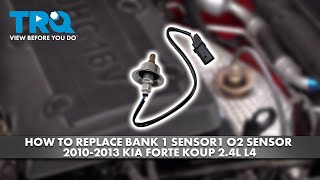
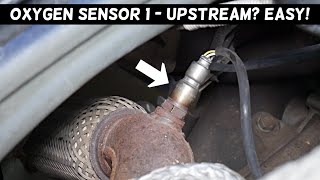
We Have This Part in Stock
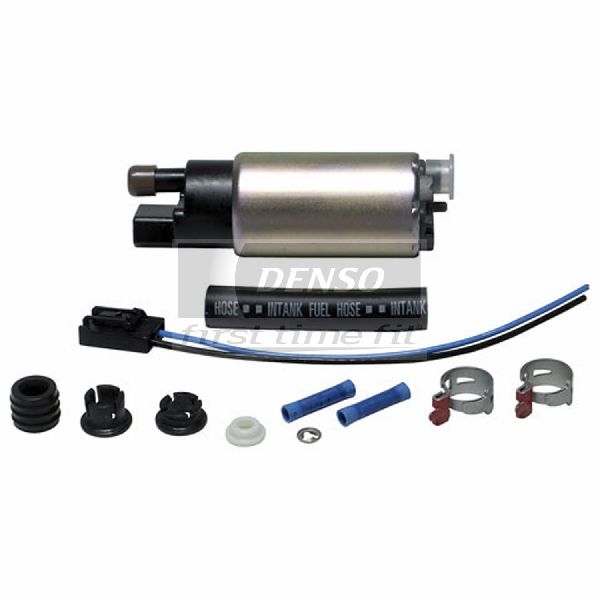



The information in this article is provided for general reference and educational purposes only. Vehicle specifications, procedures, and part compatibility can vary by production date, trim level, and region. Always consult your vehicle's factory service manual and verify part numbers before purchasing or performing repairs. Safety-critical components such as airbags, seat belts, and braking systems should be installed by a qualified professional.
- Kia Forte:
- 🎬 Helpful Videos
- 🛍️ Shop This Part
- What's Unique About the 2010-2013 Kia Forte
- Symptoms You May Notice
- Most Likely Causes
- Rare But Worth Checking
- Diagnosis Steps
- Parts You'll Likely Need
- Related Codes That Often Appear With This One
- Platform-Specific Known Issues
- Mechanic-Grade Diagnostic Values
- Scan Tool Commands That Help
- Wiring & Ground Locations
- Real Owner Repair Stories
- Diagnostic Flowchart
- Other Known Issues on This Vehicle
- Used vs. New Parts: Buying Guide for This Vehicle
- Real Owner Stories
- 2011 Kia Sorento LX 2.4L — 150000 miles
- 2012 Kia Forte 2.4L
- 2010-2013 Kia Forte 2.4L
- 2.4L Engine Owner Report
- Related OBD-II Codes
- Frequently Asked Questions
- 🎟️ Get 5% Off