

P0132 on 2016-2021 Hyundai Tucson 2.0L: O2 Sensor High Voltage Causes and Fixes
This code almost always indicates a failed upstream oxygen sensor (Bank 1, Sensor 1). The sensor is sending a constant high voltage signal to the engine computer. Replacing the sensor is the most common fix, costing around $60-$120 for an aftermarket part and $180-$240 for an OEM part. Before replacement, visually inspect the wiring for melting, as it is close to the exhaust.
- P0132 on your Tucson means the upstream oxygen sensor (Bank 1, Sensor 1) is sending a constant high voltage signal.
- The most common cause by far is a failed oxygen sensor, which is a standard wear-and-tear part that can also be damaged by this engine's known oil consumption issues.
- You can continue driving, but you will have poor fuel mileage and risk damaging your expensive catalytic converter over time.
- Before replacing the sensor, give the wiring and connector a quick visual check for obvious damage like melting or corrosion, as the harness is close to the exhaust.
- This is a DIY-friendly repair for those with basic tools, including a special 22mm O2 sensor socket.
- Ensure your vehicle has the latest Knock Sensor Detection System (KSDS) software update (Campaign 953/966) to protect against catastrophic engine failure, a known issue with this engine.
What's Unique About the 2016-2021 Hyundai Tucson
For the third-generation Hyundai Tucson with the 2.0L Nu GDI engine, the P0132 code is a straightforward issue that overwhelmingly points to the upstream O2 sensor itself. There are no widespread reports of complex underlying causes like software glitches or endemic wiring problems for this specific model range, though checking for melted wiring is a prudent step. The diagnosis is typically not complicated, and owners often find success by directly replacing the Bank 1 Sensor 1 O2 sensor. This issue is also common on platform mates like the Kia Sportage and Hyundai Elantra using the same engine.
Symptoms You May Notice
- Check Engine Light is on
- Decreased fuel economy
- Rough or unstable idle
- Engine hesitation or lack of power
- Black smoke from exhaust (in rare cases, if running extremely rich)
- Slight smell of gasoline from the exhaust
- Replacing the downstream oxygen sensor (Bank 1, Sensor 2). P0132 specifically points to Sensor 1, which is the upstream sensor before the catalytic converter.
- Replacing the catalytic converter. A bad O2 sensor can harm the converter over time, but the converter itself does not cause this specific code.
Most Likely Causes
- Failed Upstream Oxygen Sensor (Bank 1, Sensor 1) 🔴 High Probability Oxygen sensors are wear-and-tear items that operate in a harsh exhaust environment. Contamination from oil (a known issue with this engine) can also shorten their lifespan. They typically degrade and fail, with a lifespan of 60,000 to 90,000 miles.
How to confirm: Use an OBD-II scanner to monitor live data for the 'O2S11' or 'Bank 1 Sensor 1' voltage. If the voltage is stuck high (e.g., >0.9V) and does not fluctuate rapidly, the sensor has likely failed. The ECM may set the code if the voltage exceeds 1.3V for more than one second.
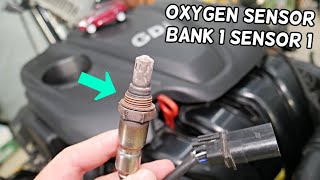
Typical fix: Replace the upstream oxygen sensor. On the 2.0L I4 engine, it is located on the exhaust manifold, typically on the backside of the engine, and is accessible from the top. 🎬 Watch: How to locate and replace the upstream oxygen sensor.
Est. part cost: $60-$240 - Wiring or Connector Issue 🟡 Medium Probability The sensor's wiring harness is routed very close to the hot exhaust manifold. Over time, clips can break, allowing the harness to sag and make contact with the exhaust, melting the insulation and causing a short circuit to power.
How to confirm: Visually inspect the wiring harness and connector for the upstream O2 sensor. Look for any signs of melting, chafing, corrosion, or loose pins. Pay close attention to the section of the harness nearest the exhaust manifold. Use a multimeter to check for a short to voltage on the signal wire.
Typical fix: Repair the damaged section of the wiring harness with heat-resistant tape or new wiring, and secure it away from the exhaust. Clean or replace the connector if corroded.
Est. part cost: $5-$50 - Exhaust Leak ⚪ Low Probability
How to confirm: An exhaust leak *before* the O2 sensor can draw in outside air, ironically causing the sensor to sometimes read lean, not rich. However, a leak can also damage the sensor over time. Listen for a ticking or hissing sound from the engine bay, especially when the engine is cold. Visually inspect the exhaust manifold and gaskets for black soot trails.
Typical fix: Replace the leaking exhaust manifold gasket or repair the crack in the manifold.
Est. part cost: $20-$150
Rare But Worth Checking
- Engine Running Rich: While a rich condition (e.g., from a leaking fuel injector) can cause a high O2 sensor reading, it will almost always be accompanied by other fault codes. If P0132 is the only code present, this is an unlikely primary cause.
- Faulty Powertrain Control Module (PCM): This is extremely rare. The PCM should only be considered as a potential cause after all other possibilities, including the sensor and its entire circuit, have been thoroughly tested and ruled out.
- Blown O2 Sensor Fuse: The O2 sensor heater circuit is protected by a fuse, typically in the engine bay fuse box labeled 'SENSOR 1'. While a blown fuse more commonly causes a heater circuit code (e.g., P0135), it can sometimes lead to erratic sensor readings. It's a quick check worth performing.
Diagnosis Steps
- Connect an OBD-II scanner and confirm that P0132 is the primary or only code present.
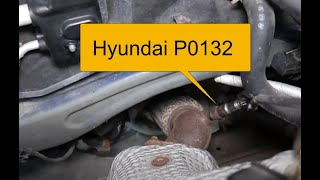
- View live data on the scanner. Observe the voltage for 'Bank 1 Sensor 1'. It should fluctuate rapidly between approximately 0.1V and 0.9V. If it is stuck high (e.g., 0.9V - 1.3V), the sensor or its circuit is faulty. 🎬 See this walkthrough for fixing the P0132 high voltage code.
- Turn off the engine and allow it to cool. Locate the upstream O2 sensor on the exhaust manifold. On the 2.0L engine, this is a single bank engine, so you are looking for 'Bank 1 Sensor 1'.
- Thoroughly inspect the sensor's wiring harness and connector for any signs of damage, such as melting, fraying, or corrosion. Ensure the connector is securely plugged in and routed away from the hot exhaust.
- Check the O2 sensor fuse in the engine compartment fuse box to ensure it is not blown, often labeled 'SENSOR 1'.
- If the wiring and fuse appear intact, the most probable cause is a failed sensor. Proceed with replacing the Bank 1, Sensor 1 oxygen sensor.
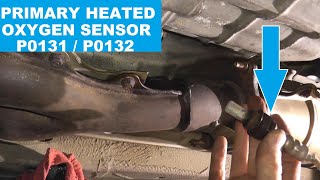
- If you have access to a multimeter, you can perform more advanced tests by checking for a short to voltage in the signal wire 🎬 Watch: How to test and replace a heated oxygen sensor. of the sensor's harness.
- After replacing the sensor or repairing any wiring issues, clear the trouble code with the scanner and perform a drive cycle to ensure the code does not return.
Parts You'll Likely Need
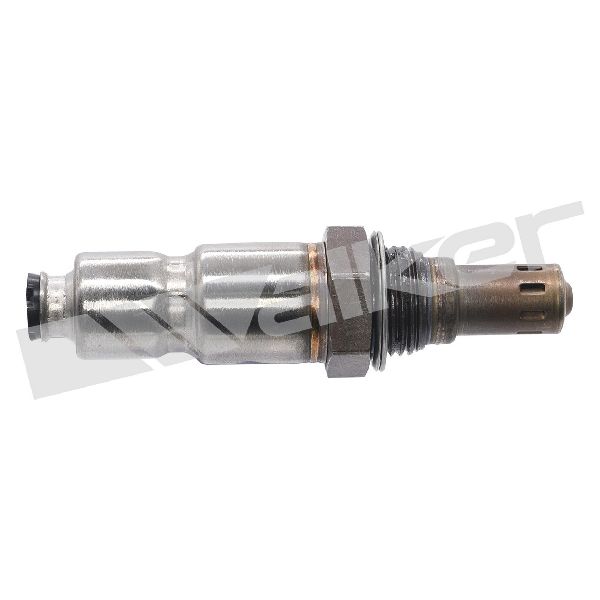
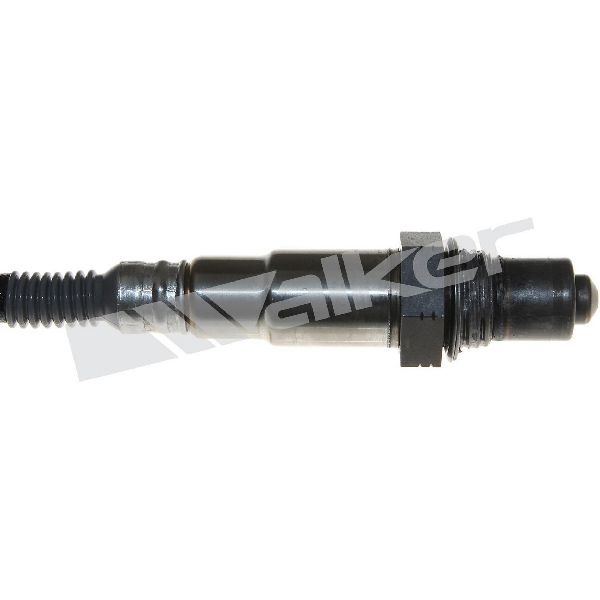
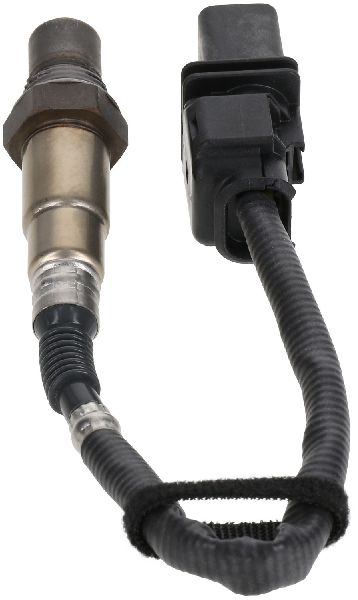
- Upstream Oxygen Sensor (Bank 1, Sensor 1)
(OEM #39210-2E101)— This is the primary component that fails and causes the P0132 code. It directly measures the exhaust gas and sends the voltage signal that the ECM has identified as faulty. This part number is confirmed to fit the 2019-2021 Tucson 2.0L and many other Hyundai/Kia models with the same engine.
Trusted brands: Hyundai Genuine (OEM), Bosch, Denso, NGK/NTK, Walker
OEM price range: $180-$270
Aftermarket price range: $60-$120 - Oxygen Sensor Socket — A special 22mm slotted socket is required to remove and install the oxygen sensor without damaging its wire.
Trusted brands: Lisle, GearWrench, OEMTools
OEM price range: $10-$25
Aftermarket price range: $10-$25
Technical Service Bulletins (TSBs) & Recalls
- Campaign 953 / T1D: Knock Sensor Detection System (KSDS) Software Update. While not directly for P0132, this is a critical TSB for all owners of this engine. It installs software to detect early signs of engine bearing failure, a known catastrophic issue. Failure to have this update may affect warranty claims for engine failure.
- Campaign 966 / T9Q: A follow-up KSDS update and powertrain warranty extension for vehicles affected by potential connecting rod bearing failure, including the 2016-2021 Tucson 2.0L Nu GDI.
Mechanic-Grade Diagnostic Values
- O2 Sensor (B1S1) Signal Voltage — expected: Fluctuating between 0.1V and 0.9V in closed loop.. Failure: Stuck high, greater than 1.3V for more than 1 second.
- O2 Sensor Heater Element Resistance — expected: Approximately 3 to 25 Ohms when cold. A known good sensor measured around 4-5 Ohms.. Failure: Out of limit (OL) reading, indicating an open circuit in the heater.
- PCM Fail-Safe Action — expected: Upon detecting P0132, the PCM will enter a fail-safe mode.. Failure: The PCM will reset lambda adaptation and fuel trim adaptation, and control the front HO2S heater in an open loop.
Scan Tool Commands That Help
- Hyundai GDS (Global Diagnostic System): Actuation Test: Fuel Injector Disable — To rule out a true rich condition. A technician can use the GDS to temporarily disable individual fuel injectors. If disabling an injector causes the high O2 sensor voltage to drop, it suggests a leaking injector on that cylinder is the root cause, not the sensor itself.
Wiring & Ground Locations
- ECM Connector Pin 7 — At the Engine Control Module harness connector.. This is the control output pin for the Heated Oxygen Sensor (Sensor 1) heater. Issues here could indicate a problem with the ECM or the harness connection.
- ECM Connector Pins 3 & 4 — At the Engine Control Module harness connector.. These are power ground pins that connect to chassis ground. A poor ground connection here can cause various sensor reading errors.
- Chassis Ground — A common and accessible chassis ground point is on the driver's side strut tower, where several nuts are visible.. The O2 sensor circuit relies on a solid ground connection. Verifying that main engine and chassis grounds are clean and tight is a crucial step in diagnosing any electrical fault.
- SENSOR 1 Fuse — In the under-hood fuse box.. This fuse protects the O2 sensor heater circuit. A blown fuse will cause heater circuit codes and can lead to this high voltage code as well.
Real Owner Repair Stories
- Reddit user, r/autoelectrical (2000 Honda CRV (Note: Different vehicle, but identical code and principle)) — P0132 code with live data showing voltage spiking to 1.25V after replacing catalytic converter and both O2 sensors.
❌ Tried (didn't work) Replacing the catalytic converter., Replacing the upstream O2 sensor with a new part.
✅ What actually fixed it The user noted that the original O2 sensor wiring harness had been previously damaged and ripped out of its connector. The persistent P0132 code after replacing parts strongly implies the root cause was a short in the repaired harness, not the new sensor. This highlights the necessity of thoroughly testing the wiring circuit for shorts to power, even after it has been 'fixed'.
OEM Part Supersession History
Unknown→39210-2E101— Unknown
Heads up: Part listings show conflicting information. Some suppliers list 39210-2E101 for the full 2016-2021 range, while others specify it for 2019-2021 models only. It is critical to verify the correct part number with the vehicle's VIN before purchasing to avoid incompatibility.
Model Year Variations Within This Range
- 2019-2021: The 2019 model year received a facelift. While the 2.0L Nu GDI engine was carried over for SE and Value trims, some parts may have changed. The upstream oxygen sensor part number 39210-2E101 is most consistently cited for 2019-2021 models, suggesting pre-facelift (2016-2018) models may use a different part number. VIN verification is essential.
- 2019-2021: For 2019-2021 models with the 2.0L engine, the downstream (lower) oxygen sensor may have a different part number for All-Wheel Drive (AWD) models (39210-2E411) compared to Front-Wheel Drive (FWD) models. While P0132 is for the upstream sensor, this indicates that drivetrain configuration can affect emissions components.
Diagnostic Flowchart
Other Known Issues on This Vehicle
Issues unrelated to this code that are worth knowing about as an owner of this generation:
- Excessive Engine Oil Consumption 🔴 High — Widespread issue, often starting around 60,000-80,000 miles. Some owners report consuming a quart of oil every 1,000 miles. The problem is linked to piston oil rings that were not properly heat-treated, leading to cylinder wall scuffing. (Ref: Subject of class-action lawsuits and dealer oil consumption tests (e.g., TSB 23-EM-008H). While some Nu MPI engines were recalled, the GDI variant in the Tucson is primarily handled through warranty extensions and dealer-level testing.)
- Engine Failure / Knock Sensor Detection System (KSDS) 🔴 High — A significant number of Nu GDI engines have experienced premature connecting rod bearing wear, leading to engine knock, seizure, and potential fires. This is a well-documented issue across many Hyundai/Kia models with this engine family. (Ref: Hyundai initiated Product Improvement Campaign 953 to install Knock Sensor Detection System (KSDS) software. This software detects vibrations preceding engine failure, puts the car in limp mode, and logs code P1326. An extended powertrain warranty (15 years/150,000 miles) is offered for bearing failure if the KSDS update is performed.)
- Faulty Oil Control Valve (OCV) 🟠 Medium — The OCV, which controls the variable valve timing, is prone to clogging from oil sludge, especially if oil consumption is high or oil changes are neglected. This often occurs after 80,000 miles. (Ref: No specific recall, but often associated with timing-related codes like P0016 or P0017. Replacing the OCV is a common repair for these codes.)
Used vs. New Parts: Buying Guide for This Vehicle
When a used part is the smart pick: For this repair, a used part is not recommended. Oxygen sensors are wear-and-tear items with a finite lifespan. Installing a used sensor is likely to result in the same failure in a short amount of time.
Donor-vehicle mileage cap: roughly under 30000 miles for the part to have meaningful remaining life.
What to inspect on the donor part:
- If forced to use a donor, source from a vehicle with the lowest possible mileage.
- Inspect the sensor tip for heavy black soot (rich running), white deposits (coolant/oil contamination), or physical damage.
- Ensure the wiring pigtail and connector are free of any melting, corrosion, or frayed wires.
OEM-only on this vehicle (don't cheap out):
- While not strictly OEM-only, using a genuine Hyundai sensor is the safest bet to avoid compatibility issues. Some sensitive engine management systems can reject the voltage signals from aftermarket sensors, causing the code to return.
Aftermarket brands forum-validated for this vehicle:
- Denso
- Bosch
- NGK / NTK
- Walker Products
Brands owners have reported issues with on this vehicle:
- No-name, unbranded sensors sold at a very low cost on marketplace websites are frequently cited in forums as being dead-on-arrival or failing within a few months.
Real Owner Stories
Aggregated from forums and TSBs cited above. Mileages and costs reflect what owners reported in those sources.
2017 Hyundai Tucson 1.6T
Symptoms: Experienced P0132 and P0133 codes simultaneously.
What fixed it: Replacement of the Bank 1 oxygen sensor.
Source hint: Hyundai-Forums.com thread titled 'P0132 on 2017 Tucson - Hyundai-Forums.com'
2018 Hyundai Tucson 2.0L Nu GDI — ~70000 miles
Symptoms: Excessive oil consumption, potentially leading to premature sensor degradation.
What fixed it: Dealer oil consumption tests (TSB 23-EM-008H) and monitoring for sensor failure.
Source hint: BobIsTheOilGuy - Hyundai Excessive Oil Consumption
Related OBD-II Codes
Frequently Asked Questions
Does the Knock Sensor Detection System (KSDS) update (Campaign 953) fix the P0132 code on my 2017 Tucson?
Is the P0132 code related to the high oil consumption issues in the 2.0L Nu GDI engine?
Where is the Bank 1 Sensor 1 located on my 2.0L Tucson for replacement?
Can a melting wiring harness cause a P0132 code in this vehicle?
Is there a warranty extension that might cover engine issues related to my 2016-2021 Tucson?
Which fuse should I check if I suspect a circuit issue for the O2 sensor?
Helpful Videos
Used OEM Parts in Stock
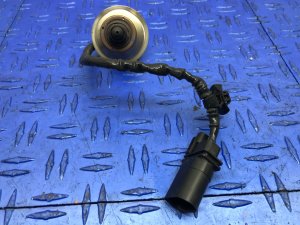
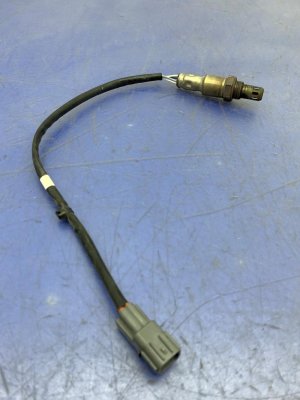
New Aftermarket Parts Available
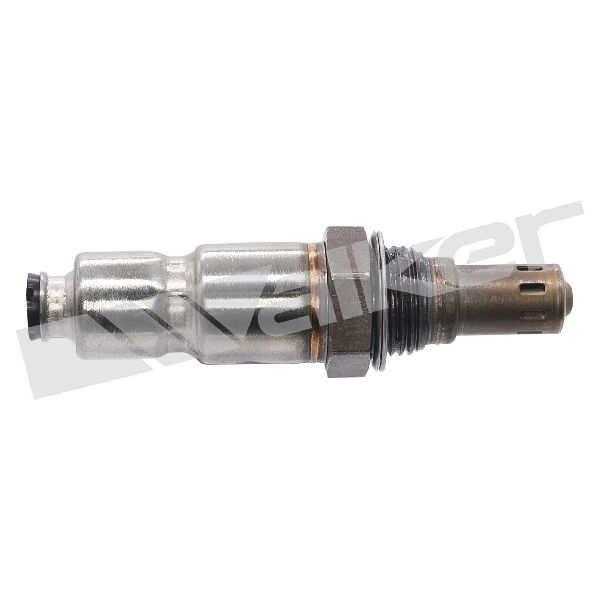
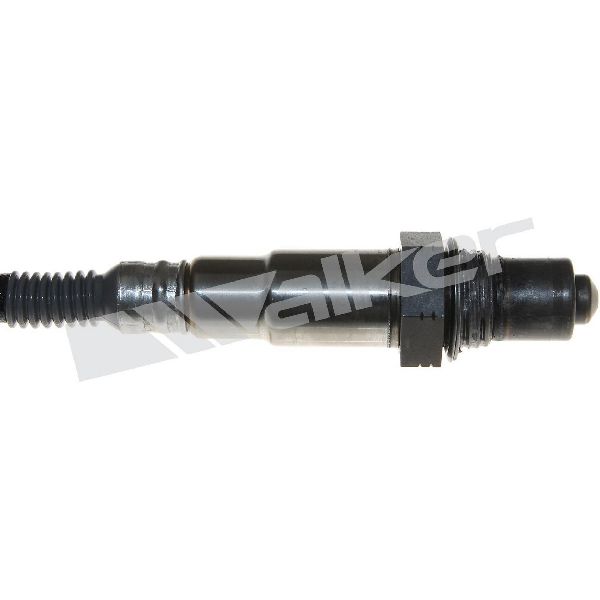


The information in this article is provided for general reference and educational purposes only. Vehicle specifications, procedures, and part compatibility can vary by production date, trim level, and region. Always consult your vehicle's factory service manual and verify part numbers before purchasing or performing repairs. Safety-critical components such as airbags, seat belts, and braking systems should be installed by a qualified professional.
- Hyundai Tucson:
- 🎬 Helpful Videos
- 🛍️ Shop This Part
- What's Unique About the 2016-2021 Hyundai Tucson
- Symptoms You May Notice
- Most Likely Causes
- Rare But Worth Checking
- Diagnosis Steps
- Parts You'll Likely Need
- Technical Service Bulletins (TSBs) & Recalls
- Mechanic-Grade Diagnostic Values
- Scan Tool Commands That Help
- Wiring & Ground Locations
- Real Owner Repair Stories
- OEM Part Supersession History
- Model Year Variations Within This Range
- Diagnostic Flowchart
- Other Known Issues on This Vehicle
- Used vs. New Parts: Buying Guide for This Vehicle
- Real Owner Stories
- 2017 Hyundai Tucson 1.6T
- 2018 Hyundai Tucson 2.0L Nu GDI — ~70000 miles
- Related OBD-II Codes
- Frequently Asked Questions
- 🎟️ Get 5% Off