

P0118 on 2015-2020 Ford F-150: ECT Sensor Circuit High Causes and Fixes
For a 2015-2020 Ford F-150, especially with the 2.7L EcoBoost engine, code P0118 is most often caused by a faulty Engine Coolant Temperature (ECT) sensor or a bad electrical connection to it. The fix is typically replacing the sensor and/or its connector. For the 2.7L engine, where the sensor is notoriously hard to access, Ford provides a relocation kit (ML3Z-14A411-H) as the official repair under TSB 21-2168, which significantly reduces labor time.
- P0118 means the engine computer thinks the coolant is freezing cold, usually due to an open circuit.
- On 2.7L EcoBoost F-150s, the first thing to check is the ECT sensor's electrical connector for a loose fit or damage, as noted in multiple Ford TSBs.
- The most common fix is replacing the ECT sensor, but be aware that on the 2.7L engine, the sensor is very hard to reach, and a special relocation kit from Ford is recommended.
- Do not immediately assume the thermostat is bad; it is rarely the cause of a P0118 code.
- Driving with this code can lead to poor performance, bad fuel mileage, and could prevent you from noticing a true overheating emergency.
What's Unique About the 2015-2020 Ford F-150

On the 2015-2020 F-150, this code is particularly well-documented for models with the 2.7L EcoBoost engine. The original sensor is located under the intake manifold, making a replacement an 8+ hour job. Recognizing this, Ford issued multiple Technical Service Bulletins (TSBs) acknowledging the issue is often the sensor, its wiring, or its connector. The definitive fix is outlined in TSB 21-2168, which introduces a relocation kit. This kit includes a new heater hose with an integrated sensor and a jumper harness, moving the sensor to a highly accessible location and reducing the repair time to about 2 hours.
Diagnostic Flowchart
Tap your situation to follow the diagnostic path that matches what you're seeing on this vehicle.
Symptoms You May Notice
- Check Engine Light is on
- Engine temperature gauge reads unusually low (bottomed out) or gives a false overheating warning. [TSB 21-2168, 37]
- Cooling fans run continuously at high speed.
- Poor fuel economy.
- Engine runs rough, hesitates, or stalls (limp mode), especially when cold.
- Difficulty starting or no-start condition.
- Black smoke from the exhaust due to a rich fuel mixture.
- Replacing the thermostat. A thermostat is more commonly associated with code P0128 (Coolant Thermostat Below Regulating Temperature) and will not fix a P0118 circuit fault.
Most Likely Causes

- Damaged or Poorly Seated ECT Sensor Connector 🔴 High Probability Specifically cited in Ford TSBs SSM 47791 and SSM 46906 for the 2.7L engine. The connector can become loose or the wiring near it can be damaged, causing an open circuit.
How to confirm: Visually inspect the ECT sensor connector for damage, corrosion, or a loose fit. Wiggle the connector and wiring while monitoring the ECT data on a scan tool to see if the reading changes.
Typical fix: Reseat the connector securely. If the connector or pigtail is damaged, it will need to be replaced.
Est. part cost: $15-$40 - Faulty Engine Coolant Temperature (ECT) Sensor 🔴 High Probability The sensor is a common failure point. TSB 21-2168 and SSM 48991 recommend replacing the sensor. On the 2.7L, its location under the intake manifold makes it prone to heat-soak and difficult repairs, leading to the official relocation fix.
How to confirm: With a scan tool, check the live ECT data. A P0118 code will typically show a reading of -40°F. You can also test the sensor's internal resistance with a multimeter; it should change predictably as the engine warms up. At an ambient temperature of 68°F (20°C), the resistance should be between 2,000 and 3,000 ohms.
Typical fix: Replace the ECT sensor. On 2.7L engines (2018-2020), the official Ford repair is to install the relocation kit (Part No. ML3Z-14A411-H), which moves the sensor to an upper heater hose. This is much preferred over the 8+ hour job of replacing the original.
Est. part cost: $25-$50 for sensor, $60-$90 for relocation kit - Wiring Harness Damage (Open Circuit) 🟡 Medium Probability Wiring can become brittle from heat cycles or damaged by rubbing against other components. SSM 48991 notes that the ECT and knock sensor share a harness, and issues can arise there. TSBs also point to potential damage between specific harness connectors.
How to confirm: Perform a continuity test on the wires between the ECT sensor connector and the PCM. Check for 5 volts reference and a good ground at the connector with the key on.
Typical fix: Repair the broken section of wire. For the 2.7L, if the fault is in the shared harness, SSM 48991 suggests replacing both the ECT and knock sensors.
Est. part cost: $5-$100
Rare But Worth Checking
- Faulty Powertrain Control Module (PCM): This is extremely rare. The PCM should only be suspected after all other possibilities (sensor, connector, wiring) have been exhaustively tested and ruled out.
Diagnosis Steps
- Connect an OBD-II scanner and confirm P0118 is present. Check for any other related codes, especially P1299.
- View live data on the scanner. Observe the Engine Coolant Temperature reading. With a P0118, it will likely be stuck at a very low value, such as -40°F.
- For 2.7L EcoBoost engines, immediately check for applicability of TSB 21-2168 (2018-2020 models) or SSM 47791/48991 (2015+ models). The TSB repair is the most likely solution.
- Perform a thorough visual inspection of the ECT sensor, its connector, and the surrounding wiring. On 2.7L models, pay close attention to the connector being fully seated as per Ford TSBs.
- With the engine off and cool, unplug the ECT sensor. The scan tool reading should not change. Now, use a fused jumper wire to connect the two terminals in the electrical connector. The temperature reading on the scan tool should jump to a very high value (e.g., 250°F+).
- If the jumper test works (temp goes to max), the wiring and PCM are likely good, and the ECT sensor itself is faulty.
- If the jumper test does not work, there is a problem in the wiring. Use a multimeter to check for a 5-volt reference signal on one wire and a good ground on the other at the sensor connector (with the key on, engine off).
- If the 5-volt reference or ground is missing, trace the wiring back to the PCM to find the open circuit or short.
- After the repair, check the spark plugs for heavy carbon fouling, as the engine may have been running excessively rich.
- If all wiring and the sensor test good, the final, though unlikely, possibility is a faulty PCM.
Parts You'll Likely Need

- ECT Sensor Relocation Kit (2.7L Engine)
(OEM #ML3Z-14A411-H)— For 2018-2020 2.7L engines, this is the official Ford fix per TSB 21-2168. It moves the sensor to an accessible location, avoiding a massive labor bill. Includes a new heater hose with integrated sensor and a jumper harness.
Trusted brands: Motorcraft
OEM price range: $60-$90
Aftermarket price range: N/A - Engine Coolant Temperature (ECT) Sensor
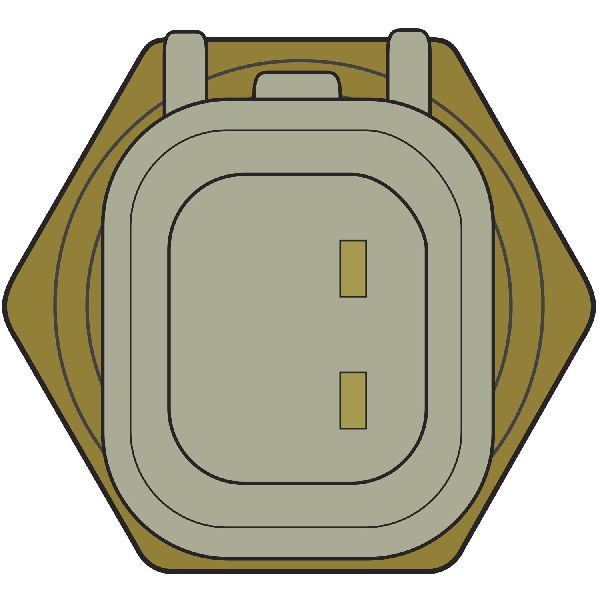
(OEM #FT4Z-12A648-B (Base P/N: 12A648))— This sensor is the most common part to fail, causing the P0118 code. For non-2.7L engines or if not using the relocation kit.
Trusted brands: Motorcraft
OEM price range: $30-$45
Aftermarket price range: $10-$30 - ECT Sensor Connector Pigtail
(OEM #WPT-1594 (May supersede other numbers))— If the connector is corroded, melted, or the locking tab is broken, it must be replaced to ensure a solid connection. Note: TSBs for the 2.7L often favor harness/relocation fixes over a simple pigtail splice.
Trusted brands: Motorcraft, Standard Motor Products, Dorman
OEM price range: $20-$40
Aftermarket price range: $10-$25 - Knock Sensor
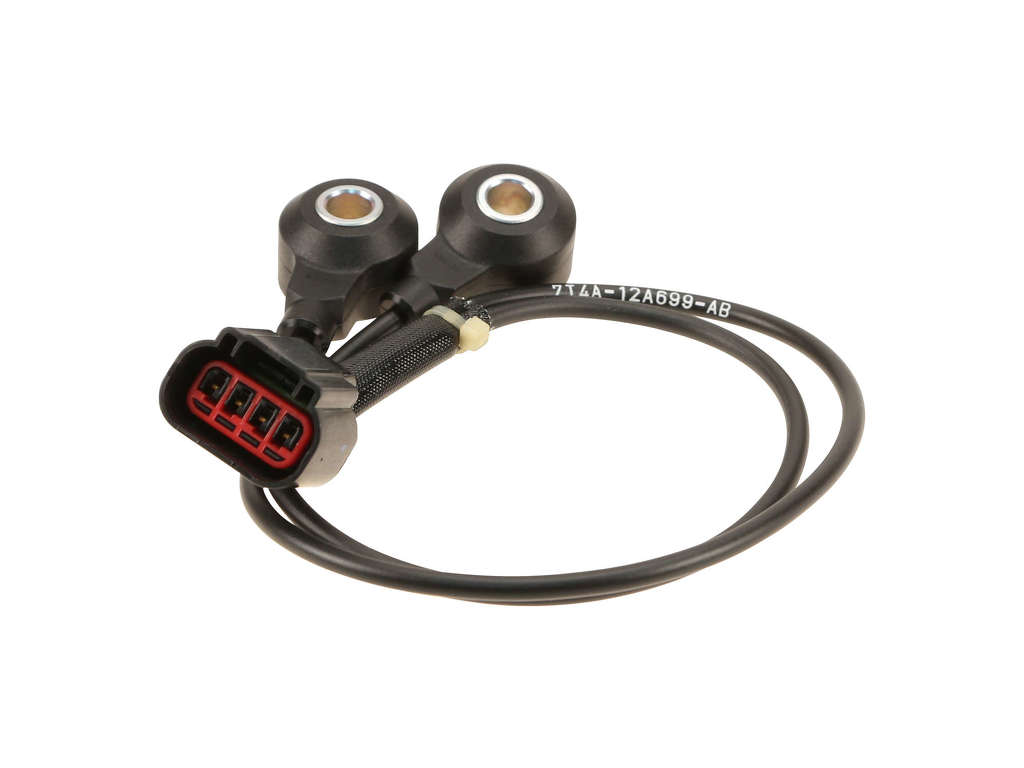
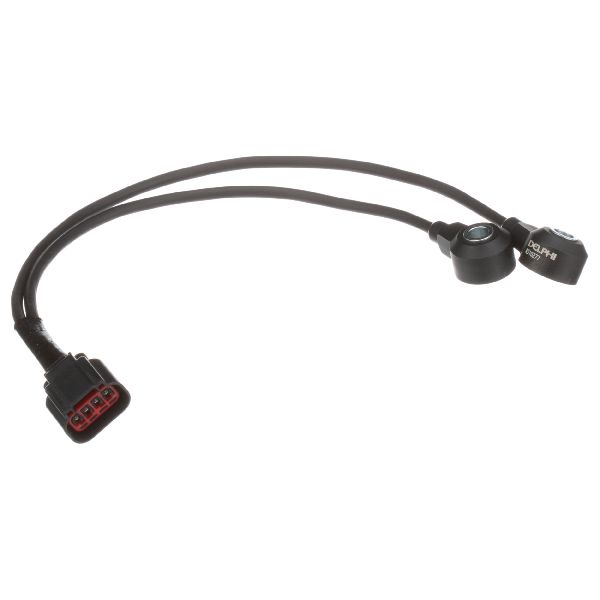
(OEM #Base P/N: 12A699)— SSM 48991 for the 2.7L engine suggests replacing the knock sensor along with the ECT sensor, as they are on the same wiring harness and it is the causal part for warranty claims.
Trusted brands: Motorcraft
OEM price range: $30-$50
Aftermarket price range: $15-$35
Related Codes That Often Appear With This One
- P1299 — Indicates Cylinder Head Overtemperature Protection is active. The PCM triggers this as a failsafe response to the illogical -40°F signal from the ECT sensor, assuming the engine is overheating. This often engages limp mode.
- P0117 — The opposite of P0118, indicating a circuit low (short to ground). It can sometimes be triggered during diagnostics when jumpering the connector pins to test the circuit.
- P0116, P0119, P0128, P0217, P0330, P1026, P130D — These codes are listed alongside P0118 in Ford TSBs (21-2168, 47791, 48991), all pointing to a fault in the ECT sensor, its circuit, or related wiring harnesses on the 2.7L EcoBoost platform.
Technical Service Bulletins (TSBs) & Recalls
- TSB 21-2168: Notes that an intermittent drop in ECT voltage can cause P0118 and/or an Engine Coolant Over Temperature warning. The fix is a sensor relocation kit.
- SSM 47791: Points to a poorly seated or damaged ECT sensor connector on 2.7L engines.
- SSM 46906: An earlier bulletin also identifying the ECT sensor connector as a likely cause on 2.7L engines.
- SSM 48991: Recommends replacing both the ECT sensor and the knock sensor on 2.7L engines due to a shared wiring harness issue.
Platform-Specific Known Issues
- TSB 21-2168: ECT Relocation for 2.7L EcoBoost (2018-2020): For 2018-2020 F-150s with the 2.7L engine, this TSB is the primary fix. It addresses false Engine Coolant Over Temperature warnings and a host of codes (P0118 included) by replacing a heater hose with a new one that has an integrated, relocated ECT sensor, and installing a jumper harness. This is the definitive repair.
- SSM 47791 / SSM 46906: Poor Connector Seating on 2.7L: For 2015-2019 F-150s and other vehicles with the 2.7L engine, these Special Service Messages highlight that a connector that is not fully seated or has damaged pins is a primary cause for P0118 and related codes. This points to a quality control or connection design issue right from the factory.
- SSM 48991: Shared Harness with Knock Sensor on 2.7L: This bulletin for 2015-2020 2.7L models expands the potential cause to the shared wiring harness between the ECT and knock sensor. For warranty purposes, Ford instructs technicians to replace both the ECT sensor and the knock sensor, using the knock sensor as the causal part for the claim. This strongly suggests an underlying harness issue that is addressed by replacing both components.
Mechanic-Grade Diagnostic Values

- ECT Sensor Voltage at PCM — expected: Below 4.6V - 4.9V. Failure: A voltage reading greater than 4.91V will trigger the P0118 code, indicating an open circuit.
- ECT Sensor Resistance (Cold) — expected: 2,000 - 3,000 Ω (at 68°F / 20°C). Failure: An open circuit (infinite resistance) or a value significantly outside this range indicates a faulty sensor.
- ECT Sensor Jumper Test (at connector) — expected: Scan tool reading should show maximum temperature (e.g., >250°F). Failure: If the temperature does not go to maximum when the connector pins are jumpered, the fault is in the wiring or PCM, not the sensor.
Wiring & Ground Locations
- C175E — This is the main 70-pin connector for the Powertrain Control Module (PCM).. Technicians need to test continuity from the ECT sensor connector back to specific pins on this connector to isolate a wiring fault. Pinouts vary by year and engine, but this is the central hub for the circuit.
- Engine Block to Firewall Ground — A ground strap connecting the engine block to the firewall (dash panel) of the truck.. A poor engine ground can cause erratic sensor readings and create voltage offsets. While not a primary cause, ensuring this ground is clean and tight is a crucial step in diagnosing any electrical fault.
- Body to Frame Ground — A ground cable, often located underneath the passenger side door area, connecting the aluminum body to the steel frame.. These grounds are known to corrode and fail, causing a wide range of communication and sensor issues. Ford issued special service messages (SSMs) regarding checking these grounds for various electrical problems.
- G104 (Example Engine Ground) — Typically located on the engine block or cylinder head.. This is a primary ground point for many engine sensors. The ECT sensor relies on a solid ground path back to the PCM, often through the main engine grounds. A loose or corroded G104 can cause the high circuit resistance seen in a P0118 code.
Real Owner Repair Stories
- Ford F150 Forum (2019 F-150 2.7L EcoBoost) — Rumbling noise, Check Engine Light on, temperature gauge pegged to hot, and cooling fans running at full speed, even with a cold engine.
❌ Tried (didn't work) Initial visual inspection showed no leaks or low coolant.
✅ What actually fixed it The owner had the truck towed to a dealer who performed the fix outlined in TSB 21-2168, which involves installing the ECT sensor relocation kit (Part ML3Z-14A411-H). This resolved the false overheating and check engine light. - Ford F150 Forum (2018 F-150 2.7L EcoBoost) — Repeated instances of the truck dying with a false overheat warning, leaving the driver stranded. This happened three times in eight months.
❌ Tried (didn't work) The dealer replaced the ECT sensor on two separate occasions, but the problem kept recurring.
✅ What actually fixed it The story highlights the failure of repeated simple sensor replacements, strongly implying the root cause was the wiring/location issue addressed by TSB 21-2168. The owner was frustrated that the dealer kept replacing the same part without addressing the underlying pattern failure.
Model Year Variations Within This Range
- 2018-2020: TSB 21-2168, which provides the official ECT sensor relocation kit, is specifically for 2018-2020 F-150s with the 2.7L engine. While earlier 2015-2017 models have the same sensor location and suffer similar issues, the TSB and its associated relocation kit part number are explicitly for the updated generation of the 2.7L engine that began in 2018.
- 2015-2017: For these earlier 2.7L models, while the TSB for the relocation kit doesn't officially apply, the root cause (bad sensor/connector/wiring under the intake) is the same. The repair would be either replacing the sensor in its original difficult location or attempting to adapt the newer relocation kit, though compatibility is not guaranteed by Ford.
Helpful Videos
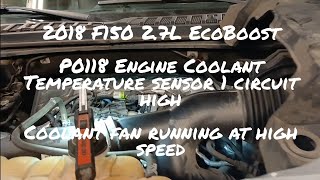
![How to Fix FORD P0118 Engine Code in 3 Minutes [2 DIY Methods / Only $7.33]](https://img.youtube.com/vi/QsygZ_C9NA8/mqdefault.jpg)
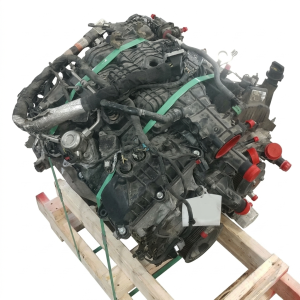
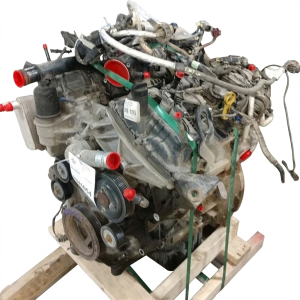
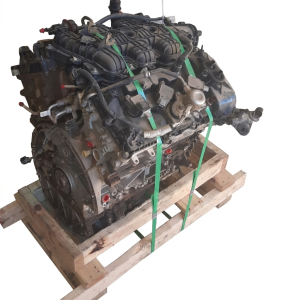
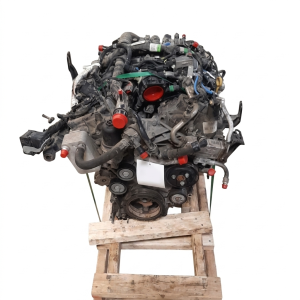
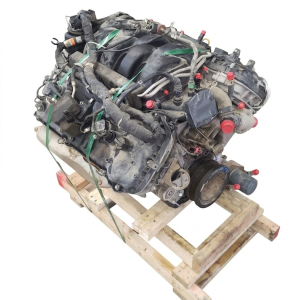
Used OEM Parts in Stock

New Aftermarket Parts Available


The information in this article is provided for general reference and educational purposes only. Vehicle specifications, procedures, and part compatibility can vary by production date, trim level, and region. Always consult your vehicle's factory service manual and verify part numbers before purchasing or performing repairs. Safety-critical components such as airbags, seat belts, and braking systems should be installed by a qualified professional.
- Ford F-150:
- 🎬 Helpful Videos
- 🛍️ Shop This Part
- What's Unique About the 2015-2020 Ford F-150
- Diagnostic Flowchart
- Symptoms You May Notice
- Most Likely Causes
- Rare But Worth Checking
- Diagnosis Steps
- Parts You'll Likely Need
- Related Codes That Often Appear With This One
- Technical Service Bulletins (TSBs) & Recalls
- Platform-Specific Known Issues
- Mechanic-Grade Diagnostic Values
- Wiring & Ground Locations
- Real Owner Repair Stories
- Model Year Variations Within This Range
- 🎟️ Get 5% Off